Attractions and Places To See around Aldeacipreste - Top 20
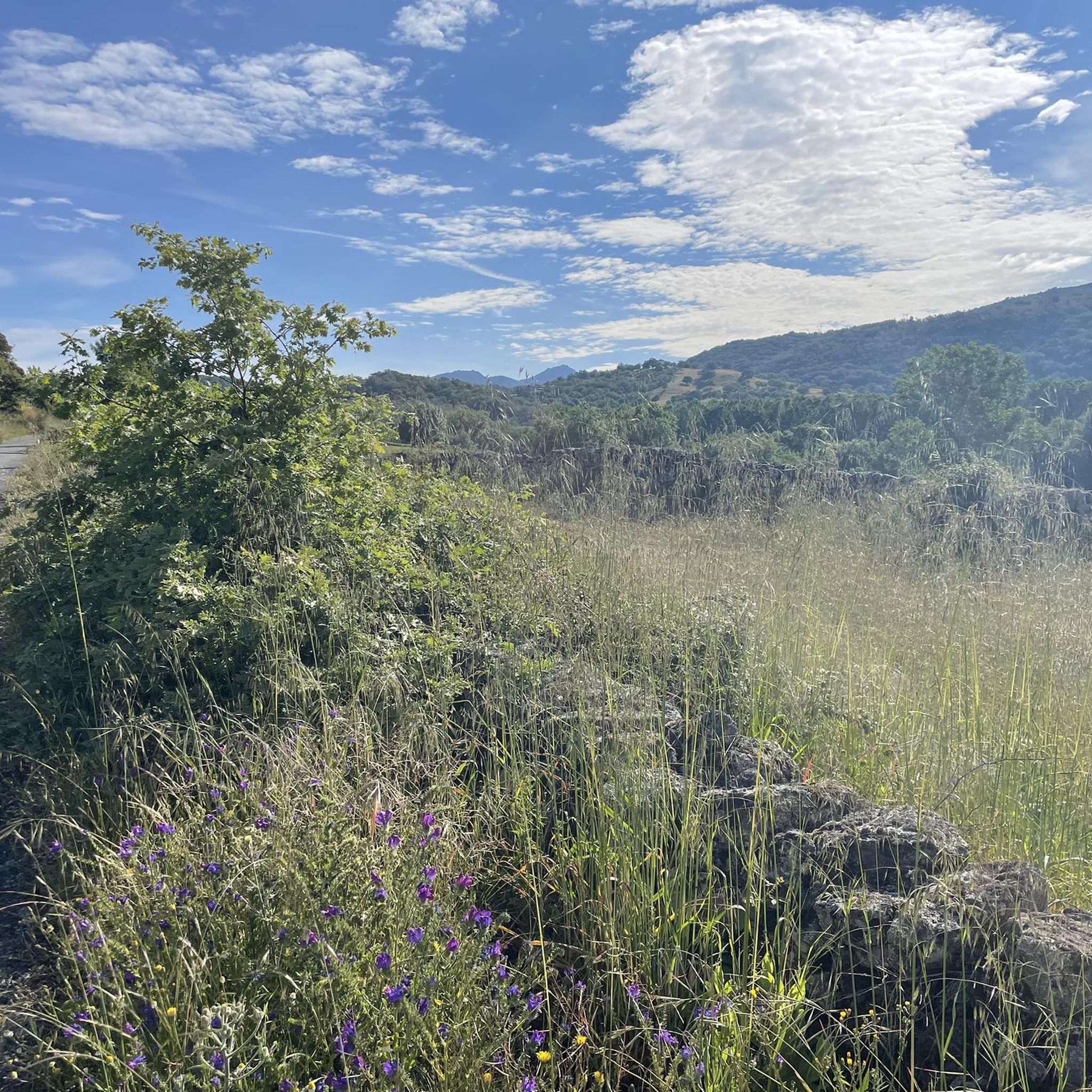
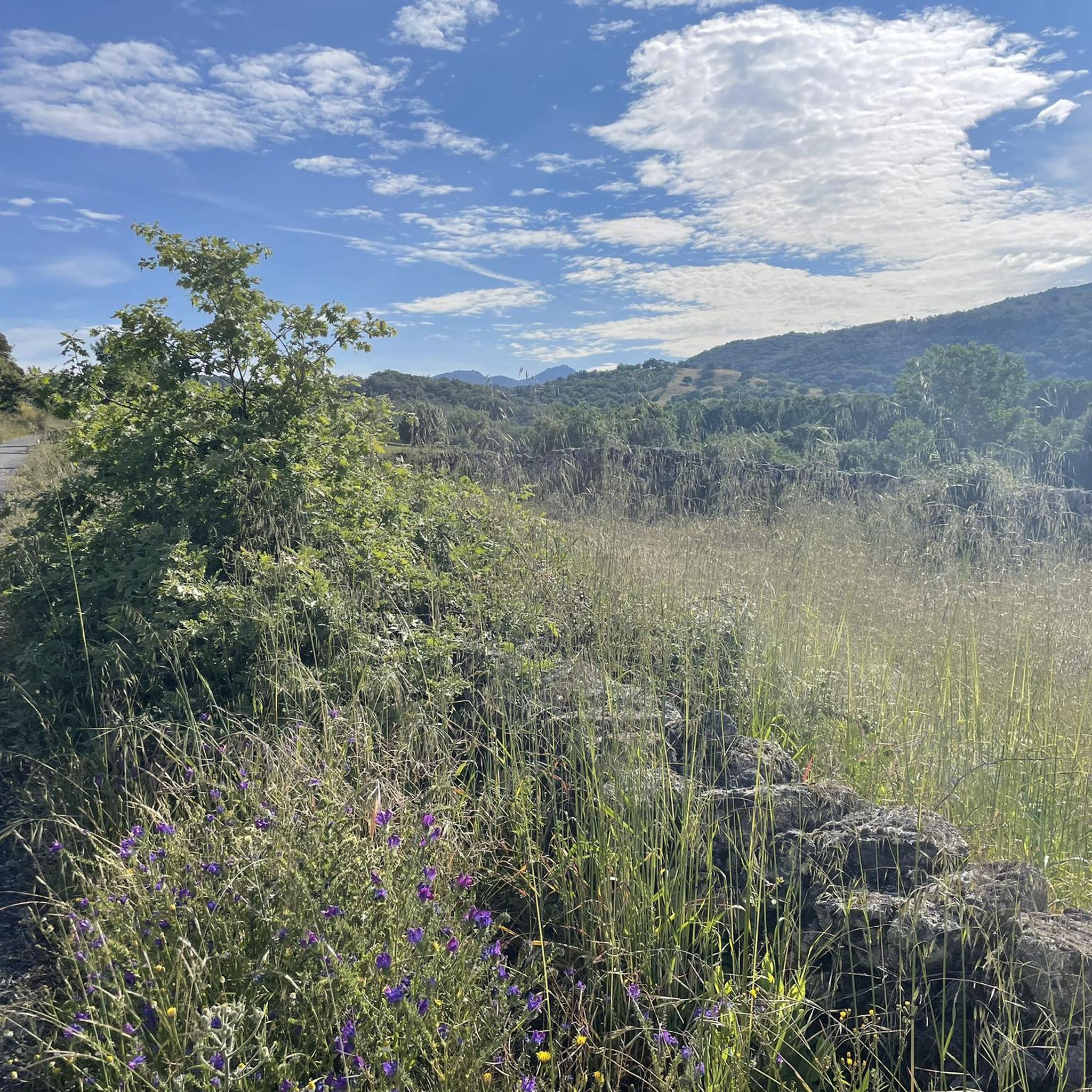
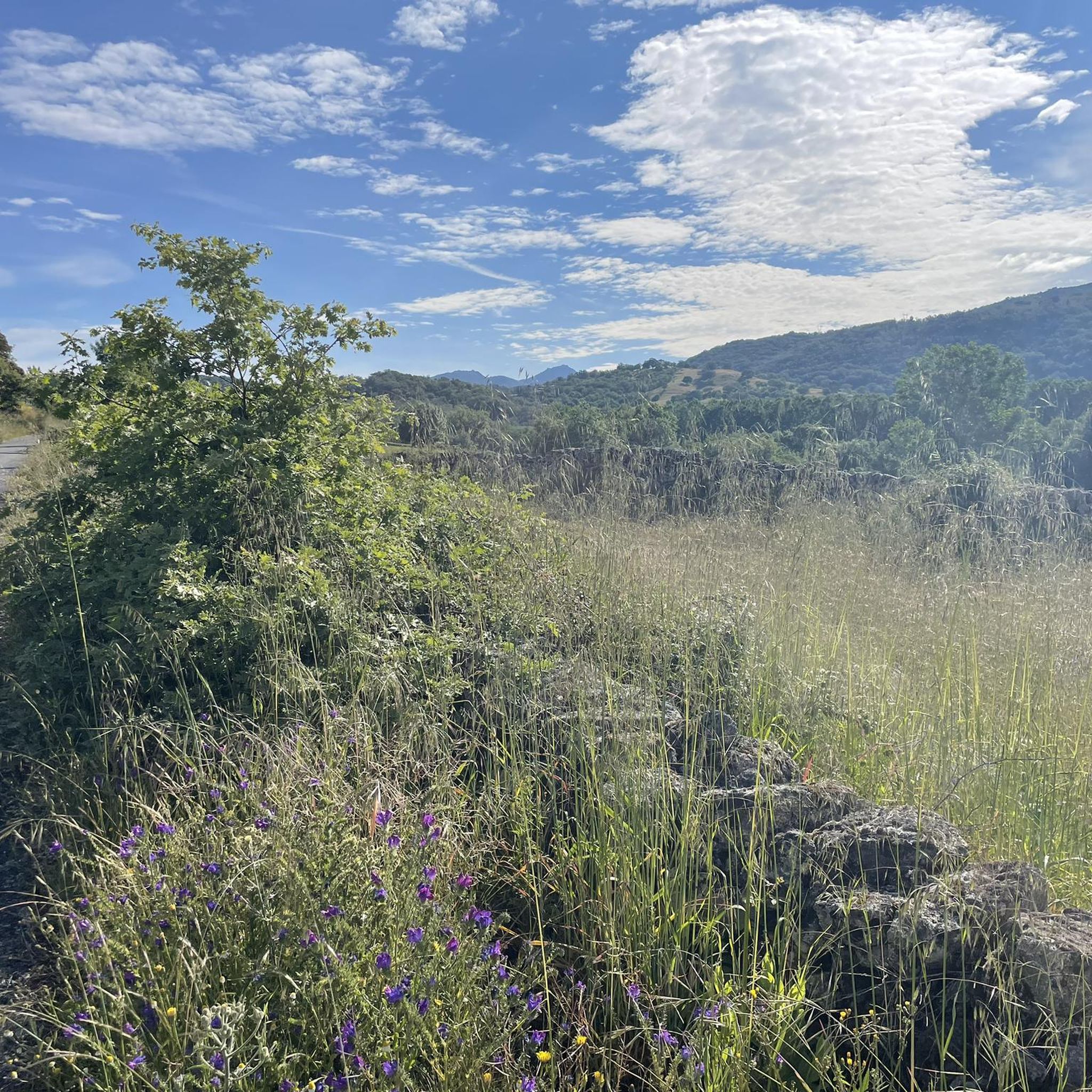
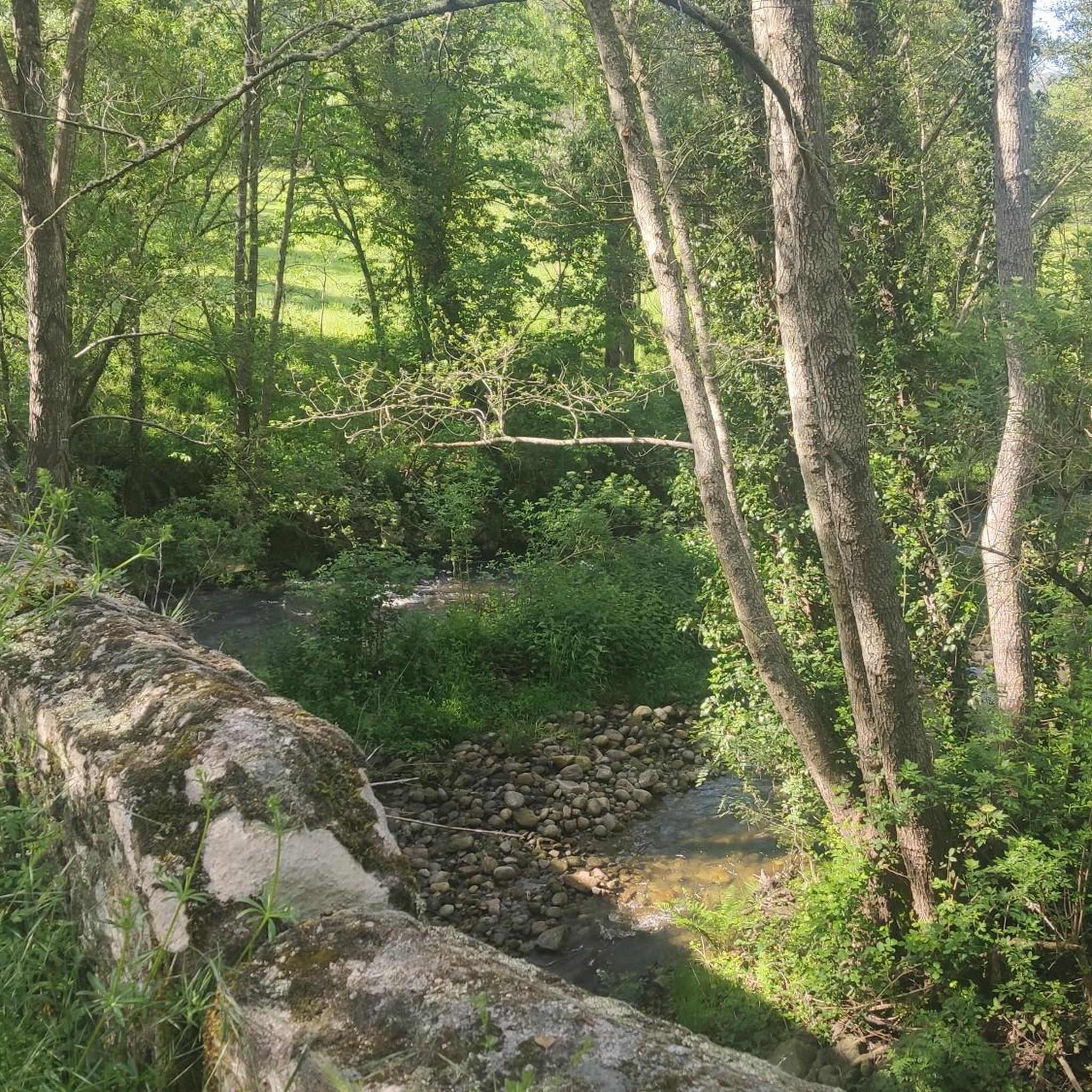
Best attractions and places to see around Aldeacipreste include historical sites and natural viewpoints. The region is known for its connection to the Vía de la Plata, an ancient route with significant historical and cultural relevance. Visitors can explore old railway lines, tunnels, and traditional towns nestled within the Sierra de Béjar valley. The landscape features mountains, rivers, and areas with popular architecture.
Best attractions and places to see around Aldeacipreste
- The most popular attractions is La Pequeña Estación Bar…
Last updated: July 29, 2026
Béjar Pass
Highlight • Settlement
Showing Translation
Tip by

Béjar Station and Vía de la Plata Tunnel
Highlight • Trail
80.1 kilometers. 730 positive meters.
The route leaves the Béjar station through a curved tunnel with automatic artificial lighting that passes under the historic complex, where the …
Translated by Google •
Tip by

Sign up now to discover places like this
Get recommendations on the best single tracks, peaks, & plenty of other exciting outdoor places.
Sign up for free
La Pequeña Estación Bar Restaurant Café
Highlight • Restaurant
Showing Translation
Tip by
"La Cruz" on the ancient Roman road Calzada Baños de Montemayor
Highlight • Monument
The Via Ver Via de la Plata …
Translated by Google •
Tip by

Peña de la Cruz and Balanced Boulder
Highlight • Monument
At the end of the path we find …
Translated by Google •
Tip by

Sign up for free to discover even more attractions around Aldeacipreste.
Sign up for free
Already have an account?
Start today with a free account
Your next adventure awaits.
Login or Signup
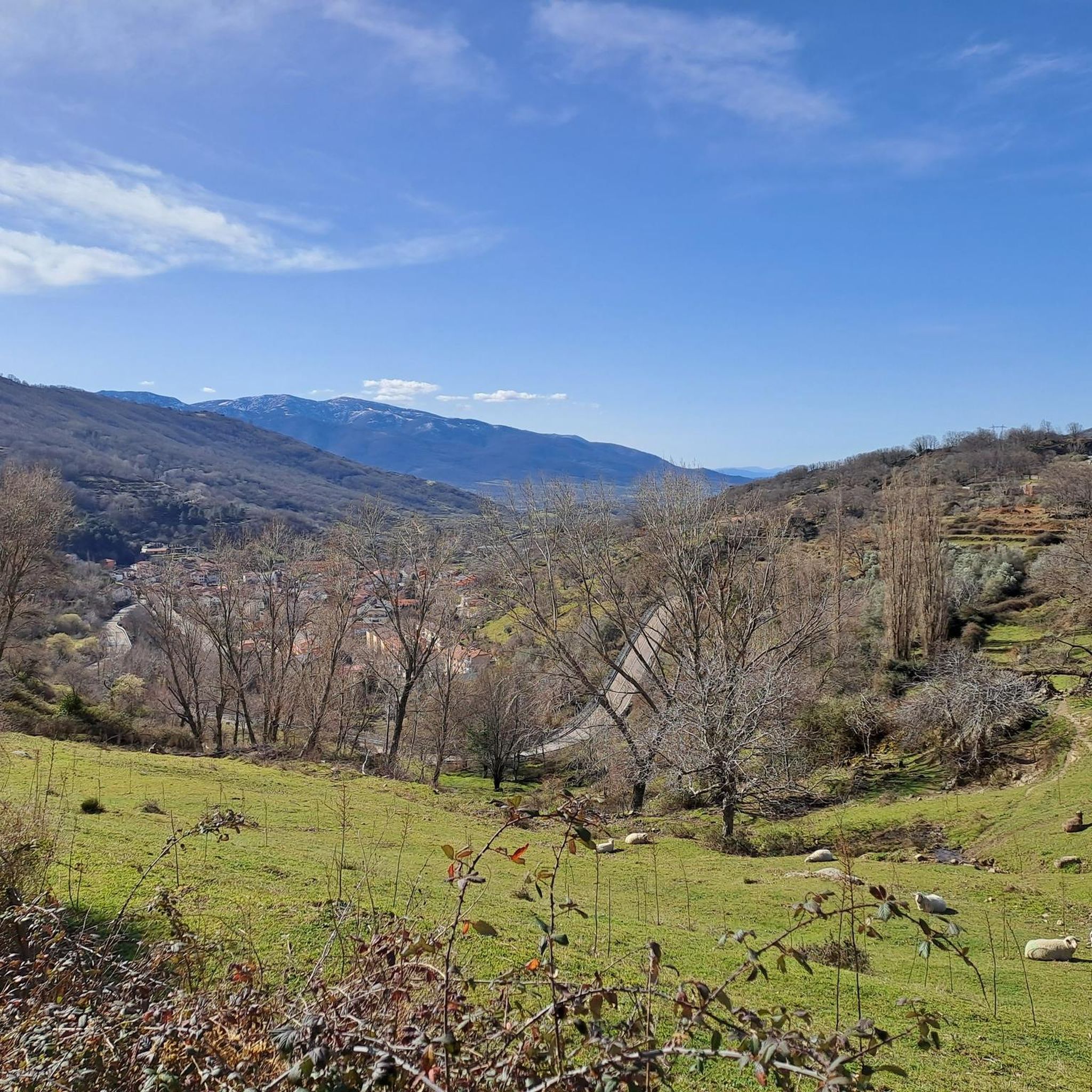

Tips from the Community

Usually cozy here, but today deserted.
9
0
The origin of this via verde lies in the transport of silver. the Silver Route (Vía de la Plata) runs through. However, pilgrims do not walk through the village itself, which is characterized by its typical local architecture; instead, the pilgrim route stays to the left of the village
9
0

Very close to the Béjar Greenway, ideal for cyclists and hikers who follow the old railway line. Cuisine: Mediterranean and Spanish, with grilled meats, tapas, and traditional dishes. Specialties: Grilled meats (T-bone steak, Iberian pork shoulder). Burgers (including Wagyu). A variety of tapas, croquettes, and salads. Fresh fish and homemade stews.
8
0
Very close to the Béjar Greenway, ideal for cyclists and hikers who follow the old railway line. Cuisine: Mediterranean and Spanish, with grilled meats, tapas, and traditional dishes. Specialties: Grilled meats (T-bone steak, Iberian pork shoulder). Burgers (including Wagyu). A variety of tapas, croquettes, and salads. Fresh fish and homemade stews.
7
0

Even though this small sacred monument isn't located on the classic Way of St. James through northern Spain, in light of the wayside cross standing here, some thoughts by Hape Kerkeling might be helpful as inspiration. The entertainer, who is particularly famous in Germany, walked the Camino Frances in 2001 and kept a diary, which was published under the title "Ich bin dann mal weg" (I'm off then). In it, he describes his personal encounter with God along the way as follows: "Yesterday, something inside me struck a huge gong. And the sound will reverberate. Sooner or later, this path shakes everyone to their very foundations. I know the sound will slowly fade, but if I listen carefully, I'll be able to hear this reverberation for a very long time to come."
0
0

Easy bike ride. Beautiful nature and views. Hervas is a nice and beautiful city. Bike path on old railway line easily passable. Tunnel was lit (but slippery clay soil with hard grooves, so be careful).
2
0


Puerto de Béjar is a municipality and Spanish town in the province of Salamanca, in the autonomous community of Castilla y León. It is integrated into the Sierra de Béjar region.
1
1
Frequently Asked Questions
What historical sites can I explore around Aldeacipreste?
The region is rich in history, particularly with its connection to the Vía de la Plata. You can visit Béjar Pass, a settlement known for its popular architecture and its role as the first town in Salamanca crossed by the Silver Way. Another significant site is Béjar Station and Vía de la Plata Tunnel, which offers a glimpse into the old railway lines and the historic route.
Are there any family-friendly attractions in the Aldeacipreste area?
Yes, several attractions are suitable for families. Béjar Pass is a charming settlement with traditional architecture that can be interesting for all ages. Additionally, La Pequeña Estación Bar Restaurant Café is family-friendly and located conveniently near the Béjar Greenway, making it a great stop during an outing.
Where can I find scenic viewpoints around Aldeacipreste?
For panoramic views, head to Peña de la Cruz and Balanced Boulder. This site offers stunning vistas of the Sierra de Béjar valley and includes picnic areas. Another excellent spot is "La Cruz" on the ancient Roman road Calzada Baños de Montemayor, which provides great views along a historic path.
What kind of natural features can I see near Aldeacipreste?
The area boasts a diverse landscape with mountains and rivers. A notable natural feature is the Balanced Boulder at Peña de la Cruz and Balanced Boulder. The region's valleys, like the Sierra de Béjar valley, also offer beautiful natural scenery.
Are there hiking trails available near Aldeacipreste's attractions?
Absolutely. The region offers various hiking opportunities. You can explore routes like the 'Puerto de Béjar Tunnel loop from Puerto de Béjar' or the 'Peñacaballera - Puente de la Magdalena – circular from Montemayor del Río by the Vía de la Plata'. For more options, check out the Hiking around Aldeacipreste guide.
Where can I find places to eat or drink near the attractions?
A popular spot for food and refreshments is La Pequeña Estación Bar Restaurant Café. It's conveniently located near the Béjar Greenway and Vía Verde de la Plata, offering Mediterranean and Spanish cuisine, including grilled meats and tapas. It's a great place for cyclists and hikers to recharge.
What are some easy walks or trails suitable for all fitness levels?
For easier routes, consider exploring sections of the Vía Verde de la Plata, which follows old railway lines and is generally flat. While specific 'easy walks' are not detailed in the highlights, the Béjar Greenway is known to be easily passable for cyclists and hikers. For MTB, there's an 'easy' rated route: 'Béjar Pass – Vía Verde de la Plata loop from Puerto de Béjar' in the MTB Trails around Aldeacipreste guide.
What do visitors enjoy most about the attractions around Aldeacipreste?
Visitors particularly appreciate the blend of historical significance and natural beauty. The panoramic views from spots like Peña de la Cruz and Balanced Boulder are highly praised. The connection to the Vía de la Plata and the opportunity to explore old railway lines and traditional towns also receive positive feedback.
Are there opportunities for cycling or mountain biking in the area?
Yes, the region is excellent for cycling and mountain biking, especially along the Vía Verde de la Plata. You can find routes like the 'Ruta de la Plata BTT Center: Montemayor del Río Loop' or the 'Béjar Tunnel – Vía Verde de la Plata loop from La Calzada de Béjar'. More options are available in the MTB Trails around Aldeacipreste guide.
Can I find running trails near Aldeacipreste?
Yes, there are several running trails. Consider routes such as 'Peña de la Cruz – running circular through the Espacio Natural de la Sierra de Candelario' or the 'Vía de la Plata - Peñacaballera Loop'. You can discover more running options in the Running Trails around Aldeacipreste guide.
What is the significance of the Vía de la Plata in this region?
The Vía de la Plata is an ancient route with significant historical and cultural relevance, passing through the region. It's an old Roman road that later became a pilgrimage route. You can experience parts of it, for example, near Béjar Station and Vía de la Plata Tunnel, which follows the old railway line.
Are there any less crowded spots or trails to enjoy nature?
While popular viewpoints like Peña de la Cruz and Balanced Boulder can get busy, especially on weekends, visiting early in the morning can help avoid crowds. For trails, exploring some of the less-trafficked routes mentioned in the hiking or MTB guides might offer a more serene experience.
Most popular routes around Aldeacipreste
Most popular attractions around Aldeacipreste

Get inspired with the komoot mobile app


Explore more
Still not found the Highlight you’re looking for? See guides of the top attractions in other regions:
