Attractions and Places To See around Santa Coloma De Queralt - Top 20
Best attractions and places to see around Santa Coloma De Queralt. This historic town in the Conca de Barberà region of Catalonia, Spain, features a medieval heritage with notable landmarks and cultural sites. The area is characterized by its historic quarter, which has been declared a Property of Cultural Interest. The surrounding natural environment, crossed by the Gayà river, offers hiking routes and various points of interest.
Best attractions and places to see around Santa Coloma De Queralt
- The most…
Last updated: October 10, 2026
Santa Maria de la Sala Hermitage
Highlight • Religious Site
Translated by Google •
Tip by

Views of Albió
Highlight • Viewpoint
Translated by Google •
Tip by

Sign up now to discover places like this
Get recommendations on the best single tracks, peaks, & plenty of other exciting outdoor places.
Jorba
Highlight • Settlement
Translated by Google •
Tip by

Forès Wall
Highlight (Segment) • Climb
Translated by Google •
Tip by

Hotel Balneari de Vallfogona de Riucorb
Highlight • Rest Area
Translated by Google •
Tip by
Sign up for free to discover even more attractions around Santa Coloma De Queralt.
Already have an account?
Start today with a free account
Your next adventure awaits.
Popular around Santa Coloma De Queralt
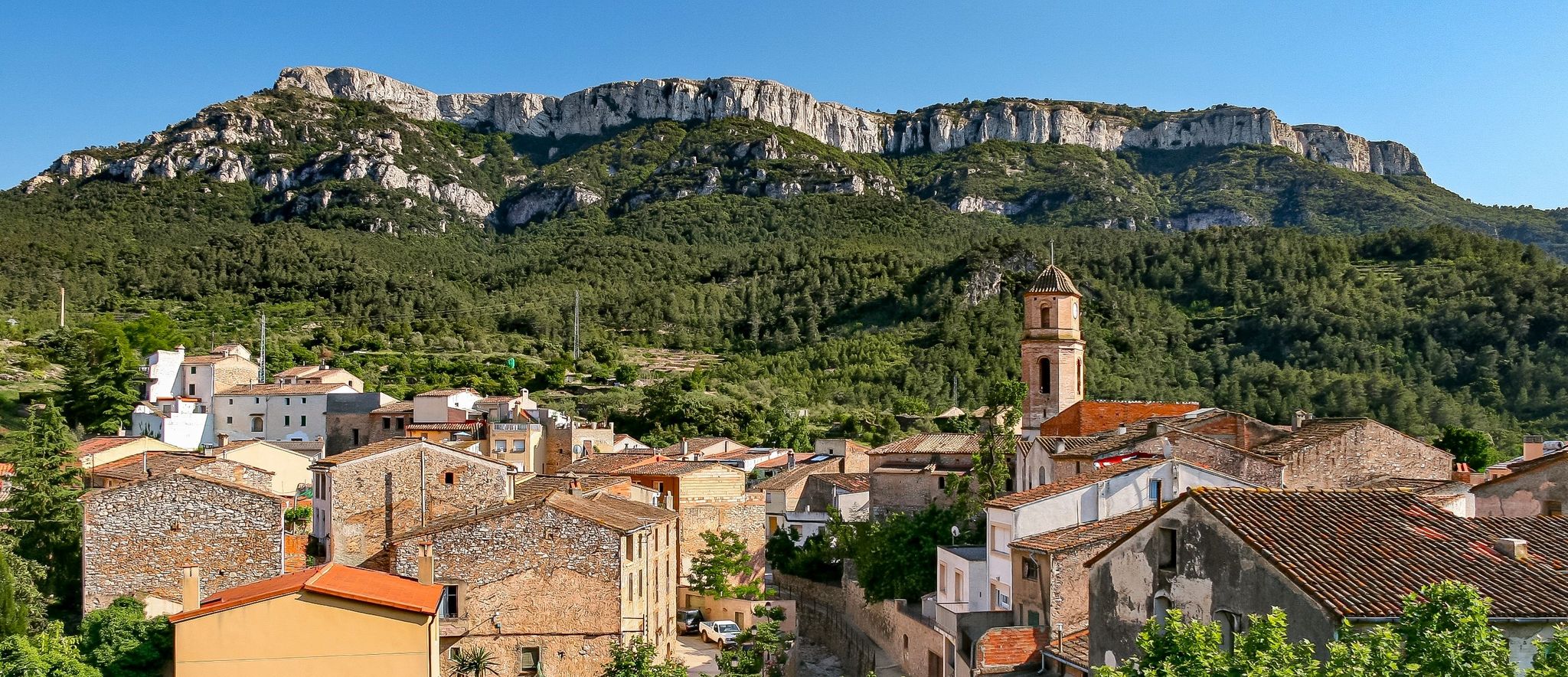
A land of contrasts – Tarragona to the Pyrenees on the GR 7
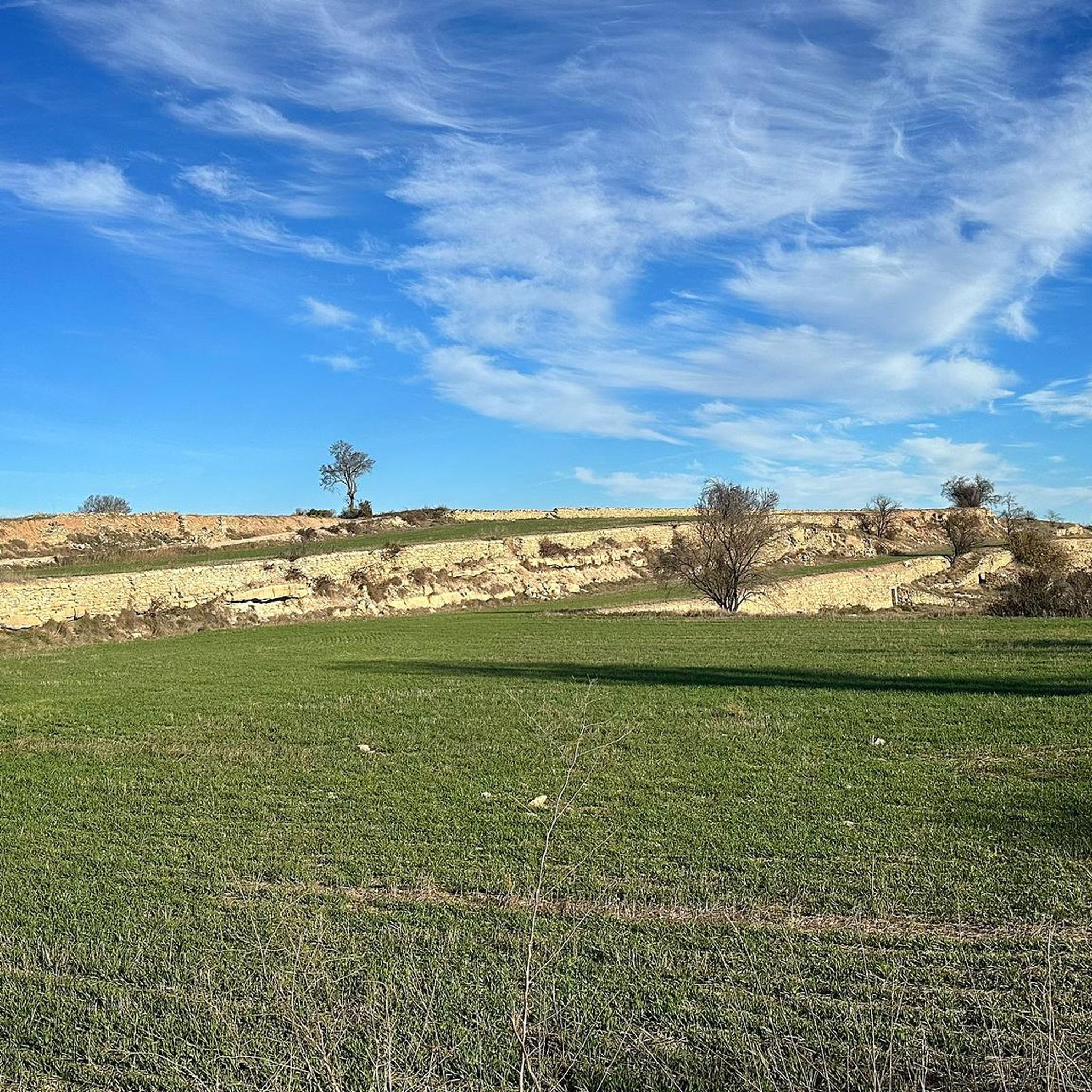
Road Cycling Routes around Santa Coloma De Queralt
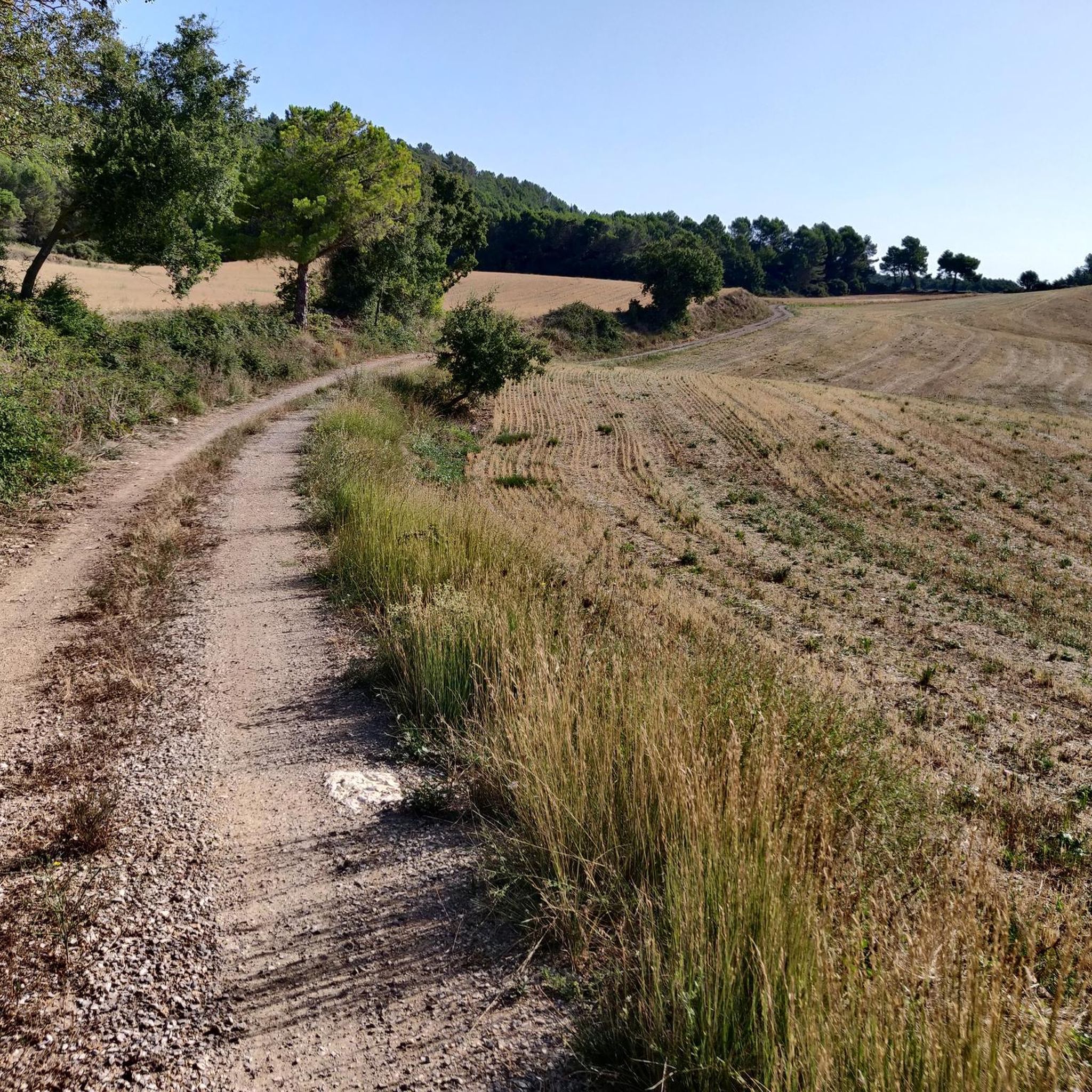
Running Trails around Santa Coloma De Queralt
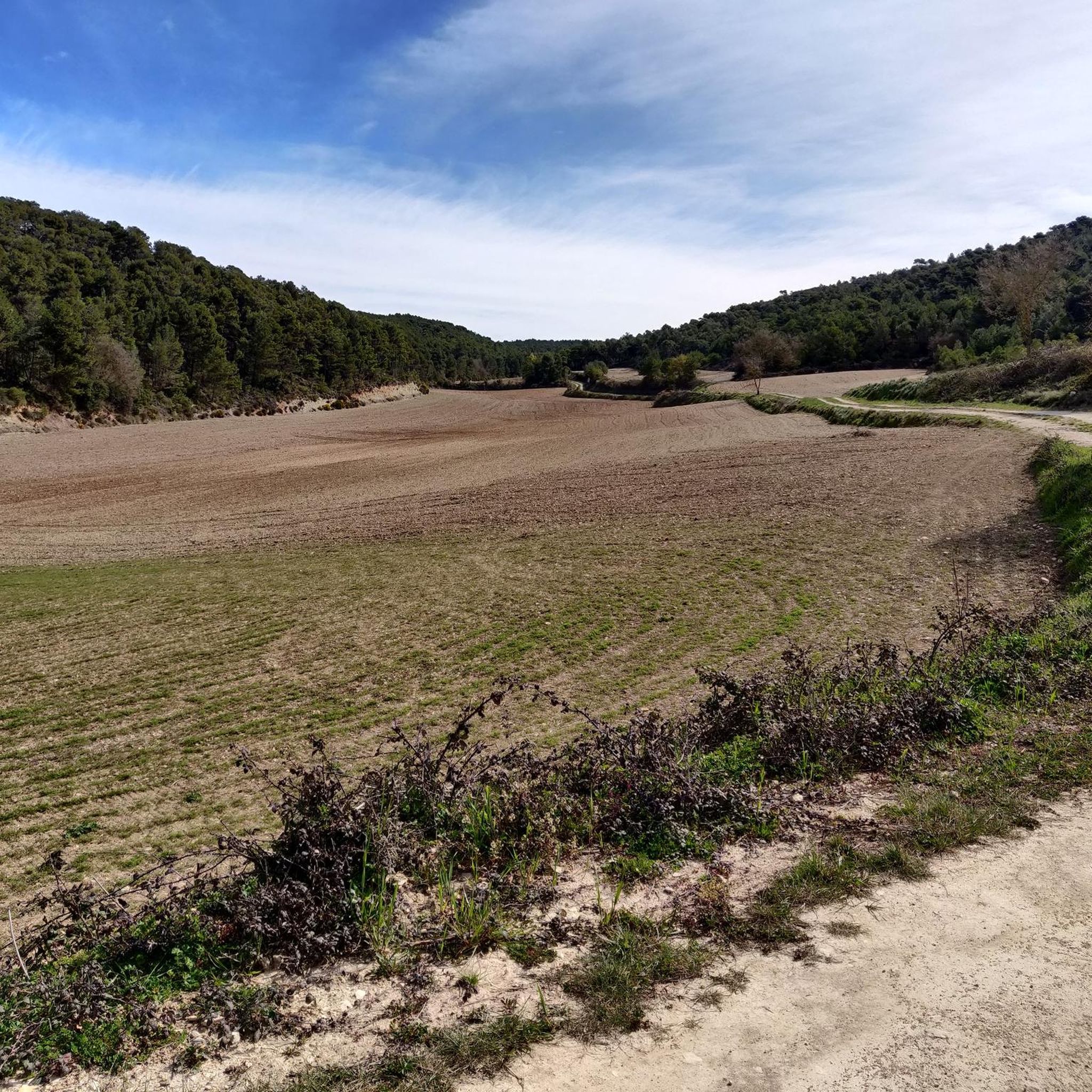
Hiking around Santa Coloma De Queralt
MTB Trails around Santa Coloma De Queralt
Cycling around Santa Coloma De Queralt

Gravel biking around Santa Coloma De Queralt
Other adventures around Santa Coloma De Queralt

Tips from the Community

La ermita de la Mare de Déu de la Sala pasa desapercibida desde la carretera aunque lleva siendo testigo de la vida en la ribera del Anoia desde el siglo XII. Este templo románico conserva su estructura original y siempre ha estado ligado a la antigua masía que actualmente se conoce como Can Cansalada.
0
0

In addition to the views of the hilltop village of Albio, the views from Albio itself are also very beautiful.
0
0

Through the Camí de la Serra you reach the town of Forès, with one of the well-known classical walls. The prize is the spectacular view you'll have from above of the entire Conca de Barberà, a panorama you'll never forget.
0
0
It is the quintessential wall of the Segarra region. It's simply spectacular. It has beauty and above all toughness. It is 850 meters long with a maximum slope of 20.5%, which is at the end of the wall when you reach the town. The beauty of the wall lies in the fact that you can see the town of Forés in the background and you know that you have to climb to the top in a short space... and above all in the views from the town. Forés is one of the most beautiful places in Catalonia without a doubt. For more details, visit the website of the "Clásica dels Murs de Cervera" -- classicadelsmurs.cat
0
0
It is a beautiful hermitage from the 11th century that probably belonged to a farmhouse. It is Romanesque in style and has a beautiful arched doorway.
0
0
The Vallfogona de Riucorb spa was built in 1901 to take advantage of the thermal waters that spring up in the area. It is one of several spas that are spread throughout this region.
0
0
Albiò, crossing point in La Segarra. Visit between March and May, beyond that the atmosphere will be very dry.
0
0

Albió is a population center located at the westernmost end of the term of Llorac, in the Conca de Barberà. It is located on a small hill and bordered by the Corb river.
0
0
Frequently Asked Questions
What historical sites can I explore in Santa Coloma de Queralt?
Santa Coloma de Queralt is rich in history. You can explore the medieval walled compound with its four preserved gates, including the Sanou or Coloma portal. The town's origins are centered around the 10th-century Castell dels Comtes, which features the 11th-century Torre de l'Homenatge. Don't miss the charming narrow streets of the Jewish Quarter. For religious history, visit the Gothic Parish Church of Santa Maria or the Church of Santa Maria de Bell-lloc, which houses an impressive 14th-century alabaster sepulcher.
Are there any museums or cultural spaces in Santa Coloma de Queralt?
Yes, you can visit Cal Jaume Punto, a historic shop re-opened as a museum showcasing its appearance from 50 years ago, once selling chocolate and operating as a drugstore and bakery. Another cultural spot is La Farinera, an old flour mill transformed into a museum and cultural space.
Where can I find the best viewpoints around Santa Coloma de Queralt?
For panoramic views, head to Views of Albió, located on a small hill at the westernmost end of Llorac. Another spectacular spot is the town of Forès, accessible via the Forès Wall, which offers unforgettable vistas of the entire Conca de Barberà. Additionally, Sant Miquel de Montclar, situated at the peak of Montclar, provides great views of the Conca de Barberà and Alt Camp.
What natural features or outdoor attractions are there?
The area is crossed by the Gayà river, offering a beautiful natural environment. You can visit the 17th-century Fuente de les Canelles with its eight spouts, and nearby, a Gothic cross. The public washhouses from 1820 are also located by the Gayá river. The region is also a starting point for hiking routes like the 'camí de les terres del Gaià' and the 'ruta dels molins fariners'.
Are there family-friendly attractions in the area?
Yes, the Hotel Balneari de Vallfogona de Riucorb is a family-friendly facility. This spa, built in 1901, utilizes thermal waters and is set in an emblematic site between mountains and hot springs, offering a relaxing experience for all ages.
What kind of cycling routes are available near Santa Coloma de Queralt?
The region offers a variety of cycling routes. For road cycling, you can find routes like the 'Santa Coloma de Queralt – Plaça Major loop'. Mountain biking enthusiasts can explore trails such as the 'Santa Coloma de Queralt – Queixal de la Bruixa loop'. There are also general cycling routes, including a circular route connecting Santa Coloma de Queralt, Santa Perpétua de Gaiá, and Castillo de Saborella. You can find more details on these routes in the dedicated cycling guides for the area, such as Road Cycling Routes around Santa Coloma De Queralt, MTB Trails around Santa Coloma De Queralt, and Cycling around Santa Coloma De Queralt.
What is the best time of year to visit Santa Coloma de Queralt?
The region offers pleasant conditions for exploration during spring and early summer. For visiting places like Albió, it's recommended to go between March and May, as the atmosphere can become very dry later in the year. Generally, spring and autumn provide comfortable temperatures for exploring the historic sites and engaging in outdoor activities.
Are there any notable religious buildings to visit?
Absolutely. The Gothic Parish Church of Santa Maria, constructed from the 14th to 17th centuries, features a square belfry and a magnificent facade, housing a notable 14th-century alabaster altarpiece. On the outskirts of town, you'll find the Church of Santa Maria de Bell-lloc, a Gothic church from the 13th-14th century with a Romanesque portal. Additionally, the Santa Maria de la Sala Hermitage is a beautiful 11th-century Romanesque hermitage with an arched doorway.
What do visitors enjoy most about the attractions around Santa Coloma de Queralt?
Visitors particularly appreciate the historical depth and the stunning natural panoramas. Highlights like the Forès Wall are praised for their toughness and the spectacular views of the Conca de Barberà from the town of Forès. The serene environment around places like Sant Miquel de Montclar is also highly valued for taking a break and enjoying the surrounding landscape.
Can I find any hidden gems or less-known spots in Santa Coloma de Queralt?
While many attractions are well-known, exploring the narrow streets of the historic center can reveal charming, less-traveled corners. The Jewish Quarter, with its winding alleys, offers a unique historical atmosphere. Additionally, the Lavaderos públicos (public washhouses) from 1820 by the Gayá river provide a glimpse into the town's past daily life, often overlooked by casual visitors.
What are the main squares in Santa Coloma de Queralt?
The town features two distinctive squares: Plaça Major and Plaça de l'Església. Both are notable for their arcaded buildings, which add to the medieval charm of the town. The Casa de la Vila (Town Hall), an 18th-century building, is located in the main square.
Most popular routes around Santa Coloma De Queralt
Most popular attractions around Santa Coloma De Queralt

Get inspired with the komoot mobile app


Explore more
Still not found the Highlight you’re looking for? See guides of the top attractions in other regions:
