Attractions and Places To See around Toén - Top 20
Attractions and places to see around Toén, a municipality in the Ourense region of Galicia, Spain, include a mix of historical sites and natural landscapes. The area is characterized by its location along the Miño River valley, offering scenic views and recreational opportunities. Toén features a rich civil and religious heritage, alongside natural points of interest. Visitors can explore a variety of landmarks and natural features.
Best attractions and places to see around Toén
- The most popular attractions is Ponte…
Last updated: July 29, 2026
Ponte Vella (Roman Bridge of Ourense)
Highlight • Bridge
Translated by Google •
Tip by

Main Square of Ourense
Highlight • Settlement
Translated by Google •
Tip by
Sign up now to discover places like this
Get recommendations on the best single tracks, peaks, & plenty of other exciting outdoor places.
Sign up for free
Cathedral of San Martín de Ourense
Highlight • Religious Site
Translated by Google •
Tip by
Outariz Hot Springs
Highlight • Natural Monument
The price is affordable and if you have time, it is worth stopping to enjoy its hot waters.
Translated by Google •
Tip by

As Burgas Roman Baths
Highlight • Historical Site
Translated by Google •
Tip by
Sign up for free to discover even more attractions around Toén.
Sign up for free
Already have an account?
Start today with a free account
Your next adventure awaits.
Login or Signup

Tips from the Community

Ourense's Plaza Mayor is one of the most emblematic spaces in the historic center: It's a porticoed square with a slight incline, making it unique in Galicia. The slope is used to create a very photogenic perspective. Since the Middle Ages, it has been the city's administrative and social center. Markets, public events, and neighborhood meetings were held here. Notable buildings: City Hall: a 19th-century neoclassical building with an elegant façade and balconies. Palaces and noble houses: several properties with heraldic shields and typical Galician galleries.
2
0
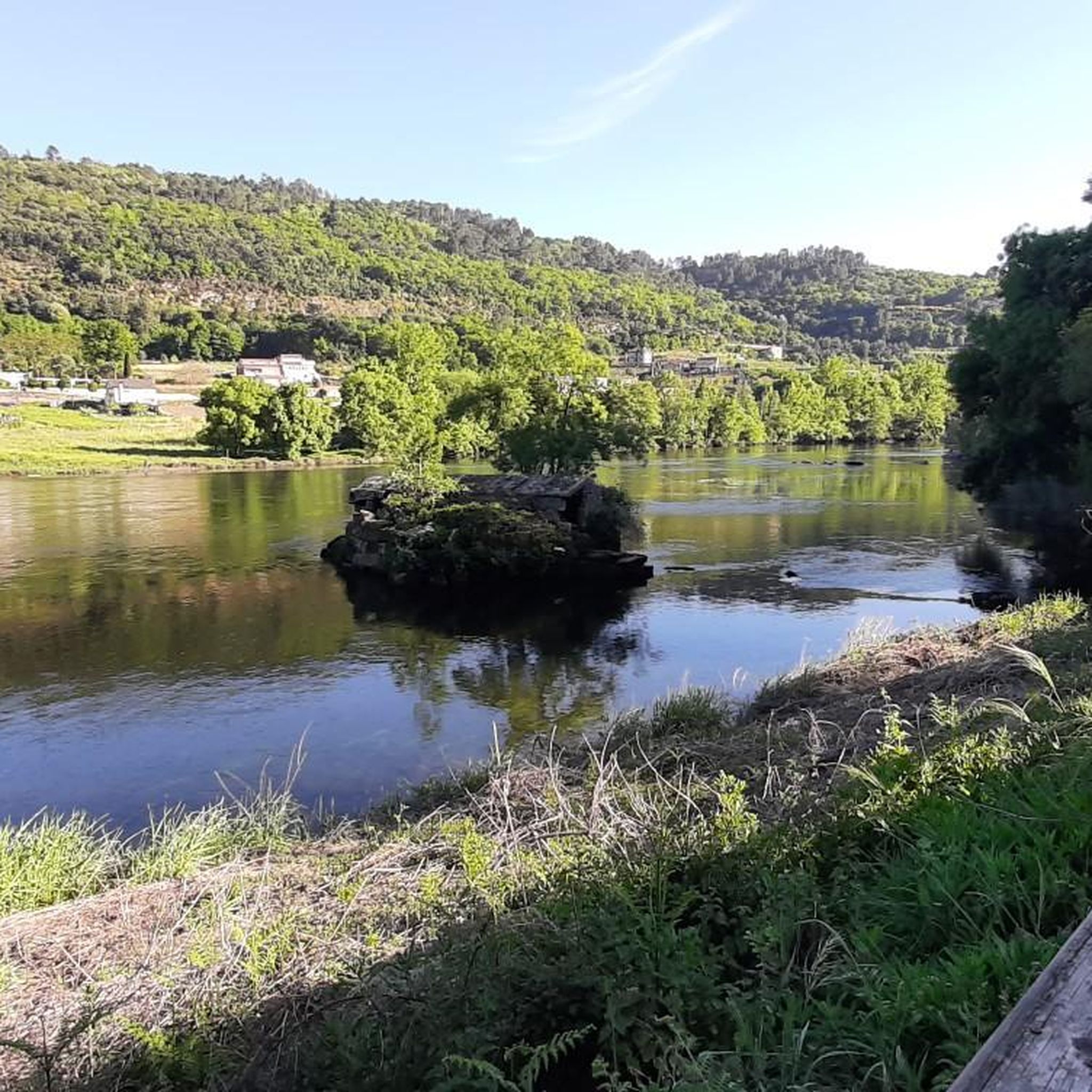
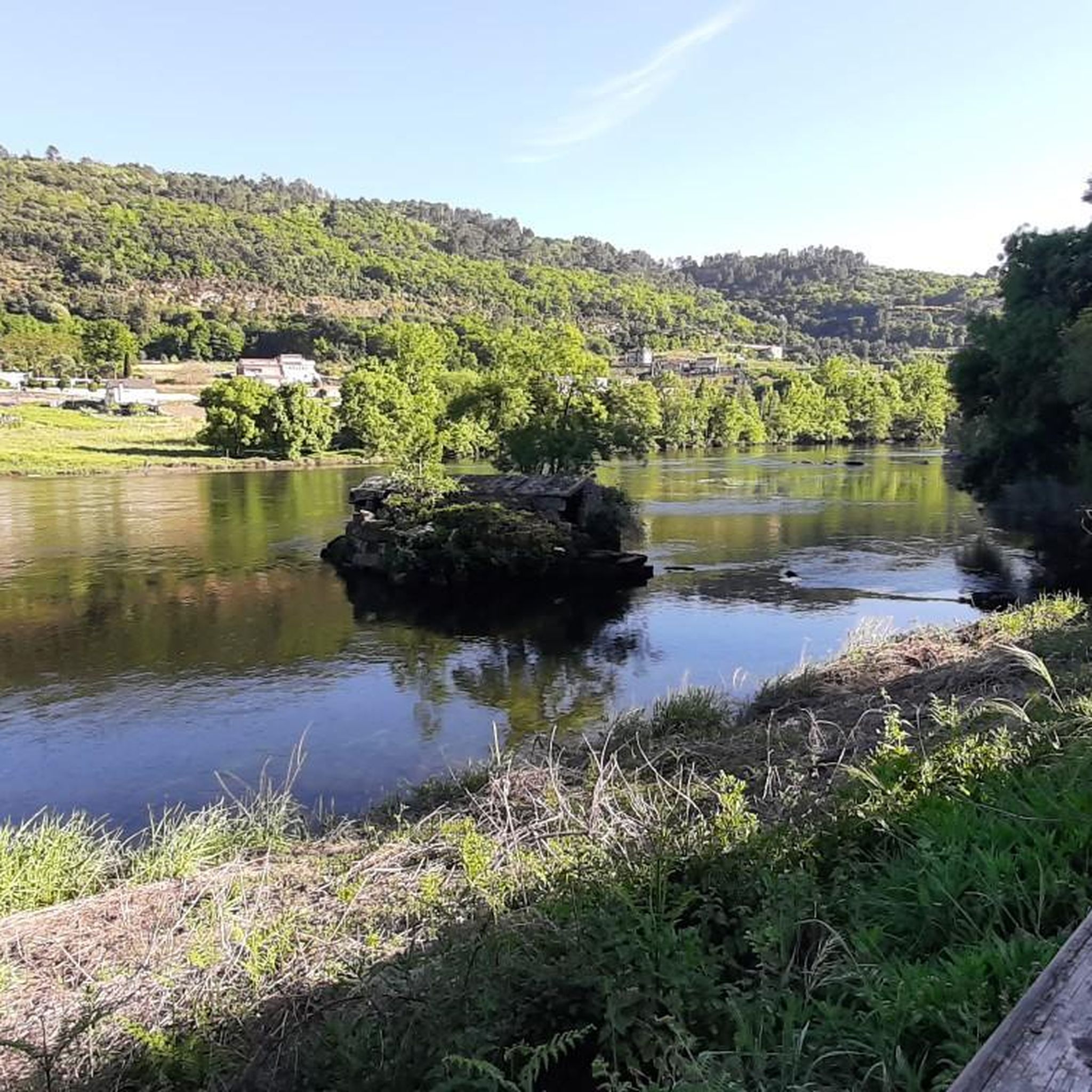
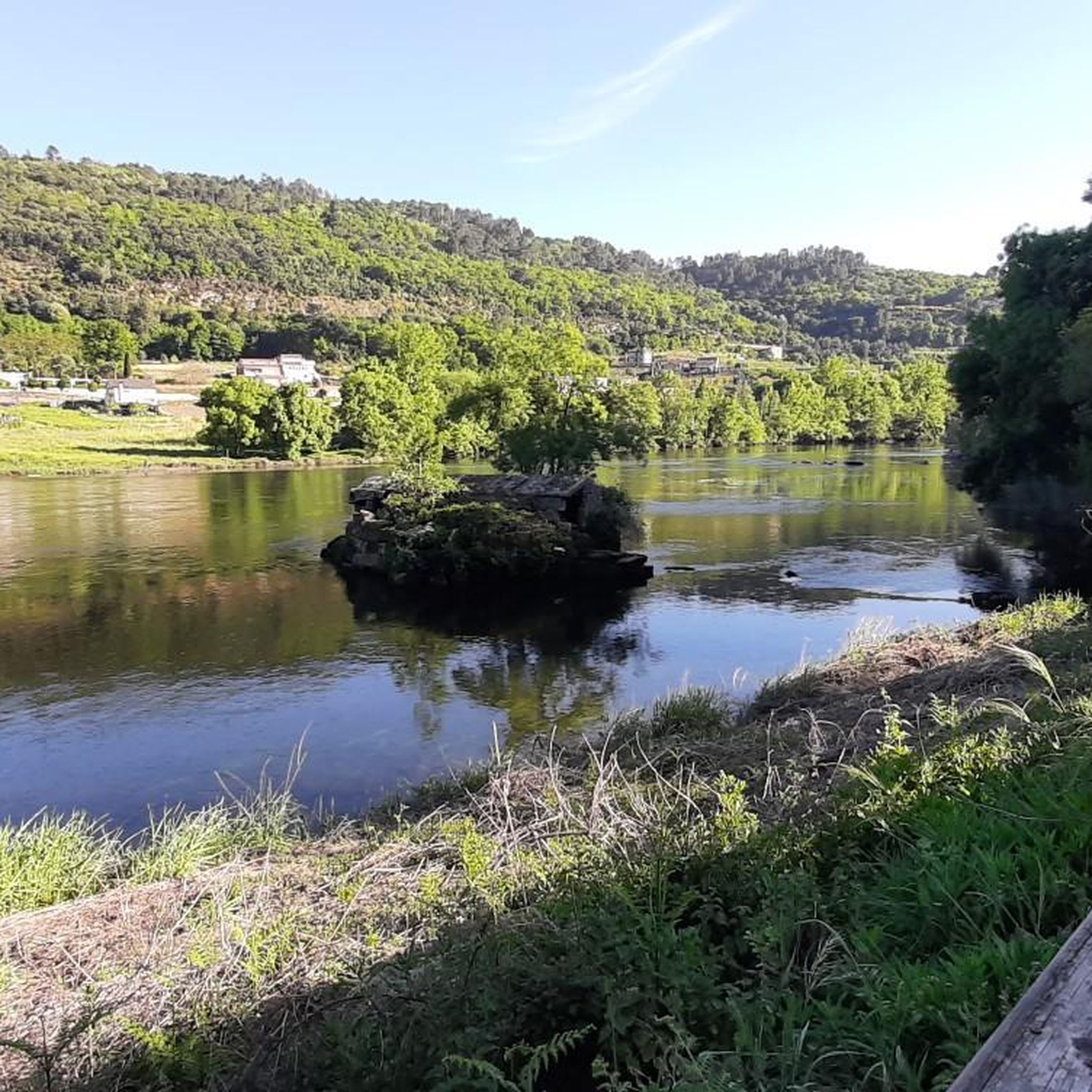
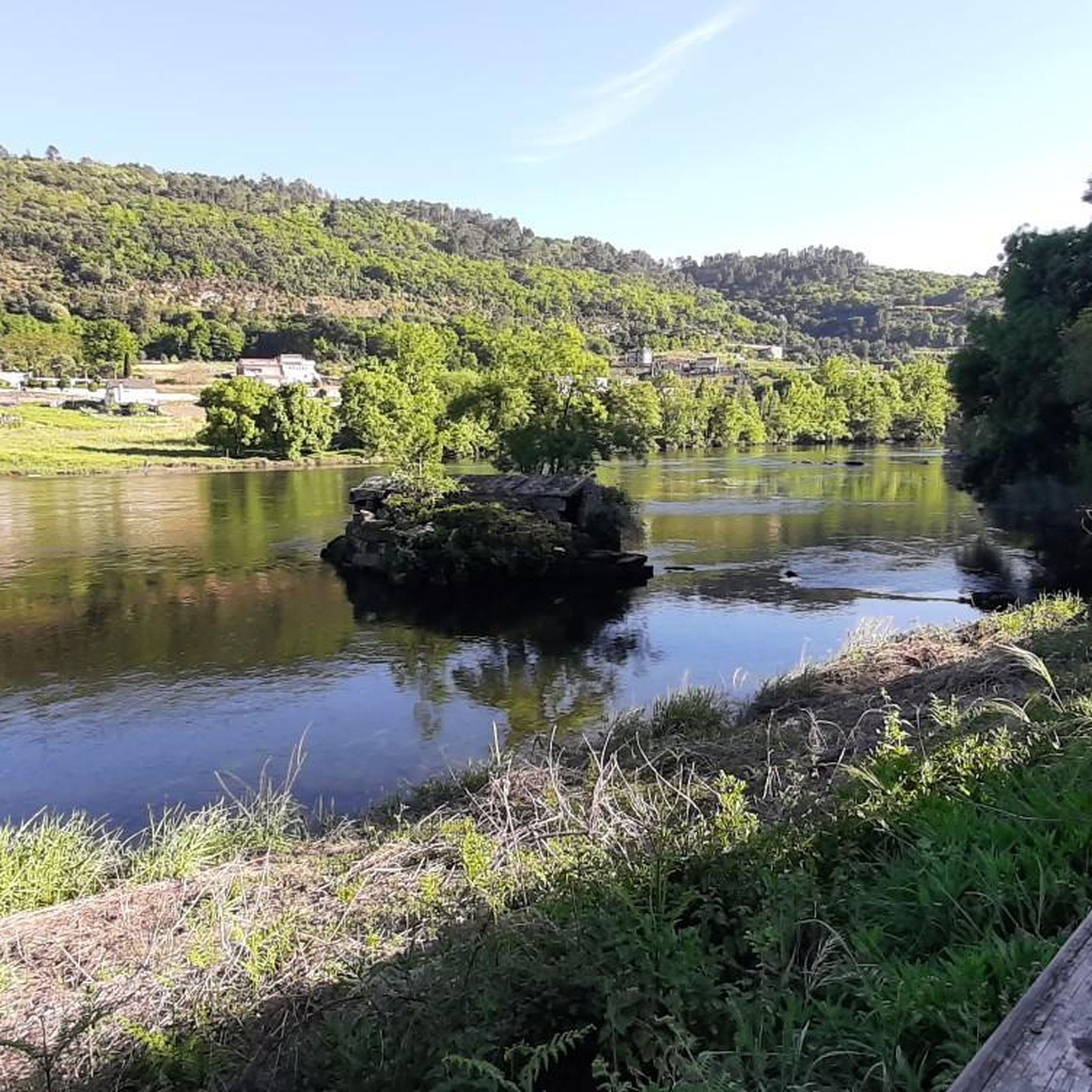
Located on the banks of the Miño River, in the Outariz area, west of Ourense, right on the city's "Thermal Promenade." Parking: The Outariz/Reza parking lot (on the opposite bank) is available, as the Muiño da Veiga parking lot is closed for renovations. Public transport: City bus line 5; the unique Thermal Train, which stops at the facility.
1
0
It spans the Miño River, linking the historic center of Ourense with the A Ponte neighborhood. It was built in the 1st century AD as a branch of the Via Nova (Via XVIII), connecting Bracara Augusta (Braga) with Asturica Augusta (Astorga). Only traces of the original Roman phase remain, such as rusticated stonework at the ends near the banks. It suffered damage during the Middle Ages; in 1228, under Bishop Lorenzo and with the support of Ferdinand III, it was rebuilt with pointed arches and renovated approaches. Until the 17th century, the bridge repeatedly collapsed. The final work was directed by Melchor de Velasco Agüero around 1660, establishing its current appearance.
1
0

Romanesque cathedral 🤙
0
1
Beautiful old cathedral 🤙
1
0
Frequently Asked Questions
What historical sites can I explore around Toén?
Toén and its surroundings are rich in history. You can visit the impressive Ponte Vella (Roman Bridge of Ourense), a structure with Roman origins largely rebuilt in the 13th and 17th centuries. Another significant historical landmark is the Cathedral of San Martín de Ourense, a magnificent example of Romanesque architecture. Additionally, the As Burgas Roman Baths offer a glimpse into ancient thermal traditions. Within Toén itself, you can find the remains of the Torre de Puga, the Pazo de Olivar, and various traditional granaries (hórreos) in Mugares.
Are there any family-friendly attractions in the Toén area?
Yes, several attractions around Toén are suitable for families. The Ponte Vella (Roman Bridge of Ourense) and the Main Square of Ourense are great for a stroll and offer historical insights. For a relaxing experience, the Outariz Hot Springs provide outdoor pools with a Japanese-inspired setting, perfect for all ages. Toén also features recreational areas like Area Recreativa de Alongos and Area Recreativa de Xestosa, ideal for outdoor leisure.
What natural features and viewpoints can I find near Toén?
The region around Toén is known for its natural beauty, particularly along the Miño River Valley. The Mirador del Banco de Puga offers splendid views of the Puga parish and the Miño valley. The Pazo de Olivar also provides impressive vistas of the Miño valleys and the Castrelo de Miño reservoir. The Outariz Hot Springs are situated by the Miño River, offering a natural thermal experience.
What outdoor activities can I do around Toén?
Toén is an excellent base for outdoor activities, especially cycling, running, and mountain biking. You can explore routes like the 'Miño River and Thermal Springs Trail' for cycling, or the 'Roman Bridge Ourense – Oira Footbridge loop' for running. Mountain bikers can enjoy trails such as 'Ourense – vuelta por Val de Barbantes y el río Miño'. For more detailed routes and options, refer to the dedicated guides for cycling, running, and MTB trails around Toén.
Are there any accessible attractions for visitors with mobility needs?
Yes, the Main Square of Ourense is noted for being wheelchair accessible, making it a good option for visitors with mobility needs. While specific accessibility details for all sites are not available, the flat, cobbled nature of the square allows for easier navigation.
What is the best time to visit Toén for sightseeing and outdoor activities?
The Ourense region, including Toén, generally experiences pleasant weather for sightseeing and outdoor activities during spring (April to June) and autumn (September to October). These seasons offer milder temperatures, which are ideal for exploring historical sites, enjoying viewpoints, and engaging in cycling or hiking without the intense heat of summer or the cooler, wetter conditions of winter.
Where can I experience traditional Galician culture in Toén?
To experience traditional Galician culture, you can visit the Conjunto de Horreos and Conjunto Horreo – Palomar in Mugares, which showcase traditional granaries and dovecotes. Additionally, the Nucleo Singular de San Pedro de Moreiras offers a unique historical center. The numerous parish churches and chapels throughout Toén, such as the Parish Church of Santa María de Alongos, also reflect the region's rich religious heritage.
Are there any thermal springs or wellness spots near Toén?
Yes, the Ourense area is famous for its thermal springs. The Outariz Hot Springs offer a Japanese-inspired wellness experience with outdoor pools overlooking the Miño River. Another historical thermal site is the As Burgas Roman Baths, where water flows at high temperatures, known for its therapeutic properties.
What do visitors enjoy most about the attractions around Toén?
Visitors frequently appreciate the blend of historical significance and natural beauty. The ancient Roman structures like the Ponte Vella and the architectural grandeur of the Cathedral of San Martín are highly rated. The unique experience of the Outariz Hot Springs and the charm of the Main Square of Ourense also receive positive feedback, highlighting the diverse appeal of the region.
Can I find recreational areas for relaxation and picnics in Toén?
Yes, Toén provides designated recreational areas perfect for relaxation and outdoor enjoyment. The Area Recreativa de Alongos and the Area Recreativa de Xestosa are available for visitors looking for green spaces to unwind, have a picnic, or engage in light outdoor activities amidst nature.
Are there any unique architectural sites to see in Toén?
Beyond the major landmarks, Toén features unique architectural sites such as the Pazo de Olivar, a traditional manor house offering historical charm and scenic views. The municipality also boasts a significant religious heritage with various parish churches and chapels, including the Parish Church of Santa María de Alongos and the Church of Nuestra Señora de los Angeles in Trelle, each with its own distinct architectural style.
What are some lesser-known historical points of interest in Toén?
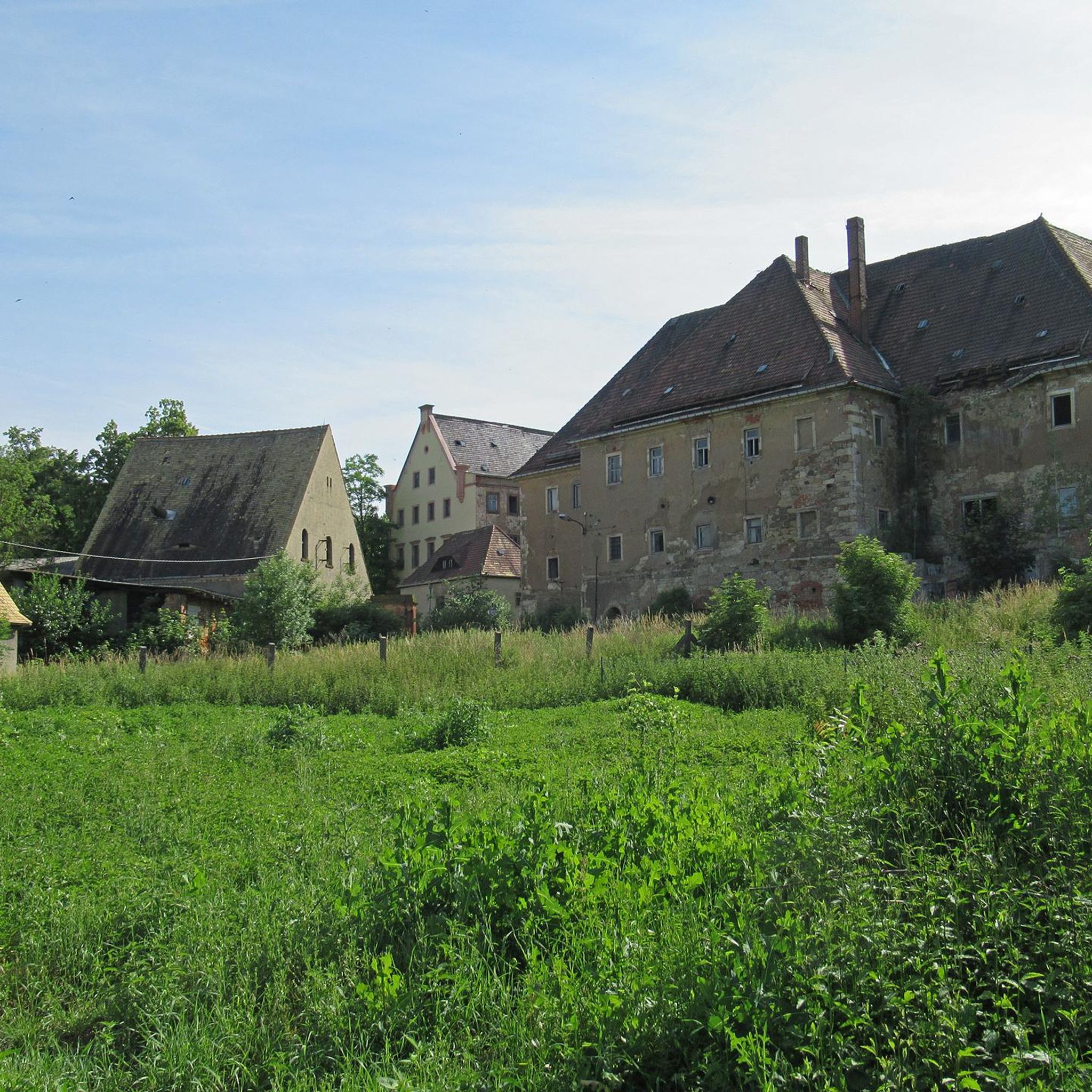
For those interested in lesser-known historical sites, the ruins of the Toén Psychiatric Hospital are mentioned as a point of interest, though visitors are advised to exercise extreme caution due to safety concerns. The remains of the Torre de Puga, nestled among vineyards, also offer a glimpse into the region's past.
Most popular attractions around Toén

Get inspired with the komoot mobile app


Explore more
Still not found the Highlight you’re looking for? See guides of the top attractions in other regions:
