The best cycling routes around Ferreras De Abajo
5.0
(1)
8
riders
6
rides
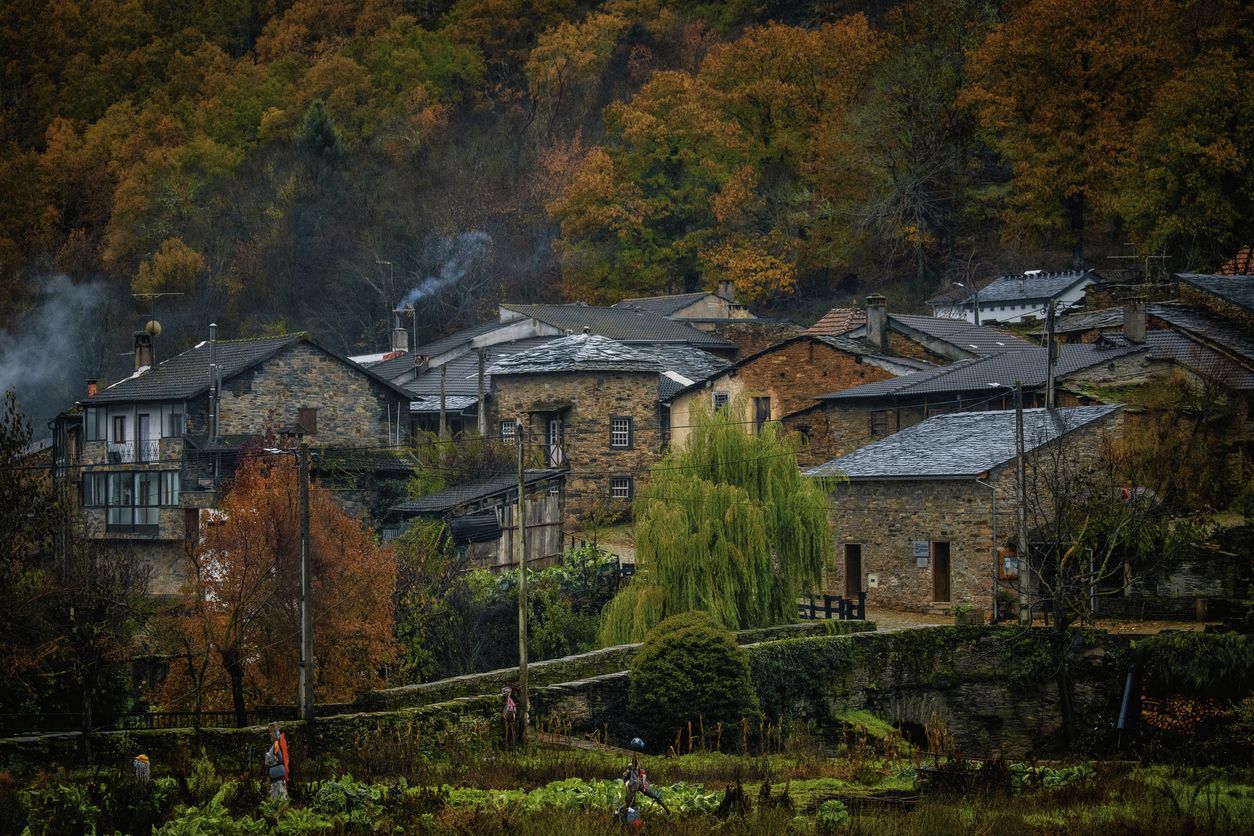
Touring cycling routes around Ferreras de Abajo are situated within the Sierra de la Culebra, a region characterized by dense pine forests and mountainous terrain. The area features rivers such as the Tera, with the Embalse de Nuestra Señora del Agavanzal adding to the landscape. Ferreras de Abajo is also part of significant long-distance cycling routes, including the Camino Sanabrés and the Eurovelo 1 Cycleway. The terrain includes varied elevations, offering both challenging sections and more gentle paths.
Best touring…
Last updated: May 16, 2026
30.3km
02:23
140m
140m
Hard bike ride. Good fitness required. You may need to push your bike for some segments of this route.
2
riders
26.8km
01:34
140m
140m
Easy bike ride. Great for any fitness level. Mostly paved surfaces. Suitable for all skill levels.

Sign up for free
2
riders
38.7km
02:15
200m
200m
Moderate bike ride. Good fitness required. Mostly paved surfaces. Suitable for all skill levels.
1
riders
14.6km
00:57
40m
40m
Easy bike ride. Great for any fitness level. Mostly paved surfaces. Suitable for all skill levels.
5.0
(1)
1
riders
23.0km
01:33
100m
100m
Easy bike ride. Great for any fitness level. Mostly paved surfaces. Suitable for all skill levels.
Our route recommendations are based on thousands of hikes, rides, and runs completed by other people on komoot.
Start today with a free account
Your next adventure awaits.
Login or Signup
Other adventures around Ferreras De Abajo

Tips from the Community

Monastery of Santa Marta de Tera, the oldest Romanesque church in Zamora and also one of the oldest in Spain. On the left side, hangs the oldest sculptural representation of St. James the Apostle in a pilgrim pose.
0
0

Dated between the 2nd and 4th centuries AD. C., consists of a building with fifteen rooms around a central patio. All of them have mosaics inside, mostly with geometric decoration. However, we find two rooms in which mythological characters are represented. Declared an Asset of Cultural Interest, this archaeological site has been known since the 19th century. XIX, when in 1861 the discovery of coins and other remains during the work on the road from Benavente to Mombuey was published. It was not until 2007 that the excavation began, with the museum opening in 2018.
0
0

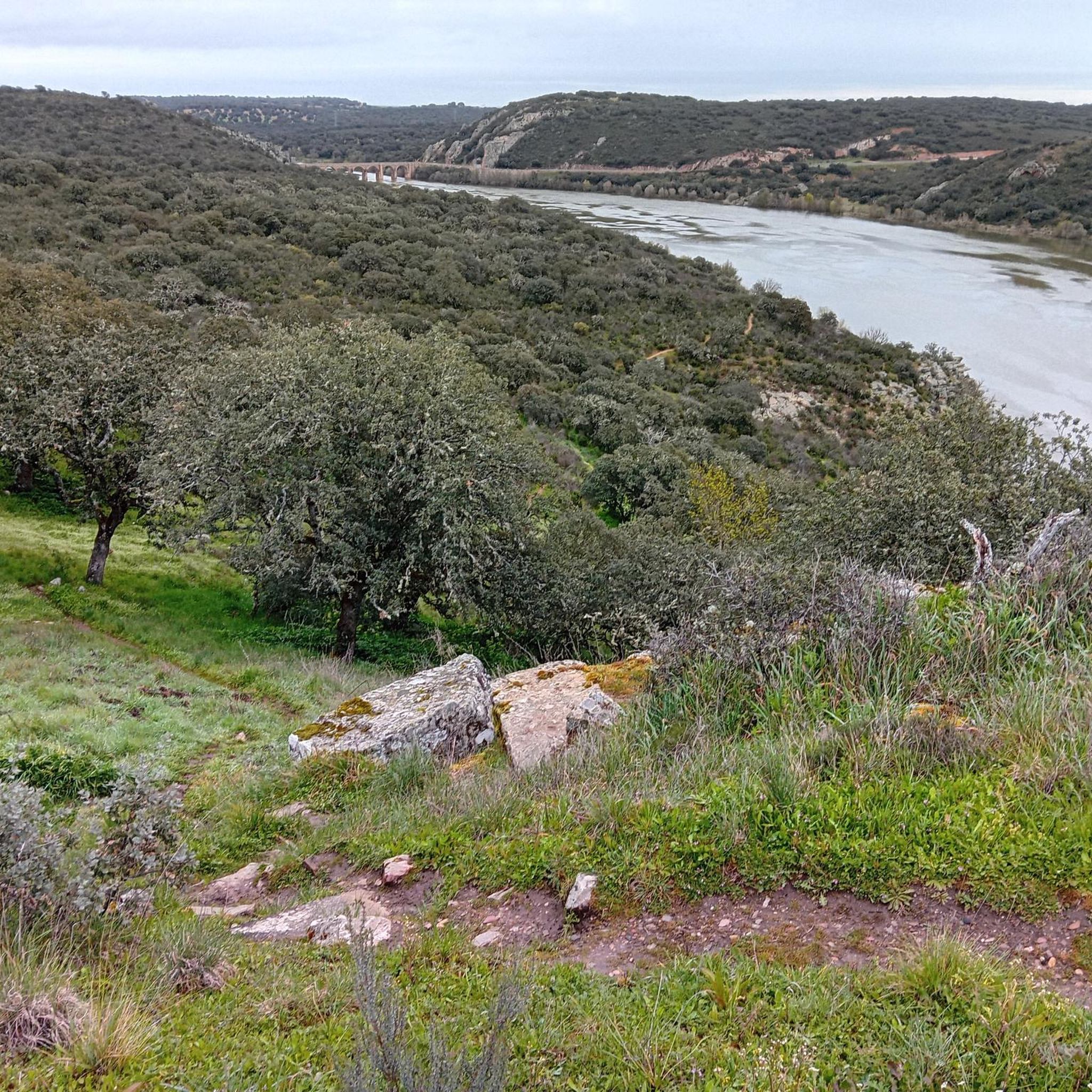
This is the third and last reservoir in this area of the Tera river, which previously crosses two more to reach this dam. From this point the river continues until it joins the Río Esla.
0
0

The damming of the Tera River creates this beautiful reservoir. From one side of the dam you can see the reservoir and from the other you can see the river valley below. Nice views.
0
0
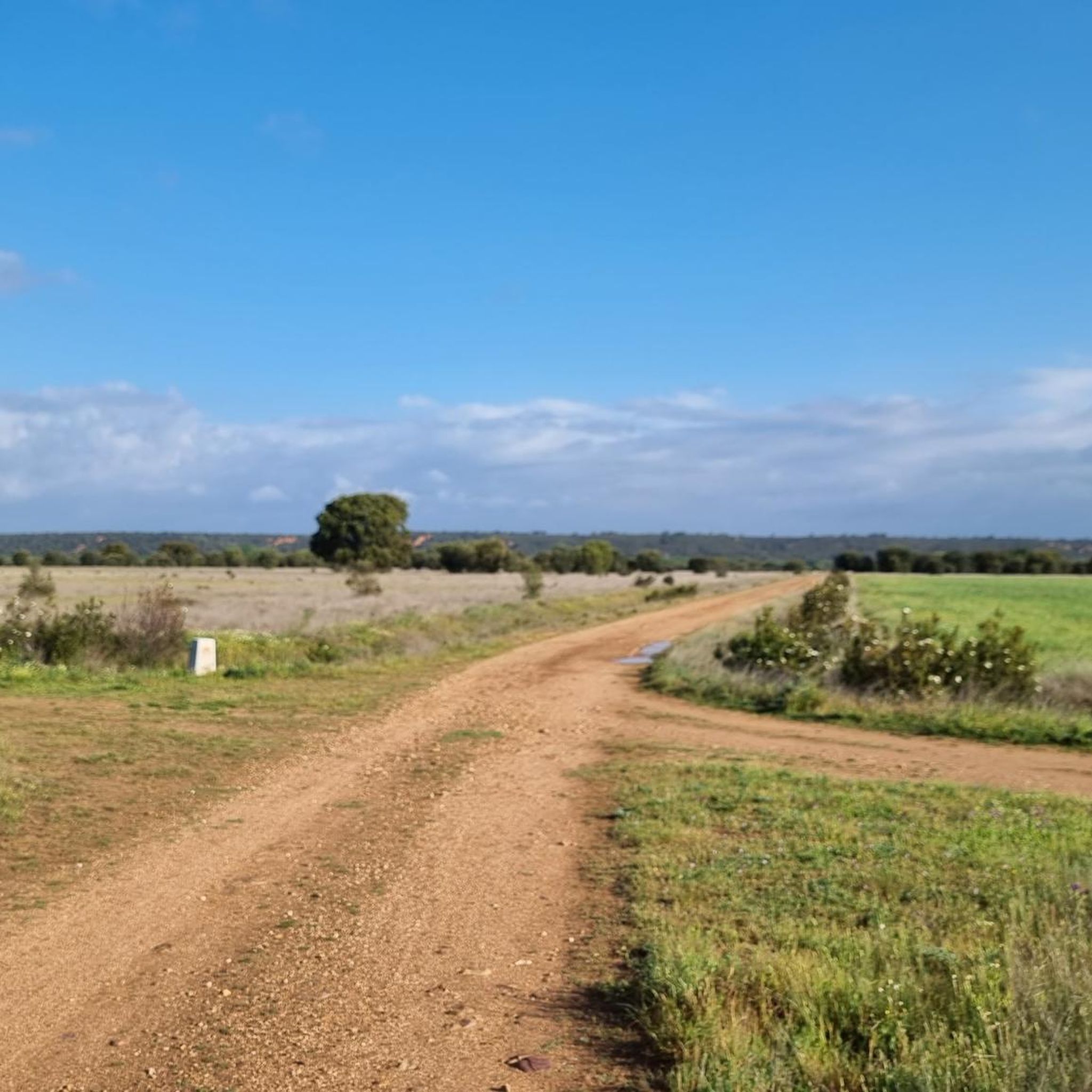
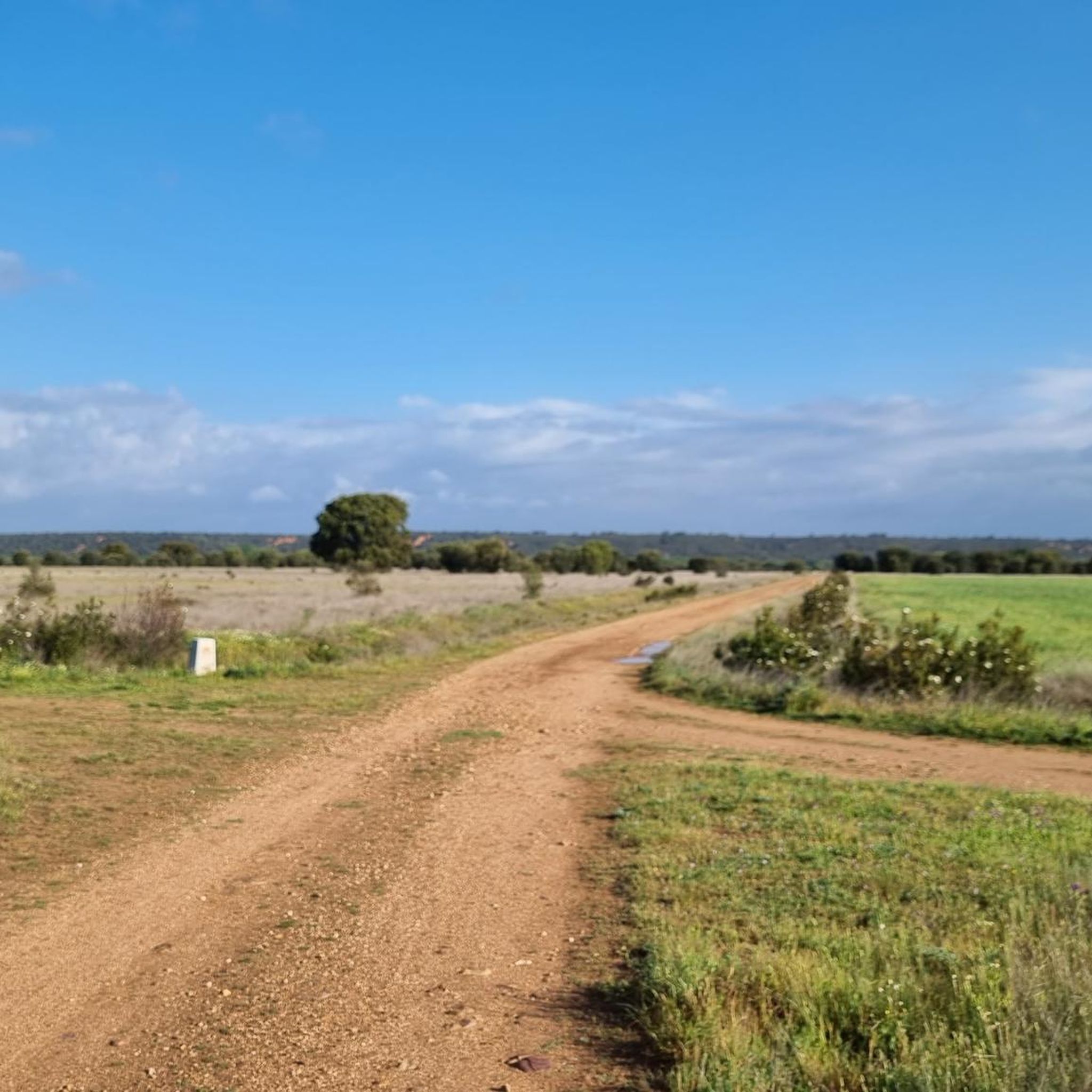
In this small town you can find a bit of the history left by the Romans. Next to the Tera River, the area is very fertile and is used mainly for agriculture. This means plenty of nice trails and dirt roads for mountain biking.
0
0

A small town in the Tera river valley. These fertile agricultural lands have been occupied since Celtic times. The Romans also occupied this area, leaving the remains of a beautiful Roman villa 'Villa Romana de Orpheus' with a mosaic floor.
1
0
The church of Santa Marta de Tera is located on the Jacobean route Camino Sanabrés to Santiago, a branch of the Vía de la Plata. During the spring and autumn equinoxes, the chapel is illuminated by sunlight that enters through the oculus of the main pediment, an event that attracts many tourists.
1
0
A small town next to the Tera river valley, fertile lands that were occupied from the Celts. There is a beautiful Roman villa in the village with a mosaic floor.
1
0
Frequently Asked Questions
How many touring cycling routes are available around Ferreras de Abajo?
There are 6 touring cycling routes available around Ferreras de Abajo, offering a range of experiences from easy to difficult.
What kind of terrain can I expect on touring cycling routes near Ferreras de Abajo?
The terrain around Ferreras de Abajo is varied, characterized by dense pine forests and mountainous areas within the Sierra de la Culebra. You'll find routes with significant elevation changes, such as the Camarzana de Tera and Agavanzal Reservoir Loop, as well as more gentle paths through rural landscapes.
Are there any family-friendly touring cycling routes in the area?
Yes, there are several easy routes suitable for families. For instance, the Camarzana de Tera – Camarzana de Tera loop from Camarzana de Tera is an easy 16.7-mile path that takes you through the local rural landscape, often completed in about 1 hour 34 minutes. Another easy option is the Church of Santa Marta de Tera loop from Camarzana de Tera.
Can I bring my dog on the cycling trails around Ferreras de Abajo?
While many natural areas in Spain are dog-friendly, it's always best to keep dogs on a leash, especially in areas like the Sierra de la Culebra which is a regional hunting reserve and home to wildlife such as deer and Iberian wolves. Always respect local signage and regulations regarding pets.
What are some notable landmarks or natural features to see while cycling?
Cycling around Ferreras de Abajo offers views of the Sierra de la Culebra's pine forests and rivers like the Tera. You can pass by the Nuestra Señora del Agavanzal Reservoir, or visit the historic Church of Santa Marta de Tera, one of the oldest Romanesque churches in Zamora. The region also features traditional rural architecture in its villages.
Are there any routes that offer panoramic views?
Yes, the mountainous terrain of the Sierra de la Culebra, with peaks like Miño Cuevo, offers numerous opportunities for panoramic views. The Mirador turístico Centro de la Berrea is a dedicated viewpoint, and elevated areas like 'La Pedrizona' also provide expansive vistas of the surrounding landscape, especially rewarding after some uphill climbs.
What is the best time of year for touring cycling in Ferreras de Abajo?
The spring and autumn months are generally ideal for touring cycling in Ferreras de Abajo. The weather is milder, and the natural scenery is particularly vibrant. Summer can be warm, but the presence of natural pools and rivers like the Tera offers refreshing spots. Winter can bring colder temperatures, especially in the higher elevations.
Are there any circular touring cycling routes available?
Yes, many of the touring cycling routes around Ferreras de Abajo are circular, allowing you to start and end in the same location. Examples include the Camarzana de Tera – Camarzana de Tera loop from Camarzana de Tera, which covers 24.1 miles, and the Camarzana de Tera – Camarzana de Tera loop from Calzadilla de Tera.
Where can I find parking for cycling routes in Ferreras de Abajo?
While specific trailhead parking information isn't detailed, villages like Ferreras de Abajo and Camarzana de Tera, which serve as starting points for many routes, typically offer public parking options. It's advisable to check local village maps or signs upon arrival for designated parking areas.
Are there places to eat or stay near the cycling routes?
Yes, the region offers options for refreshments and accommodation. Villages along the routes, such as Ferreras de Abajo and nearby Tábara, have local cafes and pubs. For overnight stays, you can find accommodation like the Casa Anita Tourist Hostel, particularly useful for those following the Camino Sanabrés.
Are there any long-distance cycling routes that pass through Ferreras de Abajo?
Yes, Ferreras de Abajo is strategically located along significant long-distance cycling routes. It is part of the
Camino Sanabrés, a branch of the Camino de Santiago (Vía de la Plata), and also lies on the
Eurovelo 1 Cycleway, also known as the Atlantic Coast Route. These routes connect the area to a broader network for extensive touring.
What is the 'Ruta del Lobo' and can I cycle it?
The 'Ruta del Lobo' (Wolf Route) is a tourist route that traverses dense pine forests in the Sierra de la Culebra, offering a unique opportunity to experience the natural habitat of the Iberian wolf. While primarily known for wildlife observation, sections of this route can be explored by bike, providing an immersive nature experience.
Most popular attractions around Ferreras De Abajo

Get inspired with the komoot mobile app


Explore more
Browse the best Cycling routes in other regions.
