The best road cycling routes around Ferreras De Arriba
59
riders
8
rides
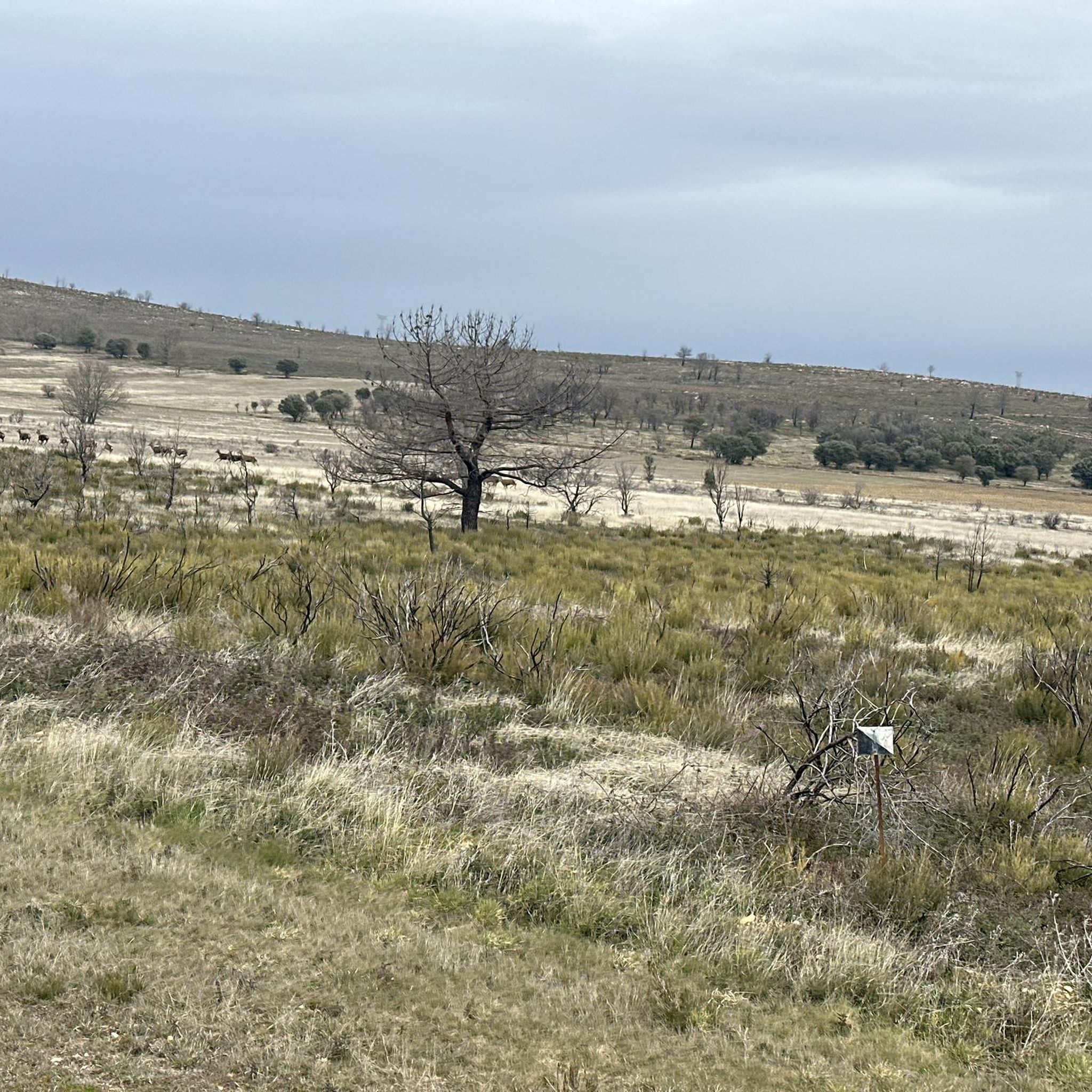
Road cycling routes around Ferreras De Arriba are situated within the Sierra de la Culebra, a protected natural area in Zamora, Spain. This region features a soft, rounded relief with elevations generally under 1,000 meters, offering varied terrain for cyclists. The landscape is characterized by extensive pine forests, ancient chestnut groves, and native oak woodlands, alongside gallery forests along riverbanks. These natural features provide a serene environment for road cycling, with routes often traversing through diverse ecological zones.
Best road…
Last updated: May 15, 2026
13
riders
58.9km
02:34
440m
440m
Cycle a moderate 36.6-mile route around Valparaíso Reservoir, passing through Villardeciervos and enjoying Sierra de la Culebra views.
6
riders
Moderate road ride. Good fitness required. Mostly well-paved surfaces and easy to ride.

Sign up for free
1
riders
Easy road ride. Great for any fitness level. Mostly well-paved surfaces and easy to ride.
Moderate road ride. Good fitness required. Mostly well-paved surfaces and easy to ride.
13
riders
59.1km
02:50
580m
580m
Moderate road ride. Good fitness required. Mostly well-paved surfaces and easy to ride.
Get access to more routes and recommendations from other explorers.
Sign up for free
Already have an account?
Our route recommendations are based on thousands of hikes, rides, and runs completed by other people on komoot.
Start today with a free account
Your next adventure awaits.
Login or Signup
Popular around Ferreras De Arriba

Tips from the Community

Tábara is a Spanish municipality of about 830-950 inhabitants located in the province of Zamora, within the autonomous community of Castile and León. This small village stands at an altitude of 749 meters and is the capital of the Tierra de Tábara comarca. It represents a center of great historical-cultural importance, as well as being a fundamental stop for pilgrims traveling the Camino Sanabrésl
1
0

Tábara, located in the northwest of the province of Zamora (Castilla y León), is a town with a rich medieval history, a stunning natural setting, and a significant cultural heritage. Origins: These date back to the Bronze Age and Roman period. Middle Ages: It was an important monastic center with the Monastery of San Salvador de Tábara, founded by Saint Froilán in the 9th century at the behest of Alfonso III.
10
0

This is the third and last reservoir in this area of the Tera river, which previously crosses two more to reach this dam. From this point the river continues until it joins the Río Esla.
0
0

The damming of the Tera River creates this beautiful reservoir. From one side of the dam you can see the reservoir and from the other you can see the river valley below. Nice views.
0
0

Mahide is a small hamlet in the Aliste region, in the province of Zamora, surrounded by a natural environment of great value such as the Sierra de la Culebra.
0
0

Pobladura de Aliste is a small town on the banks of the Aliste River in the Aliste las Laderas region. The town is located within the Natural Area of the Sierra de la Culebra.
1
0
Located in the Aliste region, on the slopes of the Sierra de la Culebra, an area inhabited since prehistoric times. Sarracín de Aliste is a small town on the train route from Madrid to Galicia. In the village you can see good examples of typical stone houses.
1
0
Manzanal de Arriba is a small mountain town located at an altitude of 900 meters above sea level and located within the natural area of the Sierra de la Culebra natural hunting reserve. The area has been inhabited since the time of the Celts, as evidenced by the remains of stone settlements on the surrounding hills.
1
0
Frequently Asked Questions
What kind of terrain can I expect on road cycling routes around Ferreras de Arriba?
The road cycling routes around Ferreras de Arriba are primarily situated within the Sierra de la Culebra, a protected natural area known for its soft, rounded relief. You'll encounter varied terrain, generally with elevations under 1,000 meters. The landscape features extensive pine forests, ancient chestnut groves, native oak woodlands, and gallery forests along riverbanks, offering a serene and natural environment for cycling.
Are there road cycling routes suitable for beginners in Ferreras de Arriba?
Yes, there are routes suitable for various ability levels. For beginners or those seeking an easier ride, the region offers options like the From Ferreras de Arriba to Ferreras de Abajo — circular from Villardeciervos. This route is classified as easy and leads through local villages and rural landscapes, typically completed in about 1 hour 44 minutes.
What are some popular moderate road cycling routes in the area?
For those looking for a moderate challenge, the Valparaíso and Cernadilla Reservoirs Loop is a popular choice, covering 36.6 miles (58.9 km) with moderate elevation gains and scenic views. Another favorite is Muelas de los Caballeros from Embalse de Valparaíso – circular via Peque and Mombuey, a 28.8-mile (46.4 km) path passing through several villages with varied terrain.
Can I find longer or more challenging road cycling routes near Ferreras de Arriba?
Absolutely. For a longer and more challenging experience, consider the Embalse de Nuestra Señora de Agavanzal, Río Tera y Valle de Valverde — circular por la Sierra de Culebra. This route spans over 89 km and features significant elevation changes, offering a more advanced ride through the Sierra de la Culebra.
What kind of natural attractions can I see while road cycling in Ferreras de Arriba?
The region is rich in natural beauty. You'll cycle through extensive pine forests, ancient chestnut groves, and native oak woodlands. The banks of the Castrón River also feature beautiful gallery forests. Keep an eye out for wildlife, as the Sierra de la Culebra is a regional hunting reserve with abundant fauna. You can also visit the Nuestra Señora del Agavanzal Reservoir or the scenic Playa de Valparaíso.
Are there any historical or cultural landmarks along the road cycling routes?
Yes, the area around Ferreras de Arriba is steeped in history. You might encounter remnants of ancient civilizations, including Celtic forts and vestiges of a Roman road near Villanueva de Valrojo. The village itself showcases traditional architecture. Other points of interest include old circular sheepfolds, now a museum dedicated to pastoral life, active mills, the Parish Church of Nuestra Señora de la Asunción, and the charming Ermita del Cristo de las Aguas, which offers magnificent views.
What is the best time of year for road cycling in Ferreras de Arriba?
The region offers a pleasant environment for cycling, particularly during spring and autumn when temperatures are milder. The 'multitude of routes' through the Sierra de la Culebra provides clean and calm air, making it enjoyable for cycle tourism outside of the hottest summer months or colder winter periods.
Are there any loop trails for road cycling around Ferreras de Arriba?
Yes, many of the routes in the area are designed as loops, allowing you to start and end in the same location. Examples include the Valparaíso and Cernadilla Reservoirs Loop and the Muelas de los Caballeros from Embalse de Valparaíso – circular via Peque and Mombuey, providing convenient circular journeys.
What do other road cyclists enjoy most about road cycling in Ferreras de Arriba?
Road cyclists frequently praise the continuous natural spaces and the tranquil environment of the Sierra de la Culebra. The varied terrain, from rounded hills to river valleys, combined with the low human presence, makes it ideal for enjoying wild landscapes and cycle tourism. The network offers options for different ability levels, ensuring a rewarding experience for many.
Are there opportunities for wildlife spotting while cycling?
Yes, the Sierra de la Culebra is recognized as a regional hunting reserve due to its abundant wild fauna. This makes it an excellent spot for wildlife observation while cycling, especially in the quieter, more remote sections of the routes.
What is the typical surface quality of the roads for cycling?
Cyclists can expect routes with mixed surfaces. Many segments are well-paved and suitable for road bikes, especially those connecting villages or circling reservoirs. However, some longer or more elevated routes may include unpaved sections, requiring good to very good fitness for a comfortable ride.
Are there any specific scenic viewpoints accessible by road bike?
Yes, the Ermita del Cristo de las Aguas, located in the foothills of Peña la Lleira, offers splendid views of the surrounding landscape and is accessible, providing a rewarding stop during your ride.
Most popular attractions around Ferreras De Arriba

Get inspired with the komoot mobile app


Explore more
Browse the best Road cycling routes in other regions.
