The best road cycling routes around El Rubio
313
riders
27
rides
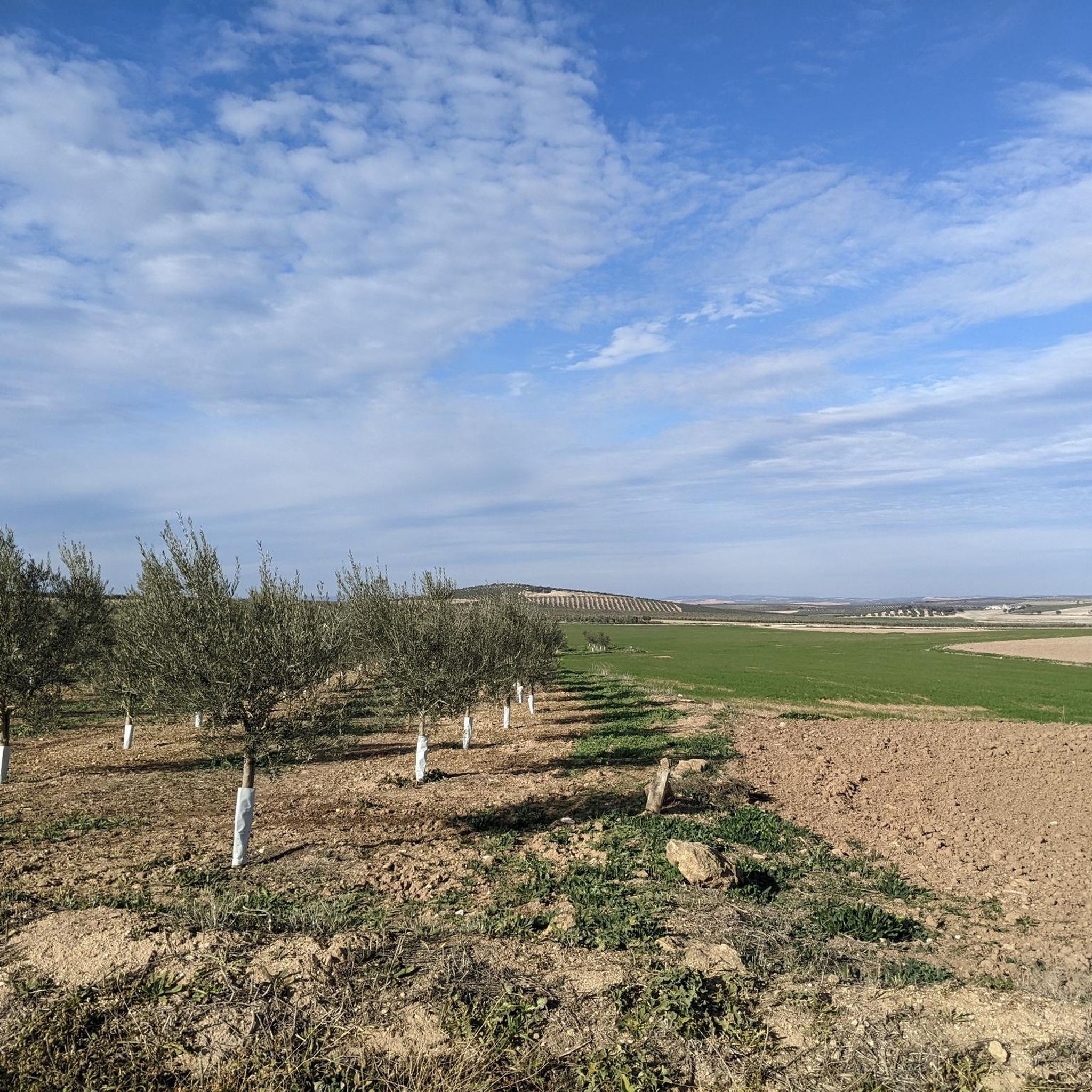
Road cycling around El Rubio, a town in the province of Seville, Spain, offers diverse landscapes for exploration. The region is characterized by its position bridging the agricultural plains of La Campiña and the more varied terrain of Sierra Sur. Cyclists can find routes along the banks of the River Blanco and ascents to features like Cerro de la Cabeza, providing a mix of flat sections and challenging climbs. The surrounding countryside offers a rural environment for road cycling.
Best…
Last updated: November 23, 2026
18
riders
75.4km
03:27
780m
780m
8
riders
83.7km
03:32
600m
600m

34
riders
77.3km
03:12
460m
460m
Moderate road ride. Good fitness required. Mostly well-paved surfaces and easy to ride.
22
riders
109km
05:17
1,380m
1,380m
Hard road ride. Very good fitness required. Some segments of this route may be unpaved and difficult to ride.
22
riders
138km
06:01
1,090m
1,090m
Hard road ride. Very good fitness required. Mostly well-paved surfaces and easy to ride.
Get access to more routes and recommendations from other explorers.
Already have an account?
Our route recommendations are based on thousands of hikes, rides, and runs completed by other people on komoot.
Start today with a free account
Your next adventure awaits.
Popular around El Rubio

Tips from the Community

Monumental Collegiate Church of the Assumption (Colegiata de Santa María de la Asunción), which towers on a hill above Osuna and, together with the historic university opposite, defines the cityscape. Built in the 16th century under Juan Téllez-Girón, the church is one of the most important Renaissance buildings in the region. Behind the simple, imposing facade are magnificent altars, valuable religious works of art, and paintings by the Spanish Baroque painter José de Ribera. Of particular art-historical significance is the underground ducal pantheon of the Téllez-Girón family. The exposed location with its magnificent view over Osuna and the vast Andalusian landscape also makes the church a particularly rewarding destination.
1
0
The historic University of Osuna (Antigua Universidad de Osuna), founded in 1548 on the initiative of Juan Téllez-Girón, the fourth Count of Ureña. The monumental Renaissance building towers on a hill directly opposite the Collegiate Church of Santa María de la Asunción and defines the city's silhouette with its four striking corner towers. Particularly worth seeing are the elegant courtyard with its surrounding arcades, the historic university chapel, and the former assembly hall (Sala de la Girona), which is decorated with murals. The building is used again today for university operations and is considered one of the most significant testimonies to the Spanish Renaissance in Osuna. From the hill, there are also beautiful views over the city and the surrounding Andalusian landscape.
3
0
The imposing Collegiate Church of Santa María de la Asunción towers high above the Andalusian town of Osuna and is one of its most significant historical buildings. The church was built in the 16th century at the behest of Juan Téllez-Girón, the fourth Count of Ureña, in the Spanish Renaissance style. Behind the comparatively simple, monumental facade lies a richly decorated interior with elaborate altarpieces, religious sculptures, and important paintings by José de Ribera. Particularly worth seeing is the underground ducal pantheon of the Téllez-Girón family with its magnificent Renaissance architecture. Due to its exposed location directly opposite the historic university, the church also offers beautiful views over Osuna and the vast Andalusian landscape.
4
0


The Benamejí Palace: model of civil baroque in Andalusia. The Benamejí Palace, which houses the museum, is a monument declared a "cultural asset". Built in the first half of the 20th century. XVIII, it is one of the most important examples of civil baroque in Andalusia.
4
0
The old parish church of Santa María belonged to the Gothic-Mudejar type of church. It seems that it was built by D. Pedro Fernández Gragera, a knight in the service of San Fernando in the reconquest of Écija. According to sources, it was completed in 1262. The structure was designed with three naves and a polygonal head, later two side naves were added, so its plan was irregular, with a tower, a patio with orange trees and a cemetery. The building was extensively renovated in the 16th and 17th centuries, with the church being demolished and rebuilt in 1758.
4
0
The Peñaflor Palace, one of the most important sights in Écija Even from the outside, it is one of the most iconic images of the city.
5
0

The place itself is not that special. The bullfighting arena is interesting because of the recordings made here for the TV series Game of Thrones. Unfortunately we couldn't go inside. We don't know why, very stiff, unfriendly people at the checkout.
0
0
Frequently Asked Questions
What kind of terrain can I expect on road cycling routes around El Rubio?
Road cycling around El Rubio offers a diverse mix of landscapes. You'll find routes traversing the agricultural plains of La Campiña, offering extensive views of rural environments. There are also more varied terrains as the region bridges into the Sierra Sur, including ascents to hills like Cerro de la Cabeza, providing both flat sections and challenging climbs.
Are there road cycling routes suitable for beginners or those looking for an easier ride?
While El Rubio offers a range of difficulties, the majority of routes are classified as moderate to difficult. There are no routes specifically rated as 'easy' in the guide, but moderate options like Estepa, Osuna and El (75.4 km) or Écija and La Campiña Countryside Loop (83.7 km) provide a good balance of distance and elevation for those comfortable with moderate challenges.
What are some notable natural features or landmarks I can see while cycling in El Rubio?
Cyclists can enjoy scenic routes along the banks of the River Blanco, leading to the Fuente de la Teja, a picturesque spot with a small dam. For those seeking panoramic views and a rewarding climb, the Cerro de la Cabeza, home to the Shrine of the Virgen del Rosario, is a significant landmark. The Escalera Lagoon also adds natural beauty to routes, especially for birdwatching enthusiasts.
Are there any circular road cycling routes available in the El Rubio area?
Yes, many of the road cycling routes around El Rubio are designed as loops. For instance, the Écija and La Campiña Countryside Loop is a popular moderate option. Another challenging loop is the University of Osuna – Martín de la Jara loop from Pedrera, which covers over 100 km.
What is the best time of year for road cycling around El Rubio?
Given its location in Andalusia, spring and autumn generally offer the most pleasant conditions for road cycling in El Rubio, with milder temperatures. Summers can be very hot, making early morning or late afternoon rides preferable. Winters are typically mild, allowing for cycling, though some days might be cooler.
How many road cycling routes are available in the El Rubio region?
There are over 20 road cycling routes documented around El Rubio, offering a variety of distances and difficulties. These include 10 moderate routes and 12 difficult routes, catering to different skill levels and preferences.
Are there any longer, more challenging road cycling routes for experienced cyclists?
Absolutely. For experienced cyclists seeking a significant challenge, routes like the University of Osuna – Martín de la Jara loop from Pedrera (109.3 km with over 1300m elevation gain) or the Cave of the Colegiata de Osuna – University of Osuna loop from Pedrera (96.8 km with nearly 1000m elevation gain) offer demanding rides through diverse regional landscapes.
What do other cyclists say about road cycling in El Rubio?
More than 210 road cyclists have used komoot to explore El Rubio's varied terrain. Users often highlight the diverse landscapes, from agricultural plains to challenging ascents, and the opportunity to explore the rural environment. The network offers options for different ability levels, making it appealing to a broad range of cyclists.
Are there options for parking when accessing road cycling routes in El Rubio?
While specific parking areas for each route are not detailed, El Rubio is a town with local amenities. Cyclists typically find parking within the town or at the start points of routes, especially those originating from nearby towns like Pedrera or Écija, which are common starting points for the region's tours.
Can I find cafes or places to stop for refreshments along the road cycling routes?
Many routes pass through or near towns and villages in the region, such as Osuna, Écija, or Pedrera, where you can find cafes, restaurants, and shops for refreshments. The rural nature of some sections means planning ahead for longer stretches between amenities is advisable.
What is the typical duration for road cycling routes around El Rubio?
The duration varies significantly based on the route's length and difficulty. Moderate routes like Estepa, Osuna and El typically take around 3 hours 26 minutes. Longer, more difficult routes, such as the University of Osuna – Martín de la Jara loop from Pedrera, can take over 5 hours to complete.
Are there any road cycling routes that are particularly scenic or offer great viewpoints?
Yes, routes that include ascents to areas like Cerro de la Cabeza are known for offering rewarding panoramic views of the surrounding countryside. Additionally, rides along the River Blanco and near the Escalera Lagoon provide picturesque natural scenery. The extensive views of agricultural plains on routes like the Écija and La Campiña Countryside Loop are also highly regarded.
Most popular routes around El Rubio

Get inspired with the komoot mobile app


Explore more
Browse the best Road cycling routes in other regions.
