Attractions and Places To See around El Hito - Top 20
Attractions and places to see around El Hito, located in the province of Cuenca, Spain, offer a blend of historical sites and natural landscapes. The region features ancient Roman ruins, medieval castles, and significant natural areas. It is characterized by its unique ecosystems, including a rare temporary saline wetland. Visitors can explore archaeological parks, scenic gorges, and historical monuments that reflect the area's rich past and diverse environment.
Best attractions and places to see around El Hito
- The most popular…
Last updated: May 19, 2026
Segóbriga Archaeological Park
Highlight • Historical Site
Translated by Google •
Tip by

Hoz del Cigüela
Highlight • Gorge
Translated by Google •
Tip by

Sign up now to discover places like this
Get recommendations on the best single tracks, peaks, & plenty of other exciting outdoor places.
Sign up for free
Views of the Castle of Puebla de Almenara
Highlight • Viewpoint
Translated by Google •
Tip by
Monastery of Uclés and Castle
Highlight • Religious Site
Translated by Google •
Tip by
The Amphitheatre
Highlight • Historical Site
Translated by Google •
Tip by
Sign up for free to discover even more attractions around El Hito.
Sign up for free
Already have an account?
Start today with a free account
Your next adventure awaits.
Login or Signup

Other adventures around El Hito

Tips from the Community

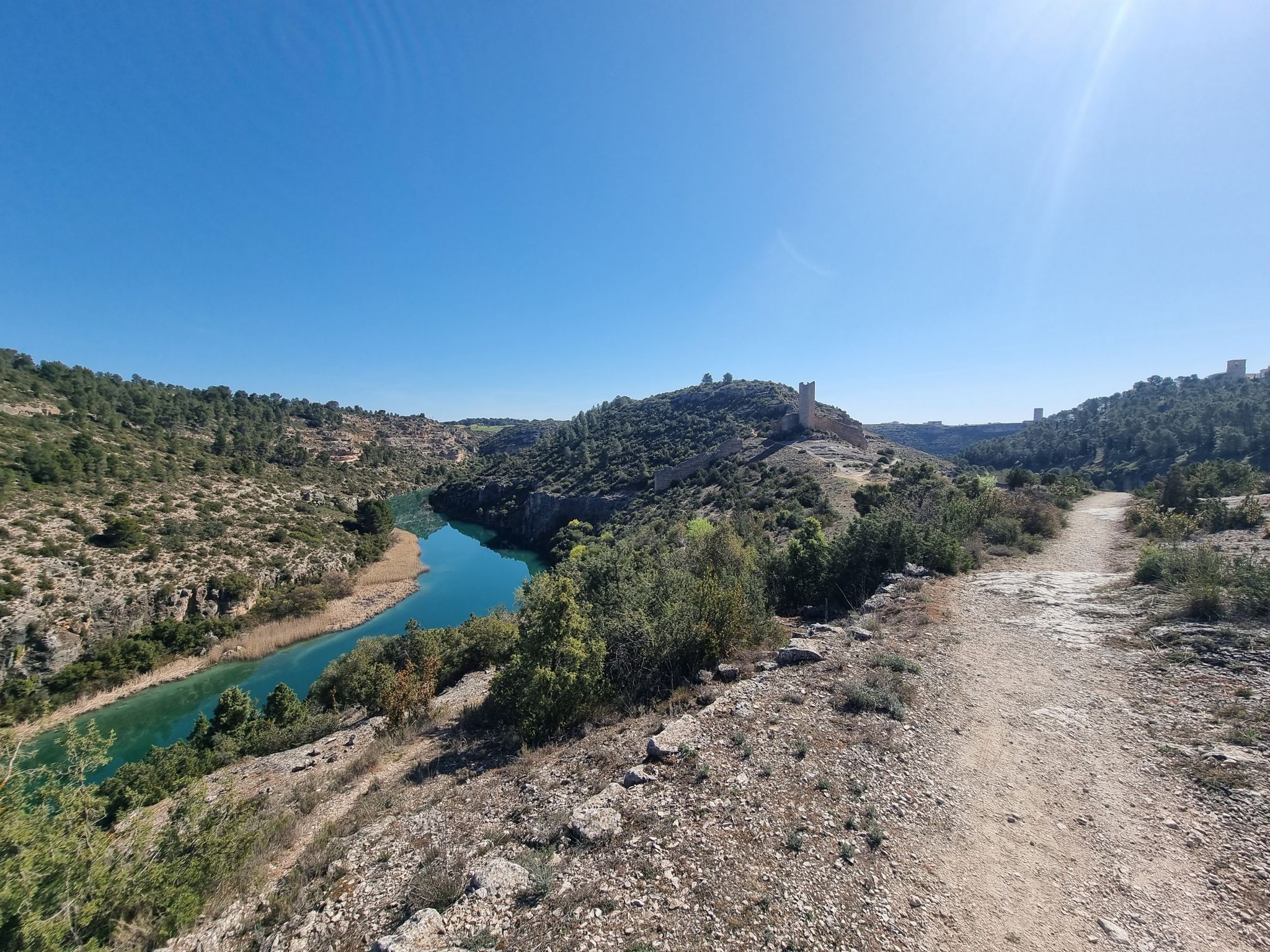
It is worth making a stop to contemplate this beautiful landscape formed by the Cigüela River.
0
0

You have to climb up to the antenna of the hermitage of the Virgin of Mercy, along the road on the side of the hermitage, it is a tough 400 meters but it is worth it.
0
0

The Amphitheatre of the Segóbriga Archaeological Park is one of the most impressive buildings on the site. Built between the 1st and 2nd centuries AD, this amphitheatre could seat around 5,500 spectators. It was the largest building in the city and was used for gladiator shows, animal fights and other public events. The amphitheatre has an irregular elliptical shape, with a length of 75 metres and an arena measuring 40 x 34 metres. Despite having been looted over the centuries, its good preservation is partly due to the fact that it was used as a granary and corral for animals.
23
0
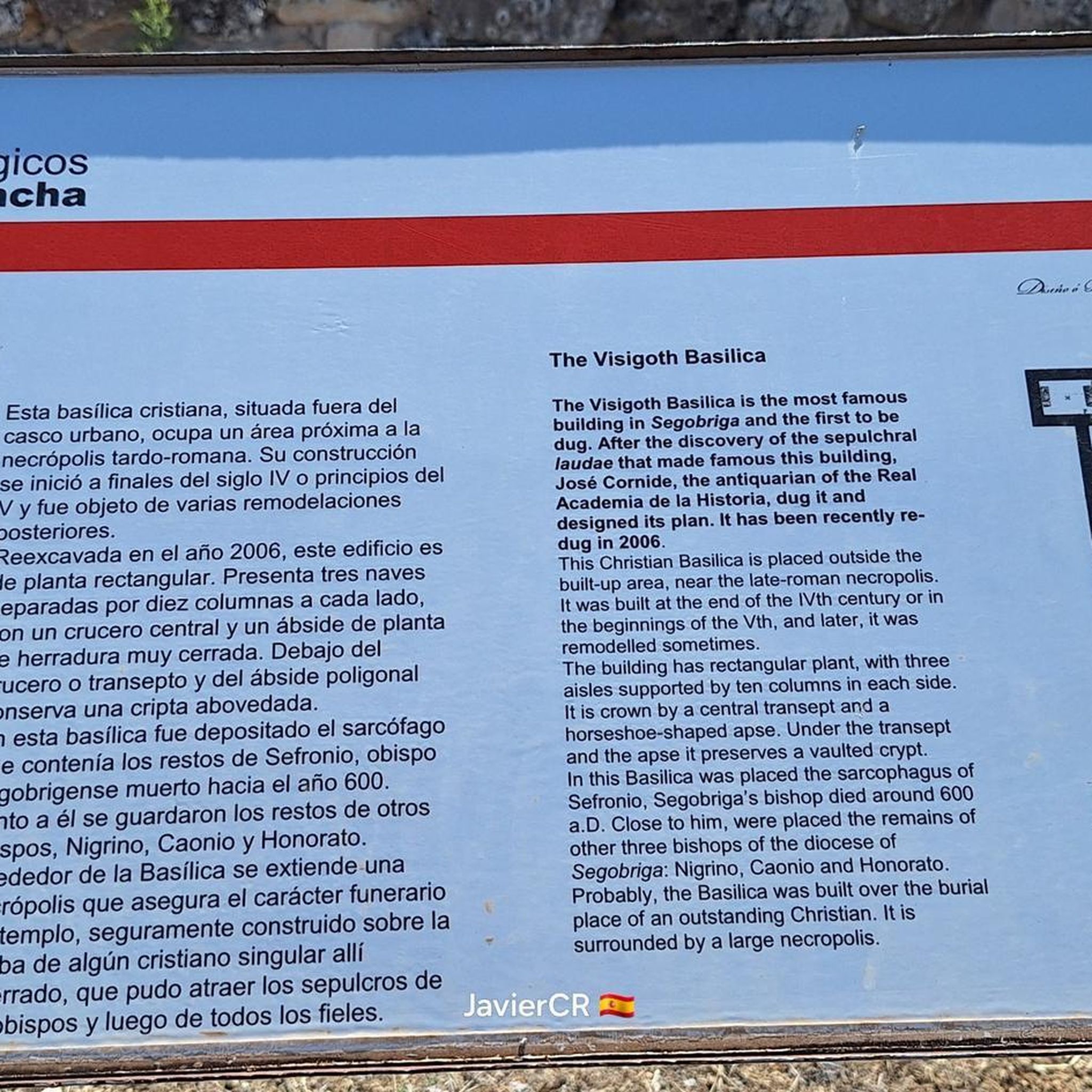
The Segóbriga Archaeological Park is a fascinating historical site located in Saelices, in the province of Cuenca, Spain. This park allows visitors to explore the ruins of the ancient Roman city of Segóbriga, which was an important urban center in the region during the 2nd century BC and beyond. Among the most notable archaeological remains are an amphitheater, a theater, thermal baths, aqueducts, homes, and other public and private buildings that offer a detailed insight into daily life in Roman times. In addition, the park has an Interpretation Center that provides additional information and historical contexts to enrich the visit. 🌄🚶♀️😎 🐶 DOGFRIENDLY-SE ADMITENTE DOGS
23
0

It is a route that can be done perfectly on a mountain bike or on foot, as it does not entail any danger. In my case I found lush vegetation that sometimes hid the path, but otherwise it is highly recommended.
14
0
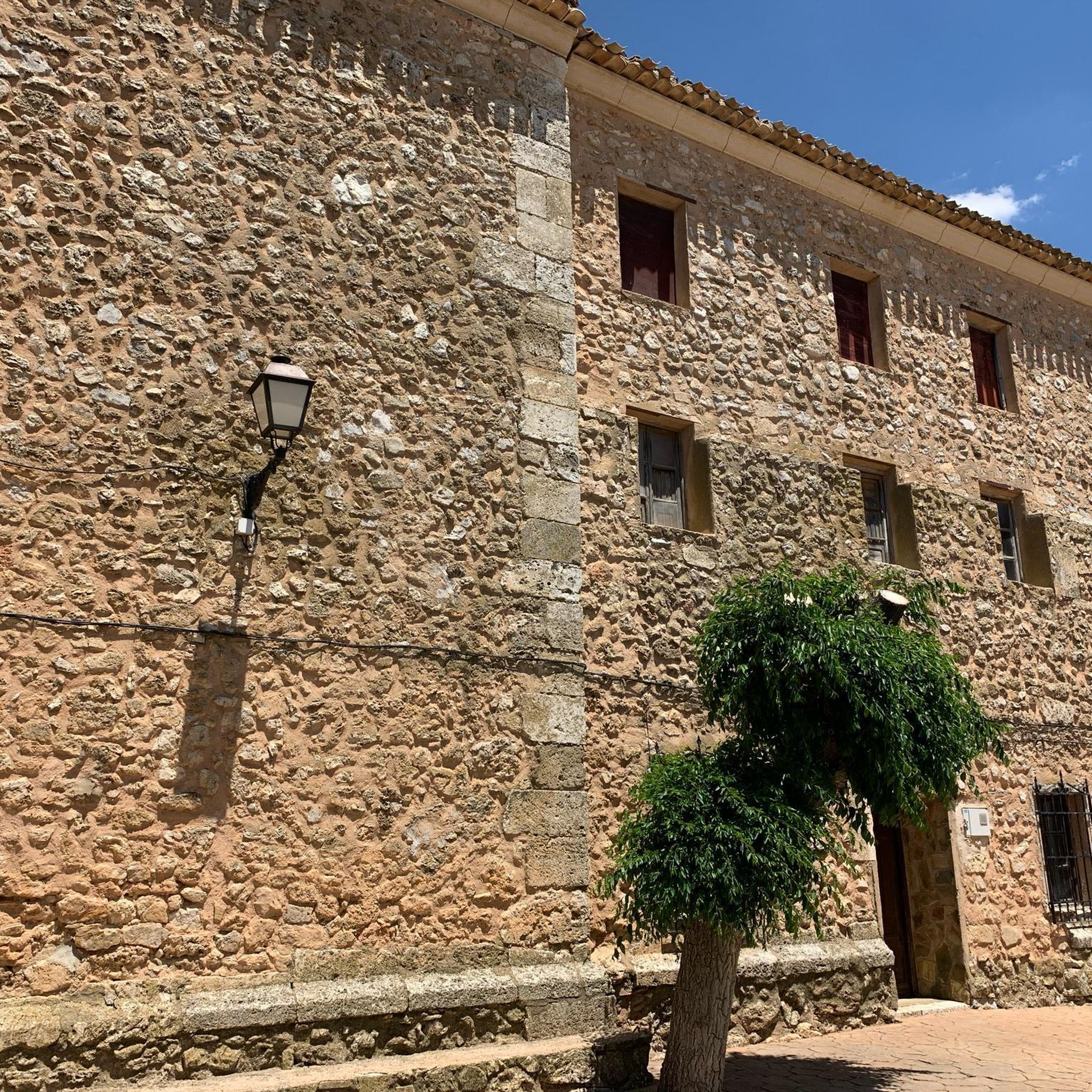
Uclés is a very beautiful city but the monastery located there is something extraordinarily spectacular that is definitely worth visiting. Nowadays you can visit a part of the monastery by paying an entrance fee, since not everything is included in the interior tour, and also it no longer offers the possibility of staying there, which is a shame because sleeping in its rooms would be quite an experience. unique in the world.
12
0
This point is wrong because the town of Uclés is a few kilometers further from here.
12
0
It is a fortification from the Middle Ages in ruins, and very close to the town that gives its name to the old castle: Puebla de Almenara, a town in the province of Cuenca that in 2023 has a census of 331 residents.
4
0
Frequently Asked Questions
What historical sites can I explore around El Hito?
The region around El Hito is rich in history. You can visit the Segóbriga Archaeological Park, an ancient Roman city featuring an amphitheater, theater, and thermal baths. Another significant historical site is the Monastery of Uclés and Castle, known as "El Escorial de La Mancha," built on an old 9th-century castle.
Are there any natural attractions or unique landscapes near El Hito?
Yes, El Hito is known for its unique natural features. The Hoz del Cigüela is a beautiful gorge with a river and large rock walls, popular for climbing and walking. Additionally, the El Hito Lagoon itself is a rare temporary saline wetland, a remnant of ancient inland seas, recognized for its unique endemic plant and insect species.
Where can I find panoramic views of the area?
For extensive views of the surrounding area, head to the Views of the Castle of Puebla de Almenara. Despite a steep ascent, the effort is rewarded with panoramic vistas of the medieval fortification and the landscape of Cuenca.
What outdoor activities are available near El Hito?
The area offers various outdoor activities. You can explore the Hoz del Cigüela gorge by mountain bike or on foot. For more structured routes, there are numerous cycling and mountain biking trails. You can find detailed routes for MTB, road cycling, and touring bicycle adventures around El Hito.
Is El Hito Lagoon a good spot for birdwatching?
Absolutely. El Hito Lagoon is a critical international migration stop and a major wintering area for aquatic birds, especially Common Cranes, with populations sometimes reaching up to 10,000 individuals. It also hosts various ducks, waders, Eurasian Spoonbills, and Greater Flamingos. Interpretive panels and an observatory are available to enhance the birdwatching experience.
Are there family-friendly attractions around El Hito?
Yes, the Segóbriga Archaeological Park is considered family-friendly, offering an engaging way for all ages to learn about Roman history. Its extensive ruins provide ample space for exploration.
Can I bring my dog to the attractions?
The Segóbriga Archaeological Park is dog-friendly, allowing you to explore the ancient Roman ruins with your canine companion.
What kind of trails can I find for hiking or walking?
You can find trails suitable for walking and hiking, such as those through the Hoz del Cigüela gorge. Many of the cycling routes can also be adapted for walking, offering diverse landscapes from river valleys to historical sites. Look for routes categorized as 'easy' or 'moderate' for a more relaxed experience.
What is the best time to visit El Hito for nature observation?
The El Hito Lagoon is particularly significant during rainy years and the winter months when large populations of migratory aquatic birds, especially Common Cranes, gather. This makes late autumn and winter ideal for birdwatching.
Are there any unique plant species to look out for at El Hito Lagoon?
Yes, the El Hito Lagoon is home to unique endemic plant species, particularly halophilic plants that thrive in its saline soils. These specialized plants contribute to the lagoon's distinct ecosystem.
What is the significance of the El Hito Lagoon in terms of conservation?
The El Hito Lagoon is a highly protected area, part of the Network of Protected Areas of Castilla-La Mancha, the Natura 2000 Network, and the Ramsar List of Wetlands of International Importance. It benefits from a European LIFE project dedicated to its restoration and conservation, highlighting its ecological value.
Can I visit the Monastery of Uclés and Castle?
Yes, a part of the Monastery of Uclés and Castle is open to visitors, typically requiring an entrance fee. It's a spectacular site offering a glimpse into the region's medieval and religious history.
Most popular routes around El Hito
Most popular attractions around El Hito

Get inspired with the komoot mobile app


Explore more
Still not found the Highlight you’re looking for? See guides of the top attractions in other regions:
