The best road cycling routes around Villarrubio
4.6
(10)
464
riders
44
rides
Road cycling routes around Villarrubio, located in the province of Cuenca, Spain, traverse a landscape characterized by varied topography. The region features rolling hills, open plains, and agricultural lands, offering a mix of terrain for road cyclists. Quiet, scenic roads connect rural areas with historical sites, providing opportunities for both cultural and natural exploration. The area's natural features include small forests and expansive agricultural fields, contributing to a diverse cycling environment.
Best road cycling routes around Villarrubio
- The most popular…
Last updated: May 19, 2026
4.5
(2)
27
riders
Moderate road ride. Good fitness required. Mostly well-paved surfaces and easy to ride.
5.0
(1)
3
riders
44.7km
02:06
370m
370m
Moderate road ride. Good fitness required. Mostly well-paved surfaces and easy to ride.

Sign up for free
2
riders
111km
05:06
1,170m
1,170m
This difficult 68.9-mile road cycling route winds through the Sierra de Altomira and along the Río Tajo, passing historic castles.
1
riders
95.3km
04:17
960m
960m
Cycle 59.2 miles from Tarancón to explore the Uclés Monastery, Vellisca, and Fuente de Pedro Naharro on this challenging road route.
1
riders
52.4km
02:27
380m
370m
This moderate 32.5-mile (52.4 km) road cycling route from Tarancón offers views of Uclés Monastery and the Río Riánsares.
Get access to more routes and recommendations from other explorers.
Sign up for free
Already have an account?
Our route recommendations are based on thousands of hikes, rides, and runs completed by other people on komoot.
Start today with a free account
Your next adventure awaits.
Login or Signup


Tips from the Community

A fascinating place where you can travel back to Roman times and explore an authentic ancient city.
0
0

The Segóbriga Archaeological Park is a fascinating historical site located in Saelices, in the province of Cuenca, Spain. This park allows visitors to explore the ruins of the ancient Roman city of Segóbriga, which was an important urban center in the region during the 2nd century BC and beyond. Among the most notable archaeological remains are an amphitheater, a theater, thermal baths, aqueducts, homes and other public and private buildings that offer a detailed insight into daily life in Roman times. In addition, the park has an Interpretation Center that provides additional information and historical contexts to enrich the visit. 🌄🚶♀️😎🚴🚵
11
0

Vellisca is the typical La Mancha town of whitewashed houses surrounded by cereal fields. It is located at the foot of the Altomira mountain range and very close to the source of the Riánsares river. Its natural environment is fascinating.
1
0

Castle that is located in one of the highest parts of the same nucleus and that gave the beginnings of what is currently Fuentidueña de Tajo. From the top, you can see some good views of the area.
0
0

The castle of Vállaga, today in ruins, is a fortification of Arab origin built in the 12th century that was later used as a wine cellar and known as the Cuevas del Marqués.
1
0
The castle of Almoguera dates from the 15th century, although it was built on the ruins of an old Arab fortification. Little remains of this medieval construction, as the current castle is a reconstruction from the end of the 20th century.
1
0
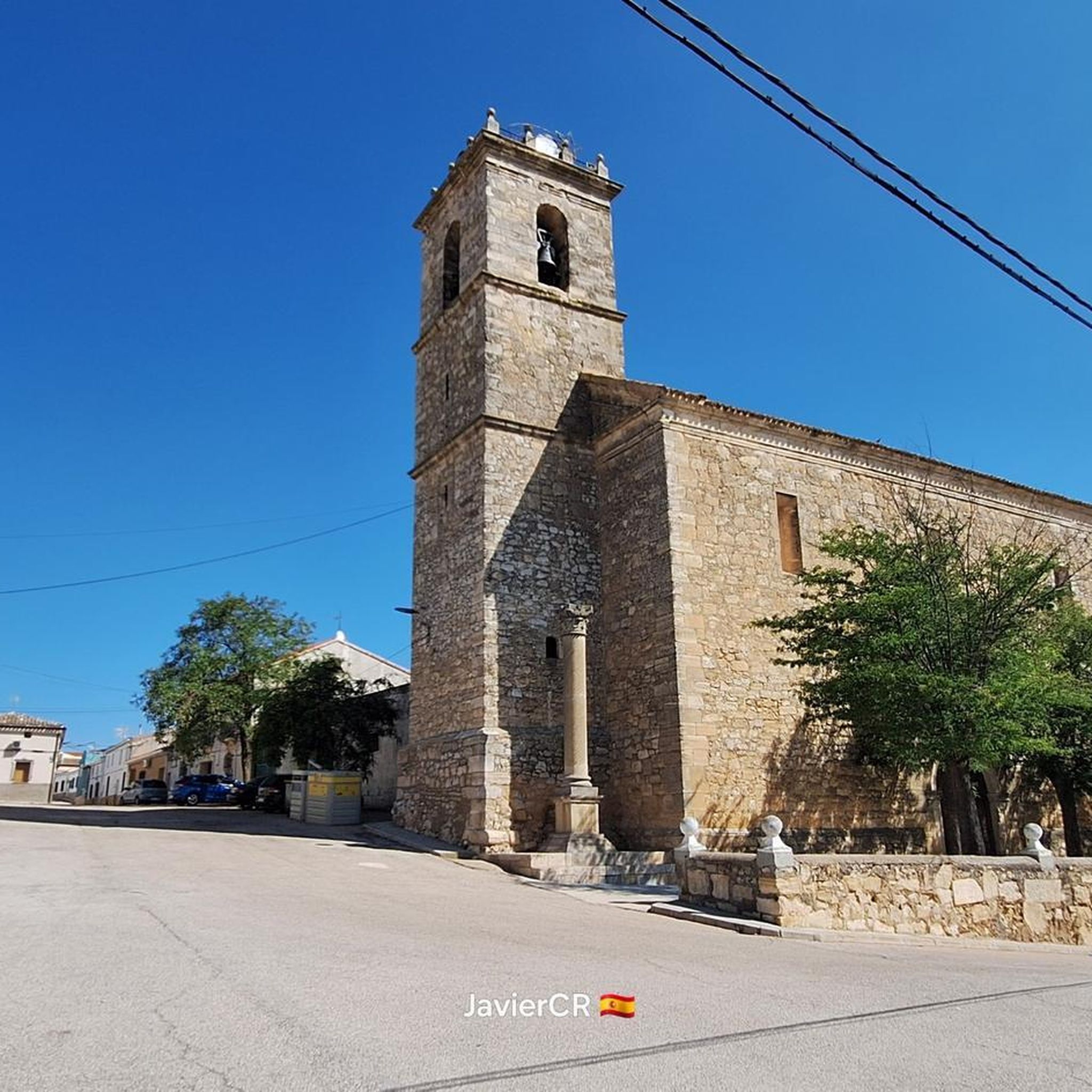
On the road that takes you from Almendros to the Casa de Lujan, which are close to the banks of the Río Gigüela, the views between fields, forests and olive groves make for a quiet and beautiful route.
0
1
Spectacular theater that is located in the old middle of La Mancha and that teaches us how these lands have always been inhabited by the oldest civilizations on the planet. The central point of the ruins are a few meters from the main road, where you will need to leave your bike to see it.
3
0
Frequently Asked Questions
How many road cycling routes are available around Villarrubio?
There are over 45 road cycling routes around Villarrubio, offering a diverse range of options for cyclists. These routes are highly rated by the komoot community, with an average score of 4.5 stars.
What kind of terrain can I expect when road cycling in the Villarrubio area?
The Villarrubio area, situated in the province of Cuenca, features a varied topography. You can expect rolling hills, open plains, and agricultural lands. This mix provides options from moderate rides to more challenging routes with significant elevation gain, such as the difficult Tarancón and the Altomira Castles Loop.
Are there any notable landmarks or historical sites I can visit along the road cycling routes?
Yes, several historical and natural attractions can enhance your ride. For instance, the route Teatro de Segóbriga — circular desde Saelices leads towards the significant Roman archaeological site of Segóbriga Archaeological Park. You can also find routes that pass near the impressive Monastery of Uclés and Castle, as seen on the Views of the Uclés Monastery route.
What is the best time of year for road cycling around Villarrubio?
While specific seasonal data isn't available, the broader Cuenca province generally offers pleasant cycling conditions during spring and autumn. These seasons typically provide milder temperatures, making for more comfortable rides through the region's varied landscapes.
Are there family-friendly road cycling routes in Villarrubio?
The region offers a range of routes, including 7 classified as easy and 25 as moderate, which can be suitable for families depending on their experience level. These routes often traverse quiet, scenic roads through agricultural lands, providing a pleasant environment for a family outing.
Can I find circular road cycling routes starting from Villarrubio?
Yes, many routes in the area are designed as loops. For example, the popular From Taracón to Castillo de Fuentidueña de Tajo — circular by Santa Cruz de la Zarza is a moderate circular route that takes you through the local countryside.
What do other road cyclists enjoy most about cycling in Villarrubio?
The area is highly rated by the komoot community, with an average score of 4.5 stars from 9 reviews. Cyclists often praise the tranquil rides through historical and natural Spanish landscapes, the mix of rolling hills and open plains, and the opportunity to explore rural Spain away from heavy traffic.
Are there any specific parking facilities for cyclists in Villarrubio or nearby towns?
While dedicated cyclist-specific parking facilities are not explicitly detailed, towns like Tarancón, which serves as a starting point for several routes, typically offer general public parking. It's advisable to check local parking options in the specific town you plan to start your ride from.
Are there cafes or places to stop for refreshments along the road cycling routes?
The routes often connect rural areas with towns and villages, such as Tarancón and Saelices. These towns are likely to have local cafes, bars, or restaurants where cyclists can stop for refreshments and meals. Planning your route to pass through these settlements will ensure opportunities for breaks.
Are permits required for road cycling in the Villarrubio region or the wider Cuenca province?
Generally, no specific permits are required for road cycling on public roads in the Villarrubio region or the broader Cuenca province. Cyclists are free to explore the network of quiet, scenic roads that traverse the area.
Can I bring my dog along on road cycling routes in Villarrubio?
While some outdoor activities can be dog-friendly, road cycling, especially on longer routes or those with traffic, is generally not recommended for dogs due to safety concerns and the physical demands on the animal. It's best to consider other activities if you wish to bring your dog.
What is the most challenging road cycling route in the area?
For those seeking a challenge, the Tarancón and the Altomira Castles Loop is a difficult 68.9-mile (110.8 km) trail with significant elevation changes, often completed in about 5 hours 5 minutes. Another difficult option is Views of the Uclés Monastery, which covers nearly 95 km with considerable ascent.
Most popular attractions around Villarrubio

Get inspired with the komoot mobile app


Explore more
Browse the best Road cycling routes in other regions.
