The 20 Most Amazing Peaks around Polinyà
Best mountain peaks near Polinyà are found in a landscape characterized by rolling hills, valleys, forests, and mountains, nestled in the foothills of the Catalan Pyrenees. While the town's immediate municipal boundaries feature varied terrain, significant elevations like Puig de la Creu stand out. This region offers a combination of natural scenery, historical architecture, and opportunities for outdoor activity. The area provides diverse vistas and cultural points of interest for explorers.
Best mountain peaks around Polinyà
- The most popular mountain…
Last updated: May 25, 2026
La Coscollada Observation Tower
Highlight • Viewpoint
Translated by Google •
Tip by

Puig de la Creu Summit and the Santa Maria Chapel
Highlight • Summit
Translated by Google •
Tip by
Sign up now to discover places like this
Get recommendations on the best single tracks, peaks, & plenty of other exciting outdoor places.
Sign up for free
Puig Castellar Iberian Settlement
Highlight • Historical Site
Translated by Google •
Tip by
Turó de Montcada
Highlight • Summit
Translated by Google •
Tip by

Iberian Site of Les Maleses
Highlight • Historical Site
Translated by Google •
Tip by
Sign up for free to discover even more peaks around Polinyà.
Sign up for free
Already have an account?
Start today with a free account
Your next adventure awaits.
Login or Signup
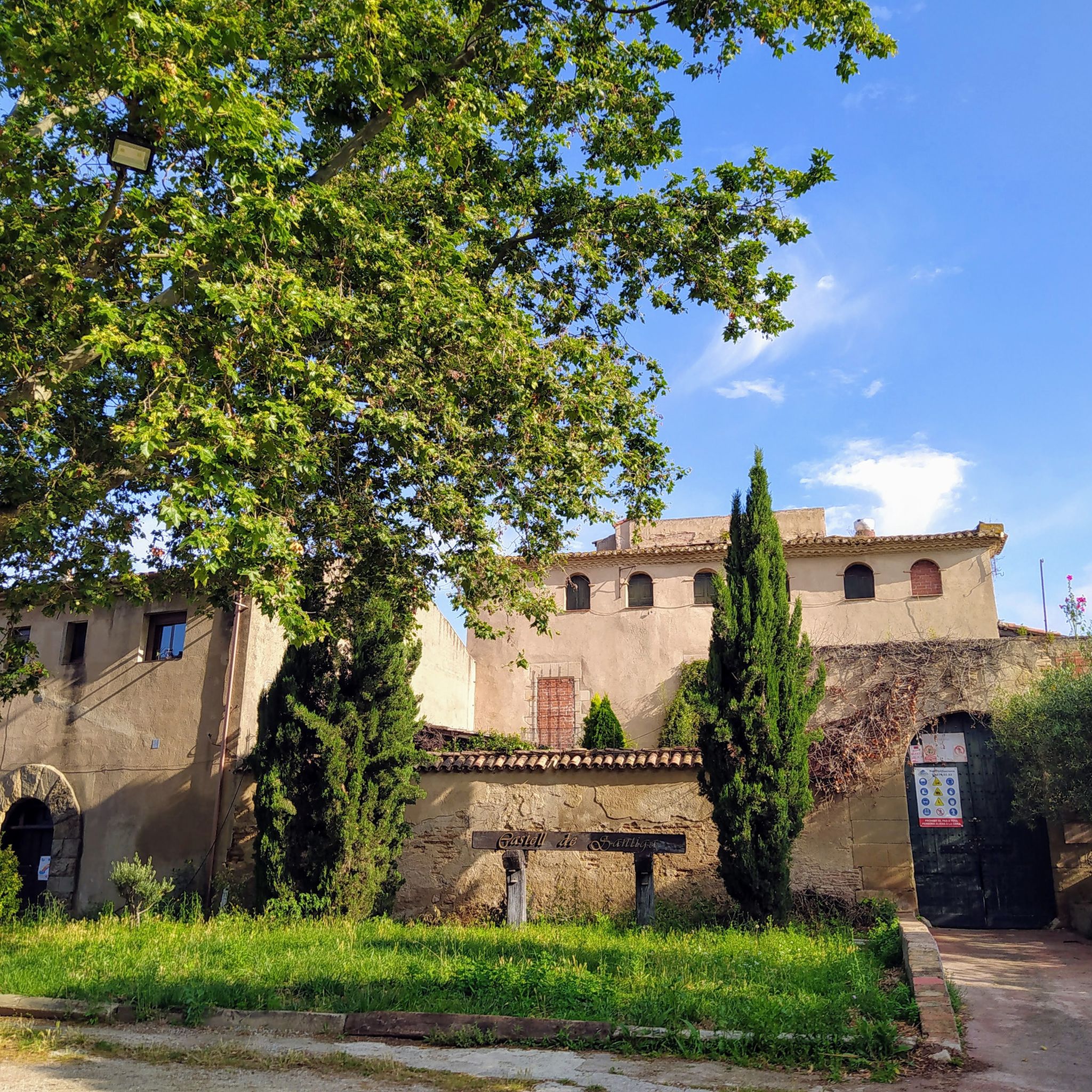
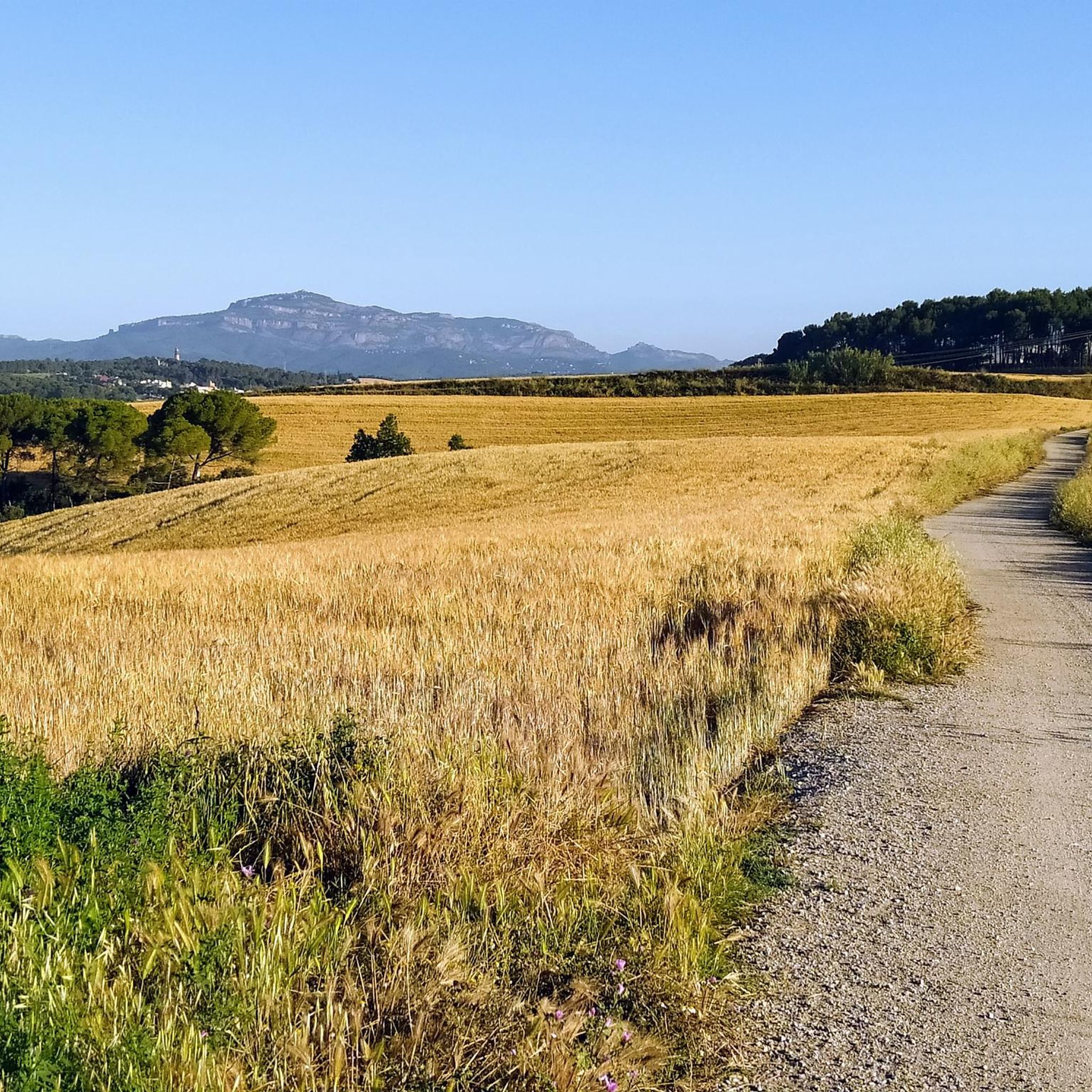
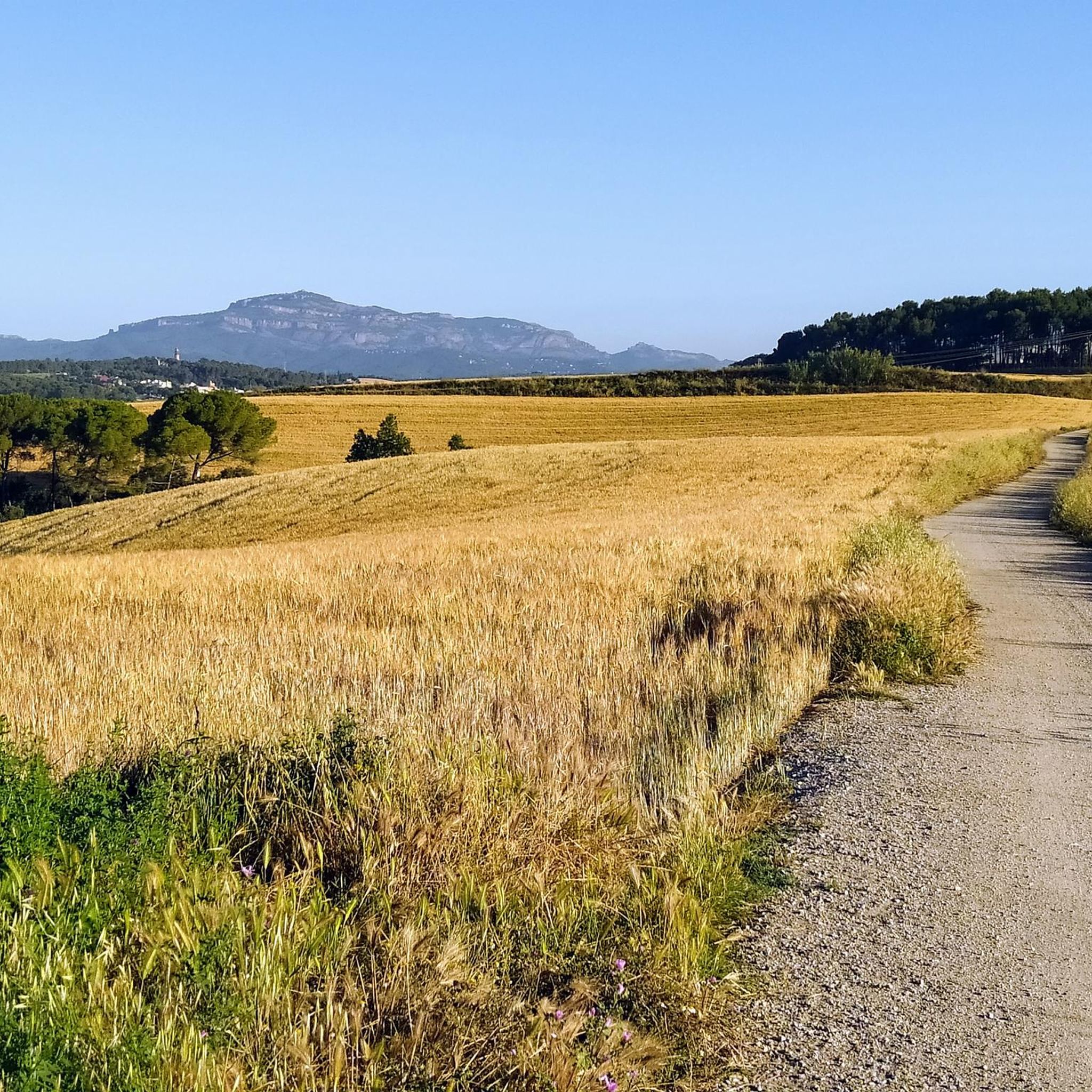
Tips from the Community

In a fairly good state of conservation you can see the foundations of what this town was. The signs posted perfectly explain each place.
2
0

The Iberian village of Puig Castellar is located in the Serralada de Marina park, at the top of the 303 m high Pollo hill, with an area that must slightly exceed 4,000 m2. The magnificent defensive and control conditions of the territory suggest that it must have been an important town. This location allowed him the vision and communication with the nearby settlements, since he controlled an important stretch of the coastline, the mouth of the Besòs, the plan of Barcelona and the passage inland, towards the Vallès. It was occupied from the 6th century BC until the beginning of the 2nd century BC and belonged to the Laietans people, who inhabited the territory that extended approximately from the Llobregat river to the Tordera and inland through the valley of the Llobregat and the Vallès.
1
0

Short climb but very intense the last two hundred meters, somewhat hard, good views from the top.
1
0

Interesting place with remains of an Iberian settlement from where impressive 360° views are commanded. You can see the Pyrenees on clear days.
2
1
Iberian town with wide views
2
0
La Coscollada or Coscollada de l'Amigó is the highest peak in the Sierra de l'Amigó mountain, in the Serralada de Marina, part of the Serralada Litoral Catalana. It is located at 466 meters above sea level. At the top there is a forest watchtower, and from the very foot of this tower you can see the Pyrenees, Montseny, the coastal and pre-coastal mountains (with Montserrat), the sea, the plain of Barcelona, and some days until everything can be seen on the island of Mallorca.
19
0

La Coscollada or Coscollada de l'Amigó is the highest peak in the Amigó mountain range, in the Cordillera de Marina, part of the Cordillera Litoral Catalana. It is located at 466 meters above sea level. La Coscollada is the highest hill in the city of Badalona. Located at 466.3 meters above sea level, the Coscollada is located between the Turó del Pi Candeler (462.2 m.) And the Jaia d'en Pujol pass (393.8 m). It acts as the municipal boundary between Badalona and Sant Fost de Campsentelles, with the Sierra del Amigó mountains. At the foot is the Font del Amigó where the Canyet stream is born, which with a length of 6 km is the longest in Badalona. Above there is a forest watchtower, and from the very foot of this tower you can see the Pyrenees, the Montseny, the coastal and pre-coastal mountains (with Montserrat), the sea, the plain of Barcelona, and some days you can even see the Majorca island.
2
0
Frequently Asked Questions
What are the most notable mountain peaks around Polinyà?
The region around Polinyà features several significant peaks. The most prominent is Puig de la Creu Summit and the Santa Maria Chapel, a 668-meter mountain known for its 12th-century Romanesque chapel and expansive views. Other notable spots include the historical Puig Castellar Iberian Settlement and Turó de Montcada, both offering unique perspectives of the surrounding landscape and history.
Which mountain peaks near Polinyà offer the best panoramic views?
For breathtaking panoramic views, consider Puig de la Creu Summit, which provides expansive vistas across the Vallès region, the San Llorenç del Munt massif, and the Montseny mountains. Turó de Montcada also offers spectacular 360-degree views of the Vallès and Barcelonès plains, the Besòs, and the Marina and Collserola mountain ranges. Additionally, La Coscollada Observation Tower allows you to see the Pyrenees, Montseny, the coastal mountains, the sea, and even Mallorca on clear days.
Are there historical sites located on mountain peaks near Polinyà?
Yes, the area is rich in history. The Puig Castellar Iberian Settlement is a significant historical site at 303 meters high, offering insights into the ancient Layetan people. Another important historical peak is the Iberian Site of Les Maleses, located at the top of a hill in the Marina mountain range, where you can explore the remains of old stone, clay, and wooden houses.
What kind of outdoor activities can I do near the mountain peaks around Polinyà?
The region around Polinyà is excellent for various outdoor activities. You can find numerous routes for cycling, mountain biking, and road cycling. For example, there are moderate to difficult cycling routes like the 'Molí d'en Fontanet Footbridge – Boa Ford loop' and MTB trails such as 'Sabadell, Espai Rural de Gallecs, Caldes de Montbui — circular'. You can explore more options on the Cycling around Polinyà, MTB Trails around Polinyà, and Road Cycling Routes around Polinyà guide pages.
Are there family-friendly mountain walks or easy routes near Polinyà?
While specific 'family-friendly' categorizations aren't always explicit for every peak, many routes in the area are accessible for those with a basic fitness level. For instance, the ascent to Puig de la Creu Summit is described as easily climbable, and the path to Turó de Montcada doesn't require extensive mountain experience, just a little effort. Always check route details for distance and elevation to ensure it suits your family's capabilities.
What is the best time of year to visit the mountain peaks near Polinyà?
The region's climate, typical of the Catalan Pyrenees foothills, generally makes spring and autumn ideal for hiking and exploring. During these seasons, temperatures are milder, and the natural scenery is vibrant. Summer can be warm, so early morning or late afternoon visits are recommended. Winter offers a different charm, though some higher or more exposed routes might require appropriate gear.
What are the typical difficulties of mountain peaks and trails around Polinyà?
The mountain peaks and trails around Polinyà vary in difficulty. Many routes, such as those leading to Puig de la Creu Summit or Turó de Montcada, are considered intermediate, requiring some effort but not extensive mountaineering experience. However, some cycling and MTB routes are rated as 'difficult,' indicating more challenging terrain or longer distances. Always check the specific route details on komoot for an accurate assessment of difficulty.
Are there any natural parks or protected areas near Polinyà's mountain peaks?
Yes, the Puig Castellar Iberian Settlement is located within the Sierra de Marina Park. Additionally, Turó de Montcada has been part of the Serra de Collserola Natural Park since 2013. These parks offer protected natural environments for exploration and enjoyment.
What do visitors enjoy most about the mountain peaks around Polinyà?
Visitors frequently highlight the combination of natural beauty, cultural interest, and impressive views. The panoramic vistas from peaks like Puig de la Creu and Turó de Montcada are highly appreciated. The historical significance of sites like the Iberian Settlement of Puig Castellar and the Romanesque chapel at Puig de la Creu also adds a unique dimension to the experience. The komoot community has shared over 99 photos and given more than 240 upvotes, reflecting the area's appeal.
Are there options for mountain biking near Polinyà's peaks?
Absolutely. The area is popular for mountain biking, with routes like the 'mountain bike tour to Puig de la Creu' offering a varied combination of nature, culture, and impressive views over forest and gravel tracks. You can find more dedicated MTB routes, including 'Sabadell, Espai Rural de Gallecs, Caldes de Montbui — circular,' on the MTB Trails around Polinyà guide page.
Can I find cafes or pubs near the mountain trails around Polinyà?
While specific cafes or pubs directly on every mountain trail are not detailed, the region is dotted with towns and villages where you can find amenities. For example, the nearby routes mention starting points or loops from places like Polinyà, Sabadell, and Santa Perpètua de Mogoda, which would offer dining options. It's advisable to check local listings for specific establishments along your chosen route.
Is it possible to hike with dogs on the mountain trails near Polinyà?
Many outdoor trails in the Polinyà region are generally dog-friendly, especially those in natural, open areas. However, it's always recommended to keep dogs on a leash, particularly in protected natural parks or areas with livestock, and to follow local regulations regarding pet access. Ensure your dog is fit for the chosen trail's difficulty and bring enough water for both of you.
Most popular routes around Polinyà
Most popular attractions around Polinyà

Get inspired with the komoot mobile app


Explore more
See even more amazing summits around Polinyà with these guides:
