Attractions and Places To See around Polinyà - Top 20
Best attractions and places to see around Polinyà, a municipality in the province of Barcelona, Catalonia, Spain, offers a blend of historical sites, natural spaces, and cultural heritage. The area showcases its agricultural past through preserved farmhouses and cultivated fields. Visitors can explore Romanesque churches, archaeological sites, and natural paths along the Riera de Polinyà. The surrounding region also provides additional points of interest, including summits with panoramic views.
Best attractions and places to see around Polinyà
- The most popular…
Last updated: August 2, 2026
Pi d'en Xandri
Highlight • Natural Monument
Translated by Google •
Tip by

Besòs Riverside Path: Montcada to Can Zam
Highlight (Segment) • Trail
Translated by Google •
Tip by
Sign up now to discover places like this
Get recommendations on the best single tracks, peaks, & plenty of other exciting outdoor places.
Sign up for free
La Coscollada Observation Tower
Highlight • Viewpoint
Translated by Google •
Tip by
Puig de la Creu Summit and the Santa Maria Chapel
Highlight • Summit
Translated by Google •
Tip by
Santa Maria de Gallecs Church
Highlight • Religious Site
Translated by Google •
Tip by
Sign up for free to discover even more attractions around Polinyà.
Sign up for free
Already have an account?
Start today with a free account
Your next adventure awaits.
Login or Signup
Tips from the Community

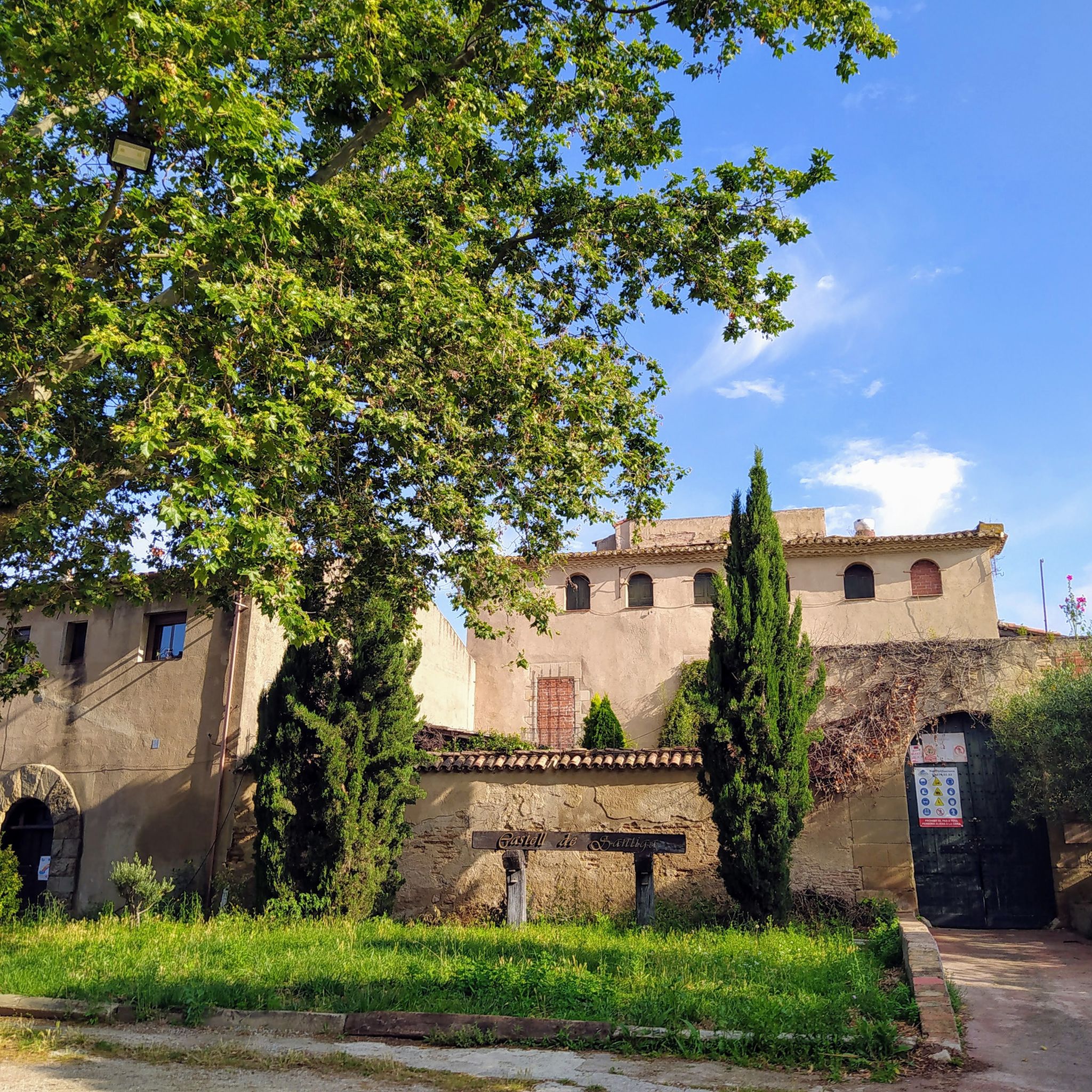
Romanesque hermitage, with pre-Romanesque origins, located in the heart of one of the most important natural areas in the region. In addition, around the hermitage, you will find farmhouses of architectural interest from the Gallecs area.
5
0

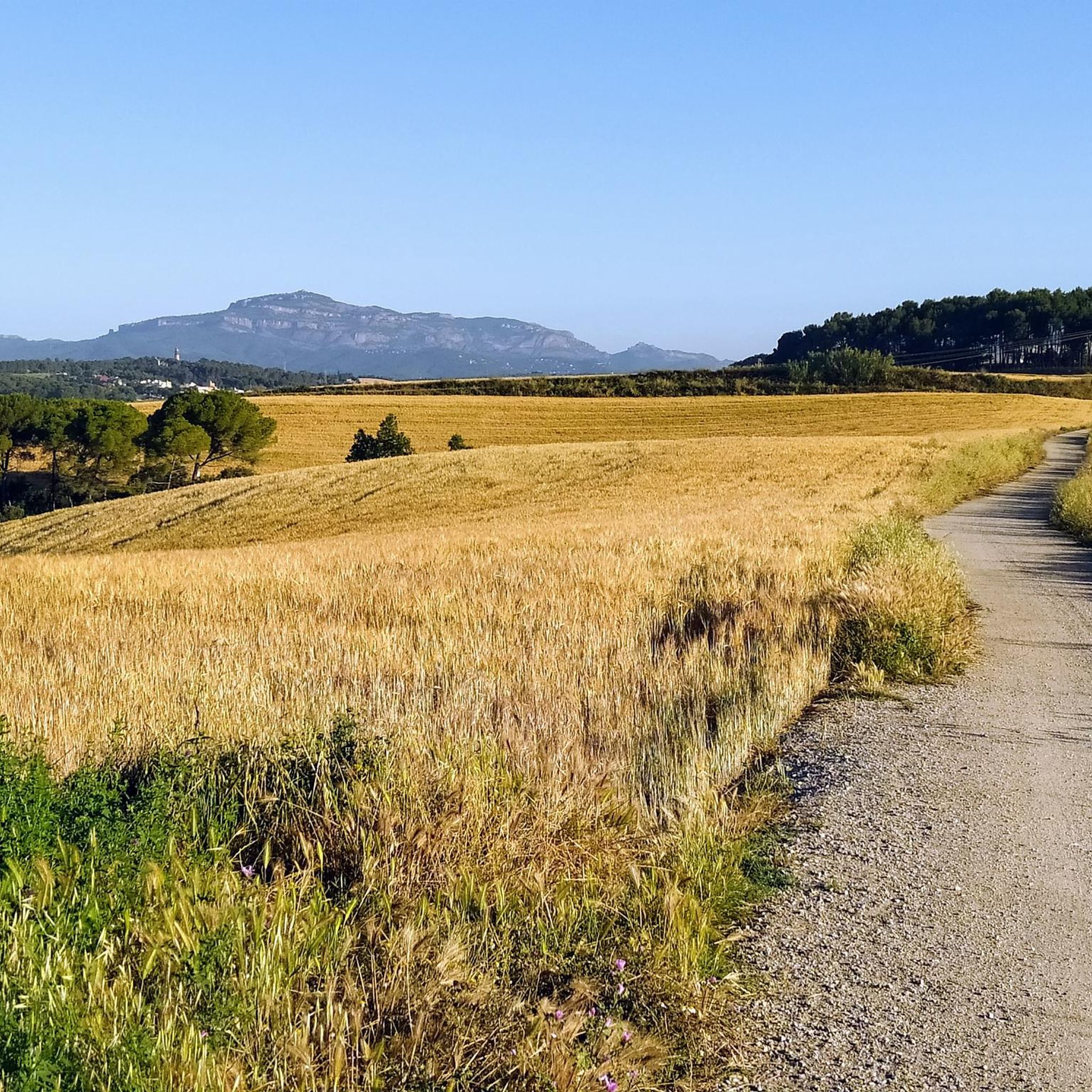
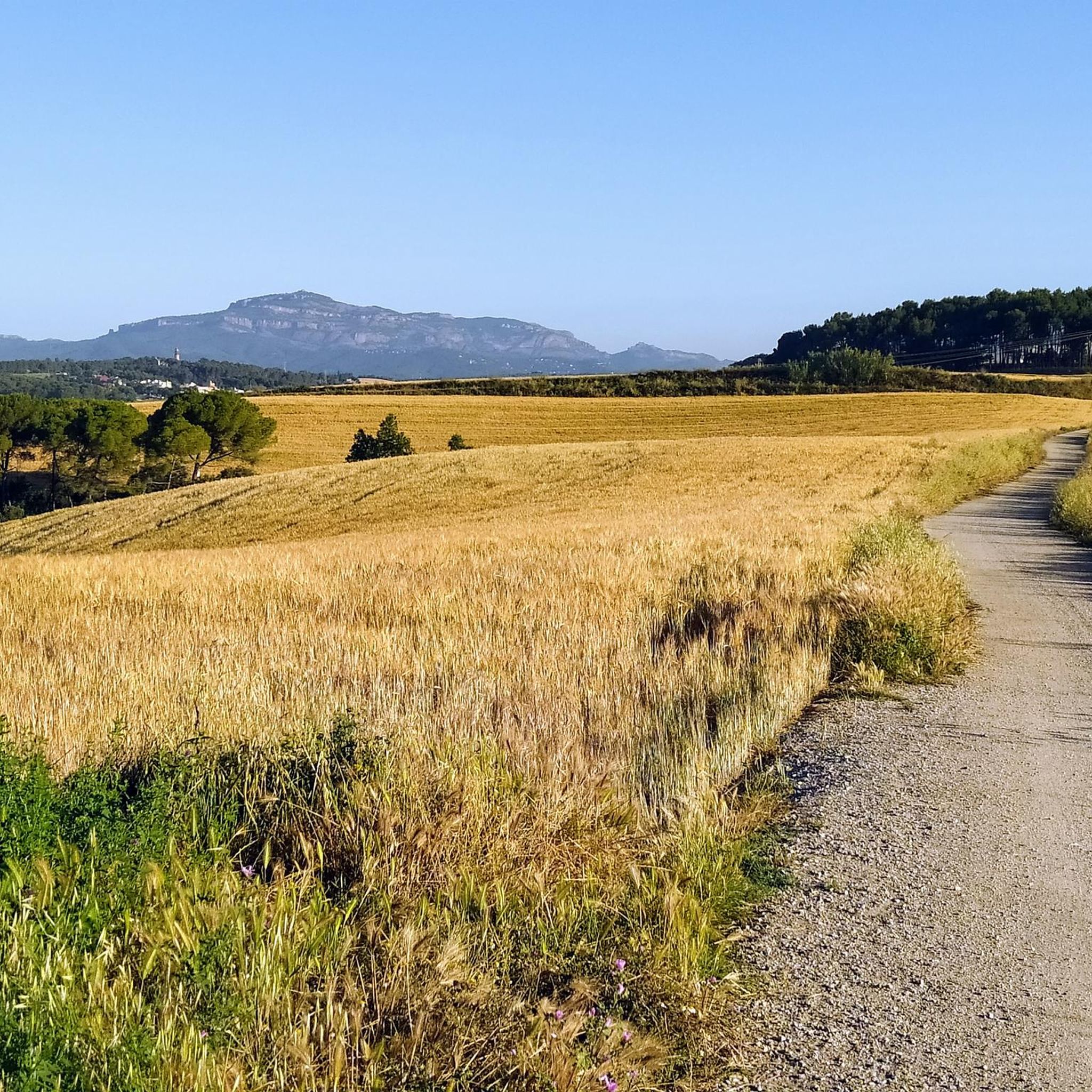
The mountain bike tour to Puig de la Creu near Castellar del Vallès offers a varied combination of nature, culture, and impressive views. The route leads over forest and gravel tracks through the region's hilly landscape up to the 668-meter-high summit. Once at the top, there are expansive panoramic views over the Vallès, the striking San Llorenç del Munt massif with La Mola, and the Montseny mountains. A special highlight of the tour is the small 12th-century Romanesque chapel of Santa Maria del Puig de la Creu, located just below the summit. Its simple natural stone architecture reflects the spiritual significance of this place and invites you to take a short rest. The summit plateau itself is marked with a metal cross, and next to it is a simple refuge that can provide shelter in case of bad weather. The last few meters to the summit are marked by cairns, as the trails are not always clearly signposted. GPS assistance or a good map is recommended, especially if you want to extend the tour as a circular route via Sentmenat or Sant Llorenç Savall. Overall, Puig de la Creu is a worthwhile destination for anyone seeking a harmonious blend of physical activity, scenic beauty, and cultural discovery.
7
1

Path to ride on MTB or gravel that runs parallel to the bed of the Besós river in its lower part. You can start riding from the mouth of the river in Sant Adrià de Besòs where it begins with paved bike lanes to the Can Zam Park in Santa Coloma de Gramenet where this dirt path begins right away. At this point there is the possibility of going up to the upper part of the river where there are paved bike lanes up to Montcada i Reixac.
21
0
The Besòs River Park is a public space located along the last 9 kilometers of the Besòs riverbed, from the confluence with the Ripoll river to its mouth in the Mediterranean Sea. With a total area of 115 hectares, it is one of the most important green spaces in the Barcelona metropolitan region, especially if we consider its location, forming part of the urban continuum of the cities of Barcelona, Santa Coloma de Gramenet, Sant Adrià de Besòs and Montcada. i Reixac. The contamination and degradation of the Besòs River and its surroundings is a problem that dates back to the sixties, mainly due to the great growth of the populations that surround the river and the industrialization process of these cities. The policy for the recovery of degraded river spaces initiated in the eighties by the town councils and the Generalitat of Catalonia -always with the collaboration of an increasingly sensitive citizenry- has notably improved the state of the Besòs river. It is necessary to highlight the effectiveness of the sanitation measures applied, especially in the nineties, to stop considering the Besòs river as a sewer.
10
0

The Xandri pine is a monumental pinyoner pine (Pinus pinea in Latin) located in the territory of the rural park of Torre Negra in Sant Cugat del Vallès, about 250 years old (according to a dendrological analysis it germinated in 1774). The tree has a height of 23 meters, a trunk circumference of 3.20 meters and a trunk thickness of 3.60 meters. Its head has a width of 21 by 15 meters. It is called Xandri because it is located on land that was once owned by a farmer named Xandri
3
0

Some sections with strong stones, not so comfortable to go with the gravel.
6
0

Climb up the river, be careful with the suicide grandmas
6
0
must place in the area
2
0
Frequently Asked Questions
What historical and cultural sites can I explore in Polinyà?
Polinyà is rich in history. You can visit the Church of Sant Salvador, a Romanesque church consecrated in 1122, which is a significant landmark. The Torre del Raval and Masía de Can Coll offer glimpses into the region's agricultural past. Additionally, Polinyà is home to several archaeological and paleontological sites, including those at the Polígon Nord-est and Ca n'Humet.
Are there natural spaces or parks for recreation in Polinyà?
Yes, Polinyà offers several natural areas. The Parc de los Pinetons features itineraries through forests and recreational areas. You can also enjoy tranquil walks or cycling along the Riera de Polinyà paths, which provide a natural environment close to the urban core.
Where can I find panoramic views near Polinyà?
For breathtaking panoramic views, consider visiting the Puig de la Creu Summit and the Santa Maria Chapel. This 668-meter mountain in Castellar del Vallès offers expansive vistas of the Vallès, the San Llorenç del Munt massif, and the Montseny mountains. Another excellent spot is La Coscollada Observation Tower, the highest hill in Badalona, providing views that can extend to the Pyrenees and even Mallorca on clear days. The Collet de la Vallensana Viewpoint also offers views over Canyet and the eastern sector of the Parque de la Serralada de Marina.
What unique natural monuments are there in the Polinyà area?
A truly unique natural monument is Pi d'en Xandri, located in Sant Cugat. This stone pine is estimated to be around 248 years old, making it one of the oldest in Catalonia, and serves as an ecological, cultural, and historical symbol of the region.
Are there opportunities for hiking around Polinyà?
Absolutely! The area around Polinyà is great for hiking. You can find various routes, including easy options like the 'Dipòsit dels Gallecs – Ermita de Sant Medir loop' or moderate trails such as 'Sabadell, Parc Fluvial del Ripoll – Circular Route'. For more details and route options, explore the Hiking around Polinyà guide.
Can I go cycling or mountain biking near Polinyà?
Yes, there are excellent options for cycling and mountain biking. The Besòs Riverside Path: Montcada to Can Zam is suitable for mountain biking or gravel cycling. For more routes, check out the Gravel biking around Polinyà guide and the Cycling around Polinyà guide, which feature routes like 'Molí d'en Fontanet Footbridge – Boa Ford loop'.
What kind of agricultural heritage can I discover in Polinyà?
Polinyà proudly preserves its agricultural heritage. The municipality still features about fifteen farmhouses or ancestral homes, built between the 16th and 18th centuries, with some still maintaining agricultural activity. Sites like the Torre del Raval and Masía de Can Coll are reminders of this past. You can also walk or cycle through the cultivated fields and hills of Vallès Occidental to experience this blend of history and nature.
Are there any family-friendly attractions or activities in the area?
Many of the natural spaces and viewpoints are suitable for families. The Parc de los Pinetons offers recreational areas, and the Riera de Polinyà paths are ideal for easy walks. The Collet de la Vallensana Viewpoint is also noted as family-friendly, offering a pleasant spot to rest and enjoy views.
What do visitors enjoy most about the attractions around Polinyà?
Visitors particularly appreciate the expansive panoramic views from summits like Puig de la Creu Summit and the historical significance of sites like the Church of Sant Salvador. The unique natural monument of Pi d'en Xandri is also a beloved highlight, symbolizing the region's natural and cultural identity. The blend of historical landmarks, natural features, and archaeological sites offers a diverse experience.
Where can I find more information about Polinyà's farmhouses?
You can find more details about the historical farmhouses of Polinyà, which reflect the region's agricultural past, by visiting the Visit Vallès website.
Are there any archaeological sites to visit in Polinyà?
Yes, Polinyà is home to several archaeological and paleontological sites. These include the Jaciment paleontològic del Polígon Nord-est, Jaciment paleontològic de Ca n'Humet, and the Jaciment arqueològic de l'Església de Sant Salvador de Polinyà, among others. These sites offer insights into the ancient history of the area.
Most popular routes around Polinyà
Most popular attractions around Polinyà

Get inspired with the komoot mobile app


Explore more
Still not found the Highlight you’re looking for? See guides of the top attractions in other regions:
