Attractions and Places To See around Cártama - Top 20
Best attractions and places to see around Cártama include a rich blend of historical landmarks, natural beauty, and cultural experiences within the Guadalhorce Valley. Located just 17 kilometers from Málaga, Cártama's strategic position has fostered a diverse architectural and cultural legacy. The region offers a variety of sites, from ancient fortresses to natural havens, providing insights into its history and landscape.
Best attractions and places to see around Cártama
- The most popular attractions is Christ the Redeemer of Sierra de…
Last updated: July 20, 2026
Álora
Highlight • Settlement
Translated by Google •
Tip by

Christ the Redeemer of Sierra de Mijas
Highlight • Monument
Tip by

Sign up now to discover places like this
Get recommendations on the best single tracks, peaks, & plenty of other exciting outdoor places.
Sign up for free
Encina Pass
Highlight • Mountain Pass
Translated by Google •
Tip by

Álora Castle
Highlight • Castle
Translated by Google •
Tip by
Monument to the Female Farmworker
Highlight • Monument
alora.es/inicio/Monumento.asp?IdArticulo=3913
Translated by Google •
Tip by

Sign up for free to discover even more attractions around Cártama.
Sign up for free
Already have an account?
Start today with a free account
Your next adventure awaits.
Login or Signup

Other adventures around Cártama

Tips from the Community

The Arab castle of Álora, also known as Castillo de Álora, sits atop Cerro de las Torres overlooking the town and is one of the most important historical structures in the region. The fortress, in its present form, dates back to the Moorish rule of the Middle Ages, although the site had been used and fortified in earlier periods. Due to its strategic location, the castle controlled the Guadalhorce Valley and served both military and administrative purposes. It was captured by Christian troops in 1484 during the Reconquista. Remaining are sections of the imposing curtain walls, square towers, and a horseshoe-arched gate, typical of Islamic military architecture. Within the complex are also remnants of later Christian buildings, including a chapel built over a former mosque. The castle has been a listed building (Bien de Interés Cultural) since 1931 and offers a wide view over Álora and the Guadalhorce valley from its elevated position.
1
0
The “La Faenera” monument in the center of Álora is dedicated to the women who once worked in agriculture, particularly in the harvesting and processing of citrus fruits in the Guadalhorce Valley. The bronze sculpture, created in 1974 by sculptor Marino Amaya, depicts a young woman in traditional dress carrying a basket full of fruit. It symbolizes the arduous yet essential work of the so-called faeneras and honors their contribution to rural life and the economic development of the region. Located at a prominent intersection in the town center, the monument is considered one of Álora's most emblematic landmarks. It not only commemorates the historical role of women in agriculture but also reflects the cultural identity and traditions of the community.
3
0

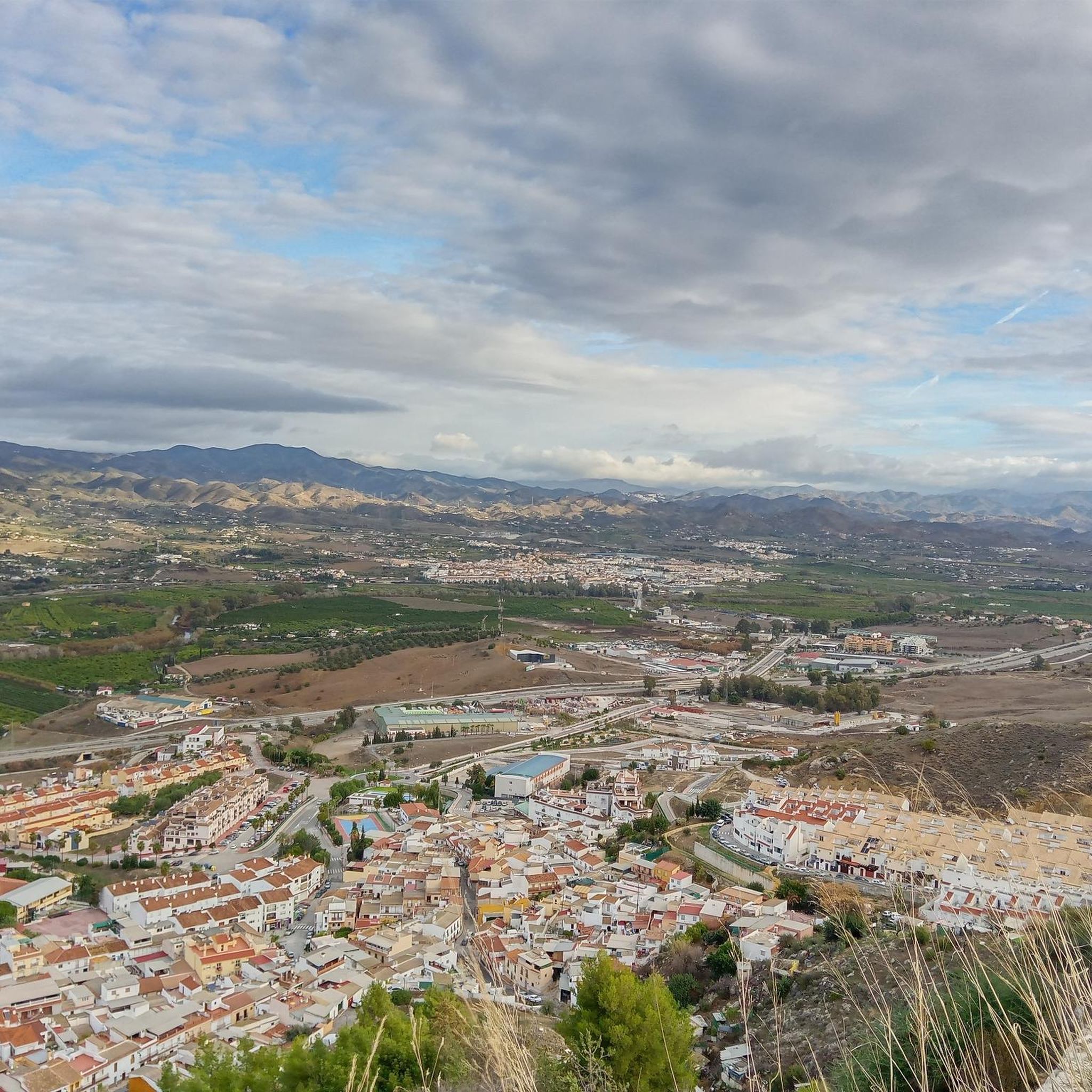
The Castillo de Álora, also known as the Castle of Álora, stands on a hill above the town and forms an impressive landmark. The castle's origins date back to Roman times, but the current structure dates largely from the Moorish period (Al-Andalus), particularly from the 9th and 10th centuries. The Moors used the fortress's strategic location to monitor the Guadalhorce Valley and protect themselves from Christian attacks. The horseshoe portal, a typical element of Islamic architecture, is particularly noteworthy. Sections of the castle walls, a Moorish tower, and a small Christian chapel added after the Reconquista still remain. From the castle grounds, you can enjoy magnificent panoramic views over the valley, the village of Álora, and the surrounding Sierra de Huma mountains. Today, the castle is a cultural landmark and a popular viewpoint. It tells the eventful history of the region – from Romans to Moors to the Christian reconquest.
0
0
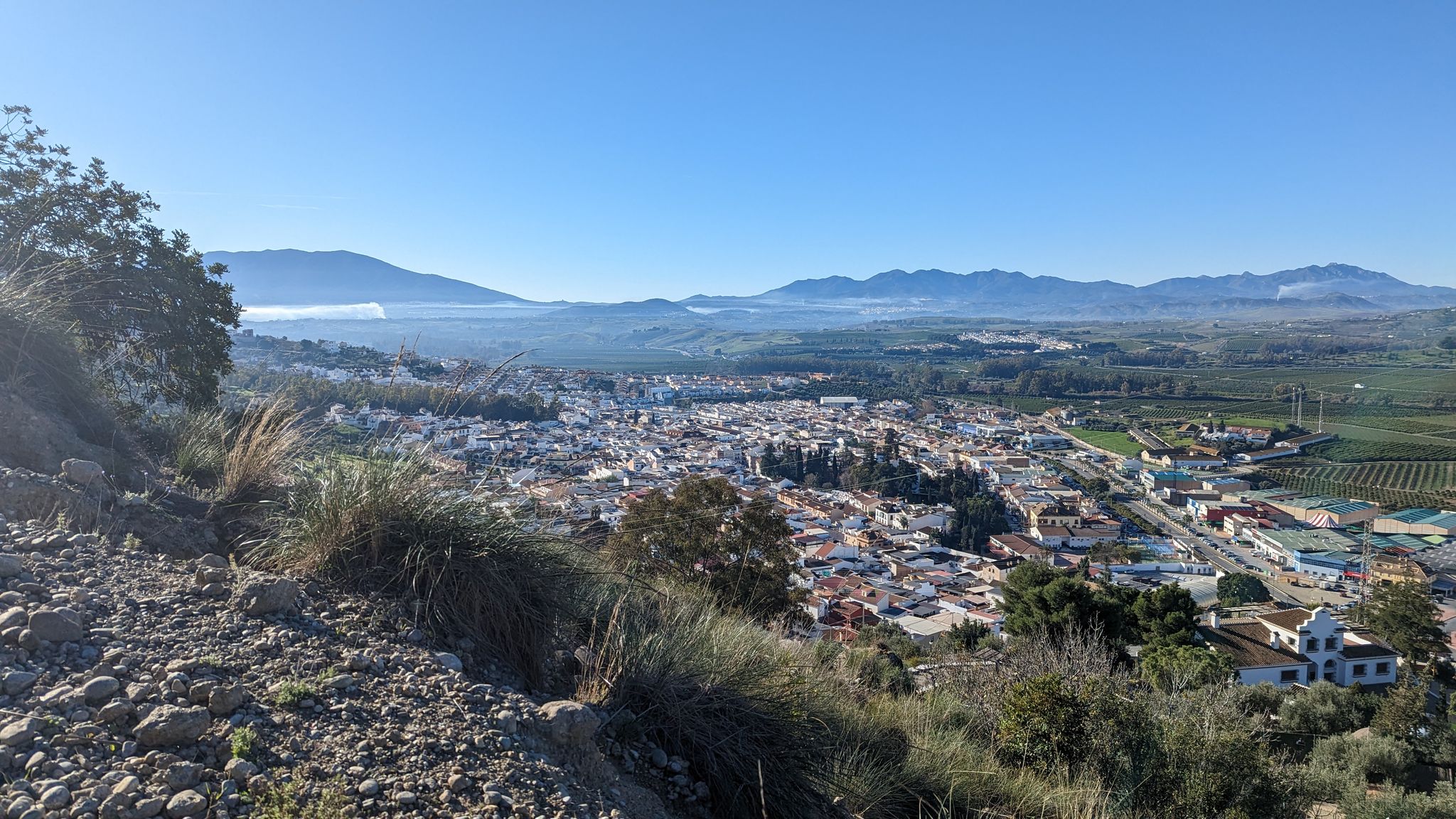
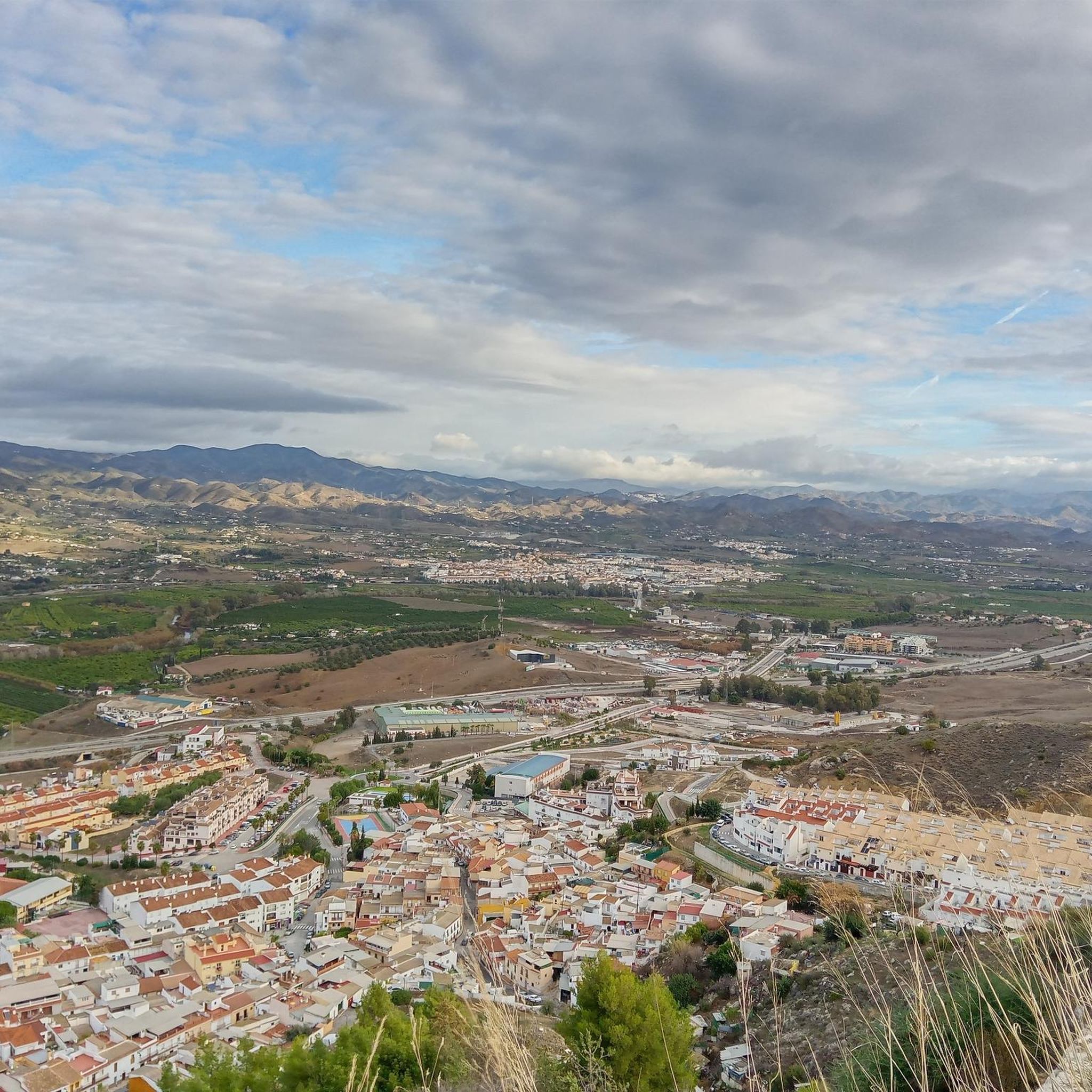
Álora is a small town in the province of Málaga in Andalusia, about 40 kilometers northwest of Málaga city. It is located in the Valle del Guadalhorce, an agricultural region, and has a population of around 13,000. The town is known for its typical Andalusian architecture with white houses and narrow streets. Álora has a long history dating back to Roman times. Later, under Moorish rule, it was of strategic importance, as can still be seen today in the Castillo de Álora – a castle located on a hill above the town. Today, Álora is primarily a starting point for visitors to the Caminito del Rey, a well-known hiking route through the Desfiladero de los Gaitanes gorge. Despite its growing tourist importance, the town remains relatively quiet and has retained its traditional character. There are a few bars, small shops and a few sights such as churches and museums, but overall, Álora is a rather tranquil place.
0
0

The trail can be done on an enduro bike, but unless you're a pro, you'll often have to push the bike, as the narrow trail is often blocked. However, you can ride quite well where possible. The uphill trail is definitely not doable by bike unless you want to carry the bike for miles.
1
0

The La Faenera Monument is a beautiful bronze sculpture that honors the hard work of the women, known as "faeneras," who work in the orange and lemon groves of the region. The sculpture is a work by Spanish artist Marino Amaya and is strategically placed on the corner of Calle Carmona and Calle Cantarranas. The sculpture shows a young woman with a simple hairstyle and a serious face, dressed in the traditional verdiales garment with a basket full of oranges and lemons. The monument commemorates the dedication and hard work of the women who work in the huertas of the Guadalhorce River.
8
0


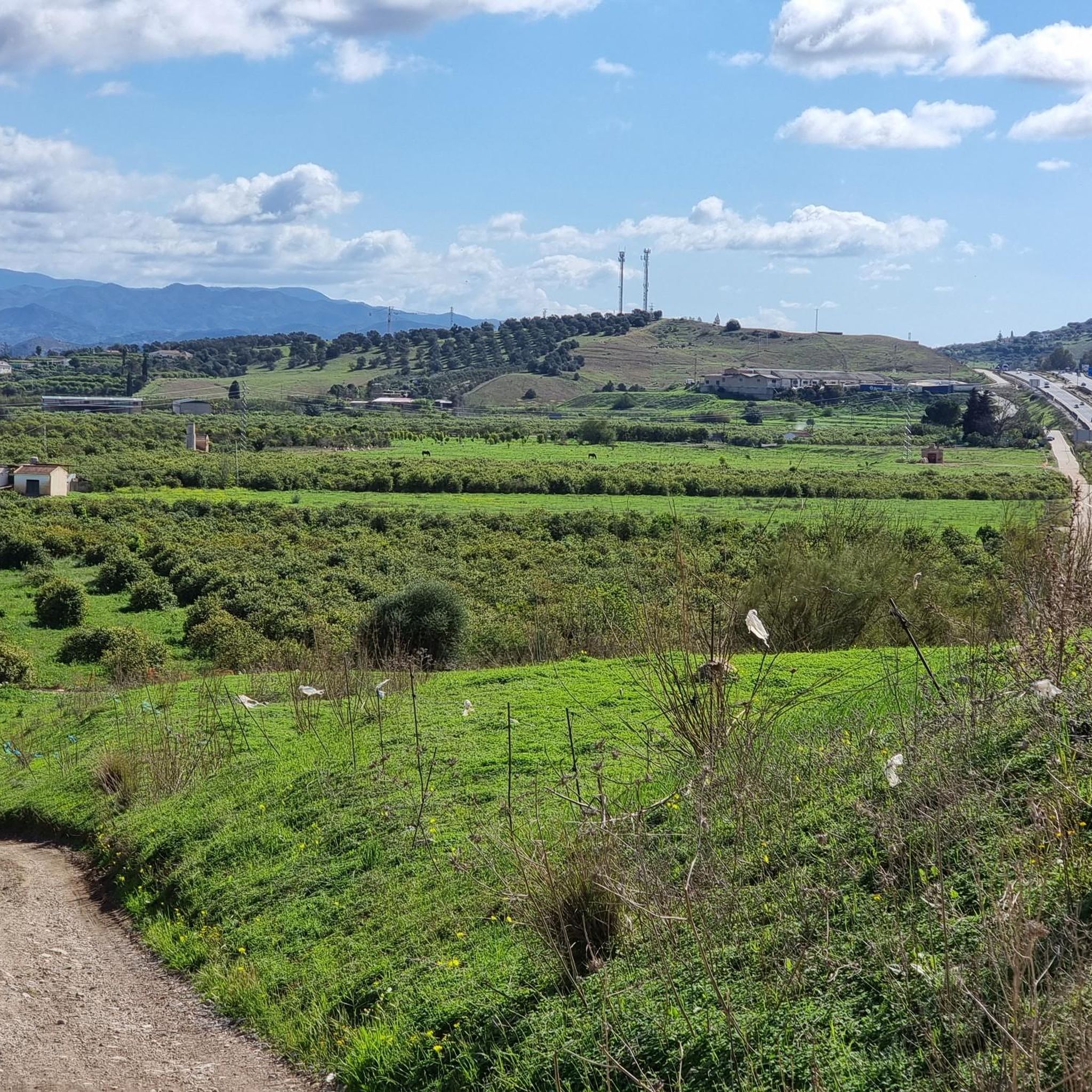
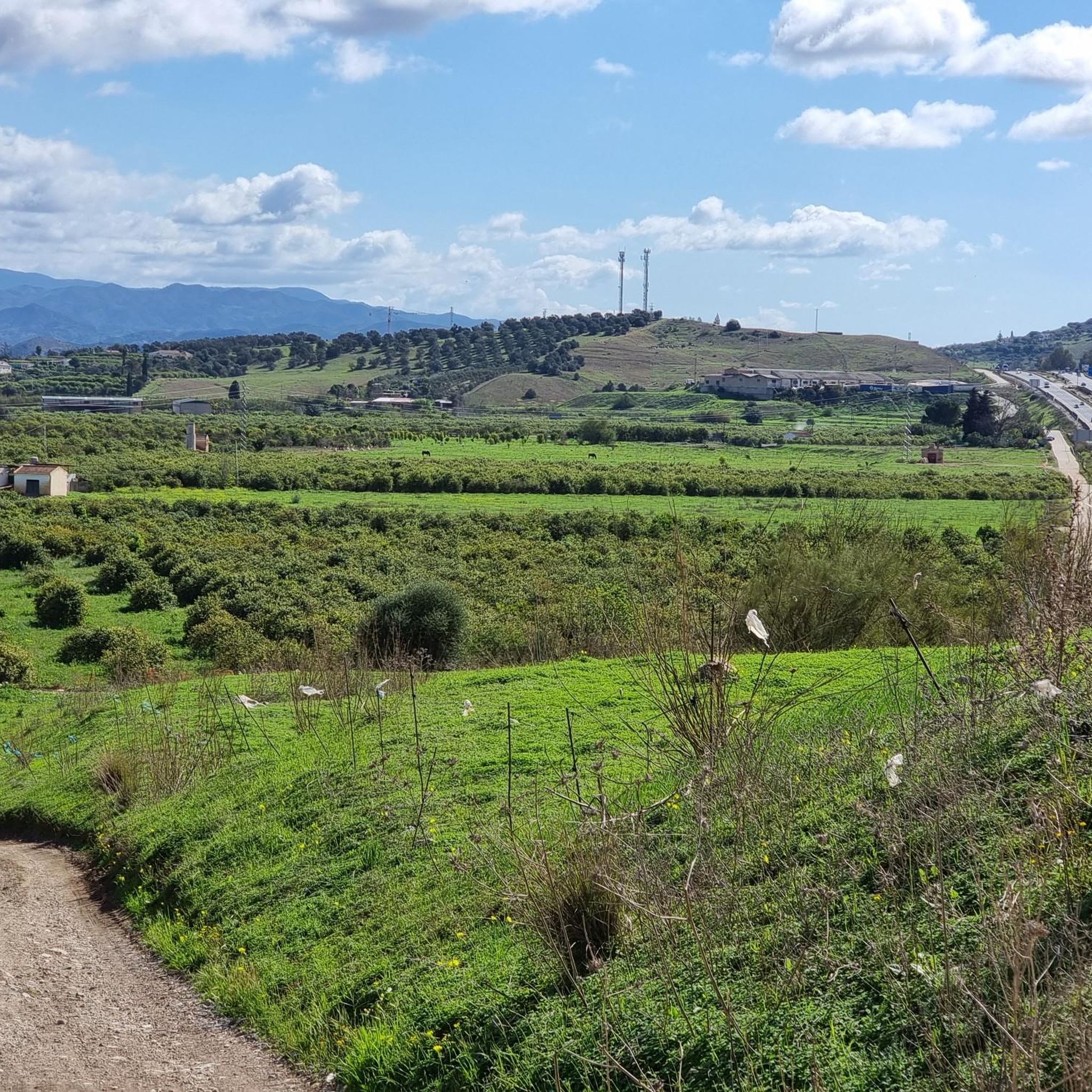
Puerto de la Encina is well signposted, with a wide esplanade and signs making it clear that we have arrived. It offers views of Malaga city and the mountains of Granada, which we can sometimes see snow-capped (very far away, of course 😅). By bike it is inevitable to continue down towards Alhaurín el Grande or towards Firme de Jarapalos, on foot we can go up a path towards "La Bola", an antenna with this shape at the top of the mountain with incredible views of the coast, which is highly recommended. The distance to La Bola is not very long but it is steeper, going up by bike means carrying it a good stretch (I did it once, but it is not highly recommended).
0
0
Frequently Asked Questions
What historical landmarks can I explore in Cártama?
Cártama boasts a rich history with several significant landmarks. You can visit the ancient Castillo de Cártama, which has Roman origins and offers panoramic views of the Guadalhorce meadows. The Ermita de Nuestra Señora de los Remedios, a 16th-century chapel, is another historical site with great views. Don't miss the Iglesia Parroquia de San Pedro Apóstol, built on a former mosque, showcasing Mudejar, Gothic, and Renaissance styles. Additionally, the Iron Bridge connects Cártama Pueblo and Cártama Estación and has been restored as a recreational area.
Are there any natural attractions or viewpoints around Cártama?
Yes, Cártama is nestled in the fertile Guadalhorce Valley, offering beautiful natural scenery. For stunning views, head to the Monte de la Virgen, where the Ermita de Nuestra Señora de los Remedios is located. Another excellent viewpoint is Christ the Redeemer of Sierra de Mijas, a man-made monument providing panoramic vistas. The Encina Pass also offers great views and is a crossroads for outdoor activities.
What cultural sites and museums are available in Cártama?
Cártama offers several cultural insights. The Nuestra Señora de los Remedios Museum, next to the San Pedro parish, honors the town's Patron Saint with 18th-century artifacts. The Colección Museográfica de Cártama takes you through the town's history from Prehistory to the Modern Age, featuring a significant collection of Iberian archaeology. You can also explore the House Museum of González Marín, dedicated to the local poet.
What outdoor activities can I do near Cártama's attractions?
The area around Cártama is ideal for various outdoor activities. You can find numerous hiking and cycling trails leading to beautiful countryside areas like Torrealquería and the Sierra de Los Espartales. The Guadalhorce Riverbanks Recreational Area is perfect for relaxation and walking. For cycling enthusiasts, there are many routes available, including those around Cártama for touring bicycles and road cycling. Runners can also find dedicated running trails.
Are there family-friendly attractions in the Cártama region?
Yes, the region offers options for families. The Christ the Redeemer of Sierra de Mijas is considered a family-friendly site, offering an easy trip to the top for nice views. The Guadalhorce Riverbanks Recreational Area provides a natural space for relaxation and walks suitable for all ages. Exploring the historical sites like the Castillo de Cártama can also be an engaging activity for families.
What is Álora, and what can I see there?
Álora is a charming historical settlement known for its cultural landmarks. It features the emblematic Álora Castle, a fortress with Phoenician and Roman origins, later rebuilt by the Arabs. The Church of La Encarnación is also a prominent feature. Álora is often considered a gateway to the famous Caminito del Rey and offers a glimpse into traditional Andalusian architecture.
What is the Monument to the Female Farmworker?
The Monument to the Female Farmworker, also known as 'La Faenera,' is a bronze sculpture by Marino Amaya. It honors the dedicated work of women who harvested and processed citrus fruits in the Guadalhorce River Valley. Located in Álora, it symbolizes their contribution to the region's agricultural and economic development.
What is the best time of year to visit Cártama for outdoor activities?
While Cártama can be enjoyed year-round, the spring and autumn months generally offer the most pleasant weather for outdoor activities like hiking and cycling. Temperatures are milder, making it comfortable to explore the trails and natural features of the Guadalhorce Valley. The festival in honor of the Virgin of Remedies in April is also a significant cultural event.
Are there any specific hiking trails recommended around Cártama?
The region offers various trails for adventure tourism. From the Encina Pass, you can climb both Pico Mijas and Pico Mendoza. The area provides trails leading to countryside spots like Torrealquería, the Sierra de Los Espartales, and the Ermita de las Tres Cruces. You can find detailed routes for running and cycling around Cártama.
What are some unique architectural features in Cártama?
Cártama's architecture reflects its diverse history. The Iglesia Parroquia de San Pedro Apóstol is a notable example, blending Mudejar, Gothic, and Renaissance styles, with its tower originally serving as a mosque's minaret. The Iron Bridge, a 20th-century structure spanning the Guadalhorce River, is another distinctive architectural element. You can also find the historic Fuente de Pilar Alto, a stone water fountain from 1872, and the Cruz de Humilladero, featuring a forged iron cross on a 2nd-century AD marble column.
What do visitors enjoy most about the attractions around Cártama?
Visitors particularly enjoy the blend of historical depth and natural beauty. The panoramic views from sites like the Castillo de Cártama and Christ the Redeemer of Sierra de Mijas are highly appreciated. The charm of historical settlements like Álora and the opportunities for outdoor activities in the Guadalhorce Valley also receive positive feedback from the community.
Most popular routes around Cártama
Most popular attractions around Cártama

Get inspired with the komoot mobile app


Explore more
Still not found the Highlight you’re looking for? See guides of the top attractions in other regions:
