Attractions and Places To See around Montemayor De Pililla - Top 20
Best attractions and places to see around Montemayor De Pililla, a municipality in Valladolid, Spain, offers a blend of historical landmarks and natural features. Situated within the Tierra de Pinares region, the landscape includes pine forests, holm oaks, and poplars, alongside fertile land watered by the Valdeobejas and Valcorba rivers. The area provides opportunities for exploring historical sites and engaging with its natural environment.
Best attractions and places to see around Montemayor De Pililla
- The most popular attractions is Duero…
Last updated: May 10, 2026
Armedilla Monastery
Highlight • Religious Site
Translated by Google •
Tip by

Duero Route in Sardón del Duero
Highlight • Trail
Translated by Google •
Tip by

Sign up now to discover places like this
Get recommendations on the best single tracks, peaks, & plenty of other exciting outdoor places.
Sign up for free
Megeces Bridge
Highlight • Bridge
Translated by Google •
Tip by

Portillo Castle
Highlight • Castle
Translated by Google •
Tip by

Old Hermitage of Traspinedo
Highlight • Religious Site
Translated by Google •
Tip by
Sign up for free to discover even more attractions around Montemayor De Pililla.
Sign up for free
Already have an account?
Start today with a free account
Your next adventure awaits.
Login or Signup

Tips from the Community

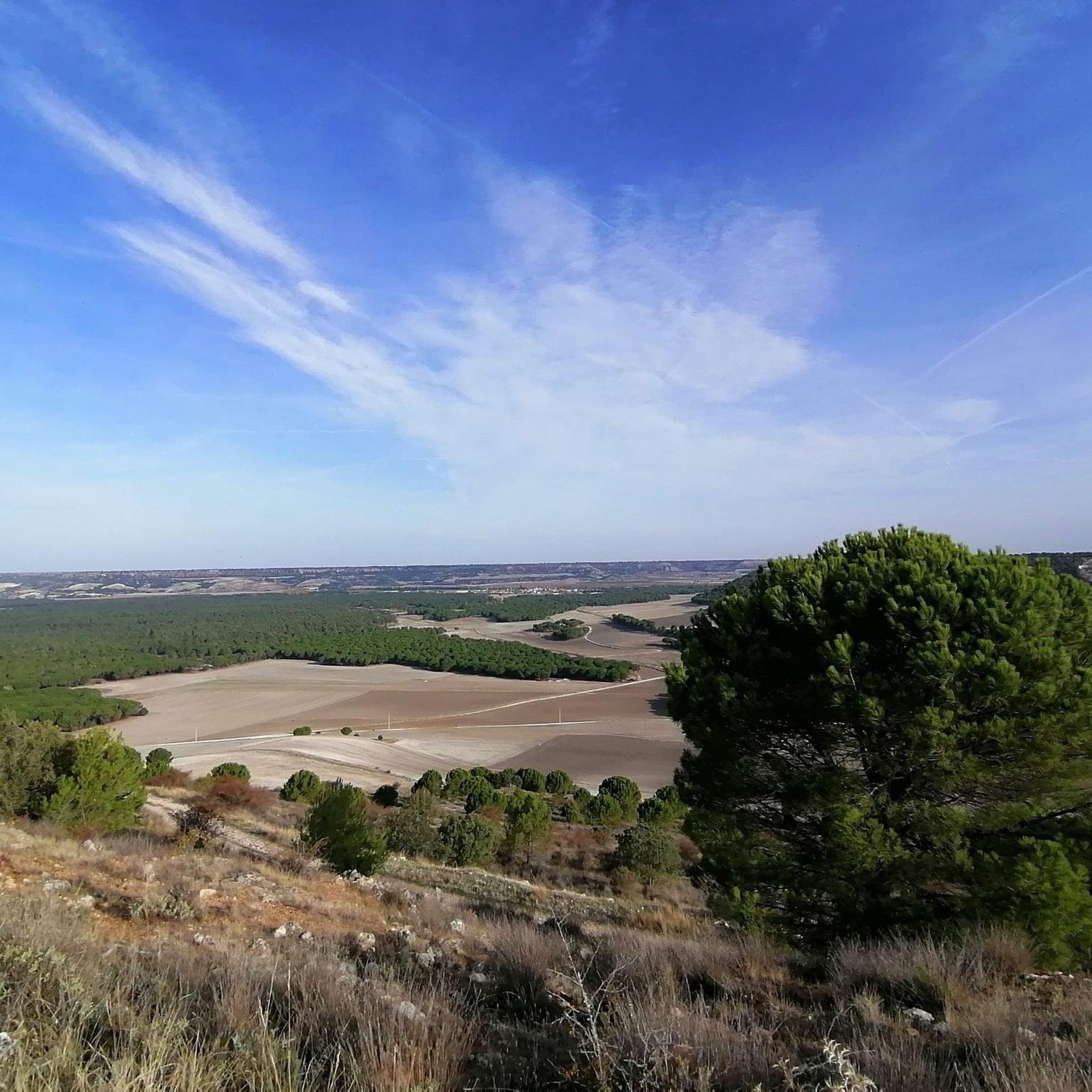
The Monastery of Santa María de la Armedilla was a monastery of the Order of San Jerónimo, today in ruins, located about 3.8 kilometers from Cogeces del Monte. The monastery was founded after the chance discovery by shepherds of an image of the Virgin Mary in a cave excavated in the rock. This gave rise to a Marian cult in the place and the construction of the monastery. The proximity of quarries and plasterworks in the area facilitated its construction, as well as the water supply. 🏰🌿
1
0
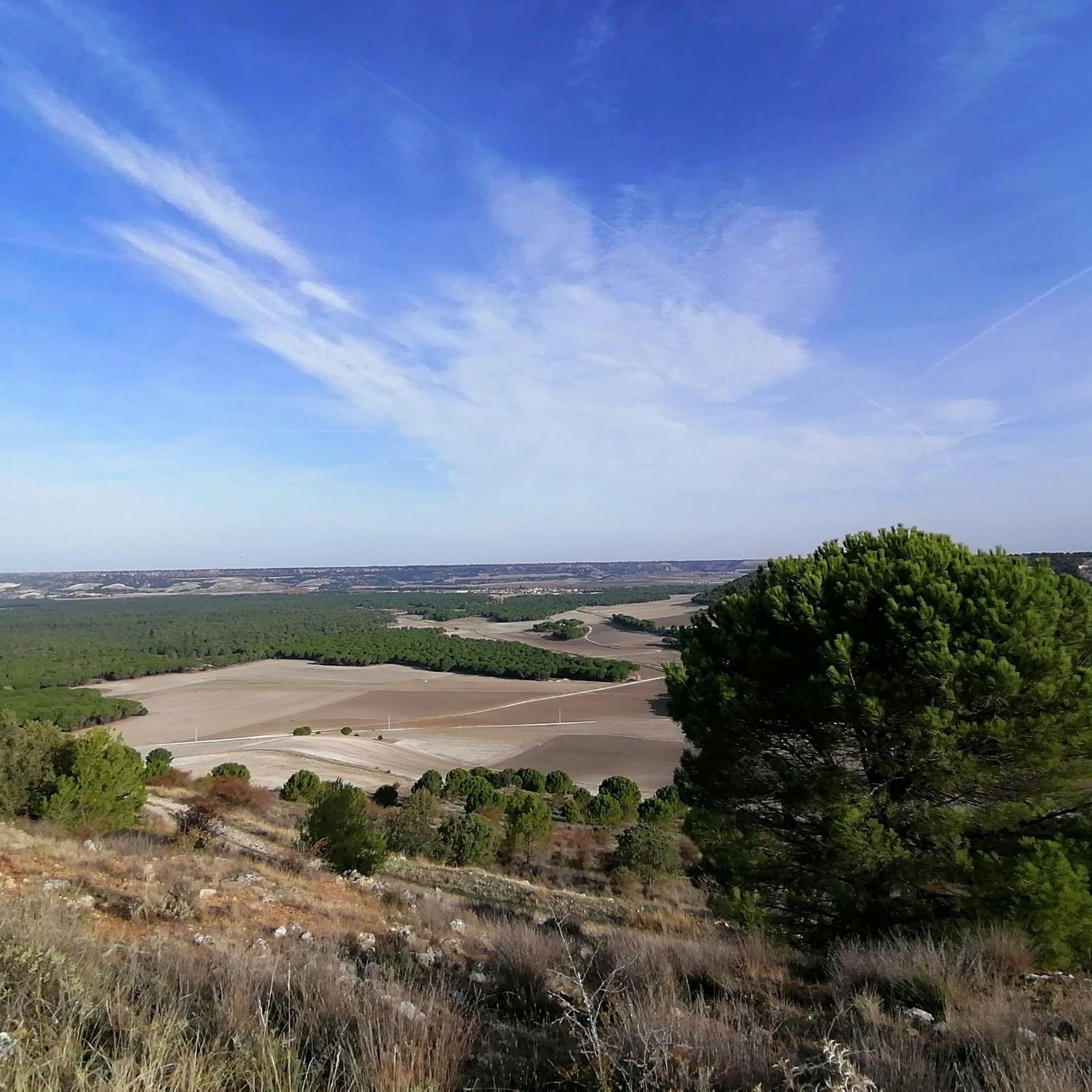
The Old Hermitage of Traspinedo is a favorite place for hiking lovers. Its location on the outskirts of town makes it ideal for a quiet and contemplative walk. If you ever visit Traspinedo, do not hesitate to explore this historical corner and enjoy its charm. 🌿🏰 Despite its current state, the entrance arch and stone cross add a touch of beauty and mystery to the place.
6
0

Armedilla Convent
0
0

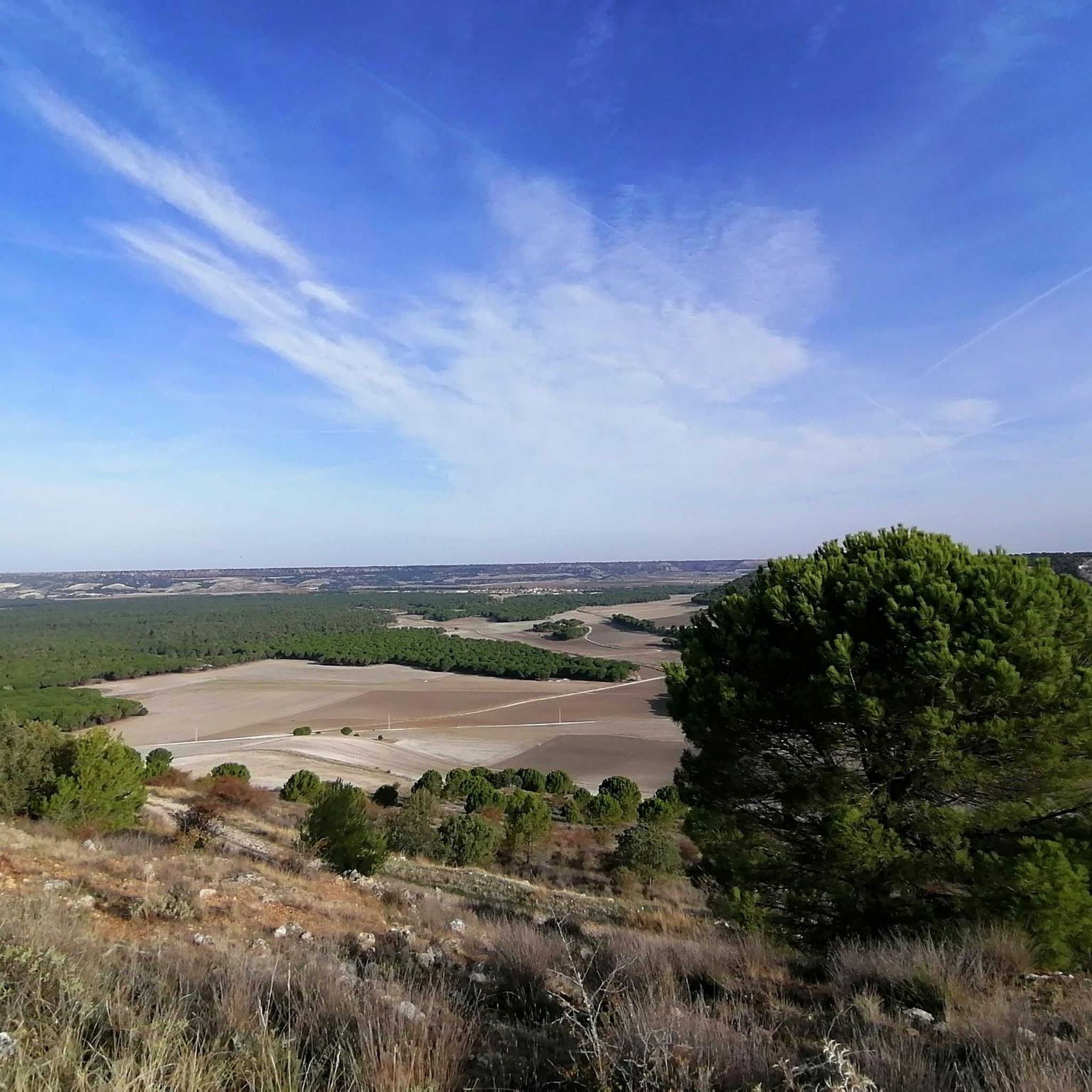
The bridge over the Cega River, built between 1515 and 1516, is a remarkable structure commissioned by the Archpriest of Cogeces, Juan Díaz de Mirena. It consists of a single limestone semicircular arch and is twelve meters long. In the lower part, it has buttresses, and its railing is decorated with large semicircular stones. Inside the arch, fragments of the old wooden framework used during its construction are preserved.
1
0
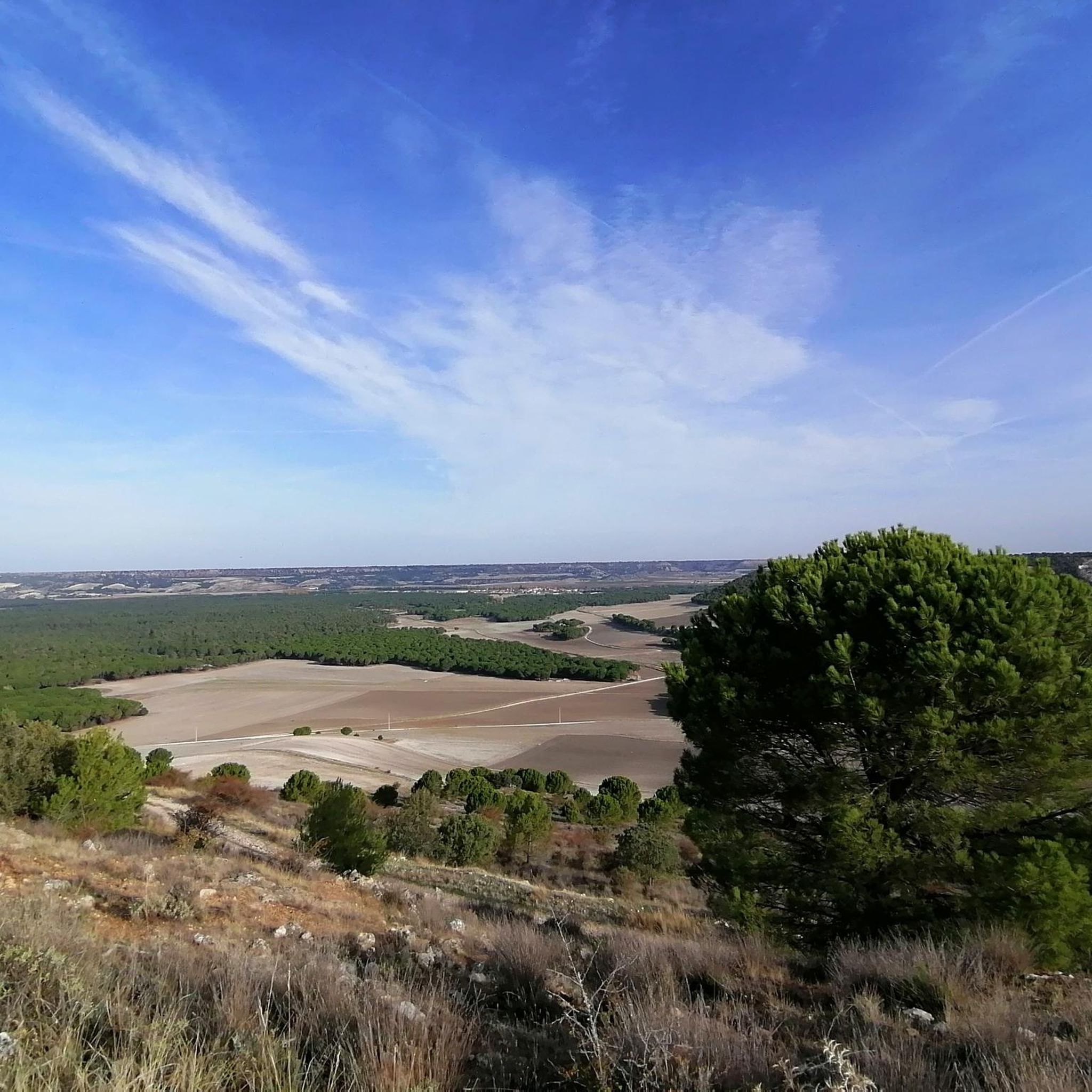
The castle of Portillo stands on top of a hill that dominates Tierra de Pinares. Built in the 14th century and restored in the 15th century, the castle was the scene of the arrest and imprisonment of Álvaro de Luna. It represents the power and wealth of its lords, with a square structure, keep, barbican and three fortified gates. In its parade ground there is a well more than 30 meters deep.
1
0
Built in the 15th century, the monastery was founded to house devotees of an effigy of the Virgin that appeared on the site. Initially entrusted to the Cistercians, it later passed into the hands of the Order of Saint Jerome. The monastery was frequented by prominent figures, such as the Dukes of Alburquerque. Currently, only the belfry and two tangled Gothic vaults remain, with restoration plans.
1
0

The Ruta de Duero runs along the edge of Sardón del Duero. Here there is a bridge to cross the Duero river, also a water fountain and some picnic tables.
0
0

A little outside of the small town of Traspinedo are the ruins of a small hermitage known as "hermitage del Humilladero".
1
1
Frequently Asked Questions
What historical sites can I explore around Montemayor De Pililla?
The region is rich in history. You can visit the ruins of the 15th-century Armedilla Monastery, which was once a significant religious sanctuary. Another notable site is Portillo Castle, a 14th-15th century fortress overlooking the Tierra de Pinares. Don't miss the Megeces Bridge, a remarkable 16th-century structure over the Cega River, or the Old Hermitage of Traspinedo, ideal for a quiet, contemplative walk.
Are there opportunities for hiking near Montemayor De Pililla?
Yes, the natural environment around Montemayor De Pililla offers excellent hiking opportunities. The area is characterized by diverse tree species, including extensive pine forests, holm oaks, and juniper trees. A popular route is the Senda de los Frailes, which follows an old path used by monks. For more options, explore the Hiking around Montemayor De Pililla guide, which includes trails like the easy Atalaya Trail and the moderate Sendero del Valcorba.
What natural features can I enjoy in the area?
Montemayor De Pililla is nestled within the Tierra de Pinares region, featuring a landscape of poplars, holm oaks, pine forests, and oak groves. The area is also watered by the Valdeobejas and Valcorba rivers. A great spot to experience this is the Duero Route in Sardón del Duero, which runs along the Duero river and offers picnic tables and a water fountain.
Are there any family-friendly attractions or activities?
Yes, the 'La Hontana' Recreational Area is a green space perfect for families. It features barbecues, picnic tables, and a children's play area, making it ideal for outdoor dining and leisure. The Duero Route in Sardón del Duero is also considered family-friendly, offering a pleasant trail along the river with facilities.
What cultural experiences or festivals are held in Montemayor De Pililla?
Montemayor De Pililla hosts several cultural events. The Festival El Milanito, held in 'La Hontana' during July and August, celebrates craft beer with live music and local gastronomy. Additionally, the Función de la Cruz (Festival of the Cross), recognized as a Cultural Interest event, takes place annually from September 13th to 18th, blending communal traditions, religious observances, and bull runs.
Can I find cycling routes around Montemayor De Pililla?
Absolutely! The region offers various cycling opportunities. For mountain biking enthusiasts, there's a dedicated guide for MTB Trails around Montemayor De Pililla, featuring routes like the 'Pico del Águila loop from Sardón de Duero'. Road cyclists can explore the Road Cycling Routes around Montemayor De Pililla, which includes longer rides such as 'Peñafiel from Íscar – circular via Cogeces del Monte and Cuéllar'.
What is the Iglesia de Santa María Magdalena?
The Iglesia de Santa María Magdalena is an essential monument in Montemayor de Pililla. This 17th-century stone church, dedicated to the town's patroness, features a distinctive square tower with two bodies and a balconied staircase. While its current appearance dates from the 17th century, it has older origins.
Are there any ancient archaeological remains in the region?
Yes, the region holds remnants of ancient populations. Archaeological excavations have uncovered evidence of Vaccean and Roman settlers, with artifacts such as ceramics and tools providing insights into the area's long history.
What local delicacies or gastronomic experiences can I try?
Visitors to Montemayor De Pililla can savor "cagadillo," an artisanal sweet made with nuts. The area also has a strong wine-making tradition, and you can explore local wineries to experience the regional gastronomy.
What is the Ermita del Humilladero?
The Ermita del Humilladero, also known as the Ermita del Santo Cristo, is a simple hermitage that has survived to the present day and has its own brotherhood. Opposite its entrance, at the crossroads towards Camporredondo, stands a stone cross known as the Cruz del Pico.
What do visitors enjoy most about the attractions around Montemayor De Pililla?
Visitors particularly appreciate the blend of historical significance and natural beauty. Highlights like the Armedilla Monastery are valued for sparking imagination about its past grandeur, even in ruins. The Portillo Castle is noted for its commanding views and rich history. The Duero Route in Sardón del Duero is enjoyed for its pleasant riverside setting and amenities like picnic tables.
Most popular routes around Montemayor De Pililla

Get inspired with the komoot mobile app


Explore more
Still not found the Highlight you’re looking for? See guides of the top attractions in other regions:
