The best road cycling routes around Villarreal De Huerva
70
riders
7
rides
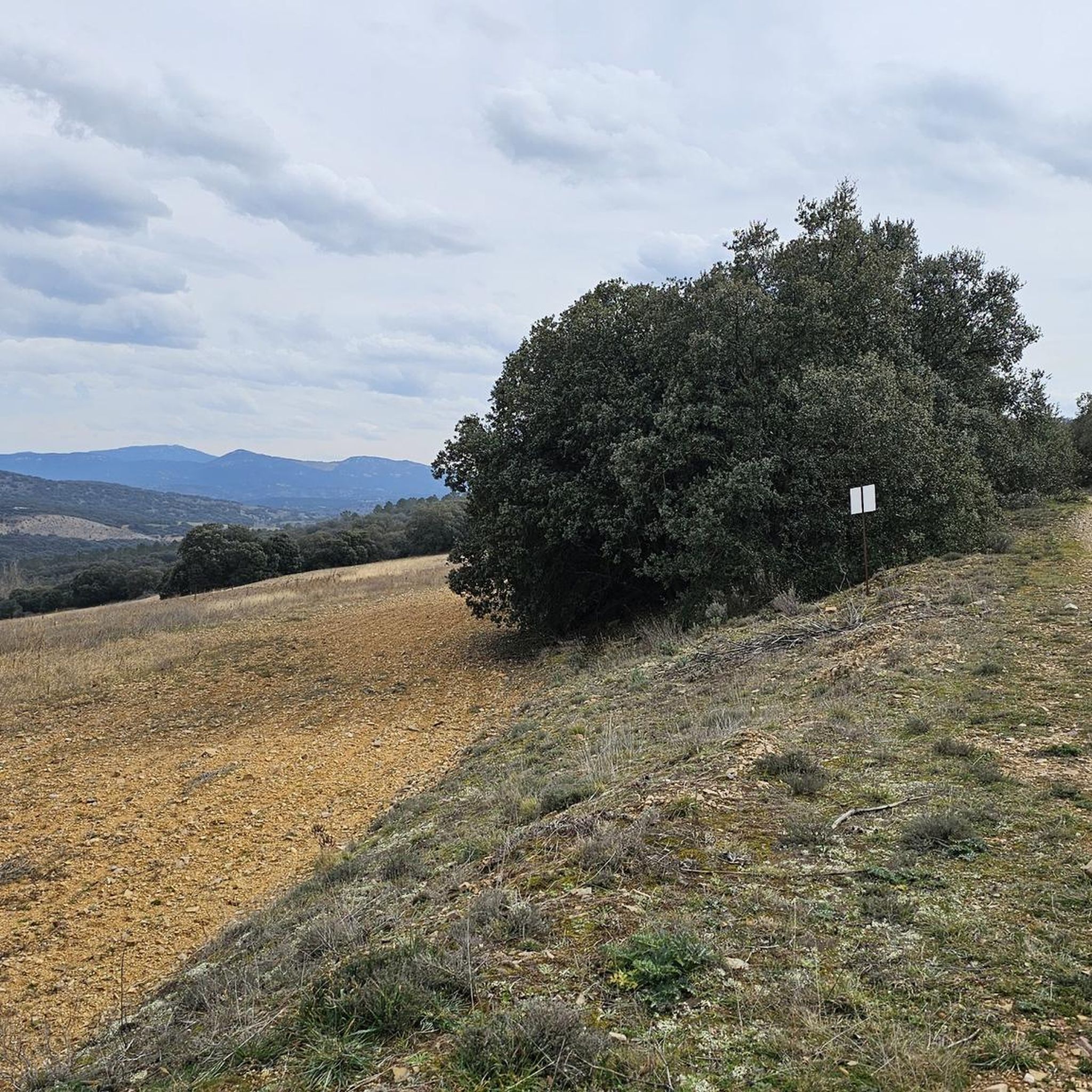
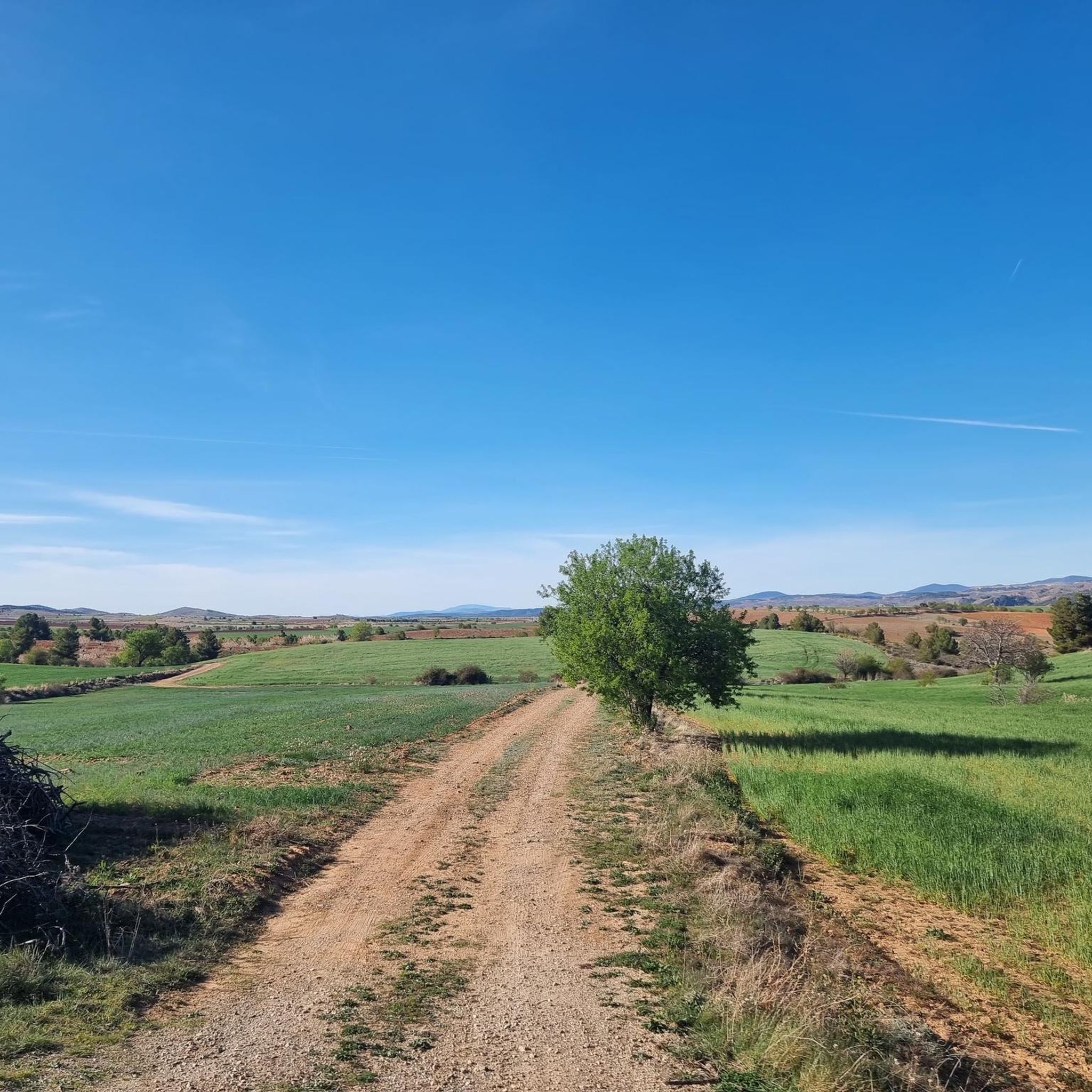
Road cycling routes around Villarreal de Huerva traverse the diverse landscapes of the Campo de Daroca and Campo de Romanos comarcas in Aragon, Spain. The region features varied topography, from river valleys along the Huerva River to significant elevation gains in areas like the Sierra de Algairén. Roads are predominantly paved, offering smooth surfaces for cycling. This area provides a range of gradients, including challenging climbs and more moderate sections, catering to different fitness levels.
Best road cycling routes around…
Last updated: May 16, 2026
29
riders
121km
05:53
1,740m
1,740m
Hard road ride. Very good fitness required. Mostly well-paved surfaces and easy to ride.
14
riders
Moderate road ride. Good fitness required. Mostly well-paved surfaces and easy to ride.

Sign up for free
14
riders
109km
05:20
1,530m
1,530m
Hard road ride. Very good fitness required. Mostly well-paved surfaces and easy to ride.
9
riders
83.7km
04:10
1,100m
1,100m
Hard road ride. Very good fitness required. Some segments of this route may be unpaved and difficult to ride.
7
riders
54.0km
02:34
510m
510m
Moderate road ride. Good fitness required. Some segments of this route may be unpaved and difficult to ride.
Get access to more routes and recommendations from other explorers.
Sign up for free
Already have an account?
Our route recommendations are based on thousands of hikes, rides, and runs completed by other people on komoot.
Start today with a free account
Your next adventure awaits.
Login or Signup
Popular around Villarreal De Huerva
Tips from the Community

It is the main point of interest of the route. The sanctuary is located at an altitude of about 1,350 m and offers spectacular views of the Iberian Sierras and the Huerva valley. It is one of the most emblematic places in the entire Campo de Daroca region.
0
0
Watched over by the remains of its ancient castle, Daroca emerges, one of the most beautiful cities in Aragon. Without a doubt, one of the charms of the town is to walk along its walls, with their imposing towers, until you reach the castle, from which you can enjoy a beautiful panoramic view.
0
0

Monforte de Moyuela is a small village in the Jiloca region of Teruel, located at an altitude of over 1,000 meters and surrounded by the Oriche mountain range. It preserves remains of its 12th-century castle and a Roman dam, as well as several chapels and the parish church of La Asunción, rebuilt in the 19th century after the Carlist Wars. The town is part of the Route of El Cid, which makes it even more attractive for those cycling along historic, less-traveled paths. The terrain is mountainous, and it's advisable to bring good equipment and plenty of water, as services are limited in the area.
1
0
The Lower Gate is the most emblematic entrance to Daroca and one of the most impressive defensive monuments in Aragon. Its two robust towers flank a large arch that, in addition to serving as a passageway, also facilitated the drainage of water during periods of heavy rain. Built between the 13th and 16th centuries, it reflects the military and architectural evolution of the city, with Gothic and Renaissance elements such as the gallery of arches and the imperial coat of arms of Charles V. Today, restored, it houses the Center for Daroca Studies and is a must-see for those exploring the city's walls and historic streets.
2
0

Water fountain at the entrance to the town of Herrera de los Navarros.
0
0
Water source without sanitary guarantees in the town of Luesma. Take advantage of it to cool off as it is an area without major centers.
0
0

The Hermitage of the Virgin of the Eagle in Cerveruela, Zaragoza, is a small sanctuary located in a picturesque natural setting, ideal for activities such as hiking and road cycling. It is located in the Campo de Daroca region, within the Zaragoza Iberian System Natural Park, which gives it remarkable scenic and ecological value.
2
0

This Castle corresponds to the Major Castle of Daroca, of Muslim origin and built in the 11th Century.
0
0
Frequently Asked Questions
How many road cycling routes are available around Villarreal de Huerva?
There are 7 distinct road cycling routes available around Villarreal de Huerva, catering to various skill levels. These include 4 moderate and 3 difficult options.
What kind of terrain can I expect on road cycling routes in Villarreal de Huerva?
The region offers diverse terrain with mostly paved surfaces. You can expect significant elevation gains, with routes featuring ascents from moderate levels up to challenging climbs exceeding 1,500 feet. The topography varies from river valleys along the Huerva River to mountain passes in areas like the Sierra de Algairén.
Are there any challenging road cycling routes for experienced riders?
Yes, the area provides challenging routes with substantial elevation gains. For instance, the Herrera de los Navarros – Tosos loop from Encinacorba is a difficult 74.9-mile route with over 1,700 meters of ascent. Another demanding option is the Fombuena – Herrera de los Navarros loop from Badules, covering 56.8 miles with over 1,300 meters of climbing.
What are some notable landmarks or viewpoints along the road cycling routes?
Many routes offer scenic views and pass by historical or natural landmarks. The Hermitage of the Virgin of the Eagle – Hermitage of the Virgin of the Eagle loop from Paniza provides views towards the Sierra de Algairén and passes the Hermitage of the Virgin of the Eagle. Other points of interest in the wider area include the Iglesia de Santa Ana in Mainar and the Church of Our Lady of the Angels of Paniza.
Are there any moderate road cycling routes suitable for a less intense ride?
Yes, there are several moderate routes. The Hermitage of the Virgin of the Eagle – Hermitage of the Virgin of the Eagle loop from Paniza is a moderate 23.3-mile path offering beautiful views. Another moderate option is the Puerta Baja de Daroca – Daroca loop from Villahermosa, which covers 33.6 miles with over 500 meters of elevation gain.
What is the best time of year for road cycling in Villarreal de Huerva?
The region's climate suggests that spring and autumn are ideal for road cycling, offering pleasant temperatures and less extreme weather. Summer can be warm, especially in the middle of the day, while winter might bring colder conditions, particularly at higher elevations in the Sierra de Algairén.
Are there any loop routes available for road cyclists?
Yes, many of the road cycling routes in the area are designed as loops, allowing you to start and finish in the same location. Examples include the Herrera de los Navarros – Tosos loop from Encinacorba and the Puerto de Rudilla – Puerto de Fonfría loop from Villadoz.
What do other road cyclists enjoy most about cycling in Villarreal de Huerva?
The routes in Villarreal de Huerva are highly rated by the komoot community, with over 70 road cyclists having explored the area. Cyclists often praise the varied terrain, the quiet, low-traffic roads, and the scenic beauty of the Aragonese landscape, including views towards the Sierra de Algairén.
Are there any specific mountain passes that road cyclists can conquer?
Yes, the region features several mountain passes that add to the challenge and scenic beauty of the routes. Notable passes include Puerto de Codos and Puerto de Encinacorba, which are often incorporated into longer, more difficult rides.
What are the road conditions like for cycling around Villarreal de Huerva?
The roads in the region are predominantly paved, providing smooth surfaces suitable for road cycling. The area is known for its quiet, low-traffic roads, which enhances the cycling experience by offering tranquil journeys through picturesque countryside.
Can I find amenities like cafes or restaurants in the villages along the routes?
Villarreal de Huerva and surrounding villages offer basic amenities. While specific details for every village are not available, it's common to find local cafes, pubs, and restaurants in the larger towns, providing opportunities for refreshments and meals during your ride.
Is public transport an option for reaching Villarreal de Huerva with a bike?
Information on specific public transport options for bikes to Villarreal de Huerva is limited. It is advisable to check local bus or train services in Aragon for their bike carriage policies, as these can vary.
Most popular routes around Villarreal De Huerva
Most popular attractions around Villarreal De Huerva

Get inspired with the komoot mobile app


Explore more
Browse the best Road cycling routes in other regions.
