Attractions and Places To See around Grisén - Top 19
Best attractions and places to see around Grisén include a variety of historical monuments and natural landscapes. Located near Zaragoza, Grisén is characterized by its significant waterways, such as the Imperial Canal of Aragon and the Jalón River. The area features wetlands, historical bridges, and aqueducts, reflecting its rich history and connection to water management. These elements combine to offer diverse points of interest for visitors exploring the region.
Best attractions and places to see around Grisén
- The most popular…
Last updated: July 29, 2026
Jalón River Aqueduct (El Caracol)
Highlight • Bridge
Translated by Google •
Tip by

Balsa de Larralde
Highlight • Lake
Translated by Google •
Tip by

Sign up now to discover places like this
Get recommendations on the best single tracks, peaks, & plenty of other exciting outdoor places.
Sign up for free
Soto de la Alameda Trail
Highlight (Segment) • Trail
- This is an area, especially the one closest to Utebo, where many people walk or cycle. The path …
Translated by Google •
Tip by
Clavería Bridge over the Imperial Canal of Aragon
Highlight • Bridge
Translated by Google •
Tip by

Mouth of the Jalón River
Highlight • River
Translated by Google •
Tip by
Sign up for free to discover even more attractions around Grisén.
Sign up for free
Already have an account?
Start today with a free account
Your next adventure awaits.
Login or Signup

Tips from the Community

La Balsa de Larralde (also called balsa de Torre Medina) is an artificial wetland of high ecological value protected as a "Singular Wetland" by the Government of Aragon. It is located next to the Torre Medina neighborhood, in the rural district of Garrapinillos, within the municipality of Zaragoza, 🛠️ Origin and history Old quarry: It originated more than 200 years ago as a clay extraction site for building the nearby Imperial Canal of Aragon. Humidal birth: When the subsoil was perforated, the water table was reached and the excavation was permanently flooded with water. Environmental recovery: After decades of abandonment serving as an uncontrolled landfill, it was recovered from 1995 thanks to the Hydrographic Confederation of the Ebro (CHE) and the Naturalist Association of Aragon (ANSAR). 🌿 Ecological characteristics Extension: It has a protected area of about 4 hectares. Inverted water cycle: Being mainly fed by groundwater influenced by the irrigation of the Imperial Canal, it has more water in summer and spring than in winter, unlike most Mediterranean wetlands. Biodiversity refuge: It is surrounded by abundant riparian vegetation (reeds, cattails, poplars, and elms) that serves as a habitat and breeding ground for about 100 species of aquatic birds such as coots, moorhens, and ducks. 🚶 Visit and equipment It is a space open to the public, ideal for hiking and environmental education. The surroundings have: A perimeter path with wooden planks and walkways. A covered viewpoint-observatory for spotting birds without disturbing them. Interpretive panels explaining the local fauna and flora. (Note: As a local curiosity, it stands out for being the only protected wetland in Zaragoza that can be reached directly by public bus)
0
0

The Larralde raft is worth seeing, but not the rest.
0
0

Architecturally, it's stunning, but we couldn't find a way to follow the canal without getting our feet wet. In the end, we crossed the Jalón River under the canal and then rejoined it. The question remains whether we could have crossed the canal walls on foot. On the left side, there was an open metal gate (we were already on the right side), but on the other side of the Jalón River, we saw another metal gate locked with a padlock.
0
0

A few beautiful kilometers along the riverbank, but keep in mind: - This is an area, especially the one closest to Utebo, where many people walk or cycle. The path is narrow. Going slowly is the best way to enjoy it and for others to enjoy it too. - When the Ebro rises, some sections of this path can flood, making it untraversable. If it's flood season, it's best to avoid it, even if there's a way across. - In the area of the poplar grove closest to the Barca de Sobradiel, landslides have occurred along the banks as the Ebro rises. Always pay attention to the terrain in this area because sometimes cracks or holes are partially hidden by vegetation.
1
0
Wikipedia The Jalón River Aqueduct, also known as the Grisén or Jalón Walls or El Caracol, is the most representative work of the construction of the Imperial Canal of Aragon, built in the 18th century. This aqueduct is located in the natural setting of El Caracol, between the municipalities of Alagón and Grisén, about 25 kilometers from the city of Zaragoza. The objective of this work was to cross the greatest obstacle found in the layout of the canal, the Jalón River. Initially, the creation of a large siphon beneath the waters of the Jalón was proposed, but finally the layout of the canal twists towards the Jalón Valley to face the river perpendicularly. A route of more than 2 kilometers in total length begins, of which 1,380 meters run between stone walls.
0
0

A beautiful stretch of trail that runs through the thicket, near the riverbank, within a pleasant poplar forest. This is a flood-prone area, so it will be impassable during flooding.
0
0
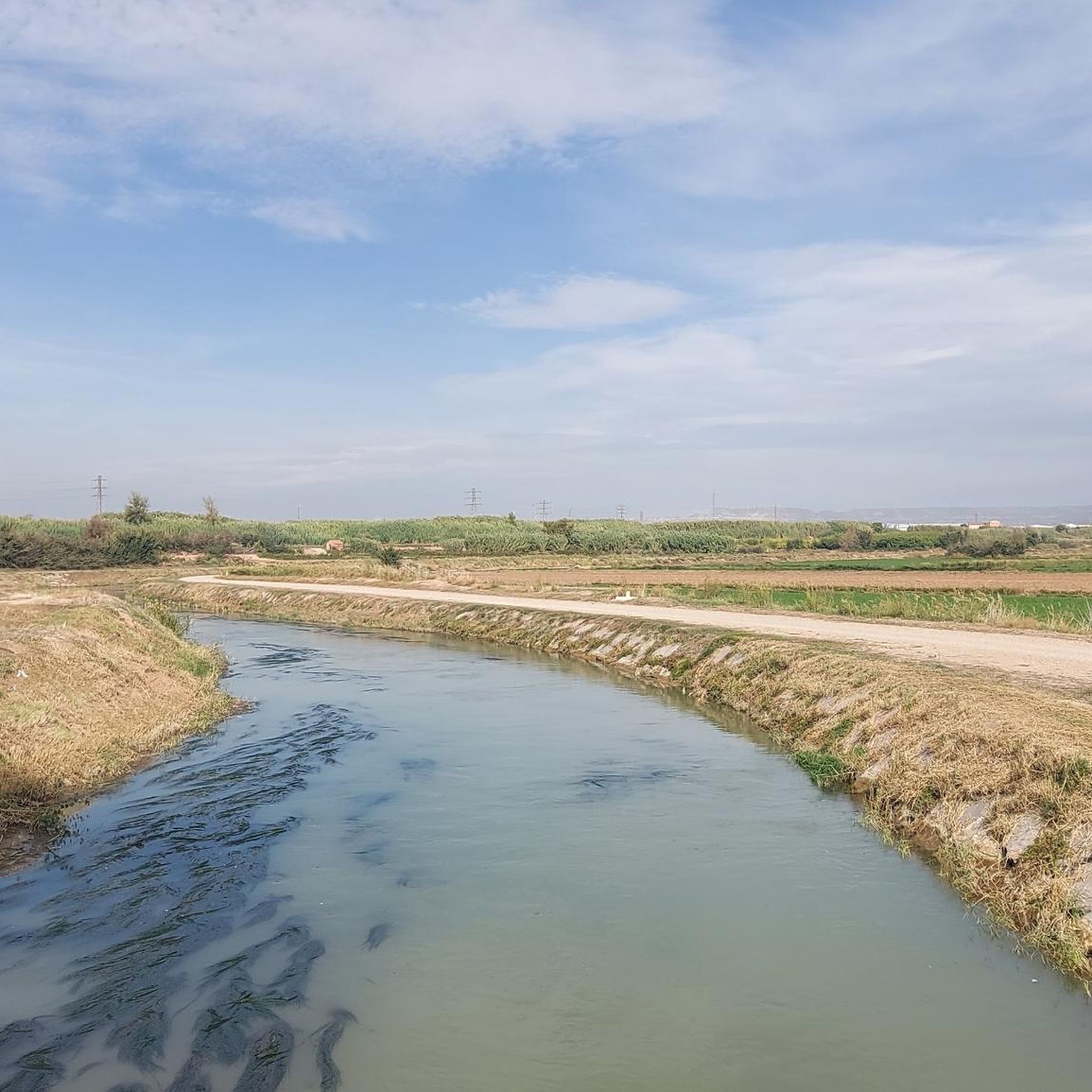
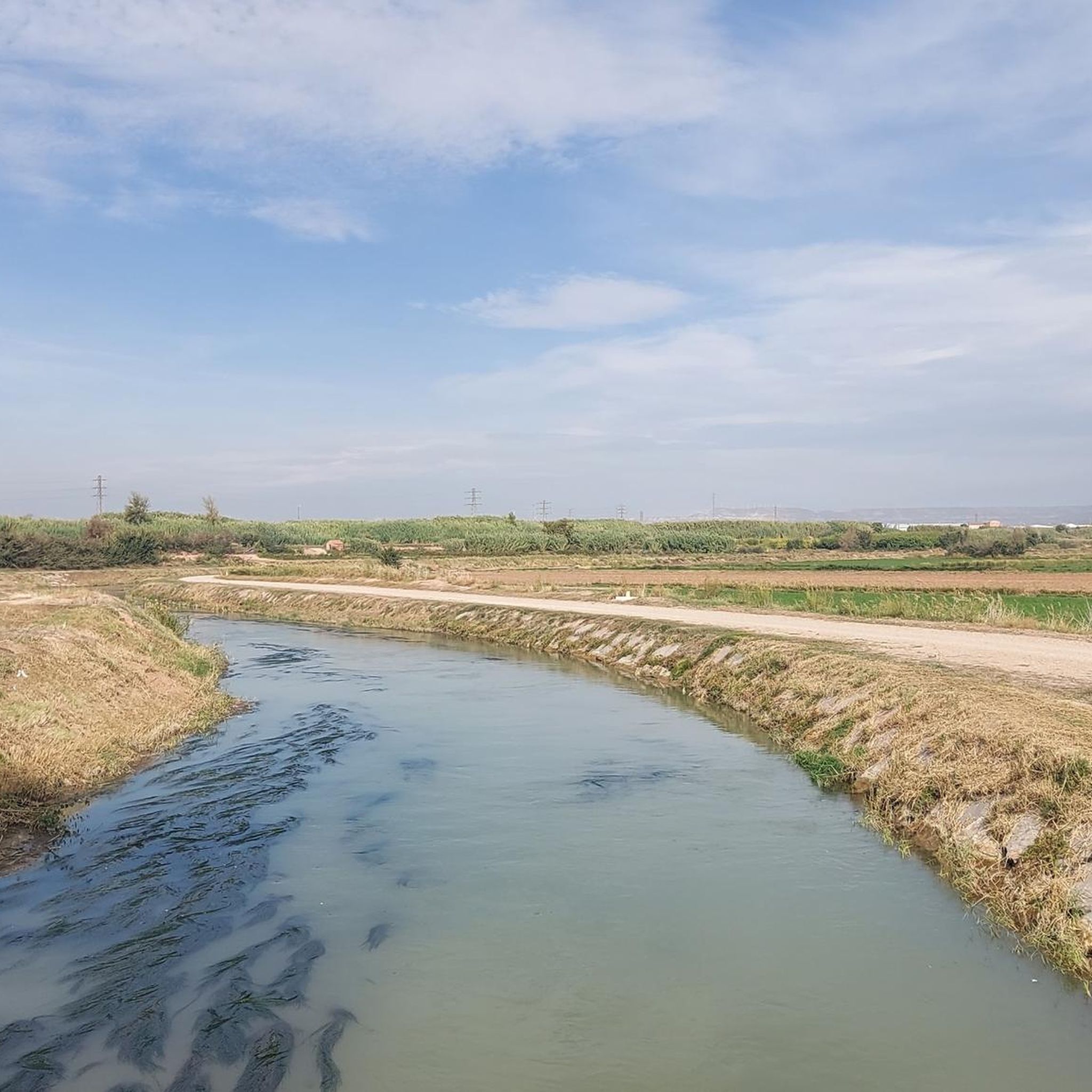
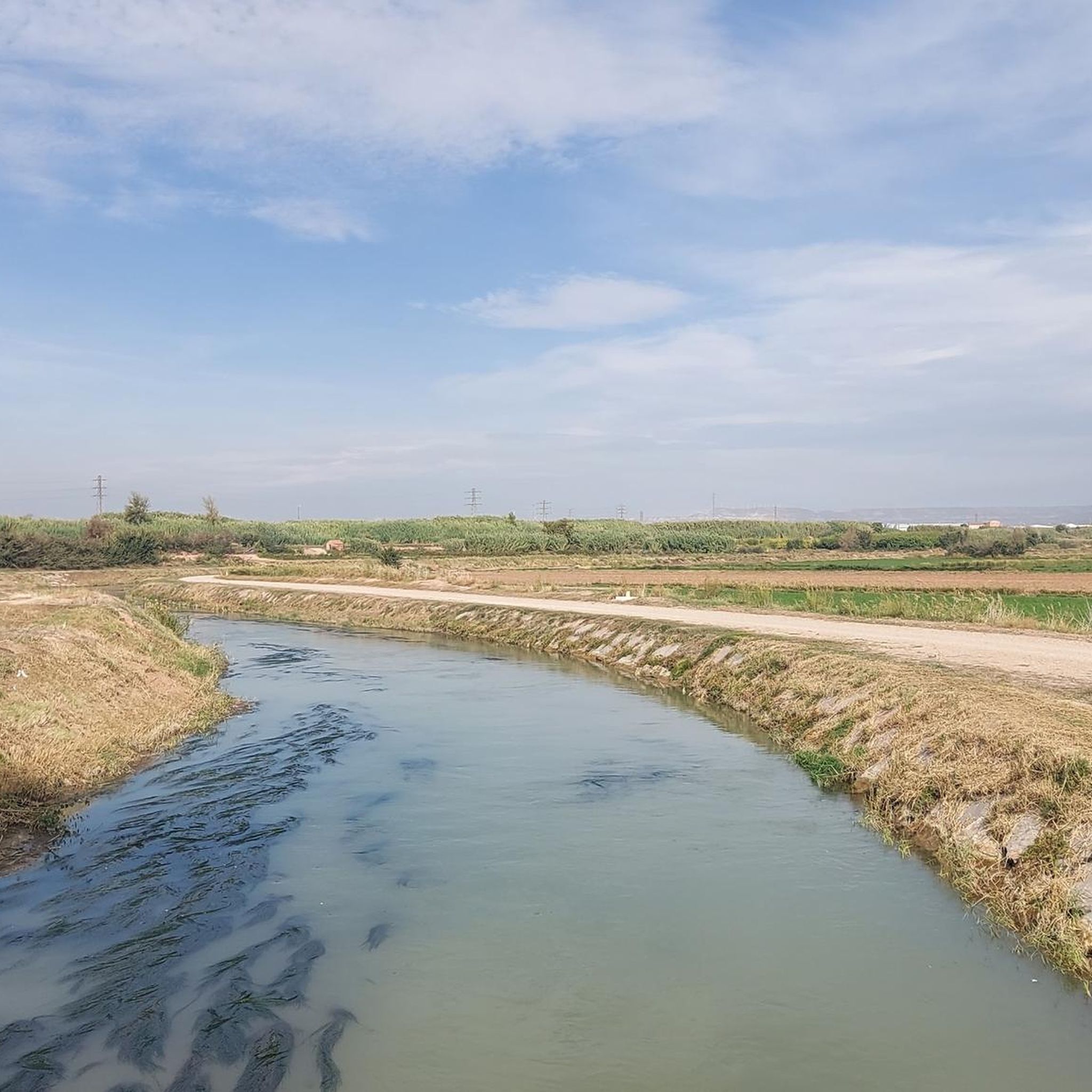
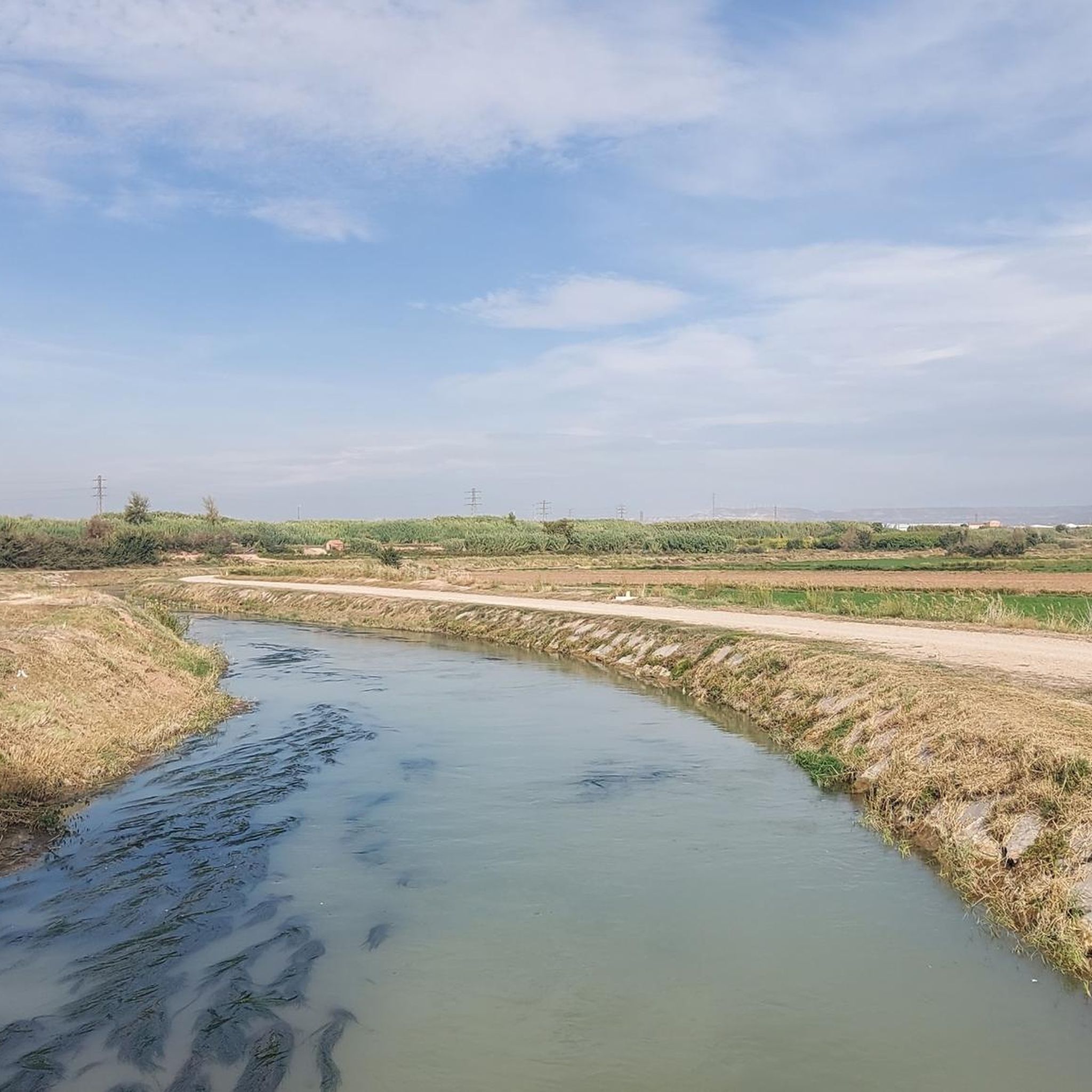
A magical place where in a few meters the current mouth of the river Jalón joins the Ebro, the hundred-year-old boat passing between the banks and the remains of the Muslim castle and old Christian town of Castellar. Be careful in summer with mosquitoes.
0
0

The Larralde Raft together with the 'Ojo del Cura' and the 'Ojo del Fraile' are the last to form part of the set of Wetlands in the area, very important for the conservation of native fauna and flora and the water cycle.
1
1
Frequently Asked Questions
What historical sites can I explore around Grisén?
The Grisén area is rich in history, particularly related to its waterways. You can visit the 18th-century Clavería Bridge over the Imperial Canal of Aragon, known for its architectural preservation. Another significant site is the Jalón River Aqueduct (El Caracol), an impressive 18th-century work with a unique spiral staircase. Also, explore the Mouth of the Jalón River, where you can see remnants of the Muslim castle and old Christian town of Castellar.
Are there family-friendly attractions in the Grisén area?
Yes, several attractions are suitable for families. The Jalón River Aqueduct (El Caracol) offers a picnic area with shade and tables. The Clavería Bridge over the Imperial Canal of Aragon and the Jubo Bridge are also accessible and interesting for all ages. For nature lovers, Balsa de Larralde is a wetland area where families can observe flora and fauna.
Where can I find natural wetlands or lakes near Grisén?
The most notable natural wetland is Balsa de Larralde, located near Zaragoza. This 4-hectare wetland is rich in diverse flora and fauna, surrounded by poplars and reedbeds, making it an important site for conservation. It's part of an old set of lagoons formed by land subsidence.
What kind of outdoor activities can I do around Grisén?
Grisén offers various outdoor activities, especially cycling and running along its waterways. You can find numerous MTB Trails, Road Cycling Routes, and Running Trails. These routes often follow the Imperial Canal of Aragon and the Jalón River, offering scenic views and historical points of interest.
Are there easy walking or beginner hiking trails near Grisén?
Yes, many of the running and cycling routes around Grisén are suitable for easy walks. For example, you can find 'easy' graded running loops from Alagón or Figueruelas, which are generally flat and follow the canal or river banks. These paths provide a gentle way to explore the area's natural and historical landscapes. Check the Running Trails around Grisén guide for specific routes.
What are some unique viewpoints in the Grisén area?
For scenic views, visit the Mouth of the Jalón River, where you can observe the confluence of the Jalón and Ebro rivers. Balsa de Larralde also offers peaceful views of the wetland ecosystem. The historical bridges like the Clavería Bridge and the Jalón River Aqueduct provide unique perspectives of the Imperial Canal of Aragon and the surrounding landscape.
Is Grisén a good place for wildlife spotting?
Yes, particularly at Balsa de Larralde. This wetland is a haven for a rich variety of flora and fauna, including aquatic vegetation like reeds and cattails, which provide refuge and food for many animal species. It's an excellent spot for birdwatching and observing wetland ecosystems.
What is the best time of year to visit Grisén attractions?
The spring and autumn months generally offer the most pleasant weather for exploring Grisén's outdoor attractions and historical sites. Temperatures are milder, making walking and cycling more comfortable. Summers can be hot, and visitors to the Mouth of the Jalón River should be aware of mosquitoes during this season.
Are there any hidden gems or lesser-known spots worth visiting near Grisén?
While not widely publicized, the Balsa de Larralde wetland is a serene natural monument often overlooked, offering a peaceful escape and wildlife viewing. The Jubo Bridge, with its fascinating history of being unfinished for centuries and later completed with a modern walkway, also offers a unique blend of old and new engineering.
Can I find places to picnic or relax outdoors near Grisén's attractions?
Yes, the Jalón River Aqueduct (El Caracol) features a dedicated picnic area with tables and barbecue facilities, along with ample shade from large trees. This makes it an ideal spot to relax and enjoy a meal outdoors after exploring the aqueduct and its surroundings.
What are the main historical bridges to see around Grisén?
Grisén is known for its historical bridges. Key ones include the 18th-century Clavería Bridge over the Imperial Canal of Aragon, the impressive Jalón River Aqueduct (El Caracol) which crosses the Jalón River, and the Jubo Bridge, a pedestrian crossing over the Imperial Canal of Aragon with a unique history of its own.
Are there dog-friendly walking options around Grisén?
Many of the outdoor paths along the Imperial Canal of Aragon and the Jalón River are suitable for walks with dogs, provided they are kept on a leash and owners clean up after them. The open natural areas around highlights like Balsa de Larralde or the routes mentioned in the Running Trails around Grisén guide are generally good options for dog walking.
How long should I plan for visiting attractions around Grisén?
The time needed depends on your interests. You could spend a half-day exploring a few key historical sites like the Jalón River Aqueduct (El Caracol) and the Clavería Bridge. If you plan to include a longer cycling or running route, or wish to spend more time observing wildlife at Balsa de Larralde, a full day or even multiple days would allow for a more comprehensive experience.

Get inspired with the komoot mobile app


Explore more
Still not found the Highlight you’re looking for? See guides of the top attractions in other regions:
