Attractions and Places To See around Perales Del Alfambra - Top 8
Attractions and places to see around Perales Del Alfambra include a variety of historical sites and natural landscapes. Located at an altitude of 1,165 meters, the area features the Alfambra River, ravines, and the Llano de Visiedo plateau. Visitors can explore built heritage such as 17th-century churches and historical ruins, alongside natural points of interest like riverbanks and an ornithological reserve. The region offers opportunities to discover both cultural landmarks and diverse natural environments.
Best attractions and places to see…
Last updated: May 17, 2026
Sanctuary of the Virgin of the Field
Highlight • Religious Site
Translated by Google •
Tip by

Monument to the Sacred Heart of Jesus of Alfambra
Highlight • Monument
Translated by Google •
Tip by

Sign up now to discover places like this
Get recommendations on the best single tracks, peaks, & plenty of other exciting outdoor places.
Sign up for free
Las Parameas de las Tierras Altas
Highlight • Natural
Translated by Google •
Tip by
Town Hall and Church of the Assumption (Ruins)
Highlight • Religious Site
Translated by Google •
Tip by

Las Cerradicas (Dinopolis)
Highlight • Historical Site
Translated by Google •
Tip by

Sign up for free to discover even more attractions around Perales Del Alfambra.
Sign up for free
Already have an account?
Start today with a free account
Your next adventure awaits.
Login or Signup
Popular around Perales Del Alfambra

Tips from the Community

The church is missing its nave roof, which isn't noticeable from a distance. The old town hall and the church are situated on the highest point in the picturesque little village of Jatque de la Val. From up here, there's a fantastic view of the surrounding area.
1
0

Great scenery, a bit rough with the fully loaded gravel bike, but definitely an absolute tip!
0
0

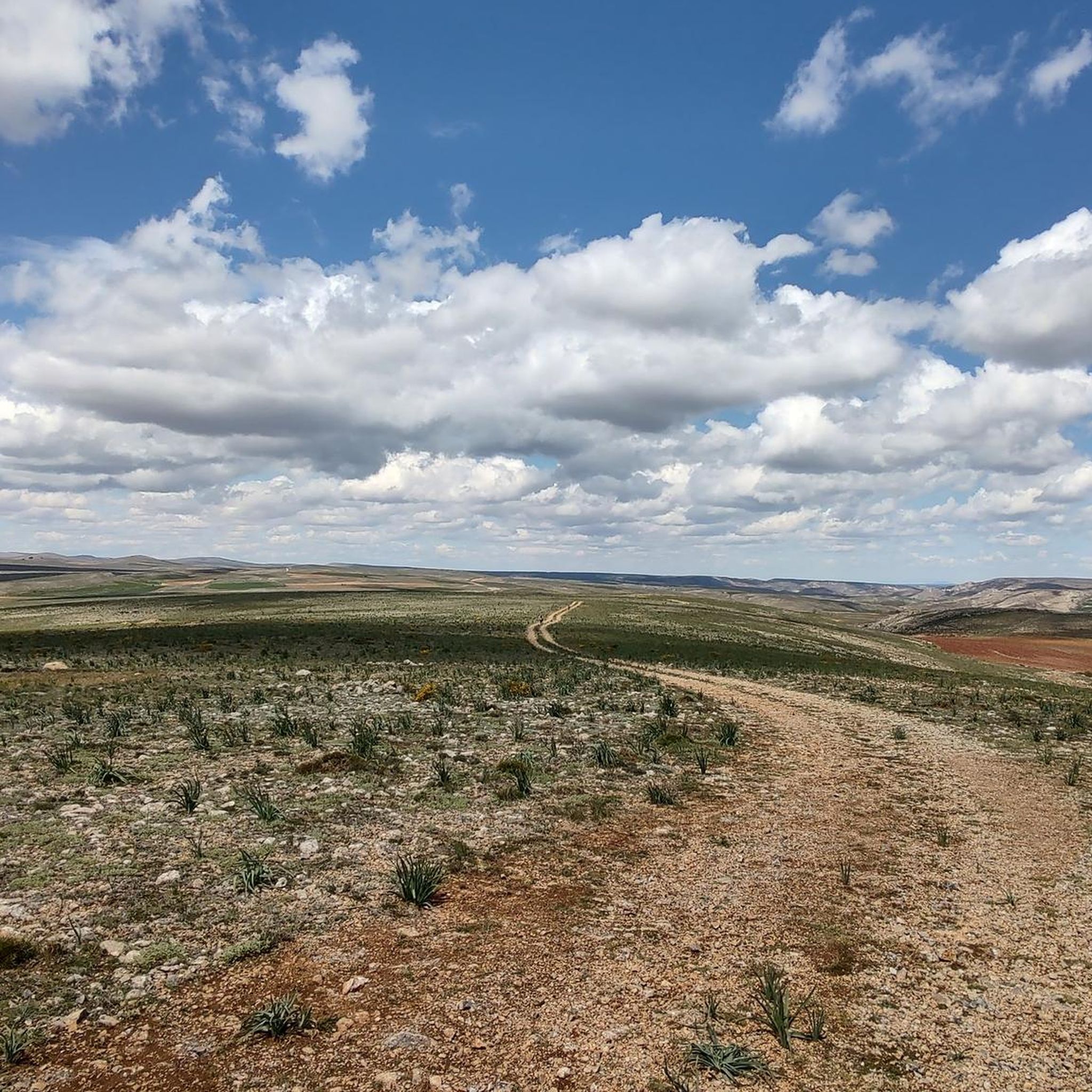
A remote and unique area that every bicycle lover should visit if they never have the chance. These are the Parameas de las Tierras Altas, one of the highlights of the bikepacking route through Alto Alfambra and Sierra del Pobo.
1
0
Alfambra is a town and municipality in the province of Teruel where we highlight the Christ of Alfambra, the Castle of the same name, the beetroot museum or the climb to the Monument to the Sacred Heart of Jesus with impressive views of the town and the valley.
1
0

Archaeological and geological site of international recognition. Here you can visit and see first-hand the footprints of dinosaurs that knew how to inhabit this area until the end of the Mesozoic. An ideal place for the whole family, the little ones will enjoy it a lot!
1
0

The Sanctuary of the Virgen del Campo in Camarillas is an architectural complex in which the old hermitage, the new hermitage and several secondary constructions are concentrated around an open courtyard with a rectangular floor plan. The old hermitage dates back to the 14th century, is Gothic in style and opens onto the courtyard through a two-story Renaissance porch built entirely of ashlar stone, attached to the south wall of the hermitage. The hermitage, which has stone masonry, has a very simple layout, with a polygonal apse and a single nave covered with ribbed vaults. The apse inside is separated from the nave by a partition wall and a brick Mudejar tower is attached to the outside, built in the 16th century. The new hermitage is a building from the 18th century, larger than the previous one and also built in masonry and ashlar. It consists of three naves with four sections, a transept covered with a dome and a straight chancel. On the outside, its classicist façade stands out and on the inside there are several mural paintings in the Baroque style. Among the secondary constructions of a popular nature, the so-called "House of the Hermit" from the 16th century stands out.
0
0

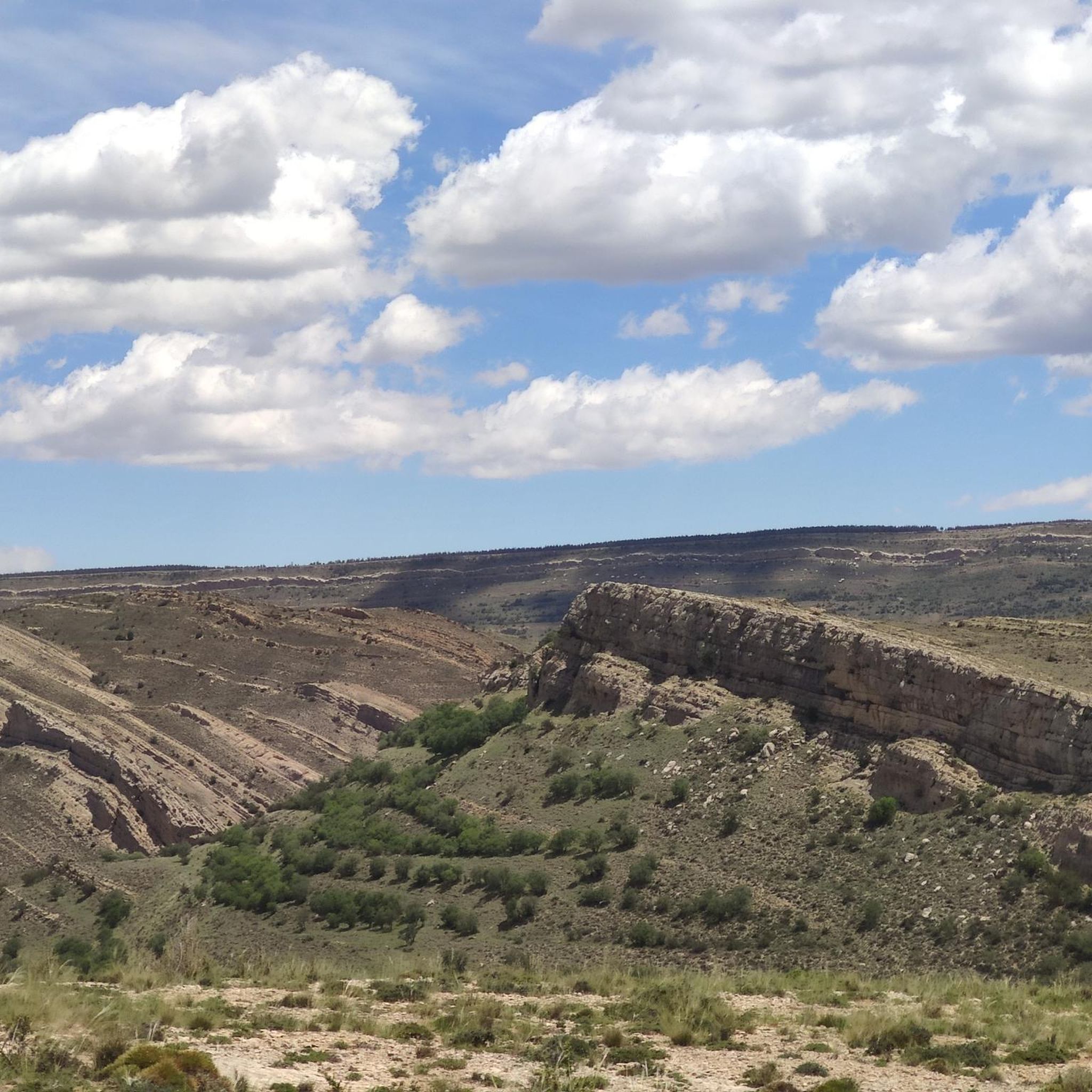
An unusual place in emptied Spain. Difficult to find something or someone.
0
0
Frequently Asked Questions
What are some unique historical sites to visit in Perales del Alfambra?
Perales del Alfambra offers several historical sites. You can explore the 17th-century Church of La Asunción with its Baroque architecture and Neo-Mudejar tower, or the restored Hermitage of San Juan Bautista. The village also features a Covered Cross near its entrance and the ruins of the Perales del Alfambra Castle, which defended the northern flank of the elevation.
What natural attractions can I explore around Perales del Alfambra?
The region boasts diverse natural beauty. You can hike along the Alfambra Riverbanks, explore the dramatic landscapes of Los Estrechos de los Alcamines / Cortados de Los Alcamines, or visit the natural Cave of La Gitana. Another unique natural area is Las Parameas de las Tierras Altas, known for its remote and unique scenery.
Are there any significant religious landmarks in the area?
Yes, Perales del Alfambra and its surroundings are rich in religious heritage. Besides the local Church of La Asunción and Hermitage of Santa Bárbara, you can visit the impressive Sanctuary of the Virgin of the Field. This complex includes a 14th-century Gothic hermitage and a larger 18th-century new hermitage, featuring a Renaissance portico and a Mudejar brick tower. Additionally, the Monument to the Sacred Heart of Jesus of Alfambra offers significant views.
What outdoor activities, like cycling or hiking, can I do near Perales del Alfambra?
The area around Perales del Alfambra is excellent for outdoor enthusiasts. You can find numerous cycling routes, including touring, road cycling, and mountain biking. For example, explore routes like 'Sierra del Pobo and Camino de los Pilones' for touring, 'Gorge of the Río de la Val – Camarillas Pass loop' for road cycling, or 'Alfambra Valley — circular route via Cerro de Castelfrío' for mountain biking. You can find more details on these and other routes in the Cycling around Perales Del Alfambra, Road Cycling Routes around Perales Del Alfambra, and MTB Trails around Perales Del Alfambra guides.
Are there specific hiking trails recommended for exploring the natural beauty?
Yes, the region offers several trails. The Alfambra Riverbanks are ideal for tranquil walks. For more structured hiking, consider the PR TE-36 trail that passes through Los Estrechos de los Alcamines / Cortados de Los Alcamines. Other notable natural routes include El Tormagal Route, La Cañada, and trails around Los Pozos.
Are there any family-friendly attractions or activities in Perales del Alfambra?
Families can enjoy exploring the natural landscapes and historical sites. A particularly engaging option is Las Cerradicas (Dinopolis), an archaeological and geological site where you can see dinosaur footprints. This site is ideal for all ages, with children often finding it especially exciting.
Can I find trails suitable for dog walking in Perales del Alfambra?
Many of the natural trails and riverbank paths around Perales del Alfambra are suitable for dog walking. The rural walks along the Alfambra Riverbanks and the various hiking routes offer open spaces for you and your dog to enjoy the outdoors. Always ensure your dog is under control and respect local regulations.
Where can I find impressive views of the region?
For panoramic views, head to the Monument to the Sacred Heart of Jesus of Alfambra, which offers expansive vistas of the town and valley. Additionally, the site of the Town Hall and Church of the Assumption (Ruins) in Jatque de la Val provides fantastic views of the surrounding area from its elevated position.
What is the 'Ornithological Reserve of Mas de Cirugeda'?
The Ornithological Reserve of Mas de Cirugeda is a private, 800-hectare reserve dedicated to protecting local birdlife. It's an important site for observing birds of prey like the Golden Eagle and Peregrine Falcon, as well as various steppe birds, making it a significant attraction for nature lovers and birdwatchers.
What is the best time of year to visit Perales del Alfambra for outdoor activities?
The best time to visit Perales del Alfambra for outdoor activities like hiking and cycling is typically during the spring (April to June) and autumn (September to October). During these seasons, the weather is generally mild and pleasant, making it comfortable for exploration. Summers can be hot, and winters can be cold, especially given the village's altitude of 1,165 meters.
Are there amenities like cafes or restaurants available in Perales del Alfambra?
Perales del Alfambra is a charming village, and while specific establishments may vary, you can typically find local amenities such as cafes and restaurants to cater to visitors. It's always a good idea to check locally for current operating hours and availability.
Where can I find parking when visiting attractions in Perales del Alfambra?
Parking in Perales del Alfambra is generally available within the village. For specific attractions, especially those within the village center or at trailheads, designated parking areas or street parking can usually be found. The Old Railway Station, now a sports complex, may also offer parking facilities.
Most popular routes around Perales Del Alfambra

Get inspired with the komoot mobile app


Explore more
Still not found the Highlight you’re looking for? See guides of the top attractions in other regions:
