Attractions and Places To See around Villarmentero De Campos - Top 20
Best attractions and places to see around Villarmentero De Campos are found within the Palencian plain of Tierra de Campos. This area is characterized by its agricultural landscapes and the presence of the Ucieza River. Villarmentero De Campos holds historical significance due to its location on the Camino de Santiago, offering a blend of historical landmarks and natural features. The village and its surroundings provide insights into traditional architecture and the region's cultural heritage.
Best attractions and places to see…
Last updated: September 26, 2026
Quadruple Lock of the Canal de Castilla
Highlight • Monument
In total, the locks save almost 15 meters of difference in level.
Translated by Google •
Tip by

Pilgrim Statue in Carrión de los Condes
Highlight • Monument
Translated by Google •
Tip by

Sign up now to discover places like this
Get recommendations on the best single tracks, peaks, & plenty of other exciting outdoor places.
Church of Santa María la Blanca in Villalcázar de Sirga
Highlight • Religious Site
It can be …
Translated by Google •
Tip by

Scenic Section of the Canal de Castilla
Highlight (Segment) • Structure
It coincides with the Camino Frances de Santiago and with the EV1 EuroVelo route.
Translated by Google •
Tip by
Frómista
Highlight • Settlement
Here the itineraries of the Camino de Santiago and the Canal de Castilla intersect, so that it …
Translated by Google •
Tip by
Sign up for free to discover even more attractions around Villarmentero De Campos.
Already have an account?
Start today with a free account
Your next adventure awaits.

Tips from the Community

The Statue of the Pilgrim in Carrión de los Condes is an emblematic monument located in Plaza Piña Merino, right at the entrance to the town if you're coming from Frómista, right on the Camino de Santiago. This bronze sculpture represents a traditional pilgrim, dressed in a cape and hat, and carrying the Jacobean symbols: the shell, the staff, and the calabash. It is a life-size figure that pays tribute to the thousands of pilgrims who pass through this historic town in Palencia each year.
2
0
The Statue of the Pilgrim in Carrión de los Condes is an emblematic monument located in Plaza Piña Merino, right at the entrance to the town if you're coming from Frómista, right on the Camino de Santiago. This bronze sculpture represents a traditional pilgrim, dressed in a cape and hat, and carrying the Jacobean symbols: the shell, the staff, and the calabash. It is a life-size figure that pays tribute to the thousands of pilgrims who pass through this historic town in Palencia each year.
1
0

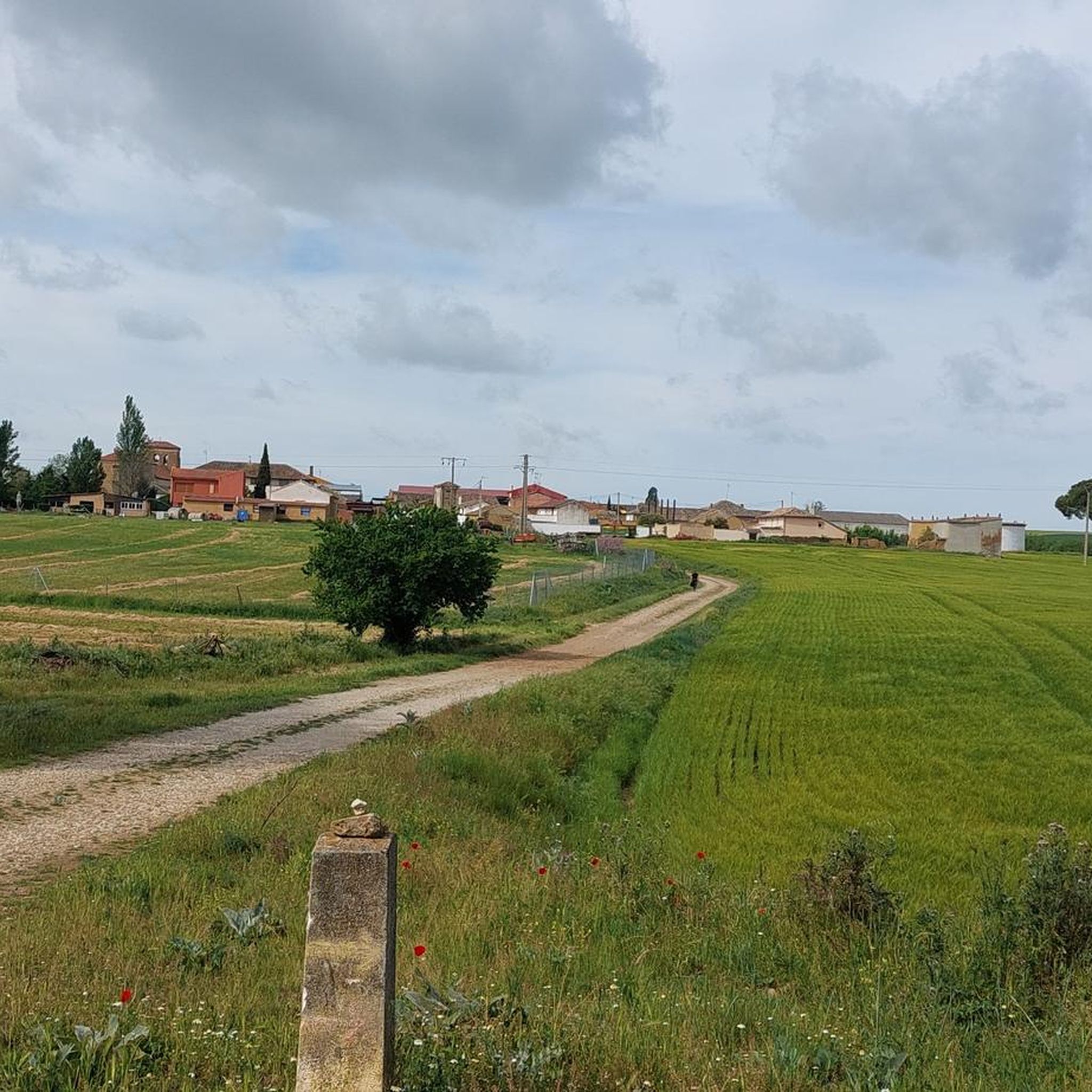
Beautiful sunrise on the Way of St. James
2
1

Santa Maria la Blanca is a temple-fortress of Templar origin dating back to the 12th century.
3
1

The Castile Channel (Canal de Castilla) is a historic canal in northern Spain, built between the latter half of the 18th century and the first half of the 19th century. It passes through the provinces of Burgos, Palencia and Valladolid and has a total length of 207 kilometres. The canal was originally built to facilitate the transport of grain from Castile to the ports in the Bay of Biscay, but today it is mainly used for irrigation and tourism.
2
1
The Iglesia de Santa María la Blanca in Villalcázar de Sirga is an important stop on the Camino de Santiago. The church was built at the end of the 12th century, during the transition from Romanesque to Gothic style, and was completed in the 14th century. It is a temple-fortress with a beautiful portal from the 13th century, decorated with an impressive sculptural ensemble. Inside you will find a collection of polychrome tombs from the 13th and 14th centuries, a Gothic altarpiece from the 15th and 16th centuries, and a beautiful image of the Virgen del Rosario. The church is linked to the Order of the Temple and has played an important role as a religious site on the Camino de Santiago.
3
1

The church was built in a transitional style from Romanesque to Gothic. The southern double portal with sculptures of Christ Pantocrator, Tetramorphs and Apostles is particularly noteworthy. The Chapel of St. James, dating from the early 14th century, is also very interesting, as it contains the sarcophagi of Infante Felipe and his wife Leonor Ruíz de Castro. This church also contains the White Virgin 'Virgen Blanca', who was sung about by Alfonso X the Wise in his 'Cantigas' (religious songs). She represented one of the most important religious sites on the Way of St. James.
3
0

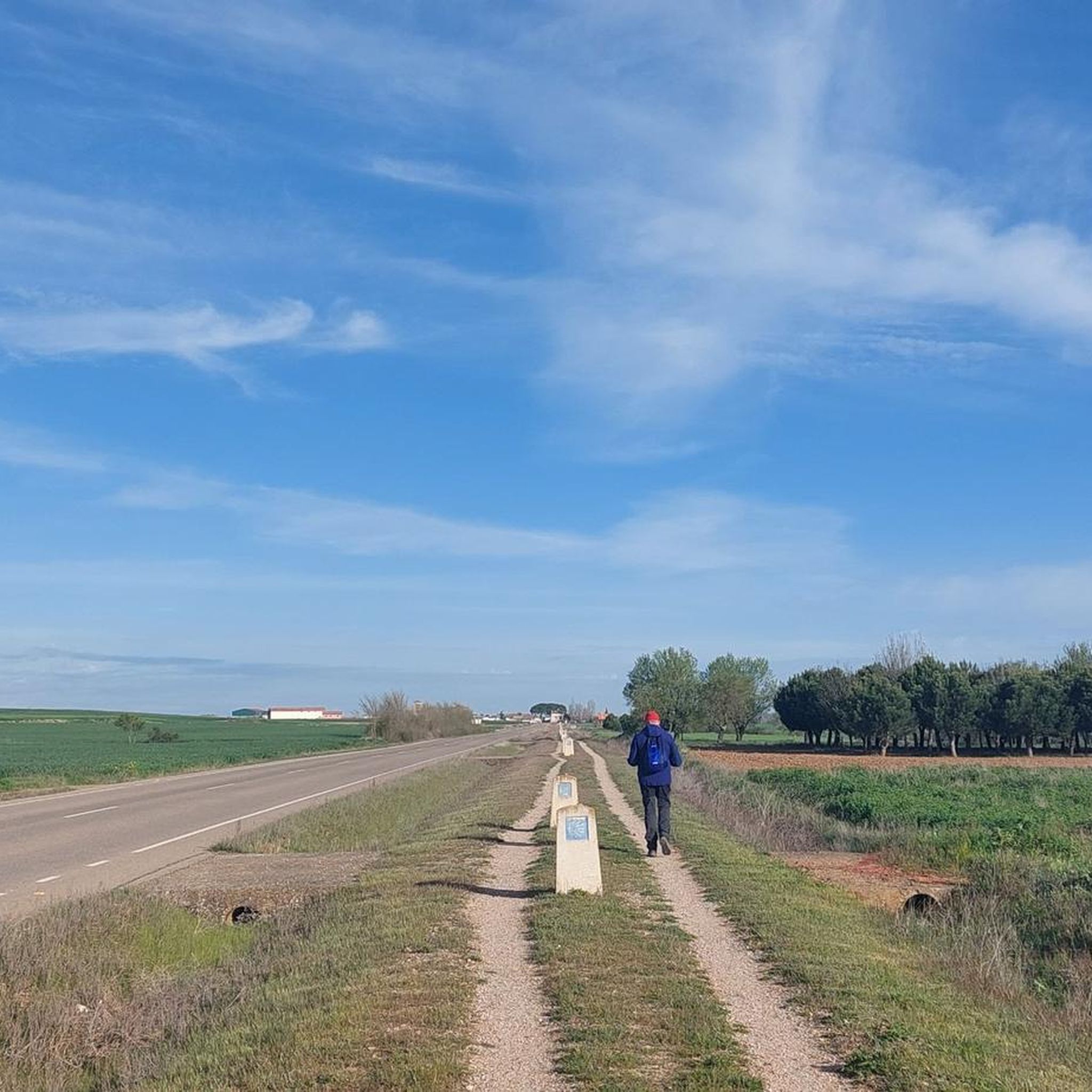
It's really nice to drive along the canal here, as the path is well developed and can therefore be easily driven on.
3
2
Frequently Asked Questions
What historical sites can I explore in Villarmentero de Campos?
Villarmentero de Campos is rich in history, particularly due to its connection with the Camino de Santiago. You can visit the Parish Church of San Martín de Tours, which features a 16th-century Mudejar-style wooden coffered ceiling and a Plateresque altarpiece. Another significant site is La Casona de Doña Petra, a former pilgrim hospital. Additionally, a plaque at the Battle of La Golpejera Site commemorates a historical battle between King Sancho II and King Alfonso VI.
What natural features can I enjoy around Villarmentero de Campos?
The village is nestled within the vast Palencian plain of Tierra de Campos, characterized by its agricultural landscapes. The Ucieza River flows through the municipal district to the north and east, providing a natural border and a pleasant environment. On the outskirts, there's a small recreation and rest area with a fountain, shaded by century-old pine trees, perfect for enjoying nature.
Are there any unique engineering marvels to see nearby?
Absolutely! A must-see is the Quadruple Lock of the Canal de Castilla, located near Frómista. This man-made monument is considered one of the most ingenious works of the entire canal complex, saving almost 15 meters of difference in level. It's a significant enclave of the Canal de Castilla.
What is the significance of the Camino de Santiago in Villarmentero de Campos?
The Camino de Santiago, specifically the French Way, is inextricably linked to Villarmentero de Campos, passing directly through the village streets. Historically, the village housed a pilgrim hospital, making it a significant stop for pilgrims. You can also experience a Scenic Section of the Canal de Castilla which coincides with the Camino Frances de Santiago.
What kind of outdoor activities can I do near these attractions?
The region offers various outdoor activities, especially cycling. You can find numerous routes for road cycling, touring, and mountain biking. For example, explore routes like 'Támara de Campos from Frómista — circular through the Tierra de Campos' for road cycling, or 'Canal de Castilla – circular desde Fròmista por Osorno' for touring. For more options, check out the Road Cycling Routes, Cycling, and MTB Trails guides around Villarmentero de Campos.
Are there any family-friendly attractions in the area?
Yes, several attractions are suitable for families. The Quadruple Lock of the Canal de Castilla is an interesting site for all ages, showcasing impressive engineering. The Scenic Section of the Canal de Castilla is also family-friendly, offering pleasant walks or bike rides. The town of Frómista itself provides services and a welcoming atmosphere for visitors.
What is the best time to visit Villarmentero de Campos for outdoor activities?
The Tierra de Campos region experiences a continental climate. Spring (April-May) and early autumn (September-October) generally offer pleasant temperatures for outdoor activities like cycling and exploring historical sites, avoiding the intense heat of summer and the colder, sometimes wet, conditions of winter.
What can I expect to see in terms of wildlife?
The diverse environment around Villarmentero de Campos supports various wildlife. You might spot amphibians like common frogs, and a wide array of birds including bustards, ducks, warblers, quails, blackbirds, partridges, swifts, and magpies. Mammals such as hares, foxes, bats, shrews, rats, and voles also inhabit the area, along with fish like barbels in the Ucieza River.
Are there any notable bridges or statues in nearby towns?
Yes, in the nearby town of Carrión de los Condes, you can find the Puente Mayor de Carrión de los Condes, a historical stone bridge that once had gates to charge pilgrims. Also, the Pilgrim Statue in Carrión de los Condes is an iron sculpture commemorating the figure of the pilgrim on the Camino de Santiago.
What do visitors enjoy most about the attractions around Villarmentero de Campos?
Visitors frequently appreciate the historical significance and the tranquil beauty of the region. The ingenious engineering of the Canal de Castilla's locks, the scenic sections of the canal coinciding with the Camino de Santiago, and the welcoming atmosphere of towns like Frómista are often highlighted. The area's blend of cultural heritage and natural landscapes makes it a unique experience.
Can I find traditional architecture in Villarmentero de Campos?
Yes, Villarmentero de Campos retains remnants of traditional adobe and rammed earth houses and corrals. These structures reflect the typical construction style of the area, offering a glimpse into the region's historical building practices and cultural heritage.
Are there other significant churches or religious buildings in the wider region?
While the Parish Church of San Martín de Tours is central to Villarmentero de Campos, the wider region is known for its Romanesque architecture. Notably, the Church of San Martín de Frómista in the nearby town of Frómista is a highly regarded Romanesque masterpiece. Another significant site is the Church of Santa María la Blanca in Villalcázar de Sirga, also accessible from Villarmentero de Campos.

Get inspired with the komoot mobile app


Explore more
Still not found the Highlight you’re looking for? See guides of the top attractions in other regions:
