Attractions and Places To See around Esparragosa De Lares - Top 19
Best attractions and places to see around Esparragosa De Lares include a blend of historical, cultural, and natural sites within the province of Badajoz, Extremadura. This region, known as La Siberia, features scenic views of the Zújar and La Serena reservoirs. Visitors can explore ancient castles, unique geological formations like Cerro Masatrigo, and historical churches. The area offers diverse points of interest for those seeking to discover its heritage and natural beauty.
Best attractions and places to see around Esparragosa…
Last updated: May 20, 2026
Castle of Puebla de Alcocer
Highlight • Castle
Its origins date back to the 12th and 13th centuries, possibly built …
Translated by Google •
Tip by

Cerro Masatrigo
Highlight • Summit
Translated by Google •
Tip by
Sign up now to discover places like this
Get recommendations on the best single tracks, peaks, & plenty of other exciting outdoor places.
Sign up for free
Navalvillar de Pela Town Hall
Highlight • Monument
Translated by Google •
Tip by
Castle and Palace of the Orellana
Highlight • Castle
The building's patio stood out, formed …
Translated by Google •
Tip by
La Serena Reservoir and Masatrigo Hill
Highlight • Lake
Translated by Google •
Tip by
Sign up for free to discover even more attractions around Esparragosa De Lares.
Sign up for free
Already have an account?
Start today with a free account
Your next adventure awaits.
Login or Signup
Tips from the Community

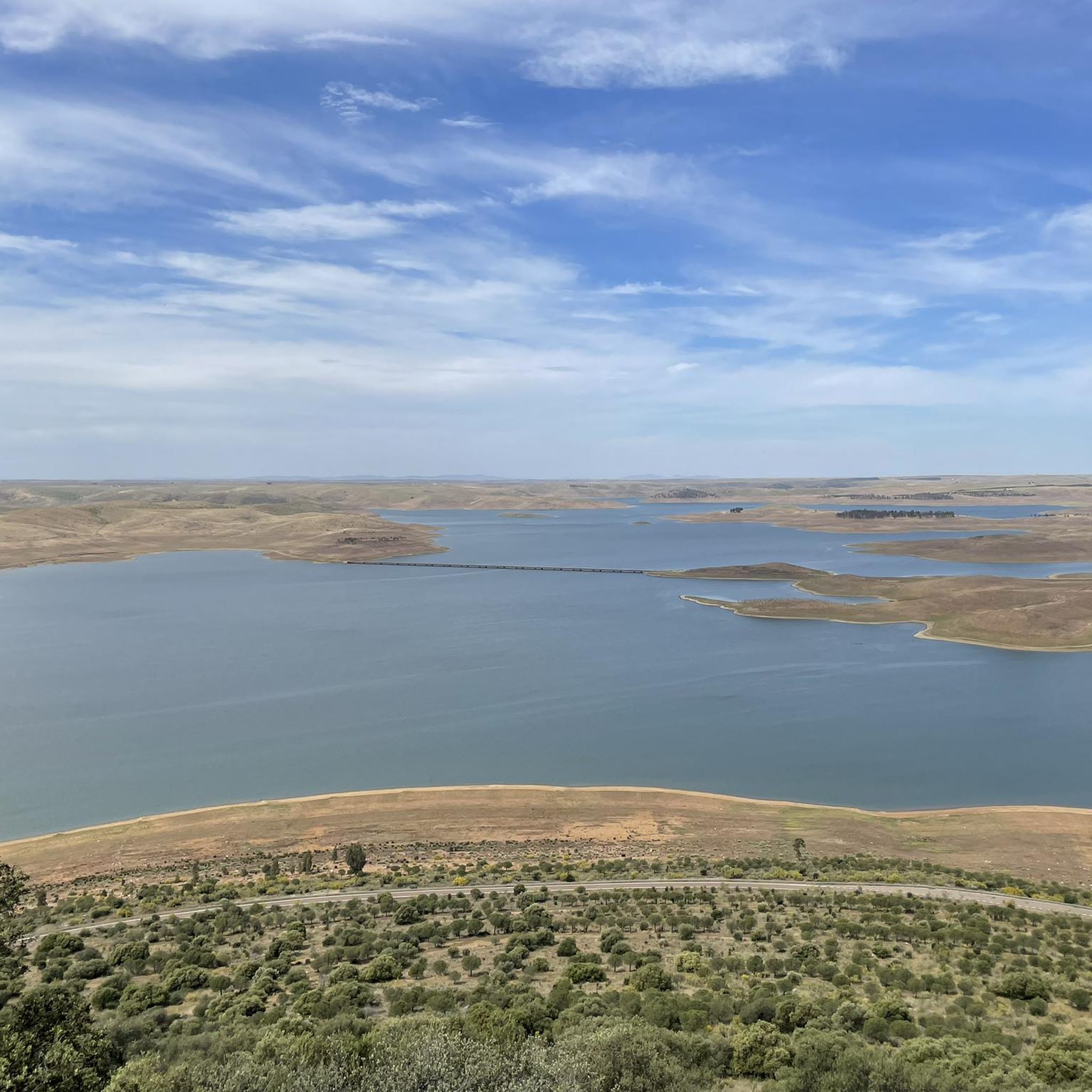
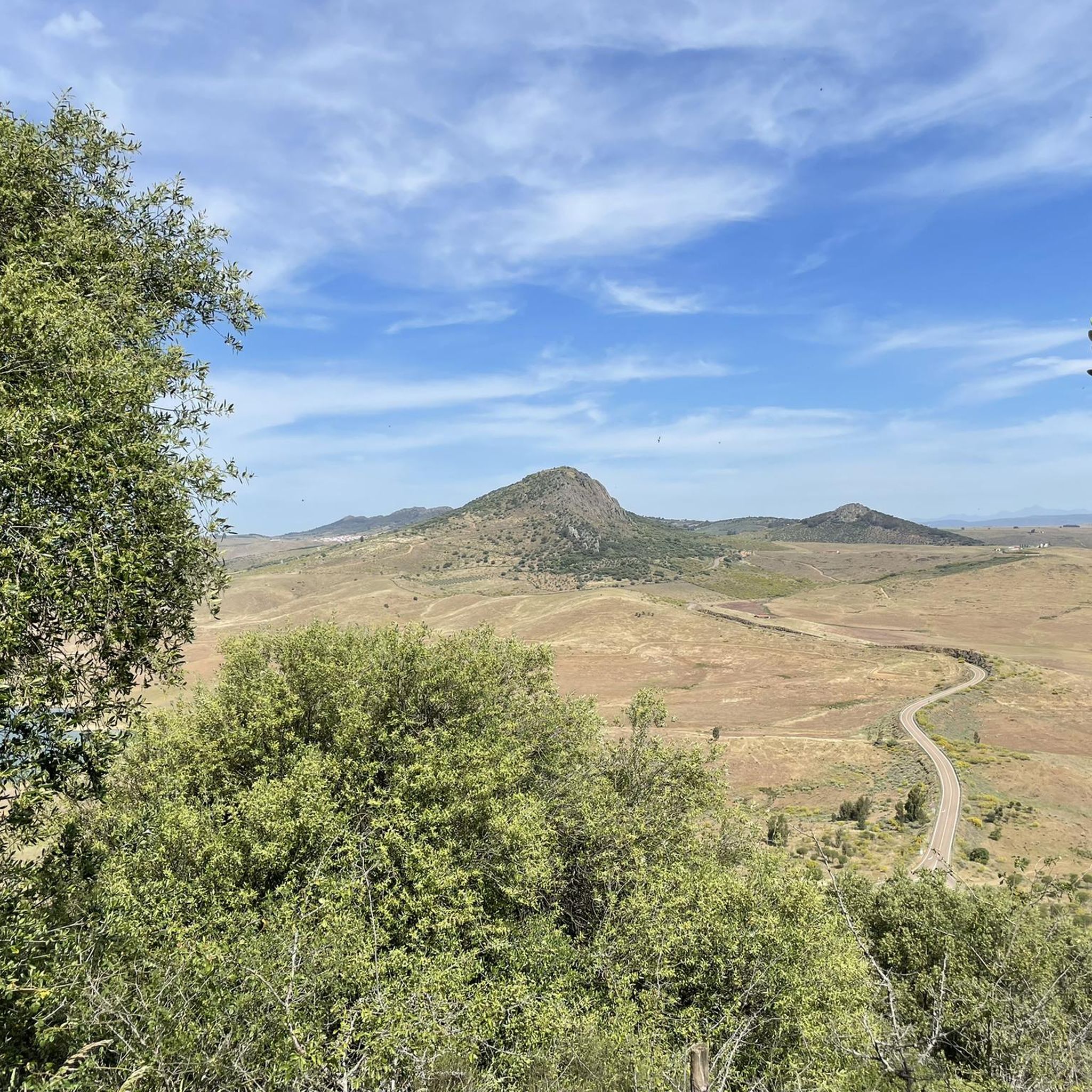
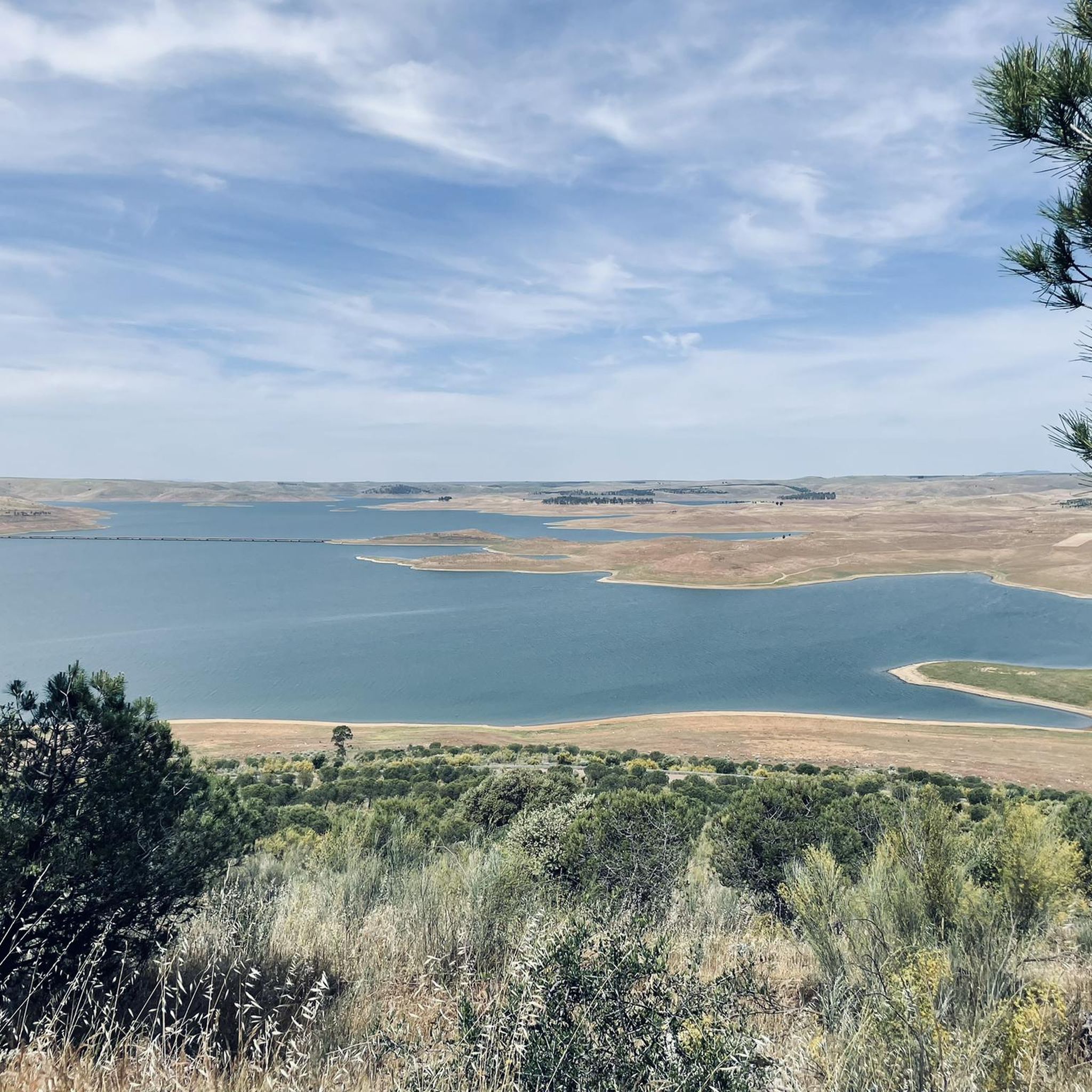
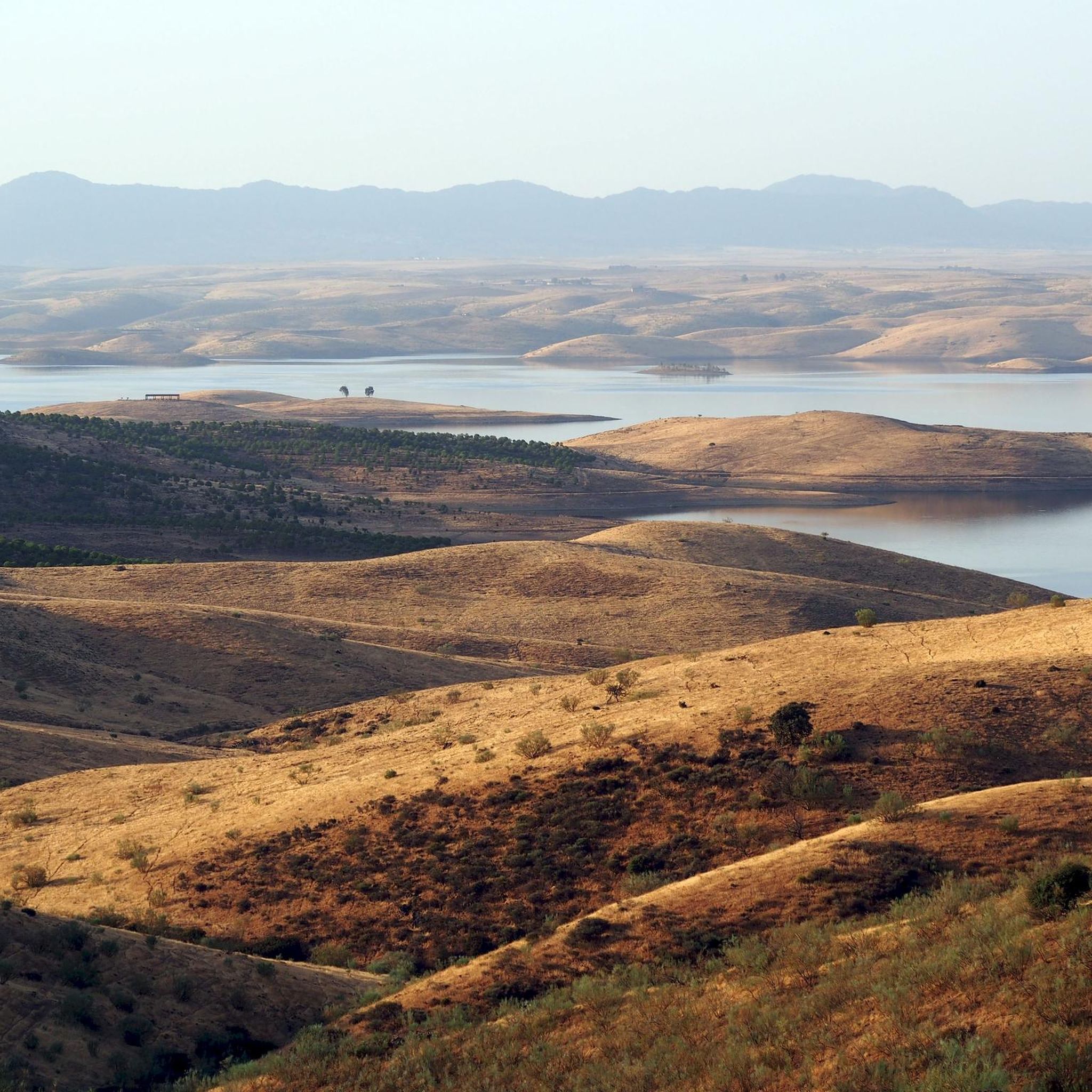
The best views in the La Siberia Extremeña region
0
0

The castle sits atop a hill in Puebla de Alcocer (Badajoz, Extremadura), approximately 550 meters above sea level. Its origins date back to the 12th and 13th centuries, possibly built upon the site of an earlier Mudéjar fortress. It was remodeled in 1445 after being donated to Don Gutierre de Sotomayor, Master of the Order of Alcántara, by King John II of Castile. At the end of the 15th century, it passed to Doña Elvira de Zúñiga, as reflected in the coat of arms on the keep.
2
0
Cerro Masatrigo is a hill located in the municipality of Esparragosa de Lares. This hill is known for its almost perfect conical shape, which has earned it the nickname "the magic mountain." It rises 501 meters above sea level and 161 meters above the surrounding terrain. After the construction of the La Serena Dam, Cerro Masatrigo became a peninsula surrounded by the waters of the reservoir.
6
0
Cerro Masatrigo is a hill located in the municipality of Esparragosa de Lares. This hill is known for its almost perfect conical shape, which has earned it the nickname "the magic mountain" It rises 501 meters above sea level and 161 meters above the surrounding terrain. After the construction of the La Serena Dam, Cerro Masatrigo became a peninsula surrounded by the waters of the reservoir.
7
0
Navalvillar de Pela is the gateway to the region of La Siberia on the route that comes from Villanueva de la Serena. In ancient times it belonged to Trujillo, in Cáceres, and its inhabitants are known as 'peleños'.
23
0

It is a 15th century military fortress rebuilt as a palace in the 16th century and built in the municipality of Orellana la Vieja. The building's patio stood out, formed by two galleries supported by columns, semicircular arches and rectilinear lintels on the main floor. Today two towers remain, one circular and the other square and taller, the keep. Also, you can see the shield of the Altamirano, arches, supports with Ionic capitals and remains of towers. Although part of the castle was destroyed to convert it into a private home after the civil war. It has been declared a historical and cultural heritage of Extremadura and in the town it is known simply as "the palace".
11
0

Navalvillar de Pela is a small town on the slopes of the Sierra de Pela in the vicinity of the Embalse de Orellana and Sierra de Pela Natural Park. Easy access from the N-430 national road. Park next to the Plaza del Torro and head south to begin the hike through the Sierra.
4
0
Frequently Asked Questions
What natural attractions can I explore around Esparragosa de Lares?
The region offers stunning natural beauty, particularly around the Zújar and La Serena reservoirs. A must-see is Cerro Masatrigo, a unique conical hill often called the "Magic Mountain," which provides exceptional panoramic views. You can also visit Playa de Orellana, an inland beach known for its water quality and accessibility.
Are there any historical castles or ancient sites to visit in the area?
Yes, the area is rich in history. You can explore the Castle of Puebla de Alcocer, which dates back to the 12th and 13th centuries and offers views of the La Serena Reservoir. Additionally, the Castle and Palace of the Orellana, a 15th-century military fortress, is also nearby. The ruins of an Arab Castle in the Sierra de Lares also attest to the region's Moorish past.
Where can I find opportunities for hiking near Esparragosa de Lares?
There are several hiking opportunities. For example, you can explore the Cerro Masatrigo Botanical Trail, a 4.5 km route. Other moderate to difficult trails include circular routes around the Embalse de Orellana and the Sierra del Castillo. You can find more details and routes on the Hiking around Esparragosa De Lares guide.
What cycling routes are available around Esparragosa de Lares?
Cyclists can enjoy various routes, including the Guadiana Natural Trail: Orellana Reservoir Loop, and several challenging circular routes around the Embalse de la Serena and the Castillo de Puebla de Alcocer. There are also moderate options like a bike loop from Esparragosa de Lares itself. Discover more on the Cycling around Esparragosa De Lares guide.
Is Esparragosa de Lares suitable for family visits?
Yes, the region offers attractions that can be enjoyed by families. Playa de Orellana is a great spot for families with its accessible inland beach. Exploring the unique Cerro Masatrigo can also be an engaging outdoor adventure for older children.
Are there any accessible attractions for visitors with mobility needs?
Yes, Playa de Orellana is recognized for its accessibility, making it a suitable option for visitors with mobility needs. The Navalvillar de Pela Town Hall is also listed as wheelchair accessible.
What is the best time of year to visit Esparragosa de Lares for outdoor activities?
The spring and autumn months are generally ideal for outdoor activities in Esparragosa de Lares, offering milder temperatures compared to the hot summer. This allows for comfortable hiking, cycling, and exploring the natural and historical sites.
Can I go swimming in the reservoirs near Esparragosa de Lares?
Yes, the Playa de Orellana, located in the municipality of Orellana la Vieja, is an inland beach on the Orellana reservoir. It is recognized with a Blue Flag for its water quality, making it a popular spot for swimming and water activities.
What are some cultural highlights or traditions in Esparragosa de Lares?
Esparragosa de Lares is known throughout Extremadura for its traditional *jota* dance. The town also celebrates patron saint festivities on August 14th in honor of the Virgen de la Cueva, and the Romería de Lares in Galizuela on March 25th, offering a glimpse into local traditions.
What do visitors particularly enjoy about the attractions in this region?
Visitors appreciate the blend of historical and natural sites. The impressive views from places like Cerro Masatrigo and the historical significance of castles like Puebla de Alcocer are frequently highlighted. The quality and accessibility of Playa de Orellana also receive positive feedback.
Are there any religious sites of interest in Esparragosa de Lares?
Yes, the town features several religious buildings. The Mudejar-style Parish Church of Santa Catalina de Alejandría, dating back to the late 15th century, is notable. The Church of the Sacred Heart of Jesus, also known as "El Hospital," and the Hermitage of the Virgen de la Cueva, located on an elevated position outside town, are also significant.
Where can I find traditional architecture in Esparragosa de Lares?
The town's streets are lined with traditional white houses, some of which display coats of arms and heraldic stones, reflecting the area's rich history. The Plaza Mayor features a porticoed Town Hall and a granite pyramidal fountain, showcasing classic civil architecture.
What kind of views can I expect from the natural areas?
The region offers impressive panoramic views, particularly from elevated points like Cerro Masatrigo, which overlooks the La Serena reservoir. The Sierra de Lares also provides expansive vistas of the surrounding landscape, including the Zújar and La Serena reservoirs.
Are there any archaeological sites to explore near Esparragosa de Lares?
Yes, the finca (estate) known as "La Sevillana" holds significant archaeological interest. Discoveries there include Roman and Visigothic settlements, such as Roman mansions like Leuciana, indicating a long history of human presence in the fertile lands near the Zújar River.
Most popular routes around Esparragosa De Lares
Most popular attractions around Esparragosa De Lares

Get inspired with the komoot mobile app


Explore more
Still not found the Highlight you’re looking for? See guides of the top attractions in other regions:
