The best running trails around Coria
5.0
(1)
105
runners
12
runs
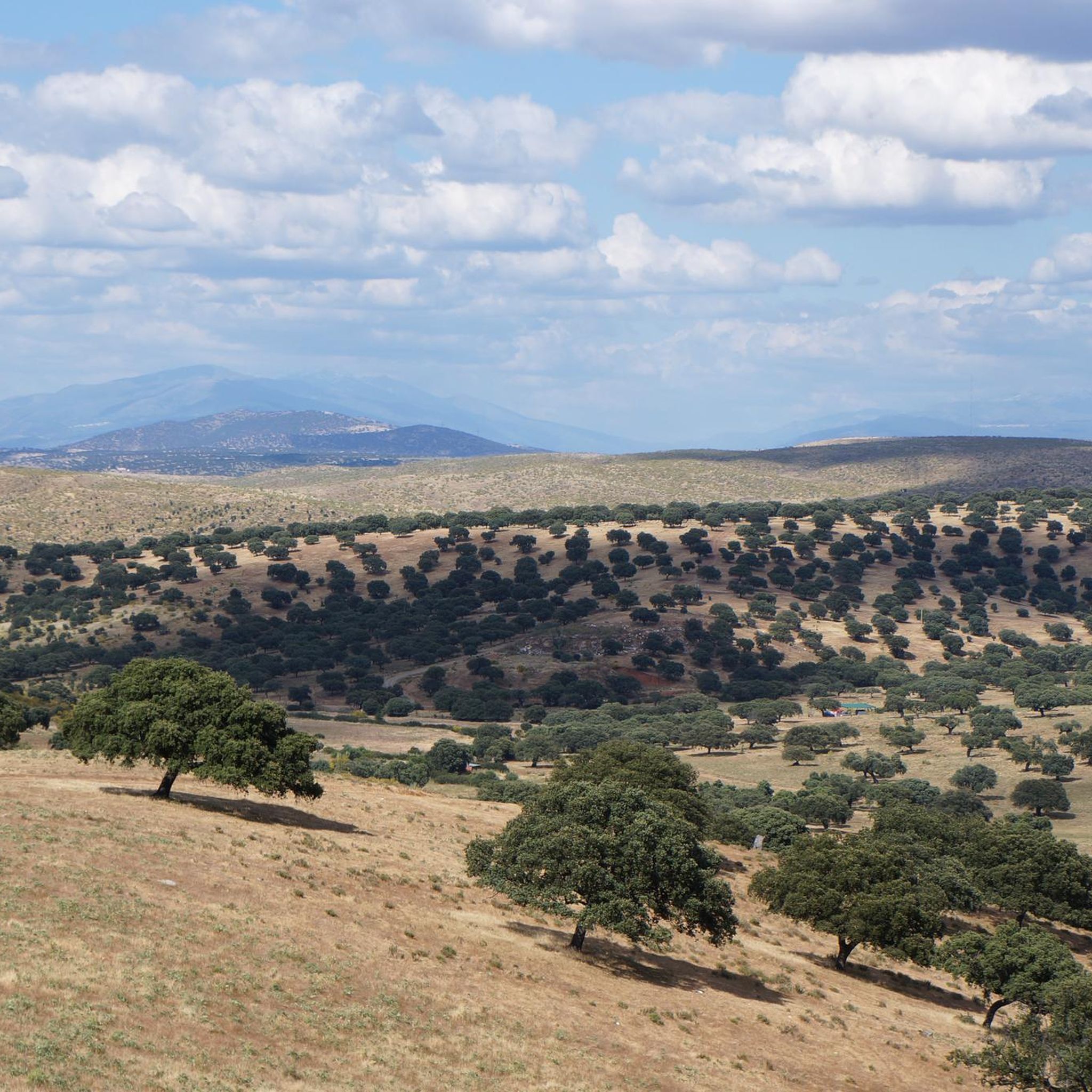
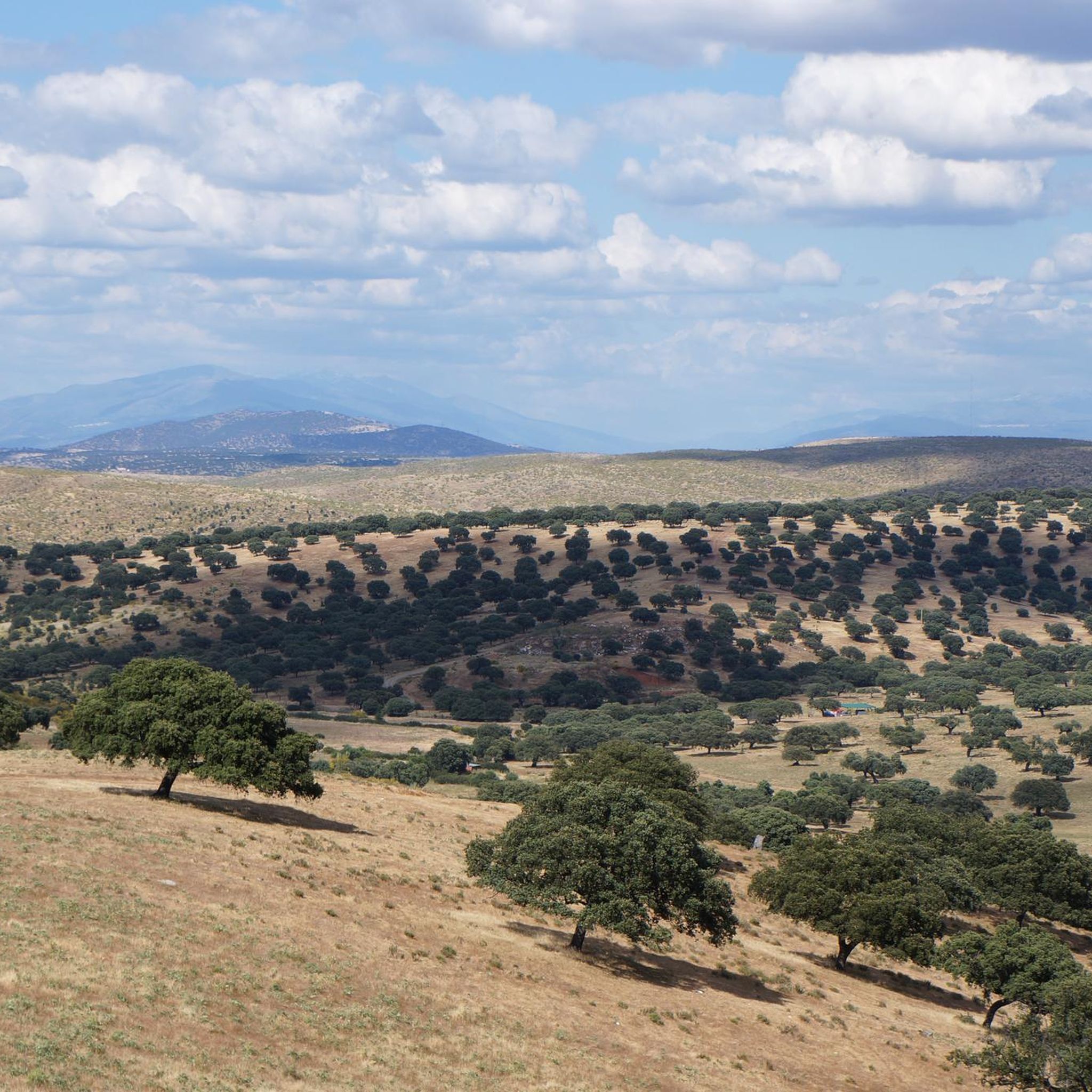
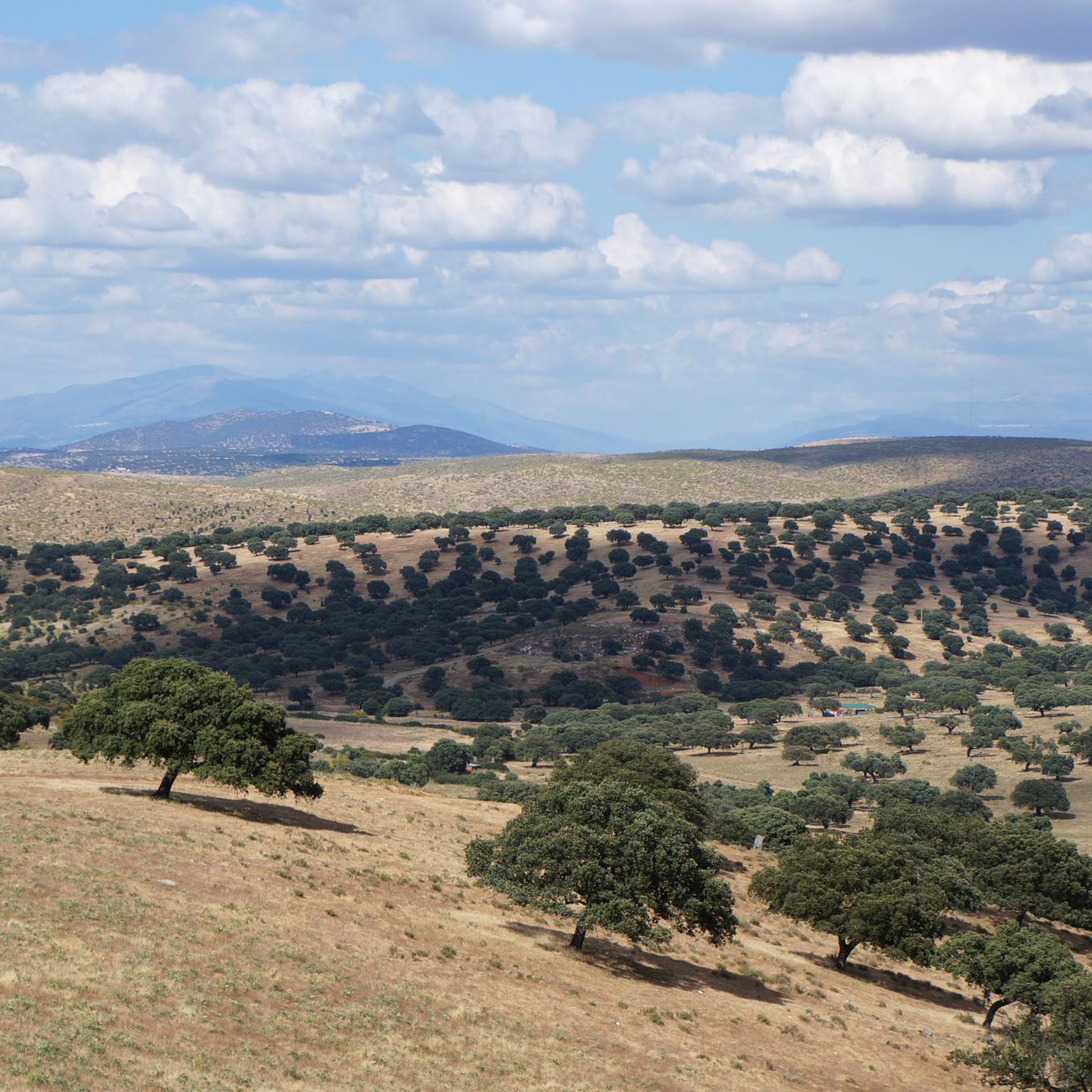
Jogging around Coria offers a diverse landscape for runners, encompassing both the fertile Alagón Valley in Cáceres and the extensive riverbanks of the Guadalquivir in Coria del Río. The region features serene riverside parks, ancient roads flanked by agricultural fields, and well-preserved Roman City Walls. Runners can find routes along water bodies, through riparian vegetation, and within urban green spaces.
Best jogging routes around Coria
- The most popular jogging route is Coria Castle and Cathedral – Medieval Bridge of Coria…
Last updated: May 15, 2026
5.0
(1)
19
runners
Moderate run. Good fitness required. Mostly accessible paths. Some sure footedness required.
15
runners
8.65km
00:56
60m
60m
Moderate run. Good fitness required. Mostly paved surfaces. Suitable for all skill levels.

Sign up for free
4
runners
8.25km
00:58
60m
60m
Moderate run. Good fitness required. Mostly paved surfaces. Suitable for all skill levels.
7
runners
7.53km
00:53
40m
40m
Moderate run. Good fitness required. Mostly accessible paths. Some sure footedness required.
5
runners
5.88km
00:37
50m
50m
Moderate run. Good fitness required. Mostly paved surfaces. Suitable for all skill levels.
Get access to more routes and recommendations from other explorers.
Sign up for free
Already have an account?
Our route recommendations are based on thousands of hikes, rides, and runs completed by other people on komoot.
Start today with a free account
Your next adventure awaits.
Login or Signup
Tips from the Community

Coria Castle is an imposing medieval fortress located in the upper part of Coria's historic center, very close to the Cathedral, and is one of the city's most prominent landmarks. It is integrated into the walled enclosure, forming part of the defensive complex of Roman origin. Main construction: between 1473 and 1478, commissioned by García Álvarez de Toledo, Marquis of Coria and Duke of Alba.
4
0
The Iron Bridge in Coria is a beautiful civil work of metal architecture and nineteenth-century modernist design. It was built by the Asturian engineers D. Salvador and D. Próspero Ardura. The bridge stands over the Alagón River, connecting both banks in the City of Coria. Its total length is 178.30 meters, and its deck has a width of 7.78 meters, with a two-way road flanked by two sidewalks.
9
0
The Medieval Bridge of Coria is a historical structure that is located next to the main façade of the Monastery of San Juan Bautista or Corias. Its construction had the objective of connecting the monastery with the town of Corias. Although its foundations are believed to be of Roman origin, the bridge was rebuilt in 1571, as indicated by an inscription preserved on one of the stones of its parapet.
8
0
Founded before the Romans occupied the Iberian Peninsula, Coria was known as Cauria or Caurus. The Romans gave it its current Latin name, CAVRIUM. Later, he was granted Roman citizenship. In the Visigothic era, the Diocese of Coria was created, which maintained Coria as an episcopal see until the 20th century. After the Reconquista, Coria became the capital of a manor to which towns that still bear the name of Coria belonged, such as Guijo de Coria or Casillas de Coria.
8
0

Coria is a small city with a population of 12,500 inhabitants. It was established before Roman times and has many historical sites such as the castle, the Episcopal Palace, the Stone Bridge and the Cathedral.
1
0

The old city wall surrounding the town of Coria in the Alagón river valley with the spectacular castle water tower at the northern end. The castle was built in the late medieval period.
1
1
The old bridge (Puente renaissance) over the Alagón valley has no water running under it. It seems that the river waters were diverted to the south. The view from the bridge over the old city is very dramatic.
1
0
Coria has been an important historical city since Roman times due to its strategic location on the valleys of the Alagón river. The city has many impressive monuments and heritage buildings such as the 16th-century Cathedral of Santa María de la Asunción and the 15th-century Episcopal Palace.
1
1
Frequently Asked Questions
How many jogging routes are available around Coria?
You'll find around a dozen dedicated jogging routes in the Coria region. These routes offer a variety of experiences, from riverside paths to trails exploring historical areas.
What is the best time of year for running in Coria?
The most pleasant times for outdoor activities like running in Coria are generally spring (April to June) and autumn (September to October). During these months, temperatures are mild and ideal for enjoying the trails.
Are there any easy or beginner-friendly running trails in Coria?
While many routes are classified as moderate, some offer relatively flat terrain suitable for beginners. For instance, routes along the Alagón River or within parks like Tamujal Riverside Park provide gentler options. Currently, our guide features routes primarily of moderate to difficult grades, so checking the elevation profile of each route is recommended.
What do other runners think about the jogging routes in Coria?
The running routes in Coria are highly regarded by the komoot community, with an average rating of 5.0 stars. Runners often praise the scenic beauty, the blend of historical and natural landscapes, and the variety of terrain available.
Can I find running routes along the river in Coria?
Absolutely! Both Coria (Cáceres) and Coria del Río (Andalusia) offer excellent riverside running opportunities. In Coria (Cáceres), you can enjoy paths along the Alagón River, particularly in areas like Tamujal Riverside Park. In Coria del Río, the Guadalquivir River provides extensive riverbanks perfect for a scenic run. A great option is the Iron Bridge of Coria loop from Coria, which takes you along the river.
Are there any running trails that pass by historical landmarks in Coria?
Yes, Coria is rich in history, and several running routes incorporate historical elements. You can run along parts of Coria's well-preserved Roman City Walls for a unique experience. Routes like the Coria Castle and Cathedral – Medieval Bridge of Coria loop from Coria will take you past significant historical structures, including the Medieval Bridge of Coria and the Iron Bridge of Coria.
Are there any running routes with waterfalls or natural springs near Coria?
While not directly on every jogging route, the region does feature beautiful natural water elements. The Rincón del Obispo Hiking Trail, for example, leads past the natural spring "Charco del Moro." You can also find the stunning El Chorrerón Waterfall and Stone Bridge nearby, which can be incorporated into longer running or hiking excursions.
What are some good options for family-friendly jogging in Coria?
For family-friendly jogging, consider routes within the riverside parks such as Tamujal Riverside Park or La Isla Riverside Park in Coria (Cáceres). These areas often have flatter, well-maintained paths suitable for all ages. The Coria Historic Center – Iron Bridge of Coria loop from Coria offers a moderate distance with interesting sights.
Are the running trails in Coria suitable for dogs?
Many outdoor trails in the Coria region are generally dog-friendly, especially those in natural areas and along riverbanks. However, it's always best to keep your dog on a leash, especially in agricultural areas or near wildlife, and to check local regulations for specific parks or protected areas. Always carry water for your dog and clean up after them.
Where can I find parking near the jogging routes in Coria?
Parking is generally available in and around the main towns and near popular trailheads. For routes starting in Coria itself, you can often find parking in urban areas or designated spots near the Alagón River parks. For trails further afield, look for small parking areas at the beginning of the routes or in nearby villages like Torrejoncillo, which is a starting point for the Running loop from Torrejoncillo.
Are there any longer distance running trails for experienced runners in Coria?
Yes, for those seeking a greater challenge, the Coria region offers longer and more demanding trails. The Sierra de Gata, for instance, provides mountainous terrain with significant elevation changes, including routes up to Pico Jálama. Within our guide, routes like the Coria Castle and Cathedral – Puente de Hierro de Coria loop from Coria offer a good distance for a solid workout.
What kind of terrain can I expect on the running trails around Coria?
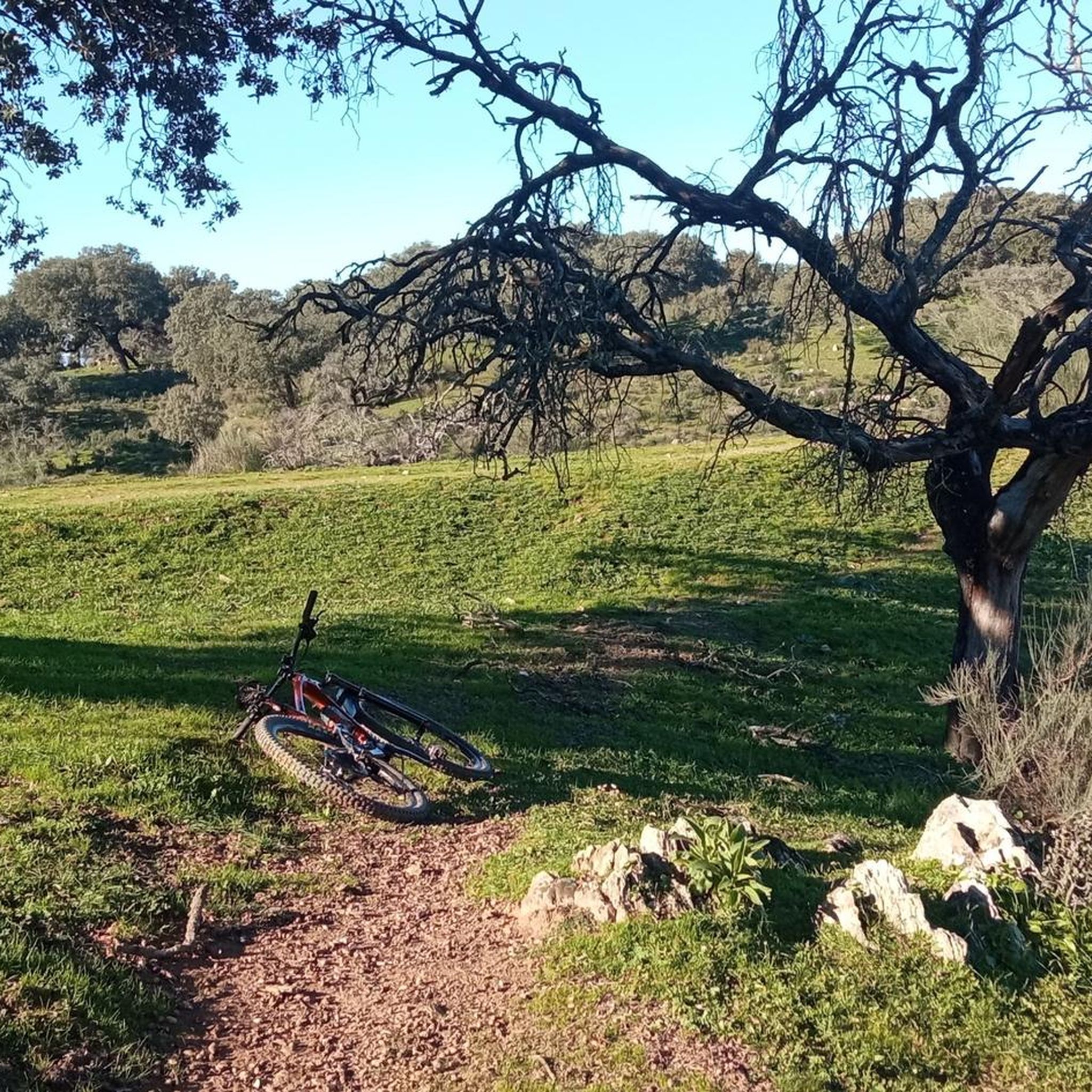
The terrain around Coria is quite varied. You'll find flat, well-maintained paths along the Alagón and Guadalquivir rivers, ideal for a smooth run. Other trails, such as the Rincón del Obispo Hiking Trail, follow ancient roads through agricultural fields and riparian vegetation. For more challenging runs, the Sierra de Gata offers mountainous terrain with ascents and descents. You can also experience unique urban runs along the historic Roman City Walls.
Most popular attractions around Coria

Get inspired with the komoot mobile app


Explore more
Browse the best Running Trails & Routes in other regions.
