Attractions and Places To See around Falset - Top 20
Best attractions and places to see around Falset include a variety of historical sites and natural viewpoints. This region, situated in the Priorat area, is characterized by its mountainous terrain and rich cultural heritage. Visitors can explore ancient castles, religious buildings, and scenic landscapes. The area provides opportunities for outdoor activities, including Falset hiking trails with parking, catering to different interests.
Best attractions and places to see around Falset
- The most popular attractions is Hermitage of Mare de Déu de…
Last updated: October 9, 2026
Hermitage of Mare de Déu de la Roca
Highlight • Religious Site
Around …
Translated by Google •
Tip by

La Mola Castle, Colldejou
Highlight • Castle
Translated by Google •
Tip by

Sign up now to discover places like this
Get recommendations on the best single tracks, peaks, & plenty of other exciting outdoor places.
Sant Miquel d'Escornalbou Castle and Monastery
Highlight • Castle
Translated by Google •
Tip by

Escaladei Charterhouse
Highlight • Historical Site
Translated by Google •
Tip by

Pratdip
Highlight • Settlement
Translated by Google •
Tip by

Sign up for free to discover even more attractions around Falset.
Already have an account?
Start today with a free account
Your next adventure awaits.
Popular around Falset
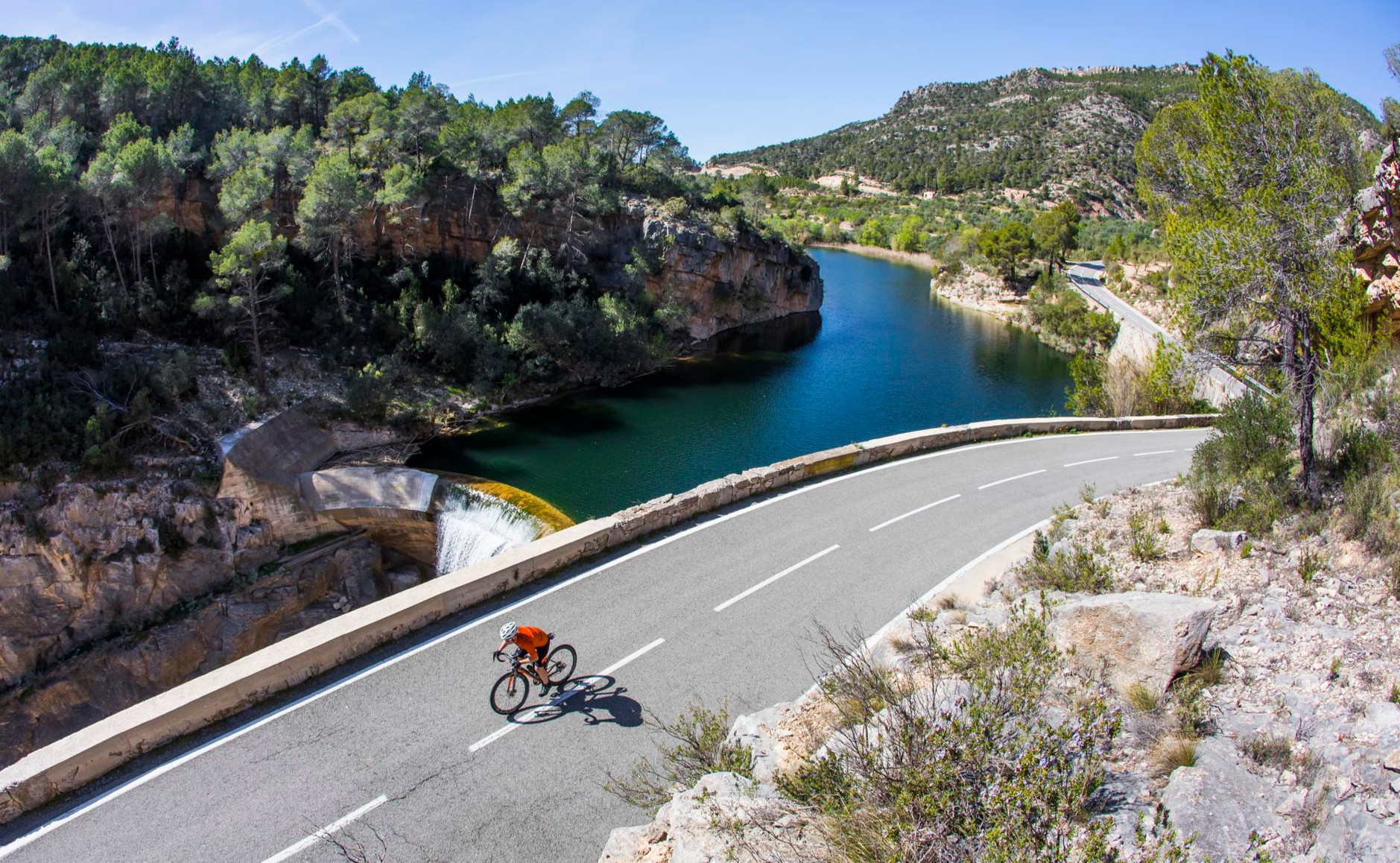
Costa Daurada - Mountains, orchards and monuments by bike
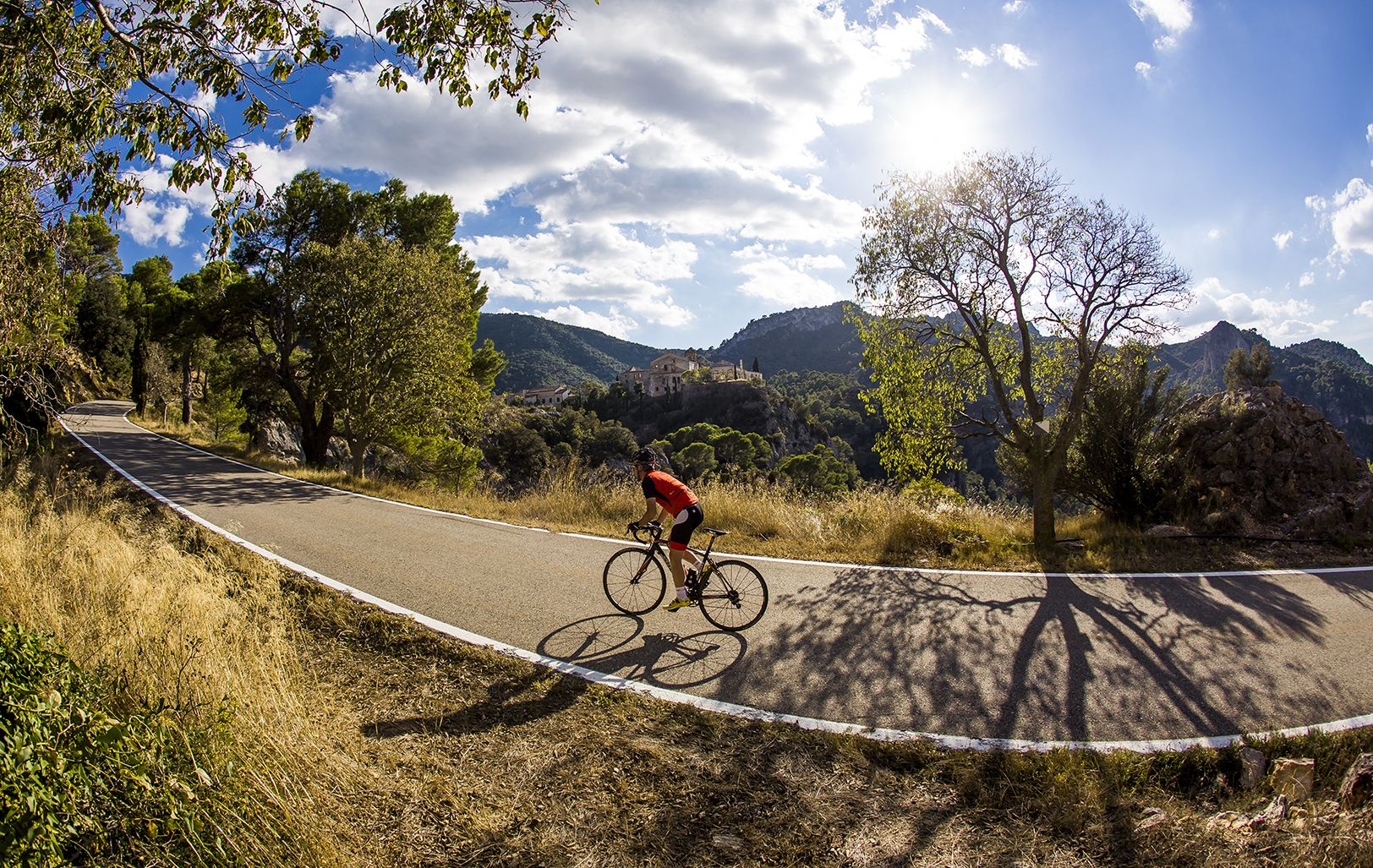
Discover Catalonia by road bike
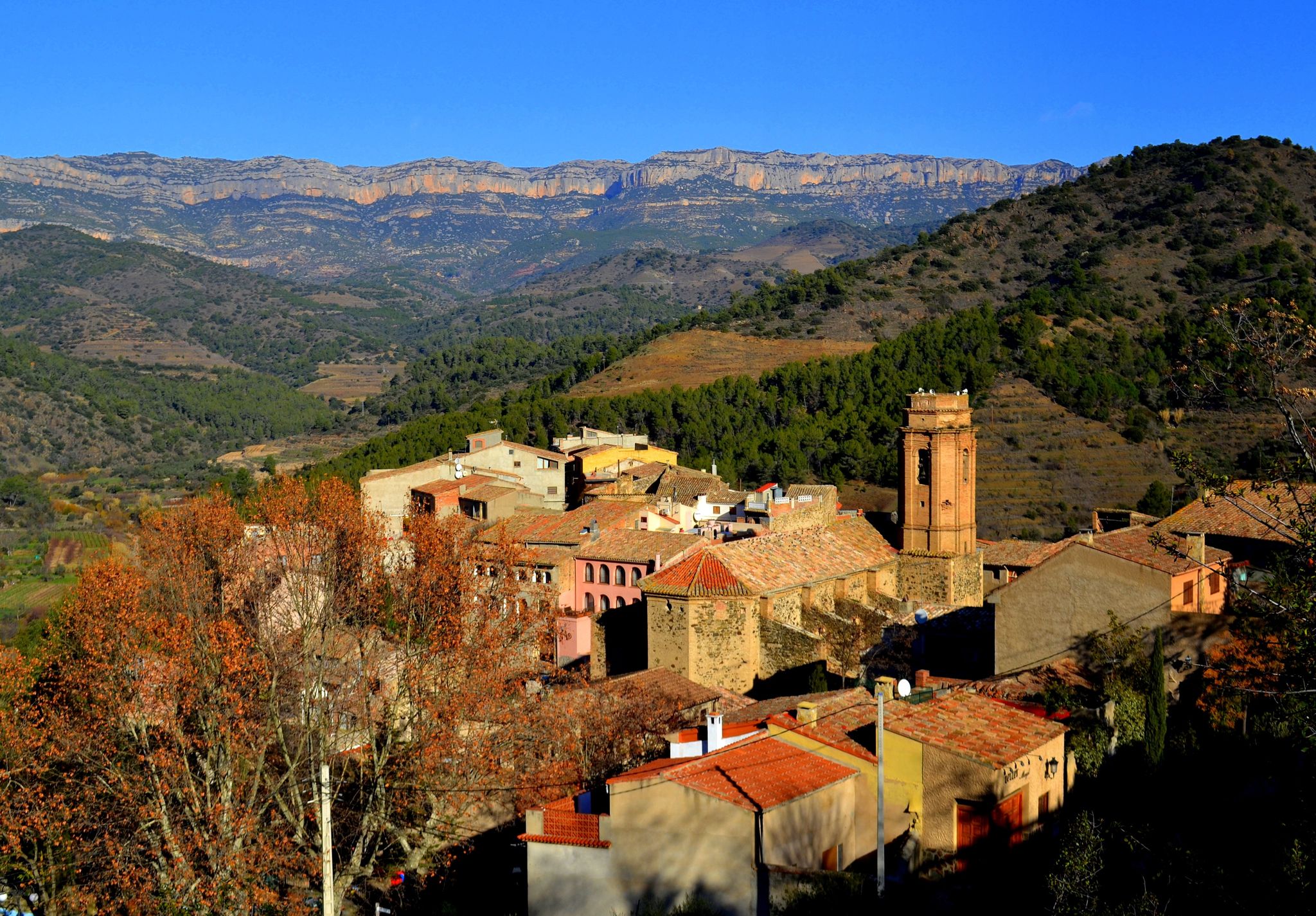
Mountains, views and vineyards – Sendero del Priorato (GR 174)
Road Cycling Routes around Falset
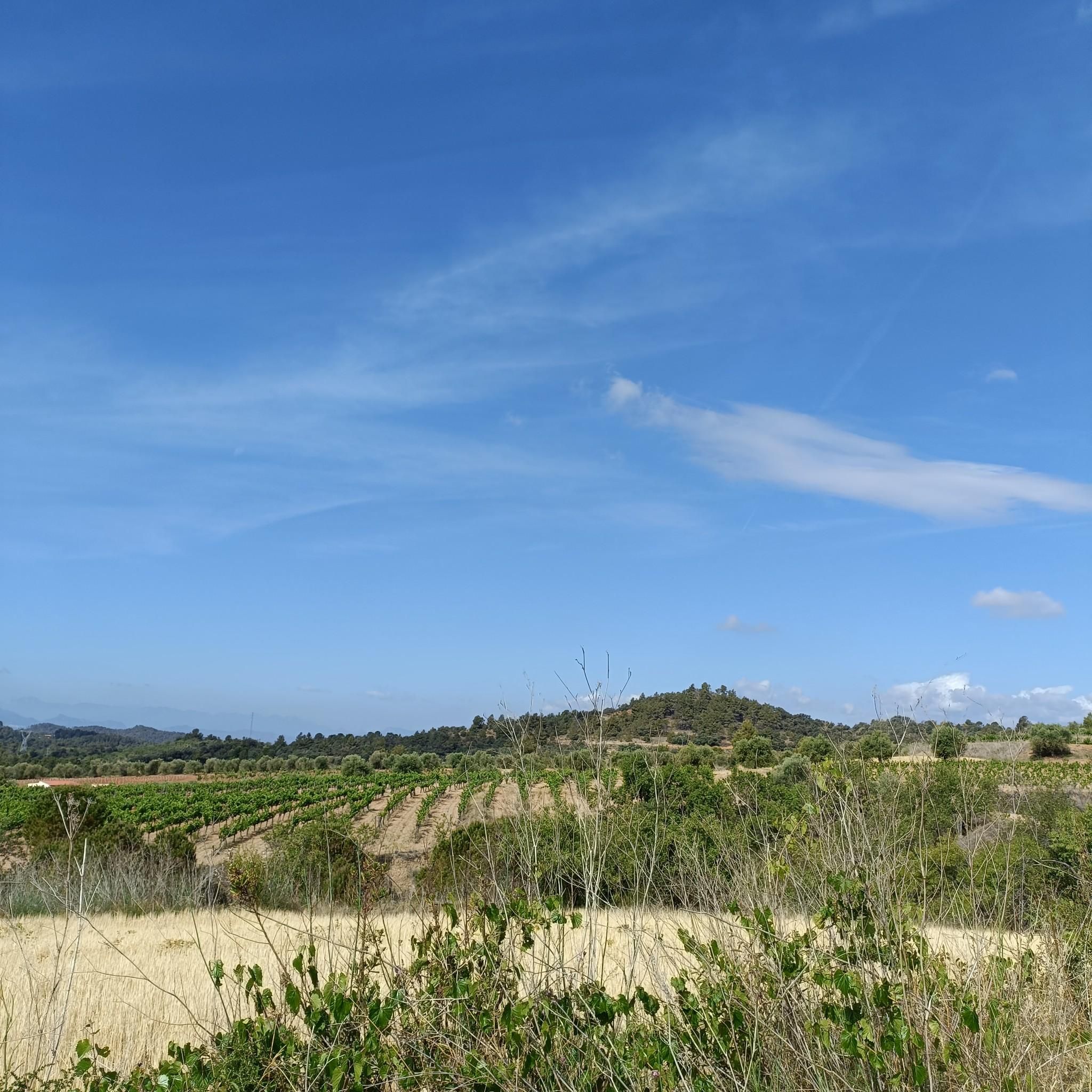
MTB Trails around Falset
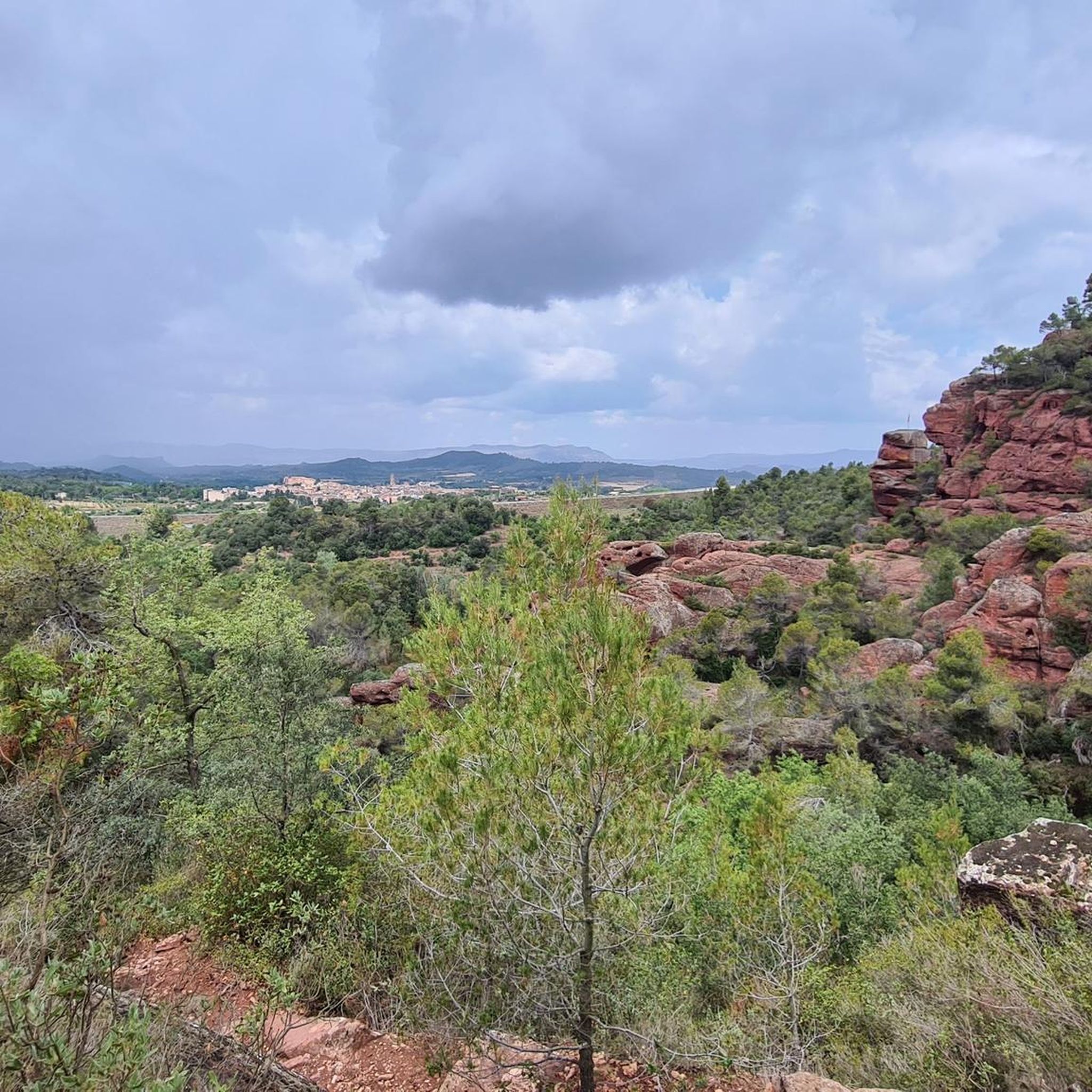
Hiking around Falset
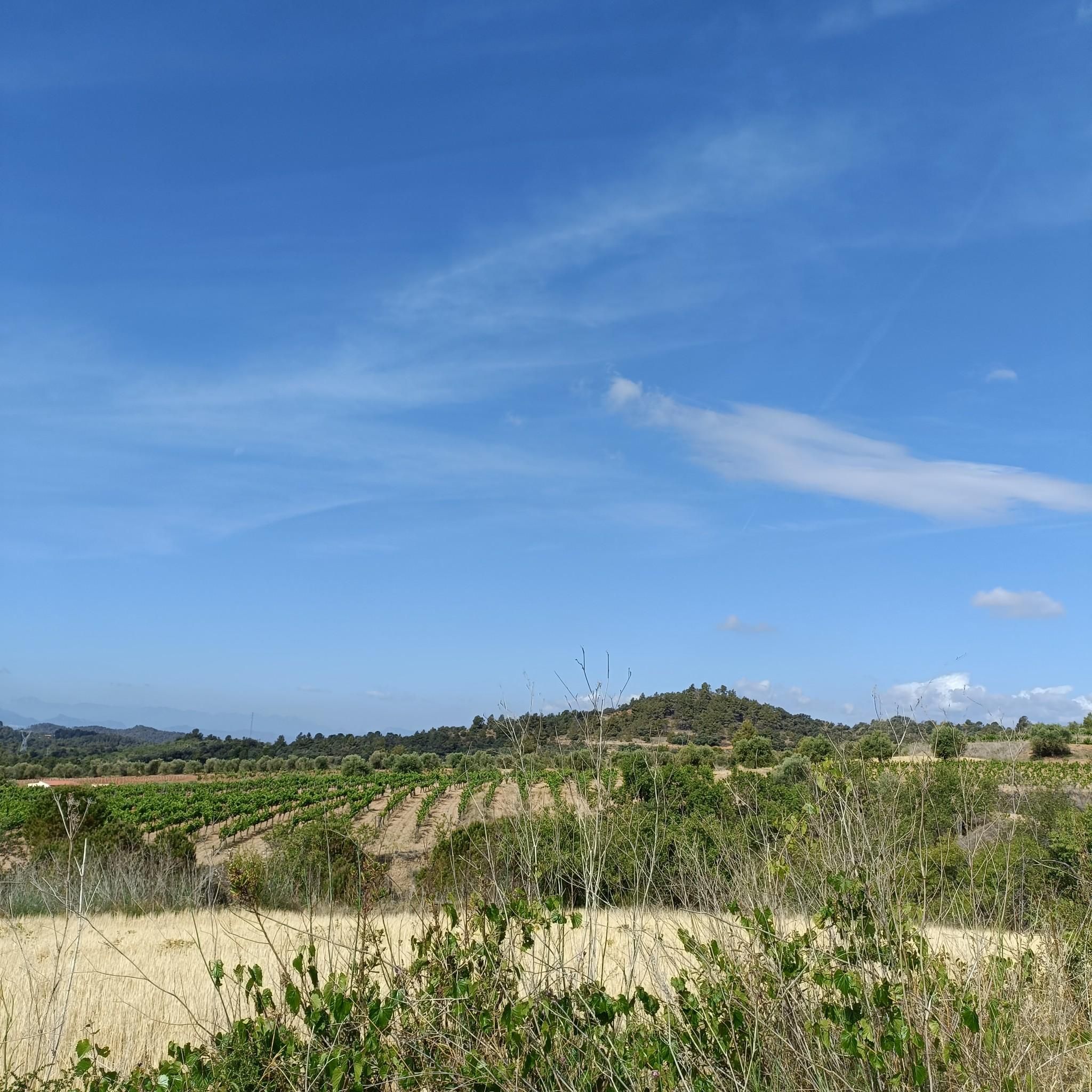
Cycling around Falset
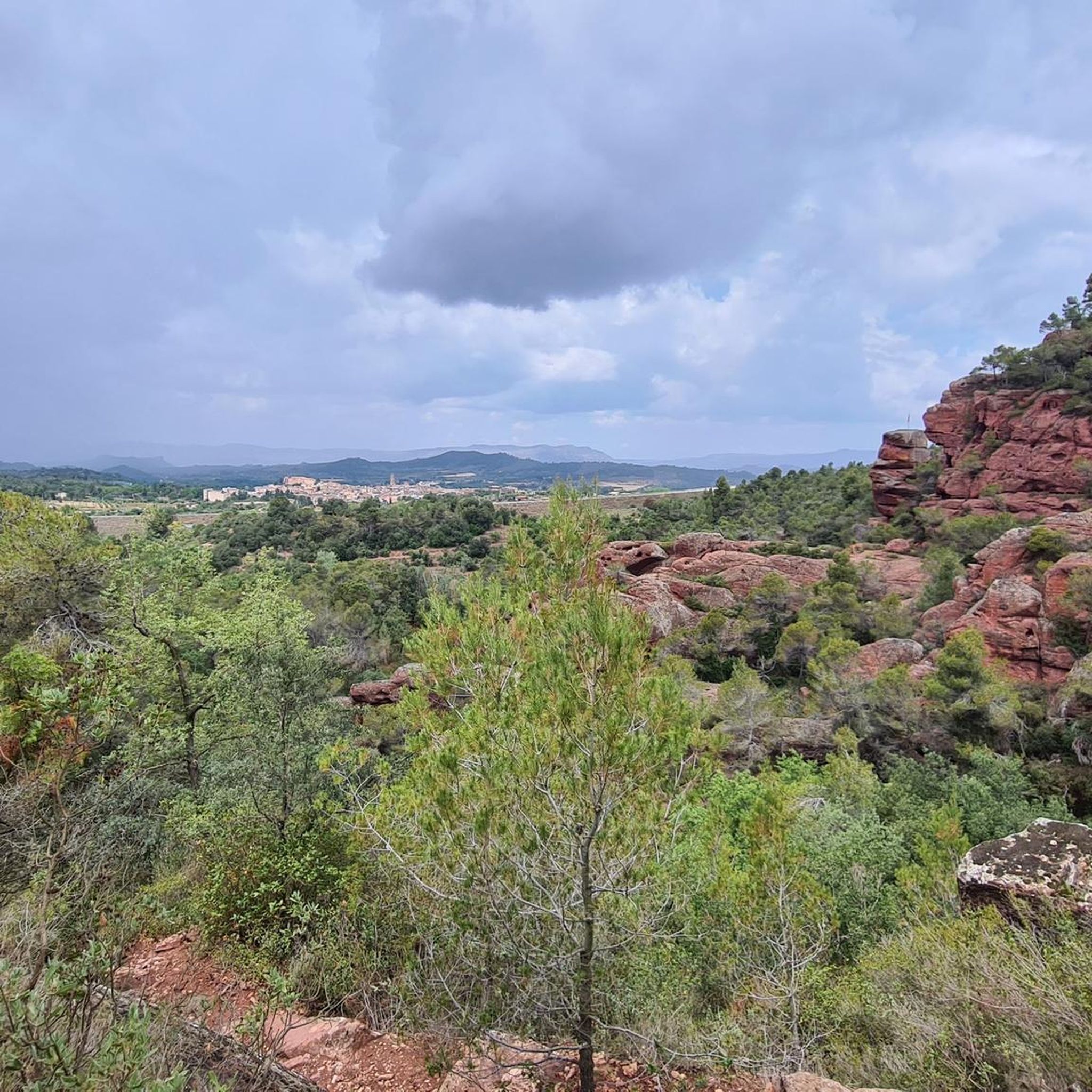
Running Trails around Falset

Gravel biking around Falset


Tips from the Community

From up here you have a beautiful view.
1
0

Stately mansion from the early 20th century, made up of the remains of two medieval buildings, the Escornalbou monastery, founded in 1153, and the castle, built on the remains of a Roman fortress. For six centuries this architectural complex formed the barony of Escornalbou, but after the confiscation of Mendizabal it was practically in ruins. In 1911 it was acquired by the philanthropist, diplomat and writer Eduard Toda, who restored it following very personal criteria: some structures were demolished and towers were erected in an "exotic" medieval style. Of the old monastery, only the Romanesque church remains, remains of the chapter house and the structure of the cloister, converted into a viewpoint of the Camp de Tarragona region.
3
1

the panorama is brutal
0
0

The Carthusian monastery dates back to the 12th century, when the monks of Provence chose to build, in this unique setting, at the foot of the Sierra del Montsant, the first Carthusian monastery on the Iberian Peninsula. During the 19th century, the monks fled the territory, leaving the land and buildings abandoned. Due to the constant looting, the space occupied by the charterhouse was deteriorated and, today, the remains of the cloisters, the church, as well as the refectory can be visited.
2
0
The Castillo Monasterio de Escornalbou de Riudecanyes is a stately mansion from the beginning of the 20th century formed by the remains of two medieval buildings: the castle, built on the remains of a Roman fortress, and the monastery of Sant Miquel.
5
0

Castle and monastery of Sant Miquel d'Escornalbou. From this point you can see a great panorama of the town of Argentera.
2
1

The stone tower was built during the third Carline war and was used for optical telegraphy in a very similar way to the Torre de l'Esquirol de Cambrils, making use of a system of planks that could be seen from miles away .
1
0
This emblematic peak constitutes one of the landmark silhouettes that dominate the Camp de Tarragona. From the top of La Mola you will see an extensive territory, with Ufan meadows grateful for the herds, and the remains of a communications tower, the castle of La Mola, built at the time of the Carline wars (19th century). It is part of the Serra de Llaberia EIN. Together with the Tivissa-Vandellòs mountains and the Cardó massif, they form the biological corridor that connects the large natural spaces of the Prades Mountains and the Ports. There are several trails that access its summit, with an altitude of 914 meters. In 2000, the installation of a wind farm was planned there. Fortunately, strong opposition from the people of the territory prevented it. Therefore, in this case we can say that the fight was a success.
2
1
Frequently Asked Questions
What historical sites can I visit around Falset?
The region is rich in history. You can explore the 13th-century Hermitage of Mare de Déu de la Roca, which is integrated into the red mountain of La Roca. Another significant site is Sant Miquel d'Escornalbou Castle and Monastery, a stately mansion built on medieval remains with a Romanesque church. Don't miss the Escaladei Charterhouse, a 12th-century Carthusian monastery that played a crucial role in the Priorat wine region's history.
Are there any family-friendly attractions in the Falset area?
Yes, several attractions are suitable for families. The Escaladei Charterhouse offers an engaging historical experience with reconstructed cells. The charming settlement of Pratdip, known for its unique legend of the 'dips,' is also considered family-friendly and offers a fascinating cultural visit.
What kind of outdoor activities can I do near Falset's attractions?
The mountainous terrain around Falset is ideal for various outdoor activities. You can find numerous routes for mountain biking, gravel biking, and running. For detailed trails, explore the MTB Trails around Falset, Gravel biking around Falset, and Running Trails around Falset guides.
Are there any accessible attractions for visitors with mobility considerations?
The settlement of Pratdip is noted as wheelchair accessible, making it a good option for visitors with mobility considerations to explore its unique charm and history.
Where can I find panoramic views around Falset?
For breathtaking views, visit La Mola Castle, Colldejou, which offers extensive vistas from its summit. The Sant Miquel d'Escornalbou Castle and Monastery also features a viewpoint overlooking the Camp de Tarragona region. Additionally, the Hermitage of Mare de Déu de la Roca is integrated into a red mountain, providing scenic natural viewpoints.
Are there hiking trails with parking available near Falset's attractions?
Yes, the region caters to hikers, including those needing parking. The Sant Miquel d'Escornalbou Castle and Monastery has parking facilities. The Hermitage of Mare de Déu de la Roca is easily accessible by vehicle, and also via various paths like the GR-192, offering outdoor resting areas.
What is the best time to visit Falset attractions?
The region's attractions, including historical sites and natural viewpoints, can be enjoyed throughout the year. However, for outdoor activities like hiking to La Mola Castle, Colldejou, spring and autumn offer milder temperatures, which are ideal for more challenging routes. Winter can also be suitable for outdoor activities, depending on the specific weather conditions.
Are there any religious buildings to visit in the area?
Absolutely. The Hermitage of Mare de Déu de la Roca is a significant 13th-century religious site. The Sant Miquel d'Escornalbou Castle and Monastery includes a Romanesque church. Furthermore, the Escaladei Charterhouse is a historical Carthusian monastery, offering insight into the region's spiritual past.
What unique cultural experiences can I find in Falset?
Beyond its historical sites, Falset offers unique cultural insights. The Escaladei Charterhouse is not just a monastery but also the birthplace of the Priorat wine region, offering a deep dive into local viticulture. The village of Pratdip is famous for its fascinating legend of the 'dips,' black wolf-dogs, which is integral to its identity.
What do visitors enjoy most about the attractions around Falset?
Visitors frequently appreciate the stunning integration of historical sites with natural landscapes, such as the Hermitage of Mare de Déu de la Roca. The extensive views from places like La Mola Castle, Colldejou, and the rich historical narratives of sites like the Escaladei Charterhouse are also highly valued.
Are there any places to eat or rest outdoors near the attractions?
Yes, the natural area around the Hermitage of Mare de Déu de la Roca provides several fountains and signposted spaces where you can eat and rest outdoors. The hermitage itself also offers a restaurant service.
Most popular attractions around Falset

Get inspired with the komoot mobile app


Explore more
Still not found the Highlight you’re looking for? See guides of the top attractions in other regions:
