Attractions and Places To See around Villar De Torre - Top 20
Best attractions and places to see around Villar De Torre include historical sites and natural features. This municipality, located on the banks of the Río Tuerto in La Rioja, offers a tranquil setting. The area is known for its rich history, with evidence of Celtiberian and Roman presence, and serves as a base for exploring significant cultural landmarks.
Best attractions and places to see around Villar De Torre
- The most popular attractions is Santo Domingo de la Calzada Cathedral,…
Last updated: May 9, 2026
Santo Domingo de la Calzada Cathedral
Highlight • Religious Site
Translated by Google •
Tip by

Bonicaparra Shelter
Highlight • Mountain Hut
Translated by Google •
Tip by

Sign up now to discover places like this
Get recommendations on the best single tracks, peaks, & plenty of other exciting outdoor places.
Sign up for free
San Millán de la Cogolla Monastery
Highlight • Religious Site
Translated by Google •
Tip by

Bicigrino Statue
Highlight • Monument
Translated by Google •
Tip by

Suso and Yuso Monasteries (San Millán de la Cogolla)
Highlight • Religious Site
Translated by Google •
Tip by

Sign up for free to discover even more attractions around Villar De Torre.
Sign up for free
Already have an account?
Start today with a free account
Your next adventure awaits.
Login or Signup

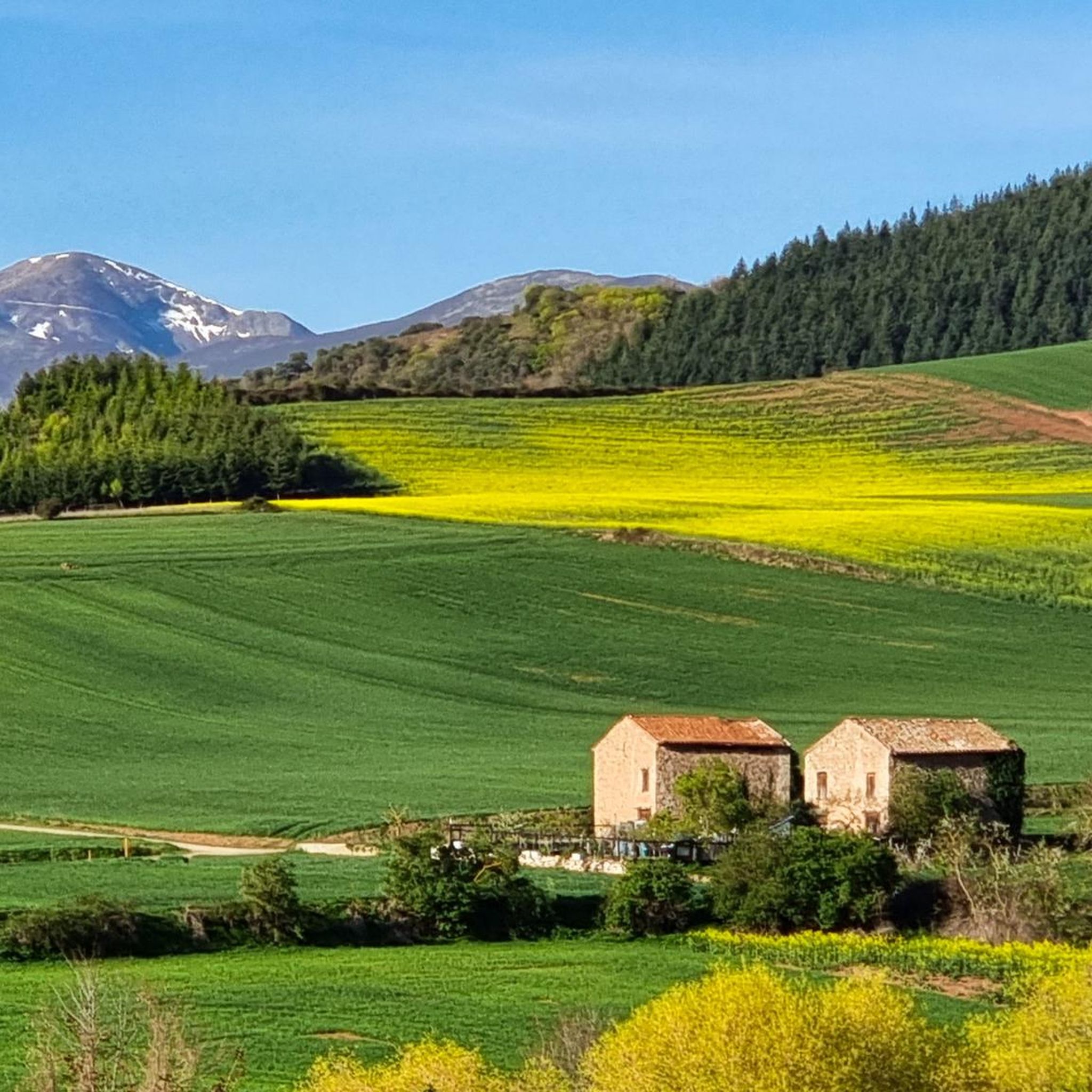
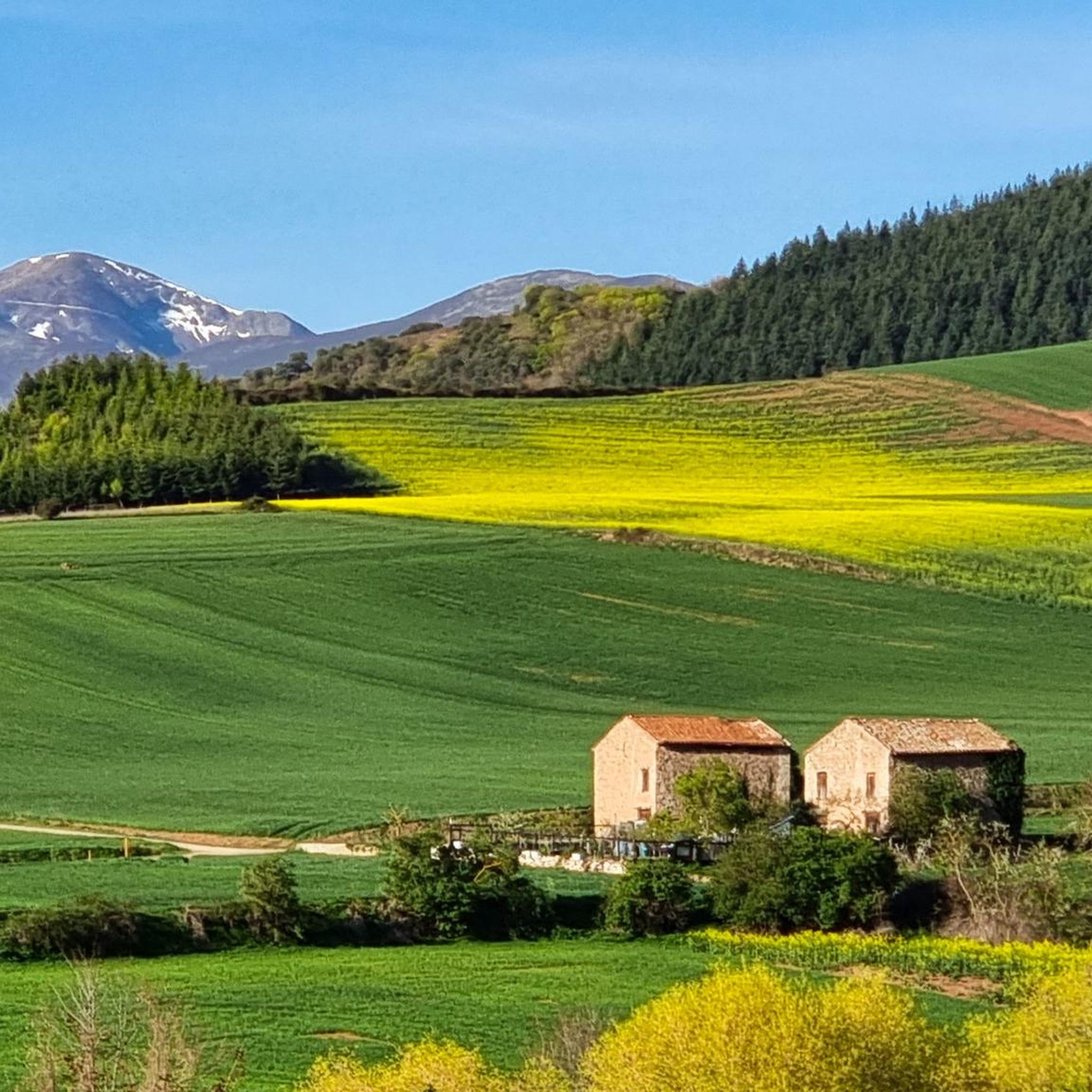
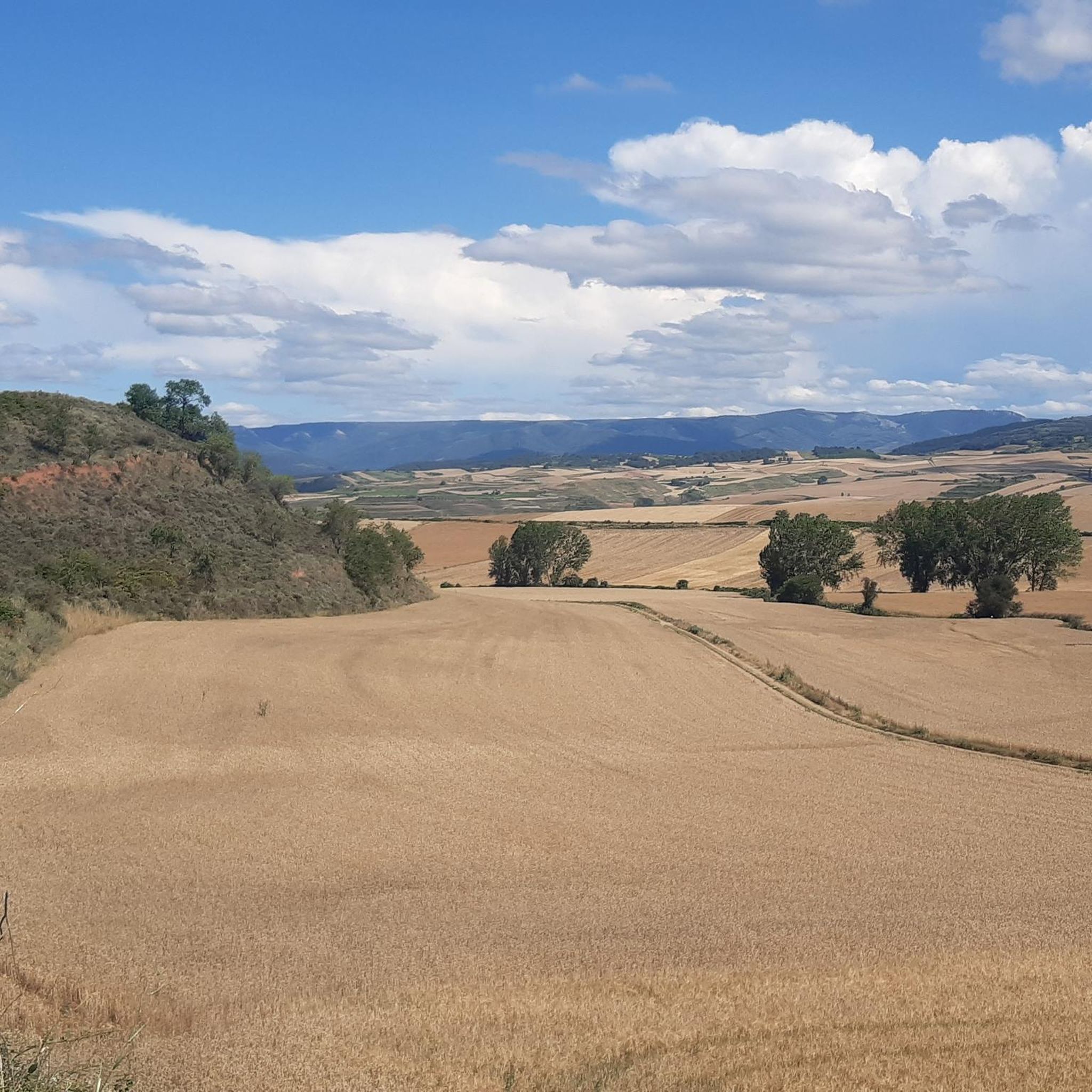
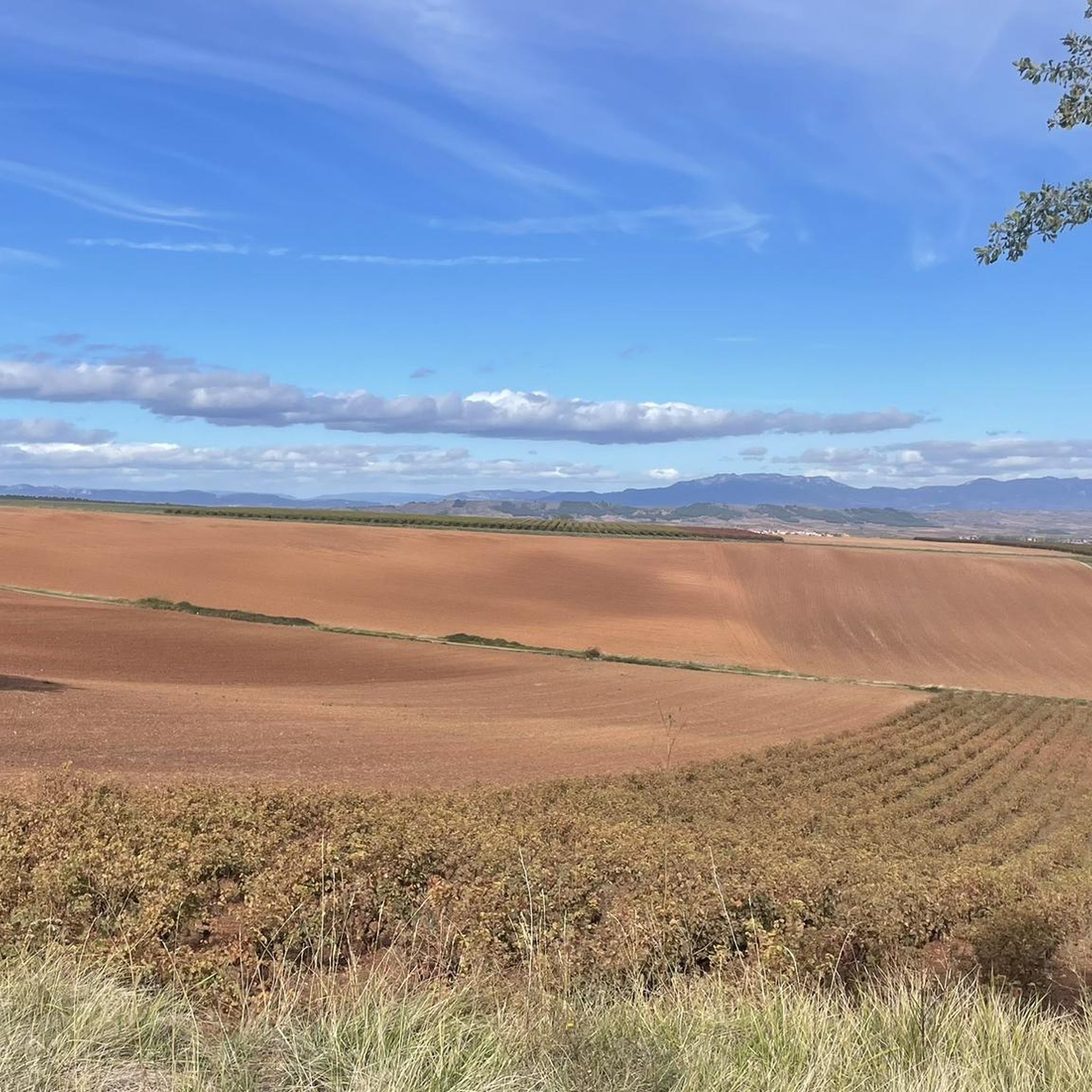
Tips from the Community

The Monastery of San Millán de la Cogolla is a place of great importance in the La Rioja region of Spain. Founded in the 6th century AD by Saint Millán, this monastery has a rich history and a special connection with the Castilian language.
3
0
The Cathedral of Santo Domingo de la Calzada, also known as the Cathedral of El Salvador, is an impressive monument located in the town of Santo Domingo de la Calzada. The cathedral was built between the 12th and 13th centuries, combining Romanesque and Gothic styles. A unique feature is its free-standing tower, separated from the main body of the cathedral.
8
0

Asphalt forest track to the Bonicaparra refuge. A very nice climb, especially recommended in autumn when the beech forest is bursting with colour.
0
0

“Bicigrino” is a term used on the Camino de Santiago and is a combination of the Spanish words “bici”, meaning bicycle, and “peregrino”, meaning pilgrim1. A Bicigrino is therefore a pilgrim who covers the Camino de Santiago by bicycle21. To receive a Compostela certificate, a Bicigrino must complete at least the last 200 km of a Camino route, ending in Santiago de Compostela. It is a trend that has developed in recent years, with more and more pilgrims choosing to do the Camino de Santiago by bicycle. It's a great way to experience the beautiful landscapes and historic sites along the Camino. 😊
6
0

The typical features of almost every pilgrim figure: backpack, hat, walking stick and of course the clearly visible scallop shell; here, another object has been added, namely the bicycle.
8
0

Anyone who passes by here by bike along the Via de Compostela must stop for a photo.
8
0
The primitive Romanesque church was built dedicated to the Savior and Saint Mary. In 1098, King Alfonso VI donated land for its construction. The cathedral was consecrated in 1106 by Bishop Don Pedro Nazar. It later became a collegiate church around 1158 and finally a cathedral after 1232. Since then, it has been the seat of the bishop of Calahorra-La Calzada. Construction of the current church began in 1158, preserving much of the old structure. In the 16th century, the right part of the transept was raised to house the tomb of Saint Dominic.
11
0
The Monastery of San Millán de la Cogolla is a place of great importance in the region of La Rioja, Spain. Founded in the 6th century AD. by San Millán, this monastery has a rich history and a special connection with the Spanish language.
8
0
Frequently Asked Questions
What historical and cultural sites can I visit around Villar de Torre?
The region is rich in history. You can explore the UNESCO World Heritage site of Suso and Yuso Monasteries (San Millán de la Cogolla), known for housing the codex where the first words in Spanish were written. Another significant religious building is the Santo Domingo de la Calzada Cathedral, famous for its unique tradition of keeping live chickens inside, commemorating a local legend. Within Villar de Torre itself, the 16th-century Our Lady of the Assumption Church is a notable landmark.
Are there any family-friendly attractions near Villar de Torre?
Yes, several attractions are suitable for families. The Santo Domingo de la Calzada Cathedral offers an intriguing visit with its live chickens and fascinating legend. The Suso and Yuso Monasteries are also considered family-friendly, offering a glimpse into history and architecture. For outdoor recreation, the Bonicaparra Shelter provides a recreational area with tables and grills, perfect for a family picnic.
What natural features or viewpoints can I find in the area?
Villar de Torre is situated on the banks of the Río Tuerto, offering a peaceful natural setting. For a recreational spot with forest views, the Bonicaparra Shelter is located in a forested area and offers a viewpoint. The wider La Rioja region provides numerous scenic landscapes for exploration.
What outdoor activities, like hiking or cycling, can I do near Villar de Torre?
The area around Villar de Torre is excellent for outdoor activities. You can find various routes for gravel biking, running, and general cycling. For gravel biking, consider routes like the 'Circular gravel of the Sierra de la Demanda' or 'Mymerak gravel routes to the roof of La Rioja'. Running enthusiasts might enjoy the 'Monastery of Suso loop from San Millán de la Cogolla'. Cyclists can explore routes such as 'Refugio Prao Tajo loop from San Millán de la Cogolla'. You can find more details on these and other routes in the Gravel biking around Villar De Torre, Running Trails around Villar De Torre, and Cycling around Villar De Torre guides.
Is the Camino de Santiago accessible from Villar de Torre, and are there related landmarks?
Yes, Villar de Torre is close to sections of the Camino Francés pilgrimage route. A notable landmark related to the Camino is the Bicigrino Statue, which pays homage to pilgrims who traverse the Camino by bicycle. The Santo Domingo de la Calzada Cathedral is also a significant stop on the Camino.
What is the best time of year to visit Villar de Torre for outdoor activities?
The region can be enjoyed throughout the year. For activities like mountain biking, the forested climbs leading to places like the Bonicaparra Shelter are described as 'a wonder for hot days,' suggesting that summer offers pleasant conditions for shaded routes. Spring and autumn also provide mild weather ideal for hiking and cycling.
Are there any unique local traditions or legends associated with the attractions?
Absolutely. The Santo Domingo de la Calzada Cathedral is famous for the legend of the hanged man, where a pilgrim was unjustly accused and saved by Santo Domingo. This legend is commemorated by the live rooster and hen kept within the cathedral, which are protected as an Asset of Cultural Interest.
What kind of architecture can I expect to see in Villar de Torre?
Villar de Torre itself features charming historic architecture, with wide streets and buildings adorned with heraldic shields. The 16th-century Our Lady of the Assumption Church is a prime example, housing a marvelous Romanist main altarpiece from the same century. Nearby, the Suso and Yuso Monasteries showcase a blend of architectural styles, including a Gothic cloister.
Can I find places to rest or have a picnic during my outdoor excursions?
Yes, the Bonicaparra Shelter is an excellent spot for this. It's an open hut with easy access, providing a shelter, fountain, grills, and tables, making it ideal for a rest stop or a picnic during your outdoor adventures.
What is the significance of the Monasteries of San Millán de la Cogolla?
The Monasteries of Suso and Yuso, collectively known as San Millán de la Cogolla, are a UNESCO World Heritage site. Their significance lies not only in their architectural heritage but also culturally, as they house the codex where the first words in Spanish were written. This makes them a pivotal site for the history of the Spanish language.
Are there any archaeological sites or ancient history to explore?
Villar de Torre has a deep historical past. Archaeological discoveries in the area have revealed Celtiberian and Roman remains, indicating ancient settlements. Historical records also mention the presence of a Santa María monastery as early as the 11th century, highlighting the region's long and rich history.
What is the general atmosphere of Villar de Torre?
Villar de Torre offers a tranquil and peaceful atmosphere. Its location on the banks of the Río Tuerto contributes to its serene ambiance, making it a charming municipality for visitors seeking a quiet retreat while still being an excellent base for exploring the wider La Rioja region.
Most popular routes around Villar De Torre
Most popular attractions around Villar De Torre

Get inspired with the komoot mobile app


Explore more
Still not found the Highlight you’re looking for? See guides of the top attractions in other regions:
