The best cycling routes around Olost
5.0
(1)
118
riders
16
rides
Touring cycling around Olost, situated on the Lluçanès plateau in Catalonia, Spain, offers varied terrain for cyclists. The region features a mix of agrarian and forested landscapes, with mountainous vegetation including oaks, pines, and holm oaks. Routes often include long ascents and continuous ups and downs, traversing areas with streams like the Olost, Gavarresa, and Lluçanès. This diverse topography provides a challenging and engaging cycling experience.
Best touring cycling routes around Olost
- The most popular touring cycling route is Sant…
Last updated: July 26, 2026
28
riders
35.3km
02:32
660m
660m
Hard bike ride. Very good fitness required. Mostly paved surfaces. Suitable for all skill levels.
5.0
(1)
23
riders
46.7km
03:14
790m
780m
Hard bike ride. Very good fitness required. Mostly paved surfaces. Suitable for all skill levels.

Sign up for free
15
riders
68.6km
04:53
1,200m
1,200m
Hard bike ride. Very good fitness required. Mostly paved surfaces. Suitable for all skill levels.
8
riders
51.5km
04:05
1,020m
1,020m
Hard bike ride. Very good fitness required. Mostly paved surfaces. Suitable for all skill levels.
4
riders
33.6km
02:17
520m
520m
Hard bike ride. Very good fitness required. Mostly paved surfaces. Suitable for all skill levels.
Get access to more routes and recommendations from other explorers.
Sign up for free
Already have an account?
Our route recommendations are based on thousands of hikes, rides, and runs completed by other people on komoot.
Start today with a free account
Your next adventure awaits.
Login or Signup
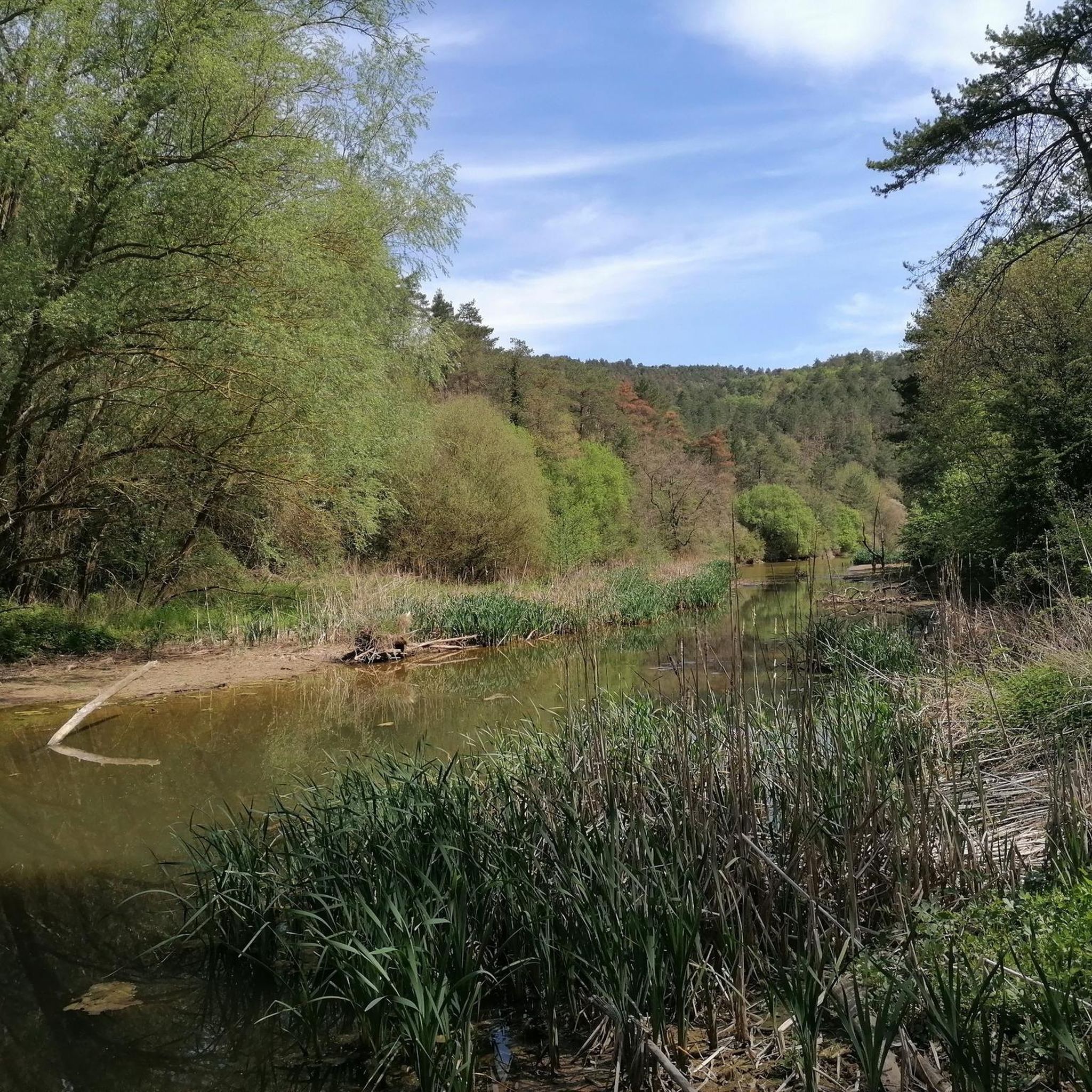
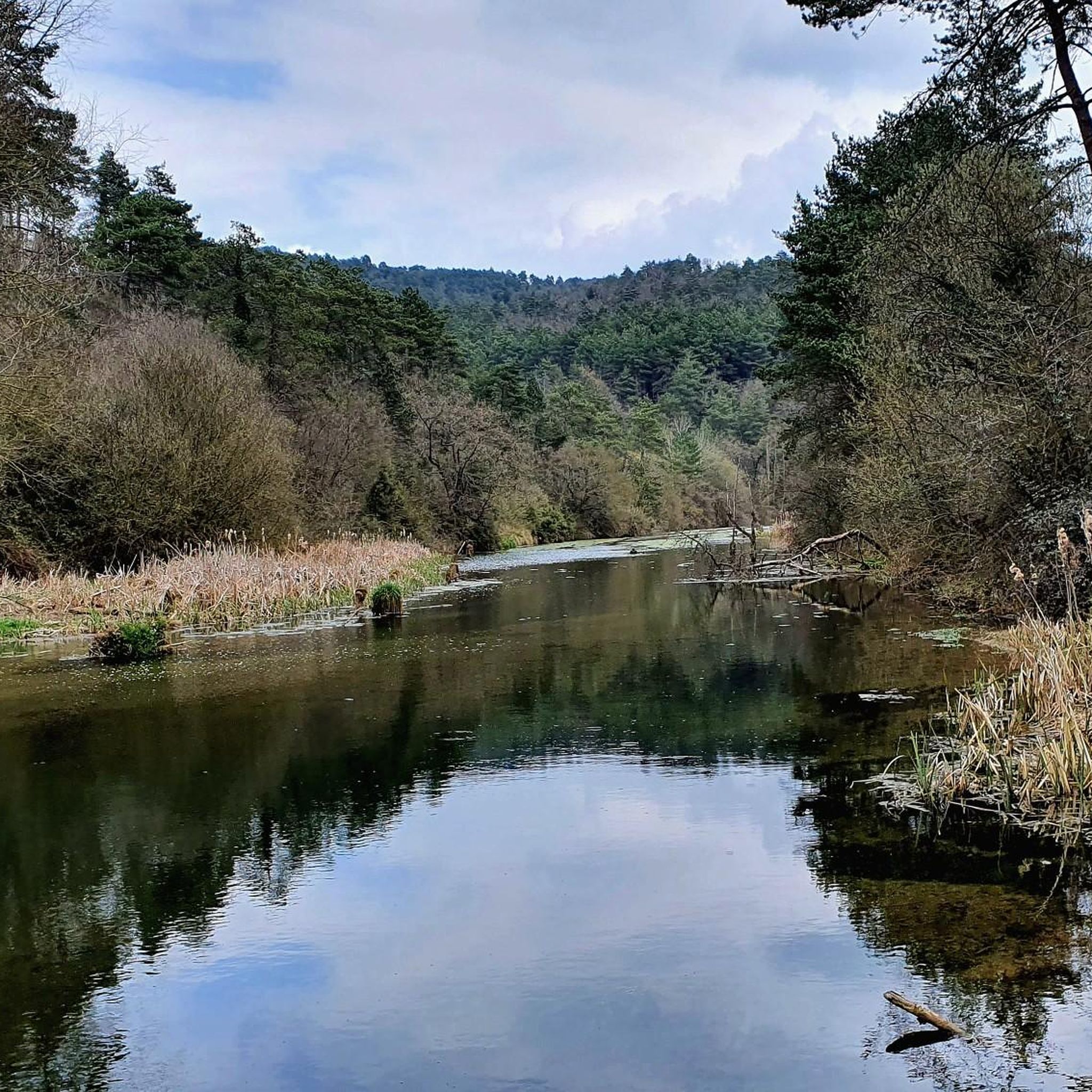
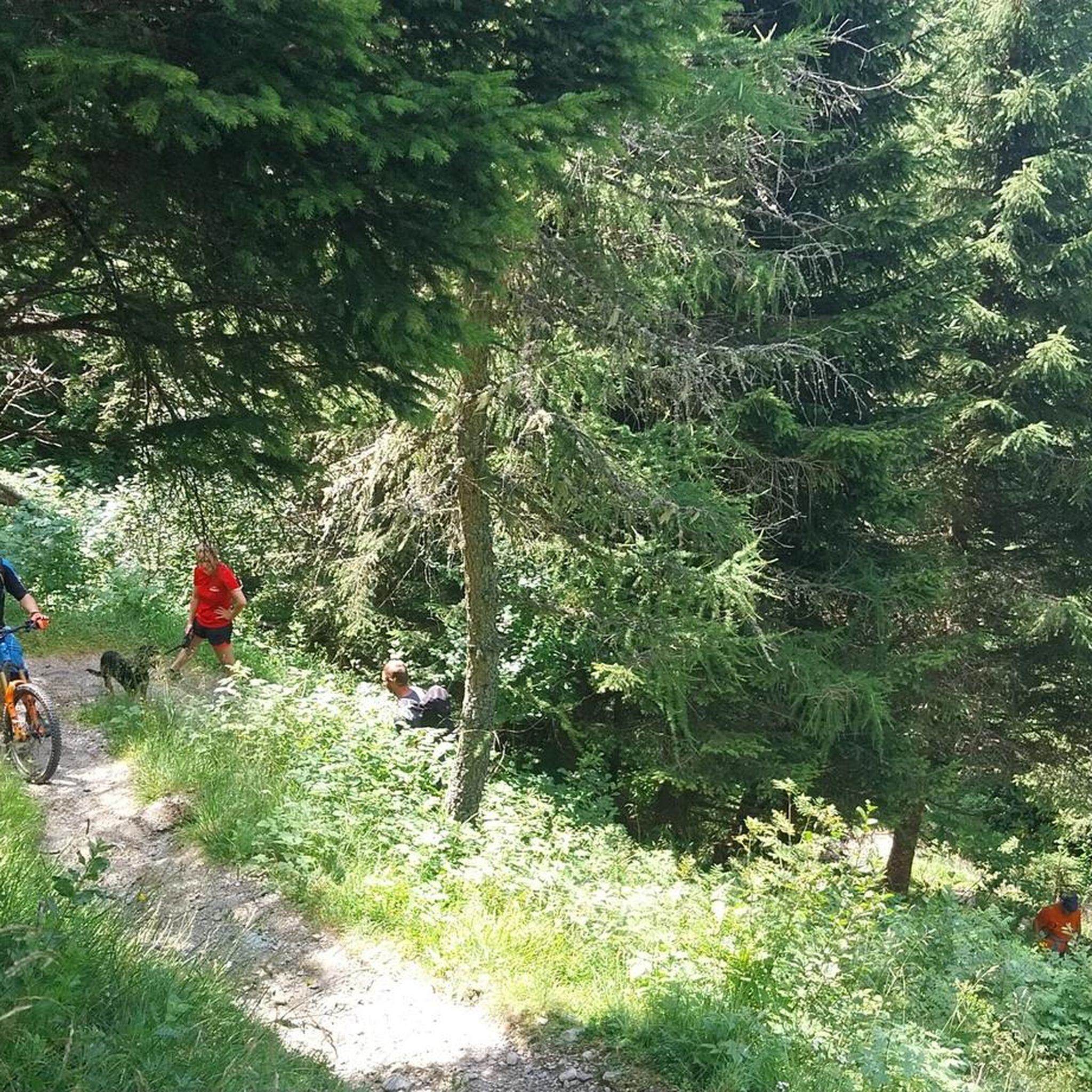
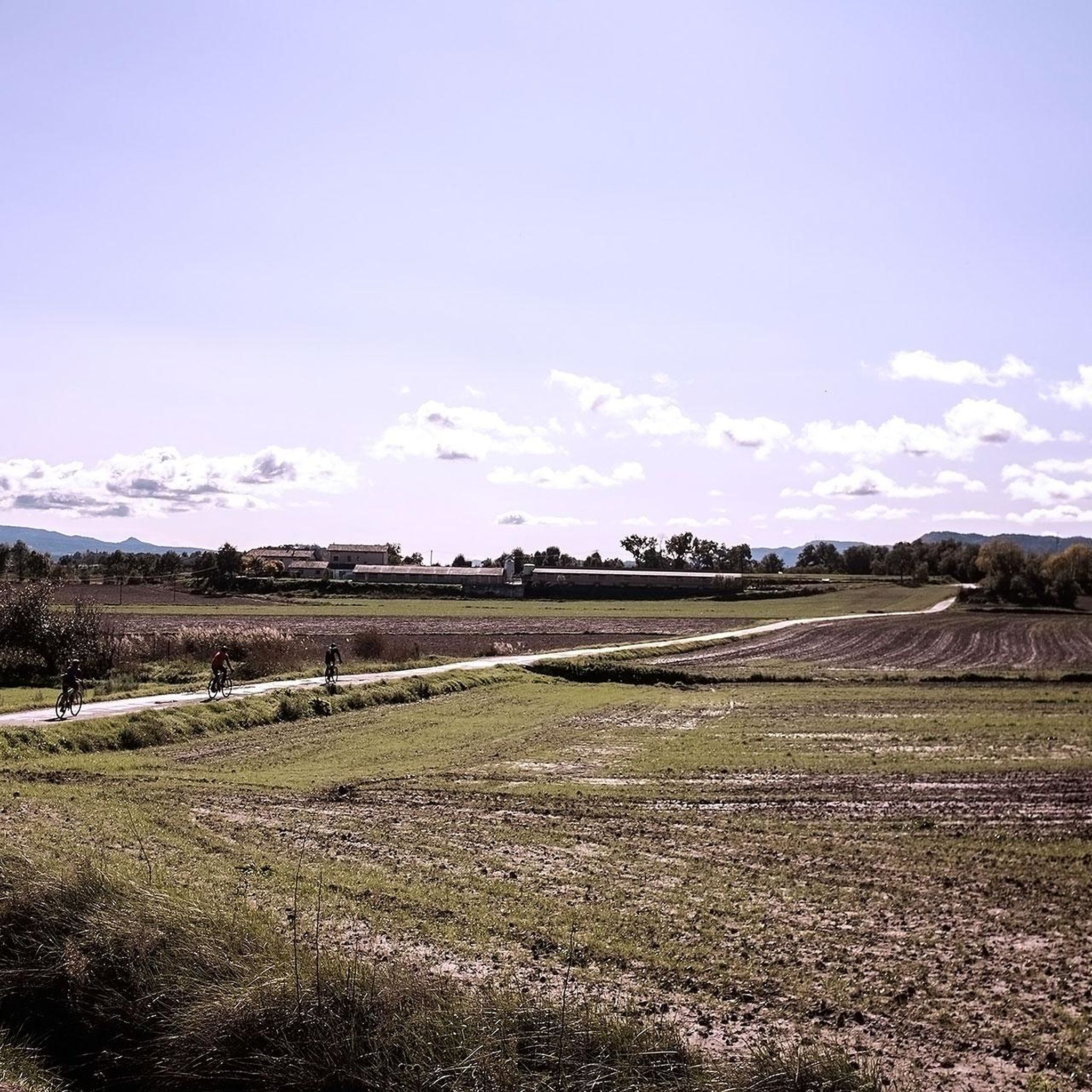
Tips from the Community

Sanctuary of the Munts, viewpoint of Osona and Lluçanés, spectacular views.
0
0

Beautiful views of the Pyrenees, and some old houses (17th century)
0
0

The center of Santa Eulàlia de Puig-Oriol belongs to the municipality of Lluçà and is located on the ridge that separates the valley of the Gavarresa river from the valley of the Lluçanès river. The town grew from the first constructions in the 18th century, due to the importance of the transhumance route that connected Sant Feliu Sasserra with Alpens. In many of its houses built between the 18th and 19th centuries you can still read the inscriptions and dates engraved in the stone. At the northern end of the town there is a small parish church in the popular baroque style.
0
0

The church of Santa María de Merlès, in the Berguedà region, is a 17th century construction in the Baroque style. The bell tower of the church is visible from afar and seems to welcome the walkers passing through the village.
0
0

Olost is a municipality in the province of Barcelona, in the county of Osona, in the sub-county of Lluçanés. It also includes the town of Santa Creu de Jutglar. The parish of Santa María de Olost has been documented since 908 and that of Santa Creu de Jotglar since 984. From 1966 to 1991 Mosén Ramon Vila i Pujol was rector of the church of Santa María de Olost.
14
0

This doesn't look much like a castle even though that's what it's called. It looks more like a country house and is probably used that way today. It's a wonderful area and this is an interesting building.
2
0

Municipality belonging to the province of Barcelona located in the northern area of Llusanés, within the region of Osona. It is also known as the town of forgers due to the forger artist, Joan Prat. He dedicated a large part of his work to the people who saw him born. The entire town is decorated with wrought iron, from the school fence to the rubbish in the streets.
0
0
Municipality of the region of Bergadá, in the province of Barcelona, located east of Gironella and on the border with the region of Osona. Its main economic sector is rainfed agriculture, cattle and pig farming.
0
0
Frequently Asked Questions
How many touring cycling routes are available around Olost?
There are over 15 touring cycling routes available around Olost, offering a variety of experiences across the Lluçanès plateau. These routes are highly rated by the komoot community, with an average score of 5.0 stars.
What kind of terrain can I expect on touring cycling routes in Olost?
Touring cycling routes in Olost feature diverse terrain, including a mix of agrarian fields and dense forests with oaks, pines, and holm oaks. You can expect continuous ups and downs and long ascents, providing a challenging and engaging experience.
Are there any circular touring cycling routes in Olost?
Yes, many touring cycling routes around Olost are designed as loops, starting and ending in the village. For example, the Sant Feliu Church – Quer Castle loop from Olost is a popular option that takes you through varied landscapes.
What are some natural features or viewpoints I can discover along the cycling routes?
The region boasts several natural attractions. You can find picturesque spots like the Gorg Negre and the Rexach swamp. For panoramic views, the Mirador de Sant Adjutori offers expansive vistas of the Eastern Pyrenees, Montserrat, and the Lluçanès landscape. Natural springs like La Font Gran and Font de la Casanova also provide tranquil stops.
Are there any family-friendly touring cycling routes in Olost?
While many routes in Olost feature significant elevation changes and are rated as 'difficult', the diverse terrain means there are likely sections suitable for families seeking less strenuous rides. It's recommended to check the elevation profiles of specific routes on komoot to find the most appropriate options for your family's skill level.
What cultural or historical landmarks can I see while cycling around Olost?
Olost offers charming cultural attractions. The Church of Santa Maria, with its distinctive two bell towers, and the Plaça Major are central points. Historic streets like Carrer Berga and Carrer de Sant Adjutori feature masonry houses from the 17th and 18th centuries. Additionally, you might encounter religious buildings like the Sant Martí Xic Chapel or the Sanctuary of Mare de Déu dels Munts.
What is the best time of year for touring cycling in Olost?
Olost is suitable for cycling for much of the year. The region's inclusion in professional races suggests well-maintained roads. However, given the 'long ascents' and 'continuous ups and downs,' spring and autumn generally offer the most comfortable temperatures for tackling these challenging routes. Winter conditions might vary, so checking local weather is always advised.
Are there any routes that pass by reservoirs or lakes?
Yes, some routes will take you near water features. For instance, the Sant Bartomeu del Grau Church – Riera de Sorreigs Reservoir loop from Olost passes by the Riera de Sorreigs Reservoir, offering scenic views.
What are some of the more challenging touring cycling routes in the area?
Many routes around Olost are rated as difficult due to significant elevation changes. The Santa Eulàlia de Puig-Oriol – Campos de Olost loop from Olost is a challenging 29-mile path with continuous ascents and descents through agrarian fields and forests.
Are there options for parking near the touring cycling routes in Olost?
Olost is a village with a central hub, the Plaça Major. Parking facilities are generally available within or on the outskirts of the village, providing convenient access to the start points of many touring cycling routes. It's always a good idea to check local signage for specific parking regulations.
What do other touring cyclists enjoy most about cycling in Olost?
The area is highly rated by the komoot community, with an average score of 5.0 stars. Reviewers often praise the diverse landscapes, the engaging challenge of the continuous ups and downs, and the blend of agrarian and forested scenery that makes each ride unique.
Can I find routes that explore the Lluçanès plateau?
Absolutely. Olost is nestled on the Lluçanès plateau, and many routes are designed to showcase this region. The Sant Bartomeu del Grau Church – Rural Road to Sant Sebastià loop from Olost, for example, leads directly through the heart of the Lluçanès plateau, offering a true taste of the local landscape.
Most popular attractions around Olost

Get inspired with the komoot mobile app


Explore more
Browse the best Cycling routes in other regions.
