Attractions and Places To See around Gallegos De Altamiros - Top 6
Attractions and places to see around Gallegos De Altamiros offer a blend of natural beauty and historical landmarks within the Sierra de Ávila. The area features rugged granite landscapes, including extensive rock formations known as "berrocales," and traditional architecture constructed from granite. Visitors can explore historical routes like the Cañadas Reales, which highlight the region's pastoral heritage. This municipality provides cultural insights into rural Spain and its resilient traditions.
Best attractions and places to see around Gallegos De Altamiros
- The…
Last updated: June 1, 2026
Aveinte
Highlight • Settlement
Translated by Google •
Tip by

Muñogalindo
Highlight • Settlement
Translated by Google •
Tip by

Sign up now to discover places like this
Get recommendations on the best single tracks, peaks, & plenty of other exciting outdoor places.
Sign up for free
Cerro de Gorría
Highlight • Summit
Translated by Google •
Tip by
Hermitage of Our Lady of Rihondo
Highlight • Religious Site
Translated by Google •
Tip by
Sigeres
Highlight • Settlement
Translated by Google •
Tip by
Sign up for free to discover even more attractions around Gallegos De Altamiros.
Sign up for free
Already have an account?
Start today with a free account
Your next adventure awaits.
Login or Signup
Popular around Gallegos De Altamiros
Tips from the Community

Aveinte, a name with historical roots, has a fascinating legend dating back to ancient times. Many centuries ago, at the dawn of the Middle Ages, there was a small town in what we know today as Aveinte. The inhabitants of this place were simple people, dedicated mainly to agriculture and livestock. They lived in harmony with nature and worshiped the gods of the earth and sky. One day, during a time of drought and scarcity, the locals gathered in the town square to pray for rain and good harvests. The wise old man of the place, known as Adventius, led the ceremony. With his wrinkled hands and deep voice, he spoke words of supplication to heaven. Legend has it that, at that crucial moment, a mysterious figure appeared among the clouds. He was a luminous being, dressed in white robes and silver hair. The villagers were amazed and knelt before this heavenly presence. The being addressed Adventius and spoke to him in an ancient language that only he understood. “For your devotion and the faith of your people, I will grant a blessing,” he said. “From now on, every twenty years, the waters of the river that runs through Aveinte will overflow, fertilizing the land and ensuring abundant harvests.” Thus the name Aveinte was born, which means “advent” or “arrival” in honor of the heavenly visit. Since then, every twenty years, the river overflows and renews the earth, fulfilling the promise of the luminous being. The inhabitants of Aveinte keep this tradition alive and celebrate “Aveinte” with joy and gratitude. The legend has been passed down from generation to generation, and the town's name remains a reminder of its connection to the divine and renewed hope. So, when you walk through the cobblestone streets of Aveinte, remember this story and the magic that surrounds its name. 🌟🏡
2
0

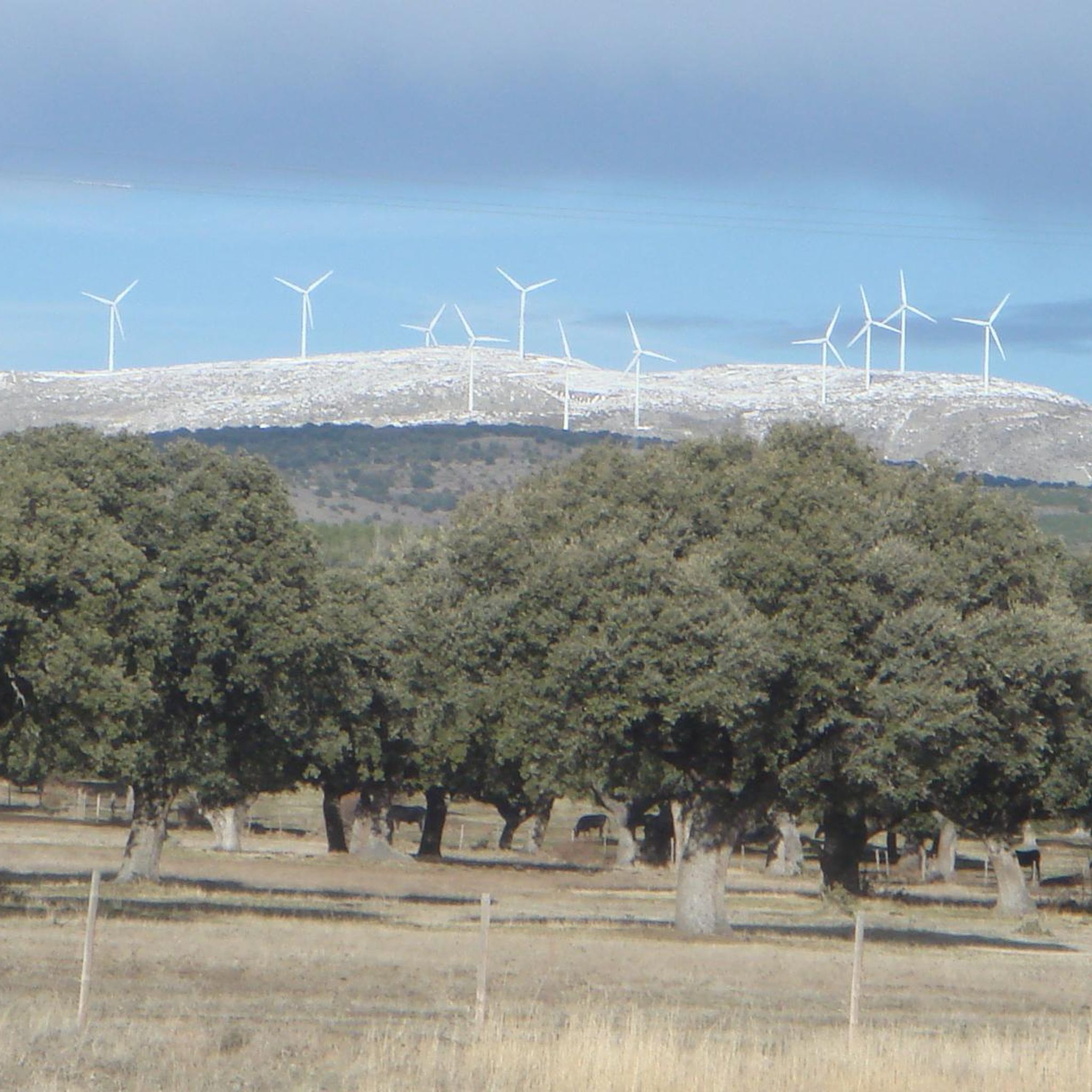
Rounded mountain range that is easily accessible from several towns. From the geodesic vertex there are impressive front-row views of the Sierra de la Paramera, La Serrota, the Amblés valley to the south and all of La Moraña to the north.
1
0
Small town located in a flat area between the cities between Ávila and Salamanca. Its church, that of Santo Tomas apostol, is one of the most important elements of the nucleus.
1
0
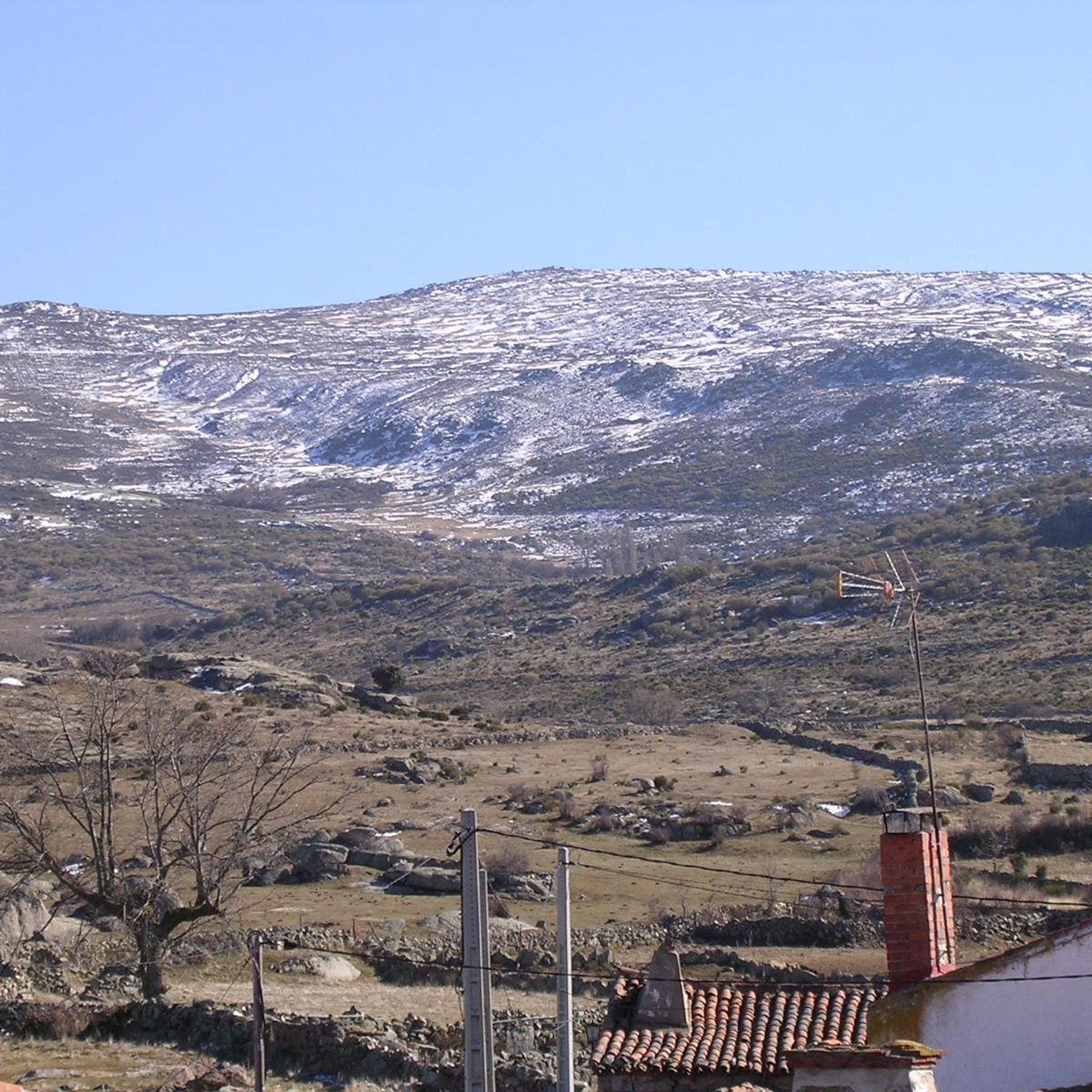
Small town that is located in what is called the Valle de Amblés and that is a few kilometers from its capital, Ávila. From the core, you can begin to see the first forms of the Sierra de Paramera and Gredos.
0
0
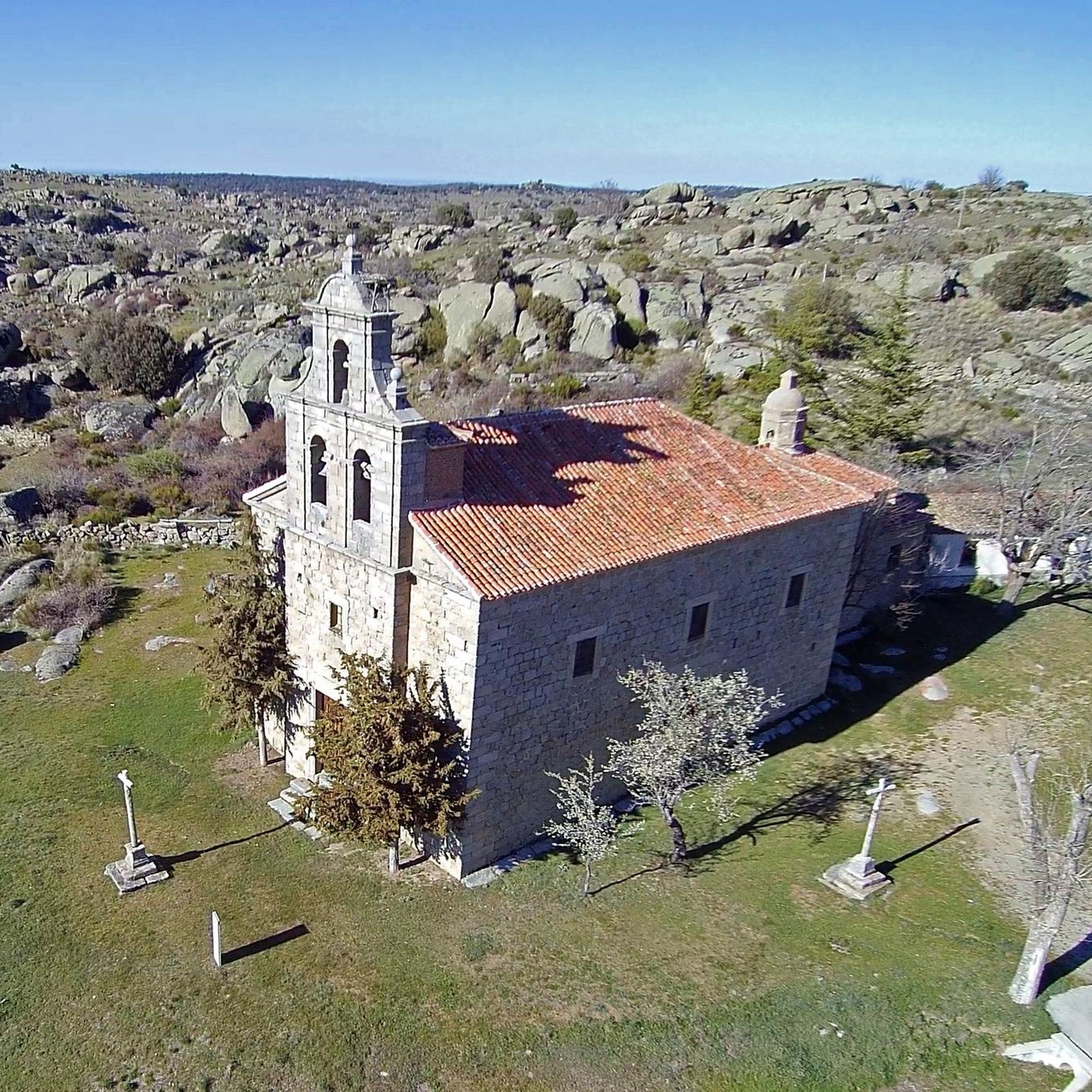
Possibly built from the chapel of the deserted area of San Juan de Robledo and which is located right next to the road. Beautiful building!
0
1
Small town located between Ávila and Salamanca, and located on a vast plain far from the south of the province which is much more mountainous.
0
1
Frequently Asked Questions
What are some notable historical and cultural sites in Gallegos de Altamiros?
The region is rich in history and culture. You can visit the Hermitage of Our Lady of Rihondo, a significant religious building located by the road, which hosts a pilgrimage in September. The Iglesia de Nuestra Señora de la Asunción in Gallegos is another important site, celebrating patronal festivities around August 15th. Additionally, the 19th-century Venta del Hambre stands at the intersection of historical transhumance routes, offering a glimpse into the area's pastoral heritage.
What natural features define the landscape around Gallegos de Altamiros?
The landscape is characterized by its rugged granite formations, known as "berrocales." These extensive rock formations, including "piedras caballeras" (balancing rocks), are a result of millennia of erosion. The area also features small enclaves of gorse, holm oaks, and pine trees, contributing to a unique and dramatic natural environment.
What is the highest point in the Sierra de Ávila that offers panoramic views?
The highest point is Cerro de Gorría. From its geodesic vertex, you can enjoy impressive panoramic views of the Sierra de la Paramera, La Serrota, the Amblés Valley to the south, and the plains of La Moraña to the north. It is easily accessible from several nearby towns.
Can you tell me more about the historical significance of Aveinte?
Aveinte holds historical roots and a fascinating legend dating back to the Middle Ages. According to local lore, a celestial blessing ensures abundant harvests every twenty years, a tradition that has been passed down through generations. The village's church, Santo Tomás Apóstol, is also a significant local landmark.
What unique architectural features can be observed in the villages of Gallegos and Altamiros?
The villages of Gallegos and Altamiros showcase well-preserved examples of traditional architecture. Houses are typically constructed from granite, and some notable homes feature chimneys adorned with unique symbols, such as a humanized radiant sun, often in red with the inscription "El Sol" in black, framed in blue. These symbols reflect traditional protective beliefs.
What outdoor activities are available near Gallegos de Altamiros?
The region is ideal for various outdoor activities. You can explore numerous routes and trails that wind through the unique granite landscape, gorse, holm oaks, and pine trees. For specific cycling adventures, check out the Cycling around Gallegos De Altamiros guide. Mountain biking enthusiasts can find trails in the MTB Trails around Gallegos De Altamiros guide, and road cyclists can find routes in the Road Cycling Routes around Gallegos De Altamiros guide.
Are there any cycling routes suitable for different skill levels?
Yes, the area offers cycling routes for various skill levels. For example, the Cycling around Gallegos De Altamiros guide includes an easy 'Bike loop from San Pedro del Arroyo' (17 km) and more challenging options like the 'Ávila City Walls – Avila Cathedral loop from Estación de Ávila' (65 km).
Where can I find mountain biking trails in the area?
You can find several mountain biking trails in the region. The MTB Trails around Gallegos De Altamiros guide features routes such as the 'Iglesia de Horcajuelo loop from San Pedro del Arroyo' (41 km, moderate) and the 'Sigeres – Hermitage of San Miguel del Otero loop from San Pedro del Arroyo' (46 km, moderate).
When is the best time to visit Gallegos de Altamiros for outdoor activities?
The region is generally pleasant for outdoor activities, but a notable event is the pilgrimage in honor of the Virgen de Riohondo, which takes place on the third Sunday of September. This marks an end to summer and could be a culturally rich time to visit, combining outdoor exploration with local traditions.
Are there family-friendly attractions or activities in the area?
While specific children's activities are not detailed, the settlements of Aveinte and Sigeres are noted as family-friendly. Exploring the traditional architecture, granite landscapes, and gentle walking routes can be enjoyable for families. The public library, Biblioteca Pública Maestro Anastasio González, also contributes to the local cultural landscape.
What are the Cañadas Reales and their significance in the region?
The Cañadas Reales are historical livestock trails used for transhumance, the seasonal migration of livestock. The municipality of Gallegos de Altamiros lies at the intersection of the Cañada Soriana Occidental and the Cañada Leonesa Occidental, highlighting the area's rich pastoral heritage and offering routes for exploration.
What can I see from Muñogalindo?
Muñogalindo is a small town located in the Valle de Amblés. From this settlement, you can begin to see the first forms of the Sierra de Paramera and the majestic Gredos mountain range, offering picturesque views of the surrounding landscape.
Most popular routes around Gallegos De Altamiros

Get inspired with the komoot mobile app


Explore more
Still not found the Highlight you’re looking for? See guides of the top attractions in other regions:
