The best MTB trails around Caudete
4.2
(12)
345
riders
48
rides
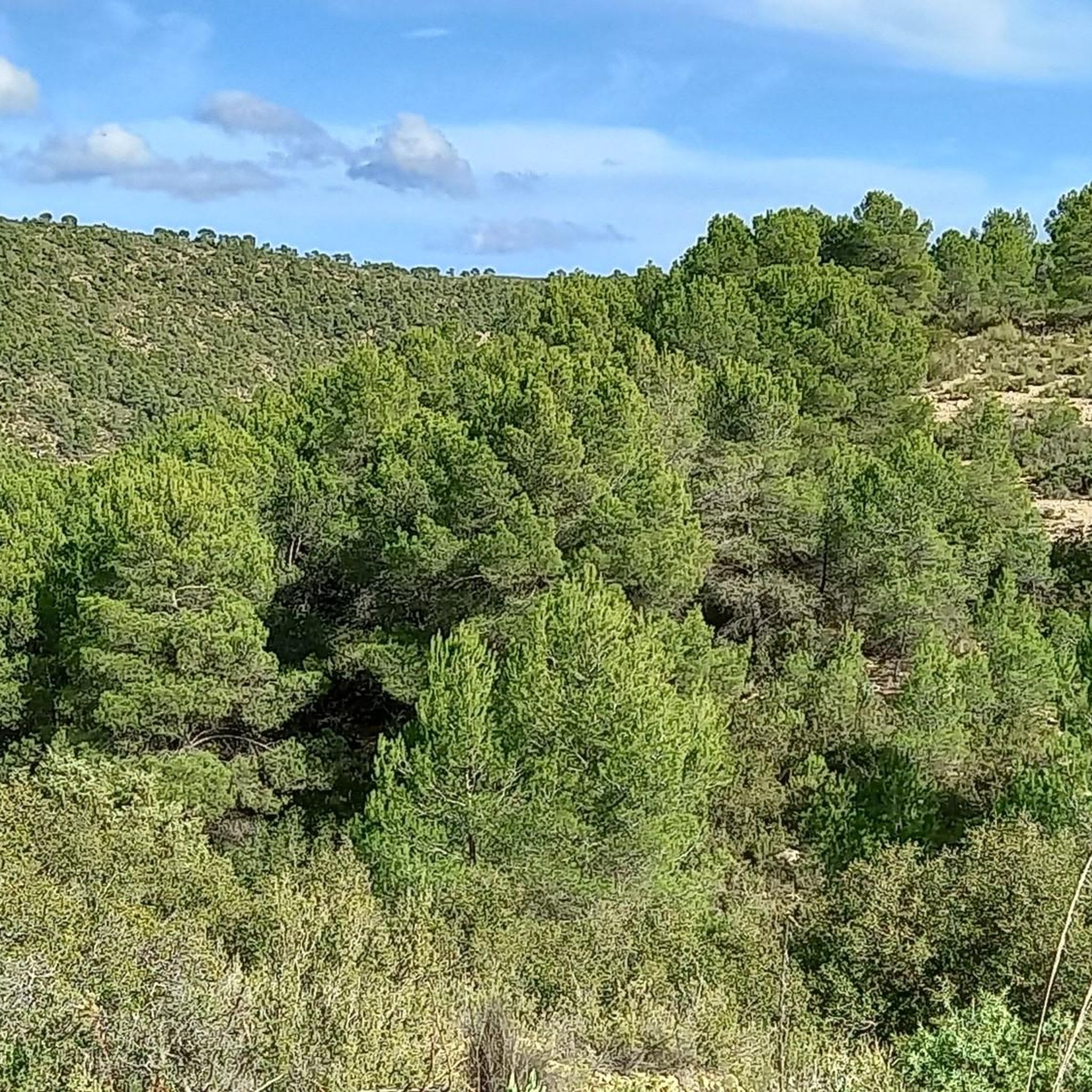
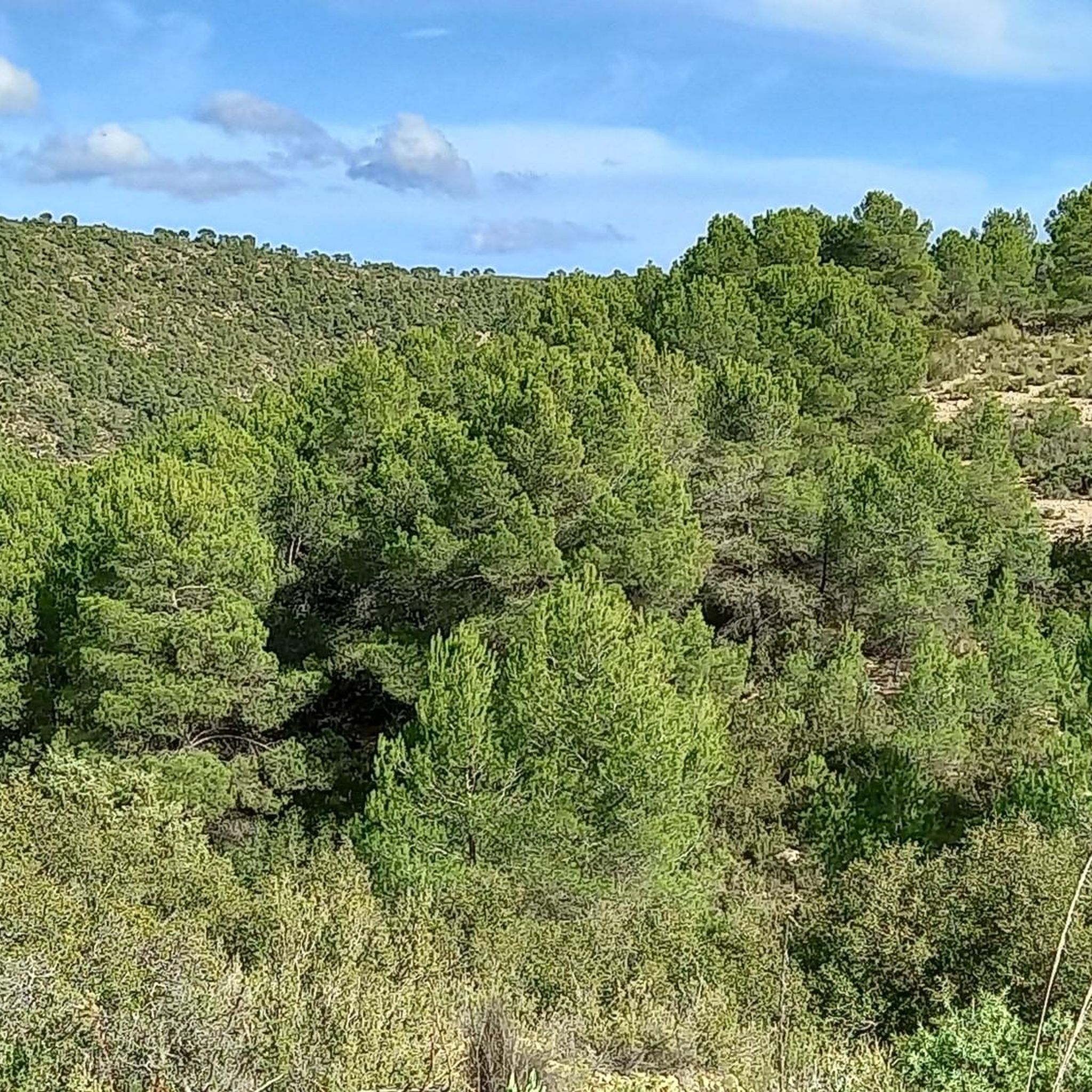
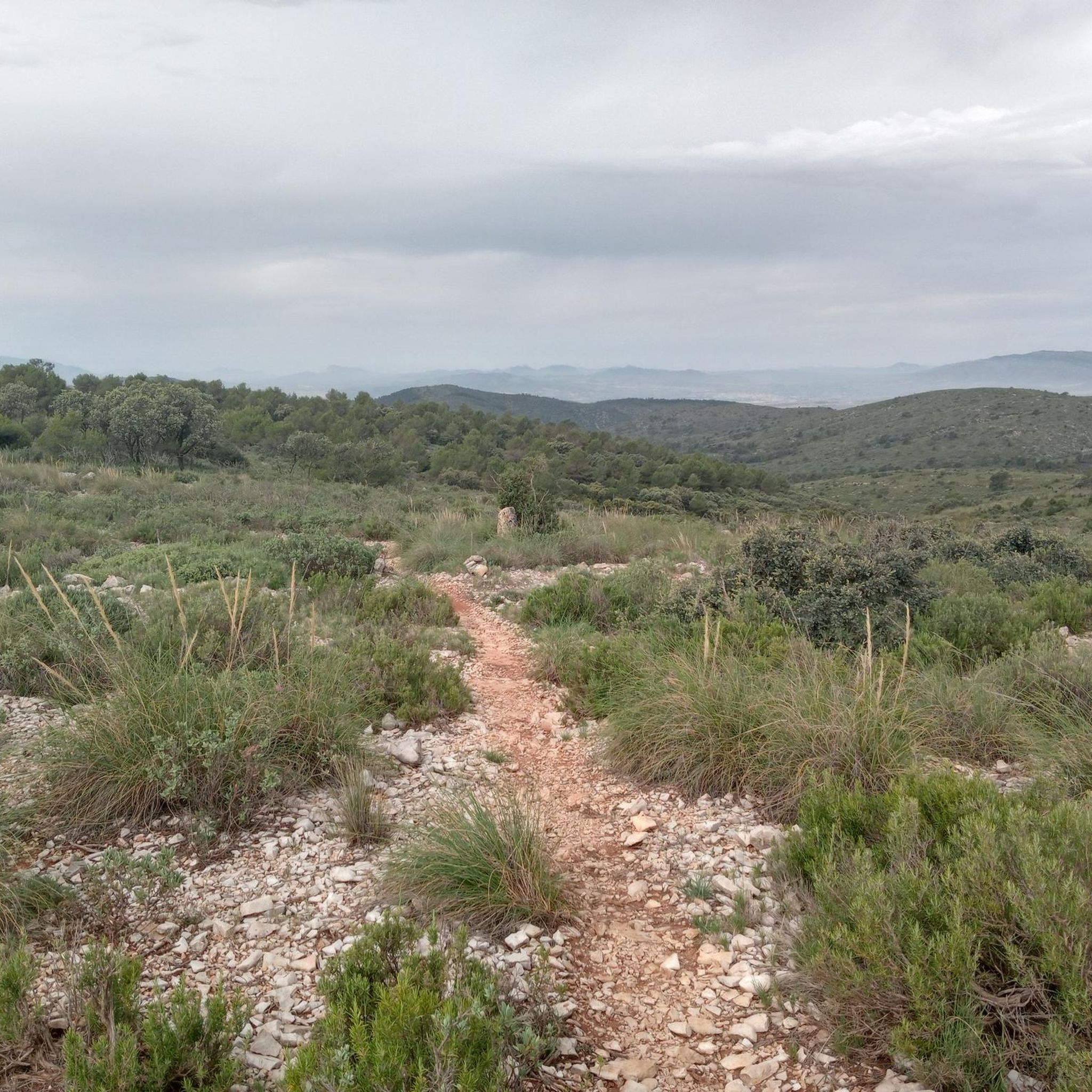
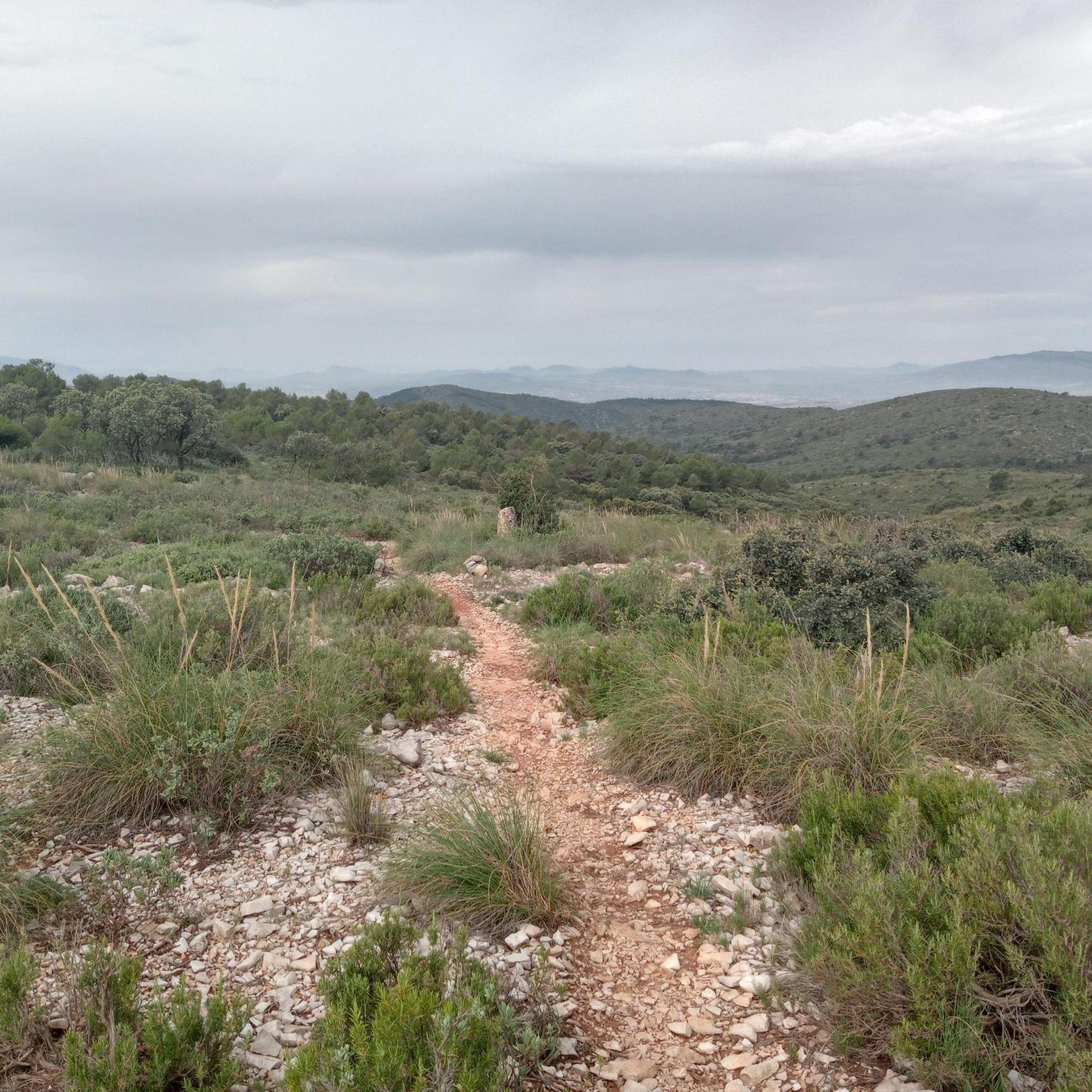
Mountain biking around Caudete offers diverse landscapes, from the prominent Sierra de la Oliva to the areas of Sierra La Lacera and La Toconera. The region features a variety of terrain, including singletracks and wider paths, with significant elevation changes. These natural features provide a range of challenges for mountain bikers, from gentle climbs to more demanding ascents.
Best mountain bike trails around Caudete
- The most popular mountain bike trail is La Toconera Artificial Lake loop from Caudete, a…
Last updated: August 18, 2026
38
riders
40.2km
03:33
590m
590m
Moderate mountain bike ride. Good fitness required. Suitable for all skill levels.
19
riders
42.6km
03:21
550m
550m
Moderate mountain bike ride. Good fitness required. Suitable for all skill levels.

Sign up for free
21
riders
20.7km
01:47
290m
290m
Easy mountain bike ride. Great for any fitness level. Suitable for all skill levels.
5.0
(3)
12
riders
58.0km
03:49
540m
540m
Moderate mountain bike ride. Good fitness required. Suitable for all skill levels.
5.0
(3)
9
riders
57.5km
03:42
310m
310m
Moderate mountain bike ride. Good fitness required. Suitable for all skill levels.
Get access to more routes and recommendations from other explorers.
Sign up for free
Already have an account?
Our route recommendations are based on thousands of hikes, rides, and runs completed by other people on komoot.
Start today with a free account
Your next adventure awaits.
Login or Signup

Tips from the Community

The Church (Hermitage) of Santa Eulalia, located in the Santa Eulalia Colony, between Sax and Villena (Alicante, Alto Vinalopó). It forms part of an agricultural colony built in the late 19th century, declared a Site of Cultural Interest (ethnological) in 2016. It is situated in an area between Sax and Villena, near the Acequia del Rey irrigation canal and the Vinalopó River. The hermitage is located in one of the colony's two main squares, surrounded by houses, factories (flour and alcohol), a theater, a casino, and a train station. The current hermitage was built in 1891, on the site of an earlier medieval one, commissioned by the Count of Alcudia (Antonio de Padúa Saavedra). It is a simple rectangular building with a double-arched bell gable built around 1900; each arch housed bells on its lower level.
2
0

As a curiosity, it should be said that this is where the Valencian public television series "L'Alqueria Blanca" was recorded. https://www.elmundo.es/comunidad-valenciana/alicante/2019/02/25/5c70046a21efa0b72a8b4613.html
3
0

Recreational area in Sax, a very fun area for MTB.
0
0

The Colonia de Santa Eulalia is an extraordinary historic settlement between Sax and Villena in the province of Alicante. Founded at the end of the 19th century by the noblemen Antonio de Padua Saavedra y Rodríguez de la Guerra and Mariano de Bertodano Roncalli, it is considered one of the first experiments in an agricultural-industrial community in Spain. The colonia was conceived as a self-sufficient village that combined work, living, and leisure. In addition to agricultural land for vineyards, olives, and almonds, factories, workshops, a palace, a theater, a casino, a church, and even its own train station were built. Architecturally, the complex combines influences from the industrial and modernist styles and follows a clear, planned urban layout with two central squares and a main road connecting the entire complex. However, over the course of the 20th century, the colonia lost its economic importance, many buildings fell into disrepair, and today the site is partially abandoned. Despite its deterioration, the Colonia de Santa Eulalia was recognized as a Cultural Property of Special Interest (Bien de Interés Cultural) in 2016 and is thus protected. It is considered a fascinating example of an idealistic vision of social and economic community in 19th-century Spain. An unreal place, time seems to have stood still a century ago. Half-ruined, yet very impressive buildings. Much to discover, arouses curiosity. In addition to the workers' houses, a large flour and alcohol factory were built, as well as a theater, a manager's house, a casino, an inn, a train station, various wineries, warehouses, and oil mills. The buildings were organized around two squares, with the main square centered around the hermitage of Santa Eulalia. Some buildings and their purposes can still be recognized.
7
0
Imposing hilltop castle from the 12th century on a steep cliff. The oldest part of the castle is the eastern tower, built on the steep slope of the cliff, made of tapia masonry. It dates from the Almohad period, i.e. the end of the 12th to the beginning of the 13th century. The second tower of the complex probably dates from the first decades of the 14th century. Originally a Moorish foundation, after the Reconquista the castle was located in the border area between the Kingdom of Murcia, claimed by Castile, and the Kingdom of Valencia, conquered by Aragon. A chain of castles was built in this area, mainly along the Vinalopó river. Around 1240 the castle was taken from the Muslims under Aragonese leadership and with the help of the Templars and the Order of St. John. Under the name "El Cid", Spain's knight Rodrigo Diaz de Vivar became the symbol of the Reconquista. The Castilian nobleman fought against Moorish rulers and Christian competitors in the 11th century. He never lost a single battle, the Moors respectfully called him Alsayyed (Lord of the Leaders), which later became “EL Cid”. The Spaniards, however, always spoke of “El Compeador”. CidCT: Camino del Cid Ciclotourista - Route of the castles in the historically contested border region between the Moors and the kingdoms of Castile, Valencia and Aragon.
4
0
The oldest part of the castle is the eastern tower, built of tapia masonry on the steep slope of the cliff. It dates from the Almohad period, i.e., the late 12th to early 13th century. The second tower of the complex probably dates from the first decades of the 14th century. Originally a Moorish foundation, after the Reconquista the castle was located in the border area between the Kingdom of Murcia, claimed by Castile, and the Kingdom of Valencia, conquered by Aragon. A chain of castles was built in this area, mainly along the Vinalopó River. Around 1240, the castle was wrested from the Muslims under Aragonese leadership and with the help of the Templars and the Order of St. John. Located on the CidCT route: Camino del Cid Cyclotourista - Route of Castles in the Historically Contested Border Region between the Moors and the Kingdoms of Castile, Valencia, and Aragon. Camino del Cid - Under the name "El Cid," Spain's knight Rodrigo Diaz de Vivar became a symbol of the Reconquista. The Castilian nobleman fought against Moorish rulers and Christian rivals in the 11th century. He never lost a single battle; the Moors respectfully called him Alsayyed (Lord of the Leaders), which later became "El Cid." The Spanish, however, always referred to him as "El Compeador" (The Warrior).
5
0

The sanctuary was built in the 18th century in honor of the Virgen de Gracia, patron saint of the town of Caudete. It is an important place of pilgrimage, especially in the month of August, when the festival of the Virgen de Gracia is celebrated. During this celebration, the image of the Virgin is taken in procession through the streets of Caudete.
2
0
Frequently Asked Questions
How many mountain bike trails are there in Caudete?
There are over 35 mountain bike trails around Caudete. These routes offer a diverse range of experiences, catering to various skill levels and preferences.
What are the typical difficulty levels for mountain biking in Caudete?
Caudete offers a good mix of difficulty levels. You'll find 3 easy routes, 29 moderate routes, and 4 difficult routes, ensuring there's something for every mountain biker, from beginners to experienced riders seeking a challenge.
Are there any circular mountain bike routes in Caudete?
Yes, many of the mountain bike trails in Caudete are circular. For example, the La Toconera Artificial Lake loop from Caudete is a popular moderate route that takes you around the artificial lake. Another option is the El Muro Viewpoint loop from Caudete, offering scenic views.
What kind of terrain can I expect on mountain bike trails around Caudete?
The terrain around Caudete is quite varied, ranging from singletracks to wider paths. You'll encounter significant elevation changes, particularly in areas like the Sierra de la Oliva, Sierra La Lacera, and La Toconera. Some routes are known to be quite challenging, offering a 'leg-breaking' experience for seasoned riders.
What natural features or landmarks can I see while mountain biking in Caudete?
Mountain biking in Caudete offers views of several notable natural features and landmarks. The Sierra de la Oliva provides stunning panoramic views, and you might encounter historic snow wells. The Castillo de Caudete is a prominent historical landmark visible on routes like the Castillo de Caudete – El Muro Viewpoint loop from Caudete. You can also explore the area around the artificial lake, as seen on the Castillo de Caudete – La Toconera Artificial Lake loop from Caudete.
What do other mountain bikers say about the trails in Caudete?
The mountain bike routes in Caudete are highly rated by the komoot community, with an average score of 4.6 stars from over 10 reviews. Many users praise the varied terrain and the well-maintained paths that cater to different skill levels.
Are there any family-friendly mountain bike trails in Caudete?
Yes, Caudete offers some easier routes suitable for families. The La Toconera Artificial Lake – Castillo de Caudete loop from Caudete is an easy 12.8-mile trail that can be completed in under two hours, making it a good option for a family outing.
When is the best time of year for mountain biking in Caudete?
Caudete is an excellent destination for outdoor activities, including mountain biking, throughout much of the year. The diverse landscapes and established trail networks can be enjoyed in various seasons, though spring and autumn often offer the most pleasant temperatures for riding.
Are there any specific viewpoints accessible by mountain bike in Caudete?
Yes, the Sierra de la Oliva (also known as Sierra Santa Bárbara) is a central attraction offering stunning panoramic views of Caudete and the Vinalopó Valley. The summit, home to the historic Hermitage of Santa Bárbara, serves as a prominent natural viewpoint. Routes like the Castillo de Caudete – El Muro Viewpoint loop from Caudete specifically highlight a prominent viewpoint.
What other activities can I combine with mountain biking in Caudete?
Caudete is a multi-activity destination. Besides mountain biking, the region is popular for hiking and paragliding. This means you can enjoy a diverse range of outdoor experiences during your visit.
Are there challenging routes for advanced mountain bikers in Caudete?
Absolutely. While there are easy and moderate options, Caudete also features routes described as 'rompepiernas' (leg-breaking), indicating a challenging experience for seasoned riders. The significant elevation changes and varied terrain, particularly in areas like Sierra La Lacera and La Toconera, provide ample challenge for advanced mountain bikers.
Most popular attractions around Caudete

Get inspired with the komoot mobile app


Explore more
Browse the best MTB trails in other regions.
