Attractions and Places To See around Caltojar - Top 20
Best attractions and places to see around Caltojar, a municipality in the province of Soria, Spain, offers a blend of historical, cultural, and natural sites. Situated in the Tierras de Berlanga region, the area is known for its significant heritage and picturesque landscapes. The municipality is traversed by the Escalote River and is part of the European Union's Natura 2000 network, including the "Altos de Barahona" for ornithological interest. The region provides numerous routes for outdoor enthusiasts, including historical trails.
…Last updated: July 15, 2026
Plaza Mayor of Berlanga de Duero
Highlight • Settlement
Translated by Google •
Tip by

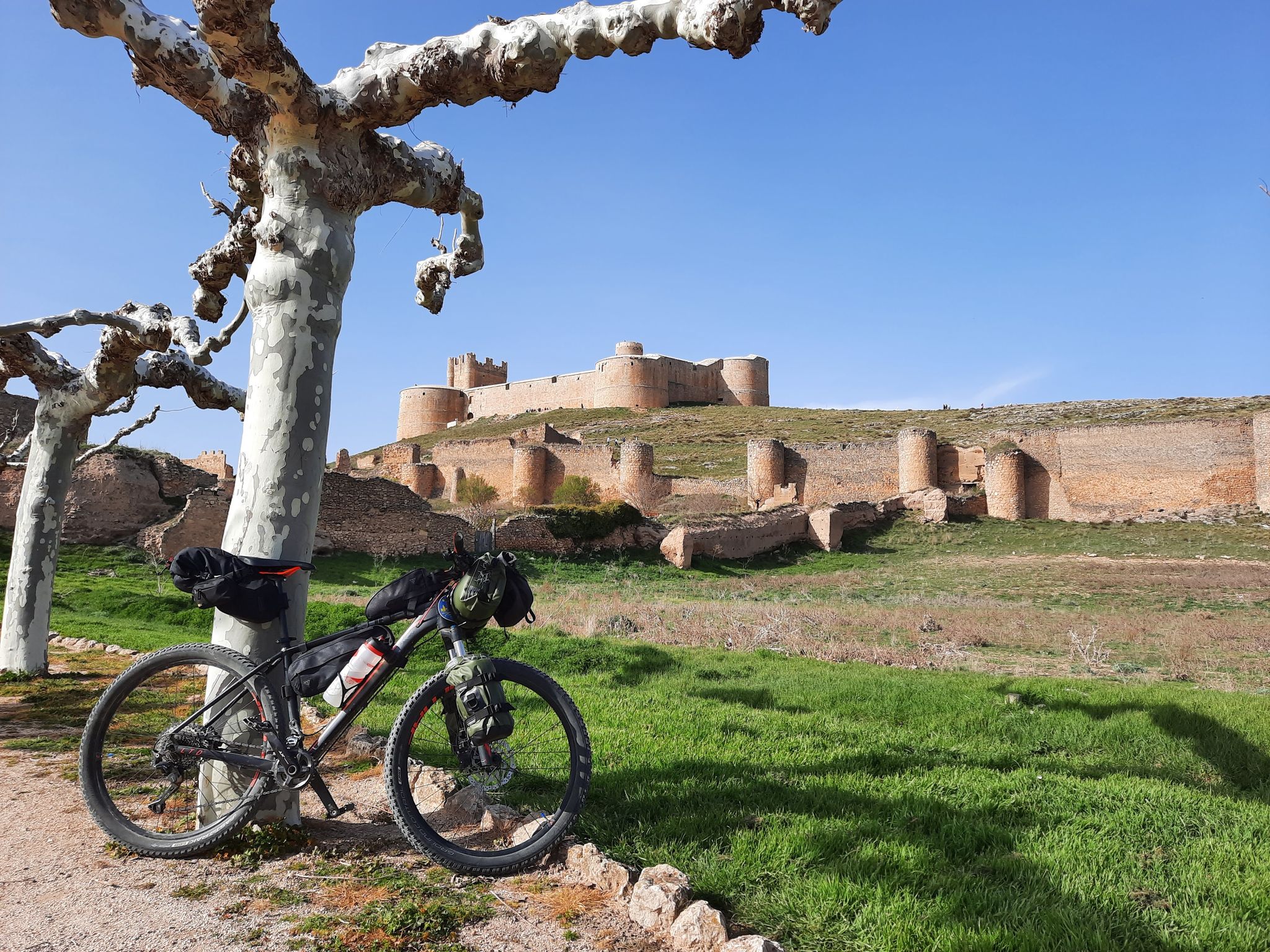
Berlanga Castle
Highlight • Castle
Translated by Google •
Tip by

Sign up now to discover places like this
Get recommendations on the best single tracks, peaks, & plenty of other exciting outdoor places.
Sign up for free
Collegiate Church of St. Mary of the Market
Highlight • Religious Site
We stopped for breakfast in the square right in front, and …
Translated by Google •
Tip by

Church of San Martín, Aguilera
Highlight • Religious Site
Translated by Google •
Tip by

Rello Walled Village
Highlight • Historical Site
Translated by Google •
Tip by

Sign up for free to discover even more attractions around Caltojar.
Sign up for free
Already have an account?
Start today with a free account
Your next adventure awaits.
Login or Signup

Other adventures around Caltojar

Tips from the Community

This impressive castle has a rich history dating back to the 15th and 16th centuries. Initially, in the 10th and 11th centuries, there was a Muslim fortress on the site. After the Castilian conquest in the 12th century, it was expanded with a walled outer ring. Between 1460 and 1480, Luis Tovar and María de Guzmán ordered the construction of the stately castle. In 1512, the design and construction of an artillery fort for military purposes began. The castle features a blend of medieval and Renaissance elements, including a keep and a palace within the walls.
7
0

The Plaza Mayor in Berlanga de Duero is a great example of popular Castilian architecture. The houses that flank it have wooden pillars resting on reddish stones characteristic of Soria.
1
0
The castle of Berlanga de Duero helps you to get an idea of the battles that were fought over these lands in the Middle Ages. Its wall and its four towers are very well preserved.
0
0

A castle worthy of a movie that seems like you are in another era. The walls surround the castle and some towers protected what was the core of it!!
0
0

The church of San Martín, in Aguilera, is a Romanesque church from the middle of the 12th century. The large dimensions of the church stand out, as well as its beautiful porticoed gallery in ashlar masonry.
1
0

One of the most unknown jewels of Soria
0
0

Beautiful Gothic collegiate. It is worth the guided tour to enjoy all its treasures. We have a fountain in the square of the same church
2
0
CASTILLO Al acercarnos a Berlanga de Duero lo primero que visualizamos es su imponente castillo, situado en lo alto de un cerro rodeado por unas impresionantes murallas. Se trata de un complejo edificio formado por dos recintos fortificados de diferentes etapas históricas y constructivas, uno de época medieval y el otro de época renacentista. El origen del castillo medieval de Berlanga no está claro, pero las últimas excavaciones arqueológicas nos permiten situarlo en torno a los siglos X-XI como una fortaleza islámica de la que apenas quedan restos visibles y que jugó un importante papel en la frontera con los reinos cristianos. En 1059 Fernando I de Castilla, en una rápida campaña militar en el Alto Duero, consiguió tomar Berlanga, lo que propició que se llevaran a cabo las primeras obras para la reparación y reforma del castillo. En 1370 Berlanga, que hasta el momento había sido una villa de realengo, pasó a manos de la familia Tovar. Juan Fernández de Tovar, primer señor de Berlanga de este linaje y Almirante de Castilla fue quien llevó a cabo nuevas modificaciones en el castillo, aunque no se sabe con exactitud qué partes fueron intervenidas. Avanzado el siglo XV Luis de Tovar, junto con su esposa Isabel de Guzmán, promovieron las últimas grandes reformas en el castillo medieval. Principalmente afectaron a la zona palaciega y a la torre del homenaje, en la que colocaron ocho escudos de armas correspondientes a los linajes de sus ancestros. Tras la muerte de Luis de Tovar, su única hija María de Tovar heredó todo el mayorazgo de los Tovar. Con ella tuvieron lugar los grandes cambios que transformaron toda la villa de Berlanga, incluido el castillo al que dio la apariencia que hoy en día tiene. En 1521-1522 María de Tovar e Íñigo Fernández de Velasco iniciaron la construcción de una nueva fortaleza alrededor del antiguo castillo medieval -que tenían planeado demoler-, que fuera capaz de resistir el envite de la artillería de fuego. Para ello contaron con los ingenieros y maestros de obras más experimentados del reino de Castilla, como el maestro de obras Lope de Isturizaga. El nuevo Marqués de Berlanga, Juan de Tovar, decidió paralizar las obras de la nueva fortaleza artillera que sus padres habían comenzado años antes conservándose el antiguo castillo medieval, rodeado ahora por la nueva fortaleza artillera inconclusa. Durante todo el siglo XVI y XVII la fortaleza fue perdiendo sus funciones militares y asumiendo otras como las de prisión, archivo o arsenal. Desde finales del siglo XVII comenzó su declive por los continuos saqueos sufridos por las gentes de la villa y por el desmantelamiento de sus estructuras llevado a cabo por los propios Marqueses de Berlanga. Este declive fue agravado tras el incendio que se produjo en el castillo el 20 de abril de 1660, hasta el punto que a finales del siglo XVIII el edificio solo conservaba sus muros. A comienzos del siglo XXI el Ayuntamiento de Berlanga de Duero adquirió todo el conjunto monumental del castillo, murallas, palacio y jardines, iniciándose así la consolidación, restauración y puesta en valor de este magnífico monumento. La entrada al interior del cerro y el castillo se realiza a través de la torre del palacio, donde se encuentra la oficina de turismo.
0
0
Frequently Asked Questions
What historical sites can I explore around Caltojar?
The region is rich in history. You can visit the impressive Berlanga Castle, which dates back to the 15th and 16th centuries with earlier Muslim fortifications. Another significant historical site is the Rello Walled Village, a medieval town situated on an imposing cliff with well-preserved walls. Additionally, the late Romanesque Church of San Miguel Arcángel in Caltojar, with its 13th-century structure and Mudejar pulpit, is a Property of Cultural Interest.
Are there any unique cultural attractions in Caltojar?
Yes, Caltojar offers a unique artistic touch with over 50 reproductions of Pablo Picasso's works, such as "Les Demoiselles d'Avignon," displayed on various building facades throughout the town. This collection serves as a tribute to the painter.
What natural features can I discover near Caltojar?
Caltojar is traversed by the Escalote River, and the Bordecorex or Torete River also flows into it within the area. The region's natural richness is recognized within the European Union's Natura 2000 network, specifically the "Altos de Barahona," which is a significant spot for ornithological interest and a Special Protection Area for Birds.
What kind of outdoor activities are available around Caltojar?
The area around Caltojar is excellent for outdoor enthusiasts. You can find numerous routes for road cycling, touring bicycle, and mountain biking. For example, you can explore routes like the 'Watchtowers Route: Baraona Loop' for road cycling, 'El Destierro Route' for touring, or 'Rello Walled Village – Romanillos de Atienza loop' for mountain biking. You can find more details on these activities in the dedicated guides for Road Cycling Routes around Caltojar, Cycling around Caltojar, and MTB Trails around Caltojar.
Are there family-friendly attractions in the Caltojar area?
Yes, the Plaza Mayor of Berlanga de Duero is considered family-friendly. It's a great example of popular Castilian architecture with wooden pillars and offers a pleasant environment for a stroll, with several commercial establishments, bars, and restaurants nearby.
Where can I see examples of traditional Castilian architecture?
The Plaza Mayor of Berlanga de Duero is an excellent place to see traditional Castilian architecture. The houses feature wooden pillars resting on reddish stones, with beams and balconies made of dark wood, giving it a unique beauty.
What religious buildings are notable around Caltojar?
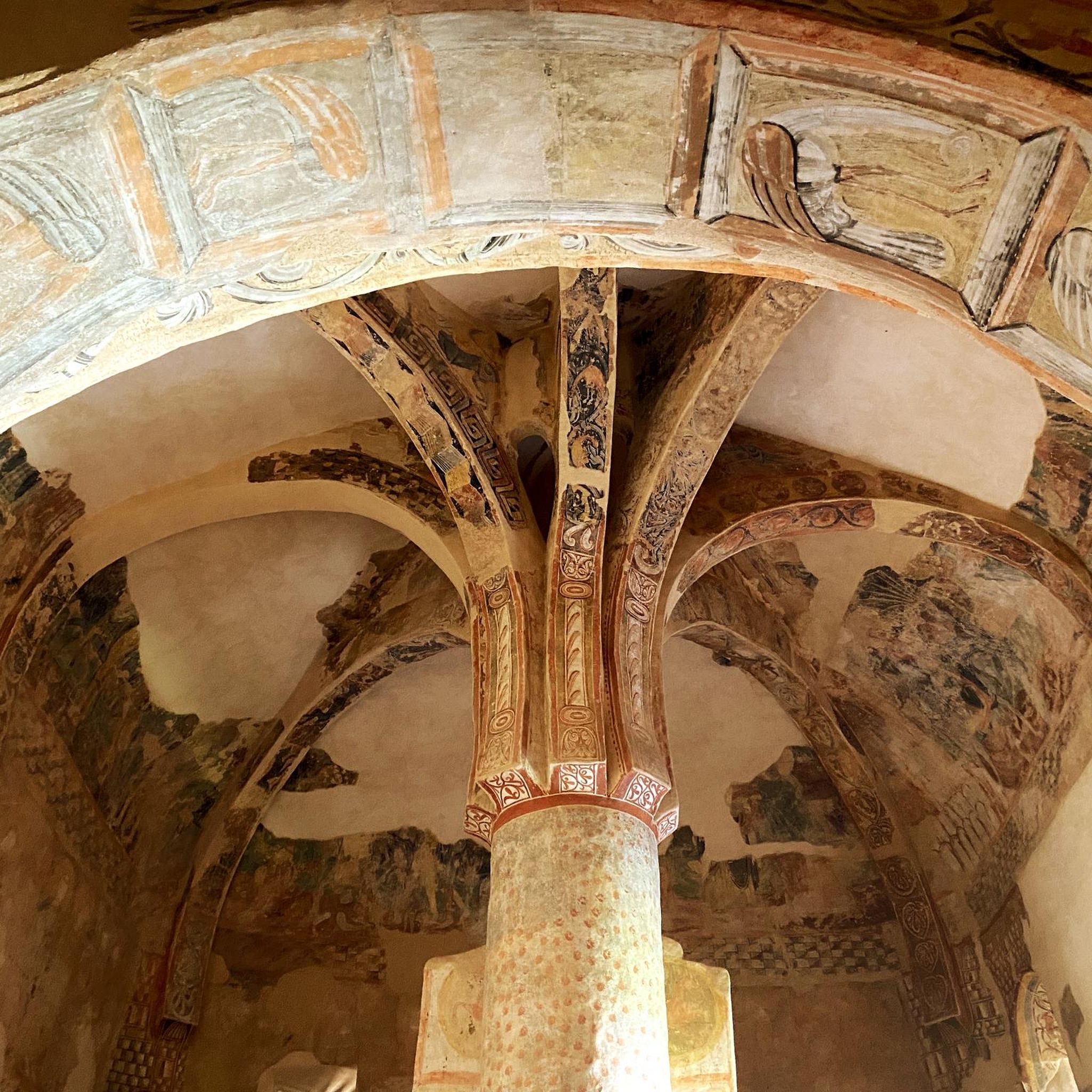
Beyond the Church of San Miguel Arcángel in Caltojar, you can visit the Collegiate Church of St. Mary of the Market, a beautiful Gothic collegiate church in Berlanga de Duero. Another notable site is the Ermita de San Baudelio in Casillas de Berlanga, renowned as the "Sistine Chapel of Mozarabic art" for its 11th-century Mozarabic-style architecture.
Are there any ancient defensive structures to visit?
Yes, Caltojar's history includes a significant Muslim occupation, evidenced by three 10th-century Arab watchtowers (Atalayas): Ojaraca, La Veruela, and La Corona. These served as defensive structures overlooking the Escalote river valley, with La Veruela being particularly well-preserved.
What do visitors enjoy most about the attractions near Caltojar?
Visitors appreciate the rich history and well-preserved architecture. For instance, the Berlanga Castle is praised for helping visitors understand the medieval battles fought in the area, with its well-preserved wall and towers. The Rello Walled Village is often described as an 'incredible walled town' and one of Soria's most unknown jewels.
Can I find hiking trails near Caltojar?
Yes, the region offers several hiking opportunities. Popular trails include the Talegones River Canyon Trail and the Fuentegelmes circular route through the Torete river valley. The area is also part of historical routes such as the Ruta de Almanzor, Ruta del Cid, and Ruta de las Atalayas del Sur. For specific routes, you can check the outdoor activity guides available on komoot.
Are there any viewpoints or scenic spots in the area?
The Rello Walled Village, situated on an imposing cliff, offers scenic views of the surrounding landscape. The Arab watchtowers also provide elevated positions overlooking the Escalote river valley, historically used for defense and now offering panoramic vistas.
Most popular attractions around Caltojar

Get inspired with the komoot mobile app


Explore more
Still not found the Highlight you’re looking for? See guides of the top attractions in other regions:
