Attractions and Places To See around Hontanas - Top 20
Best attractions and places to see around Hontanas, a village in the province of Burgos, Spain, offers a range of historical and natural sites. Situated on the French Way of the Camino de Santiago, the urban center of Hontanas was declared a Site of Cultural Interest in 1999. The region features historical landmarks, religious buildings, and natural springs that define its landscape.
Best attractions and places to see around Hontanas
- The most popular attractions is Ruins of the Monastery of San Antón, a historical site that offers a journey into the past. These 13th-century Gothic ruins, located between Hontanas and Castrojeriz, served as a hospital for pilgrims and feature a distinctive double pointed arch.
- Another must-see spot is View of Hontanas, a viewpoint. The urban center of Hontanas was declared a Site of Cultural Interest in 1999, recognized for its historic-artistic significance and romantic landscape.
- Visitors also love Convent of San Antón, a historical site. This former monastery of the Antonian order, founded in the 12th century, provided care for sick pilgrims and features 14th-century abandoned buildings.
- Hontanas is known for its historical sites, religious buildings, and scenic viewpoints. Visitors can explore medieval ruins, significant churches, and panoramic vistas.
- The attractions around Hontanas are appreciated by the komoot community, with more than 270 upvotes and over 211 photos shared.
Last updated: September 26, 2026
Ruins of the Monastery of San Antón
Highlight • Historical Site
It is a temple dedicated to San Antonio Abad. The ruins of this monastery are located in the depopulated area of San Antón, which was part of the municipality of Castrojeriz, in northern Spain.
Translated by Google •
Tip by

View of Hontanas
Highlight • Viewpoint
Translated by Google •
Tip by
Sign up now to discover places like this
Get recommendations on the best single tracks, peaks, & plenty of other exciting outdoor places.
Convent of San Antón
Highlight • Historical Site
Translated by Google •
Tip by

Collegiate Church of Santa María del Manzano
Highlight • Religious Site
On the main altar, a Rococo altarpiece stands out, whose central motif is the Annunciation by Mengs, chamber painter of Charles III. On the sides are the tombs of the Counts of Castro, Juan de Mendoza, Marquis of la Hinojosa, and Diego Sarmiento, Count of Ribadavia.
Translated by Google •
Tip by
Castrojeriz
Highlight • Settlement
Translated by Google •
Tip by

Sign up for free to discover even more attractions around Hontanas.
Already have an account?
Start today with a free account
Your next adventure awaits.
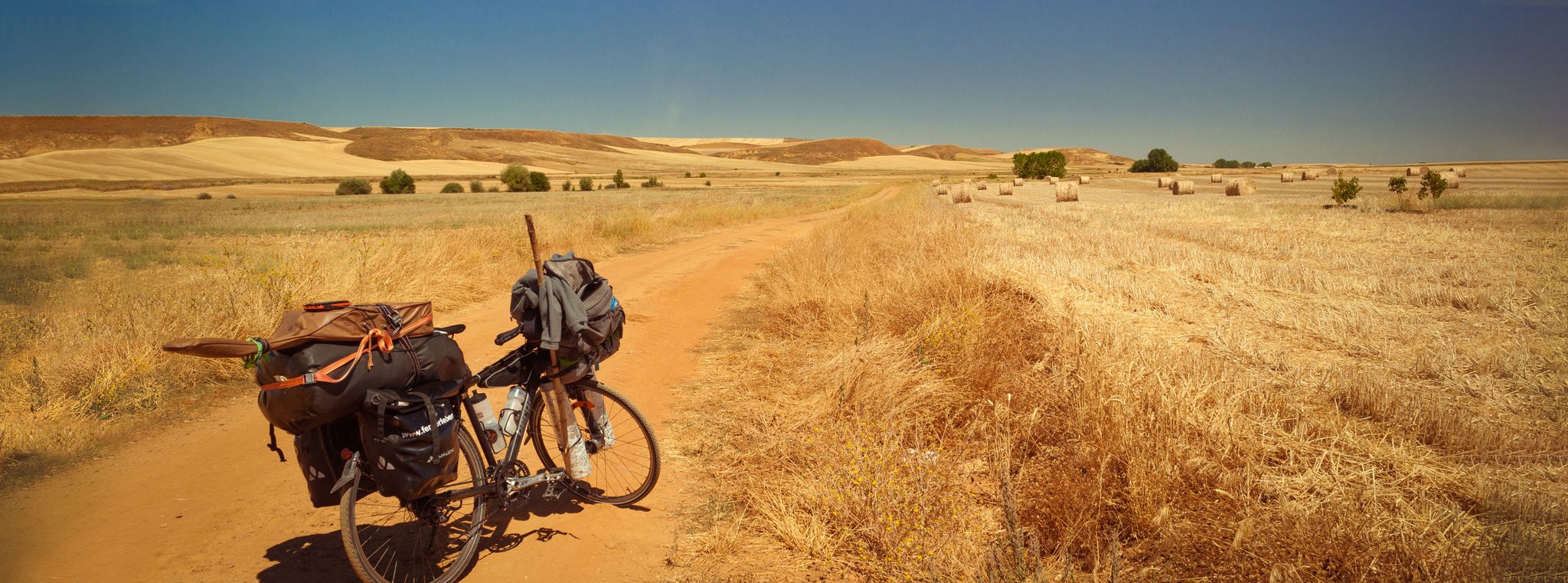
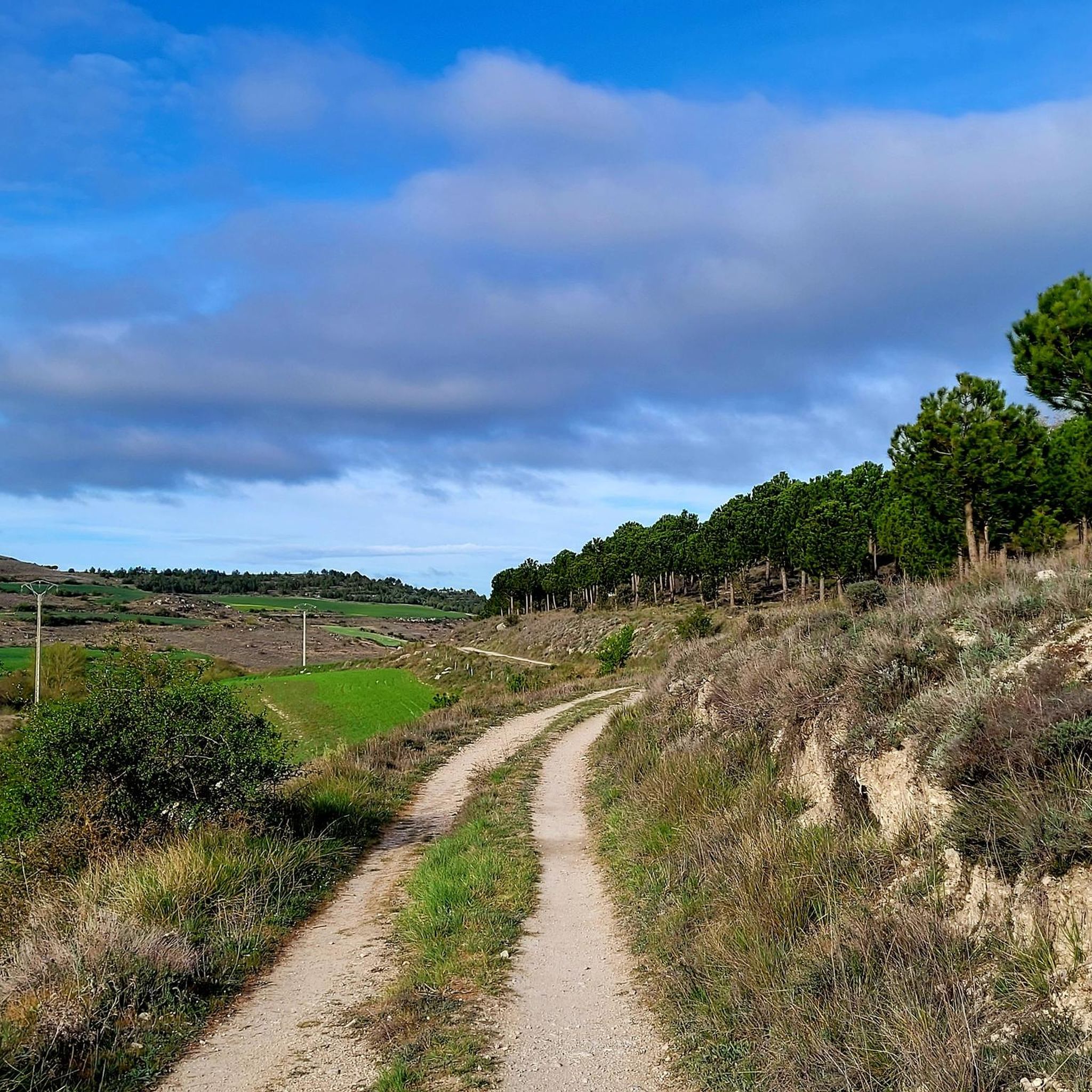
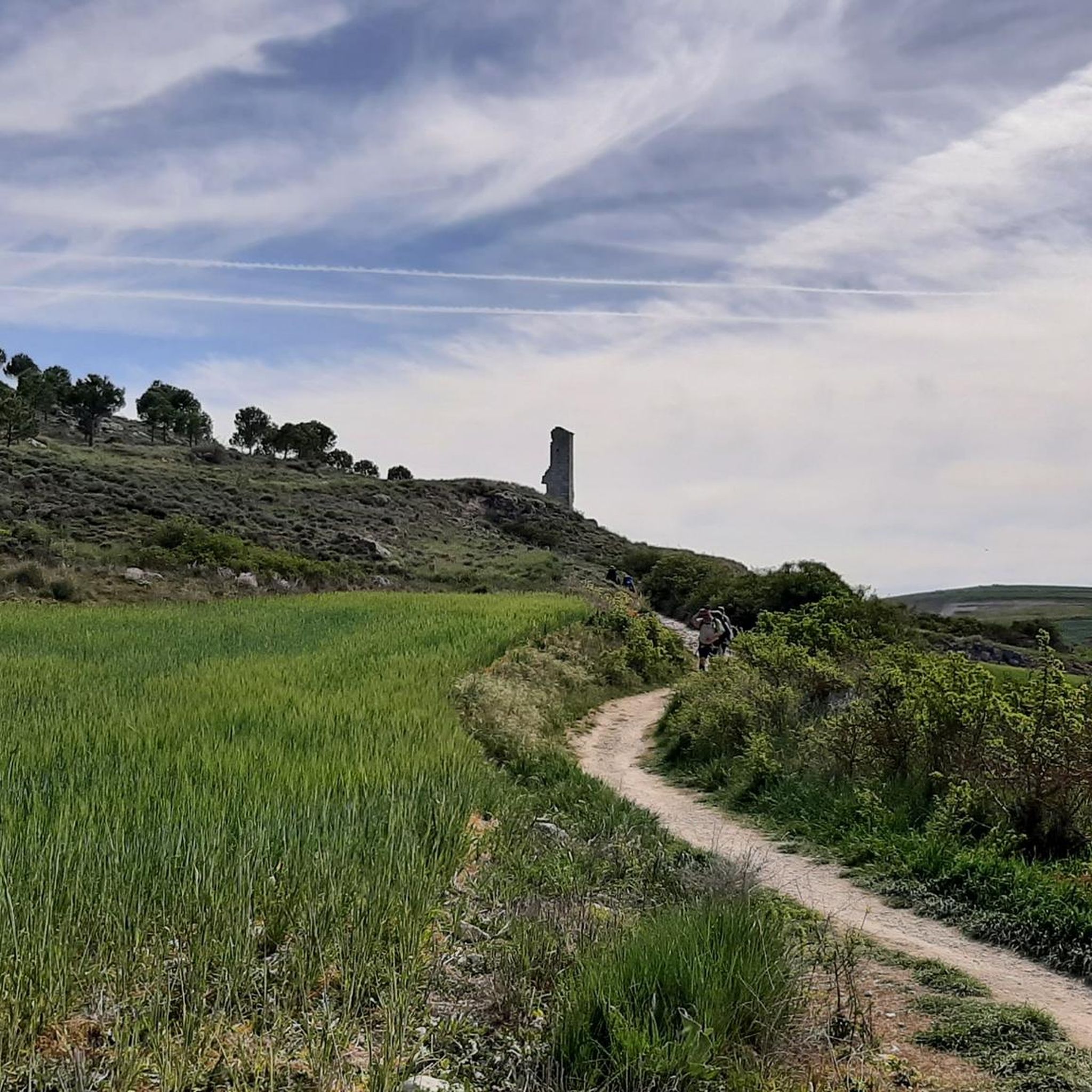
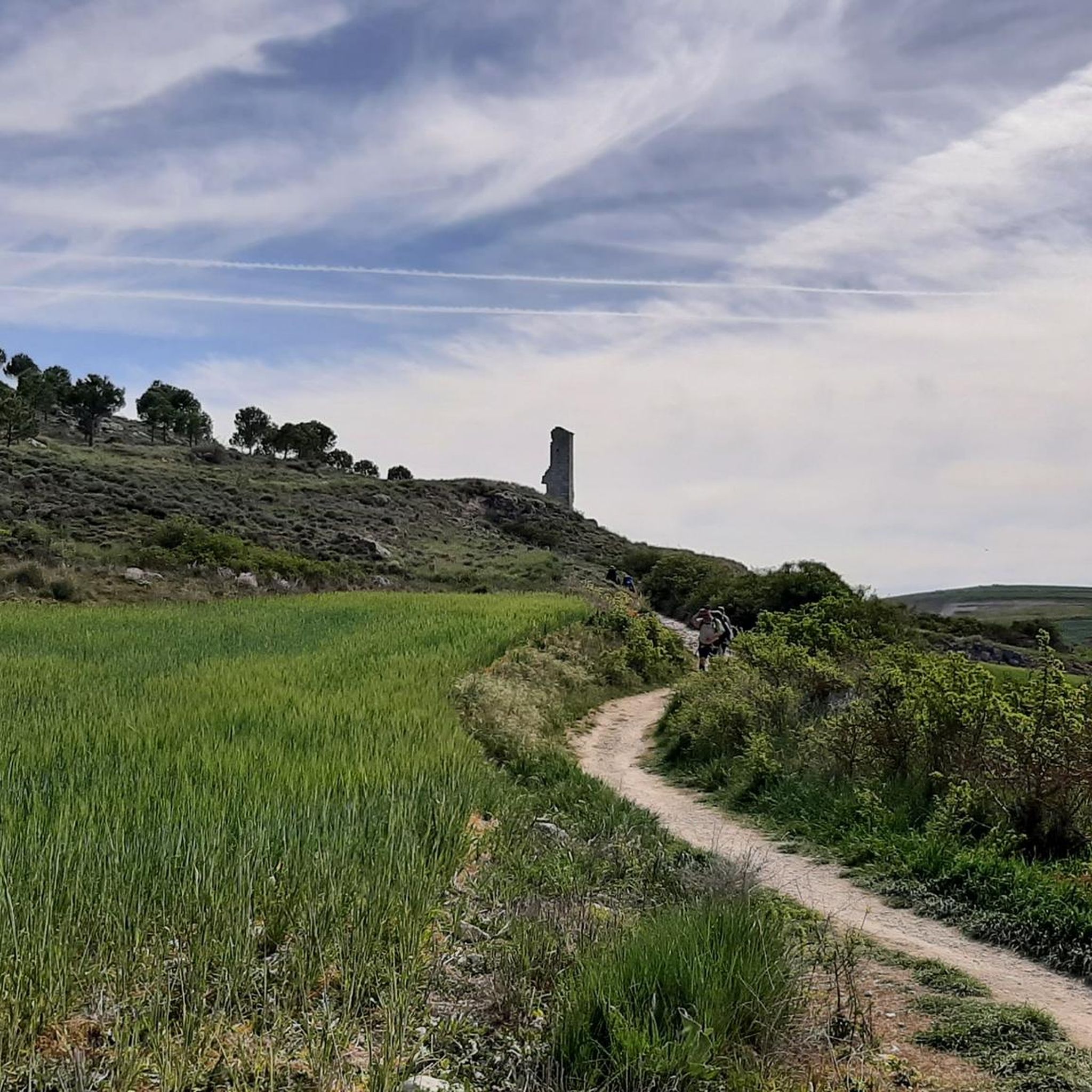
Other adventures around Hontanas

Tips from the Community

Castrojeriz is a historic town located in the province of Burgos, right on the Camino de Santiago. It is known for its impressive heritage, its ancient history, and its key role as a Jacobean site. Castrojeriz Castle: Located atop a hill, it dominates the town and offers spectacular views of the region. Its origins are Roman, although it was expanded by Arabs and Christians. It suffered severe damage in the Lisbon earthquake of 1755, but its ruins can still be visited.
2
0

There is an entrance fee; 5 euros.
6
0
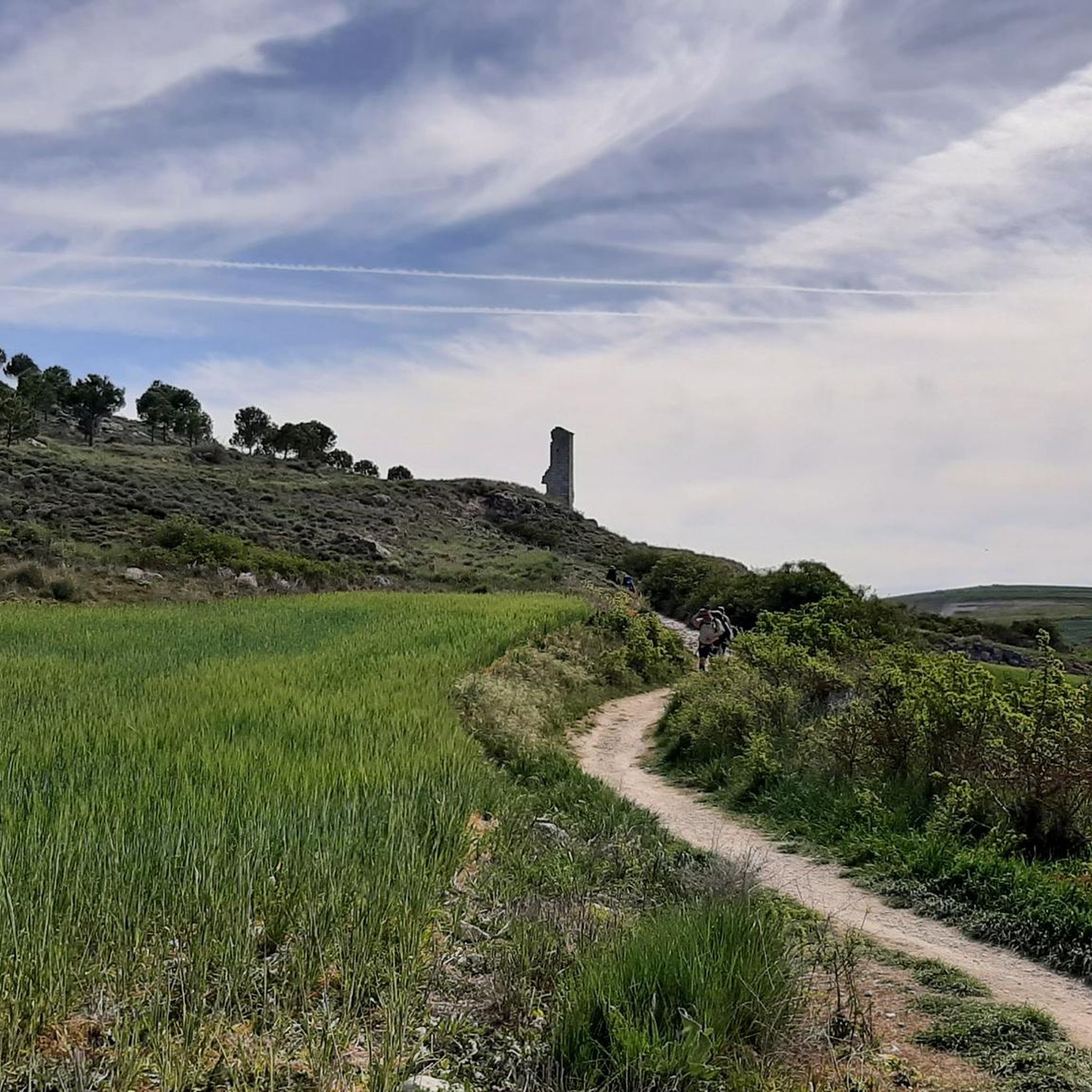
The ruins of the monastery of San Antón offer you a real journey into the past. It is a temple dedicated to Saint Anthony the Abbot. The ruins of this monastery are located in the uninhabited town of San Antón, which was part of the municipality of Castrojeriz, in the north of Spain.
10
0

There are still beautiful remains of this Gothic convent. The remains encourage meditation on the time factor in our lives.
4
0


A lovely ruined monastery you pass shortly before reaching Castrojeriz, where you can choose to spend the night in the very basic pilgrims hostel. There is also a small gift/tea stall where you can rest and admire the ruins.
4
1

A former important monastery for the care of pilgrims. The impressive remains often contain the "Tau" symbol of the Franciscans. What is disturbing is the fact that the country road leads directly through the old portal arch. It would be pretty cool to spend the night in the albergue in the middle of the ruins. A truly moving pilgrim stop!
4
0
Large church at the entrance to Castrojeriz
2
0
Frequently Asked Questions
What historical sites can I explore in Hontanas?
Hontanas is rich in history, particularly due to its role on the Camino de Santiago. You can visit the impressive Ruins of the Monastery of San Antón, a 13th-century Gothic site that once served as a hospital for pilgrims. Another significant historical site is the Convent of San Antón, which provided care for sick pilgrims. Don't miss the former 13th-century pilgrims' hospital, Hospital de San Juan (Mesón de los Franceses), which still preserves a pointed arch from its original façade.
Are there any significant religious buildings in Hontanas?
Yes, the most prominent is the Parish Church of Nuestra Señora de la Inmaculada Concepción. Originally Gothic from the 14th century and later remodeled in neoclassical style, it features a large tower and a Baroque altarpiece. Nearby, you can also find the remains of the Hermitage of San Vicente and the charming Hermitage of the Virgin of Espinosa, located about 2 kilometers from the village.
What natural features define the landscape around Hontanas?
Hontanas gets its name from its numerous natural springs, or 'fontanas,' which continuously feed various fountains throughout the village. The Garbanzuelo Stream, a tributary of the Odra river, also passes through the municipal district. The village is situated within the Meseta, an expansive area of high plains in central Spain, characterized by its vast, golden landscapes.
What outdoor activities can I do near Hontanas?
The area around Hontanas offers various outdoor activities. For mountain biking, you can explore routes like the 'Castrojeriz and Villaquirán de la Puebla - BTT ride along Pisuerga' or the 'View of Hontanas – Castrillo de Murcia loop'. Find more options on the MTB Trails around Hontanas guide. If you prefer road cycling, routes such as the 'Convent of San Antón – View of Castrojeriz Castle loop' are available, detailed in the Road Cycling Routes around Hontanas guide.
Are there hiking trails suitable for different skill levels near Hontanas?
Yes, there are hiking trails for various abilities. For an easy walk, consider the 'Castrojeriz Castle and Santa María del Manzano Loop'. Moderate options include the 'Alto de Mostelares — circular from Castrojeriz' or the 'View of Castrojeriz – Entrance to Castrojeriz loop from Hontanas'. You can find more details and routes in the Hiking around Hontanas guide.
Are there any family-friendly attractions in Hontanas?
Families can enjoy the View of Hontanas, which offers scenic vistas of the historic village. The Collegiate Church of Santa María del Manzano and the Church of the Immaculate Conception also welcome visitors and offer a glimpse into the region's rich history and architecture.
What is the best time to visit Hontanas?
Given its location on the Camino de Santiago, Hontanas is generally best visited during the spring (April to June) and autumn (September to October) months. During these periods, the weather is typically milder and more pleasant for exploring historical sites and engaging in outdoor activities like hiking and cycling, avoiding the intense heat of summer or the colder, potentially wetter conditions of winter.
What is the significance of Hontanas on the Camino de Santiago?
Hontanas is a crucial stop on the French Way of the Camino de Santiago. Its historical significance is highlighted by institutions like the Hospital de San Juan, a former pilgrims' hospital, and the Ruins of the Monastery of San Antón, which also served as a hospital for pilgrims. The village's streets and architecture are integral to the medieval pilgrimage route, offering a genuine experience of the Camino's heritage.
Are there any unique architectural features or 'hidden gems' in Hontanas?
Beyond the main landmarks, Hontanas has unique features like 'The Puntido,' a false tunnel between two buildings built to facilitate water flow from a spring. You can also find the remains of the Palace of the Prelate of Burgos, with a visible Gothic arch, and the Mill of El Cubo, an old mill that still retains its machinery and original water intake, offering a glimpse into past local activity.
What do visitors enjoy the most about Hontanas?
Visitors particularly appreciate the authentic journey into the past offered by sites like the Ruins of the Monastery of San Antón. Many are also touched by the mystical atmosphere of the Church of the Immaculate Conception, noting its spiritual ambiance. The village's charm, romantic landscape, and its role as a significant stop on the Camino de Santiago are frequently highlighted by those who visit.

Get inspired with the komoot mobile app


Explore more
Still not found the Highlight you’re looking for? See guides of the top attractions in other regions:
