Attractions and Places To See around Las Cabezas De San Juan - Top 20
Best attractions and places to see around Las Cabezas De San Juan are found in this historic town located in the province of Seville, Andalusia, Spain. Situated on a hill overlooking the Guadalquivir wetlands, the area is known for its historical significance, including the proclamation of the 1812 Constitution. The region features a mix of cultural landmarks and natural landscapes, such as the Lebrija-Las Cabezas Lagoon Nature Reserve. Visitors can explore historical sites and natural areas within this diverse setting.
Best attractions and places to see around Las Cabezas De San Juan
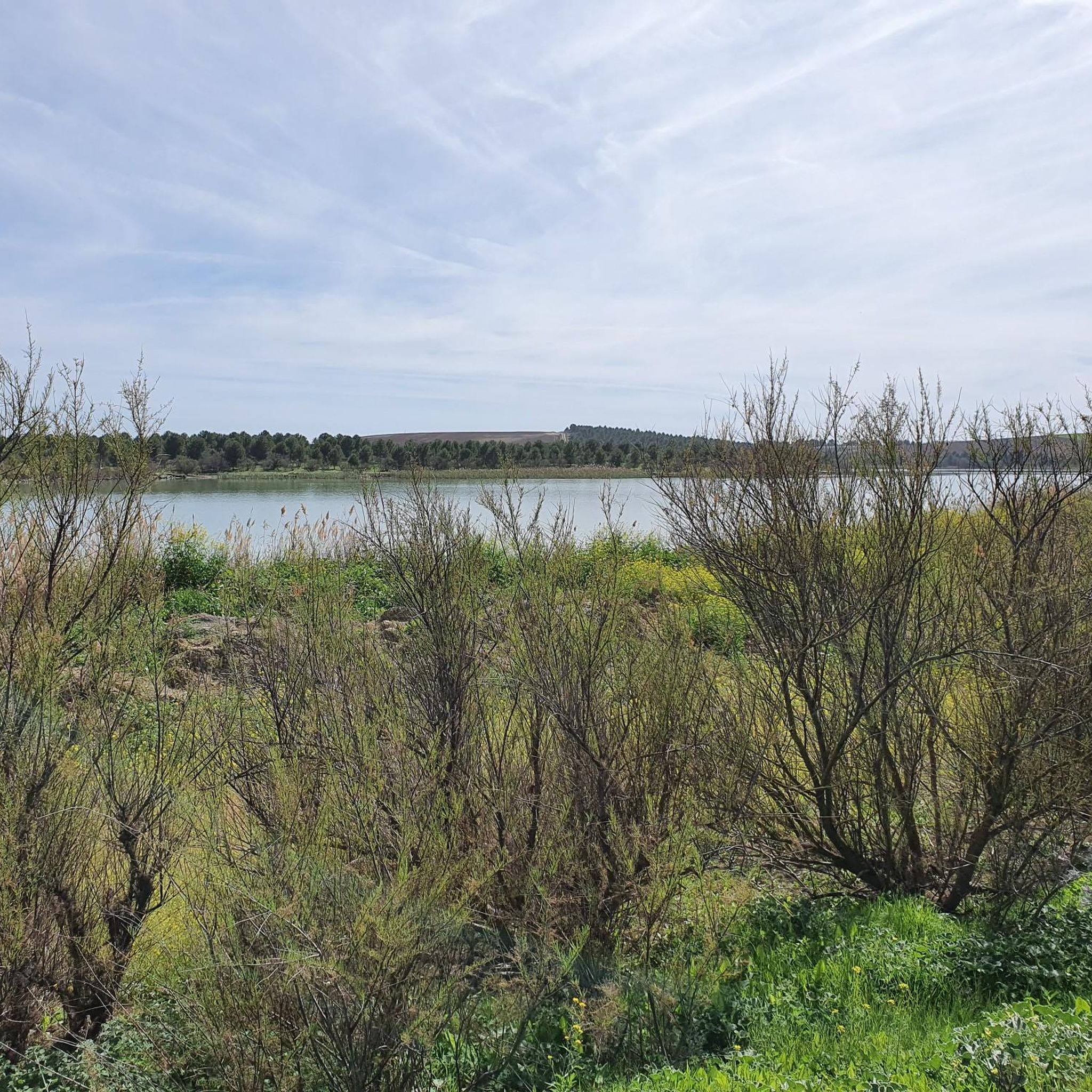
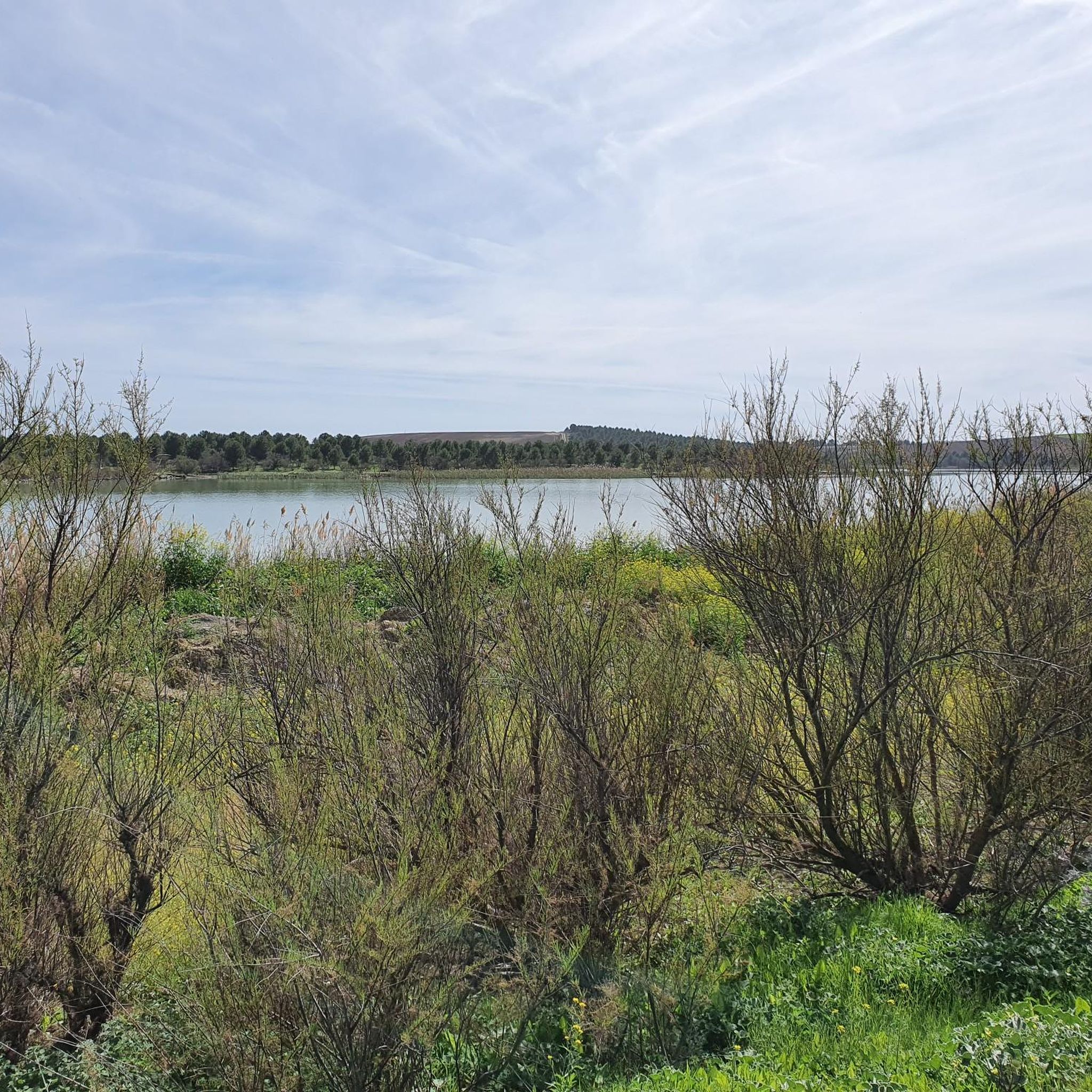
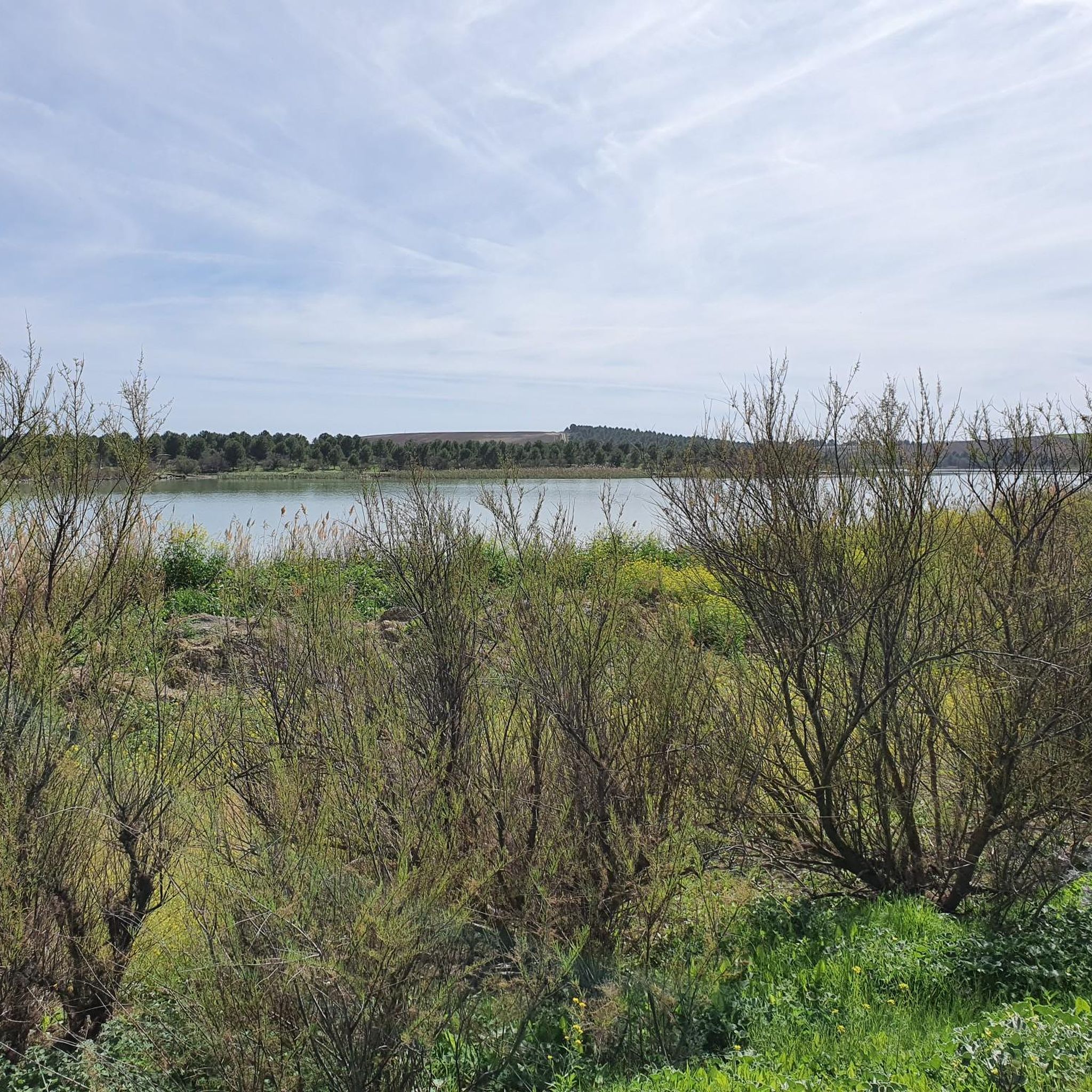
- The most popular attractions is Balsa de Don Melendo, a lake that is an artificial lagoon used for irrigation. It came into operation in 2003 to regulate and store water.
- Another must-see spot is View of flamingos at Laguna de Fuente de Piedra, a lake and natural monument. This is one of Andalusia's largest salt lakes and an important breeding ground for flamingos, particularly between March and July.
- Visitors also love Via Augusta from Cádiz to Seville, Lebrija, a historical trail. This ancient Roman road was used to connect cities and remains a valid route, extending to the Don Melendo Reservoir.
- Las Cabezas De San Juan is known for its historical sites, natural reserves, and cultural expressions like flamenco. The area offers a variety of attractions to see and explore, from ancient Roman paths to significant natural habitats.
- The attractions around Las Cabezas De San Juan are appreciated by the komoot community, with 9 upvotes and 4 photos shared across the highlights.
Last updated: October 4, 2026
Balsa de Don Melendo
Highlight • Lake
Translated by Google •
Tip by

Via Augusta from Cádiz to Seville, Lebrija
Highlight • Trail
Translated by Google •
Tip by
Sign up now to discover places like this
Get recommendations on the best single tracks, peaks, & plenty of other exciting outdoor places.
View of flamingos at Laguna de Fuente de Piedra
Highlight • Lake
Translated by Google •
Tip by

Fatetar Castle in Espera
Highlight • Castle
Translated by Google •
Tip by
El Fontanal Archaeological Site
Highlight • Historical Site
Translated by Google •
Tip by

Sign up for free to discover even more attractions around Las Cabezas De San Juan.
Already have an account?
Start today with a free account
Your next adventure awaits.
Tips from the Community

Here you will of course be rewarded for your efforts. The climb is spectacular.
6
0
The Castillo de Fatetar is a historic castle located in Espera, in the province of Cádiz, Andalusia. The castle was probably built in the 10th century by Abderraman III and has had several inhabitants and owners since then, including the Visigoths and the Moors. The castle has been well preserved thanks to the collaboration of various institutions such as the Diputación de Cádiz and the Junta de Andalucía. The castle offers beautiful views of the surrounding area and is an important historical monument. Inside the castle you will find the Ermita del Santísimo Cristo de la Antigua, a small chapel that served as a parish church for the inhabitants of Espera.
6
0
Utrera is located close to the Laguna de Fuente de Piedra, one of the largest salt lakes in Andalusia and an important breeding ground for flamingos. The best time to see flamingos is from March to July, when they breed and raise their young.
6
0

El Fontanal in Lebrija: An archaeological gem that illustrates the importance of water in the formation of the city's history. This hydraulic system, present since the beginnings of Lebrija, testifies to the creative use of natural resources. The remains and structures we see today remind us how important sustainability is to urban life.
0
0

Too bad, the lake is completely fenced in and can only be entered via the canoe club. All around only fields and country lanes...
1
0

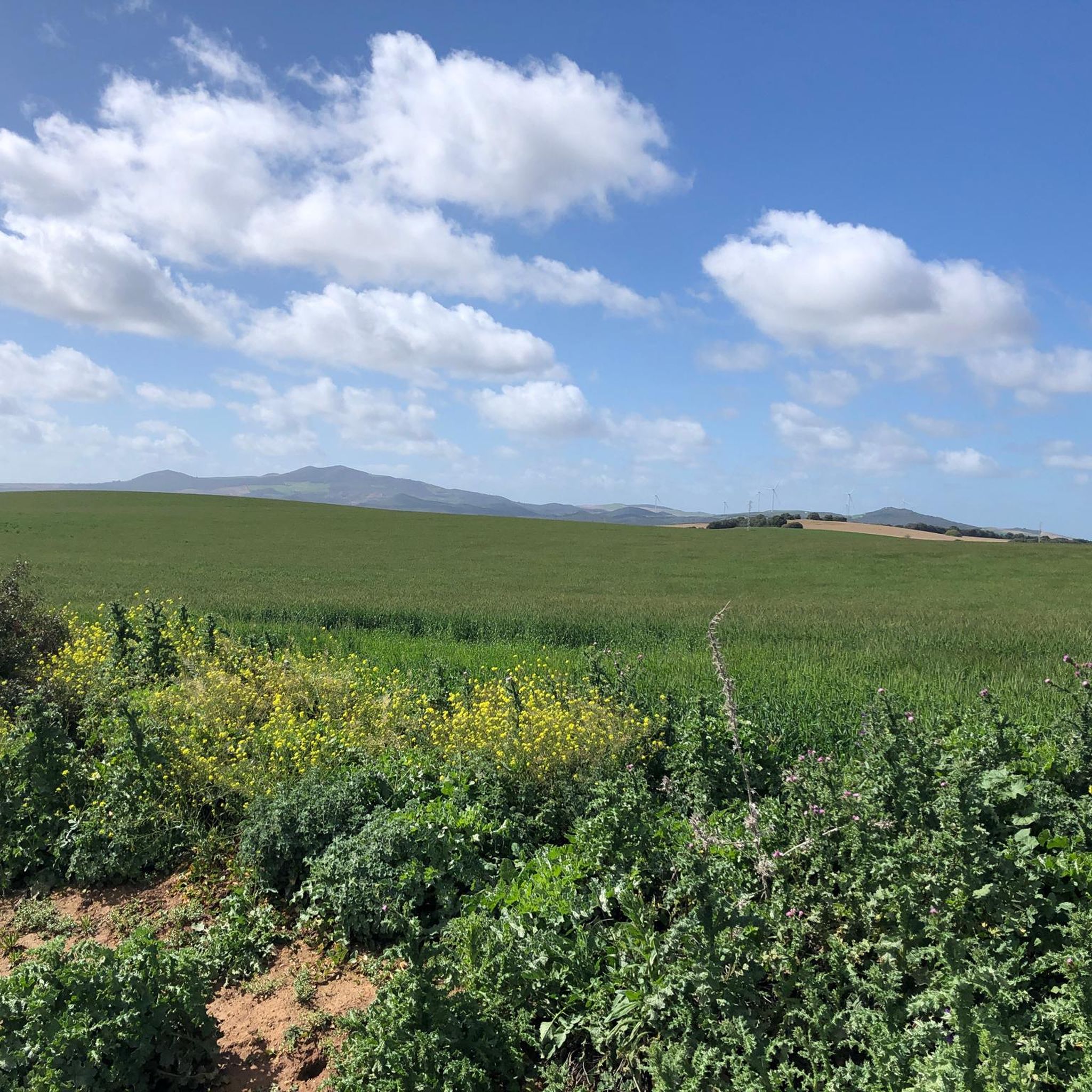
The Via Augusta is the high Roman road that was used to go from city to city of the Roman capitals in ancient times. Most of these paths have been preserved and this is an example, it is still valid and reaches the Don Melendo Reservoir.
1
0
The Don Melendo pond is an artificial lagoon that came into operation in 2003, to regulate and store water for irrigation.
1
0

If you are lucky enough to be cycling here at the appropriate time, you will be able to stop to contemplate these peculiar beings, who stop "to refuel" at this stop on their migratory path.
3
0
Frequently Asked Questions
What historical sites can I explore in Las Cabezas de San Juan?
Las Cabezas de San Juan is rich in history. You can visit the Fatetar Castle in Espera, a 10th-century fortress offering panoramic views. The town itself features the historic Plaza de la Constitución, the San Juan Bautista Parish Church, and the remains of Montújar Castle. Don't miss the Via Augusta from Cádiz to Seville, Lebrija, an ancient Roman road still in use today.
What natural attractions are there to see around Las Cabezas de San Juan?
The area boasts significant natural landscapes. You can visit the Lebrija-Las Cabezas Lagoon Nature Reserve, part of the Complejo Endorreico de Lebrija-Las Cabezas, which includes several lagoons like Cigarrera and Galiana, important for endangered species. The Balsa de Don Melendo is an artificial lagoon used for irrigation, and the Laguna de Fuente de Piedra is a natural monument known for its flamingos.
Where can I see flamingos near Las Cabezas de San Juan?
You can observe flamingos at the Laguna de Fuente de Piedra, one of Andalusia's largest salt lakes and a crucial breeding ground for these birds. The best time to see them is typically from March to July, when they breed and raise their young.
Are there any unique cultural experiences or events in Las Cabezas de San Juan?
Yes, the town has a vibrant cultural scene. You can experience the annual 'Recreación del Levantamiento de Riego' in March, commemorating a historic uprising. Flamenco is deeply ingrained in the local culture, celebrated through events like the La Yerbabuena Festival in June and La Zambombá navideña during Christmas. The town also hosts a Live Nativity Scene during the Christmas season.
What outdoor activities can I do around Las Cabezas de San Juan?
The region offers various outdoor activities. You can explore several running trails, such as the 'Running loop from Lebrija' or the 'Balsa de Don Melendo loop from Lebrija'. For cyclists, there are road cycling routes like the 'Circular Route of Las Cabezas de San Juan' and touring bicycle options like the 'Venta La Choza loop'. You can find more details on these routes in the Running Trails, Road Cycling Routes, and Cycling guides for the area.
Are there family-friendly attractions in Las Cabezas de San Juan?
Yes, the area offers options suitable for families. The View of flamingos at Laguna de Fuente de Piedra is considered family-friendly, providing an engaging wildlife viewing experience. Exploring the historical sites and natural reserves can also be an enriching activity for families.
What is the best time to visit Las Cabezas de San Juan?
The best time to visit depends on your interests. If you wish to see the flamingos at Laguna de Fuente de Piedra, plan your visit between March and July. For cultural events, consider March for the 'Recreación del Levantamiento de Riego' or June for the La Yerbabuena Festival. Generally, spring and autumn offer pleasant weather for exploring historical sites and natural areas.
Are there any unique art installations to see?
Yes, you can find the Beautiful street art by Julieta XLF. This mural, located at the new headquarters of the Las Cabezas Youth Information Center, is part of the 'Urban Art, Freedom and Creation' project and celebrates the town's libertarian values. It is also wheelchair accessible.
What kind of trails can I find for walking or hiking?
While specific hiking trails are not detailed, the area includes the ancient Via Augusta, which can be walked. The Lebrija-Las Cabezas Lagoon Nature Reserve also offers opportunities for walks to observe its diverse ecosystems. For more structured routes, consider the running loops mentioned in the Running Trails guide, which can often be adapted for walking.
What do visitors enjoy most about the attractions around Las Cabezas de San Juan?
Visitors appreciate the blend of historical significance and natural beauty. The opportunity to witness flamingos at Laguna de Fuente de Piedra is a highlight, especially during breeding season. The historical context of the Via Augusta and the panoramic views from Fatetar Castle are also highly valued. The local community also enjoys the vibrant cultural expressions like flamenco and the unique street art.
Are there any accessible attractions for visitors with mobility needs?
Yes, the Beautiful street art by Julieta XLF is noted as wheelchair accessible, making it an inclusive point of interest for all visitors.
Where can I find accommodation near Las Cabezas de San Juan?
Las Cabezas de San Juan, being a town in the province of Seville, offers various accommodation options within the town itself and in nearby municipalities. You can find hotels, guesthouses, and rural accommodations to suit different preferences and budgets, often providing a good base for exploring the region's attractions.
Most popular routes around Las Cabezas De San Juan
Most popular attractions around Las Cabezas De San Juan

Get inspired with the komoot mobile app


Explore more
Still not found the Highlight you’re looking for? See guides of the top attractions in other regions:
