Attractions and Places To See around Moclín - Top 20
Best attractions and places to see around Moclín include a variety of historical sites, natural features, and outdoor activities. This picturesque village in the Granada province of Andalusia boasts a rich history and stunning natural beauty. Visitors can explore ancient fortresses, prehistoric caves, and scenic hiking trails. Moclín offers a captivating experience for those interested in history, culture, and nature.
Best attractions and places to see around Moclín
- The most popular attractions is Moclín Castle, a castle that is…
Last updated: August 3, 2026
Moclín Castle
Highlight • Castle
Translated by Google •
Tip by

Cubillas Reservoir
Highlight • Lake
Translated by Google •
Tip by

Sign up now to discover places like this
Get recommendations on the best single tracks, peaks, & plenty of other exciting outdoor places.
Sign up for free
Alcalá la Real
Highlight • Settlement
Translated by Google •
Tip by

Hermitage of Saint Anthony
Highlight • Religious Site
Translated by Google •
Tip by

Pinos Puente Bridge
Highlight • Bridge
Translated by Google •
Tip by

Sign up for free to discover even more attractions around Moclín.
Sign up for free
Already have an account?
Start today with a free account
Your next adventure awaits.
Login or Signup
Other adventures around Moclín

Tips from the Community

What to see in Moclín Moclín Castle: A 14th-century Nasrid fortress with walls and cisterns. Impressive views of the Sierra Nevada mountains and the Granada plain. Gollizno Route (PR-A 84): A circular trail (8 km) with a suspension bridge, viewpoints, and the Velillos River canyon. Includes the La Luz Dam and the Malalmuerzo Cave. Historic Hermitages: San Antón (at the entrance to the village). Virgen de las Angustias (Our Lady of Sorrows), surrounded by nature.
1
0
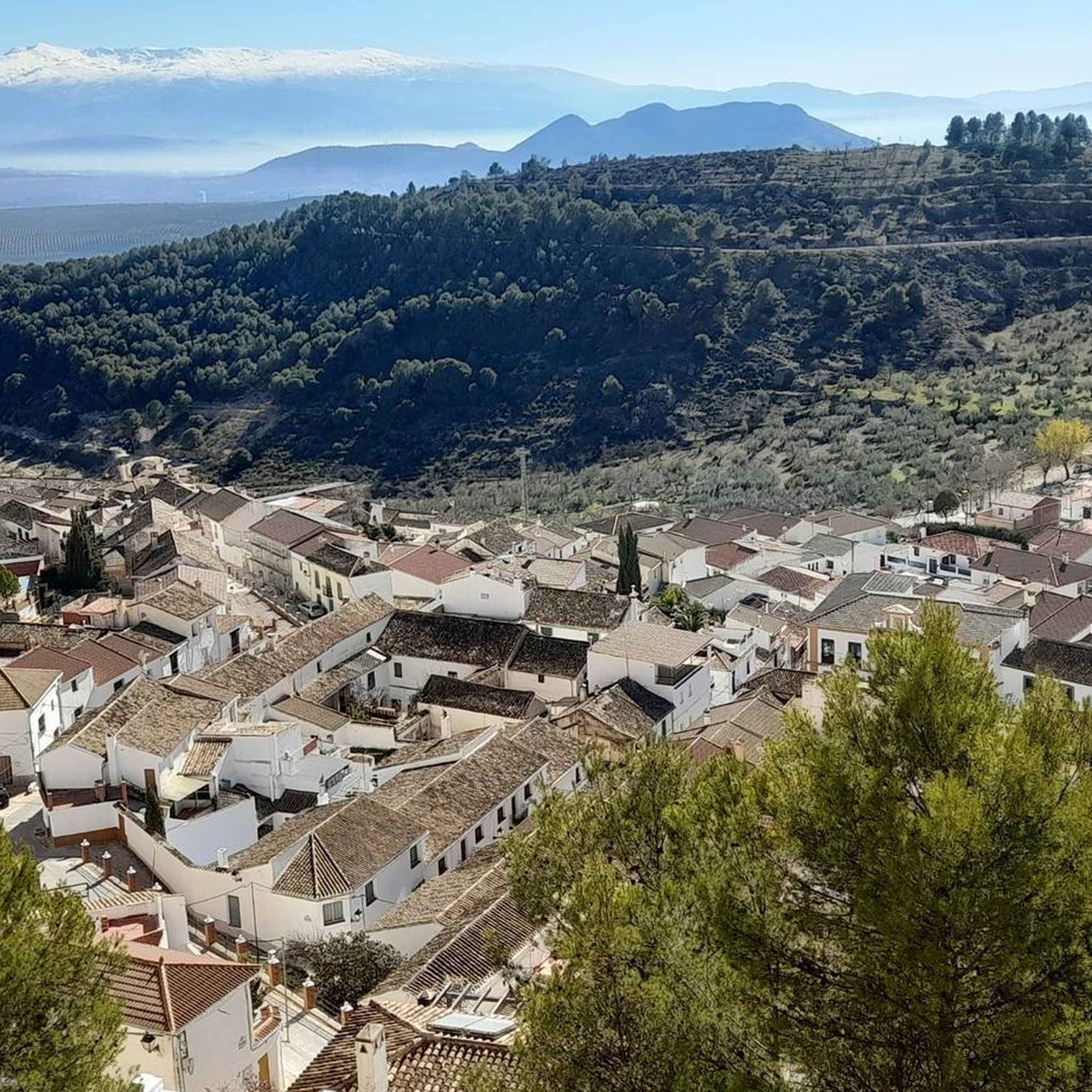
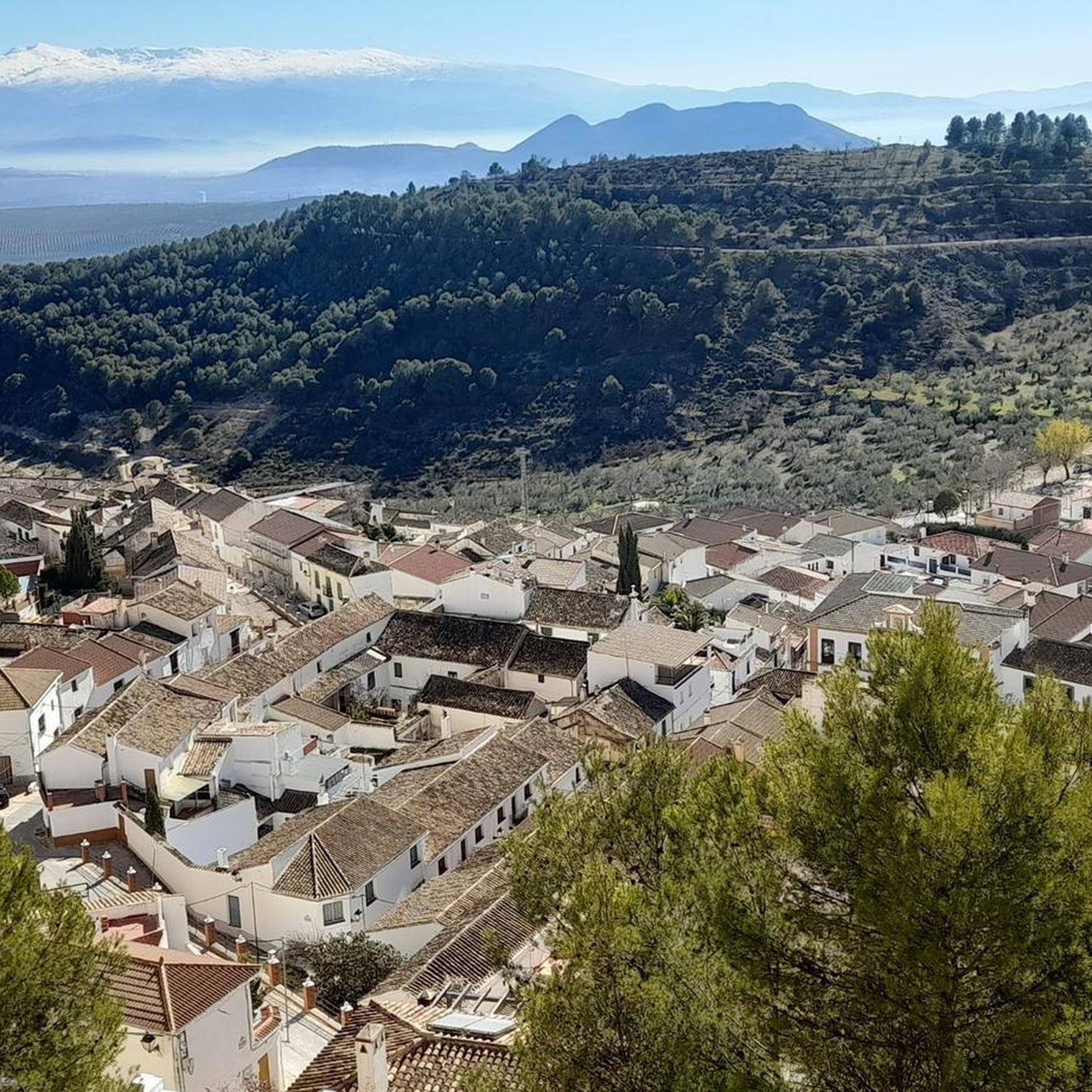
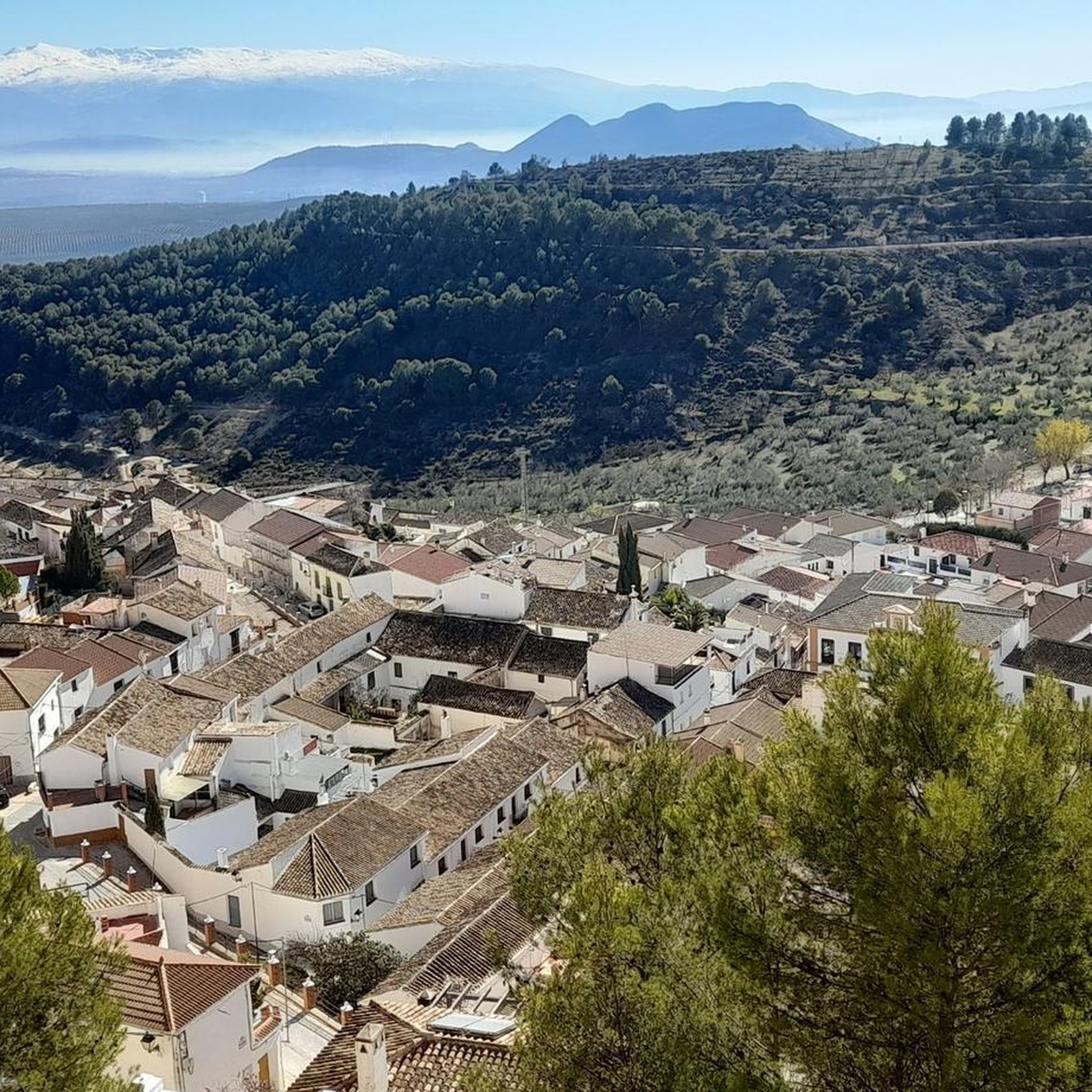
Moclín is a charming destination, ideal for those who enjoy history, nature, and panoramic views. It's a typical Andalusian white village, peaceful and with cobbled streets that preserve its traditional essence. It stands out for its historical heritage (Nasrid castle, hermitages) and its natural surroundings, perfect for hiking.
1
0
It is located at the entrance to the village along Camino Nuevo, in a rural setting with views of the castle and the valley. It is a landmark on the routes that connect the historic center with trails leading to the Sierra de Moclín.
2
0
The Hermitage of San Antón in Moclín is a small, historic church located on the outskirts of the town, in the province of Granada. It is dedicated to Saint Anthony Abbot, patron saint of animals, who is highly venerated in the area. Its origins date back to the modern era (probably the 17th or 18th century), although it has undergone later renovations. Its architecture is simple: a rectangular floor plan, a gabled roof, and a whitewashed façade with a small bell gable.
2
0

This bridge is of Arab origin and was strategically located at the entrance to the town to cross the ravine eroded by the Cubillas River. It was declared an architectural-artistic monument in 1922. It also contains a gate to control the entrance to the town to ensure the passage of people wishing to enter the town. It has three large horseshoe arches with spans between seven and eleven meters. Some historians have suggested that its origin may even be earlier, and that it may be Visigothic. This is not a far-fetched idea, since from the dawn of time when the first human settlements occurred in the town, it must have included a way to cross the ravine from one side to the other.
19
0

Alcalá la Real is located at a strategic point between the Guadalquivir Valley and the plains of Granada, which has given it a significant role in Andalusian history. The city's origins date back to prehistoric times, as evidenced by finds from the Paleolithic and Bronze Ages. During the Roman era, the settlement of Sucaelo was probably located here. An impressive marble sculpture of Hercules also dates from this period. Today, Alcalá la Real is characterized by a diverse cultural heritage. The impressive La Mota fortress is just one of many historical buildings, which also include numerous churches and monasteries. The city is also known for its lively traditional festivals and diverse cuisine, which attracts numerous visitors.
0
0
The Cubillas Reservoir extends across the municipalities of Albolote and Atarfe. It was built in 1956 and is primarily used for water supply and agricultural irrigation. The reservoir has an area of 194 hectares and a maximum depth of approximately 20 meters. The reservoir's main tributary is the Cubillas River. The reservoir's surroundings are characterized by pine forests, oak trees, and Mediterranean vegetation, and the lake is an important habitat for many fish species. The Cubillas Reservoir also serves as a resting place for various bird species, including the Great Cormorant and the Dunnock. The reservoir offers numerous recreational opportunities, including sailing, windsurfing, canoeing, jet skiing, and water skiing. There is a large picnic area on the shore and a restaurant overlooking the lake.
2
1

Beautiful and lively place. Nice restaurants and cafes
1
0
Frequently Asked Questions
What historical sites can I explore in Moclín?
Moclín is rich in history. You can visit the 13th-century Nasrid fortress, Moclín Castle, which offers impressive views. Other significant historical sites include the Church of Cristo del Paño, founded in 1501 on a former mosque site, and several ancient watchtowers scattered across the municipality, such as Torre atalaya de Mingoandrés. The 16th-century Pósito del Pan, an old granary, also offers a glimpse into the region's past.
Are there any natural attractions or scenic viewpoints in the Moclín area?
Absolutely. Moclín is surrounded by magnificent mountainous scenery. The Moclín Castle itself provides impressive views of the Sierra Nevada mountains and the Granada plain. You can also explore the Tajos de la Hoz, known for its impressive waterfalls, and numerous natural caves like Cueva de Malalmuerzo, which holds significant archaeological findings.
What kind of hiking trails are available around Moclín?
Moclín is a fantastic destination for hikers. The most highly recommended trail is the Ruta del Gollizno (PR-A 84), an 8 km circular route featuring a suspension bridge, viewpoints, and winding through the Velillos River canyon. Other routes include the Ruta de las Atalayas, Ruta de la Fortaleza, Ruta de los Cortijos, and Ruta Huellas del Pasado, offering diverse experiences through pine-clad mountainsides.
Can I find any archaeological sites or museums in Moclín?
Yes, Moclín has a rich archaeological heritage. The Moclín Museum (Centro de Interpretación Comarcal) at the village entrance houses an impressive collection of ancient Neolithic and Roman treasures, including an original Roman mosaic floor. The region also features numerous archaeological sites, such as dolmens, necropolises, and caves with original Neolithic paintings, some depicting ibex hunting.
Is Moclín suitable for family visits?
Moclín offers several attractions that can be enjoyed by families. The historical sites like Moclín Castle and the Moclín Museum provide educational experiences. For outdoor activities, the Ruta del Gollizno is a popular choice, though some parts can be steep. The nearby town of Alcalá la Real is also listed as family-friendly, with its impressive La Mota fortress.
What unique cultural experiences can I have in Moclín?
Moclín offers a blend of history and tradition. A unique cultural experience is visiting the Church of Cristo del Paño, where a tradition involves touching a cloth to the famous Cristo del Paño painting to ask for favors. The village itself provides a peaceful, traditional Andalusian white village experience with cobbled streets, reflecting its rich historical and natural heritage. Moclín is also part of the historic Ruta del Califato (Caliphate Route).
Are there options for more adventurous outdoor activities, like via ferrata?
Yes, for those seeking more adventure, Moclín offers the "Pueblos de Moclín" Via Ferrata. This route is suitable for beginners or those with a K2 climbing level, providing an exciting way to experience the region's dramatic landscapes.
What is the significance of Moclín Castle?
Moclín Castle is a 13th-century Nasrid fortress and a national monument. It played a strategic role as a borderland fortress during many historical periods, considered impregnable. Its official name, Fortaleza de las dos Pupilas, or "fortress of the pupils," highlights its importance. It offers impressive views and is a key part of Moclín's historical identity.
How can I explore the natural caves in the Moclín region?
The Moclín area is home to numerous natural cave complexes. Notable ones include Cuevas de las Veredas, Cueva de la Araña, Cueva del Hornillo de Solana, and the archaeologically significant Cueva de Malalmuerzo. While some caves like Malalmuerzo are securely locked for ongoing archaeological work, many others in the area, including those in Tózar like Cueva de Limones, contain original Neolithic paintings that can be explored.
What outdoor sports can I do near Moclín's attractions?
Beyond hiking, the area around Moclín offers various outdoor sports. You can find numerous running trails, with options like the 'Running loop from Salograr' or 'Cubillas Reservoir – Shore of the Cubillas Reservoir loop'. For cycling enthusiasts, there are gravel biking routes, such as 'Santa Fe – Aurora Mine loop', and touring bicycle routes like the 'Gollizno Route and Moclín Castle Loop'. You can find more details on these activities at the Running Trails around Moclín, Gravel biking around Moclín, and Cycling around Moclín guide pages.
Are there any notable religious sites in Moclín?
Yes, Moclín features several historic religious sites. The Church of Cristo del Paño, located within the castle enclosure, is significant for its history and the tradition associated with its painting. Additionally, there are historic hermitages such as the Hermitage of Saint Anthony at the village entrance, and the Hermitage of Virgen de las Angustias (Our Lady of Sorrows), found in a natural setting near the Fuente de la Buena Ventura spring.
What other villages are part of the Moclín municipality, and what do they offer?
The municipality of Moclín comprises seven villages: Moclín itself, Puerto Lope, Olivares, Tiena, Tózar, Limones, and Gumiel. Each village has its own character and points of interest. For example, Tózar boasts an archaeological site with 20,000 years of history, while Gumiel is known for its olive oil mill. Exploring these surrounding villages offers a broader understanding of the region's heritage.
What makes the Ruta del Gollizno a must-do activity?
The Ruta del Gollizno (PR-A 84) is a spectacular circular hiking trail, approximately 8 km long, highly recommended for its diverse features. It includes a thrilling suspension bridge, breathtaking viewpoints, and winds through the scenic Velillos River canyon. Along the route, you'll also encounter the La Luz Dam and the Malalmuerzo Cave, making it a comprehensive experience of Moclín's natural beauty.
Most popular attractions around Moclín

Get inspired with the komoot mobile app


Explore more
Still not found the Highlight you’re looking for? See guides of the top attractions in other regions:
