Attractions and Places To See around Duesaigües - Top 20
Best attractions and places to see around Duesaigües include historical landmarks and natural features. This municipality in Baix Camp, Catalonia, is known for its location at the confluence of several ravines, offering a scenic backdrop. The area features impressive engineering feats like the Duesaigües Viaducts and historical sites such as the Church of Santa Maria. It provides opportunities for exploring culture, history, and outdoor activities.
Best attractions and places to see around Duesaigües
- The most popular attractions is Siurana Village…
Last updated: May 25, 2026
Siurana Village and Cliffs
Highlight • Settlement
Trapped in an impregnable place on the river, the knights of four …
Translated by Google •
Tip by

Hermitage of Mare de Déu de la Roca
Highlight • Religious Site
Around …
Translated by Google •
Tip by

Sign up now to discover places like this
Get recommendations on the best single tracks, peaks, & plenty of other exciting outdoor places.
Sign up for free
Montbrió del Camp Town Hall
Highlight • Monument
Translated by Google •
Tip by
La Mola Castle, Colldejou
Highlight • Castle
Translated by Google •
Tip by

Sant Miquel d'Escornalbou Castle and Monastery
Highlight • Castle
Translated by Google •
Tip by

Sign up for free to discover even more attractions around Duesaigües.
Sign up for free
Already have an account?
Start today with a free account
Your next adventure awaits.
Login or Signup

Tips from the Community


Absolutely worth seeing and beautiful place.
1
0


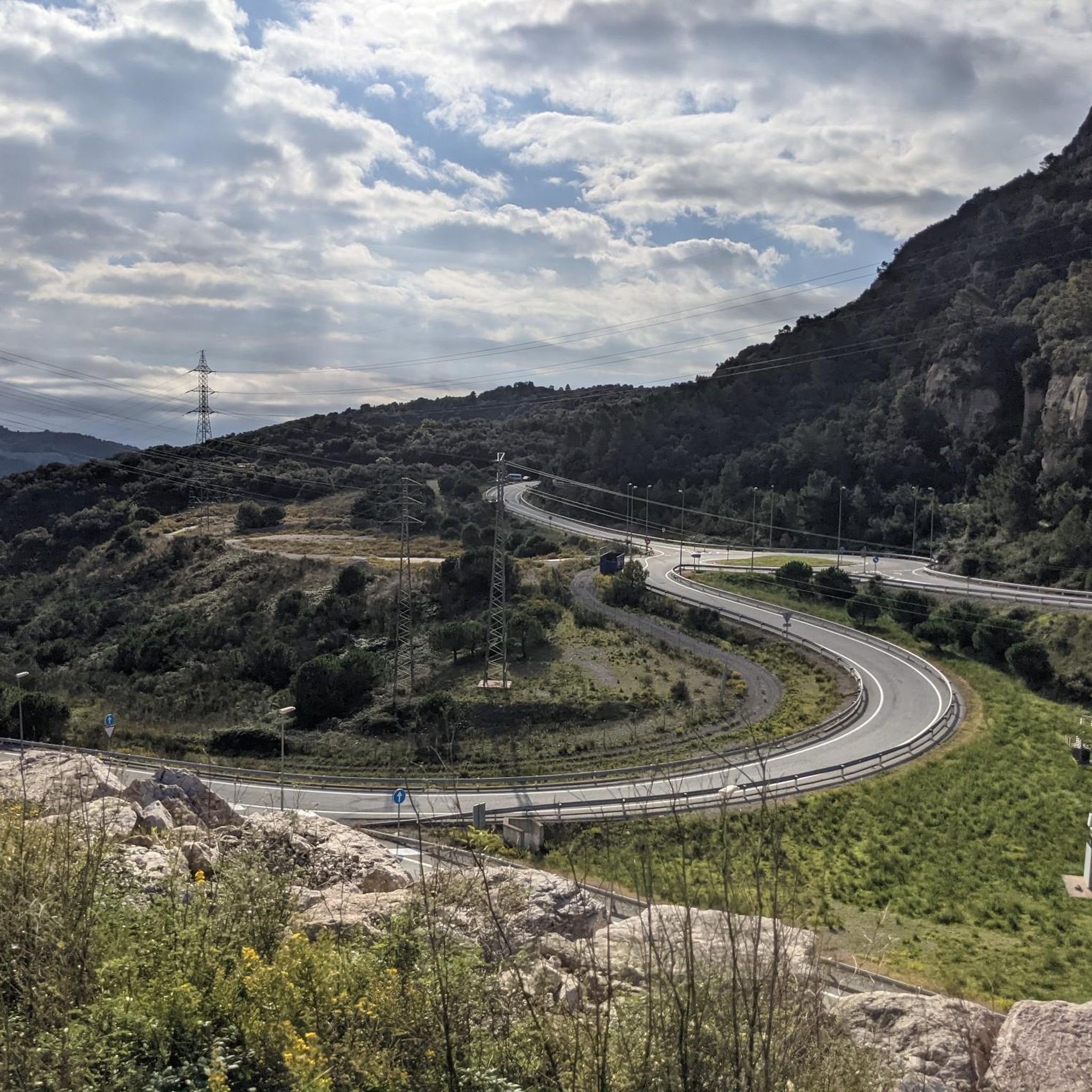
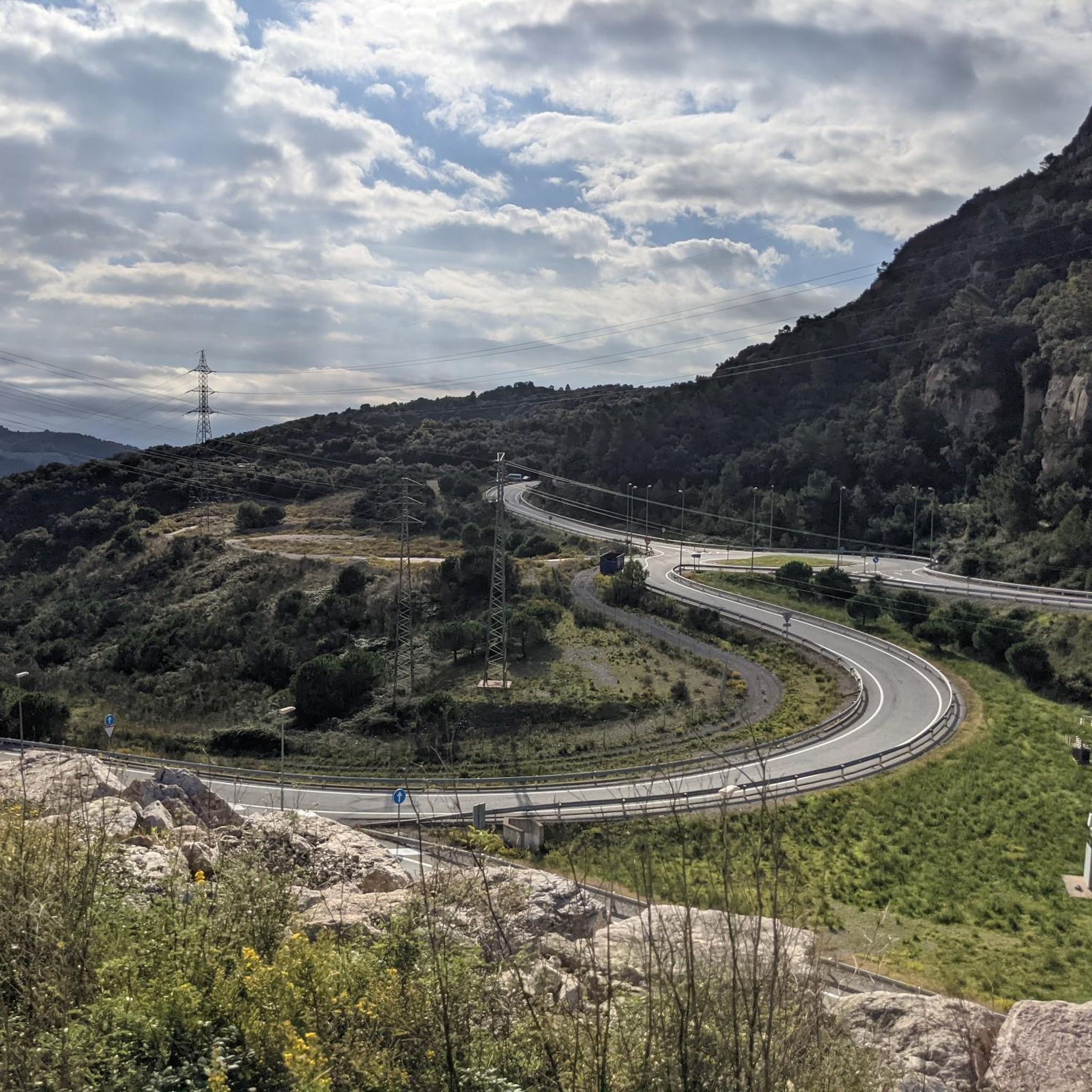
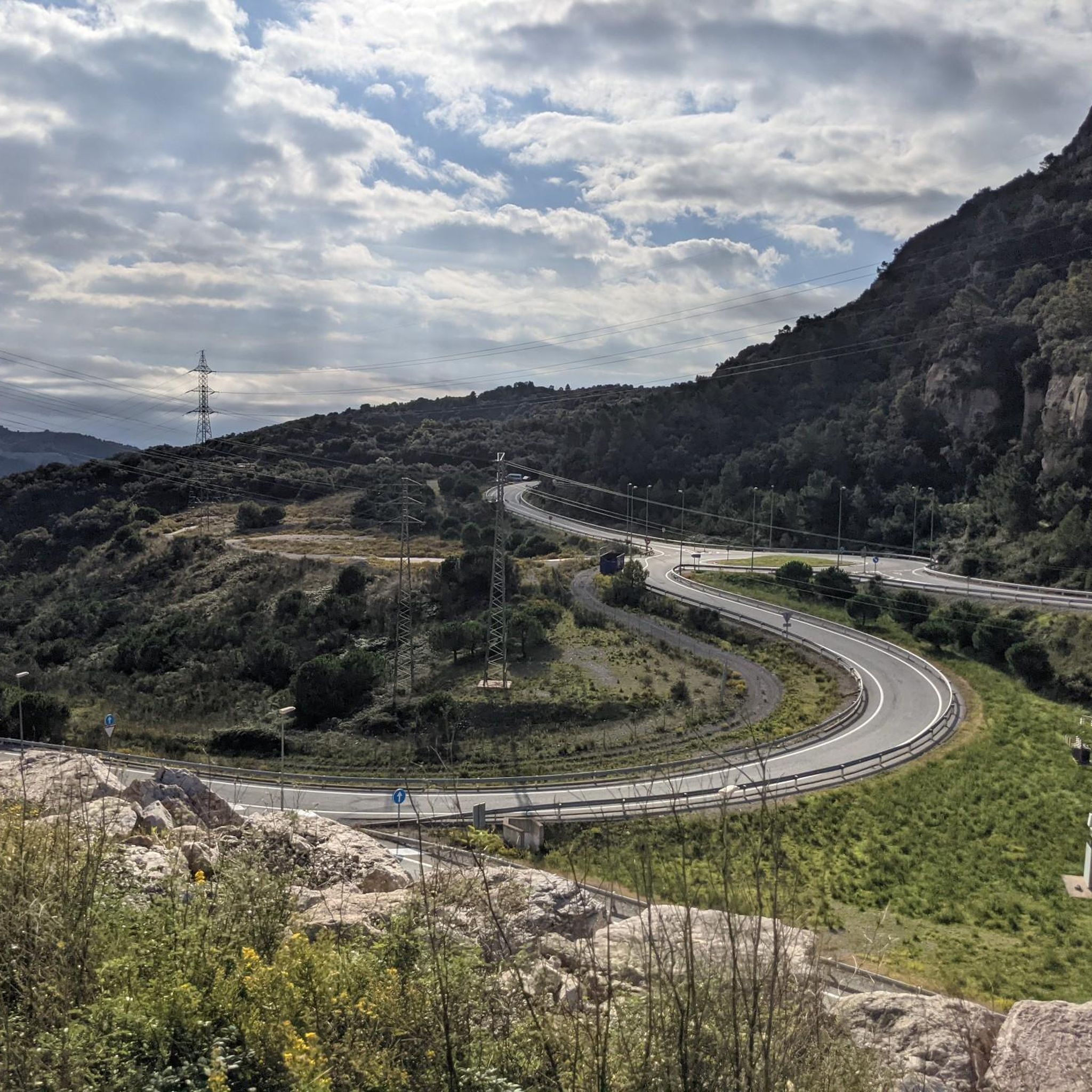
From up here you have a beautiful view.
0
0

Population whose center is the church of Mare de Déu del Carmen and which is located at the foot of the Serra de Pradell and close to the city of Reus, which is a few kilometers away.
0
0

Stately mansion from the early 20th century, made up of the remains of two medieval buildings, the Escornalbou monastery, founded in 1153, and the castle, built on the remains of a Roman fortress. For six centuries this architectural complex formed the barony of Escornalbou, but after the confiscation of Mendizabal it was practically in ruins. In 1911 it was acquired by the philanthropist, diplomat and writer Eduard Toda, who restored it following very personal criteria: some structures were demolished and towers were erected in an "exotic" medieval style. Of the old monastery, only the Romanesque church remains, remains of the chapter house and the structure of the cloister, converted into a viewpoint of the Camp de Tarragona region.
3
1

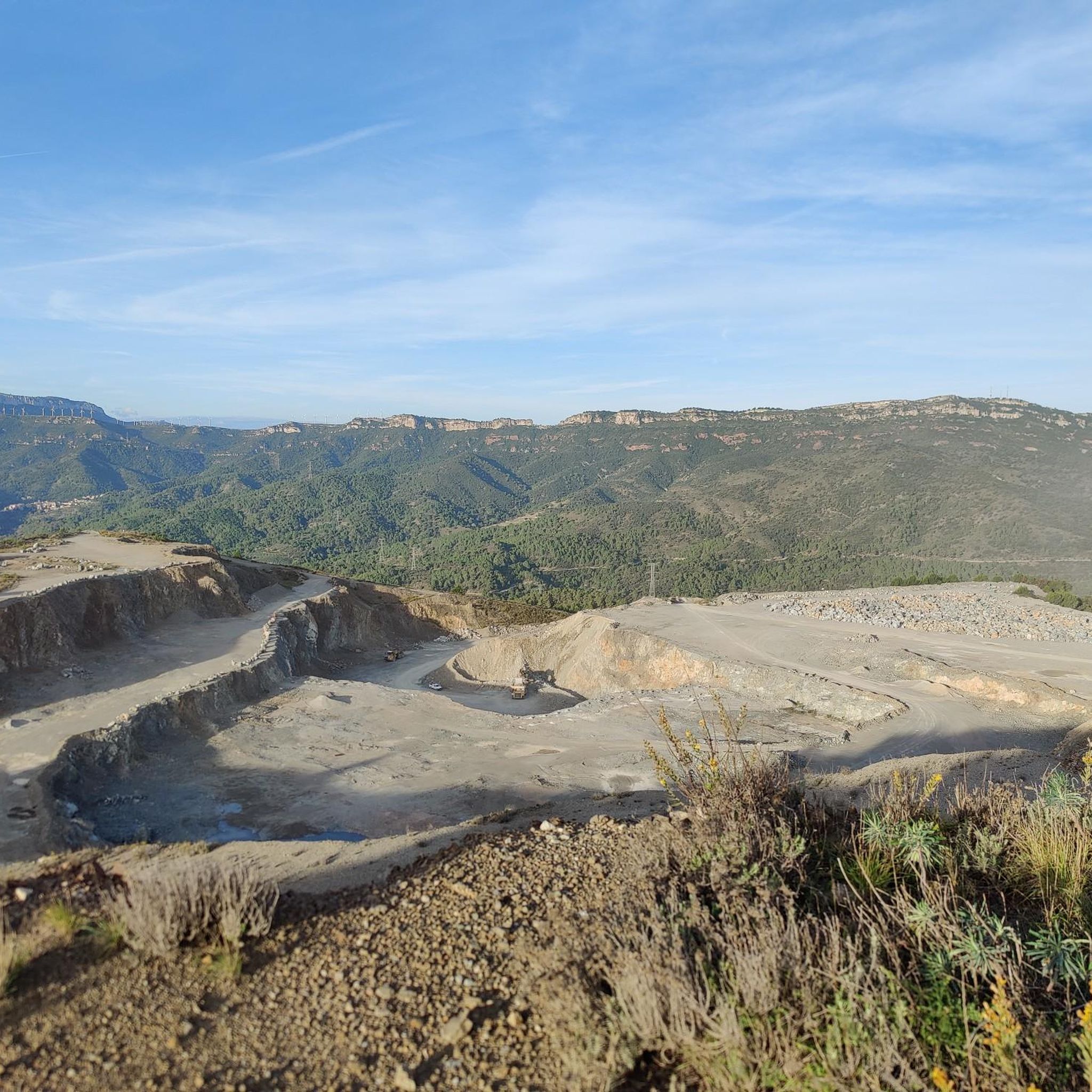
the panorama is brutal
0
0

The Castillo Monasterio de Escornalbou de Riudecanyes is a stately mansion from the beginning of the 20th century formed by the remains of two medieval buildings: the castle, built on the remains of a Roman fortress, and the monastery of Sant Miquel.
5
0
Frequently Asked Questions
What historical landmarks can I explore around Duesaigües?
Duesaigües is rich in history. You can visit the impressive Sant Miquel d'Escornalbou Castle and Monastery, a stately mansion built on the remains of a Roman fortress and medieval monastery. The village itself features the historical Church of Santa Maria. Further afield, explore Siurana Village and Cliffs, the last stronghold of the reconquest in Catalonia, or the challenging La Mola Castle, Colldejou. Don't miss the monumental Duesaigües Viaducts, an impressive feat of 19th-century engineering.
Are there any natural features or viewpoints worth visiting near Duesaigües?
Absolutely. Duesaigües is nestled at the foot of the Serra de l'Argentera and Serra de Pradell mountains, offering scenic views. The village's name, meaning 'two waters,' reflects its location at the confluence of several ravines. You can enjoy magnificent views from Siurana Village and Cliffs, overlooking the Sierra de Montsant and Prades Mountains. The Hermitage of Mare de Déu de la Roca is brilliantly integrated into the red mountain of La Roca, providing a unique natural monument and viewpoint. The nearby Riudecanyes Reservoir is also a serene spot surrounded by natural landscapes.
What outdoor activities can I do near these attractions?
The tranquil roads and paths around Duesaigües are excellent for hiking and cycling. The area is known for its natural and scenic heritage, with abrupt surrounding mountains and extensive forests. You can find numerous routes for different sports. For hiking, explore trails like 'Trails steeped in history in Escornalbou' or 'Mirador de Puigferrós - Circular route from Desaigües'. Cyclists can enjoy routes such as 'Alt de la Mussara' or 'View of Botarell'. For more detailed options, check out the hiking guide, running trails guide, or road cycling routes guide around Duesaigües.
Are there family-friendly attractions or activities in Duesaigües?
Yes, Duesaigües offers options for families. The Montbrió del Camp Town Hall is listed as a family-friendly historical site. The Riudecanyes Reservoir area provides serene natural landscapes ideal for walking and outdoor eating. The Museu de l'Avi (Grandfather's Museum) offers an engaging look into traditional agricultural tools and rural life, which can be interesting for all ages. Many of the easier hiking trails around the village are also suitable for families.
What is the best time to visit Duesaigües for outdoor activities?
The region around Duesaigües generally offers pleasant conditions for outdoor activities for much of the year. Spring and autumn are particularly ideal, with milder temperatures perfect for hiking and cycling. Summers can be warm, but the surrounding mountains and forests provide shaded routes. Always check the local weather forecast before planning your trip, especially if you intend to undertake longer or more challenging routes.
Are there any easy hiking trails suitable for beginners or families?
Yes, there are several easy routes around Duesaigües. For instance, the 'Paved path – The Puigferrós Viewpoint loop from l'Argentera' is an easy hiking option. The area around the Riudecanyes Reservoir also offers gentle paths suitable for leisurely walks. Many of the paths through the pine and oak forests do not present great difficulties, making them accessible for beginners and families. You can find more easy options in the hiking guide for Duesaigües.
What cultural sites can I visit to learn about the region's heritage?
Beyond the historical landmarks, Duesaigües offers insights into its cultural heritage. The Church of Santa Maria, a Renaissance-style parish church, is a key cultural site within the village. The Museu de l'Avi (Grandfather's Museum) showcases traditional agricultural tools and everyday life, providing a glimpse into the region's rural past. The traditional village architecture, with its cobbled streets and stone-faced houses, also reflects the authentic character of Catalan villages.
What do visitors enjoy most about the attractions around Duesaigües?
Visitors frequently praise the stunning views and historical significance of the attractions. For example, Siurana Village and Cliffs is loved for its 'fairytale village' atmosphere and 'magnificent views.' The La Mola Castle, Colldejou is appreciated for its 'wonderful hike with great nature' and rewarding views. Many also enjoy the peaceful natural settings surrounding sites like the Hermitage of Mare de Déu de la Roca, which offers spaces for outdoor eating and rest.
Are there any specific cycling routes recommended for road bikes?
Yes, the region around Duesaigües is popular for road cycling. You can find routes like 'Alt de la Mussara – Alt de la Mussara loop from Riudecanyes - Botarell' which is a challenging ride, or 'View of Botarell – Coll de la Teixeta (541 m) loop from Riudecanyes - Botarell' which is an easier option. These routes take you through varied landscapes, offering both scenic beauty and a good workout. For a comprehensive list of routes, refer to the Road Cycling Routes around Duesaigües guide.
Is public transport available to reach attractions near Duesaigües?
While Duesaigües itself is a small municipality, public transport options to reach some of the wider regional attractions might be limited. Many visitors prefer to use a vehicle to explore the various sites and trailheads. However, some attractions like the Hermitage of Mare de Déu de la Roca can be easily accessed by vehicle or on foot via paths like the GR-192. It's advisable to check local bus schedules for connections to larger towns or specific sites if you plan to rely on public transport.
Are there any attractions that are wheelchair accessible?
Yes, the Montbrió del Camp Town Hall is listed as a wheelchair-accessible historical site. While many of the natural and historical sites in the mountainous terrain may present accessibility challenges, this location offers an inclusive option for visitors. It's always recommended to check specific accessibility details for other attractions directly before your visit.
Most popular routes around Duesaigües
Most popular attractions around Duesaigües

Get inspired with the komoot mobile app


Explore more
Still not found the Highlight you’re looking for? See guides of the top attractions in other regions:
