Attractions and Places To See around Figuerola Del Camp - Top 20
Best attractions and places to see around Figuerola Del Camp offer a rich blend of historical heritage and natural beauty. This region, nestled between Alt Camp and Conca de Barberà, features a diverse landscape with mountains and river valleys. Visitors can explore ancient watchtowers, medieval bridges, and significant religious sites. The area also provides opportunities to discover natural features like caves and scenic peaks.
Best attractions and places to see around Figuerola Del Camp
- The most popular attractions is Old…
Last updated: May 9, 2026
Old Bridge of Montblanc
Highlight • Bridge
Translated by Google •
Tip by

Royal Monastery of Santes Creus
Highlight • Religious Site
Translated by Google •
Tip by

Sign up now to discover places like this
Get recommendations on the best single tracks, peaks, & plenty of other exciting outdoor places.
Sign up for free
Mazinger Z Statue
Highlight • Monument
Translated by Google •
Tip by

Walkways and Bridges of the Gaià River
Highlight (Segment) • Trail
Translated by Google •
Tip by

Ermita de Sant Josep de Montblanc
Highlight • Religious Site
Translated by Google •
Tip by

Sign up for free to discover even more attractions around Figuerola Del Camp.
Sign up for free
Already have an account?
Start today with a free account
Your next adventure awaits.
Login or Signup

Tips from the Community

It's worth it, it's a Cistercian monastery
0
0

It's always a pleasure to cross this bridge that leads us to the Viñes Pastry Shop along the main street. The Borratxo is incredible, one of the best.
0
0


The Monastery of Santa María de Santes Creus is a Cistercian abbey built in the 12th century. The grandeur of the monastery is due to the donations received from the nobility who wanted to be buried here.
1
0

Medieval bridge (12th century) with four eyes that crosses the channel of the Francolí river. Throughout its history it has undergone numerous reforms due to floods.
0
0

Entertaining route that runs parallel to the river Gaià. The path is easy to do and has practically no complications, perhaps there will only be a couple of steps that can be a bit difficult and can be passed without problems, which would be the first walkway (where I go down the planks of about 50cm wide and supported on some "nails" sunk into the wall) with a rope to help us cross this first short section of footbridges and the first bridge with a length of about 15m (also with a width of about 50cm) that crosses the river Gaià, at about 2/3m above the river (which does not have any type of handrail, cable or rope to help cross it). From this point, continue very well until the fork to the right and to the left of the path (the route has been changed, and now to the left you reach the end of the path) and until you reach the fork, there are a couple of more sections of walkways but easy to pass where aided by the ropes will not pose any problem.
2
0

On the banks of the river Gaià we find the monastery of Santes Creus, one of the main jewels of Catalan medieval art. This majestic temple is part of the Cistercian Route that includes the three existing Cistercian monasteries in Catalonia.
2
0
It is a medieval bridge from the 12th century with four eyes that spans the bed of the Francolí River. Throughout its history it has undergone numerous renovations due to floods. The last one was in 2019, and currently (October 2022) it is still under construction, the passage being closed, although you can circulate without problem on the new bridge, which is located right next to it.
0
0
Frequently Asked Questions
What historical sites can I explore around Figuerola Del Camp?
The region is rich in history. You can visit the 12th-century Old Bridge of Montblanc, a medieval bridge crossing the Francolí River. Another significant site is the Royal Monastery of Santes Creus, a grand Cistercian abbey from the 12th century and a UNESCO World Heritage site. Don't miss the Torre de la Mixarda, a 12th-13th century watchtower offering panoramic views, or the 13th-century Pont del Diable (Devil's Bridge) over the Masos stream.
Are there any natural attractions or scenic viewpoints nearby?
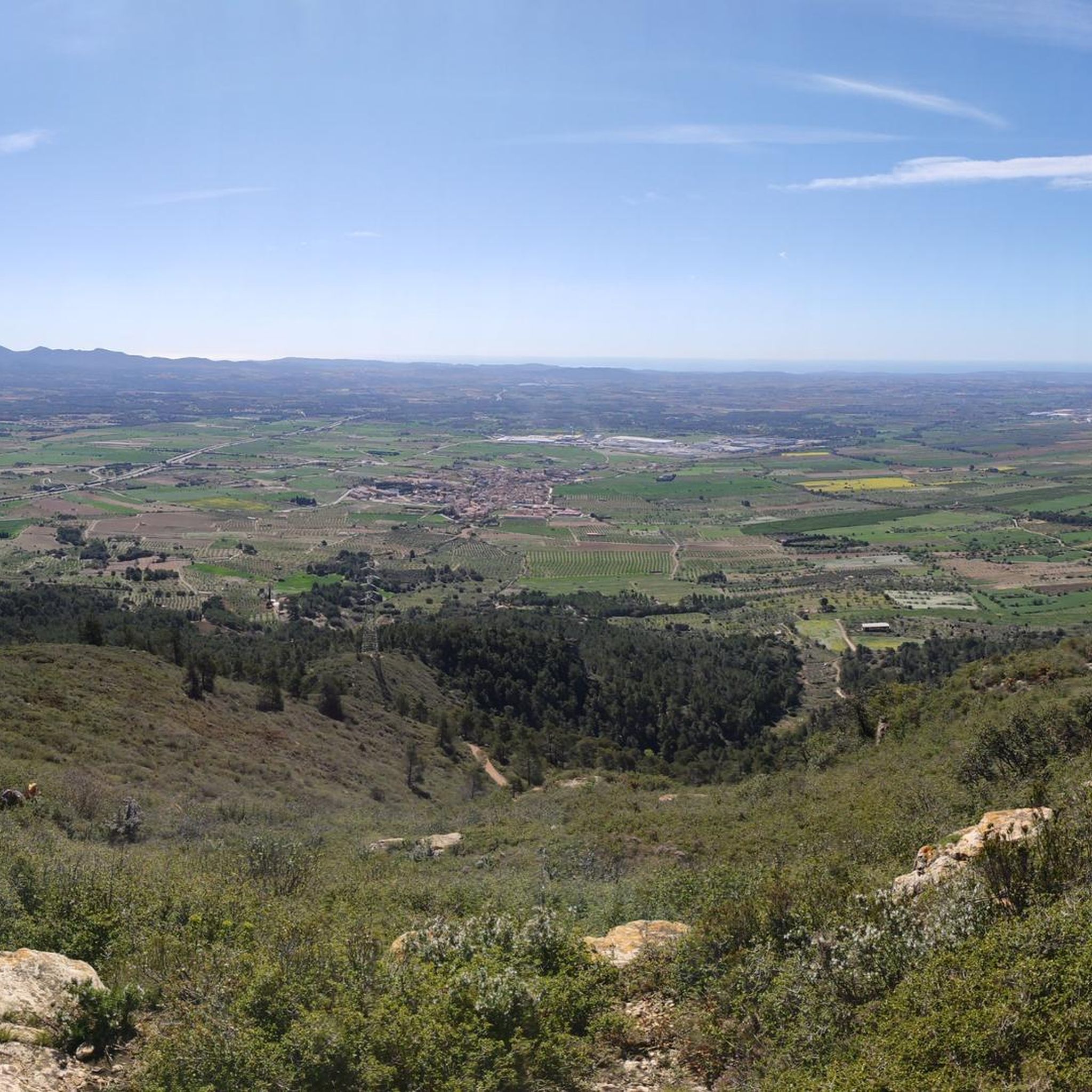
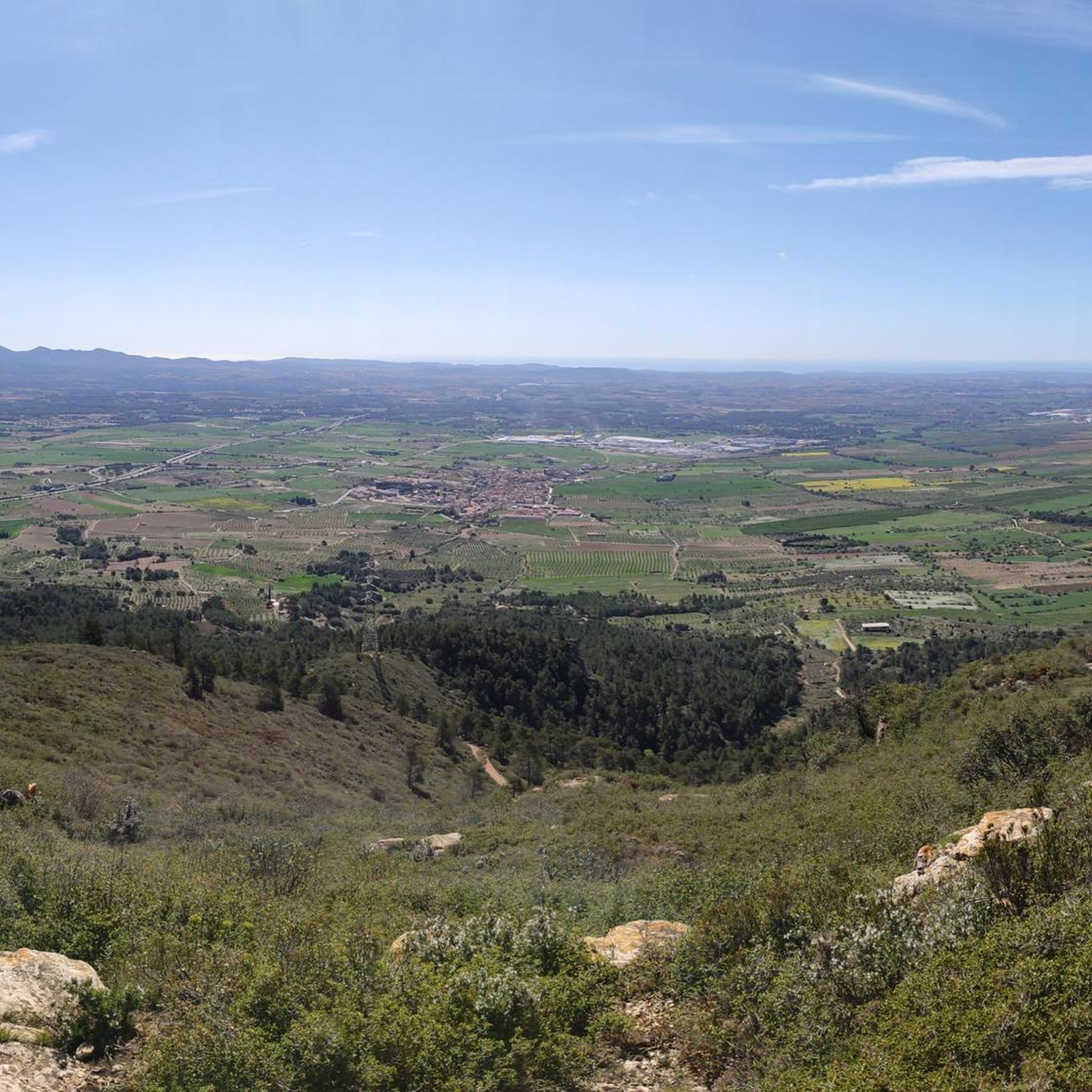
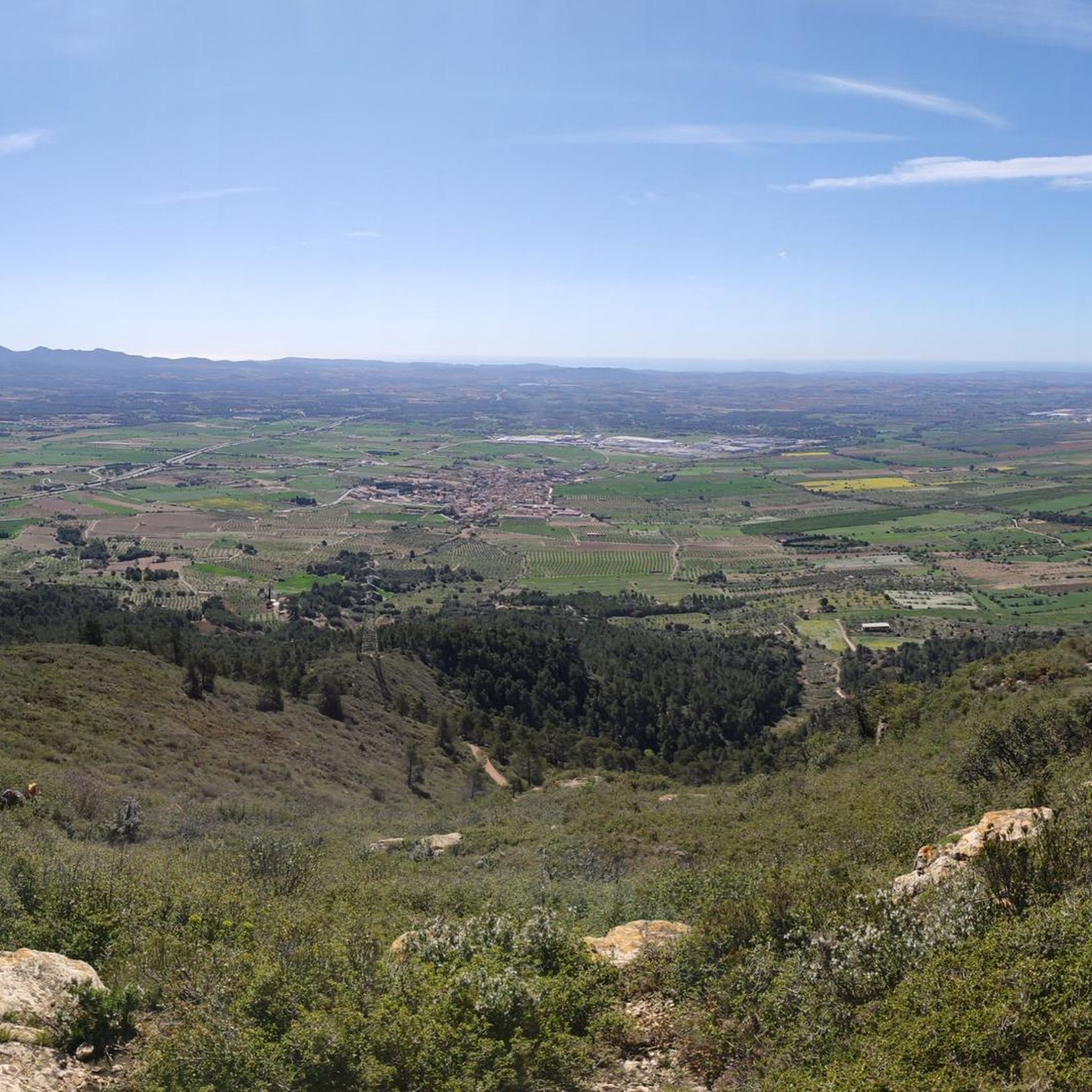
Yes, Figuerola Del Camp offers beautiful natural features. You can explore the Walkways and Bridges of the Gaià River, an entertaining route parallel to the river. For stunning vistas, head to Tossal Gros, standing at 867 meters, which provides incredible views of Alt Camp and Conca de Barberà. The aggregated village of Miramar also offers beautiful views of the surrounding countryside. The Cova del Gat, a Neolithic funerary cave, is another interesting natural site.
What kind of outdoor activities can I do around Figuerola Del Camp?
The area is perfect for outdoor enthusiasts. You can find numerous hiking trails, including a circular route to the summit of Tossal Gros. For more options, check out the hiking routes around Figuerola Del Camp. There are also opportunities for gravel biking and running, with various routes available in the surrounding mountains like Sierra Carbonària. Explore gravel biking routes and running trails.
Are there family-friendly attractions in the region?
Absolutely! Many attractions are suitable for families. The Old Bridge of Montblanc and the Royal Monastery of Santes Creus are both family-friendly historical sites. The Ermita de Sant Josep de Montblanc offers a recreational area with a natural space ideal for gatherings and picnics. Additionally, the Literary Route "Paseo Literario" is a recommended family activity that guides visitors through significant locations inspired by local poetry.
Where can I learn about the local culture and history through museums?
Figuerola Del Camp offers several museums to delve into its past. The Museo Etnográfico e Histórico showcases Neolithic pieces from Cova del Gat and provides insights into the town's agricultural heritage. You can also visit the Museo de Arqueología Iberia, housed in an 18th-century mansion, which presents collections from prehistory to the Islamic era. The same mansion also hosts the Museo de Artes y Oficios, focusing on Modern Age activities and crafts.
What unique architectural features can I find in the area?
The region is known for its distinctive architecture. The Dry Stone Route highlights a traditional construction technique without mortar, showcasing ancient walls, vineyard huts, and vaulted huts. In Figuerola Del Camp itself, you can see the Sindicato Agrícola, an agricultural union building from 1921 that still houses an authentic old-fashioned cafe. The Historic Center also features charming narrow and steep streets.
What is the Royal Monastery of Santes Creus known for?
The Royal Monastery of Santes Creus is a Cistercian abbey built in the 12th century, renowned for its grandeur and as one of the largest monasteries in Europe. It's a UNESCO World Heritage site and part of the Cistercian Route in Catalonia. Historically, it served as a burial place for nobility, contributing to its impressive architecture and rich heritage.
Can I find places for relaxation and recreation near the attractions?
Yes, the Ermita de Sant Josep de Montblanc is a popular recreational area. It features a small bar-restaurant and a natural space perfect for barbecues, picnics, and gatherings with friends and family. It's located about 2 km from Montblanc's town center, accessible by a pleasant walk or car, making it an ideal spot to spend the day.
Are there any specific trails that showcase historical elements?
The Dry Stone Route is an excellent choice for those interested in historical trails. It showcases numerous examples of dry stone architecture, including walls, vineyard huts, and vaulted huts, which are beautiful testimonies to the past life and resourcefulness of local farmers. This route offers a glimpse into traditional construction techniques and rural heritage.
What is the significance of the Old Bridge of Montblanc?
The Old Bridge of Montblanc is a medieval bridge dating back to the 12th century, featuring four arches that span the Francolí River. It has undergone numerous renovations throughout its history due to floods. It's a significant landmark in Montblanc and a testament to the region's medieval past, connecting the town's historic center.
What is the best way to experience the local literary heritage?
To experience the local literary heritage, follow the Literary Route "Paseo Literario" or "Postales poéticas de Figuerola del Camp." This route guides visitors through twenty-two significant locations within the municipality, each inspired by poems from Josep Colet i Giralt. It's a unique way to connect with the area's culture and is also recommended as a family activity.
Are there any ancient caves or archaeological sites to visit?
Yes, the Cova del Gat is a notable Neolithic funerary cave in the area. Archaeological finds from this cave, such as bones, ceramic fragments, arrowheads, necklace beads, coins, and rudimentary paintings, are showcased in the Museo Etnográfico e Histórico, providing a fascinating look into prehistoric life in the region.
Most popular routes around Figuerola Del Camp
Most popular attractions around Figuerola Del Camp

Get inspired with the komoot mobile app


Explore more
Still not found the Highlight you’re looking for? See guides of the top attractions in other regions:
