The best running trails around La Figuera
4.7
(9)
365
runners
29
runs
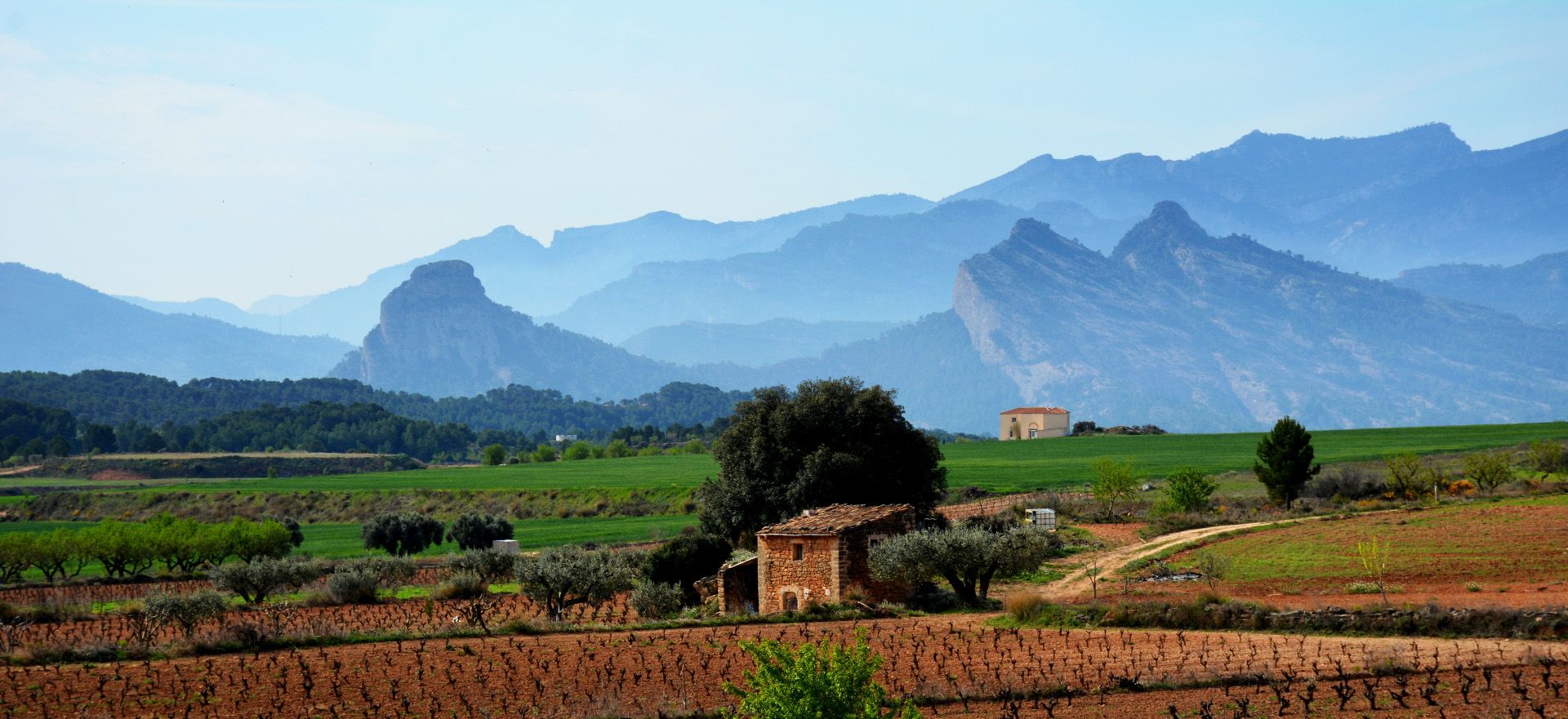
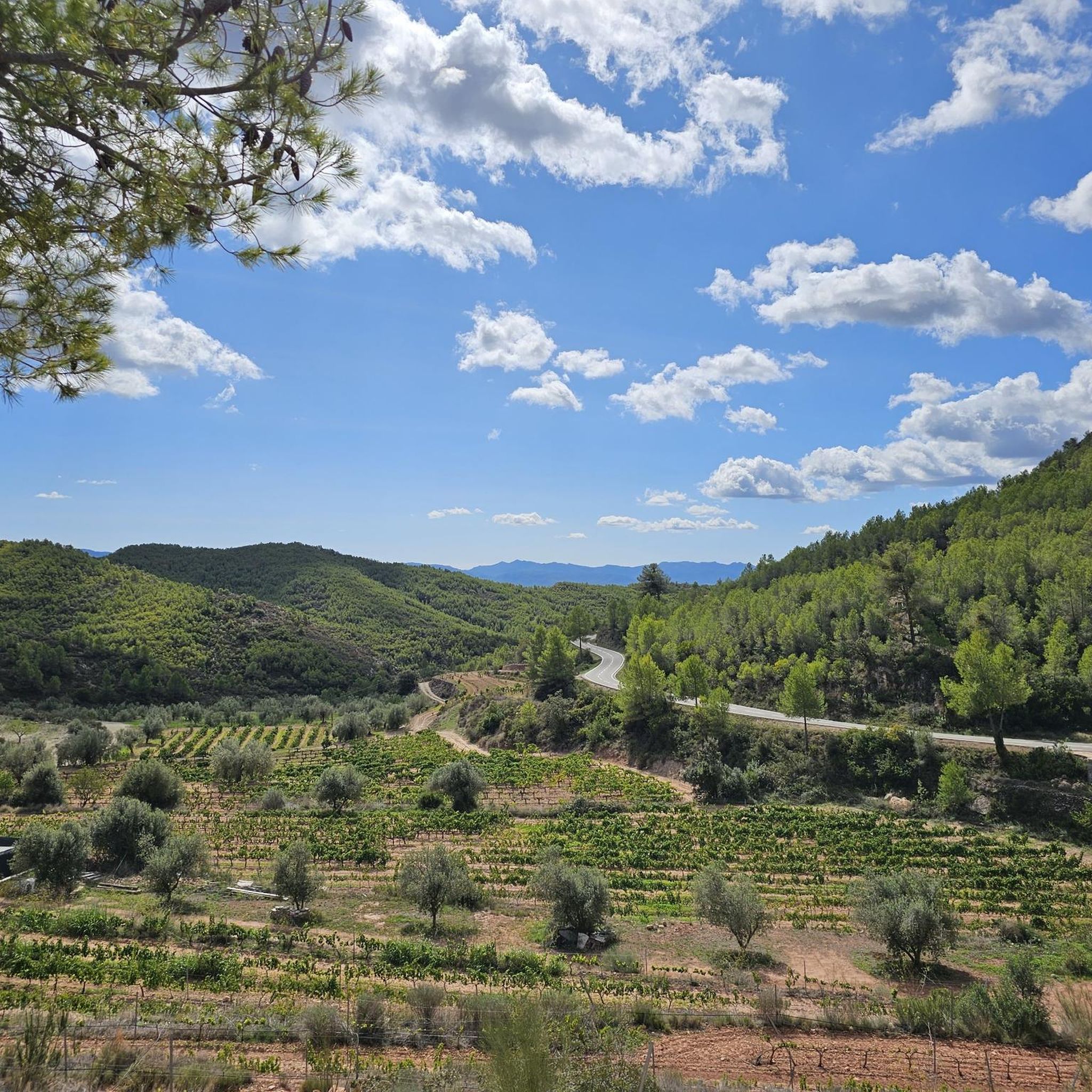
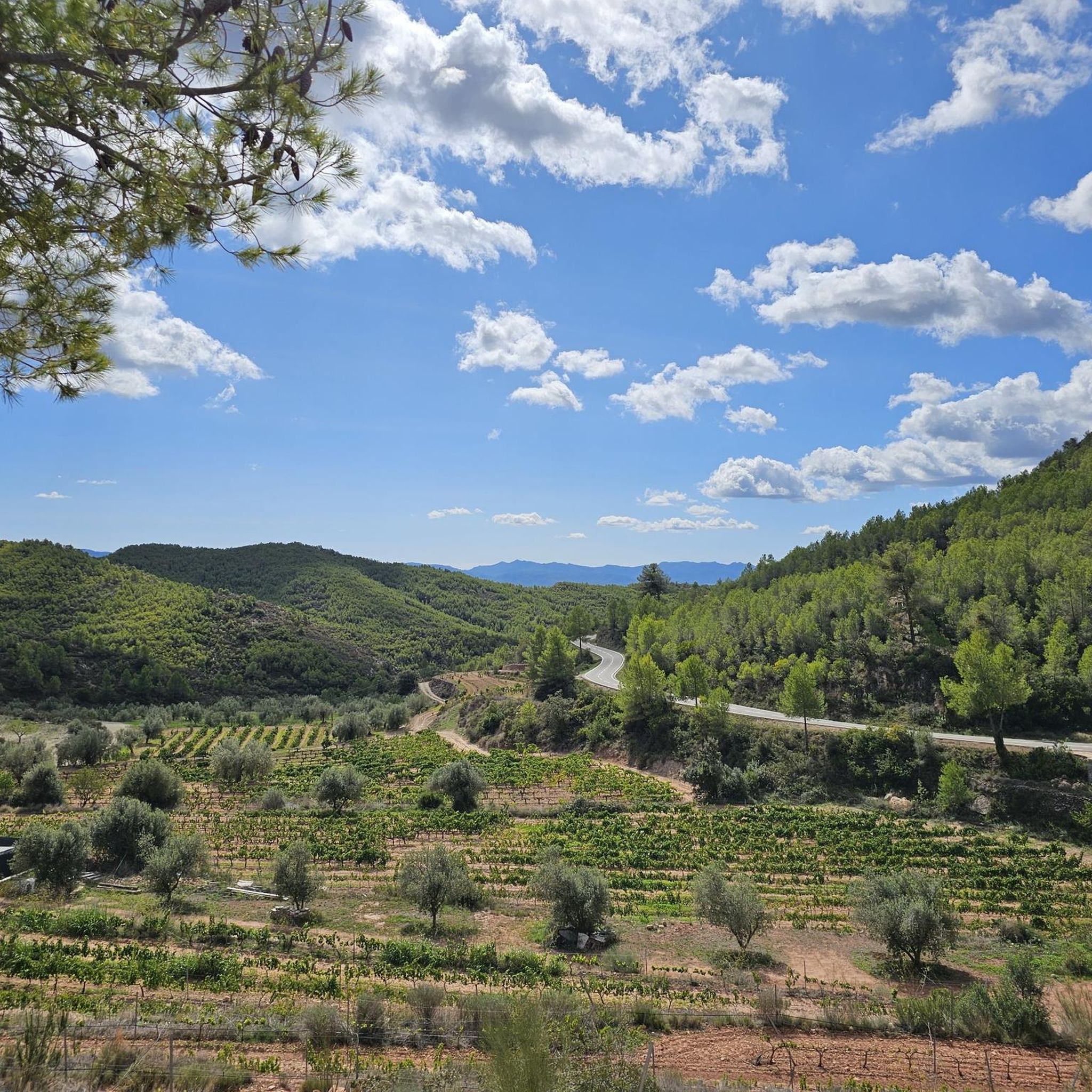
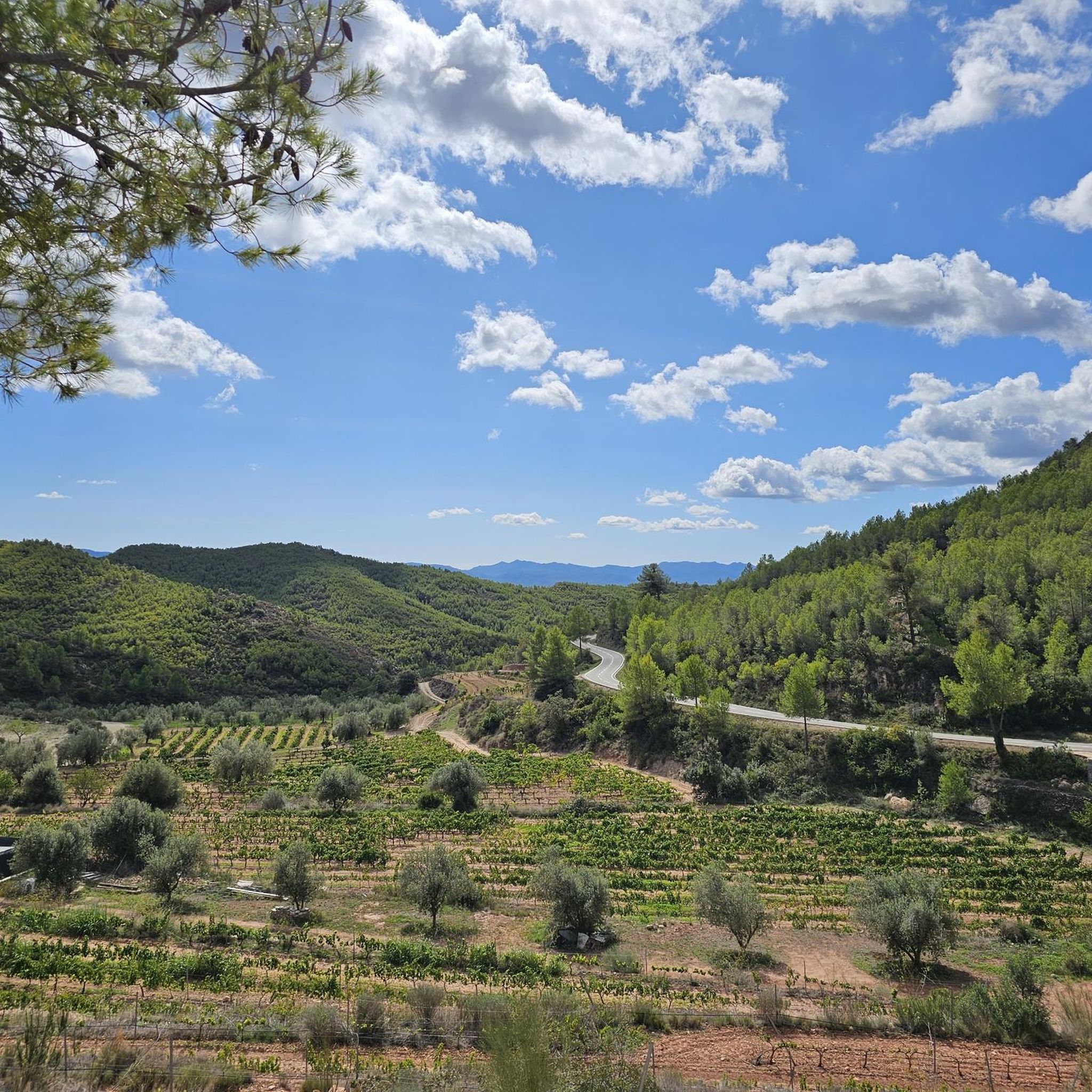
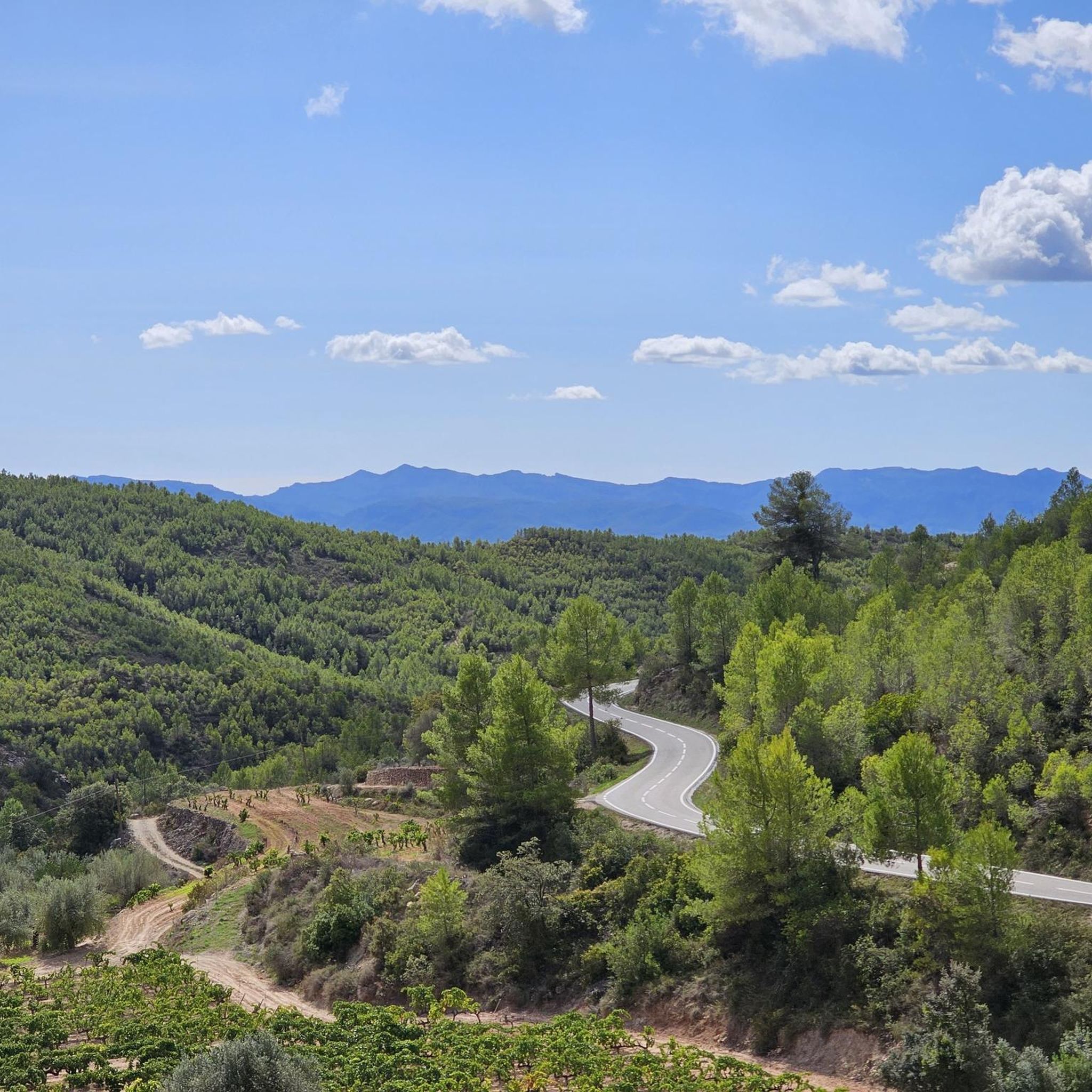
Jogging routes around La Figuera are found in an inland area of Spain, characterized by varied terrain suitable for active exploration. The region offers diverse landscapes, including hilly areas, natural rock formations, and a wine-growing area. These features provide a range of challenges for runners.
Best jogging routes around La Figuera
- The most popular jogging route is Running loop from Margalef, a 4.7 miles (7.6 km) trail that takes 1 hour 10 minutes to complete. This difficult route features…
Last updated: August 11, 2026
5.0
(2)
15
runners
7.63km
01:10
420m
420m
Hard run. Very good fitness required. Mostly paved surfaces. Suitable for all skill levels.
6
runners
12.1km
01:41
480m
480m
Hard run. Very good fitness required. Mostly paved surfaces. Suitable for all skill levels.

Sign up for free
5
runners
7.52km
00:47
20m
20m
Moderate run. Good fitness required. Mostly paved surfaces. Suitable for all skill levels.
6
runners
6.17km
00:45
130m
140m
Moderate run. Good fitness required. Mostly paved surfaces. Suitable for all skill levels.
4.0
(2)
7
runners
10.7km
01:40
590m
600m
Hard run. Very good fitness required. Mostly paved surfaces. Suitable for all skill levels.
Get access to more routes and recommendations from other explorers.
Sign up for free
Already have an account?
Our route recommendations are based on thousands of hikes, rides, and runs completed by other people on komoot.
Start today with a free account
Your next adventure awaits.
Login or Signup

Other adventures around La Figuera

Tips from the Community

Old passage of the Ascó boat next to Vinebre
0
1

Garcia is a municipality in the Ribera d'Ebre region. Located on the banks of the Ebre River and surrounded by vineyards and fields, the town has the remains of a 12th century Romanesque church. Garcia is also one of the few towns in the area to keep a boat pass to cross the Ebro.
0
0

Baroque church built in the 18th century. The building has an attached bell tower on the left side. Inside there are some decorative paintings.
2
0
The Carthusian monastery dates back to the 12th century, when the monks of Provence chose to build, in this unique setting, at the foot of the Sierra del Montsant, the first Carthusian monastery on the Iberian Peninsula. During the 19th century, the monks fled the territory, leaving the land and buildings abandoned. Due to the constant looting, the space occupied by the charterhouse was deteriorated and, today, the remains of the cloisters, the church, as well as the refectory can be visited.
2
0
Small hermitage very characteristic for being built under the rocks of the Sierra del Montsant. Adjacent to the hermitage is the former hermit's house. The space also has a large picnic area with stone tables and barbecues.
2
0

Great landscape with viticulture on stony soils. Be sure to try the fruity grape Garnatxa down in the town Escaladei. Viticultural area is Priorat, the first wine region in Spain. More at Wikipedia: https://de.wikipedia.org/wiki/Priorat_(Weinbaugebiet)
2
0

From October 1st to December 15th and from March 1st to May 31st 10 a.m. – 5 p.m From December 16th to February 28th 10 a.m. – 3.30 p.m From June 1st to September 30th 10 a.m. – 7.30 p.m Closed Mon (except public holidays); 01.01., 06.01., 25.12. and 26.12. closed GUIDED TOURS IN CATALAN AND SPANISH (reservation on +34 977 638 329): From October 1st to December 15th and from March 1st to May 31st Sat, Sun and public holidays: 11.15 a.m. (Spanish), 12.15 p.m. (Catalan) and 4 p.m. (Catalan) From December 16th to February 28th Sat: 11.15 a.m. (Spanish), 12.15 p.m. (Catalan) and 1.15 p.m. (Catalan) Sun: 11.15 a.m. (Spanish) and 12.15 p.m. (Catalan) From June 1st to July 14th and from September 12th to 30th Sat, Sun and public holidays: 11.30 a.m. (Spanish), 12.30 p.m. (Catalan), 5 p.m. (Catalan) and 6 p.m. (Catalan) From July 15th to September 11th Every day (except Mon): 10.30am, 11.30am (Spanish), 12.30pm (Catalan), 4.30pm (Catalan), 5.30pm (Spanish) and 6.30pm (Catalan) Tue – Fri: Guided tours by appointment PRICES: Adults: €3.50 Reduced (people aged 65 or over, or younger than 25, pensioners with relevant ID, families (2 adults and one or more children, people with a disability card, Carnet jove): €2.50 Special discounts (groups of schoolchildren and students accompanied by teachers who have reserved a visit to a monument or archaeological site between May 1st and August 31st, families with only one parent, families with three or more children): €1.50 Free entry (children under 8, unemployed, groups of students accompanied by teachers who have previously announced their visit (except mNACTEC), accredited teachers and guides, members of the “Associació de Museòlegs de Catalunya”, the ICOM (International Council of Museums) and the ICOMOS (International Council of Monuments) and Carnet Súper 3) Adults with a guide: €6.50 Reduced with a guide: €5.50 Special discount with a guide: €4.50 Free admission every last Tuesday of the month from October to June Agreed guided tours Tue – Fri (Catalan and Spanish): €65 + entrance tickets Agreed guided tours Tue – Fri (other languages): €81 + entrance tickets Cartoixa d'Escaladei Camí de la Cartoixa, s/n 43379 Escaladei Phone: 977 827 006 escaladei.cultura@gencat.cat www.mhcat.cat
8
0
Walk around Escaladei and learn about the monastery, founded in the 12th century by French Carthusian monks from Provence and the first of its kind in the Iberian Peninsula. The monks chose a unique place for its construction, located at the foot of the Montsant massif, where a shepherd had dreamed of angels climbing to heaven on a ladder leaning against a large pine tree; hence the name Escaladei – “God's Ladder”. The ladder to heaven, or ladder to God, can be found again today in the priory logo. The charterhouse existed until 1835 and lived through periods of great splendor. For seven centuries the monks tilled the fields, built mills and taught agricultural techniques and viticulture. The prior, hence the name of the region, was the judge and administrator of the villages in the center of what is now the county, roughly corresponding to what is now the Priorat growing area. With the secularization of the church property (expropriation) by Mendizábal (1835), the monks were forced to flee suddenly, leaving their cells, the cloisters, the church and the guest house abandoned. In just two years, the once-magnificent Charterhouse was reduced to rubble as peasants weary of servitude, tithes, and submission plundered it. The monastery ruins are open to the public: visitors are led to the three cloisters, the church and the dining room, as well as to a cell that has been reconstructed with great care. A visit to the Carthusian monastery of Escaladei is a must for anyone who wants to discover the origins of the Priorat region.
6
0
Frequently Asked Questions
How many running routes are available in La Figuera?
There are over 18 dedicated running routes around La Figuera, offering a variety of experiences for different fitness levels. These trails explore the region's diverse landscapes, including hilly areas and natural rock formations.
Are there running routes suitable for beginners in La Figuera?
While many routes in La Figuera present a challenge, there are several moderate options available. For instance, the Running loop from Vinebre is a moderate 7.5 km trail that offers a less strenuous experience compared to the more difficult routes, making it a good choice for those newer to trail running in the area.
Can I find long-distance running trails in La Figuera?
Yes, La Figuera offers several longer running trails for those seeking a more extended workout. The Garcia loop from Garcia is a notable option, covering 12.1 km with significant elevation changes, providing a challenging long-distance experience.
Are there circular running routes in La Figuera?
Many of the running routes in La Figuera are designed as loops, allowing you to start and finish in the same location. Examples include the popular Running loop from Margalef and the Ermita de Sant Salvador loop from Margalef, both offering scenic circular journeys through the local landscape.
What kind of natural features or viewpoints can I expect on these running trails?
The running trails in La Figuera often feature varied terrain, including natural rock formations and hilly vineyards. You can also find scenic viewpoints like the Vineyards and mountains highlight, offering panoramic views of the surrounding landscape. The region's inland character provides a rugged and picturesque backdrop for your run.
What are some historical or cultural attractions near the running routes?
Beyond the trails, the La Figuera region is rich in history and culture. You can explore sites like the Escaladei Charterhouse, a significant historical site, or visit the charming Falset and Poboleda Village. The area is also known for its wine-growing heritage, with cultural attractions like the Historical-Ethnological Museum housed in an 18th-century winery.
What do other runners enjoy most about jogging in La Figuera?
The running routes in La Figuera are highly rated by the komoot community, with an average score of 5.0 stars. Runners frequently praise the varied challenges, the natural rock formations, and the hilly vineyards that define the region's unique running experience. Over 280 runners have explored these diverse trails.
Are there any specific natural monuments to look out for?
Yes, the area around La Figuera features several interesting natural monuments. You might encounter the tranquil La Pietat Spring and Garden or explore unique geological formations like the Santa Llúcia Hospital Cave and Els avencs del Masroig, adding an extra dimension to your run.
What is the best time of year for running in La Figuera?
Given the varied terrain and potential for elevation, spring and autumn generally offer the most pleasant conditions for running in La Figuera, with milder temperatures. Summers can be hot, especially in the inland Valencia region, so early morning or late evening runs are advisable then. Winters are typically mild, making year-round running possible, though some higher elevation trails might be cooler.
Are there any routes that offer significant elevation gain for a challenging workout?
Absolutely. Many routes in La Figuera are characterized by significant elevation changes, providing excellent training opportunities. For example, the Pic de l'Àliga loop from Santa Paulina de Vallxiquer is a difficult 10.45 km route with substantial ascent, perfect for runners looking for a demanding workout.
What kind of terrain can I expect on the running trails?
The terrain in La Figuera is quite varied, ranging from paths through hilly vineyards to trails featuring natural rock formations. You can expect a mix of surfaces, including dirt tracks and rocky sections, which contribute to the region's diverse and engaging running experience.
Most popular routes around La Figuera
Most popular attractions around La Figuera

Get inspired with the komoot mobile app


Explore more
Browse the best Running Trails & Routes in other regions.
