Attractions and Places To See around Lanzahíta - Top 20
Best attractions and places to see around Lanzahíta include a blend of historical landmarks, cultural sites, and natural beauty. This charming village is nestled in the Tiétar Valley at the foot of the eastern massif of Gredos in Ávila. Visitors can explore ancient settlements, significant religious buildings, and scenic mountain passes. The area offers diverse points of interest for those seeking both cultural insights and outdoor experiences.
Best attractions and places to see around Lanzahíta
- The most popular attractions is…
Last updated: May 20, 2026
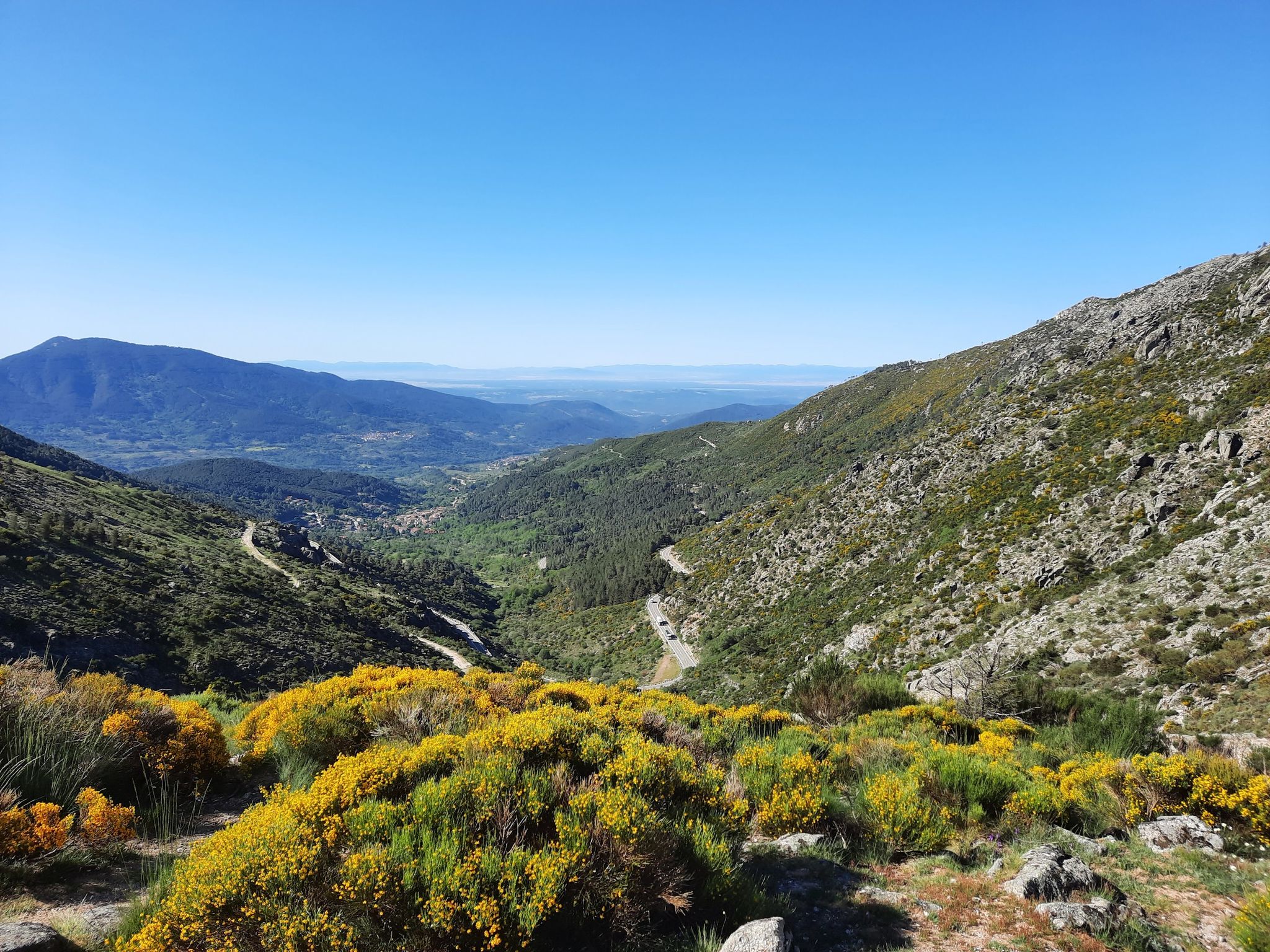
Puerto de Pedro Bernardo
Highlight • Mountain Pass
Translated by Google •
Tip by

San Pedro de Alcántara Sanctuary
Highlight • Religious Site
Translated by Google •
Tip by

Sign up now to discover places like this
Get recommendations on the best single tracks, peaks, & plenty of other exciting outdoor places.
Sign up for free
Serranillos Pass
Highlight • Mountain Pass
Translated by Google •
Tip by

San Esteban del Valle
Highlight • Settlement
Translated by Google •
Tip by

Mombeltrán
Highlight • Settlement
Translated by Google •
Tip by

Sign up for free to discover even more attractions around Lanzahíta.
Sign up for free
Already have an account?
Start today with a free account
Your next adventure awaits.
Login or Signup



Other adventures around Lanzahíta

Tips from the Community

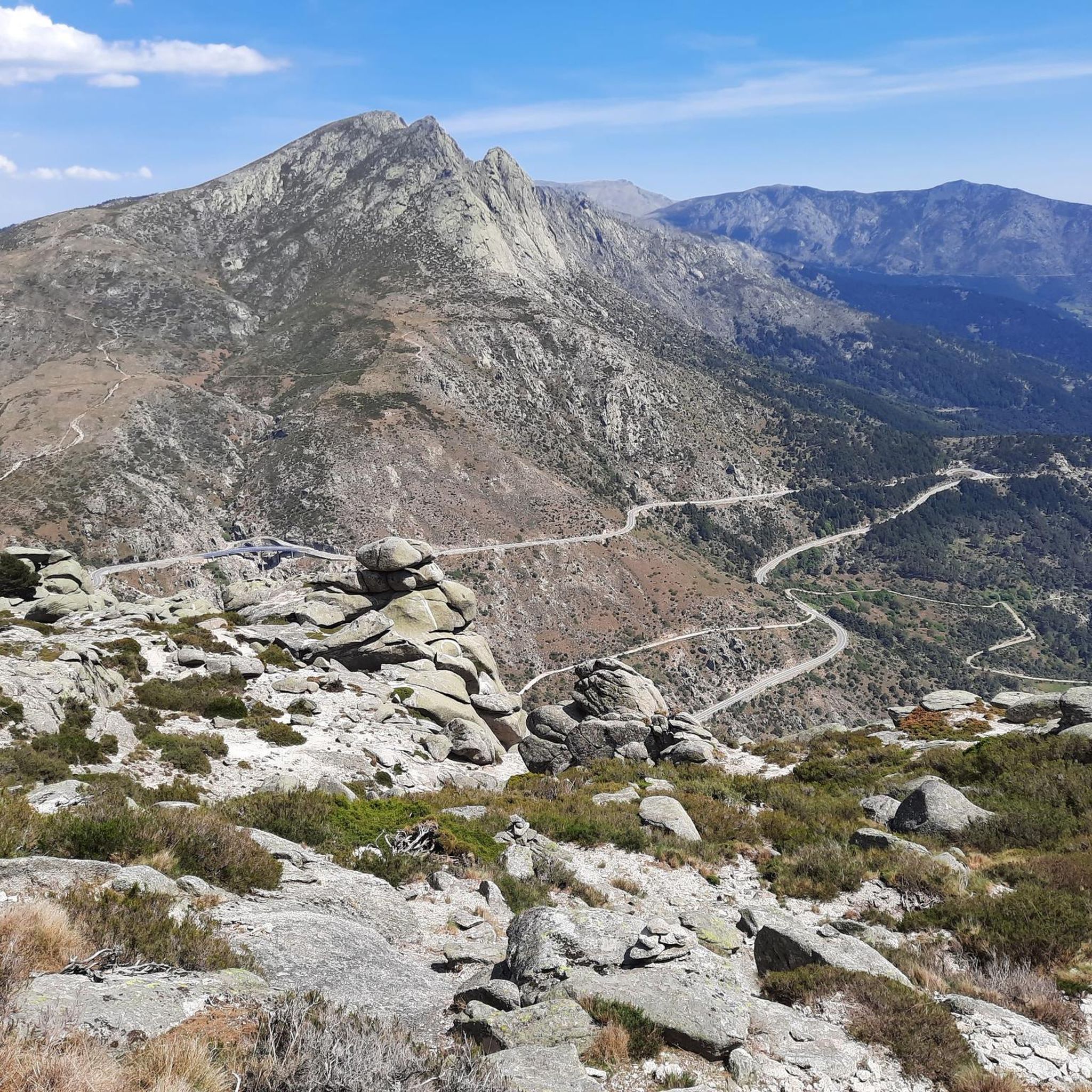
The Serranillos Pass is one of the most iconic mountain passes in the Sierra de Gredos, famous for its beauty and for being a historic stage in the Vuelta a España (Hinault's legendary stage in 1983). Views of the Cinco Villas Valley and the Gredos peaks. Spectacular scenery throughout the climb. Signage with gradient and remaining distance information. Ideal for linking up with Puerto del Pico, Pedro Bernardo, and Mijares for an epic stage.
1
0
The Pedro Bernardo Pass is one of the classic climbs in the Sierra de Gredos mountains, highly prized by cyclists and a regular feature of races like the Vuelta a España. First section: Up to the village (Pedro Bernardo), with gradients of 5-6%, a road in good condition, and spectacular views of the Tiétar Valley. Urban section: In the village, the gradient eases, even offering some flatter sections. Second section: After the village, the asphalt becomes rougher, and the toughest kilometer (7-8%) appears, followed by a "balcony" section with incredible views and a sustained 5% gradient to the summit.
1
0

Delicious coffee on the terrace of the Puente Seco bar, with views of Torozo, Serranillos and Puerto de Pedro Bernardo
0
0

Mombeltrán Castle is situated in a beautiful spot in the Sierra de Gredos mountains, just south of the Puerto del Pico Pass (altitude 1352 m).
0
0

The Puerto de Pedro Bernardo is the younger brother of the Puerto de Serranillos. Almost every time this port has been climbed in a professional race it is linked to the Puerto de Serranillos, only the second being considered a port. However, the Puerto de Pedro Bernardo is in itself a hill where you can go from the valley where the CL-501 road runs (where the town with the same name is located) to the valley of the Puerto de Pico, where Esteban del Valle and Mombeltrán are located. The chain with Serranillos is the most typical, as I said previously, although it is also worth chaining it with the Puerto de la Centenera or the Puerto del Pico. The road is rough, with hardly any shoulder and very little traffic. It is a very pleasant port to climb... as long as the heat is not suffocating.
2
0

Be careful after passing the monastery, do not miss the sign for La Cruz.
0
1
The Serranillos pass is one of the great classics of the Tour of Spain as it passes through the Sierra de Gredos. As the Vuelta has almost always ended in Madrid, the Gredos and Guadarrama mountain ranges offered very interesting alternatives to trace mountain stages in the last stages. The port of Serranillos is very iconic in the Sierra de Gredos for several reasons: type of port (long and long), rough and irregular road (but in good condition) and dryland landscape with little vegetation (very typical of this inland area of the Iberian Peninsula). The Serranillos port presents many climbing alternatives: - On its eastern side, there are 2 alternatives: from Burgohondo (the classic one, along the main highway AV-913) and from Navalosa along the AV P-419 highway, which joins the previous one in Navarrevisca. - on its west side, is where we will find more alternatives. I have come to count up to 5 alternatives. They are the following: (1) climb through Santa Cruz del Valle, starting from the N-502 and taking the AV p-706 highway, to later reach San Esteban del Valle and from there to the top; (2) leaving Mombeltrán on the AV-922 highway towards San Esteban del Valle and from there to the top; (3) starting from Cuevas del Valle and passing through Villarejo del Valle on the AV P-706 highway, reaching San Esteban del Valle and from there to the top; (4) starting from the N-502, in the middle of the climb to the Pico pass, taking a road that takes us to the Mirador de la Carretera del Sidrillo and to Esteban del Valle, and from there to the top; (5) previously crossing the Pedro Bernardo port on the AV-922 highway Although I have only done alternative 4 on the eastern slope by bike, they are all very similar. The slopes are gentle and the views, as there is little vegetation, cover a lot of territory.
0
0

San Esteban del Valle is a picturesque Spanish municipality located in the province of Ávila. It is located in the Tiétar Valley region, at the foot of the Gredos mountain range, which makes it an attractive destination for nature lovers. Among the most notable monuments are: the church of San Esteban Protomártir from the 15th century, the hermitage of San Pedro Bautista and the hermitage of San Andrés, the jurisdictional roll or pillory.
2
0
Frequently Asked Questions
What historical sites can I explore in Lanzahíta?
Lanzahíta boasts several historical sites. You can visit the Church of San Juan Bautista, dating back to the early 15th century, known for its Gothic architecture and extraordinary altarpiece. The restored Roman Bridge over the Garganta de La Eliza is another significant landmark. Additionally, part of an ancient Roman road, approximately 3 km long, can be explored for walking or cycling.
Are there any natural swimming spots near Lanzahíta?
Yes, the Garganta de La Eliza features numerous beautiful natural pools, perfect for swimming. Popular spots include 'charco La Bañera'. The best time to enjoy these natural pools is typically during May and June.
What outdoor activities are available around Lanzahíta?
The region offers a variety of outdoor activities. You can explore hiking trails, including an easy 6.5 km loop from Lanzahíta itself. For cyclists, there are road cycling routes that tackle mountain passes like Puerto de Pedro Bernardo and Serranillos Pass. Mountain biking is also popular, with MTB trails available.
Where can I find scenic viewpoints in the Lanzahíta area?
For spectacular views, head to Puerto de Pedro Bernardo, a mountain pass offering panoramic vistas of the Tiétar Valley and the Gredos peaks. Serranillos Pass also provides stunning views of the Cinco Villas Valley and the Gredos peaks. Additionally, the 7-kilometer 'Paseo al río Tiétar' offers magnificent views of the Lanzahíta plain and its natural landscape.
Are there family-friendly attractions in Lanzahíta?
Yes, several attractions are suitable for families. The San Pedro de Alcántara Sanctuary is listed as family-friendly, offering a cultural and historical experience. The village of Mombeltrán, with its impressive 15th-century castle, is also a great family destination. For active families, the Municipal Sports Center 'Las Cancheras' provides various sports facilities, and the Merenderos (picnic areas) offer pleasant outdoor leisure spots.
What cultural landmarks should I visit in Lanzahíta?
Beyond the Church of San Juan Bautista, consider visiting the Ermita de la Virgen del Prado, located next to the Roman bridge. Nearby, the San Pedro de Alcántara Sanctuary is a significant pilgrimage site with a rich history and sacred art collection. The village of San Esteban del Valle also features a 15th-century church and other small hermitages.
Can I find hiking trails suitable for beginners near Lanzahíta?
Yes, there are options for beginners. Komoot offers an easy hiking loop from Lanzahíta itself, covering about 6.5 km. The 'Paseo al río Tiétar' is also a gentle 7-kilometer path suitable for walking. Additionally, parts of the Old Roman Road offer well-preserved sections for easy walks.
What is the best time of year to visit Lanzahíta for outdoor activities?
For enjoying natural swimming spots like those in the Garganta de La Eliza, May and June are ideal. Generally, spring and early summer offer pleasant temperatures for hiking, cycling, and exploring the natural beauty of the region before the peak heat of summer.
Are there any ancient Roman structures to see?
Yes, you can visit the restored Roman Bridge over the Garganta de La Eliza, which was part of an ancient royal road. Additionally, a well-preserved section of an Old Roman Road, approximately 3 km long, can be explored for walking or cycling, showcasing impressive zigzagging ramps.
Where can I go for a picnic or leisure outdoors in Lanzahíta?
Lanzahíta has two dedicated outdoor picnic and leisure areas, known as Merenderos. One is conveniently located next to the two bridges of the village, near the Ermita de Nuestra Señora la Virgen del Prado. The other is by the Pilón de Las Borchas, accessible via the old Roman road, offering a tranquil setting.
What are some notable castles or forts in the region?
The region is home to significant historical fortifications. You can visit the impressive Castillo de Mombeltrán, a 15th-century castle also known as the Castle of the Dukes of Alburquerque, located about 9 km from Lanzahíta. Further afield, the Castro Celta de El Raso is an ancient Celtic fort with reconstructed dwellings, offering a glimpse into prehistoric settlements.
Are there any unique geological formations or caves to visit?
Yes, the Grutas del Águila (Eagle Caves) are a highly visited site in the Tiétar Valley. Discovered in 1963, these caves feature several irregularly shaped naves, with the main one reaching 20 meters in height, offering a fascinating underground experience.
What do visitors particularly enjoy about the mountain passes near Lanzahíta?
Visitors frequently praise the spectacular views from passes like Puerto de Pedro Bernardo and Serranillos Pass. Cyclists appreciate the challenging climbs and the scenic routes, often linking these passes for epic stages. The natural beauty and the sense of accomplishment after reaching the summits are highly valued.

Get inspired with the komoot mobile app


Explore more
Still not found the Highlight you’re looking for? See guides of the top attractions in other regions:
