The best walks and hikes around Holguera
4.2
(21)
77
hikers
6
hikes
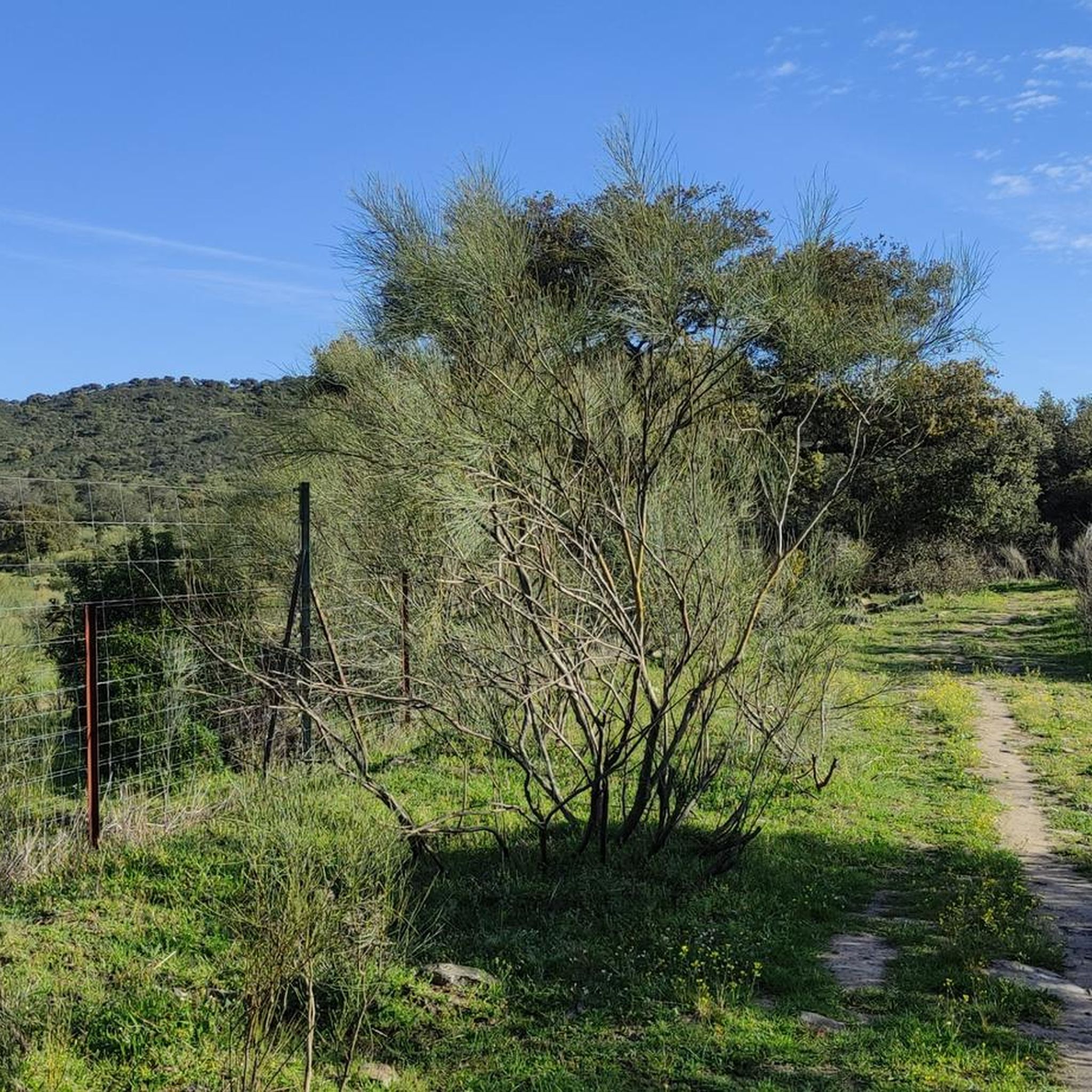
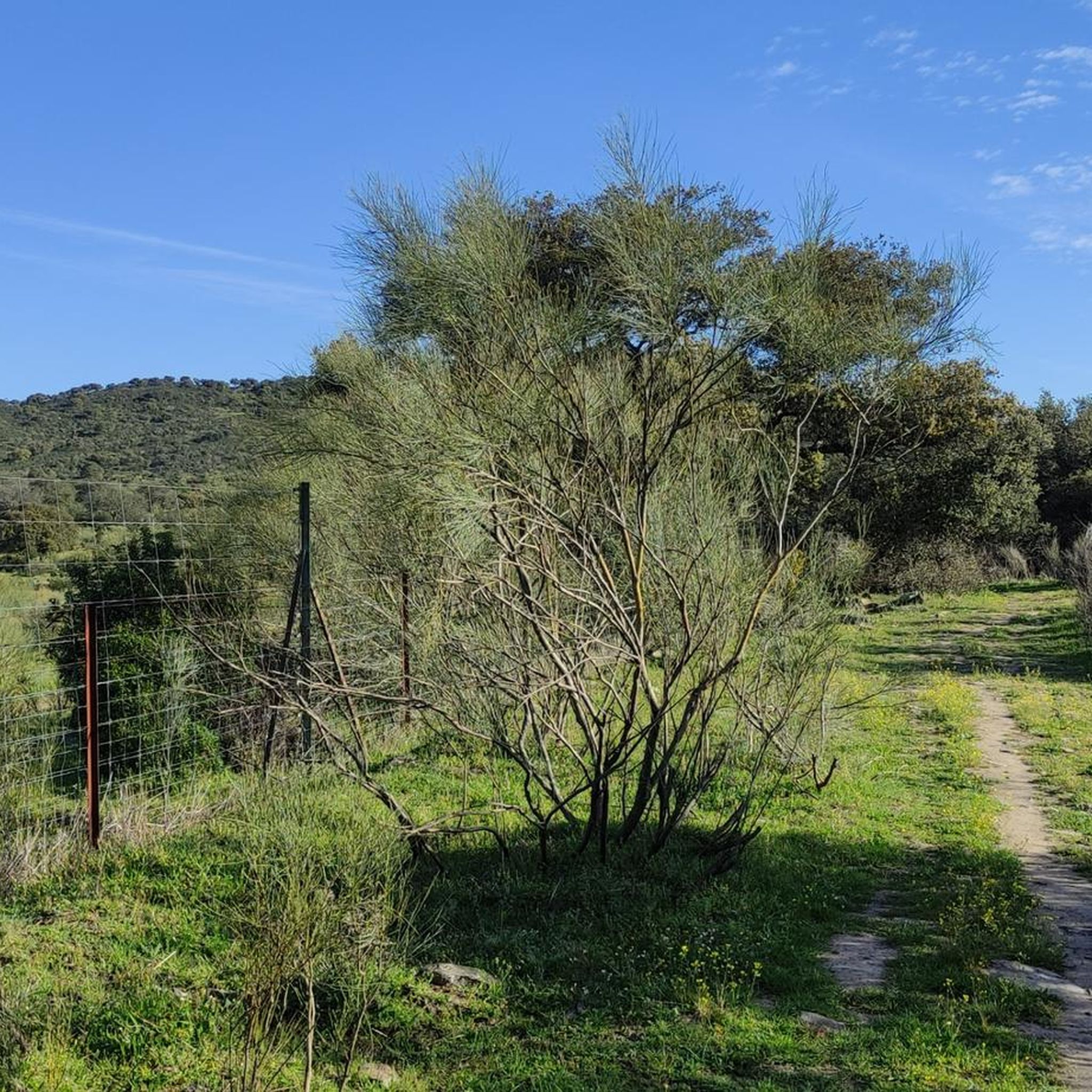
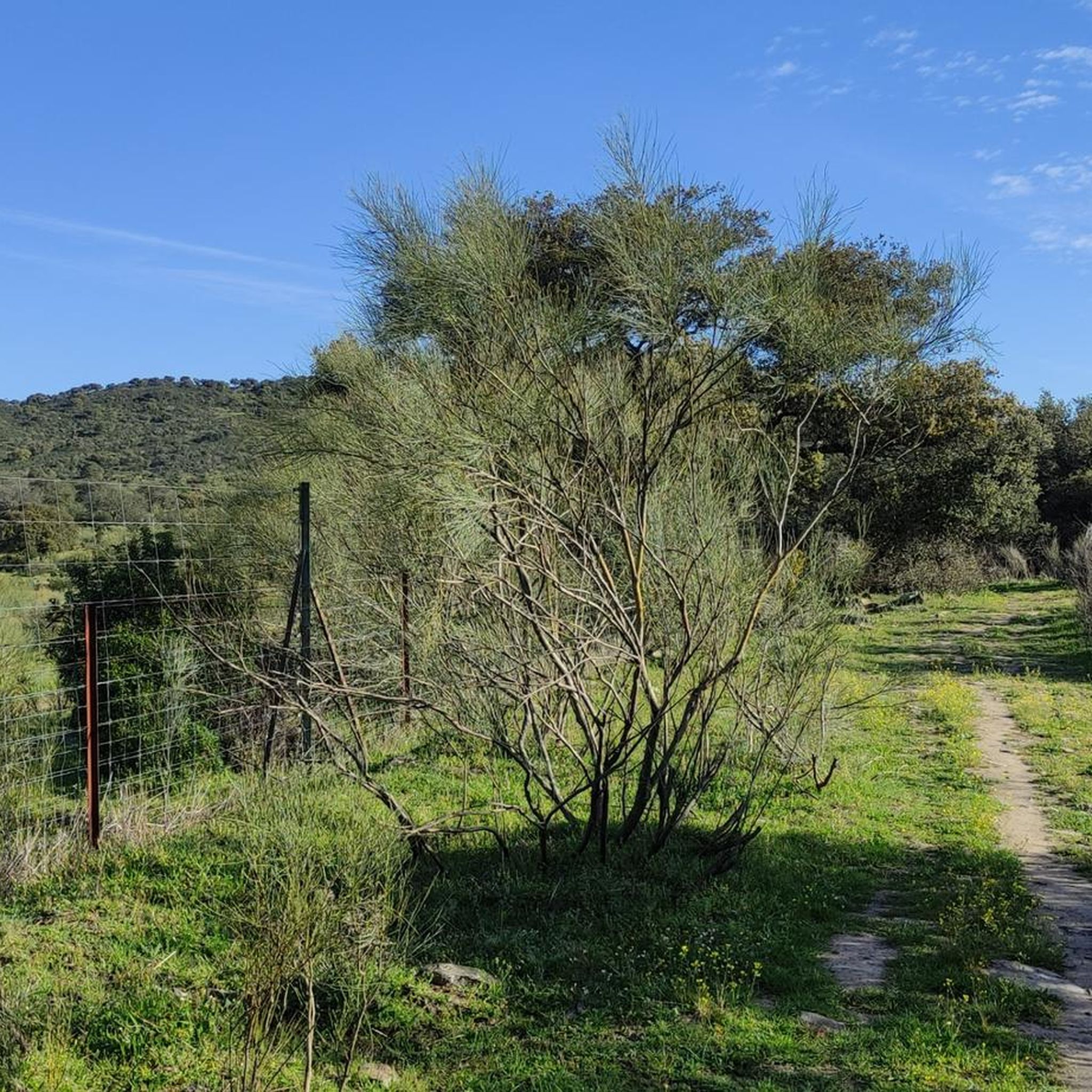
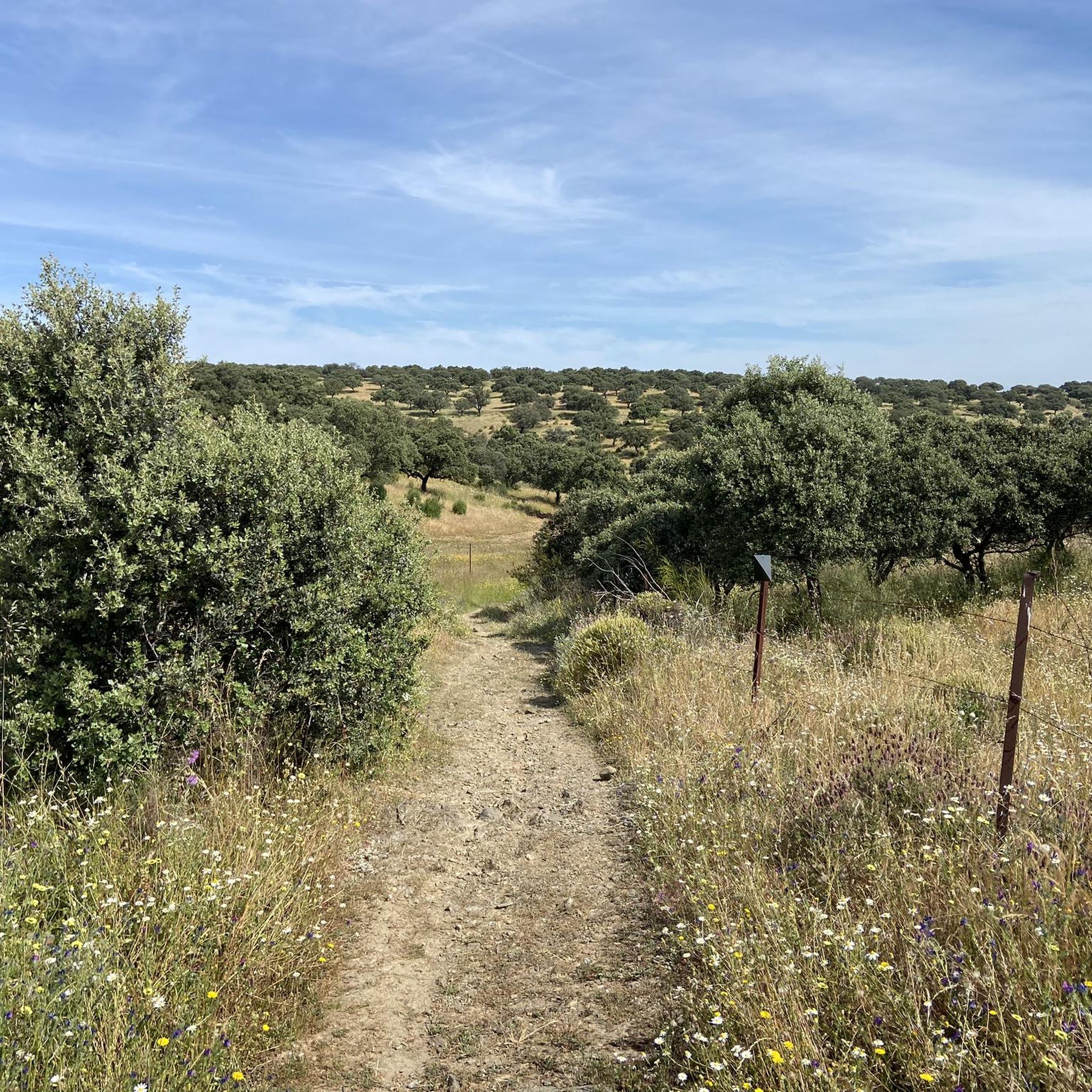
Hiking around Holguera offers access to diverse natural landscapes within the Cáceres province of Extremadura, Spain. The region features varied terrain, including plains, river systems like the Tagus, and mountain ranges. Mediterranean forests, scrubland, and distinctive granite rock formations characterize the area, providing a range of environments for outdoor activities.
Best hiking trails around Holguera
- The most popular hiking route is Castillo de Mirabel – circular through the Umbría del Berbechoso - Monfragüe National Park Biosphere (PR-CC 66), a…
Last updated: November 25, 2026
4.3
(4)
19
hikers
Moderate hike. Good fitness required. Mostly walkable paths. Sure-footedness required.
5.0
(5)
16
hikers
7.20km
01:57
100m
100m
Easy hike. Easily walkable paths.

30.9km
08:28
480m
480m
Hard hike. Very good fitness required. Easily walkable paths.
4.7
(3)
21
hikers
15.5km
04:15
240m
240m
Moderate hike. Good fitness required. Easily walkable paths.
4.8
(5)
5
hikers
5.42km
01:24
30m
30m
Easy hike. Easily walkable paths.
Our route recommendations are based on thousands of hikes, rides, and runs completed by other people on komoot.
Start today with a free account
Your next adventure awaits.
Tips from the Community

This section of the western Royal Road of Soria runs along the top of hills that reveal the beautiful surrounding landscape. The view is lost among mountain ridges and groves.
0
0

For decades, it fell into oblivion, becoming a remote ruin visited by few. However, recently, Mirabel Castle (or what remains of it) has become one of the attractions in this area of the Monfragüe Biosphere Reserve. Situated on a hill in the mountains, the castle's imposing defensive fortress offers stunning views of the Tagus River stretching out below.
13
0

The church is dedicated to Saint Catherine of Alexandria, patron saint of Riolobos. Its patron saint festivals are celebrated from November 25 to 27, popularly known as 'las Catalinas', one of the most important celebrations in the municipality, documented at least since the 18th century.
2
0
The Church of Santa Catalina is the main religious and heritage monument of Riolobos, and one of the most representative buildings in the municipality. It is located in the center of the town, in the Plaza Mayor (Plaza de la Iglesia), and remains the active parish church of the locality today. Building constructed mainly of masonry, highlighting the use of slate, a common material in the region.
2
0

Just a few meters on the pedestrian path along the street
0
0

I don't know whose idea it was to restore the northwest tower so badly, a crime in plain sight... Today they are working on the "restoration" of the barbican. Alfonso II, in 877, failed to conquer the fortress of Portezuelo. In the month of July 997, when Almanzor crossed the Alconeter bridge and through Coria and the castle of Portezuelo he reached Santiago of Compostela. Conquered by Ferdinand II of León in 1166 and lost in 96. In 1219 Diego Sánchez, master of Alcántara, took it again: “he left Çamora with a large army against the Moors who still had much of Estremadura belonging to their conquest and the master with his knights and vassals joined the king in the city of Coria. From there the army left together and laid siege to a castle. called Portillo, which were a Sierra not far from Ceclavin. They beat him for combat and captured more than two hundred Moors in it." According to sources, the castle had an Arab and Christian population until 1386.
0
0
Cañaveral is a Spanish town and municipality, located in the province of Cáceres, in the autonomous community of Extremadura. Administratively, it is part of the judicial district of Cáceres and the community of Riberos del Tajo. It is located in the center of the province, north of the Tagus River, near a chain of mountain ranges that extend from the Monfragüe National Park.
3
0
Portezuelo Castle, also known as Marmionda Castle, is an ancient fortress located in the municipality of Portezuelo, in the province of Cáceres. The construction of the castle dates back to the 12th century. During this time, the Almohads invaded al-Andalus (1147), putting an end to the Almoravid empire. In 1167, the Christian king of León, Ferdinand II, conquered the castle and gave it to the Knights Templar. However, in 1196, the Almohads recovered it. Finally, in 1213, Alfonso IX of León definitively reconquered it and handed it over to the Order of San Julián del Pereiro, later known as the Order of Alcántara. Throughout its history, the castle underwent various renovations, the 16th century being the last of some importance. Unfortunately, it was abandoned in the second half of the 17th century.
8
0
Frequently Asked Questions
What kind of hiking trails can I expect around Holguera?
Hiking around Holguera offers a diverse range of natural landscapes within the Cáceres province of Extremadura. You'll find varied terrain, including plains, river systems like the Tagus, and mountain ranges. The area is characterized by Mediterranean forests, scrubland, and distinctive granite rock formations, providing a mix of environments for outdoor activities.
How many hiking routes are available near Holguera?
There are 6 hiking routes available around Holguera, catering to various skill levels. These include 4 easy trails, 1 moderate trail, and 1 difficult trail, ensuring options for both casual walkers and experienced hikers.
Are there any easy hiking trails suitable for beginners or a relaxed walk?
Yes, there are several easy trails. One popular option is the Gothic bridge of San Benito circular from the train station Cañaveral, which is 7.2 km long and offers views of a historic gothic bridge and riverside paths. Another easy choice is the Pondside Campsite loop from Cañaveral, a shorter 4.9 km route.
What are the most challenging hikes in the Holguera area?
For those seeking a more demanding hike, the Torrejoncillo to Castillo de Portezuelo — circular is classified as difficult. This extensive 30.9 km trail leads through varied terrain towards a historic castle and typically takes over 8 hours to complete.
Are there any circular hiking routes around Holguera?
Yes, many of the routes around Holguera are circular. Examples include the Castillo de Mirabel – circular through the Umbría del Berbechoso - Monfragüe National Park Biosphere (PR-CC 66), the Gothic bridge of San Benito circular from the train station Cañaveral, and the Torrejoncillo to Castillo de Portezuelo — circular.
What notable landmarks or attractions can I see while hiking near Holguera?
The region offers several interesting landmarks. You can visit the historic San Benito Gothic Bridge, explore the Galisteo City Walls and Galisteo Historic Town and Stone Archway, or see the impressive Mirabel Castle. The Church of Santa Marina of Cañaveral is another point of interest.
What do other hikers say about the trails around Holguera?
The routes in Holguera are highly rated by the komoot community, with an average score of 4.3 stars from over 18 reviews. Hikers often praise the varied terrain, from Mediterranean forests to river valleys, and the opportunities to explore historic sites and natural features.
Are there any trails that pass through Monfragüe National Park?
Yes, the Castillo de Mirabel – circular through the Umbría del Berbechoso - Monfragüe National Park Biosphere (PR-CC 66) explores the Mediterranean forests and river systems of Monfragüe National Park. This UNESCO Biosphere Reserve is renowned for its birdwatching opportunities and stunning landscapes.
What kind of natural features can I expect to see on a hike in this region?
The region is rich in natural beauty. You can expect to encounter Mediterranean forests, river valleys, and distinctive granite rock formations. The wider Cáceres province also features significant river systems like the Tagus, and protected areas such as Monfragüe National Park, known for its diverse raptor species.
Is the area around Holguera suitable for birdwatching while hiking?
Absolutely. The proximity to Monfragüe National Park, a UNESCO Biosphere Reserve, makes the area excellent for birdwatching. The park is one of Europe's best spots for observing raptors such as black vultures, Spanish imperial eagles, and black storks, especially from viewpoints like Salto del Gitano.
What is the best time of year to go hiking in Holguera?
Extremadura generally experiences hot summers. Spring and autumn are often the most pleasant seasons for hiking, offering milder temperatures and vibrant landscapes. Spring is particularly beautiful with blooming wildflowers, and autumn provides comfortable weather for longer excursions.
Are there any trails that offer views of historic castles?
Yes, the Torrejoncillo to Castillo de Portezuelo — circular leads directly to the historic Mirabel Castle. This trail provides an opportunity to combine hiking with exploring historical architecture.
Most popular attractions around Holguera

Get inspired with the komoot mobile app


Explore more
Browse the best Hikes in other regions.
