Attractions and Places To See around Santa Cruz De Moncayo - Top 20
Best attractions and places to see around Santa Cruz De Moncayo are situated at 629 meters at the northern foothills of Moncayo. This region offers a blend of historical, cultural, and natural attractions. Its history dates back to 1106, with a past tied to the Monasterio de Veruela and a pottery tradition. The area provides opportunities to explore historical landmarks, cultural sites, and natural features.
Best attractions and places to see around Santa Cruz De Moncayo
- The most popular attractions…
Last updated: May 19, 2026
Tarazona
Highlight • Settlement
Translated by Google •
Tip by

Snow Well of Prado de Santa Lucía
Highlight • Monument
Translated by Google •
Tip by

Sign up now to discover places like this
Get recommendations on the best single tracks, peaks, & plenty of other exciting outdoor places.
Sign up for free
Fuente del Sacristán Picnic Area
Highlight • Rest Area
Translated by Google •
Tip by
Peña del Tío Fresquito
Highlight • Viewpoint
Translated by Google •
Tip by
Monastery of Santa María de Veruela
Highlight • Religious Site
Translated by Google •
Tip by
Sign up for free to discover even more attractions around Santa Cruz De Moncayo.
Sign up for free
Already have an account?
Start today with a free account
Your next adventure awaits.
Login or Signup

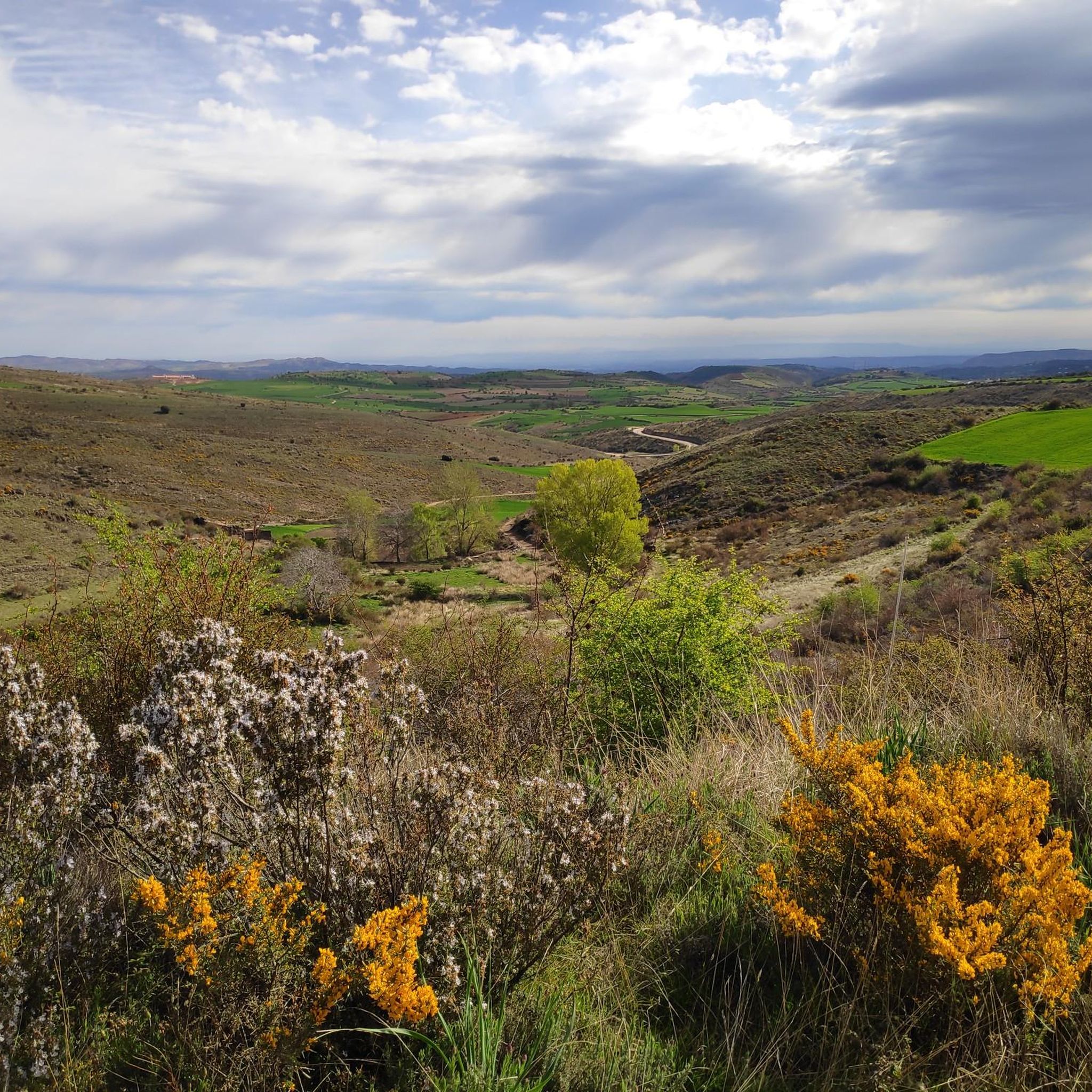
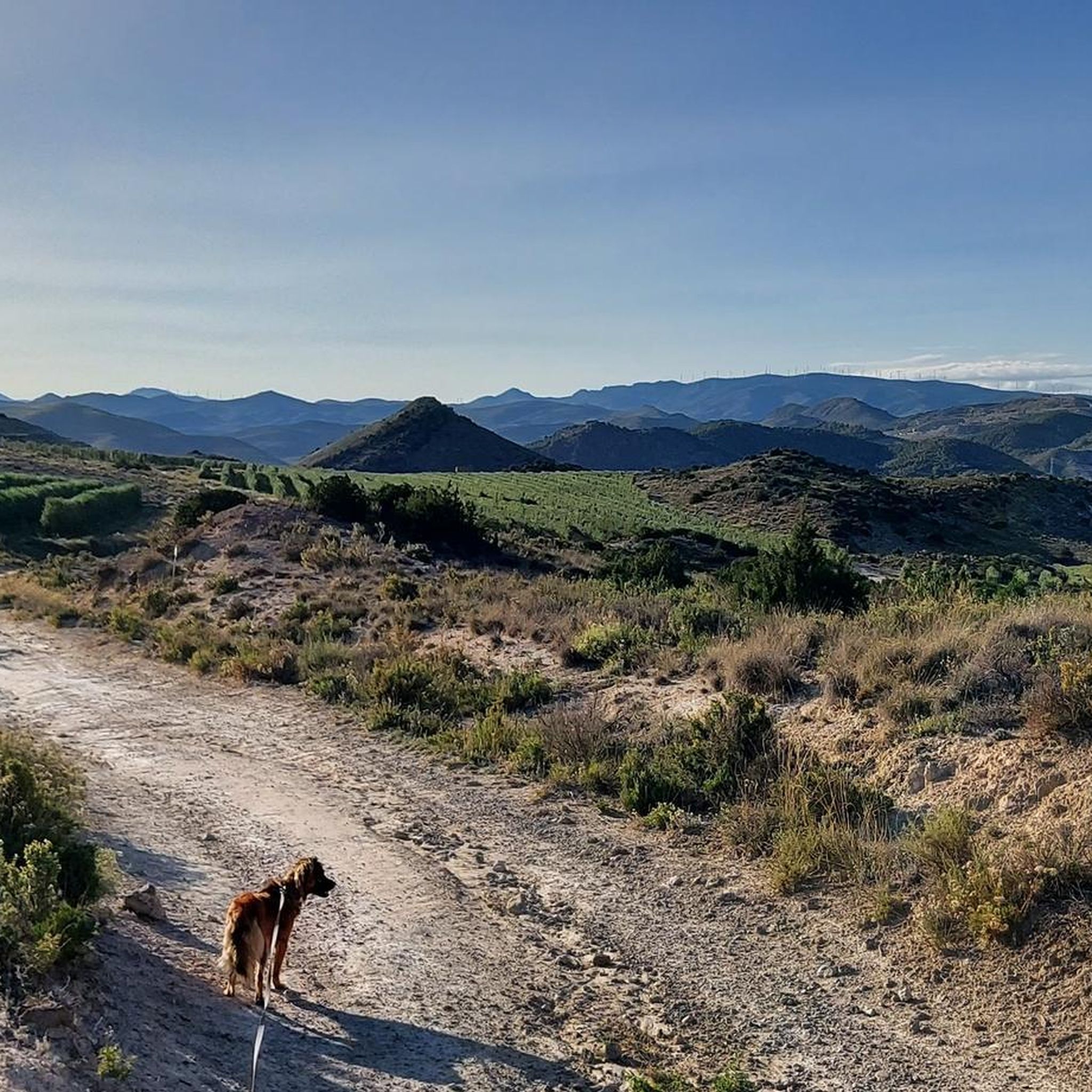

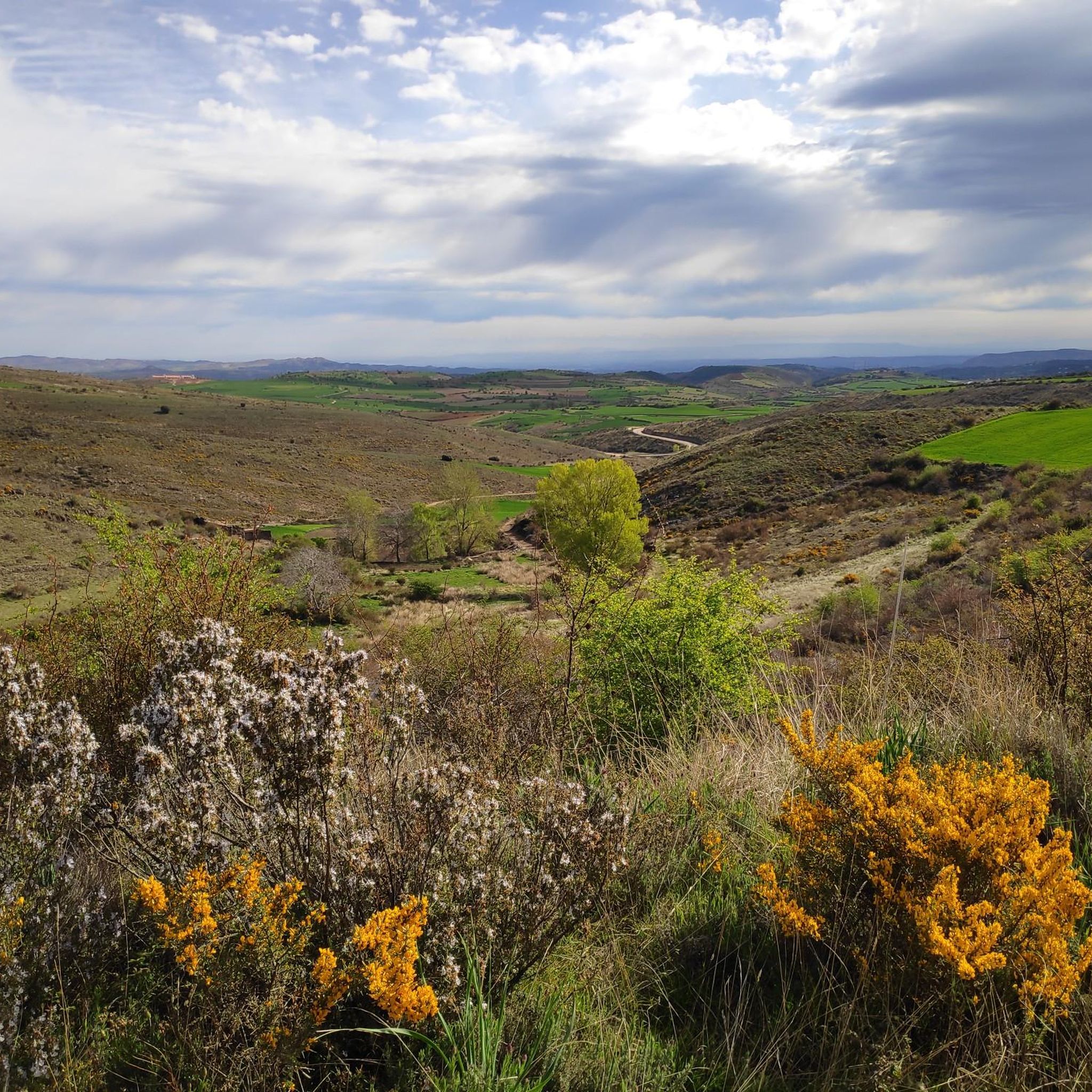
Tips from the Community

The Prado de Santa Lucía Snow Well is located near San Martín de Moncayo, in the province of Zaragoza, within the natural setting of the Moncayo Natural Park. This well is a traditional construction formerly used to store snow during the winter, which was then compacted and preserved for medical, food, or refrigeration purposes during warmer seasons. It is a semi-buried structure with stone walls and a vaulted roof, designed to retain the cold for months.
1
0

Real Monasterio de Santa María de Veruela, or "The Royal Monastery of Santa María de Veruela") is a Cistercian abbey from the 12th century. It is located near Vera de Moncayo. It was founded in 1146 by Pedro de Atarés. Source wikipedia.
1
0
Tarazona boasts of offering a wide list of monuments of incalculable artistic value. The cathedral is a unique example of a Gothic temple in which an exceptional Mudejar and Renaissance legacy coexists.
2
0

Not far from the 2315 meter high Moncayo is the small town of Tarazona. There is a lot to discover here. In addition to the three-story town hall, which is housed in an imposing Renaissance building with balconies and a loggia on the upper floor, the cathedral, which was built in the 12th century in the French Gothic style, is also worth a visit.
1
0

Running along the bottom of the Val ravine, we come across a sign that indicates the detour to the Peña del Tío Fresquito, which we will access by a small staircase and a subsequent climb. If we can do it, it is worth it for the good views it offers us of the Val valley.
1
0
Walking along the bottom of the Val ravine, we come across a sign that indicates the detour to the Peña del Tío Fresquito, which we will access by a small staircase and a subsequent climb. If we can do it, it is worth it for the good views it offers us of the Val valley.
1
0
We are in the monastery of Santa María de Veruela, a magical place in the province of Zaragoza. The monastery combines Romanesque, Gothic, Renaissance and Baroque architecture and is surrounded by a wall. We can also visit the cloister or the exhibition of the Bécquer brothers since they worked and stayed here. Admission is free for children up to 11 years old (€2 for adults) but it is totally worth it if we are interested in the whole story.
3
0
We are in the Monastery of Santa María de Veruela, a magical place in the province of Zaragoza. The monastery combines Romanesque, Gothic, Renaissance and Baroque architecture and is surrounded by a wall. We can also visit the cloister or the exhibition of the Bécquer brothers since they worked and stayed here. Admission is free up to 11 years old (€2 for adults) but it is totally worth it if we are interested in all the history.
1
0
Frequently Asked Questions
What historical sites can I explore in Santa Cruz de Moncayo?
Santa Cruz de Moncayo boasts a rich history. You can visit the 13th-century Romanesque Church of the Exaltation of the Holy Cross, originally a mosque, which features a 17th-century altarpiece and an 18th-century ceramic baptismal font. Remnants of a medieval castle also offer a glimpse into the past. Additionally, the region's pottery heritage is showcased at the Museum of Ceramics and Popular Traditions and the historical Pottery Kilns.
Are there any museums in Santa Cruz de Moncayo?
Yes, the Tarazona area, close to Santa Cruz de Moncayo, is home to the Museum of Ceramics and Popular Traditions. Inaugurated in 1995, this museum details the local pottery tradition, displaying production methods and popular pottery pieces, including unique 'espantabrujas' (witch scarers).
What natural attractions are there near Santa Cruz de Moncayo?
Santa Cruz de Moncayo is nestled at the foot of the Moncayo Mountain, offering picturesque landscapes. A notable natural feature is the Snow Well of Prado de Santa Lucía, an underground deposit historically used to store snow. The broader Moncayo Natural Park provides a rich ecosystem with numerous trails.
What outdoor activities can I do around Santa Cruz de Moncayo?
The region offers various outdoor activities, especially for trail running and cycling. You can find designated trail running routes like 'R1: Cabaña – Sotillo' and 'R2: Arquilla'. For cycling, there are routes such as 'The Balcony of El Buste' for road cycling or 'Tarazona – Río Queiles Trail' for touring bicycles. You can find more details on these activities in the Road Cycling Routes around Santa Cruz De Moncayo, Cycling around Santa Cruz De Moncayo, and Running Trails around Santa Cruz De Moncayo guides.
Are there family-friendly attractions in the area?
Yes, several attractions are suitable for families. The Tarazona settlement, with its historic town hall and cathedral, is considered family-friendly. The Monastery of Santa María de Veruela offers free admission for children up to 11 years old. Additionally, the Fuente del Sacristán Picnic Area in Moncayo Natural Park is a great spot for families, offering parking and starting points for walks through the forest.
Where can I find picnic areas or facilities in the Moncayo Natural Park?
The Fuente del Sacristán Picnic Area is a beautiful spot within the Moncayo Natural Park. It provides parking, a fountain, and serves as an excellent starting point for various routes through spectacular beech, oak, and pine forests.
What is the significance of the pottery tradition in Santa Cruz de Moncayo?
The pottery and tile-making industry in Santa Cruz de Moncayo was historically the most important in the Comarca de Tarazona for centuries. The town's pottery, known for its greenish, brownish, or reddish glazes and decorative plant motifs, flourished from the Middle Ages until the 1960s, with its peak in the 17th, 18th, and 19th centuries. You can learn more about this heritage at the Museum of Ceramics and Popular Traditions.
What is the <a href="https://www.komoot.com/highlight/5316074" target="_blank" rel="noopener">Monastery of Santa María de Veruela</a>?
The Monastery of Santa María de Veruela is a Cistercian abbey from the 12th century, located near Vera de Moncayo. It's a magical place that combines Romanesque, Gothic, Renaissance, and Baroque architecture. Visitors can explore its cloister and an exhibition dedicated to the Bécquer brothers, who worked and stayed there.
What is special about the <a href="https://www.komoot.com/highlight/5334316" target="_blank" rel="noopener">Cathedral of Saint Mary of the Huerta of Tarazona</a>?
The Cathedral of Saint Mary of the Huerta of Tarazona is a unique example of a Gothic cathedral that beautifully combines various architectural styles, including Romanesque, Mudejar, and Renaissance elements. Its restoration allows visitors to admire a deep review of Spain's art history within its walls.
Are there any unique historical structures related to climate in the region?
Yes, the Snow Well of Prado de Santa Lucía is a fascinating historical structure. This underground deposit was traditionally used to store snow, highlighting the Moncayo region's historical role as a significant producer and exporter of snow for various purposes.
What is the best time to visit Santa Cruz de Moncayo for outdoor activities?
Given its location at the foothills of Moncayo, spring and autumn generally offer pleasant weather for outdoor activities like hiking and cycling. Summers can be warm, while winters might bring snow, especially at higher elevations, which could be suitable for different types of activities.
What kind of trails can I find for running near Santa Cruz de Moncayo?
The area around Santa Cruz de Moncayo offers several running trails. You can find routes like 'Running loop from Santa Cruz de Moncayo' which is about 4.8 km, or more challenging options such as 'Cave of Castillo and Val Reservoir' near Los Fayos. These trails allow you to explore the natural beauty of the region on foot. More details can be found in the Running Trails around Santa Cruz De Moncayo guide.
Most popular routes around Santa Cruz De Moncayo
Most popular attractions around Santa Cruz De Moncayo

Get inspired with the komoot mobile app


Explore more
Still not found the Highlight you’re looking for? See guides of the top attractions in other regions:
