The best walks and hikes around Cercs
4.5
(114)
772
hikers
26
hikes
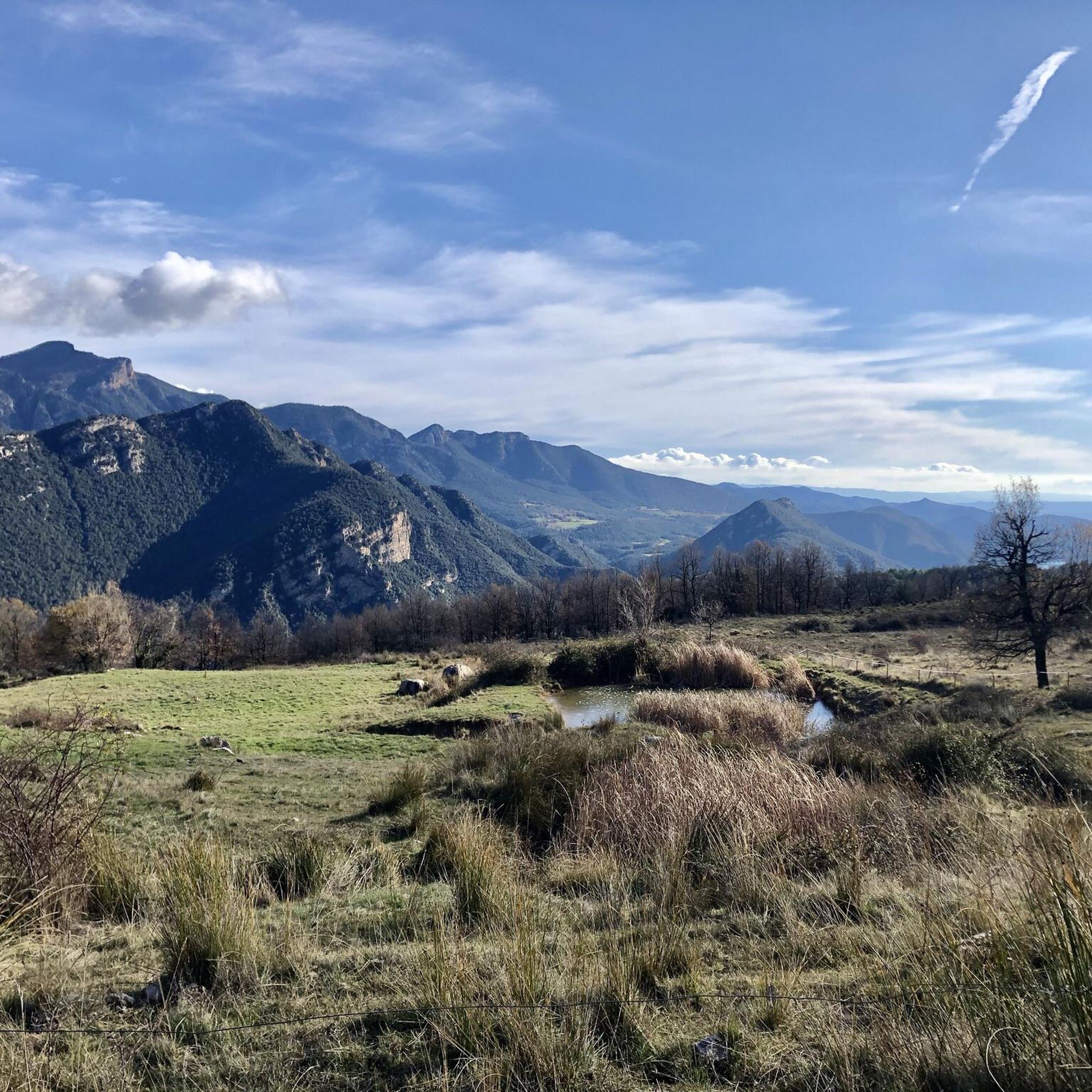
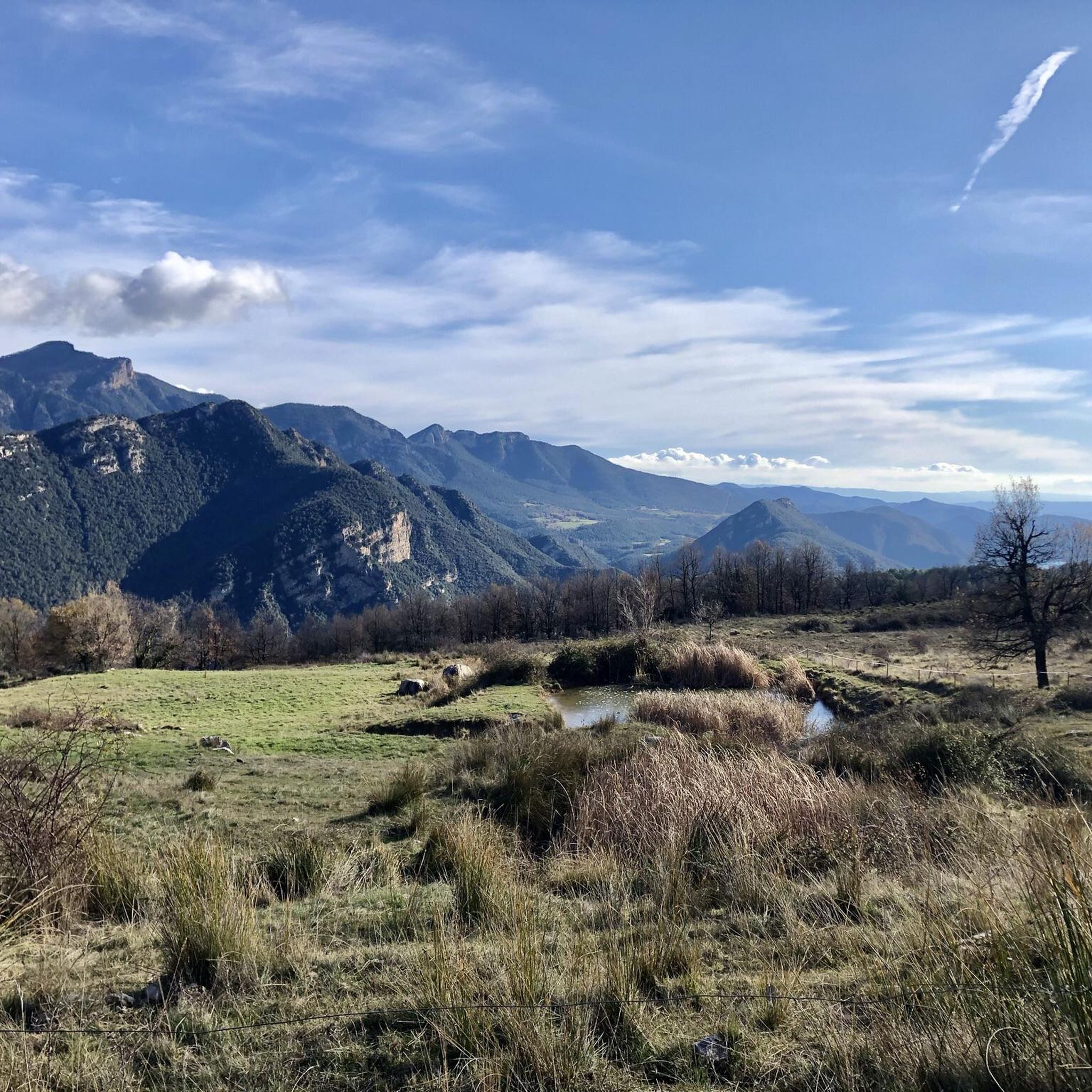
Hiking around Cercs offers diverse terrain, from high mountains and plateaus to extensive forests and the prominent Baells Reservoir. The region is characterized by its varied landscapes, including the Llobregat River valley and the nearby Cadí-Moixeró Natural Park with its steep cliffs and iconic Pedraforca mountain. Hikers can explore a mix of natural features and historical sites, such as the abandoned village of Peguera.
Best hiking trails around Cercs
- The most popular hiking route is Rocky Trail PR-C 128 –…
Last updated: October 5, 2026
4.8
(23)
113
hikers
16.9km
05:33
720m
720m
Hard hike. Very good fitness required. Sure-footedness, sturdy shoes and alpine experience required.
4.6
(5)
20
hikers
6.43km
02:06
280m
280m
Moderate hike. Good fitness required. Easily-accessible paths. Suitable for all skill levels.

4.3
(3)
17
hikers
4.03km
01:08
80m
80m
Easy hike. Great for any fitness level. Easily-accessible paths. Suitable for all skill levels.
5.0
(2)
14
hikers
6.22km
01:52
200m
200m
Easy hike. Great for any fitness level. Easily-accessible paths. Suitable for all skill levels.
5.0
(1)
11
hikers
11.3km
03:55
480m
480m
Hard hike. Good fitness required. Sure-footedness, sturdy shoes and alpine experience required.
Get access to more routes and recommendations from other explorers.
Already have an account?
Our route recommendations are based on thousands of hikes, rides, and runs completed by other people on komoot.
Start today with a free account
Your next adventure awaits.
Other adventures around Cercs

Tips from the Community

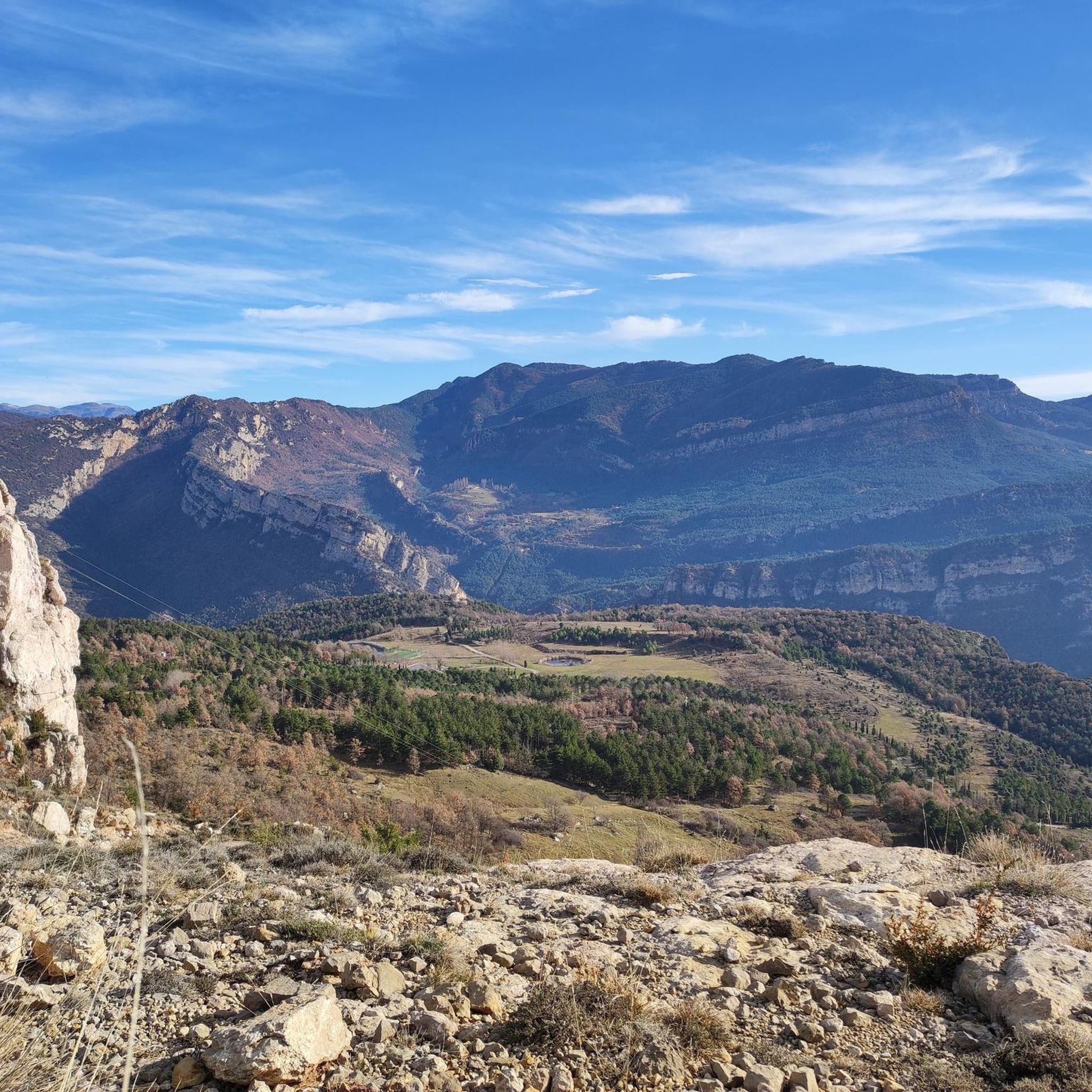
Very cool viewpoint that can be reached by car and with great views
1
1

It offers impressive panoramic views of the Baells Reservoir and the city of Berga, although you can also see a wide area of central Catalonia.
2
0

It is a spectacular place to visit and preserve
1
0

Splendid place a few km from Berga. From there, the old lane leads to Cal Rosal.
1
0

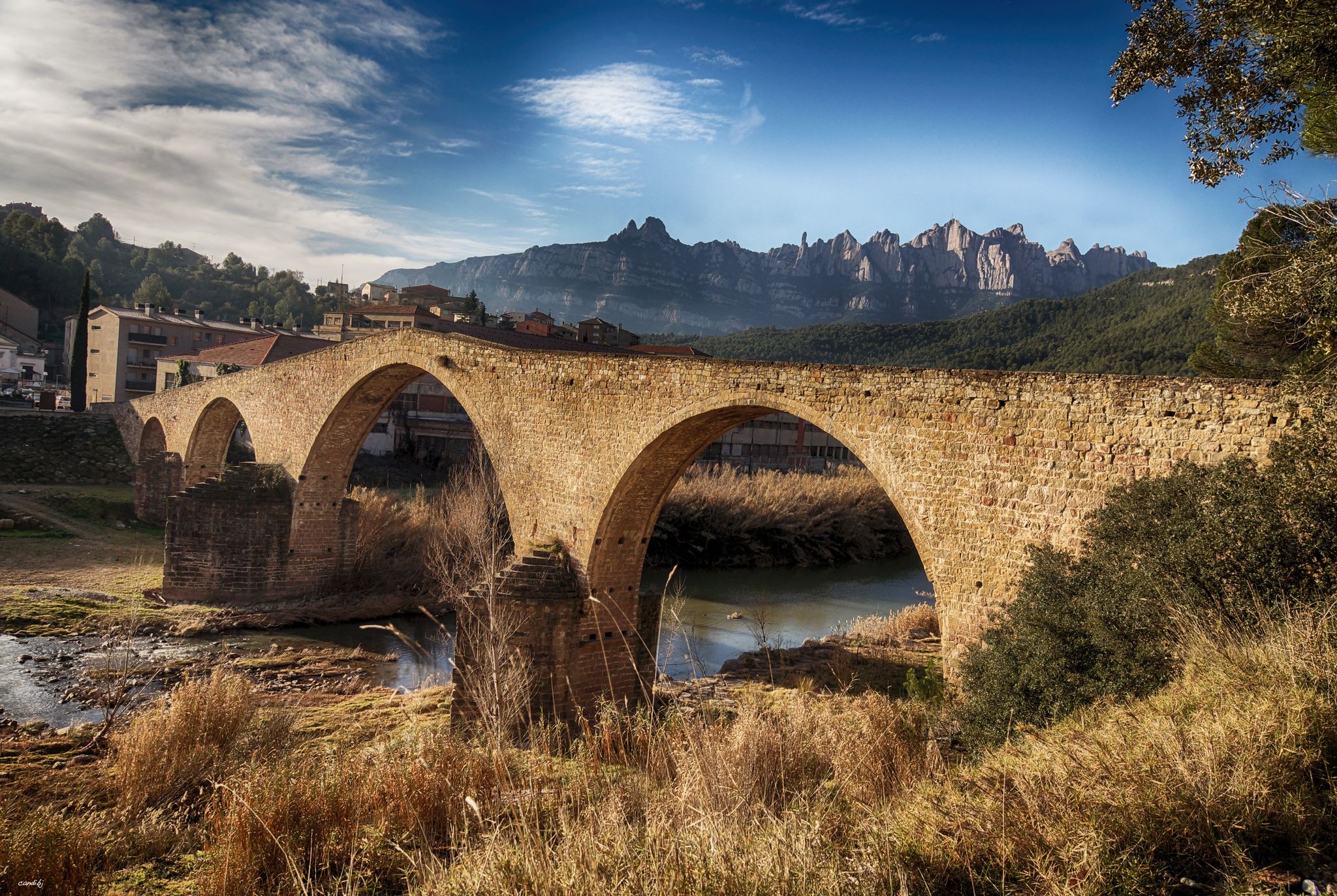
Dating back to 1286, this bridge helped improve communications between Berga and the monastery of Sant Pere de la Portella. At first the bridge was made of wood, but a short time later it was rebuilt in stone and in the Gothic style. The central ogive as seen now was added in the 15th century. This bridge is a magnificent example of medieval "cornered" or "donkey's back" bridges, with its central part raised, thus allowing a wider central arch that allows greater water flow. Three smaller ones are added to the sides, two to the right and one to the left, semicircular, somewhat irregular and lowered. The bridge has undergone repairs and reconstructions over time due to floods, and in the 17th and 18th centuries the road was paved with boulders and a stone railing was added.
1
0
Romanesque hermitage from the 12th century, with a single nave with a semicircular apse covered with a quarter sphere. Although the original construction dates from the 12th century, it was modified in the 13th century, with a new, slightly pointed vault. In the 17th century, two chapels were built near the apse, covered with a barrel and mortar vault. Restoration works were carried out in 1969, 1974 and 1989.
0
0
This mining colony was built at the beginning of the 20th century by the company Carbones de Berga S.A., to house the coal mine workers. Between 1918 and 1920, the service buildings were inaugurated: the company store, the offices, the theater (later converted into a cinema), the school, and the nuns' residence (today the central museum building). Together with the neighboring Sant Josep and la Consolació, this colony became the most important mining center in Catalonia.
0
0

The bridge allows you to cross the Fontollera torrent, which empties into the Llobregat river a few meters below the Pedret bridge. Right next to the bridge is the fishermen's shelter, a fountain and a small square for parking. This area is regularly used by the fishermen's society and a place frequented by other fishermen and many visitors who come to the Pedret area.
2
0
Frequently Asked Questions
How many hiking trails are available around Cercs?
There are around 20 hiking trails in the Cercs area, catering to various skill levels. You'll find options ranging from easy walks to more challenging mountain hikes.
What kind of terrain can I expect on hikes in Cercs?
The terrain around Cercs is incredibly diverse, featuring high mountains, plateaus, extensive forests, and the prominent Baells Reservoir. You'll encounter paths along the Llobregat River valley and trails within the nearby Cadí-Moixeró Natural Park, known for its steep cliffs and the iconic Pedraforca mountain.
Are there any easy hikes suitable for beginners or families in Cercs?
Yes, Cercs offers several easy trails perfect for beginners or families. An excellent option is the Pedret Bridge – Llobregat Greenway Bridge loop from Berguedà, which is about 4 km long and takes just over an hour to complete, leading through the scenic Llobregat River valley.
What natural landmarks or viewpoints can I discover while hiking in Cercs?
Hikers in Cercs can enjoy spectacular natural landmarks and viewpoints. From locations like Bald Hen Peak, you can get panoramic views, including the impressive Pedraforca massif. The Serrat or the Figuerassa Viewpoint also offers breathtaking vistas. Don't miss the unique sight of the submerged bell tower in the Baells Reservoir, visible depending on water levels.
Are there any historical sites or cultural attractions accessible by hiking in Cercs?
Absolutely. You can hike to the Abandoned Village of Peguera, situated at 1,600 meters, which offers a fascinating glimpse into the region's mining past. Another historical gem is the Sant Jordi de Cercs Hermitage, which provides scenic views over the area.
What do other hikers say about the trails in Cercs?
The hiking trails in Cercs are highly regarded by the komoot community, with an average rating of 4.5 stars from over 90 reviews. Hikers often praise the diverse landscapes, from mountain vistas to the serene Baells Reservoir, and the variety of routes available for different skill levels.
Are there any circular hiking routes around Cercs?
Yes, many routes in Cercs are circular, allowing you to start and end at the same point. Examples include the moderate Sant Jordi de Cercs Hermitage loop from Cercs and the more challenging Rocky Trail PR-C 128 – Mirador de Cap Deig loop from Fígols, both offering rewarding experiences.
Can I find trails with waterfalls in the Cercs area?
Yes, the region around Cercs features beautiful natural elements, including waterfalls. You can explore trails that lead to natural features like the Bullidor de la Llet Waterfall, offering a refreshing sight during your hike.
What is the best time of year to go hiking in Cercs?
The Catalan Pyrenees and Pre-Pyrenees region, including Cercs, offers pleasant hiking conditions for much of the year. Spring and autumn generally provide mild temperatures and vibrant scenery. Summer can be warm, but higher altitude trails offer cooler air. Winter hiking is possible, especially on lower elevation trails, but requires appropriate gear for potential snow and ice.
Are there any challenging mountain hikes in Cercs?
For experienced hikers seeking a challenge, Cercs offers several difficult routes. The Rocky Trail PR-C 128 – Mirador de Cap Deig loop from Fígols is a demanding 16.2 km trail with significant elevation gain, providing panoramic mountain views. Another challenging option is the Pontarró de Fontollera – Pedret Gothic Bridge loop from Berguedà.
Are there any places to stay or refuges along the hiking routes in Cercs?
While hiking in the wider Cercs area, you might encounter various refuges and huts. Notable options include the Serra d'Ensija Refuge and La Clusa Refuge, which can provide shelter or a place to rest during longer excursions.
Can I bring my dog on the hiking trails in Cercs?
Many trails in the Cercs region are dog-friendly, allowing you to enjoy the natural beauty with your canine companion. However, it's always recommended to check specific trail regulations or local signage, especially within protected areas like the Cadí-Moixeró Natural Park, and to keep your dog on a leash for their safety and to protect wildlife.
Most popular attractions around Cercs

Get inspired with the komoot mobile app


Explore more
Browse the best Hikes in other regions.
