The best MTB trails around Garralda
4.6
(48)
644
riders
63
rides
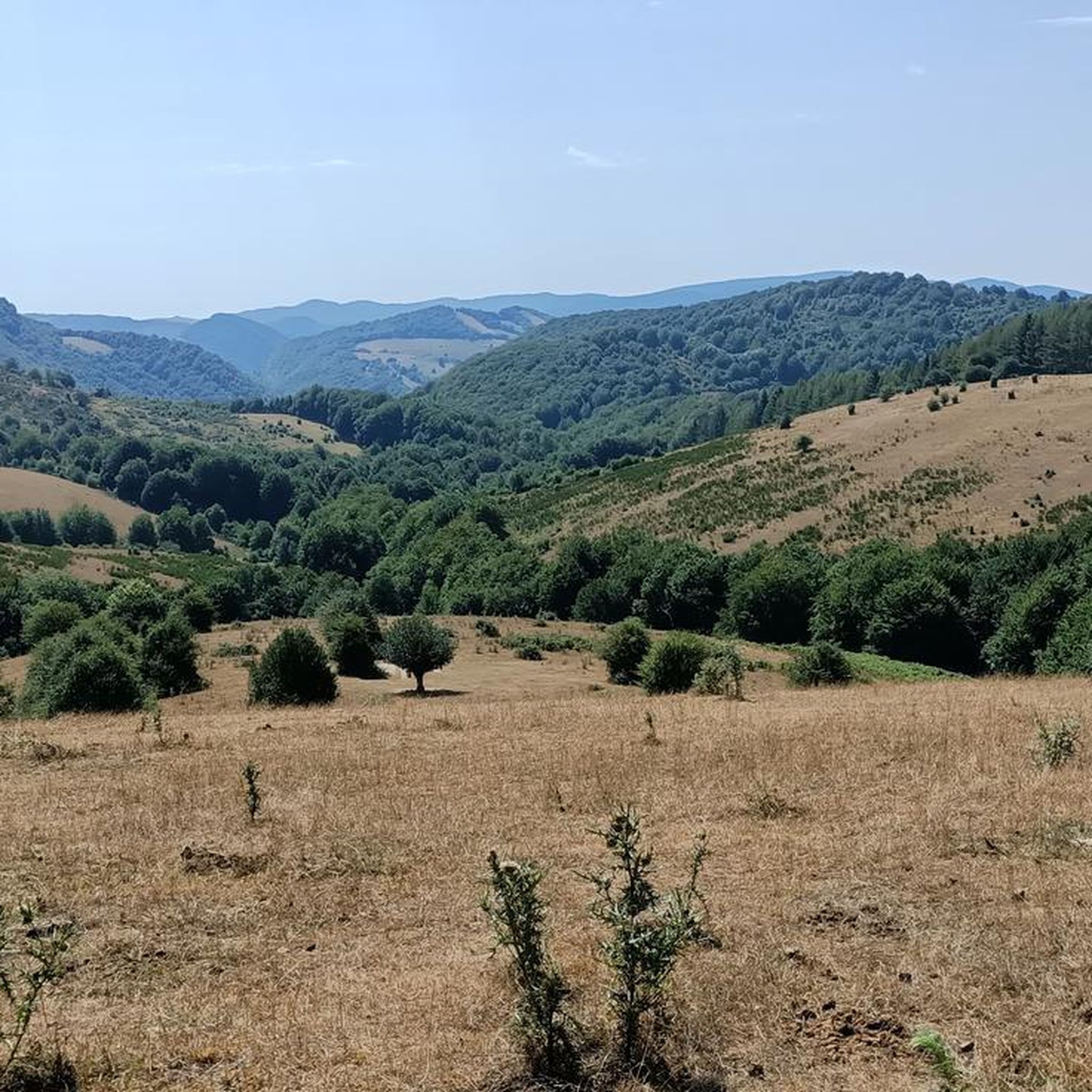
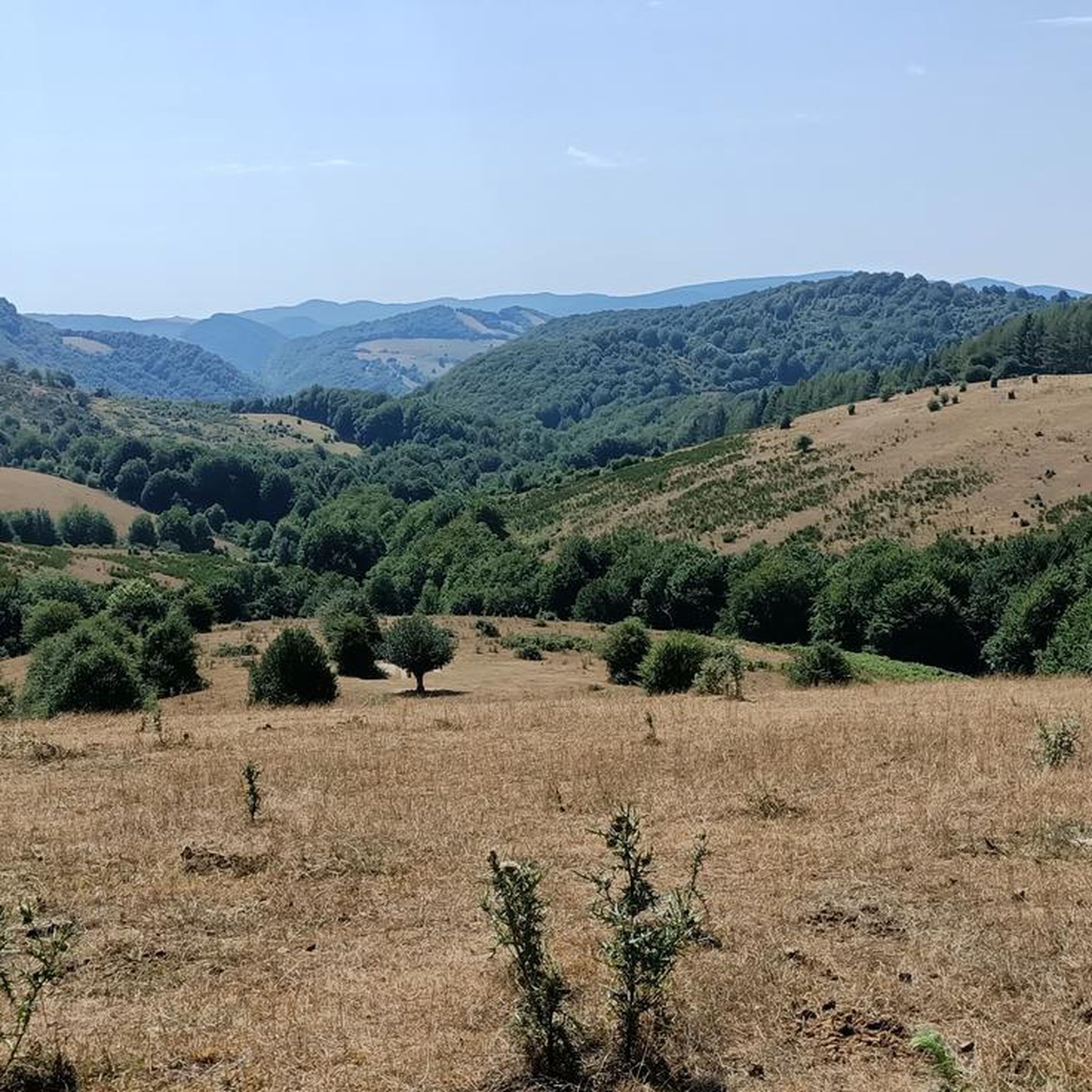
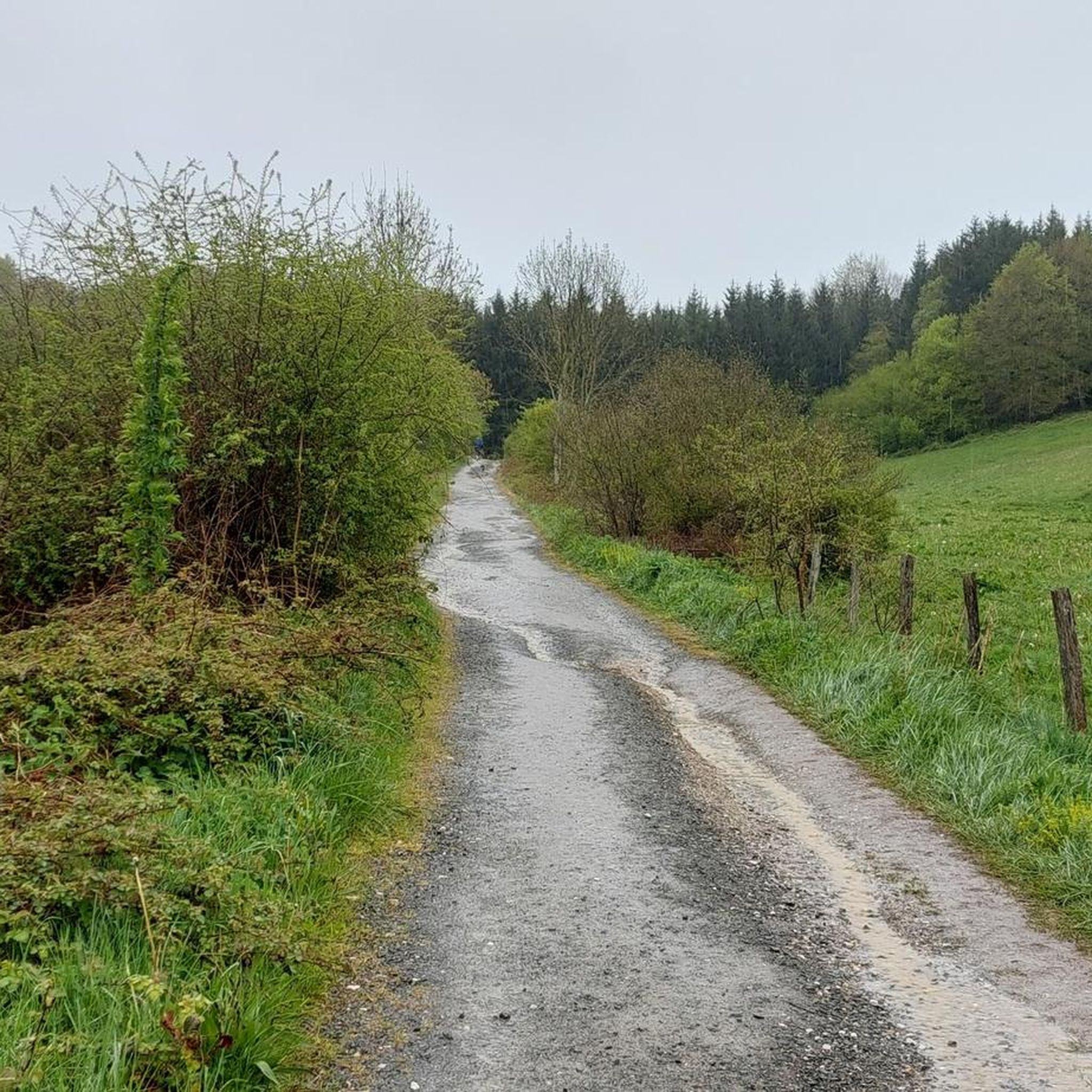
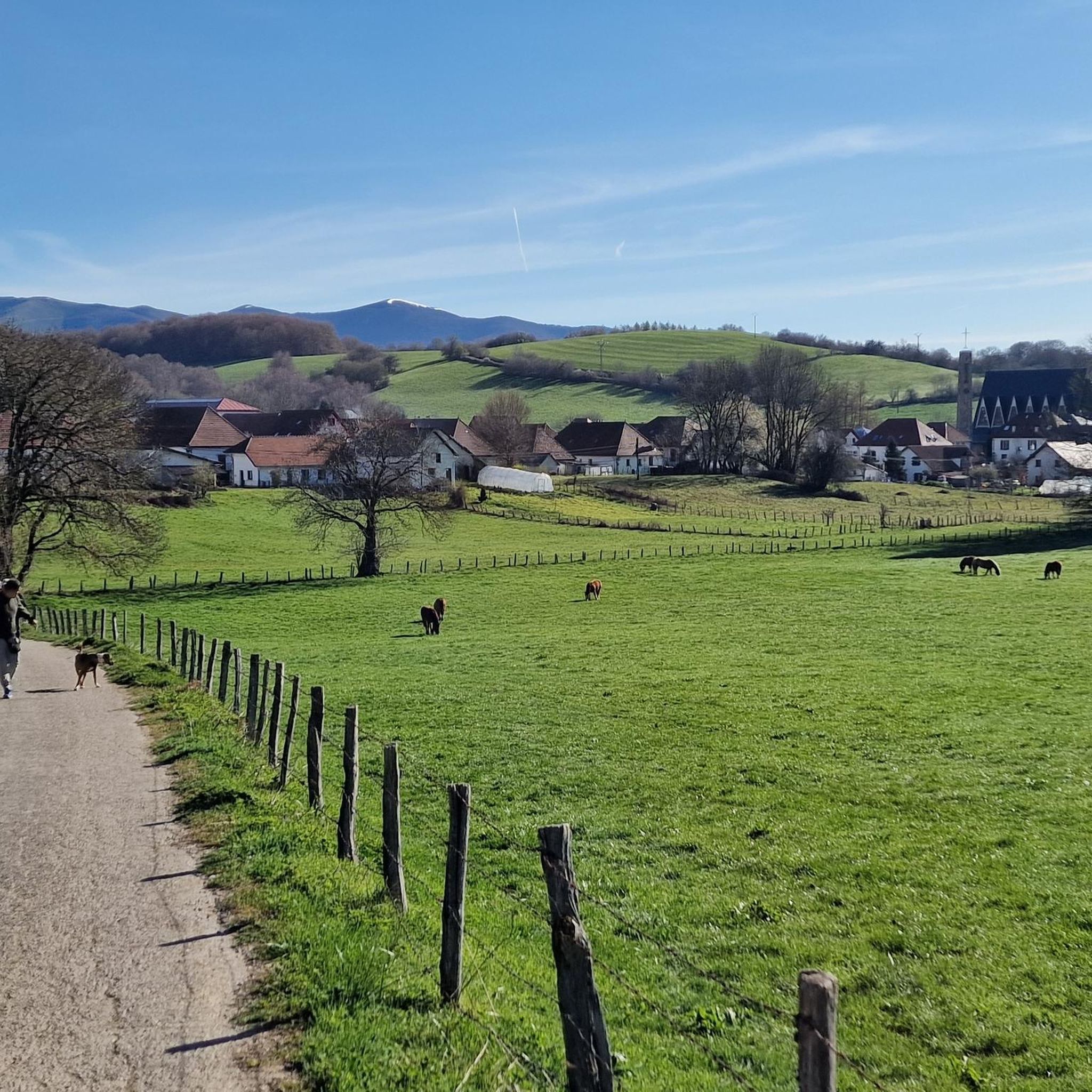
Mountain biking around Garralda features a diverse landscape characterized by river valleys, dense forests, and mountain passes. The region offers varied terrain, from the gentle slopes near the Irati River to more challenging ascents towards summits and cols. This area provides a mix of natural features suitable for different mountain biking experiences.
Best mountain bike trails around Garralda
- The most popular mountain bike trail is Cascada Irurrekaeat – circular desde Camping Urrobi, a 15.2 miles (24.5 km) trail that…
Last updated: June 6, 2026
2
riders
24.5km
02:30
670m
680m
Moderate mountain bike ride. Good fitness required. Advanced riding skills necessary.
5.0
(3)
50
riders
52.6km
05:01
1,240m
1,240m
Hard mountain bike ride. Very good fitness required. Advanced riding skills necessary. Some portions of the route may require you to push your bike.

Sign up for free
5.0
(2)
17
riders
49.6km
04:48
1,110m
1,110m
Hard mountain bike ride. Very good fitness required. Advanced riding skills necessary. Some portions of the route may require you to push your bike.
13
riders
45.8km
04:10
1,040m
1,040m
Hard mountain bike ride. Very good fitness required. Advanced riding skills necessary. Some portions of the route may require you to push your bike.
8
riders
21.0km
01:42
360m
360m
Moderate mountain bike ride. Good fitness required. Advanced riding skills necessary.
Get access to more routes and recommendations from other explorers.
Sign up for free
Already have an account?
Our route recommendations are based on thousands of hikes, rides, and runs completed by other people on komoot.
Start today with a free account
Your next adventure awaits.
Login or Signup

Tips from the Community

Even if you don't plan or have the ability to walk the entire Camino Frances, the stage that reaches Roncesvalles is a must for the beauty of the landscapes and the evocative atmosphere it offers, especially when—descending from the Ibañeta Pass—the boundless Spanish landscape suddenly opens up before your eyes in the golden light of sunset. It's a magical moment, ideally shared with other pilgrims and then enhanced with a visit to the Collegiate Church. The stamp on the Credencial is also beautiful.
1
0

Don't miss a visit to the Pilgrims' Hospital and the Collegiate Church of Santa María. Also, learn about the history of Roncesvalles, as it's very interesting.
0
0

The ATALOZTI Pass is located in the heart of the Navarrese Pyrenees, where the Navarre Mountains meet, on the border between Navarre and Lower Navarre, between the municipalities of Auritz-Burguete, Erroibar, and Urepel—the former disappearing into the Sangüesa Sea and the latter into the Baigorri-Ortzaize region—and also on the watershed, where the vortex streams meet at the Irati River beach, the Mediterranean Sea beach, and the northern banks of the Errobi River, the Bizkaia countryside, meeting the Atlantic. The Atalozti Pass is situated in a charming location, between the peaks of Lindus (1,218 m) and Mendiaundi (1,213 m). The climb from Burguete along a track has extremely steep slopes.
0
0

Anyone who would like to have the church illuminated can switch on the lights for 8 minutes for a 1 € coin.
0
0
One of the most inhospitable and spectacular mountain passes in the eastern Pyrenees, with several slopes, all of them very difficult. The landscape is wild and wonderful. You can breathe absolute tranquility and you can dedicate yourself exclusively to enjoying the views, the horses, the sheep, the cows and the suffering on the bike. The summit is on the border with Spain, although there is no road that crosses the border, so the pass runs entirely in France. I have climbed it on 2 of its slopes. The first time I climbed it on the slope that crosses the Col d'Orgambide, on the D428 road, which starts from Estérençuby. The first 3 km are very easy, until you cross the detour to go up to Artaburu, where the road begins to have slopes of more than 10%. From there, to the summit, the climb is very hard, around 9%, on a very rough and bumpy road, with a lot of humidity and crossing a wonderful beech forest. Once you reach the top of the Col d'Orgambide, you turn right and continue climbing for another half kilometre with a gradient of 11%. There comes a small descent, to face the last 3 kms, the first 2 very hard with several 13% gradients. The last kilometre is very easy and has panoramic views that are simply wonderful. The second time I climbed it on the side that starts from Arneguy and Ondarolle. This side is harder than the previous one, with a central section that is hellish, being 6 kms at an average of 10%, and a very hard km at 12% and 18% gradients!!! The final part is more gentle. You cross the Croix de Thibault in the penultimate kilometre of the climb. The final kilometre is very gentle and with beautiful and exciting panoramic views.
1
0
It is a beautiful border pass between Spain and France, well known for being part of the most traditional route of the Camino de Santiago. Sportingly, the climb on both sides is easy, although on the French side it is much longer as it starts at a lower altitude. The Spanish side is just 6 km from Burguete, the last being the most difficult with an average gradient of 7%. On this side you pass the famous and well-known monastery of Roncesvalles. The French side is 18 km from Arnegui and an average gradient of 4%. The hardest part is 5 km from the summit, with one kilometre at 7%. The landscape on this side is of lush vegetation going up a very closed valley that hardly leaves room for views of the surrounding mountains. The road is very twisty. It is a port with very good asphalt and a lot of traffic in general... so, be careful!
1
0

Roncesvalles, also known as Orreaga in Basque, is a small town in the region of Navarra, northern Spain. It is best known for the legendary Battle of Roncesvalles in 778, where Charlemagne's rearguard was defeated. This historical and spiritual site is also an important starting point for the Camino de Santiago, the famous pilgrimage route to the tomb of Saint James in Galicia. In Roncesvalles you can admire the impressive Gothic collegiate church of Santa María de Roncesvalles, where the image of the Virgin of Orreaga is venerated. Other places of interest include the Church of Santiago, the Chapel of the Holy Spirit and the Museum-Treasury, where you can see relics, paintings and sculptures from different periods.
3
1
The Ibañeta Pass, also known as the Roncesvalles Pass, is a scenic mountain pass in the Pyrenees, near the border between France and Spain. At an altitude of 1,057 metres, it offers breathtaking views and a rich historical background. The pass is best known for the Battle of Roncevaux in 778, a legendary event sung about in the epic poem “The Song of Roland”. A menhir marks the traditional site of this battle, emphasising the historical significance of the location.
2
0
Frequently Asked Questions
How many mountain bike trails are available around Garralda?
There are over 60 mountain bike trails around Garralda, offering a wide range of experiences for different skill levels. You'll find everything from easy routes to challenging difficult paths through the region's diverse landscape.
What is the general difficulty level of mountain bike trails in Garralda?
Garralda offers a good mix of difficulties. While there are a couple of easy routes, the majority of trails are classified as moderate (27 routes) or difficult (34 routes), catering to riders looking for more challenging terrain and longer distances.
Are there any family-friendly mountain bike trails in Garralda?
Yes, Garralda does offer some easier routes suitable for families or beginners. While the majority of trails are moderate to difficult, you can find a few less strenuous options to enjoy the scenery with younger riders or those new to mountain biking.
Are there any circular mountain bike routes in Garralda?
Many of the mountain bike trails in Garralda are circular, allowing you to start and end at the same point. For example, the Cascada Irurrekaeat – circular desde Camping Urrobi is a popular moderate loop, and the Menditxuri (Askaxarreta Summit) – Burguete loop from Aurizberri offers a challenging circular experience.
What kind of terrain can I expect on mountain bike trails in Garralda?
The terrain around Garralda is highly varied, characterized by river valleys, dense forests, and mountain passes. You'll encounter everything from gentle slopes near the Irati River to challenging ascents towards summits and cols, often on forest tracks and natural paths.
What are some notable natural attractions or landmarks I can see while mountain biking in Garralda?
While exploring the trails, you can encounter several interesting natural and historical sites. Highlights include the Roland Fountain, the Stone Circle at Col d'Orgambide, and the scenic Irati Forest via the Aezkoa Valley. Many routes also pass through significant mountain passes like Ibañeta Pass.
What do other mountain bikers say about the trails in Garralda?
The mountain bike trails in Garralda are highly rated by the komoot community, with an average score of 4.7 stars from over 40 reviews. Riders often praise the diverse landscape, the challenging ascents, and the opportunity to explore dense forests and river valleys.
Are there any trails that feature water elements like waterfalls or reservoirs?
Yes, some trails incorporate water features. For instance, the Cascada Irurrekaeat – circular desde Camping Urrobi trail is known for its waterfall. Another route, the Irati River Trail – Irabia Reservoir loop from Auritz, follows the Irati River and offers views of the Irabia Reservoir.
What is the best time of year for mountain biking in Garralda?
The best time for mountain biking in Garralda is typically during the spring and autumn months when temperatures are milder and the natural scenery is at its most vibrant. Summer can also be suitable, though some trails might be warmer, while winter can bring snow to higher elevations, making some routes inaccessible.
Are there any long-distance mountain bike routes for advanced riders?
Absolutely. For advanced riders seeking longer distances and significant elevation, Garralda offers several challenging options. The Irati River Trail – Irabia Reservoir loop from Auritz is a difficult 33.2-mile (53.4 km) path, and the Trail to Col de Bentarte – Col d'Arnosteguy loop from Aurizberri covers 28.5 miles (45.8 km) with over 1000 meters of elevation gain.
What kind of wildlife might I encounter on the trails?
Garralda's dense forests and river valleys are home to diverse wildlife. While mountain biking, you might spot various bird species, deer, and other small mammals. The region's natural environment provides a rich habitat, especially in quieter sections of the trails.
Are there any mountain passes accessible by mountain bike in the Garralda area?
Yes, the Garralda region is known for its mountain passes, many of which are integrated into mountain bike routes. You can ride through passes like Ibañeta Pass and Col d'Arnosteguy, offering challenging climbs and rewarding views.
Most popular attractions around Garralda

Get inspired with the komoot mobile app


Explore more
Browse the best MTB trails in other regions.
