Attractions and Places To See around Píñar - Top 14
Best attractions and places to see around Píñar include a blend of prehistoric natural wonders, historical landmarks, and cultural sites. Located in the Los Montes region of Granada, Spain, Píñar offers a landscape characterized by olive and almond groves. The area is known for its significant archaeological sites, including caves with remains from different eras. Visitors can explore both natural features and historical structures that reflect the region's past.
Best attractions and places to see around Píñar
- The most popular…
Last updated: July 21, 2026
El Sotillo Recreation Area and the Cueva del Agua Interpretation Center
Highlight • Rest Area
Translated by Google •
Tip by

Roman Dam of Barcinas
Highlight • Monument
Translated by Google •
Tip by

Sign up now to discover places like this
Get recommendations on the best single tracks, peaks, & plenty of other exciting outdoor places.
Sign up for free
Iznalloz
Highlight • Settlement
Translated by Google •
Tip by
Sequoia of the Sierra de Huétor Natural Park
Highlight • Natural Monument
Translated by Google •
Tip by

Mesón Jabalí Prado Negro
Highlight • Restaurant
Translated by Google •
Tip by

Sign up for free to discover even more attractions around Píñar.
Sign up for free
Already have an account?
Start today with a free account
Your next adventure awaits.
Login or Signup
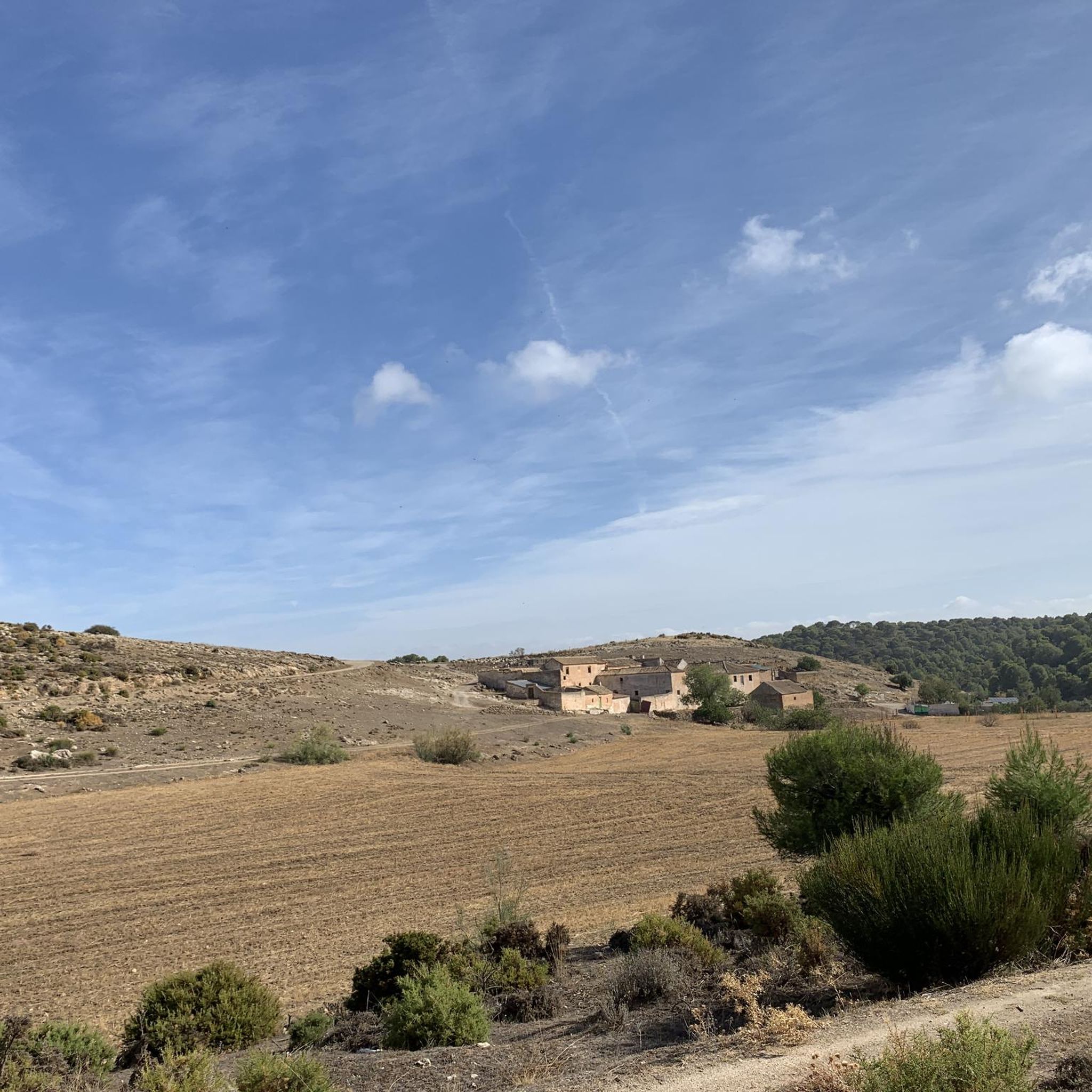
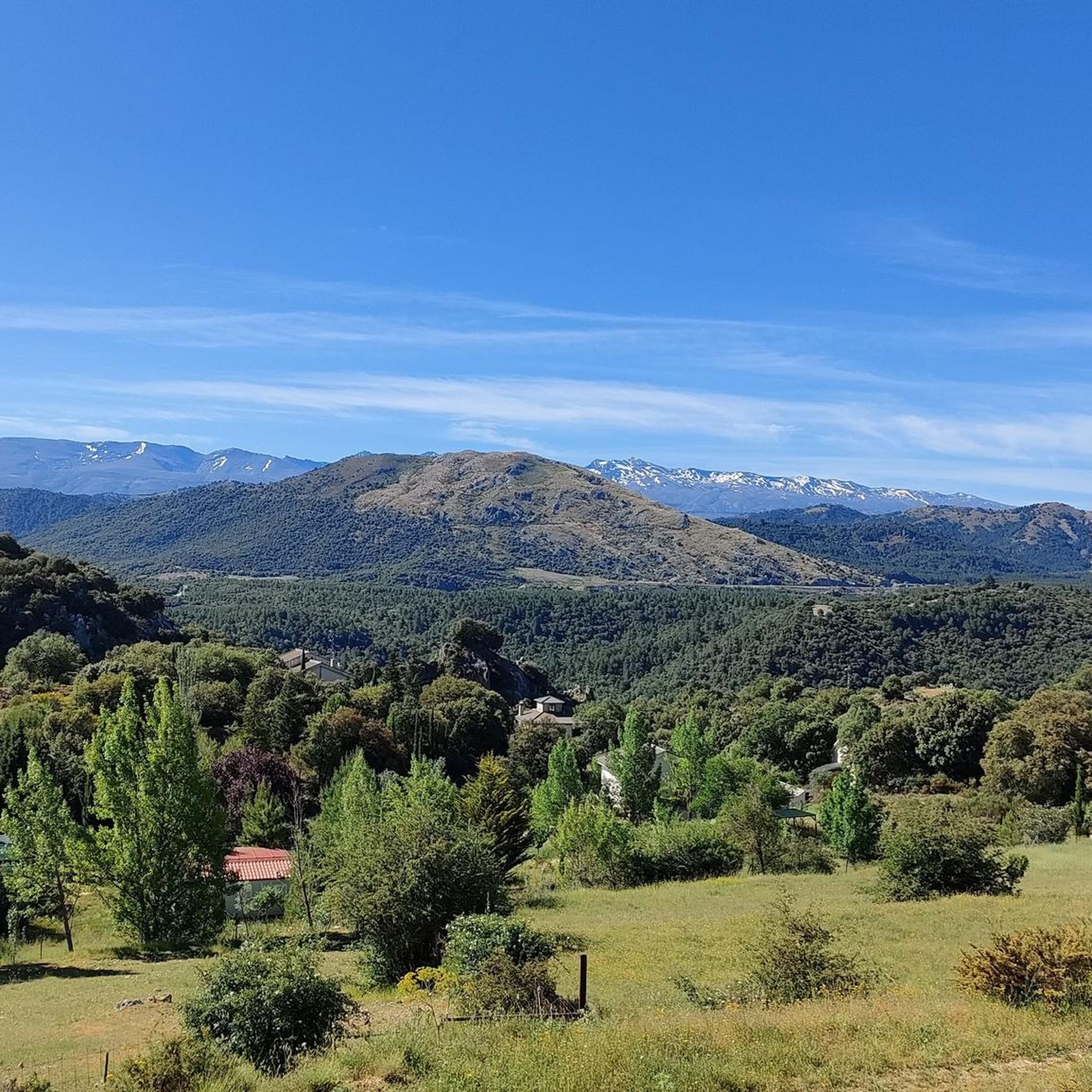
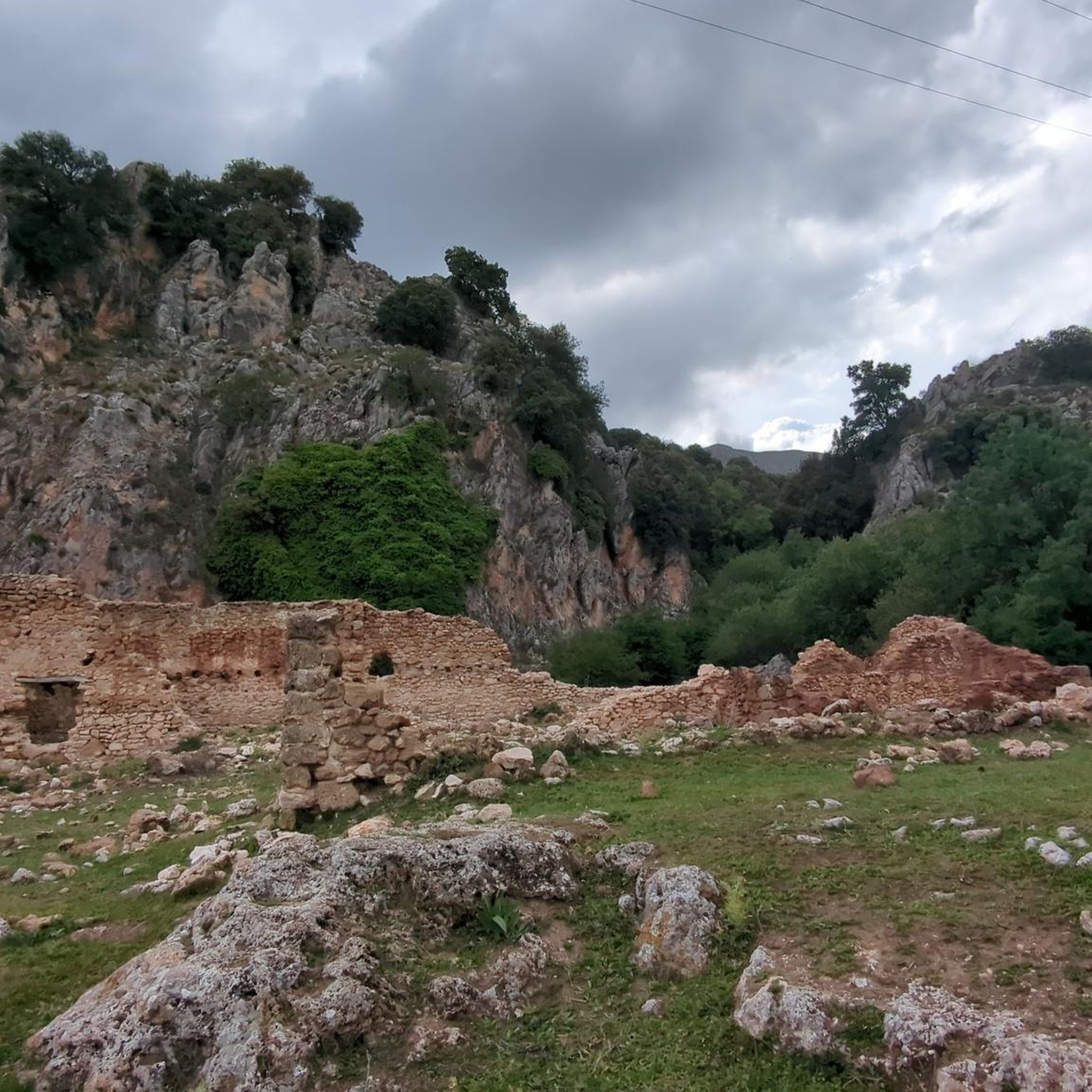
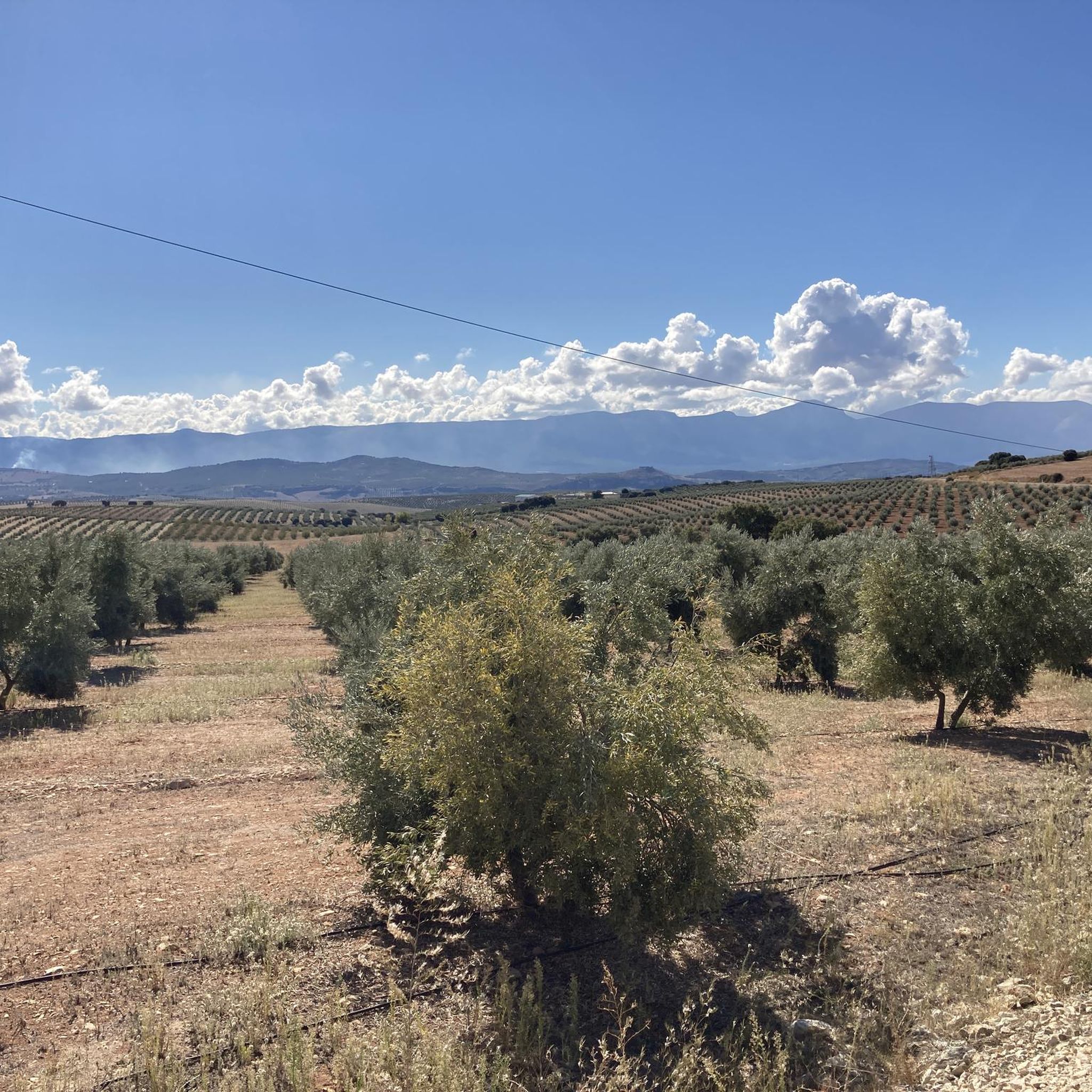
Tips from the Community

Perfect stop on the hike. I had a wonderfull lunch there
0
0


The Sotillo.
1
0

great supplies to regain strength
0
0

It is an area for recreation where you can rent a rural house or wooden cabin to spend some rest time. It has a bar-restaurant (although it was closed at this time), a fountain and an interpretation center of the "Cueva del agua".
8
0
It is a recreational area where you can spend the day with the family. There is a fountain and rural houses a few meters away. It also has an interpretation center for "La Cueva del Agua" although it is currently closed.
7
0

El Sotillo is a beautiful natural setting made up of pine forests, rock roses, gorse and other aromatic species. It has an area with picnic areas and a controlled camping area.
3
0

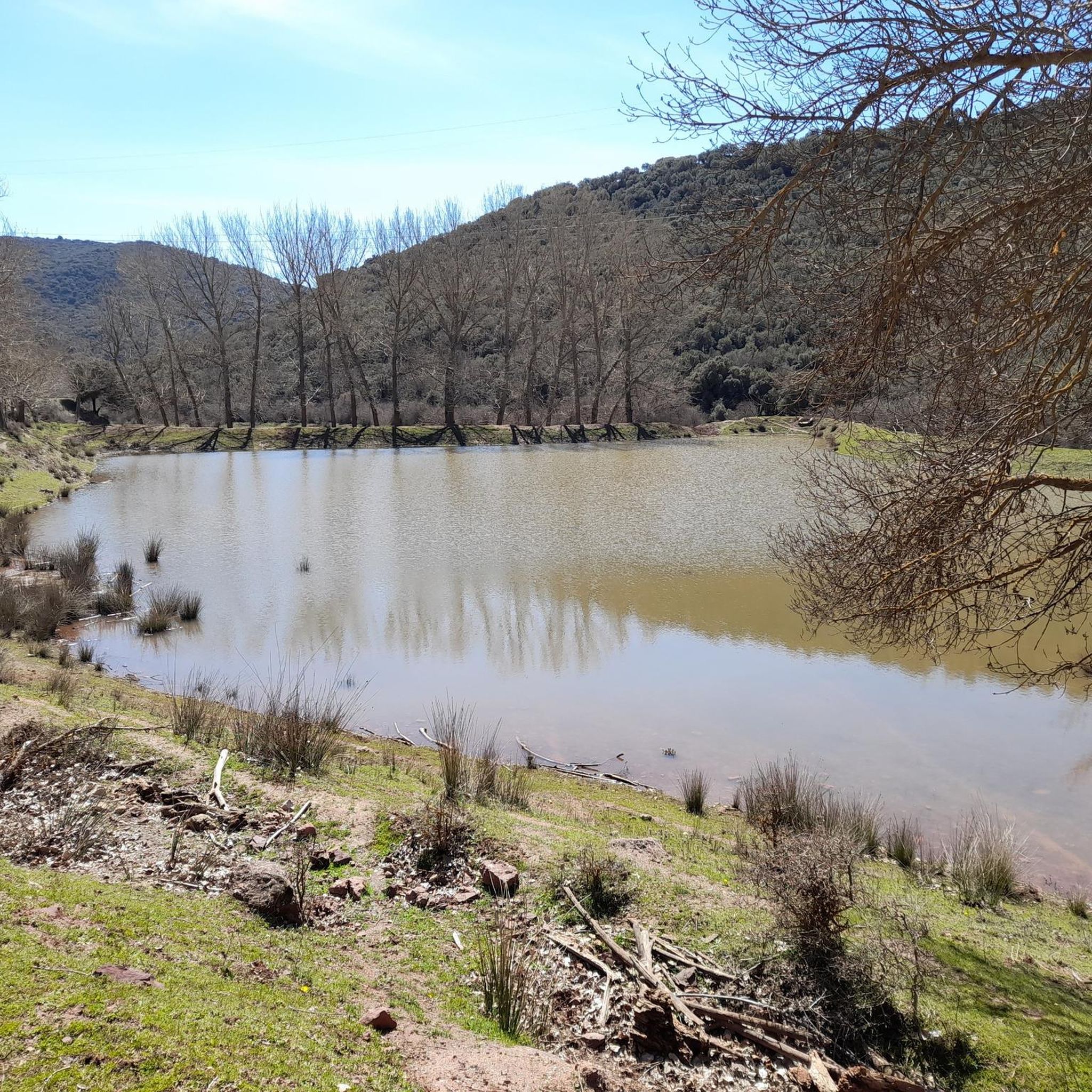
Roman construction, approximately between the 1st and 2nd centuries BC. C., whose mission was to contain the waters of the Cubillas River.
0
0
Frequently Asked Questions
What natural wonders can I explore in Píñar?
Píñar is renowned for its prehistoric natural wonders. The most famous is the Cueva de las Ventanas (Cave of the Windows), the only cave in Granada equipped for public visits, including accessibility for people with reduced mobility. Beyond this, you can also appreciate the picturesque landscape of olive and almond groves, especially beautiful when in bloom.
Are there any significant historical landmarks to visit in Píñar?
Yes, Píñar boasts several historical landmarks. You can explore the remains of the Moorish Castillo de Píñar, dating from the Nasrid period, which offers panoramic views. Another notable site is the Roman Dam of Barcinas, an ancient construction from the 1st-2nd centuries BC designed to manage the Cubillas River.
What cultural sites are there in Píñar?
The Iglesia de San Pedro (Church of San Pedro) is a significant cultural site in Píñar. Its origins trace back to a small chapel built in 1501, and it's notable for its parish archive containing a broad catalog of historical books and documents.
Are there family-friendly attractions in Píñar?
Absolutely. The El Sotillo Recreation Area and the Cueva del Agua Interpretation Center is a great spot for families, offering picnic areas and a controlled camping area within a natural pine forest setting. The Cueva de las Ventanas is also family-friendly, being accessible for visitors with reduced mobility.
What kind of outdoor activities can I do near Píñar's attractions?
The region around Píñar offers diverse outdoor activities. You can find numerous routes for mountain biking, road cycling, and touring cycling. For example, there are challenging MTB trails like the 'El Sotillo Recreational Area – Calialfaqui Waterfall loop' or scenic road cycling routes such as 'Campos de Almendros: Píñar and Iznalloz'. You can find more details on these and other routes in the MTB Trails around Píñar, Road Cycling Routes around Píñar, and Cycling around Píñar guides.
Are there any accessible attractions for people with reduced mobility?
Yes, the Cueva de las Ventanas (Cave of the Windows) is specifically equipped for public visits, including accessibility for people with reduced mobility, making it a welcoming natural attraction for everyone.
Where can I find panoramic views in Píñar?
For breathtaking panoramic views, head to the remains of the Castillo de Píñar. Strategically located on a steep limestone rock at an altitude of 1121 meters, it offers expansive vistas of the surrounding landscape and nearby watchtowers.
What are some lesser-known prehistoric caves in the Píñar area?
Beyond the Cueva de las Ventanas, Píñar is home to other significant prehistoric caves. These include Cueva de Meye, Cueva Confites, and Cueva de Cargüela. Cueva de Cargüela is particularly important for the Neanderthal remains discovered there, marking it as a major archaeological site in the south of the Iberian Peninsula.
Is there a place for relaxation and recreation in Píñar?
Yes, the El Sotillo Recreation Area and the Cueva del Agua Interpretation Center provides a lovely spot for relaxation. It features facilities like picnic areas, a controlled camping area, and an interpretation center dedicated to the 'Cueva del Agua'.
What is Iznalloz and why is it mentioned as a place to see near Píñar?
Iznalloz is a settlement located above the Tajo de la Hoz, near the Río Cubilles. It's situated close to the Sierra de Arana, which forms a southern wall with a valley extending towards Granada, making it a point of interest for its scenic location and historical context.
Are there any unique natural monuments near Píñar?
Yes, within the Sierra de Huétor Natural Park, you can find the Sequoia of the Sierra de Huétor Natural Park. These sequoias, brought from North America in the late 19th century, have adapted to the area, creating a unique ecosystem and serving as home to various forest birds and squirrels.

Get inspired with the komoot mobile app


Explore more
Still not found the Highlight you’re looking for? See guides of the top attractions in other regions:
