Attractions and Places To See around Valle de Arana/Harana - Top 20
Best attractions and places to see around Valle de Arana/Harana, nestled in the Álava Mountains of the Basque Country, offer a blend of natural beauty and historical significance. This valley maintains a rural and pastoral character, featuring ancient megalithic remains and traditional architecture. The landscape includes diverse flora and fauna, flanked by mountain ranges exceeding 1000 meters. Visitors can explore a variety of natural features and cultural sites.
Best attractions and places to see around Valle de Arana/Harana
- The most…
Last updated: May 10, 2026
Agurain/Salvatierra
Highlight • Settlement
Translated by Google •
Tip by

Vasco Navarro Greenway
Highlight (Segment) • Cycleway
Translated by Google •
Tip by

Sign up now to discover places like this
Get recommendations on the best single tracks, peaks, & plenty of other exciting outdoor places.
Sign up for free
Arquijas Tunnel
Highlight (Segment) • Structure
The lighting doesn't work properly. Taking a lamp would be great.
It is 1,415 meters long.
Its straight and smooth course avoids the abrupt stripes of …
Translated by Google •
Tip by

Santa Cruz de Campezo
Highlight • Settlement
Translated by Google •
Tip by

Tobería Waterfalls
Highlight (Segment) • Waterfall
Translated by Google •
Tip by

Sign up for free to discover even more attractions around Valle de Arana/Harana.
Sign up for free
Already have an account?
Start today with a free account
Your next adventure awaits.
Login or Signup
Popular around Valle de Arana/Harana
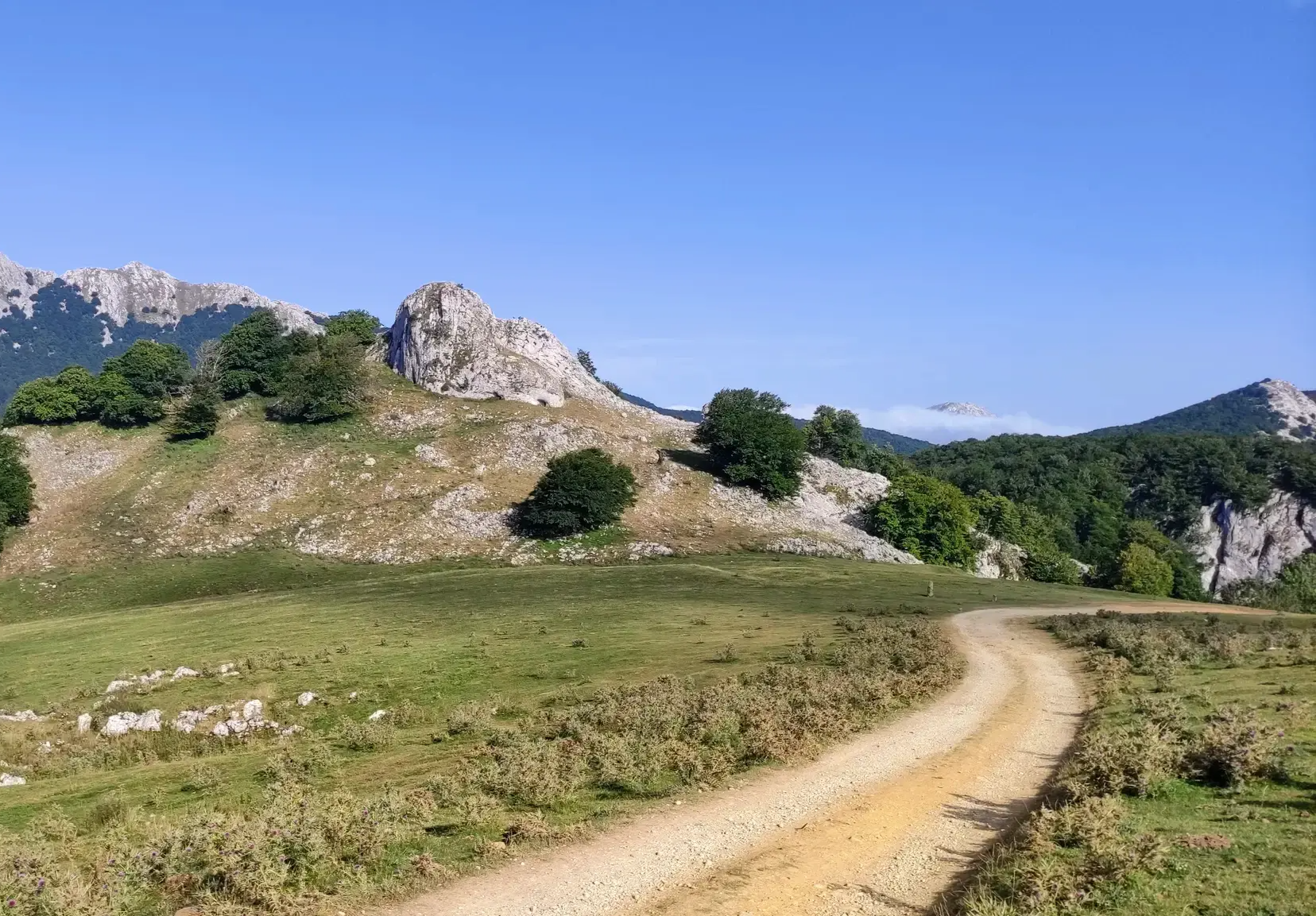
The Ignatian Way - In the footsteps of Ignatius of Loyola
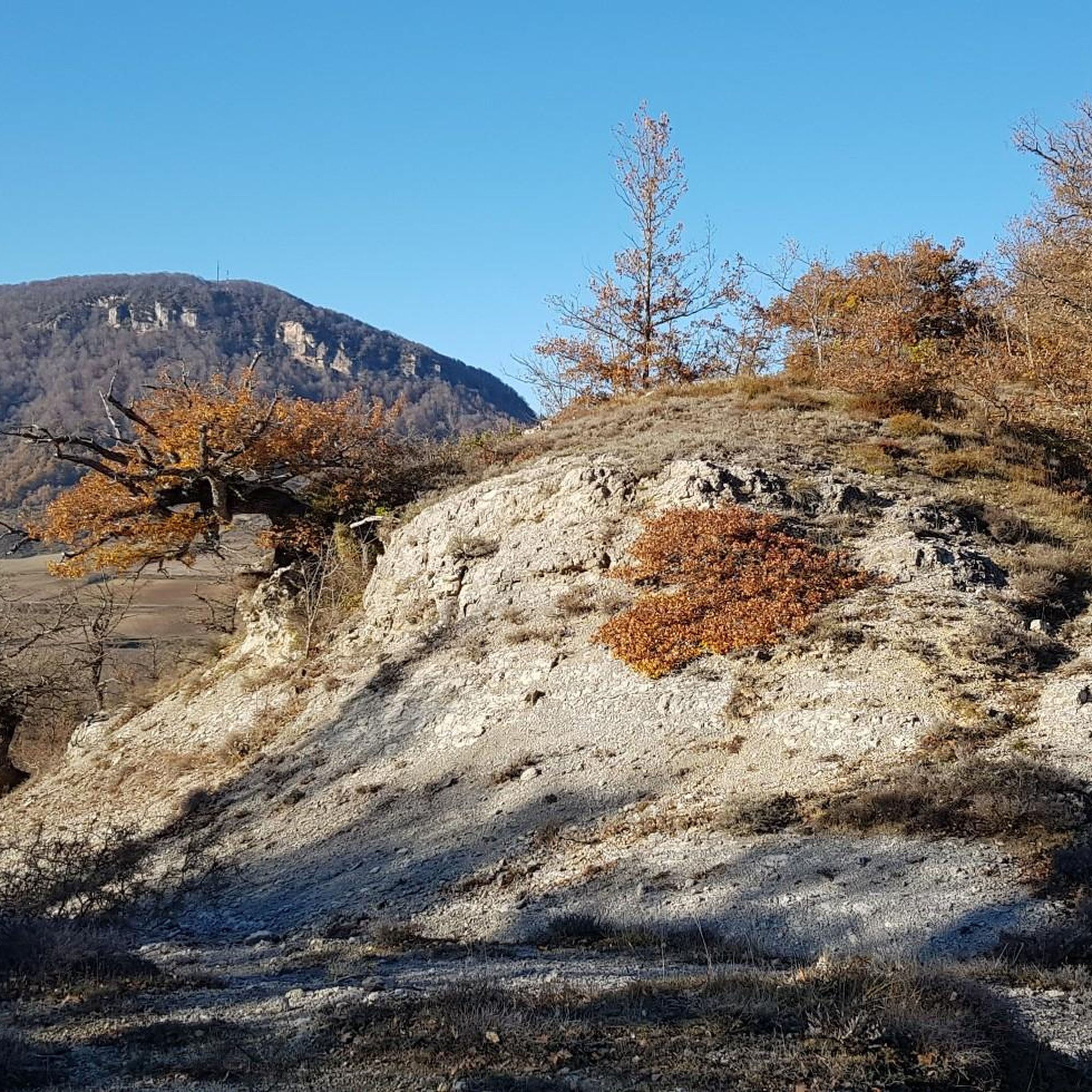
MTB Trails around Valle de Arana/Harana
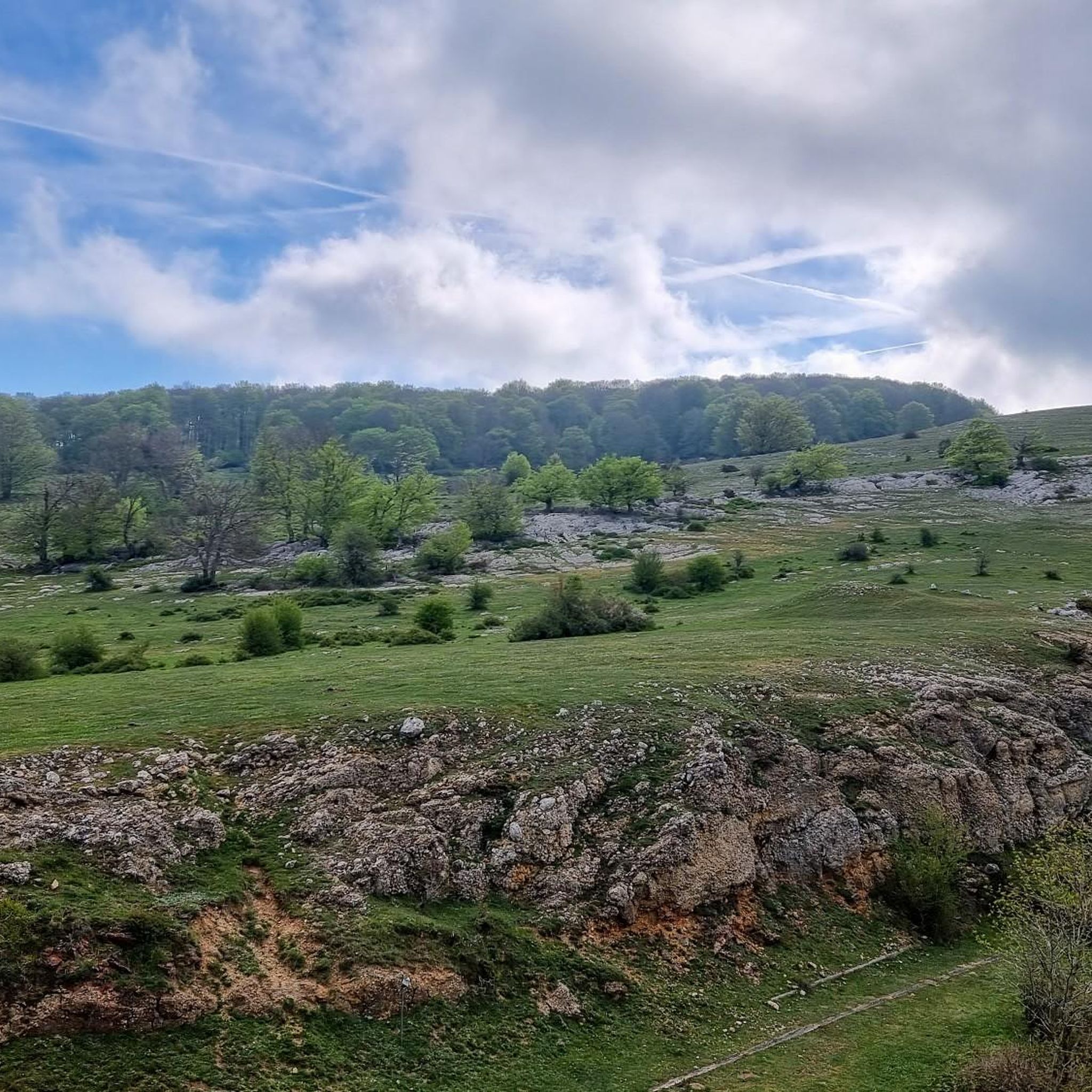
Cycling around Valle de Arana/Harana
Road Cycling Routes around Valle de Arana/Harana
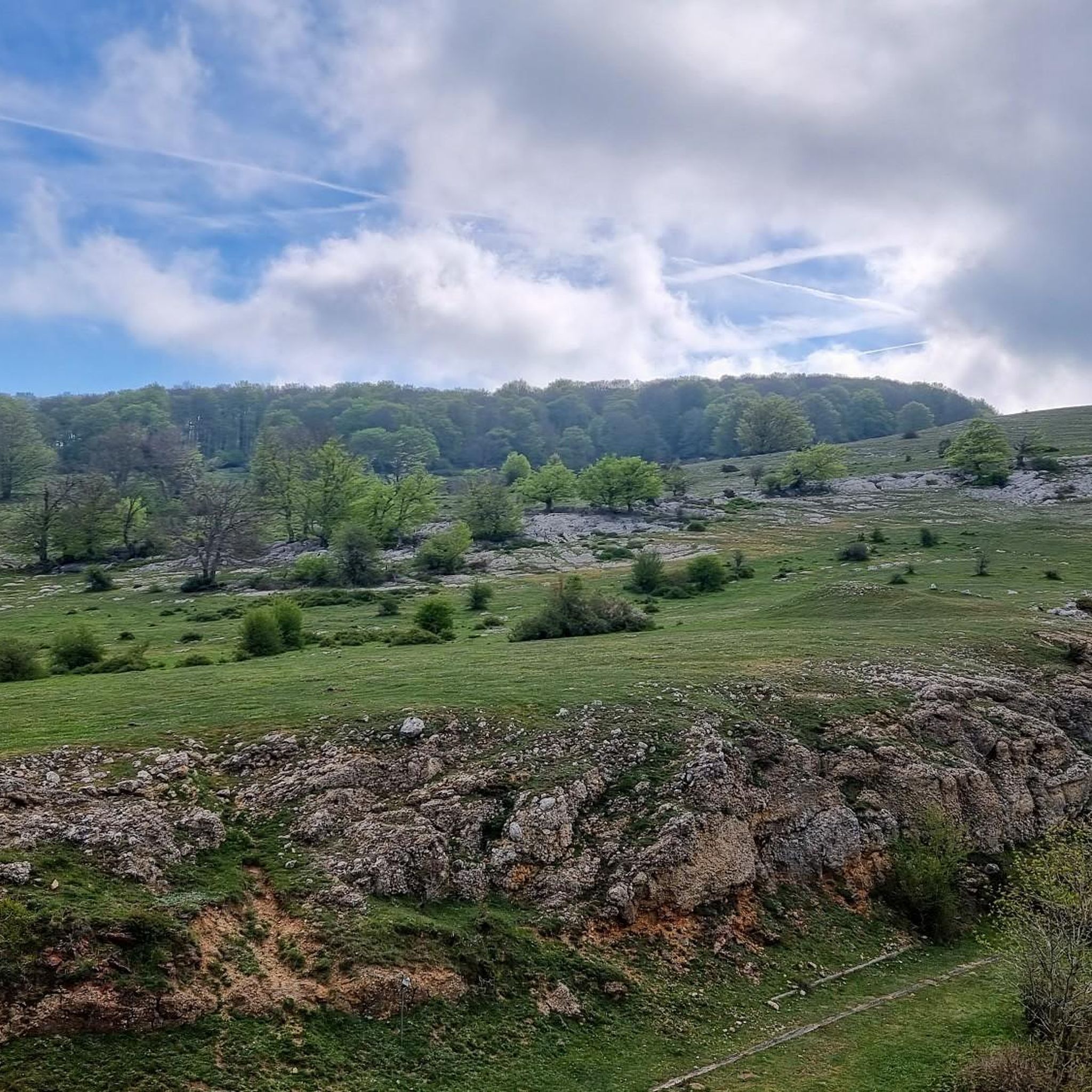
Hiking around Valle de Arana/Harana
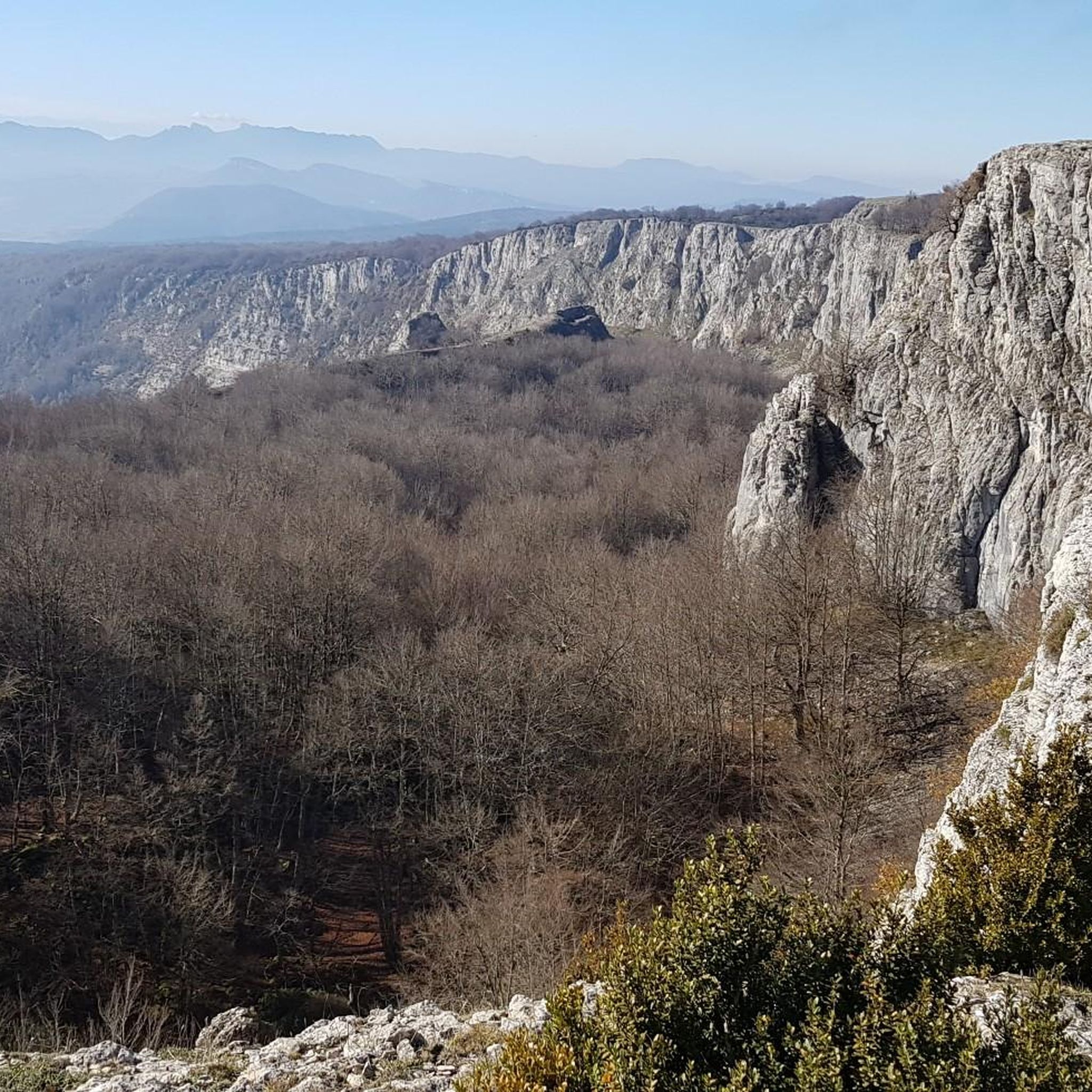
Running Trails around Valle de Arana/Harana

Gravel biking around Valle de Arana/Harana

Mountain Hikes around Valle de Arana/Harana
Other adventures around Valle de Arana/Harana

Tips from the Community

Santa Cruz de Campezo, or Santikurutze Kanpezu, is a beautiful village in the Álava Mountains, situated beside the Ega River. With its historic stone center and the Church of the Assumption as a highlight, it combines history and nature in a peaceful setting. It offers all basic amenities and is a good starting point for exploring the nearby valleys and mountains.
1
0


Both the viaduct and the Arquijas tunnel are one of the most special areas of the greenway.
0
0

Picturesque medieval town located in the province of Álava. Its cobbled streets, churches and ancient walls is like going back in time. Highly recommend taking a bike ride through its streets to immerse yourself in the history and culture of the region. It is also an incredible place to enjoy its delicious cuisine.
2
0

Achievement of several waterfalls hidden among a beech forest. Although they show their maximum splendor after a rainy episode, the path turns into a muddy area which makes it quite uncomfortable to run.
1
0

Tunnel 1415 meters long. The lighting doesn't work properly. Taking a lamp would be great. It is 1,415 meters long. Its straight and smooth course avoids the abrupt stripes of the Codes Sierra and the deep valleys of the Ega. It is drilling into very cracked limestone! The vault is made of mass concrete with a thickness of 1.5 m. and 0.8 m. There was an auxiliary well 25 meters deep and 2 m. in diameter, 403 meters from one of the entrances. Builder: Juan Carlos Ereno. Cost: P1,849,432. Year: 1924
0
0

Agurain-Salvatierra is located in the south-central part of the Llanada Alavesa region, in the province of Álava. It is the capital of the Cuadrilla de la Llanada Alavesa region and is located 27 kilometers from Vitoria. A place reachable by bike and with a great atmosphere for a stop.
0
0
Frequently Asked Questions
What natural features can I explore in Valle de Arana/Harana?
The region is rich in natural beauty. You can visit the Tobería Waterfalls, which are particularly splendid after rain, hidden within a beech forest. The valley also features a notable ash forest near the Ermita de Santa Teodosia, and offers stunning views from Monte Arburu. The landscape is characterized by mountain ranges exceeding 1000 meters and is home to diverse flora and fauna, including falcons, deer, and wildcats, amidst green meadows and forests of beech, birch, and chestnut trees. The Istora and Uiarra rivers also flow through the valley.
What historical and cultural sites are there to visit in Valle de Arana/Harana?
Valle de Arana/Harana boasts a rich history. You can experience the medieval character of Contrasta, with its well-preserved historical houses. Significant religious sites include the parish churches of San Pedro in Alda, San Vicente in San Vicente de Arana (featuring a Low Renaissance portico and main altarpiece), and San Juan Bautista in Ullibarri-Arana. Don't miss the Ermita de Santa Teodosia, a beloved site, and the Ermita de Nuestra Señora de Uralde in San Vicente de Arana. The area also has ancient megalithic remains like menhirs and cromlechs in the surrounding mountains.
Are there family-friendly attractions or activities in Valle de Arana/Harana?
Yes, several attractions are suitable for families. The Vasco Navarro Greenway is an old railway line repurposed as a bicycle and pedestrian lane, free of motorized traffic and large slopes, making it ideal for family cycling or walking. The settlements of Agurain/Salvatierra and Santa Cruz de Campezo also offer charming historical centers that are pleasant to explore with children.
What kind of outdoor activities can I do near these attractions?
The natural environment of Valle de Arana/Harana is perfect for various outdoor activities. You can enjoy hiking and Nordic Walking on routes like sections of the Ignatian Way or local PR routes. For cycling enthusiasts, there are numerous options, including routes along the Vasco-Navarro Greenway. Gravel biking is also popular, with routes like the 'Atauri Tunnel – Vasco-Navarro Railway Bridge loop' available. If you enjoy running, you'll find trails such as the 'Arabako Mendialdeko ibilbide zirkularra' or routes to the Joar Summit. For more details on specific routes, check the gravel biking, cycling, and running guides for the area.
Are there any unique man-made structures to see?
Yes, the Arquijas Tunnel is a remarkable man-made structure. This tunnel, 1415 meters long, is part of the old Vasco-Navarro railway line and provides a straight and smooth course through the landscape. It's an impressive feat of engineering from 1924, with a vault made of mass concrete, and is a popular spot for cyclists and walkers on the greenway.
What is the best time to visit Valle de Arana/Harana?
The Valle de Arana/Harana is beautiful year-round, but the best time depends on your preferred activities. Spring and autumn offer pleasant temperatures for hiking and cycling, with lush greenery in spring and vibrant colors in autumn. The Tobería Waterfalls are at their most impressive after rainy periods, which are more common in cooler months. Traditional festivals, such as the May festival in San Vicente de Arana, also offer unique cultural experiences.
What is the character of the villages in Valle de Arana/Harana?
The villages within Valle de Arana/Harana—Alda, Contrasta, Ullibarri-Arana, and San Vicente de Arana—maintain a strong rural and pastoral spirit. Contrasta, in particular, is known for its medieval character, with houses that have preserved their historical essence. These villages offer a glimpse into traditional Basque Country life, with their ancient churches and charming architecture.
Are there any specific tips for visiting the Tobería Waterfalls?
When visiting the Tobería Waterfalls, be aware that while they are most spectacular after rain, the path can become very muddy and uncomfortable. If you go during or after a rainy period, be prepared for muddy conditions and consider appropriate footwear. There is a path parallel to the river that can be used, but it might involve crossing a lock. It's generally recommended to avoid the trail immediately after heavy rainfall if you prefer a less challenging walk.
What is the Vasco Navarro Greenway and what can I do there?
The Vasco Navarro Greenway is a converted old railway line, now a dedicated path for cyclists and pedestrians. It offers a unique opportunity to explore the region without motorized traffic and with gentle slopes, making it accessible for many. You can cycle or walk along this scenic route, passing through areas like the Arquijas Tunnel and enjoying the natural surroundings. It's a great way to experience the landscape at a relaxed pace.
What kind of wildlife can be found in the valley?
Valle de Arana/Harana is a haven for diverse wildlife. You might spot various species such as falcons, deer, wildcats, and martens. The rich natural environment, with its green meadows and extensive forests of beech, birch, and chestnut trees, provides a suitable habitat for these animals, making it an interesting area for nature observation.
Are there any traditional festivals or events in the area?
Yes, the valley maintains its traditional spirit through various festive events. One notable example is the May festival in San Vicente de Arana, which includes the traditional ritual of placing and raising a beech tree. Additionally, the Ermita de Santa Teodosia hosts a popular pilgrimage on September 16th, and the Ermita de Nuestra Señora de Uralde celebrates its pilgrimage on August 29th, offering insights into local customs and community life.
What are the main rivers in Valle de Arana/Harana?
The hydrological network of Valle de Arana/Harana is organized around two main rivers: the Istora and the Uiarra. Both of these rivers are tributaries of the larger Ega River, contributing to the lush and fertile landscape of the valley.
Most popular routes around Valle de Arana/Harana
Most popular attractions around Valle de Arana/Harana

Get inspired with the komoot mobile app


Explore more
Still not found the Highlight you’re looking for? See guides of the top attractions in other regions:
