The best cycling routes around Rafelcofer
4.5
(951)
8,918
riders
215
rides
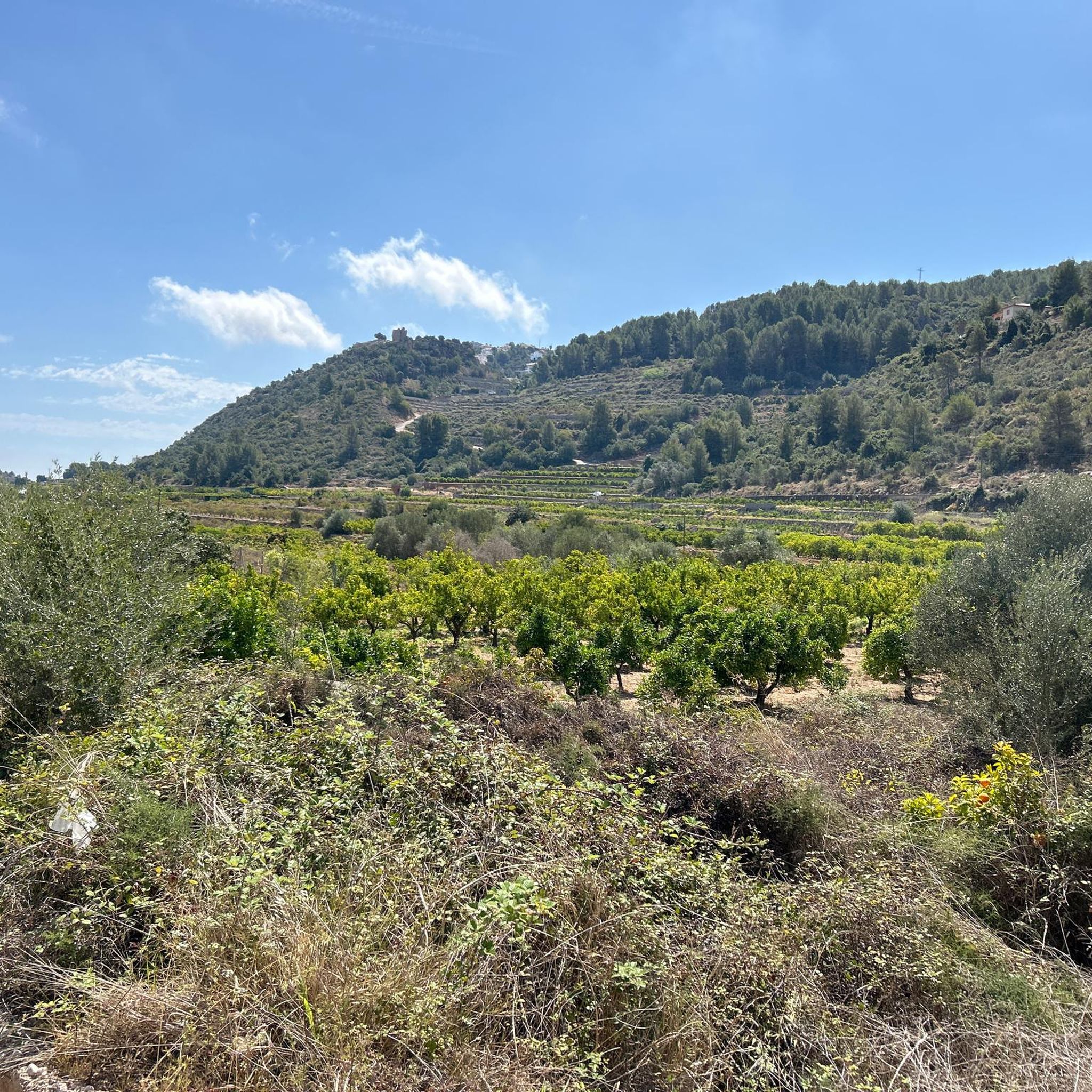
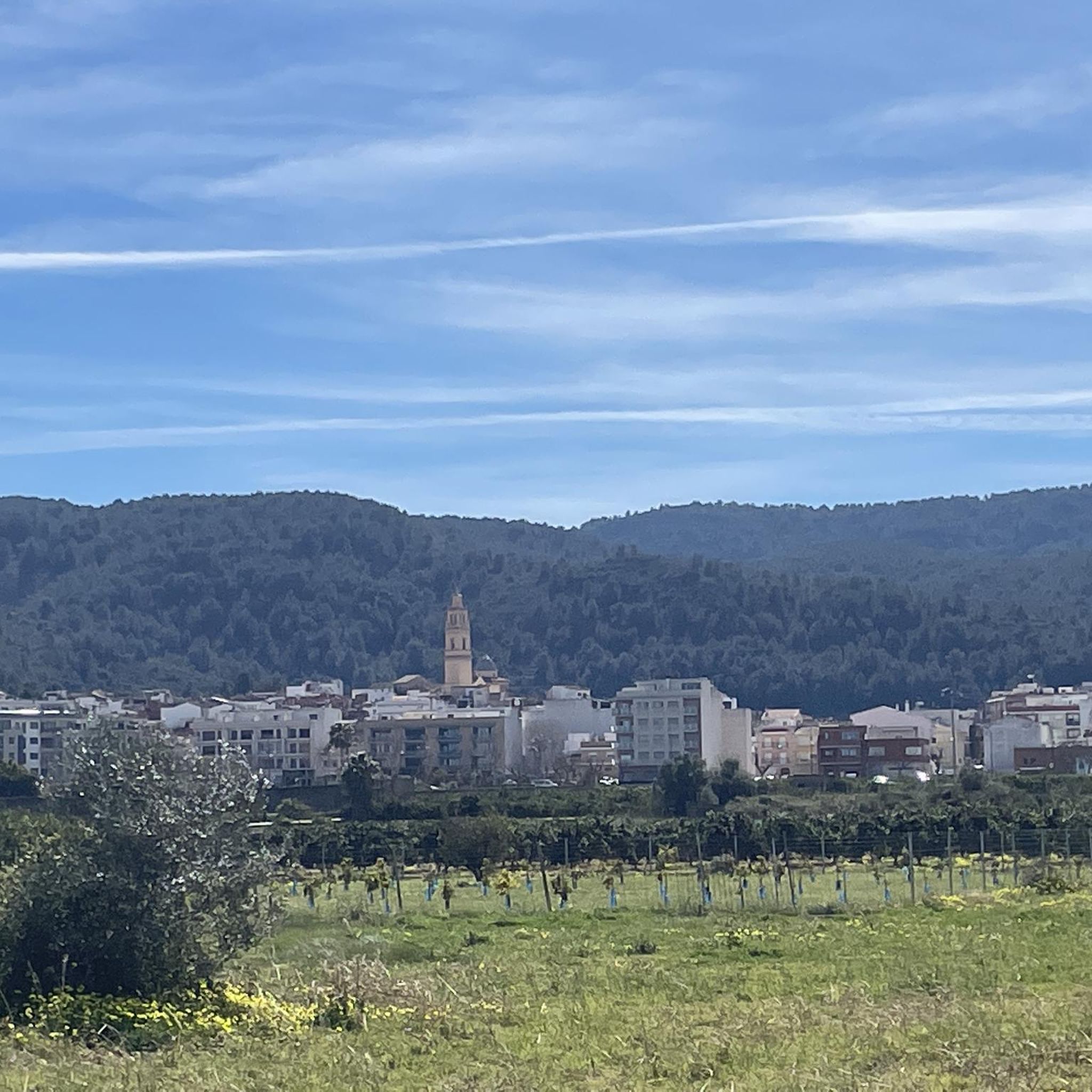
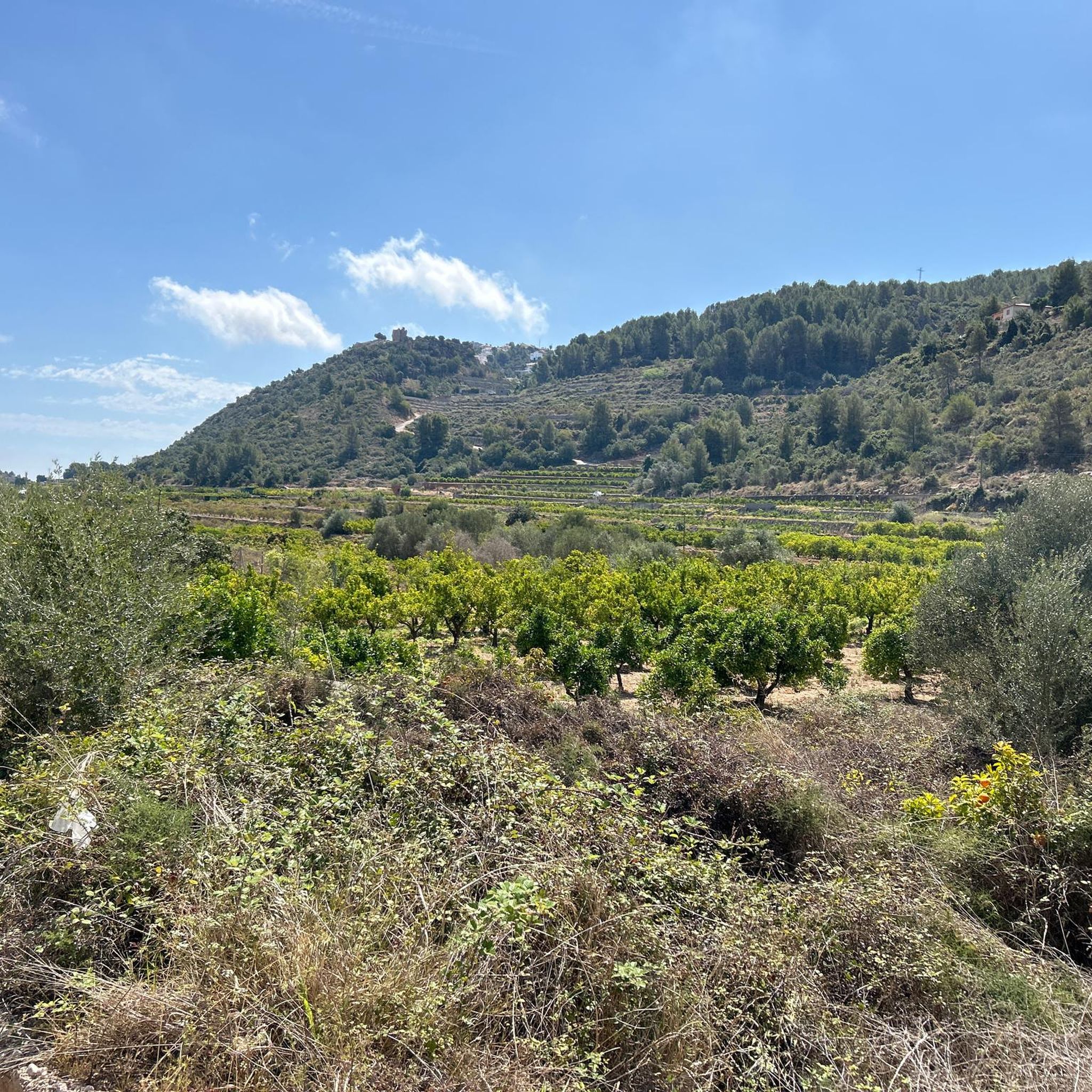
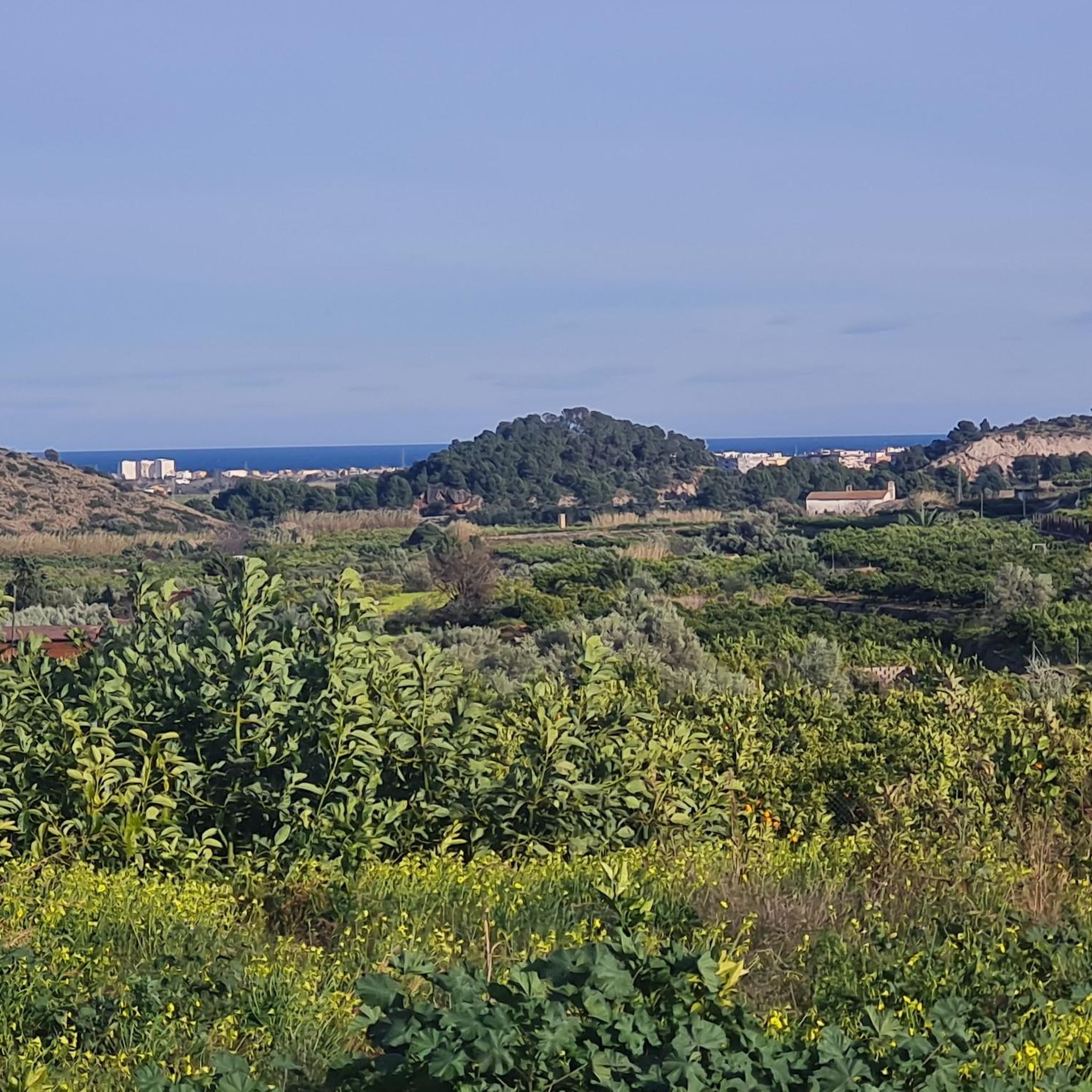
Touring cycling around Rafelcofer features routes that traverse agricultural plains, river valleys, and areas with views towards inland hills. The landscape includes mandarin groves and paths alongside the Vernissa river. While much of the terrain is relatively flat, some routes venture into more elevated areas, offering varied gradients.
Best touring cycling routes around Rafelcofer
- The most popular touring cycling route is View of Alt de Benicadell – Pont de Sant Blai loop from el Real de Gandia, a 42.2…
Last updated: November 23, 2026
5.0
(2)
43
riders
66.4km
04:44
850m
850m
Hard bike ride. Very good fitness required. Mostly paved surfaces.
5.0
(1)
25
riders
45.0km
03:17
790m
790m
Hard bike ride. Very good fitness required. Mostly paved surfaces.

26
riders
44.2km
03:13
760m
760m
Hard bike ride. Very good fitness required. Mostly paved surfaces.
21
riders
Easy bike ride. Mostly paved surfaces.
17
riders
64.9km
04:42
1,030m
1,030m
Hard bike ride. Very good fitness required. Mostly paved surfaces.
Get access to more routes and recommendations from other explorers.
Already have an account?
Our route recommendations are based on thousands of hikes, rides, and runs completed by other people on komoot.
Start today with a free account
Your next adventure awaits.

Tips from the Community

beautiful and lovingly restored village .. there is also a hike to Castell, the castle ruins, and a nice inn
0
0

The Forna Castle is a feudal palace-fortress, built in the first half of the 15th century, which is part of the Valencian civil Gothic style. It is a quadrangular building with four towers at each corner and a two-level central courtyard, which provides access to all the castle's rooms. On the lower floor of Tower 2, one of the best sets of graffiti from the period can be seen, depicting scenes of chivalry and the sea. It is a monument of very high heritage value, protected by the Decree-Law of April 22, 1949, on the protection and inventory of all castles and military architecture, and therefore included as a Bien de Interés Cultural (Asset of Cultural Interest) in the Spanish Historical Heritage Law 16/85 in the second section of the additional provisions and Law 4/1998, of June 11, of the Generalitat Valenciana, of Valencian Heritage.
0
0
The Castillo de Forna is a feudal palace-fortress, built in the first half of the 15th century, which is part of the Valencian civil Gothic style. It is a quadrangular building with four towers at each corner and a central courtyard on two levels, which provides access to all the castle's dependencies. On the lower floor of Tower 2, one of the best collections of graffiti from the period can be seen, depicting scenes of chivalry and the sea. It is a monument of very high heritage value, protected by the Decree-Law of April 22, 1949, on the protection and inventory of all castles and military architecture, and therefore included as a Bien de Interés Cultural (Asset of Cultural Interest) in the Spanish Historical Heritage Law 16/85 in the second section of the additional provisions and the Law 4/1998, of June 11, of the Generalitat Valenciana on Valencian Heritage.
0
0

The L’Enginy Sugar Warehouse is one of Oliva's most unique historic buildings and a prominent example of Valencian industrial architecture from the 15th and 16th centuries. It was formerly part of the complex dedicated to the processing, purification, and storage of sugar cane, an activity that boosted the economic prosperity of the La Safor region during the Renaissance. Thanks to an innovative hydraulic system, considered a pioneer in the Iberian Peninsula, L’Enginy turned Oliva into an important sugar production center. Today, this restored building allows visitors to learn about the city's industrial past and is an essential visit to discover its historical heritage.
15
0
The Plaça de l’Ajuntament de Oliva is the heart of the historic center of Oliva and one of the city's most representative spaces. Surrounded by buildings of architectural interest and presided over by the statue of the admiral and mathematician Gabriel Ciscar, this square is a meeting point for locals and visitors, as well as the setting for markets, celebrations, and numerous cultural events. Its tranquil atmosphere and historical value make it an ideal place to stroll and discover the essence of Oliva.
15
0
The Church of Santa María la Mayor is one of the most emblematic monuments in Oliva and a magnificent example of Valencian architecture from the 17th and 18th centuries. Built on top of an old Gothic church, it combines Baroque and Neoclassical elements, highlighting its three naves, the bell tower, the Capilla del Rosario, and a spacious crypt located beneath the temple. Its interior, characterized by great sobriety and elegance, houses valuable pieces of goldsmithing and religious art, making it an essential visit for those who wish to discover the city's historical and cultural heritage.
14
0


The ford was replaced by a "bridge".
1
0
Frequently Asked Questions
How many touring cycling routes are available around Rafelcofer?
There are over 230 touring cycling routes available around Rafelcofer, offering a wide variety of options for different skill levels and preferences. These routes traverse agricultural plains, river valleys, and areas with views towards inland hills.
What makes touring cycling in Rafelcofer unique?
Touring cycling in Rafelcofer is characterized by its diverse landscape, featuring routes through extensive mandarin groves and paths alongside the Vernissa river. While much of the terrain is relatively flat, some routes venture into more elevated areas, providing varied gradients and scenic views towards distant hills.
Are there easy touring cycling routes suitable for beginners in Rafelcofer?
Yes, Rafelcofer offers a good selection of easy touring cycling routes, with nearly 90 options available. An excellent choice for beginners is the Cycle and pedestrian bridge – Large mural loop from l'Alqueria de la Comtessa, which is 18.3 miles (29.5 km) long and leads through local communities and agricultural areas.
Where can I find more challenging touring cycling routes near Rafelcofer?
For experienced touring cyclists seeking a challenge, Rafelcofer has over 75 difficult routes. A notable option is the View of Alt de Benicadell – Pont de Sant Blai loop from el Real de Gandia, a 42.2-mile (67.9 km) trail featuring significant elevation gain towards Alt de Benicadell.
Are there any long-distance touring cycling routes around Rafelcofer?
Yes, you can find several long-distance touring cycling routes. The View of Alt de Benicadell – Pont de Sant Blai loop from el Real de Gandia is one of the longer options, covering 42.2 miles (67.9 km) with substantial elevation changes.
Can I find circular touring cycling routes in the area?
Many of the touring cycling routes around Rafelcofer are designed as loops, allowing you to start and finish at the same point. Examples include the Path and ford of the Vernissa river – Old Xàtiva Path loop from el Real de Gandia and the Mandarin Grove – Constitution Square loop from el Real de Gandia.
What natural attractions can I explore while touring cycling near Rafelcofer?
The region offers several natural attractions. You can visit the The Salty Spring or the Natural area of the "Font Salà". The Marjal de la Safor Nature Reserve is also a significant natural area worth exploring.
Are there any routes that pass by lakes or springs?
Yes, some routes will take you near local water features. You might encounter the Duke's Pond Spring or the Ullal Fosc, which are popular highlights in the area.
What do other cyclists say about the routes in Rafelcofer?
The touring cycling routes in Rafelcofer are highly rated by the komoot community, with an average score of 4.4 stars from over 980 reviews. Cyclists often praise the varied terrain, from agricultural plains to river paths, and the scenic views of distant hills.
Are there any routes that lead to the coast or beaches?
Yes, you can find routes that connect the inland areas to the coast. The Marjal dels Borrons – Gandia Beach loop from Potries is a moderate route that takes you towards Gandia Beach, offering a change of scenery from the agricultural landscapes.
What is the best time of year for touring cycling in Rafelcofer?
The region generally enjoys a mild Mediterranean climate, making touring cycling pleasant for much of the year. Spring and autumn offer comfortable temperatures and less crowded trails. Summer can be warm, but early mornings or late afternoons are still suitable for rides, especially on routes with shade or coastal breezes.
Most popular routes around Rafelcofer
Most popular attractions around Rafelcofer

Get inspired with the komoot mobile app


Explore more
Browse the best Cycling routes in other regions.
