Attractions and Places To See around San José Del Valle - Top 20
Best attractions and places to see around San José Del Valle include historical landmarks and natural features. The town is situated within the Los Alcornocales Nature Reserve, offering a rich natural environment. Its history dates back to the Al-Andalus age, with sites like Gigonza Castle and the Aqueduct of Tempul reflecting its heritage. The region provides diverse landscapes, from river trails to natural pools, for exploration.
Best attractions and places to see around San José Del Valle
- The most popular…
Last updated: May 10, 2026
Majaceite River Trail
Highlight • Trail
Translated by Google •
Tip by

Old Town of Arcos de la Frontera
Highlight • Settlement
Translated by Google •
Tip by

Sign up now to discover places like this
Get recommendations on the best single tracks, peaks, & plenty of other exciting outdoor places.
Sign up for free
Basilica of Santa María de la Asunción
Highlight • Religious Site
It was built in the 14th or 15th century in Mudéjar style.
Translated by Google •
Tip by
El Camborio Artistic Nativity
Highlight • Structure
Translated by Google •
Tip by
Roman Road Between Benaocaz and Ubrique
Highlight (Segment) • Trail
Translated by Google •
Tip by

Sign up for free to discover even more attractions around San José Del Valle.
Sign up for free
Already have an account?
Start today with a free account
Your next adventure awaits.
Login or Signup
Tips from the Community

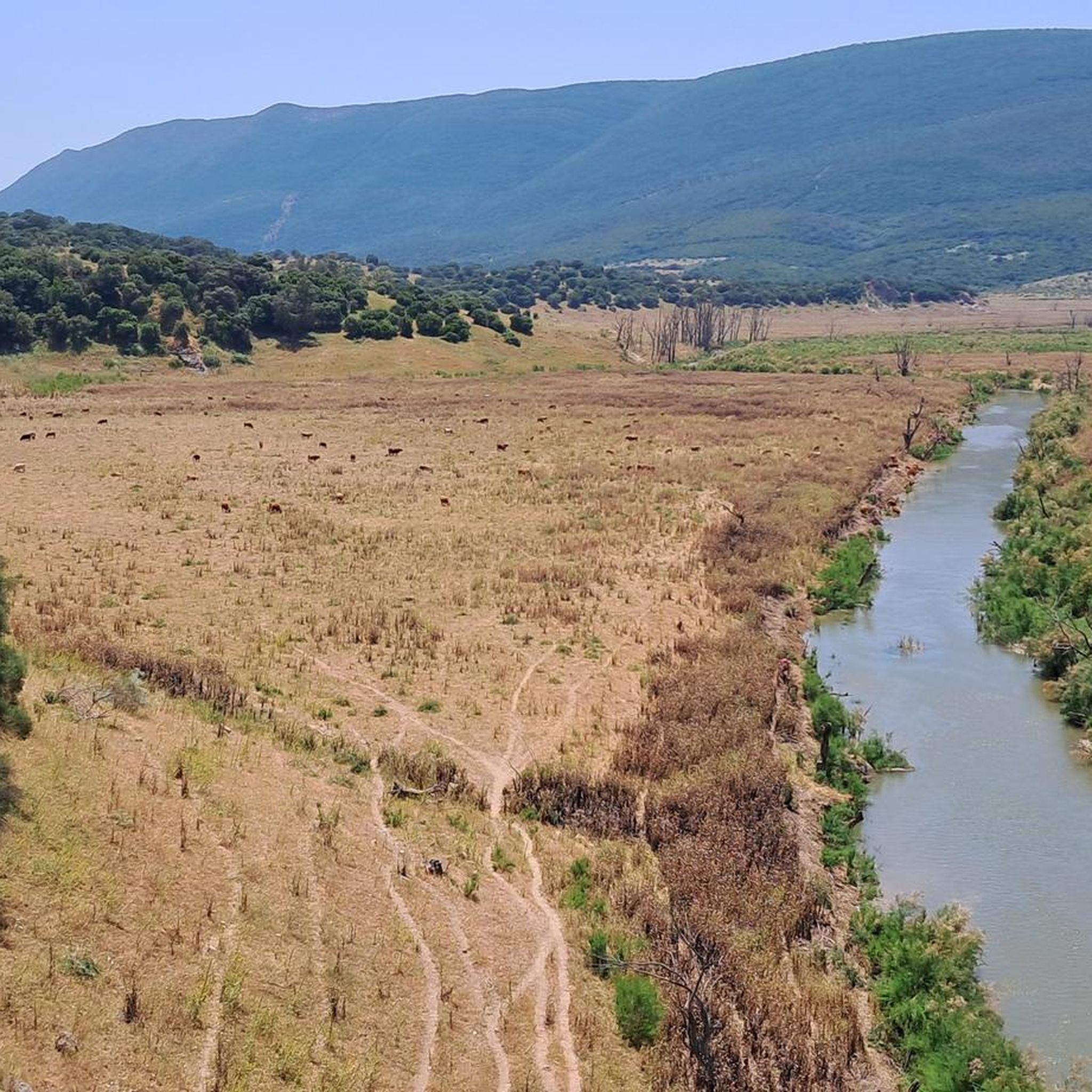
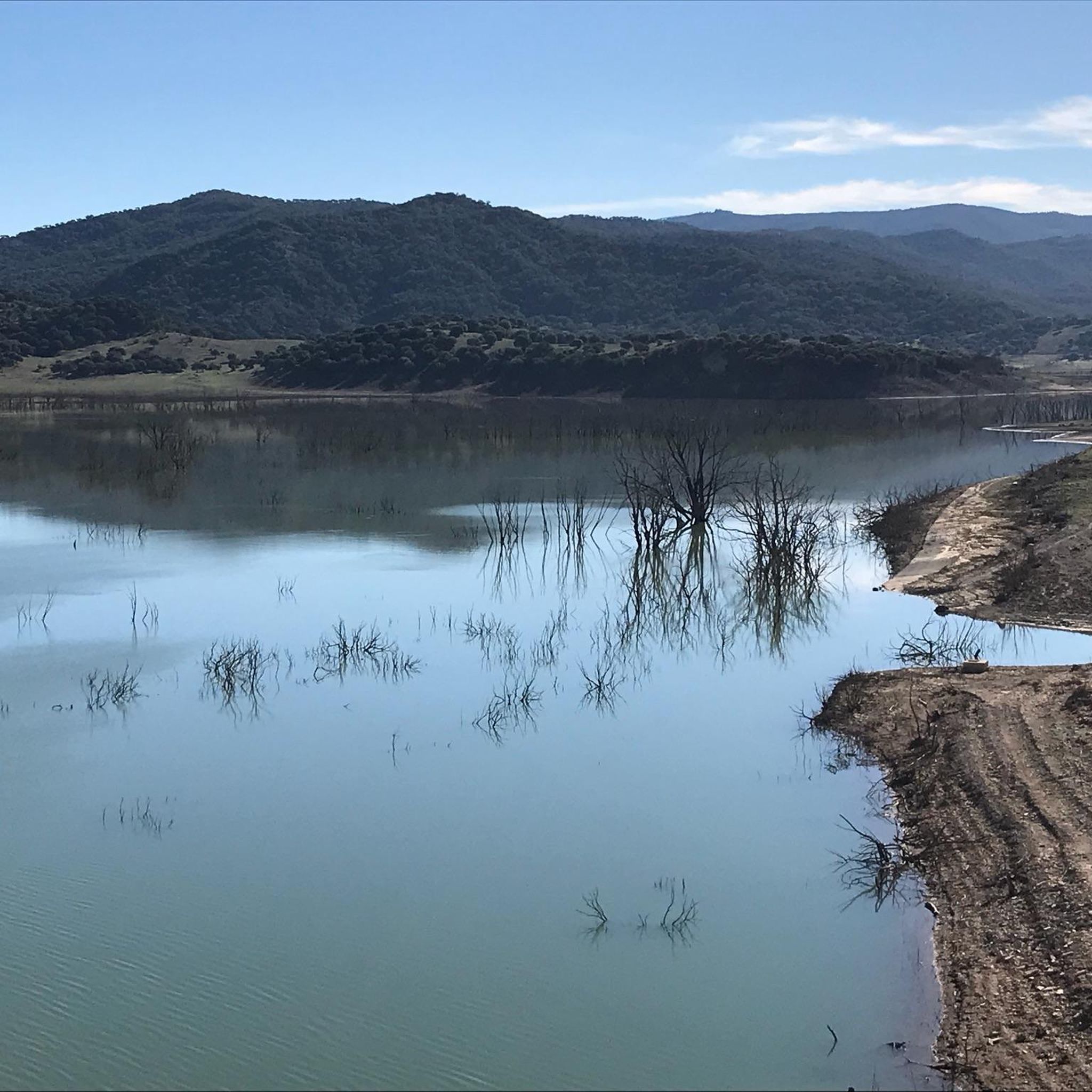
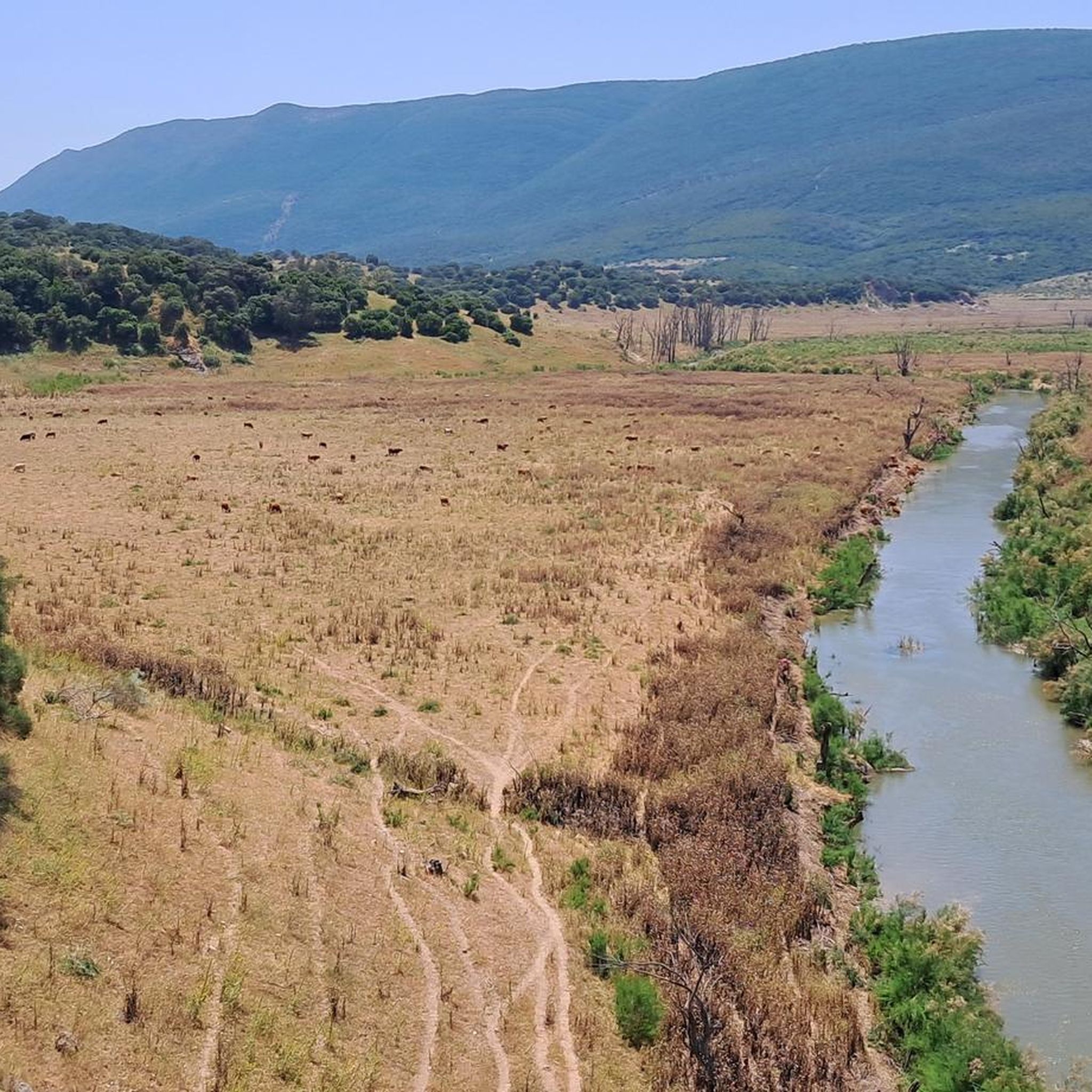
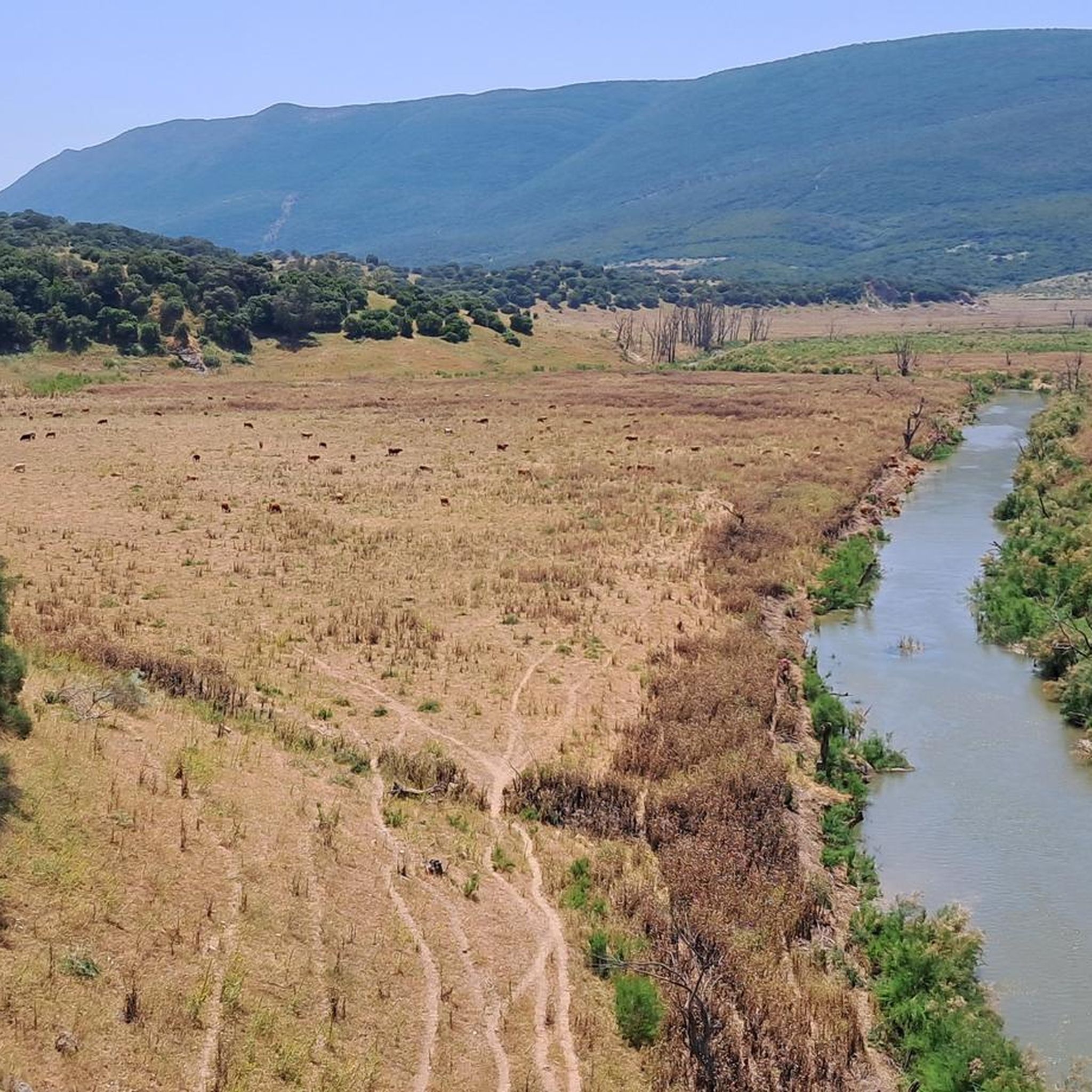
A beautiful circular walk. You walk along the river for large parts. Very beautiful.
0
1

Along the way you will meet quite a few animal contemporaries: up close and personal with cows, bulls (or bull-like creatures), donkeys, Iberian pigs, birds of prey and other birds.
0
0

El Belén artístico El Camborio is a beautiful and impressive creation located in Arcos de la Frontera. It is a small museum that looks like a cave carved into the rock, in which beautiful treasures and scenes from the Gospel are depicted with great detail and craftsmanship. It is a place where the landscape changes from day to night, which makes it even more special.
9
0

You must be in better shape than I am. This is not an easy trail. Lovely sure straight and Rocky. But uphill the entire way. All the way.
0
0
El Belén artístico El Camborio is a beautiful and impressive creation located in Arcos de la Frontera, Spain. It is a small museum that looks like a cave carved into the rock, in which beautiful treasures and scenes from the Gospel are depicted with great detail and craftsmanship1. It is a place where the landscape changes from day to night, which makes it even more special.
6
0
The town, situated on a rocky plateau, invites you to travel through time. From the 11th century it was the capital of a taifa, a small Berber kingdom. The fortified town was finally reconquered in 1264 by Alfonso X, who also took Seville, Jerez and Cádiz during the Reconquista. For two centuries Arcos was an outpost on the border of the kingdom and in the 15th century the village came into the hands of the Ponce de León family, who played a major role in the victory over the kingdom of Granada. During the 19th century, Arcos acquired its current appearance thanks to the rise of olive and grape cultivation and horse breeding.
12
0
This church was built around 1530 on the site of a 14th-century church, which itself had taken the place of a large Moorish mosque. The main façade, by Don Alonso de Baena, is a perfect example of the Plateresque style. The church, which is accessed via the neoclassical right-hand side façade, has the plan of a basilica with three naves separated by sturdy columns supporting star vaults. On the high altar is a 17th-century altarpiece (Assumption of the Virgin) by Jerónimo Hernández and Juan Bautista Vázquez. Behind the high altar is the octagonal apse of the former Mudejar church. The frescoes (The Coronation of the Virgin) that once adorned the high altar were transferred to the wall to the left of the altar in the 1960s.
12
0

Beautiful old Roman road. The walk is really worth it.
2
0
Frequently Asked Questions
What natural attractions can I explore near San José Del Valle?
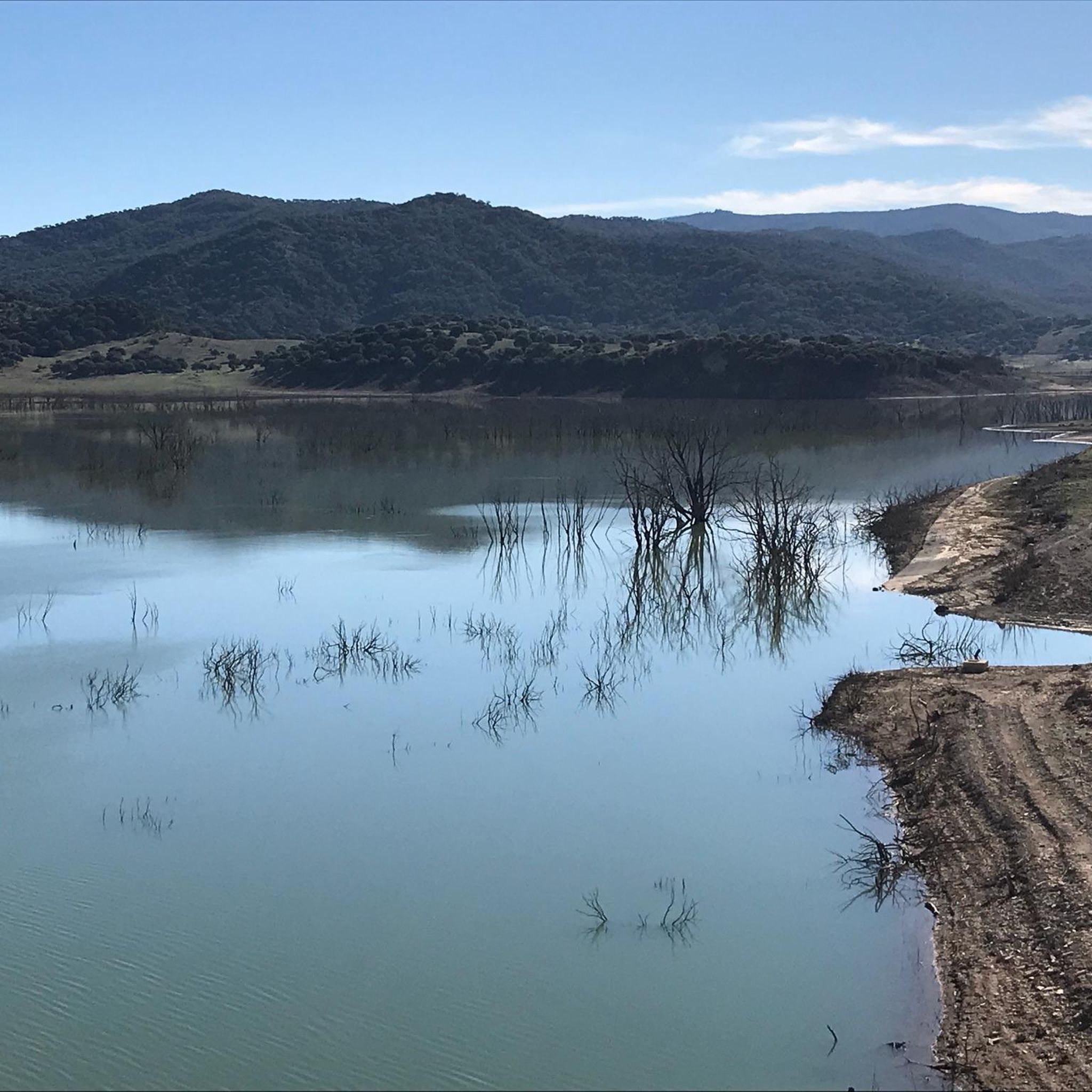
The region is rich in natural beauty. A significant portion of the town lies within the Los Alcornocales Nature Reserve, offering a vast natural environment. You can also enjoy the Majaceite River Trail, known for its varied scenery and as a habitat for otters. For a unique experience, visit Charco de los Hurones, a hidden natural pool within Los Alcornocales, or Playa del Pantano de Guadalcacín, a lakeside spot for relaxation and water activities.
Are there historical sites to visit in and around San José Del Valle?
Yes, San José Del Valle boasts several historical landmarks. Key sites include Gigonza Castle and the ancient Aqueduct of Tempul. Nearby, you can explore the Old Town of Arcos de la Frontera, a settlement with religious buildings, a castle, and historical sites, and the Basilica of Santa María de la Asunción, a Roman Catholic church built in Mudéjar style. Don't miss the Roman Road Between Benaocaz and Ubrique for a walk through ancient history.
What kind of outdoor activities are available in the San José Del Valle area?
The area around San José Del Valle is perfect for outdoor enthusiasts. You can find numerous routes for hiking, with options like the Cañada Real de Salinilla Trail. There are also extensive opportunities for cycling and gravel biking, with routes exploring the scenic landscapes. For more details on routes, check out the guides for hiking, cycling, and gravel biking around San José Del Valle.
Are there any family-friendly attractions or activities in San José Del Valle?
Families will enjoy the Majaceite River Trail, which is categorized as family-friendly and offers a pleasant walk. The El Camborio Artistic Nativity is another family-friendly highlight, known for its intricate details. Additionally, Charco de los Hurones is a natural pool that was historically popular with families for rural bathing, and Playa del Pantano de Guadalcacín offers a tranquil environment for recreation and water activities suitable for all ages.
Where can I go for a pleasant walk or easy hike near San José Del Valle?
For a pleasant walk, the Majaceite River Trail is highly recommended. It's a mostly shady path alongside the river, offering varied scenery. For a historical walk, consider the restored Roman Road Between Benaocaz and Ubrique, though comfortable shoes are advised due to its paving. The Los Alcornocales Nature Reserve also offers numerous trails suitable for different fitness levels.
What cultural sites can I visit in the town of San José Del Valle itself?
Within the town, the Church of San José (Iglesia de San José) is a key architectural and religious site. The town's historical origins date back to the Al-Andalus age, with a settlement known as Hisn Tanbul, which adds a rich cultural layer to its identity. You can also find Descansaderos, ancient resting places along cattle trails, which are part of Andalusia's cultural heritage.
What do visitors enjoy most about the attractions around San José Del Valle?
Visitors particularly appreciate the diverse scenery and the opportunity to connect with nature, especially along the Majaceite River Trail, where the presence of otters is a highlight. The historical depth of sites like the Old Town of Arcos de la Frontera and the architectural beauty of the Basilica of Santa María de la Asunción are also highly valued. Many are charmed by the intricate details of the El Camborio Artistic Nativity.
Are there any unique natural features or 'hidden gems' to discover?
Yes, the area holds some unique natural spots. Arroyo del Infierno is a spring originating in the Sierra de Dos Hermanas, creating small ecological havens. Charco de los Hurones, hidden within the Los Alcornocales Natural Park, offers a secluded natural pool for rural bathing. These spots provide a chance to experience the region's pristine natural environment away from more crowded areas.
Can I find places for swimming or water activities near San José Del Valle?
Absolutely. Playa del Pantano de Guadalcacín, located next to the largest reservoir in the province of Cádiz, is equipped for swimming and recreation, offering a tranquil environment for water activities. Additionally, Charco de los Hurones, a natural pool within Los Alcornocales Natural Park, provides a more rustic and secluded option for bathing.
What kind of wildlife can I expect to see in the natural areas?
The Los Alcornocales Nature Reserve and its surrounding watercourses like Arroyo del Infierno and Arroyo de la Garganta are rich in biodiversity. The Majaceite River Trail is known as a habitat for elusive otters. Within Los Alcornocales, you might also spot raptors, deer, and wild boar, making it an excellent area for wildlife observation.
Are there any specific architectural styles or historical periods represented in the local buildings?
The region showcases a blend of historical influences. The Basilica of Santa María de la Asunción, for example, was built in the Mudéjar style and features a mix of architectural styles from centuries of construction. The Old Town of Arcos de la Frontera also bears the imprint of Muslim culture and later Christian reconquest, with its castle and walled enclosures dating from the 11th-15th centuries.
Most popular routes around San José Del Valle
Most popular attractions around San José Del Valle

Get inspired with the komoot mobile app


Explore more
Still not found the Highlight you’re looking for? See guides of the top attractions in other regions:
