Attractions and Places To See around Loranca De Tajuña - Top 20
Best attractions and places to see around Loranca De Tajuña include a blend of historical sites, traditional architecture, and natural landscapes within the Tajuña river valley. The town is situated in the Alcarria region, surrounded by hills and cultivated fields. This area offers a variety of cultural landmarks and natural features for exploration. Visitors can discover medieval history and scenic routes along the Tajuña River.
Best attractions and places to see around Loranca De Tajuña
- The most popular attractions is…
Last updated: October 10, 2026
Goyeneche Palace of Nuevo Baztán
Highlight • Historical Site
Translated by Google •
Tip by

Valmores Spring
Highlight • Monument
Translated by Google •
Tip by

Sign up now to discover places like this
Get recommendations on the best single tracks, peaks, & plenty of other exciting outdoor places.
Pioz Castle
Highlight • Castle
Translated by Google •
Tip by

Fuente Grande de Corpa
Highlight • Natural Monument
Translated by Google •
Tip by

Tajuña Greenway
Highlight (Segment) • Cycleway
Translated by Google •
Tip by

Sign up for free to discover even more attractions around Loranca De Tajuña.
Already have an account?
Start today with a free account
Your next adventure awaits.
Popular around Loranca De Tajuña
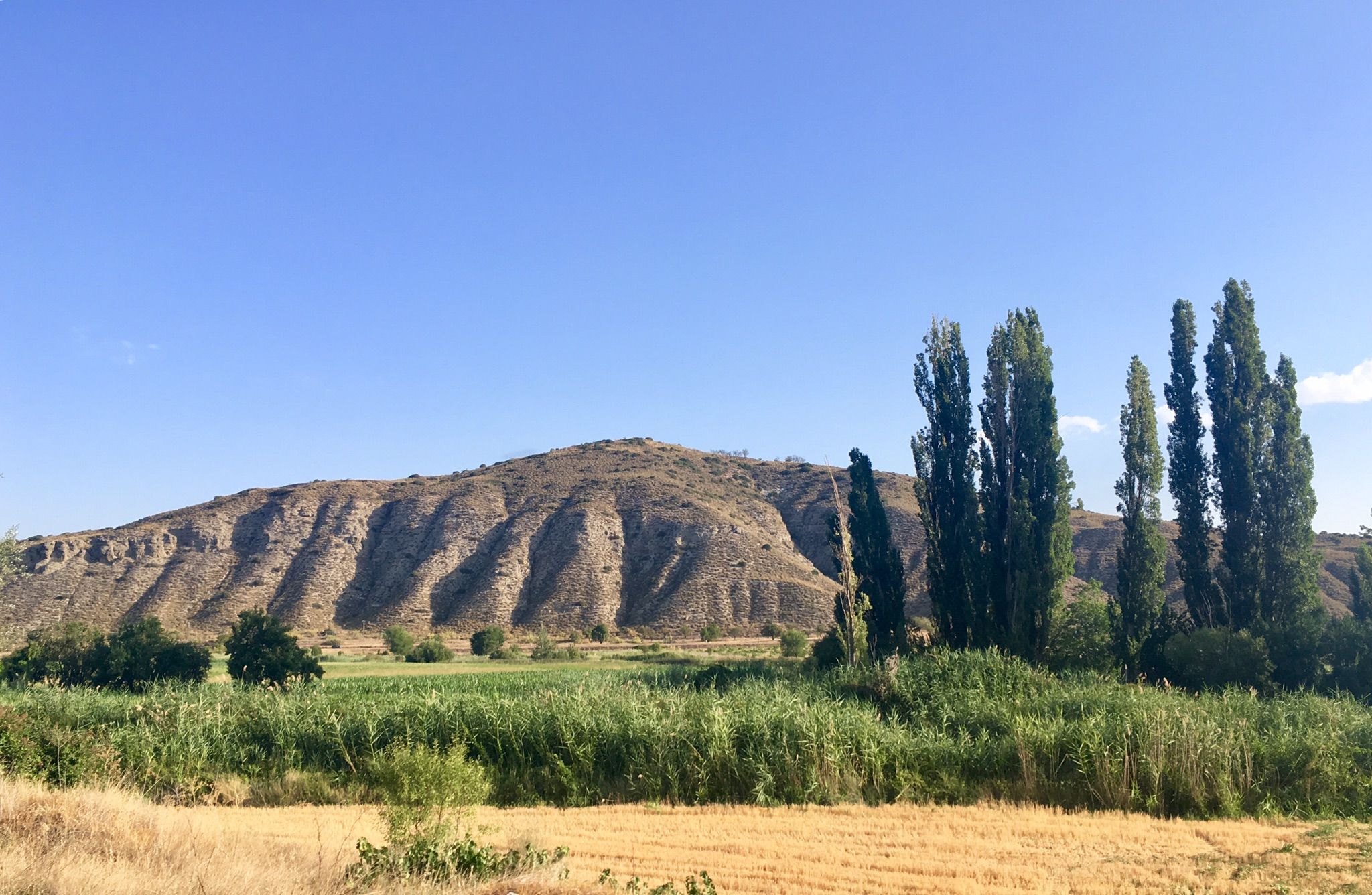
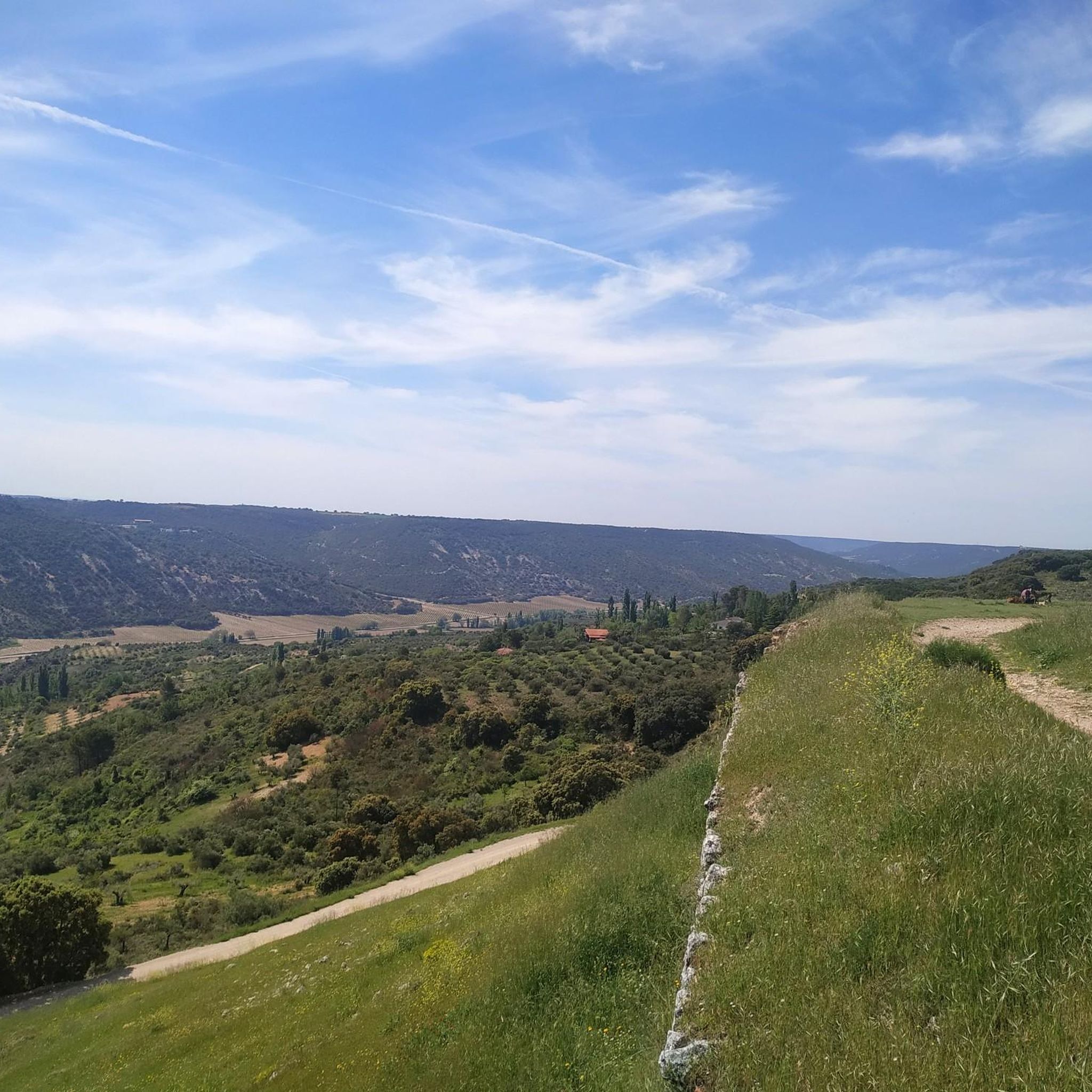
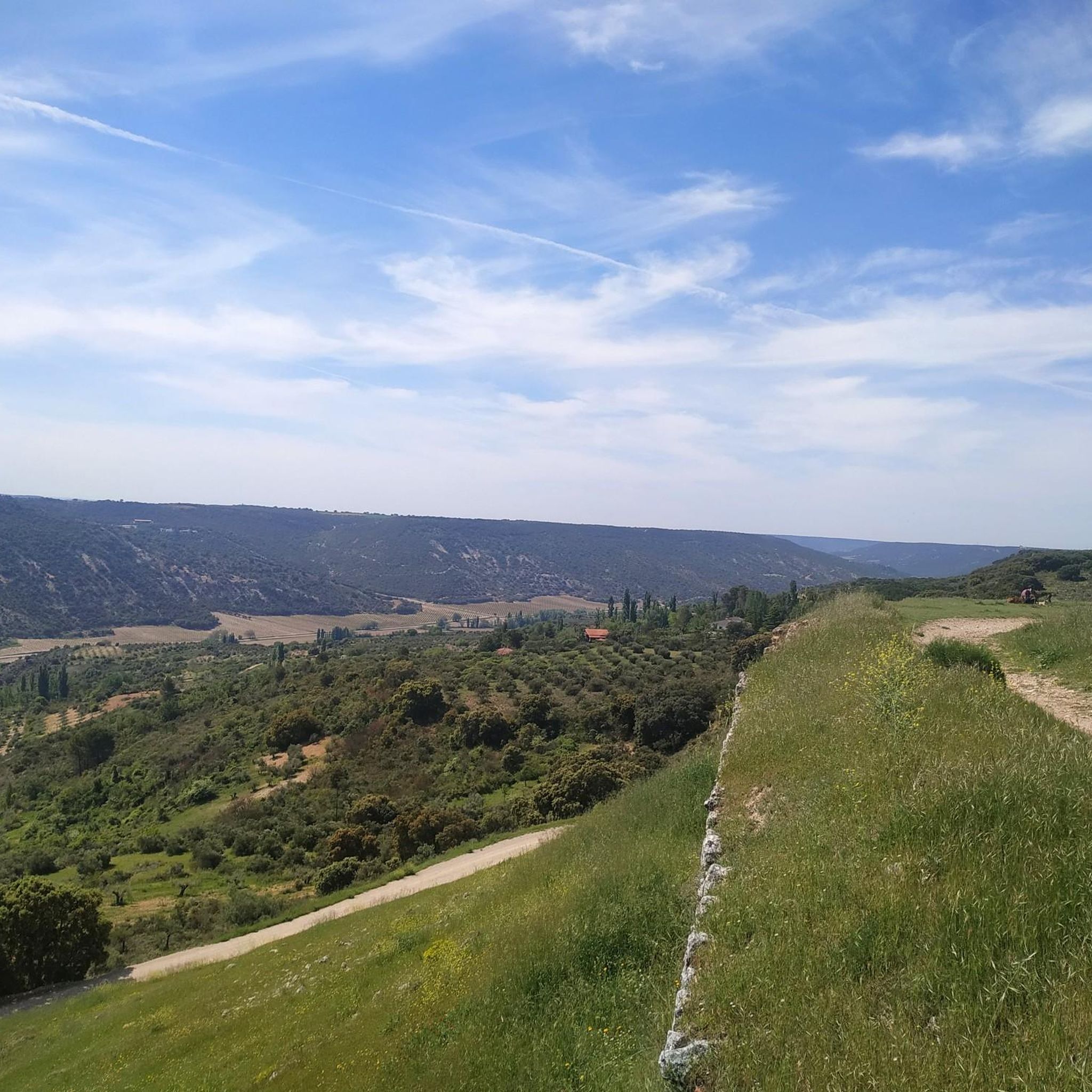
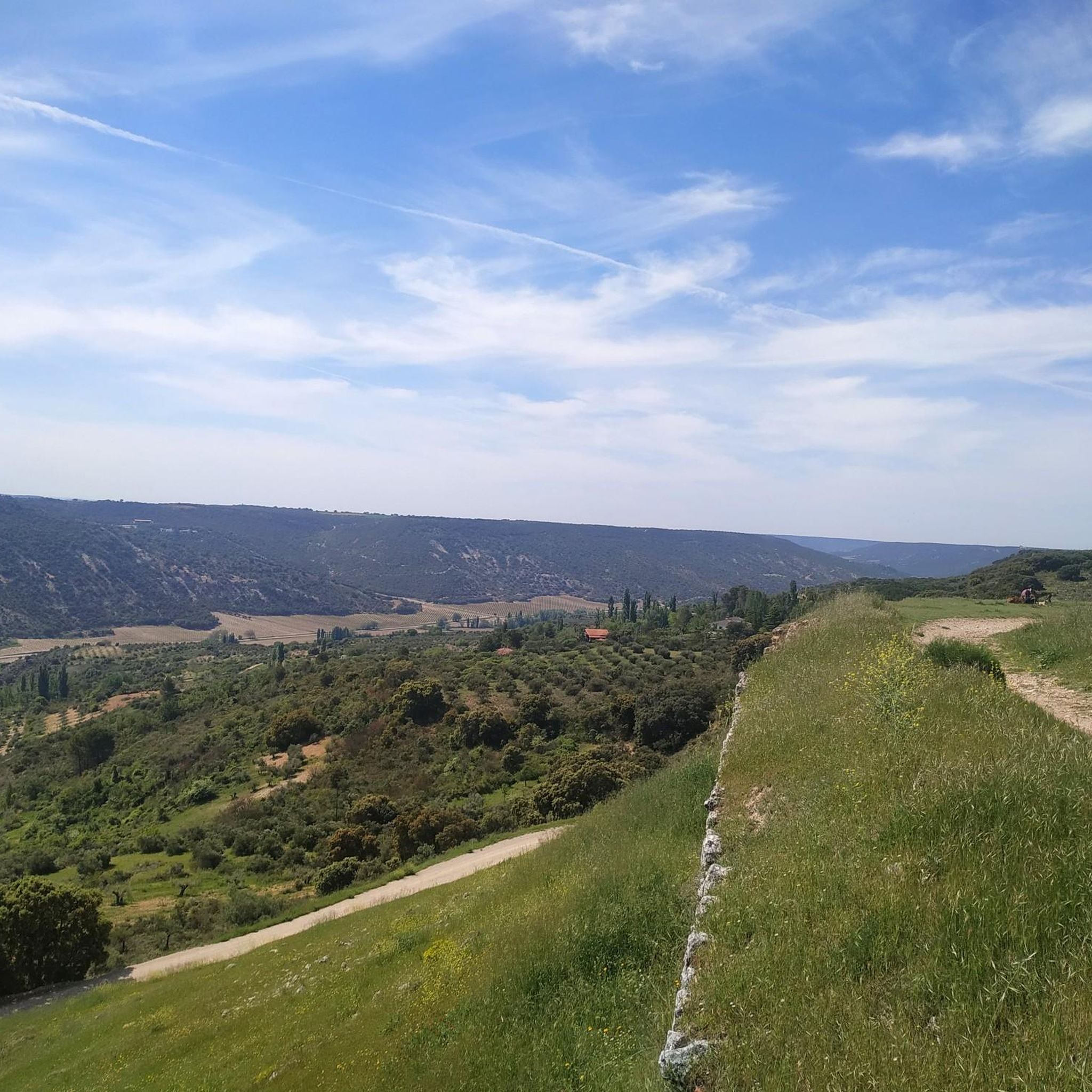


Other adventures around Loranca De Tajuña

Tips from the Community

Super cool water to replenish your strength
0
0

The Valmores watering hole was restored in 2022, recovering an essential piece in the ethnographic heritage of Pezuela de las Torres. The first references to the fountain appear in the Topographic Relations of 1578. In 1735, reforms and improvements were made to the original spring, making it essential in the daily life of the countryside. The construction has a functional design to water livestock at a crossroads of the Alcarreño moor with trees and benches to take a break.
0
0
The ethnographic complex of the Fuente Grande de Corpa is an important element of the local heritage. It was built in 1897 by local stonemasons Francisco and Vicente, according to an inscription attached to the wall of the watering hole. The water reaches the stone basins from two different springs in an old cattle rest area at the Cordel de la Senda de la Galiana, although there had been a powerful spring for a long time before. The largest pond was a public washhouse and one of the jets has its own name, it is the Collantes spout and was an old war cannon.
0
0

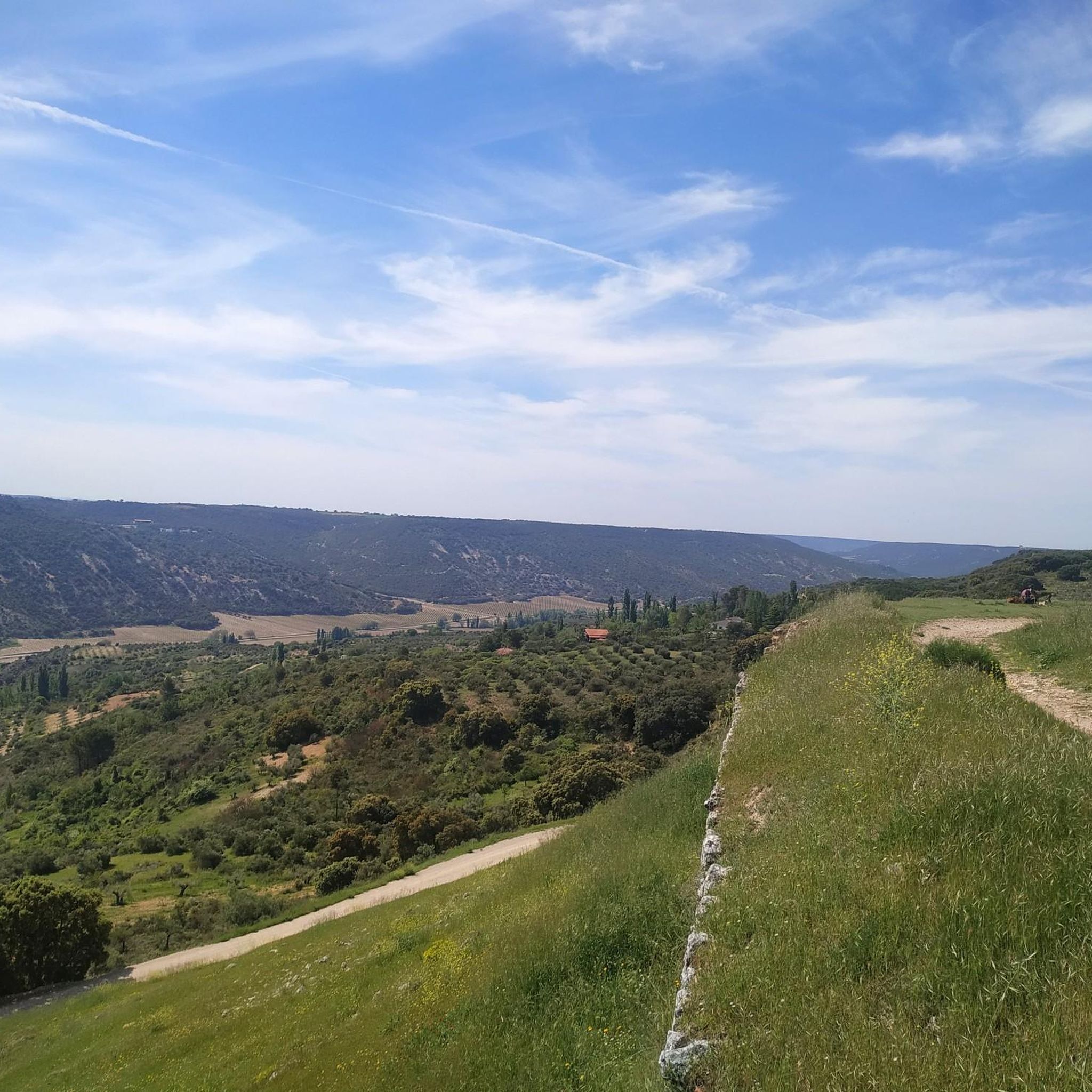
Panoramic views with great beauty
0
0
The unique urban style of Nuevo Baztán maintains the original Baroque model from the beginning of the 18th century, designed by José de Churriguera by order of Juan de Goyeneche, who had permission from Charles II to build glass, paper and textile factories on Spanish territory. The Navarrese businessman was originally from Arizkun, in the Baztán Valley, but spent time in Madrid because he had other properties and professional relations with the Court. He chose the site of Madrid's Alcarria to found an industrial and rural centre in honour of his homeland and commissioned the Madrid architect to build a glass factory, a farming village of half a thousand inhabitants, a palace, a monumental church and gardens with centuries-old pines and elms. The town preserves cobbled streets, stone squares, rural buildings from the time of its foundation, between 1709 and 1713, and palace gardens, a beautiful heritage complex declared a Historic-Artistic Monument in 1941 and a Site of Cultural Interest in 2000.
0
0

The Valmores fountain, an Asset of Heritage Interest of the Community of Madrid, is a good example of the historical sources existing in the region, closely linked to livestock farming and the livestock routes that facilitated the movement of herds through the territory. It is attached to the base of a bank, a wide unproductive slope that links dry fields arranged at different levels, and preserves the original catchment system intact, maintaining an acceptable flow. Source: https://www.comunidad.madrid/cultura/patrimonio-cultural/restauracion-fuente-valmores-pezuela-torres
0
0

In restoration works, it presents a beautiful appearance
2
0

Fountain in the small park in front of the church.
0
0
Frequently Asked Questions
What historical landmarks can I explore in and around Loranca de Tajuña?
Loranca de Tajuña and its surroundings are rich in history. You can visit the impressive Goyeneche Palace of Nuevo Baztán, a 17th-century Renaissance palace that forms the central nucleus of Nuevo Baztán. Another significant site is Pioz Castle, an interesting 15th-century fortress that showcases medieval artillery arrangements. Within Loranca de Tajuña itself, explore the 16th-century Church of San Pedro Apóstol, the historic Plaza Mayor with its 17th-century Clock Tower, and the serene Hermitage of San Roque. Don't miss the ruins of the Convent of Jesús del Monte or the ancient Bridge over the Tajuña River.
Are there any natural attractions or scenic spots near Loranca de Tajuña?
Yes, the area offers beautiful natural features. The Tajuña River is a major highlight, with numerous routes along its banks perfect for walks and bicycle rides, especially in spring and summer. You can experience this along the Road Along the Tajuña River, a scenic stretch offering countryside views. Other natural points include La Hontanilla, a viewpoint within the town that serves as a starting point for hiking trails, and the pleasant natural setting of the El Pradillo Neighborhood next to the river. The town itself ascends a hillside known as La Quebrada, offering unique perspectives.
What kind of outdoor activities can I do around Loranca de Tajuña?
The region is excellent for outdoor enthusiasts, particularly cycling. You can find various MTB trails, road cycling routes, and general cycling tours. For mountain biking, consider routes like the 'Pioz and Pezuela de las Torres Loop' or the 'Valmores Fountain – Rocky Descent loop'. Road cyclists might enjoy 'The two Castles - Castillo de Pioz and Castillo de Torremocha' or the 'Road Along the Tajuña River – Ascent to Pastrana loop'. For more options, explore the dedicated guides for MTB Trails around Loranca De Tajuña, Road Cycling Routes around Loranca De Tajuña, and Cycling around Loranca De Tajuña.
Are there family-friendly attractions or activities in the area?
Yes, several attractions are suitable for families. The Goyeneche Palace of Nuevo Baztán is considered family-friendly, offering a historical experience in a beautiful setting. The Valmores Fountain, with its historical significance and surrounding trees and benches, provides a nice spot for a family break. Additionally, the Fuente Grande de Corpa is a natural monument with fresh drinking water and a shaded area, ideal for a refreshment stop during family outings. The gentle routes along the Tajuña River are also great for family walks or bike rides.
What is the best time of year to visit Loranca de Tajuña for outdoor activities?
The Tajuña river valley and the Alcarria region are particularly pleasant for outdoor activities in spring and summer. During these seasons, the riverside areas offer freshness and varied landscapes, making them ideal for walks and bicycle rides. The weather is generally favorable for exploring historical sites and enjoying the natural beauty of the region.
Where can I find fresh water or a place to rest during my explorations?
The Fuente Grande de Corpa is highly recommended. It's known for having the best spring water in the region, offering magnificent fresh drinking water all year round. It's an ideal spot for a shaded refreshment stop, featuring an ethnographic complex with historical significance, including an old public washhouse and cattle watering hole.
What do visitors enjoy most about the attractions around Loranca de Tajuña?
Visitors appreciate the blend of historical and natural beauty. Many enjoy the historical significance of sites like the Goyeneche Palace of Nuevo Baztán, noting its beautiful setting and the opportunity to learn about the town's history. The scenic beauty of the Road Along the Tajuña River is also a favorite, offering picturesque landscapes for riding and exploring. The unique architecture and historical context of Pioz Castle also captivate visitors, especially its well-preserved interior and exterior features.
Are there any notable fountains or water features in the area?
Yes, the region features significant historical water sources. The Valmores Fountain is an Asset of Heritage Interest, closely linked to livestock farming and ancient routes. It preserves its original catchment system and provides a pleasant resting spot. Another important water feature is the Fuente Grande de Corpa, known for its excellent spring water and historical ethnographic complex, including an old public washhouse.
Can I find any viewpoints to enjoy panoramic scenery?
Yes, within Loranca de Tajuña, La Hontanilla serves as a beautiful viewpoint, offering scenic vistas of the valley and acting as a starting point for various hiking trails. The Hermitage of San Roque, located at one of the town's entrances and surrounded by nature, also provides lovely views of the valley.
What is the architectural style of the main church in Loranca de Tajuña?
The main church, the Church of San Pedro Apóstol, is a large Renaissance-style monument completed in the 16th century. Inside, it houses a Romanesque baptismal font with Mozarabic arches, a remnant from the original temple, and a 17th-century painting of Saint Cecilia.
How can I experience the Tajuña River and its surroundings?
The Tajuña River is central to the region's natural appeal. You can enjoy numerous routes along its banks, which are ideal for walks and bicycle rides. The Road Along the Tajuña River is a particularly scenic stretch that runs next to the riverbed, offering beautiful landscapes and opportunities to explore historical sites and enjoy countryside riding.
Are there any specific historical ruins worth visiting?
Yes, the Ruins of the Convent of Jesús del Monte are a significant historical site. These are the remains of what was once a 16th-century college or residence for the Jesuits of Alcalá, abandoned after the expulsion of the Jesuits in the 18th century, offering a glimpse into the region's past.
Most popular routes around Loranca De Tajuña
Most popular attractions around Loranca De Tajuña

Get inspired with the komoot mobile app


Explore more
Still not found the Highlight you’re looking for? See guides of the top attractions in other regions:
