Attractions and Places To See around Villaminaya - Top 20
Best attractions and places to see around Villaminaya offer a blend of historical landmarks and natural points of interest in the province of Toledo. The area features ancient Roman remnants, including a Roman bridge and funerary stelae, alongside significant cultural sites. Visitors can explore 16th-century churches, town squares, and natural springs. The region also provides opportunities for hiking, with trails leading through scenic landscapes.
Best attractions and places to see around Villaminaya
- The most popular attractions is Castle of the…
Last updated: July 20, 2026
Castle of the Counts of Orgaz
Highlight • Castle
Translated by Google •
Tip by

Almonacid Castle
Highlight • Castle
Translated by Google •
Tip by
Sign up now to discover places like this
Get recommendations on the best single tracks, peaks, & plenty of other exciting outdoor places.
Sign up for free
Burguillos de Toledo
Highlight • Settlement
Translated by Google •
Tip by
Santa Maria Magdalena - Plaza San Pedro
Highlight • Religious Site
It is a parish church with medieval origins, built in the 13th …
Translated by Google •
Tip by
Cerro Gordo de la Oliva
Highlight • Summit
Translated by Google •
Tip by
Sign up for free to discover even more attractions around Villaminaya.
Sign up for free
Already have an account?
Start today with a free account
Your next adventure awaits.
Login or Signup

Tips from the Community

Currently, it is not possible to climb to the castle because a tower has collapsed.
0
1

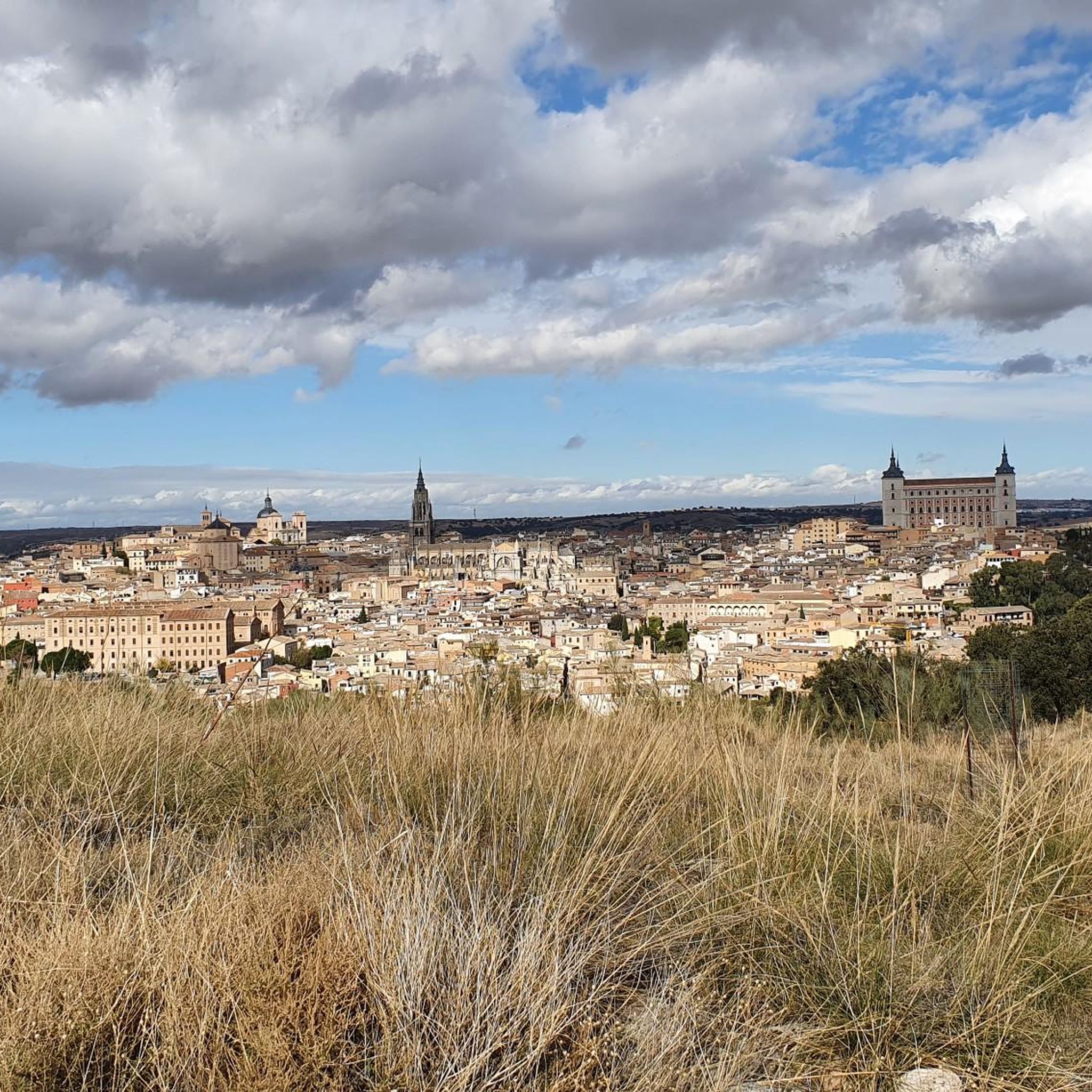
Cerro Gordo de la Oliva is a 900-meter peak located in the Sierra de la Oliva mountain range, part of the Montes de Toledo, within the municipalities of Villaminaya (Toledo) and Almonacid de Toledo (Castilla-La Mancha). It forms part of a mountain range approximately 3 km long and 1 km wide, with its summit, Pico Oliva, reaching 901 meters. From the summit: panoramic views extend towards the Sierra de Nambroca, Cerro Marica, Nambroca, Burguillos, Ajofrín, Sonseca, Villaminaya, Mascaraque, Mora, and Almonacid Castle.
2
0
It is located next to the Tourist Information office.
7
0
It is located next to the Tourist Information office, where they provide information about guided tours.
4
0
The Church of Santa María Magdalena in Burguillos de Toledo is located in the Plaza de San Pedro. It is a parish church with medieval origins, built in the 13th century. Its architectural style is Gothic, with decorative details that reflect centuries of history. Inside, there are altarpieces, carvings, and religious paintings. It has been a key element in the spiritual and social life of the town.
11
3

A single-nave, rectangular Baroque church with a Latin cross floor plan, with a flat apse and a choir stall at the foot. It is built with brick and masonry walls typical of the Toledo construction. The nave is covered with a barrel vault, and the transept has a half-orange dome. At its foot is a two-story granite doorway with a niche containing a stone image of Saint Mary Magdalene, the church's patron saint. The façade is topped with a large triangular pediment and a small bell gable. The bell tower, located on the left side and set back from the main façade, stands out for the height and slenderness of the spire that covers it. The building was rebuilt in the 17th century due to its state of ruin, but its exact origins are unknown, and are sometimes confused with those of the Hermitage of Our Lady of Burguillos. The sad events of 1936 led to the destruction of all the altarpieces and ornaments in the church. The church was dominated by a large canvas (8.60 x 4.31 meters), painted in oil by Francisco Rizi in 1675, depicting Saint Mary Magdalene, the parish's patron saint, surrounded by angels, clouds, and glory. The painting was housed in a large, gilded, Baroque-style altarpiece that served as a gigantic frame. The people of Burgos celebrate festivals in honor of the Virgin of the Rosary, the Christ of Faith, and the Virgin of Magdalene. It is a place of friendly people, where you can enjoy its streets and surroundings, where the traveler discovers the Parish Church of Santa María Magdalena, the Hermitage of San Blas, the jurisdictional roll... A historical anecdote about Burguillos de Toledo is the visit to this town by the first American in orbit and companion of the first man to walk on the moon, Neil Armstrong. This visit took place in 1965 due to his relationship with a local resident who worked as a secretary at the U.S. Embassy in Spain.
6
4

Built during the Middle Ages next to the western entrance gate to the town of Orgaz, it was for years a key element in the settlement's defense and surveillance functions. Although we now know it as the Castle of the Counts of Orgaz, when it was built, the castle belonged to the Lords of Orgaz. The Lordship of Orgaz was established in 1220 when Ferdinand III granted Ferdinand Juan de Alfariella, who had purchased the town of Orgaz from the Church of Santo Tomé, the title of Lord. Orgaz did not become a County until 1520 when the title of Count of Orgaz was granted to Álvaro Pérez de Guzmán by King Charles I.
0
2
The Almonacid Castle in Toledo is a Muslim building that was donated by Alfonso VI to the Toledo Cathedral. Its current configuration is due to the reforms carried out by Archbishop D. Pedro Tenorio in the 14th century and later it served as a prison for D. Alfonso de Gijón y Noreña, bastard son of Enrique II. In the 16th century, D. Pedro Gumiel commented that the fortress needed urgent repairs. In the 18th century it passed into the hands of the counts of Mora and during the War of Independence, in the 19th century (1809), it was a refuge for the troops of General Venegas, with the Battle of Almonacid taking place at its feet, which ended with the capture of the castle by the French. In 1839 the mayor of Almonacid allowed the residents of the town to use the material from which it was made for private use, further accentuating its ruin. Today the castle is property of the City Council and access is free.
1
0
Frequently Asked Questions
What historical sites can I explore around Villaminaya?
The region offers a rich historical tapestry. You can visit the impressive 14th-century Almonacid Castle, perched on a promontory with expansive views, or the well-preserved Castle of the Counts of Orgaz, a 14th-century residential fortress. The settlement of Orgaz itself is known for its historic architecture, including its castle, the church of Santo Tomás Apóstol, and ancient wall arches. Within Villaminaya, the 16th-century Iglesia de Santo Domingo de Silos and a Roman bridge spanning the Guadalacete river are also notable.
Are there any natural features or points of interest to visit?
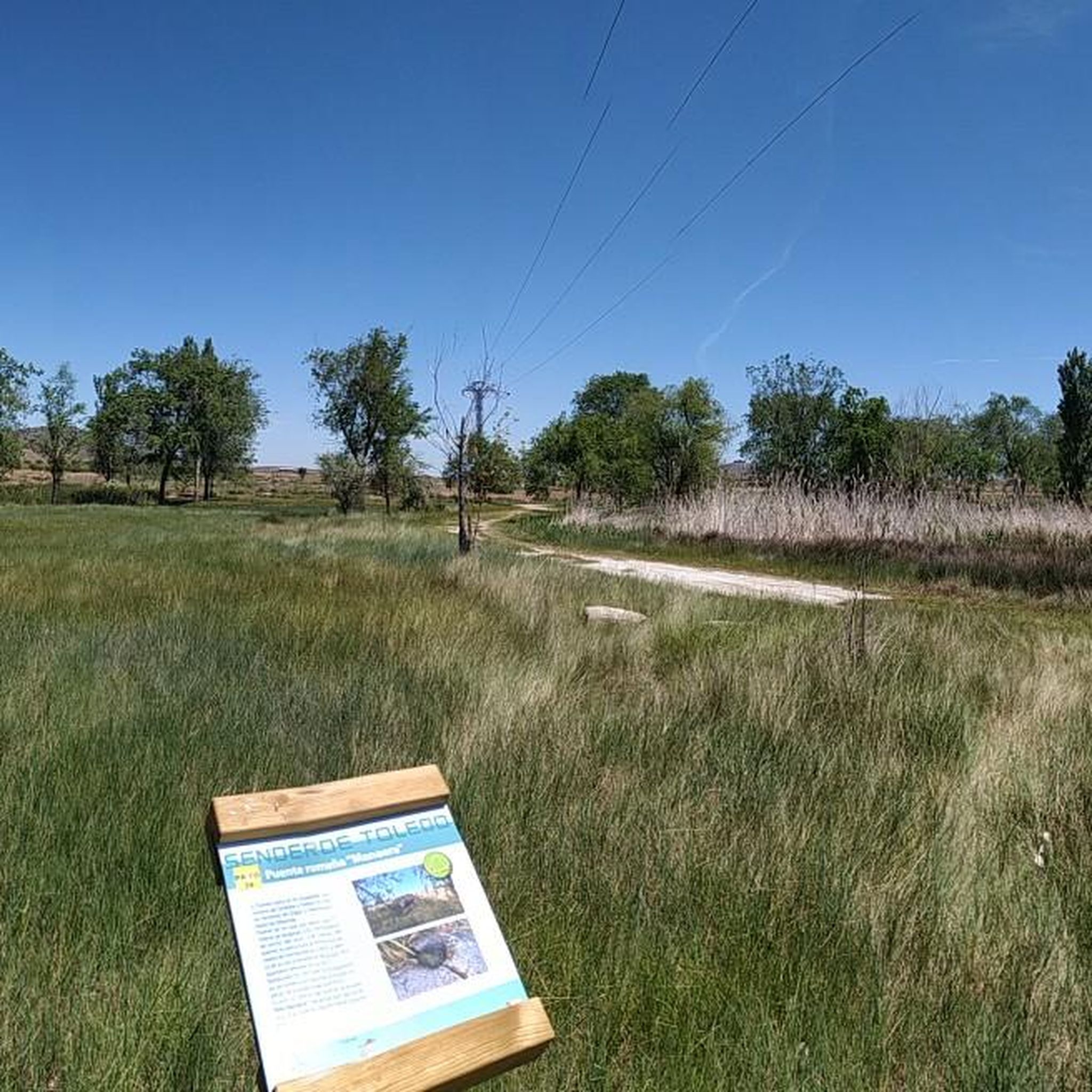
Yes, for those who appreciate nature, Villaminaya offers the permanent natural spring known as Peña "Manaera." There are also several lagoons (Lagunas) in the area, providing tranquil spots for peaceful strolls and enjoying the natural surroundings.
What kind of outdoor activities can I do near Villaminaya's attractions?
The area around Villaminaya is excellent for various outdoor activities. You can find numerous routes for road cycling, mountain biking, and running. For example, there are moderate road cycling routes like the "Montes de Toledo – circular to Sierra del Castañar" and MTB trails such as the "Ruta de los Castillos – circular desde Orgaz." Running enthusiasts can enjoy loops from nearby towns like Ajofrín and Mora. You can find more details on these activities in the dedicated guides for Road Cycling Routes, MTB Trails, and Running Trails around Villaminaya.
Are there family-friendly attractions in the Villaminaya area?
Absolutely. Several attractions are suitable for families. The Castle of the Counts of Orgaz is considered family-friendly, offering an engaging historical experience. The settlements of Orgaz and Burguillos de Toledo also offer historical sites and cultural landmarks that can be enjoyed by all ages.
Where can I see Roman-era remnants in Villaminaya?
Villaminaya has significant evidence of its Roman past. Approximately two kilometers from the town center, you can find an impressive 70-meter-long Roman bridge spanning the Guadalacete river. Other Roman testaments in and around the village include the Presa de Fuente Recén (also known as "Moracantá") and various funerary stelae.
What is there to see in the town center of Villaminaya?
In the town center of Villaminaya, the Plaza del Pueblo (town square) is a central point of interest, featuring a distinctive slate fountain. You can also see the relatively modern town hall (Ayuntamiento) with its exposed brick and wooden columns, and the historic Iglesia de Santo Domingo de Silos, a 16th-century church that has undergone restoration.
What do visitors enjoy most about the castles near Villaminaya?
Visitors particularly enjoy the historical significance and the panoramic views offered by the castles. For instance, Almonacid Castle is appreciated for its imposing silhouette and its role as a military settlement, providing expansive views. The Castle of the Counts of Orgaz is admired for its magnificent conservation as a residential fortress, with its unique architectural features like the Torre del Homenaje.
Are there any religious buildings of note in the area?
Yes, the region features several significant religious buildings. In Villaminaya, the 16th-century Iglesia de Santo Domingo de Silos is a key cultural site. In Burguillos de Toledo, you can visit the small church of Santa María, originally built in 1147. Additionally, the Church of Santa María Magdalena in Burguillos de Toledo, with medieval origins from the 13th century and Gothic architectural style, is also a notable landmark.
Can I find hiking trails around Villaminaya?
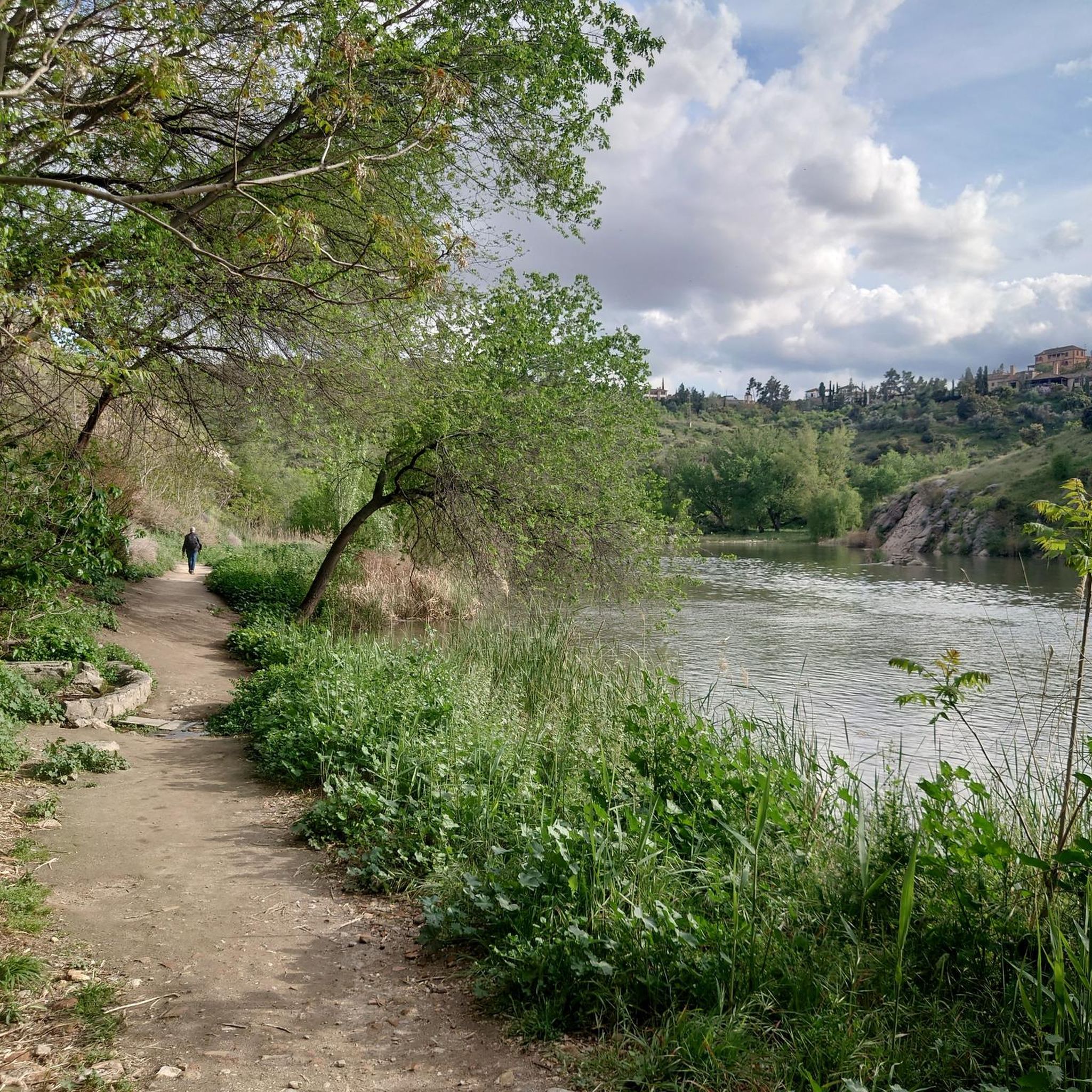
Yes, Villaminaya serves as a starting point for several hiking trails. The PR-TO 39 "Paseo por Morcantá y Peña Manaera" is one such trail, offering opportunities to explore the scenic natural landscapes, including the Peña "Manaera" natural spring and areas with Roman remnants like Presa de Fuente Recén. These trails allow for peaceful exploration of the tranquil natural surroundings.
What is special about the settlement of Orgaz?
Orgaz is a quaint historic town known for its well-preserved architecture and monuments. It features the Orgaz castle, the 18th-century church of Santo Tomás Apóstol, and ancient wall arches like the Arch of San José or the Arch of Belén. The town's streets offer a glimpse into its medieval past, with notable buildings such as the house of Calderón de la Barca.
What is the history behind Burguillos de Toledo?
Burguillos de Toledo is historically known as the 'winery of Toledo' due to the extensive vineyards once owned by its locals. The town features the small church of Santa María, which dates back to 1147 and was later renovated. It also hosts the Church of Santa María Magdalena, a parish church with medieval origins from the 13th century, which has been a key element in the town's spiritual and social life.
Are there any viewpoints offering scenic vistas?
Yes, the castles in the area often serve as excellent viewpoints. For instance, Almonacid Castle, perched on a promontory, offers expansive views of the surrounding area. Similarly, the Castle of the Counts of Orgaz also provides scenic vistas from its well-preserved structure.
Most popular attractions around Villaminaya

Get inspired with the komoot mobile app


Explore more
Still not found the Highlight you’re looking for? See guides of the top attractions in other regions:
