Attractions and Places To See around Zuheros - Top 20
Best attractions and places to see around Zuheros include historical landmarks and natural features within the Sierras Subbéticas Geopark. This picturesque white village is situated on limestone cliffs, offering panoramic views of the surrounding olive groves and rugged landscapes. The area combines historical significance with diverse natural beauty, making it a destination for exploring both cultural sites and outdoor environments.
Best attractions and places to see around Zuheros
- The most popular attractions is Zuheros Castle, a castle that stands…
Last updated: October 10, 2026
Doña Mencía Station
Highlight • Rest Area
A few meters from the passenger building …
Translated by Google •
Tip by

Zuheros Castle
Highlight • Castle
Translated by Google •
Tip by

Sign up now to discover places like this
Get recommendations on the best single tracks, peaks, & plenty of other exciting outdoor places.
Views of Zuheros Castle from the viaduct
Highlight • Viewpoint
Translated by Google •
Tip by
Zuheros is a beautiful place.
Highlight • Settlement
Translated by Google •
Tip by
Restaurant and Olive Oil Interpretation Center in the Old Luque Station
Highlight • Restaurant
Translated by Google •
Tip by

Sign up for free to discover even more attractions around Zuheros.
Already have an account?
Start today with a free account
Your next adventure awaits.



Tips from the Community

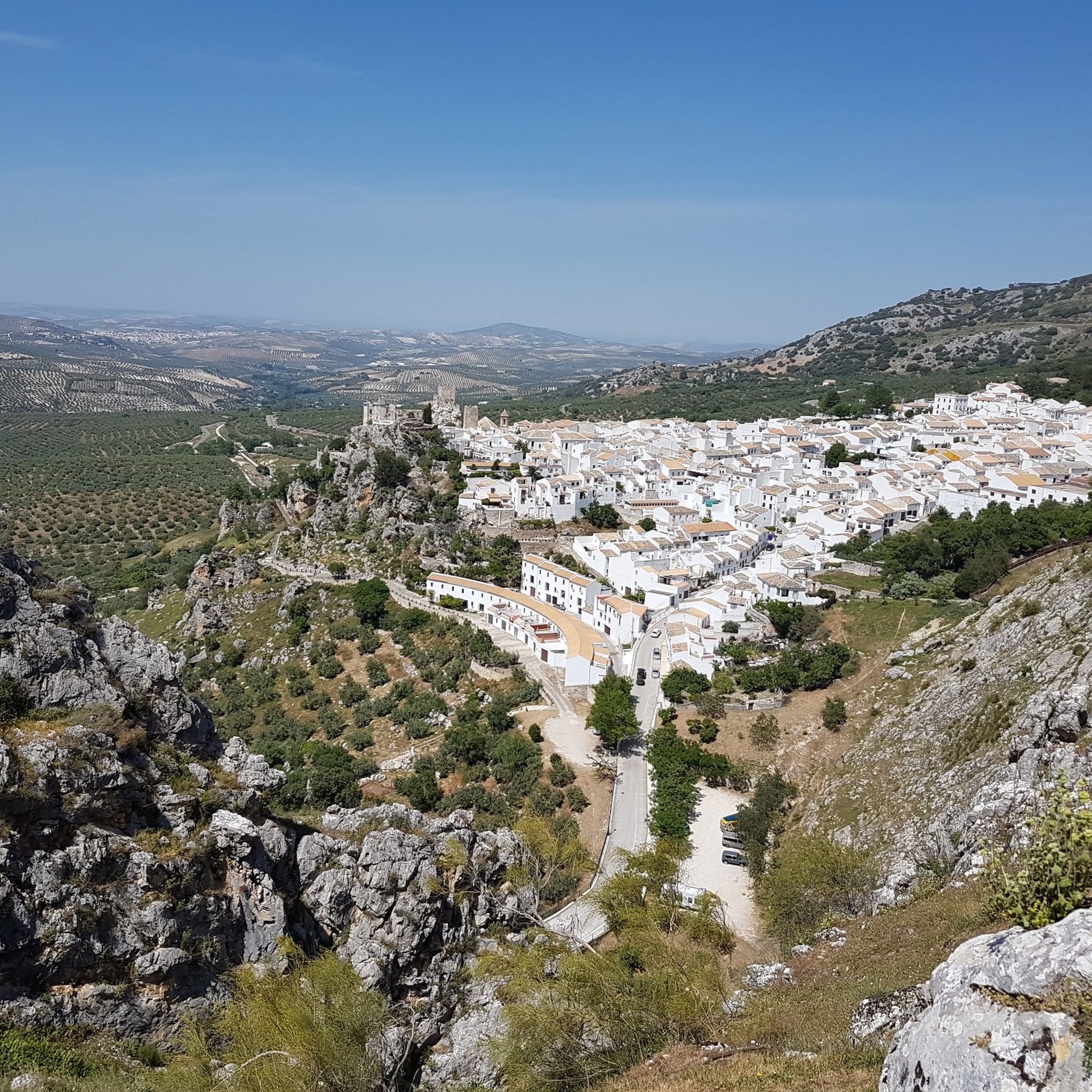
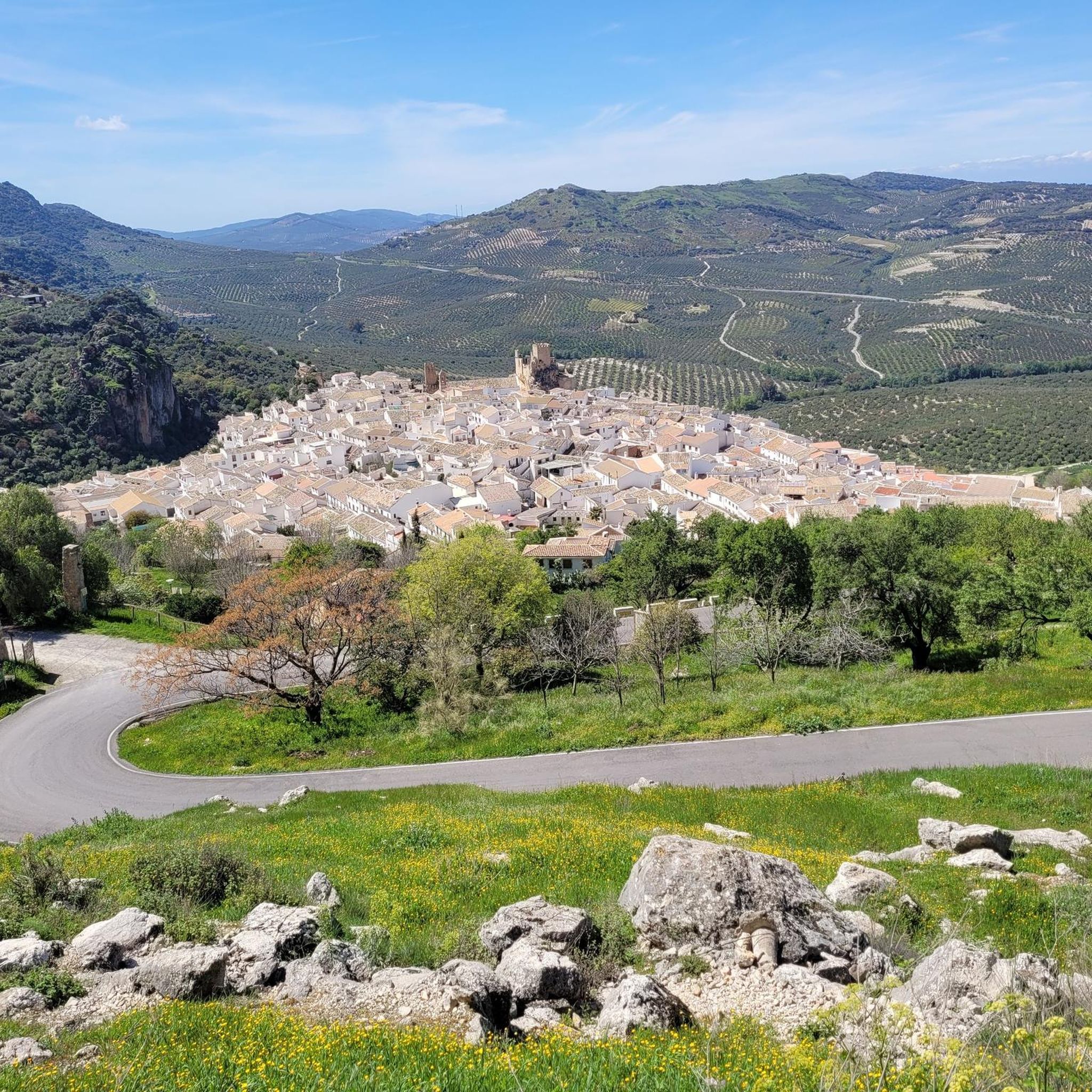
El Castillo de Zuheros is a historic fortress in the small municipality of Zuheros. The castle sits spectacularly on a rock and has become a landmark of the region. The castle's origins date back to the Moors in the 9th century. It was strategically built on a limestone cliff to control and defend the region. Its location made it almost impregnable.
0
0

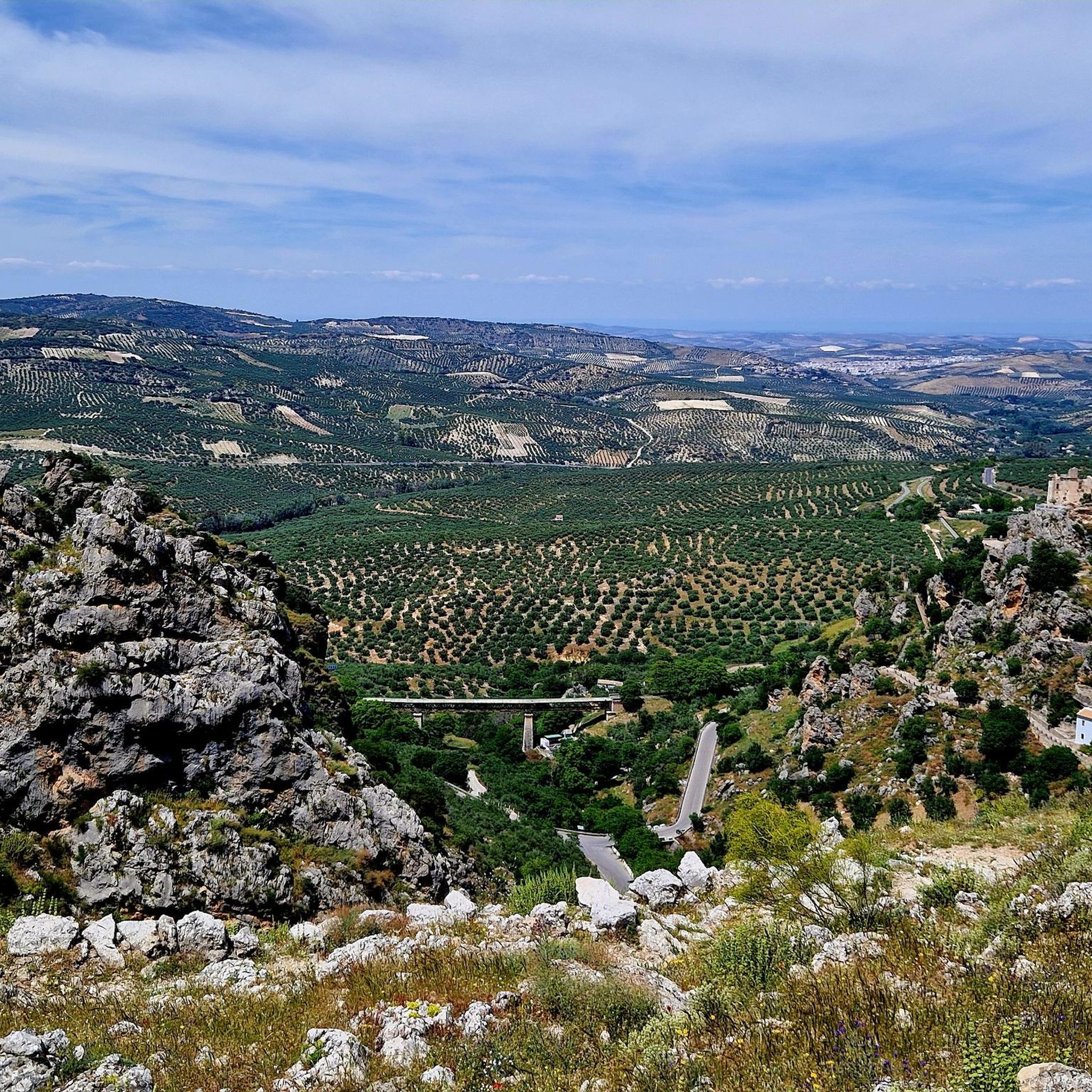
The Zuheros Viaduct crosses the embedded bed of the Bailón River. It has a length of 104 meters resolved into two lateral sections of 31.5 meters and a central section of 41.0 meters. Its structure is metallic and is very similar to that of the Guadajoz River Viaduct. It seems that both projects were drawn up by the same engineers, Alessandri and Delaperrière.
9
0
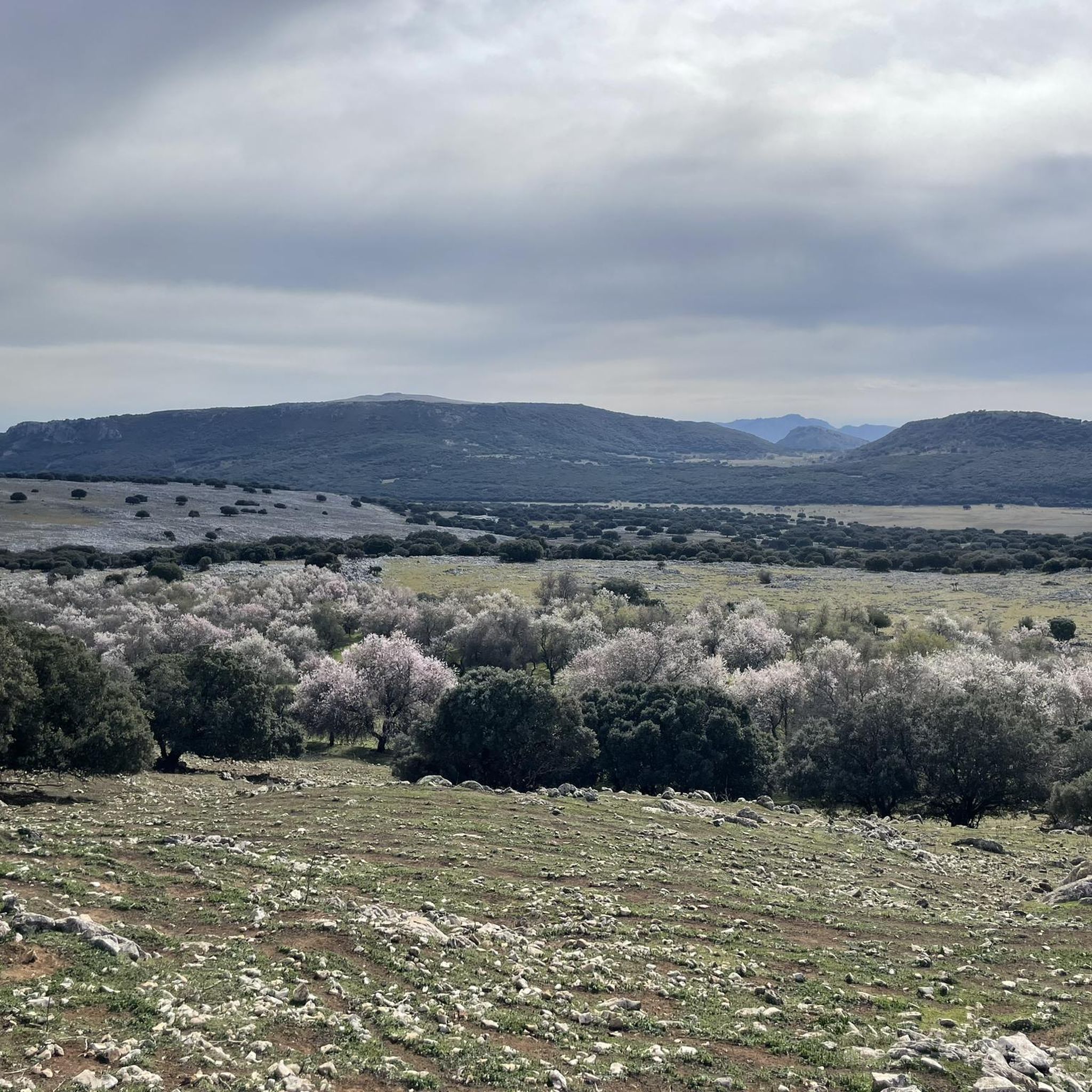
Here you can find everything in the field of catering. Breakfast, lunch, sleep. It seems like this is the place to be in the area.
6
0
El Castillo de Zuheros stands spectacularly on a rock and offers impressive views of the Sierra Subbética. The castle is a major landmark in the region. The castle's origins date back to the Moors in the 9th century. It was strategically built on a limestone cliff to control and defend the region. Its location made it almost impregnable. It was part of a network of castles designed to secure Moorish influence in Andalusia. In 1240, Zuheros was conquered by the troops of Ferdinand III of Castile. The castle passed into Christian ownership and was integrated into the kingdom's defensive structure. With the end of its military importance in the region, after the conquest of Granada in 1492, the castle began to decline in importance. Parts of the complex were destroyed by earthquakes and neglect over the centuries. In 1964, the towers were reconstructed as they can be seen in their current form. The ruins of the castle are now one of the main attractions of Zuheros and can be visited.
9
0
El Castillo de Zuheros is a historic fortress in the small municipality of Zuheros. The castle sits spectacularly on a rock and has become a landmark in the region. The castle's origins date back to the Moors in the 9th century. It was strategically built on a limestone cliff to control and defend the region. Its location made it almost impregnable. The viaduct is a historic remnant of the old railway line and offers an elevated platform with unobstructed views of the surrounding landscapes. The section near Zuheros is particularly spectacular as the viaduct crosses a gorge through which the Bailón River flows. From here, Zuheros Castle rises majestically above the village, embedded in a rock. The castle seems to be one with the landscape as it is integrated directly into the limestone. The view of Zuheros Castle from the viaduct is a perfect example of the unique combination of nature and history that characterizes the Córdoba region. It is a moment that makes every bike ride along the Vía Verde unforgettable.
9
0
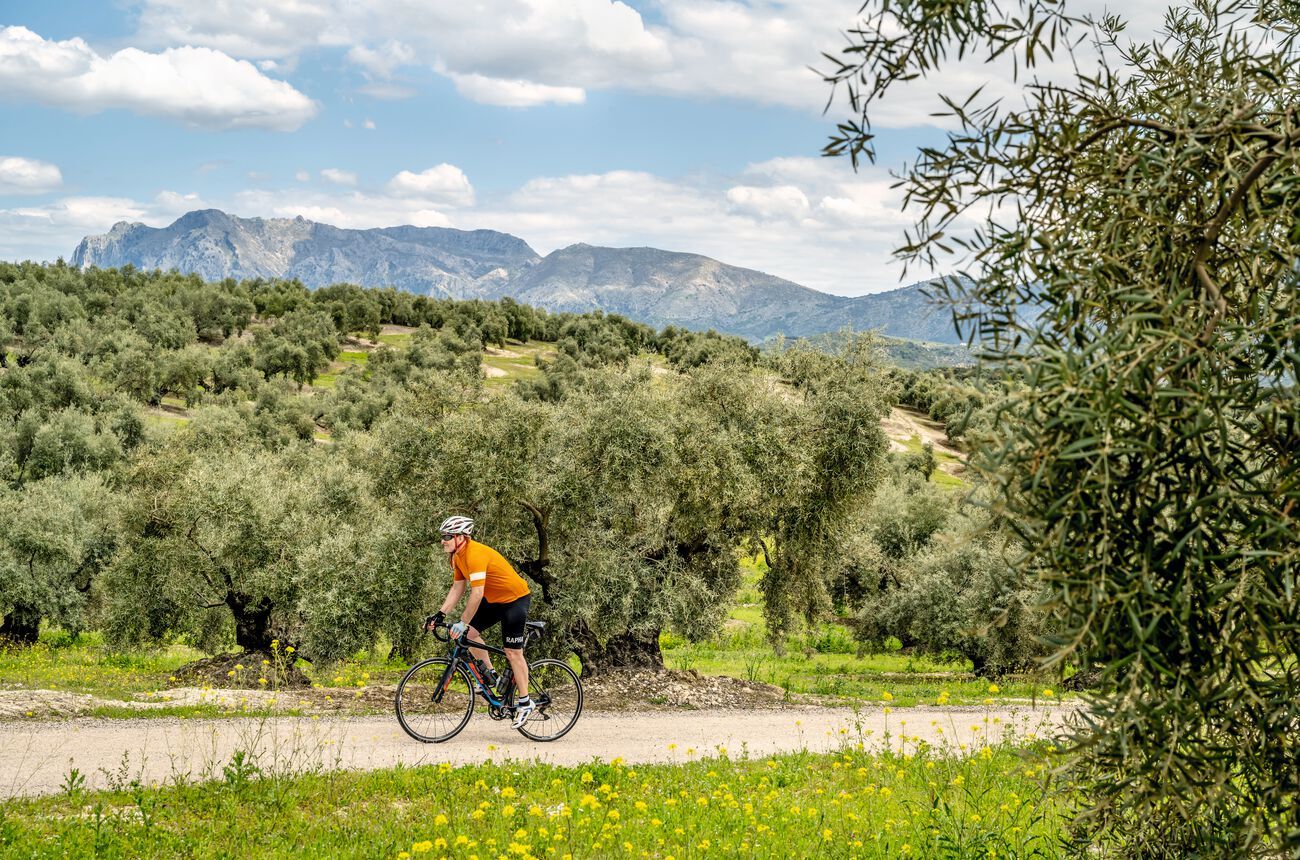
The Luque station, part of the original Linares-Puente Genil line, was built by the Compañía de los Ferrocarriles Andaluces and opened along with the entire line in January 1893. In 1941, with the nationalisation of the Iberian railways, the facilities passed into the hands of RENFE. The line remained in service until it was closed in October 1984, when it was dismantled and the tracks removed. After the line was closed, the old station building has been used as a restaurant since 1990. It also houses the Oil Interpretation Centre, a site dedicated to the history of olive oil and olive groves, where you can also taste oil from the region. The site is within the route formerly known as the "Vía Verde de la Subbética". In 2017, those responsible for the Greenway routes agreed to unify all sections of the old route under the same name "Vía Verde del Aceite". For many, however, it is and will remain the "Green Way". Luque station is a popular starting or intermediate point for cycling tours along the Vía Verde del Aceite, the old railway line that is now a great cycle path. The route offers a unique opportunity to experience the beauty of the Córdoba region. The current station also offers a good opportunity to take a break and enjoy food and cool drinks.
11
0
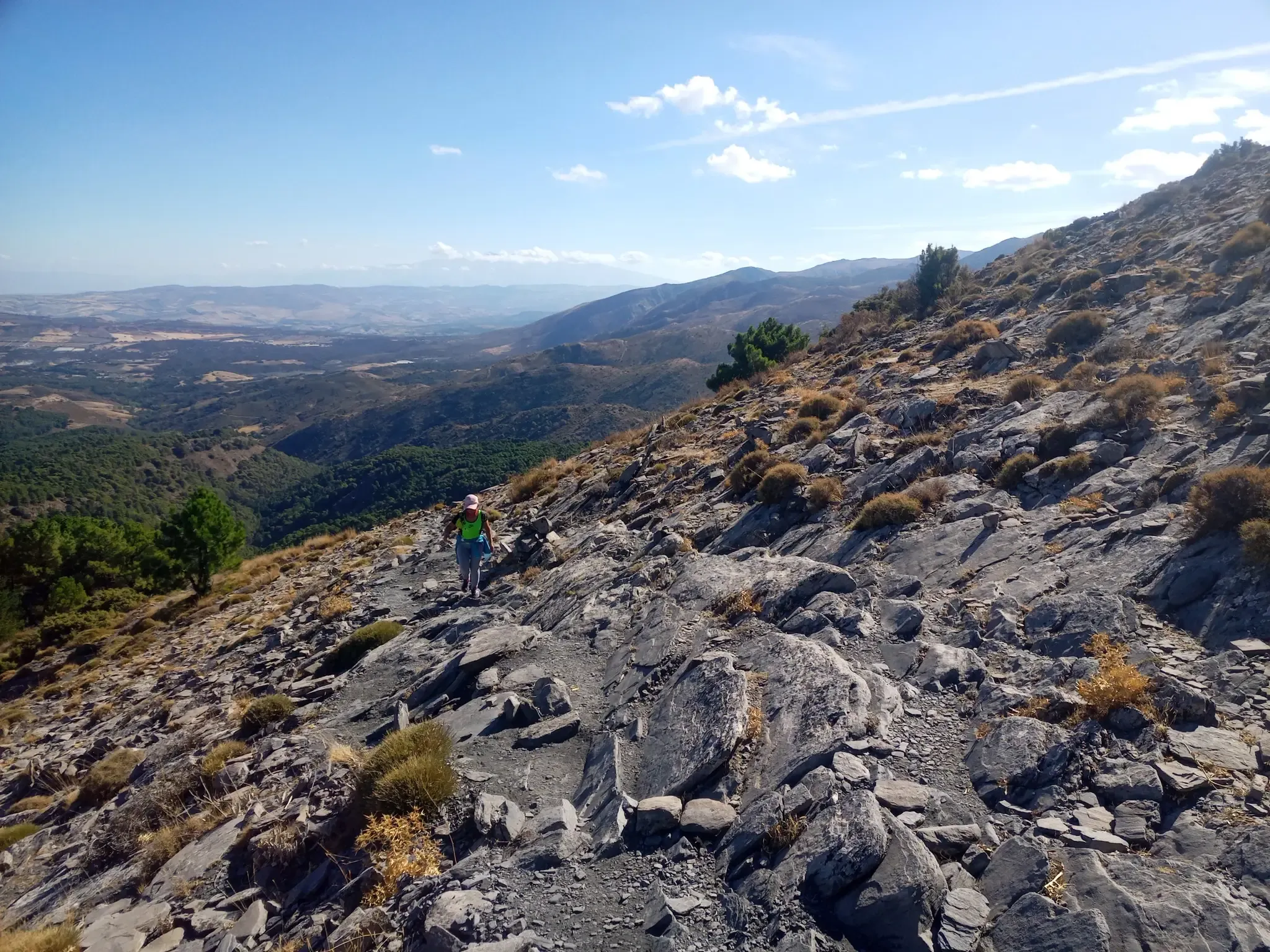
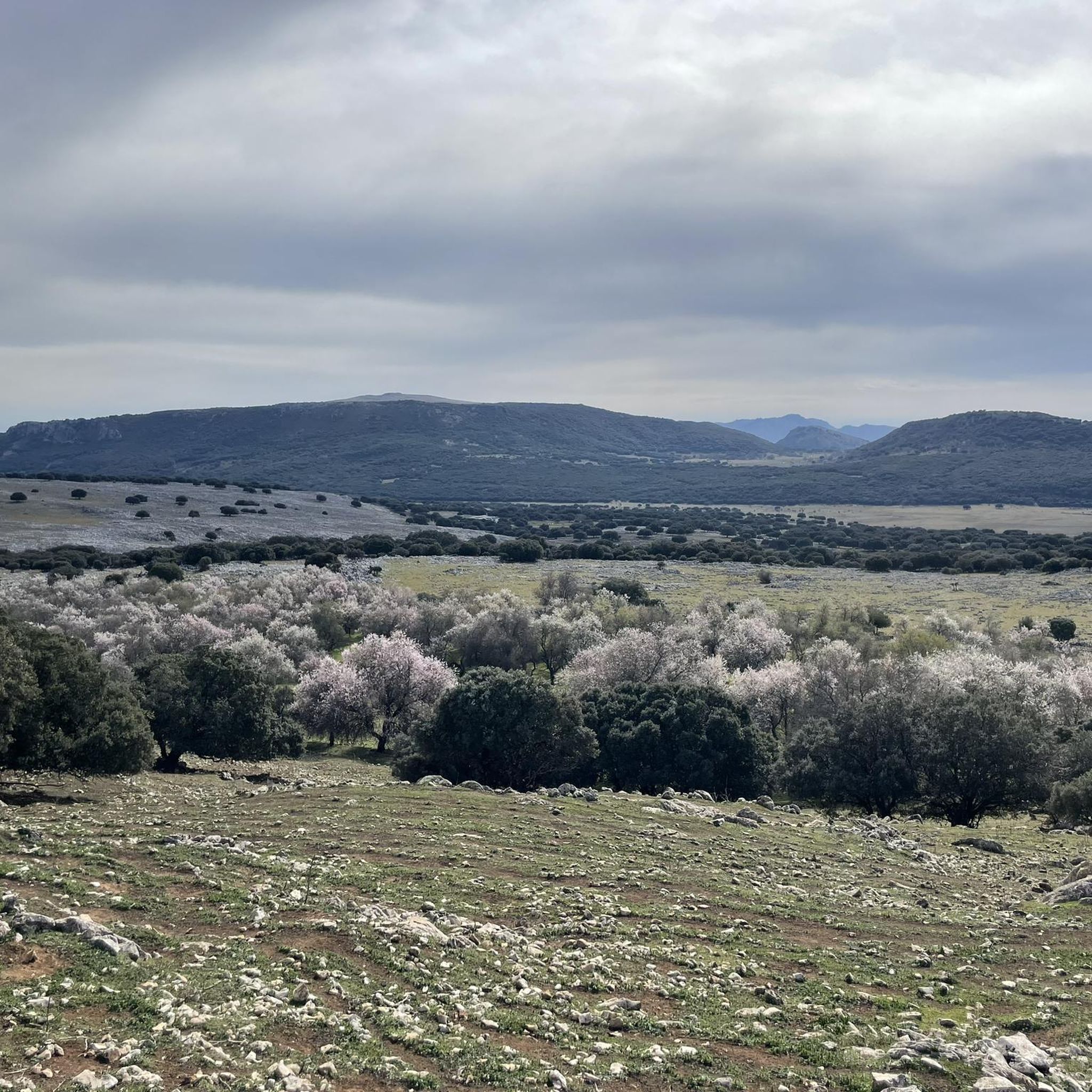
The Doña Mencía station is the only one of the stations that we will find along the nature trail, built on one floor. A few meters from the passenger building and on the same side of the road, there is a building that has been rehabilitated as a bicycle center. This is the old freight dock of the station. The goods were located on open-air docks or other covered docks, depending on their economic value or characteristics. The closed docks consisted of open roof naves, with a small office for the clerk who was responsible for the delivery notes. On one side, the wagons were loaded or unloaded, while on the other side, the vehicles that arrived by road did so. In order to protect the goods during loading and unloading, these buildings were designed with a gable roof that ends in two large lateral overhangs.
10
0
The Zuheros viaduct crosses the embedded bed of the Bailón River. It has a length of 104 metres. Its structure is made of metal and is very similar to that of the Guadajoz River viaduct. A few metres away is the old Zuheros stop, a small building, very sober and functional. This building, smaller than the station, allowed the entry and exit of goods and passengers. A cobblestone in front of the façade served as a platform. From here you have a good view of the castle.
10
0
Frequently Asked Questions
What are the main historical landmarks to explore in Zuheros?
Zuheros is rich in history. You can explore the impressive Zuheros Castle, a medieval fortress of Moorish origin from the 9th century, which offers panoramic views. The 16th-century Church of Nuestra Señora de los Remedios, located at the foot of the castle, is also notable. Additionally, the Zuheros Viaduct, an old railway bridge, provides a unique historical perspective and stunning views of the castle.
What natural attractions can I visit near Zuheros?
The area around Zuheros is part of the Sierras Subbéticas Geopark, offering diverse natural beauty. A must-see is the Cueva de los Murciélagos (Cave of the Bats), the largest cave in Córdoba province, featuring impressive geological formations and archaeological remains. You can also explore the scenic Cañón del Río Bailón, known for its unique geological formations and hiking trails.
Are there good hiking opportunities around Zuheros?
Yes, Zuheros is an excellent starting point for hiking. The Sierras Subbéticas Natural Park offers various trails, including the popular Río Bailón Canyon Trail. For more options, you can find detailed routes and information in the Hiking around Zuheros guide.
What cycling routes are available near Zuheros?
Cycling is very popular here, especially along the Vía Verde del Aceite (Olive Oil Greenway), a 128-kilometer route following an old railway line through picturesque olive groves. This route is suitable for various cycling levels. For more cycling adventures, check out the Cycling around Zuheros guide.
What cultural sites or museums are there in Zuheros?
Zuheros offers several cultural insights. The Zuheros Archaeological Museum, located in Plaza de la Paz, displays artifacts from the Cueva de los Murciélagos. You can also visit the Museum of Popular Customs and Arts, which showcases local traditions and life from the late 19th to mid-20th century. Near the Cueva de los Murciélagos, an Ecomuseum provides further educational information about the cave.
Where can I find the best views of Zuheros and its surroundings?
For spectacular views, head to the Views of Zuheros Castle from the viaduct, which offers an elevated perspective of the castle integrated into the limestone landscape. Additionally, Zuheros has several viewpoints, such as Mirador del Cañón del río Bailón and Mirador de la Villa, providing panoramic vistas of the village, canyon, and olive groves.
Are there family-friendly activities in Zuheros?
Yes, Zuheros offers several family-friendly options. Exploring the Cueva de los Murciélagos is an exciting adventure for all ages. The Vía Verde del Aceite is also a great option for family bike rides, as it follows a gentle gradient. Strolling through the charming whitewashed streets of the village itself is a pleasant activity for families.
What is the best time of year to visit Zuheros for outdoor activities?
The best time to visit Zuheros for outdoor activities like hiking and cycling is generally during spring (April-May) and autumn (September-October). During these months, the weather is milder and more pleasant, avoiding the intense heat of summer and the cooler, sometimes wetter, conditions of winter.
Can I learn about olive oil production in Zuheros?
Yes, olive oil is central to the region's heritage. You can visit the Nuestra Señora del Perpetuo Socorro oil mill, located just below the village, to learn about the production process and taste local olive oil. The Restaurant and Olive Oil Interpretation Center in the Old Luque Station, along the Vía Verde, also offers insights into the history of olive oil and olive groves.
What do visitors enjoy most about Zuheros?
Visitors consistently praise Zuheros for its picturesque charm, with its whitewashed houses and narrow, steep streets. The dramatic setting of the castle perched on a rock, the stunning natural landscapes of the Sierras Subbéticas, and the peaceful, traditional Andalusian atmosphere are frequently highlighted as key attractions.
Where can I find places to eat or rest along the Vía Verde del Aceite near Zuheros?
Along the Vía Verde del Aceite, old railway stations have been repurposed to serve visitors. The Doña Mencía Station offers a place to stop and regain strength, with a restaurant and bicycle center. Further along, the Old Luque Station also houses a restaurant and an Olive Oil Interpretation Center, perfect for a break and a taste of local gastronomy.
Most popular routes around Zuheros
Most popular attractions around Zuheros

Get inspired with the komoot mobile app


Explore more
Still not found the Highlight you’re looking for? See guides of the top attractions in other regions:
