Attractions and Places To See around Barx - Top 20
Attractions and places to see around Barx include a blend of natural landscapes and historical sites in the Valencian Community. Situated in a mountainous region, Barx offers extensive opportunities for outdoor activities such as hiking, cycling, and caving. The area is characterized by its natural features, including mountain ranges and ravines, and serves as a base for exploring significant cultural landmarks nearby.
Best attractions and places to see around Barx
- The most popular attraction is Mondúver summit, a summit…
Last updated: August 16, 2026
Monastery of Santa María de la Valldigna
Highlight • Religious Site
Since April 2022 it has been …
Translated by Google •
Tip by

Mondúver summit
Highlight • Summit
Translated by Google •
Tip by

Sign up now to discover places like this
Get recommendations on the best single tracks, peaks, & plenty of other exciting outdoor places.
Sign up for free
Ducal Palace of the Borgias (Palau Ducal dels Borja), Gandia
Highlight • Historical Site
Translated by Google •
Tip by
Monastery of Aigues Vives
Highlight • Religious Site
Translated by Google •
Tip by
Old narrow-gauge train station
Highlight • Structure
Translated by Google •
Tip by

Sign up for free to discover even more attractions around Barx.
Sign up for free
Already have an account?
Start today with a free account
Your next adventure awaits.
Login or Signup
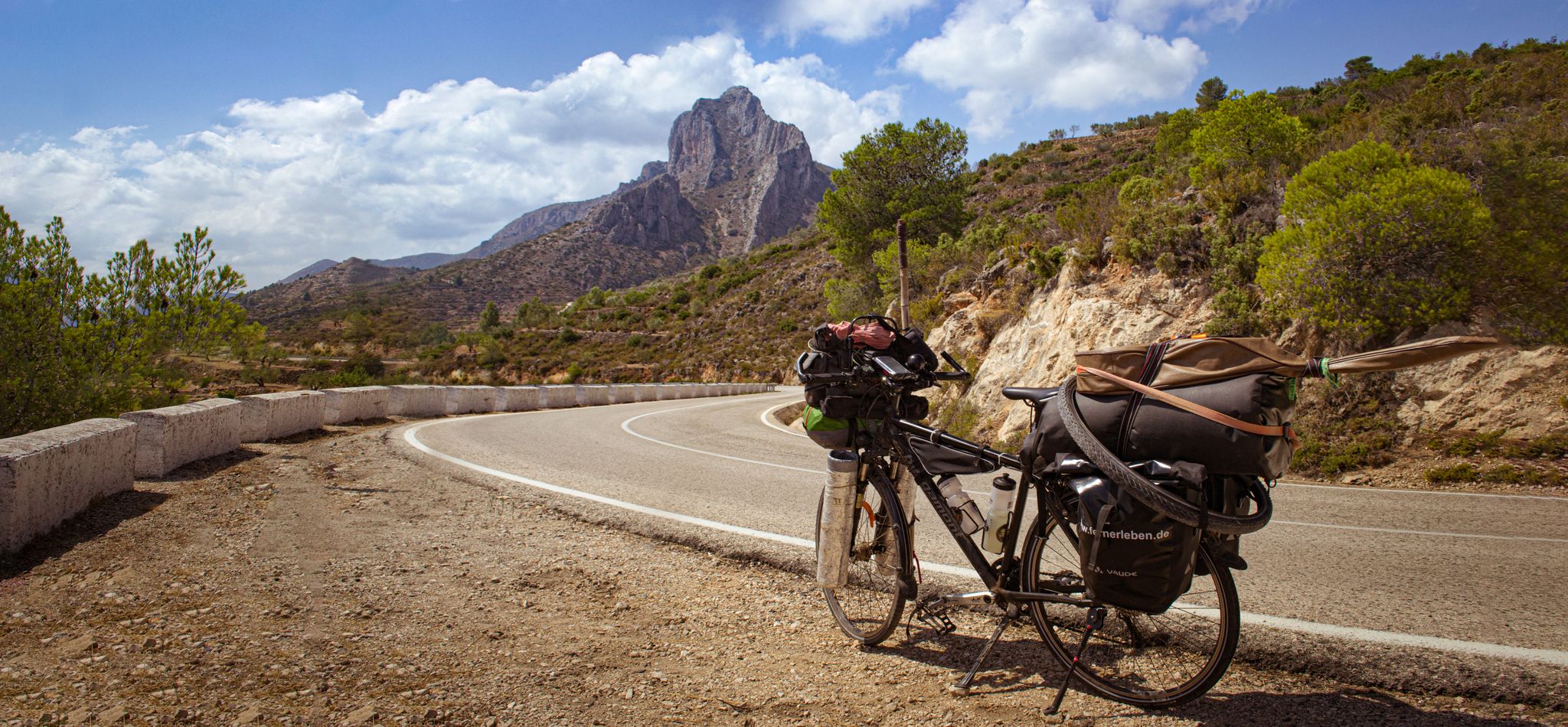
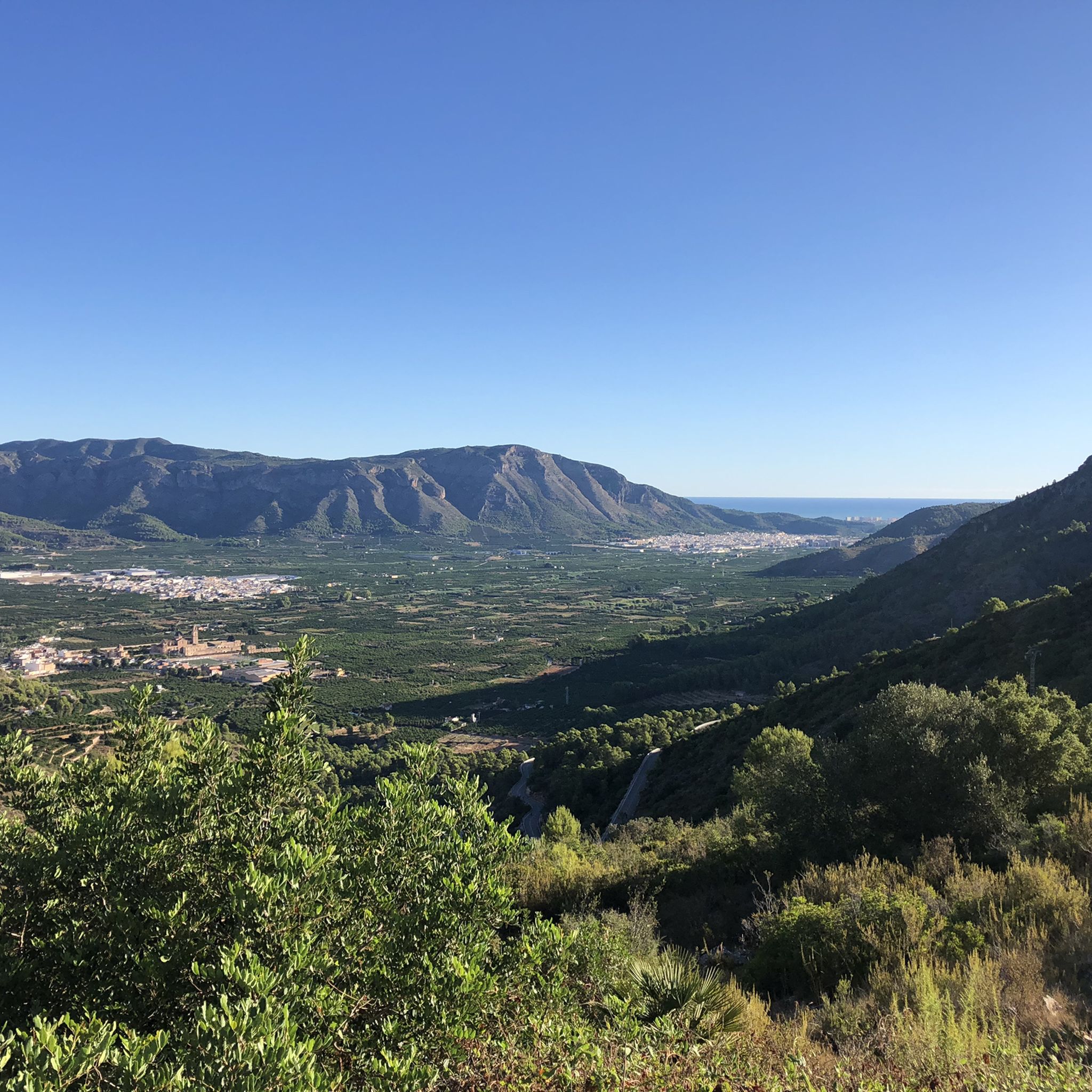
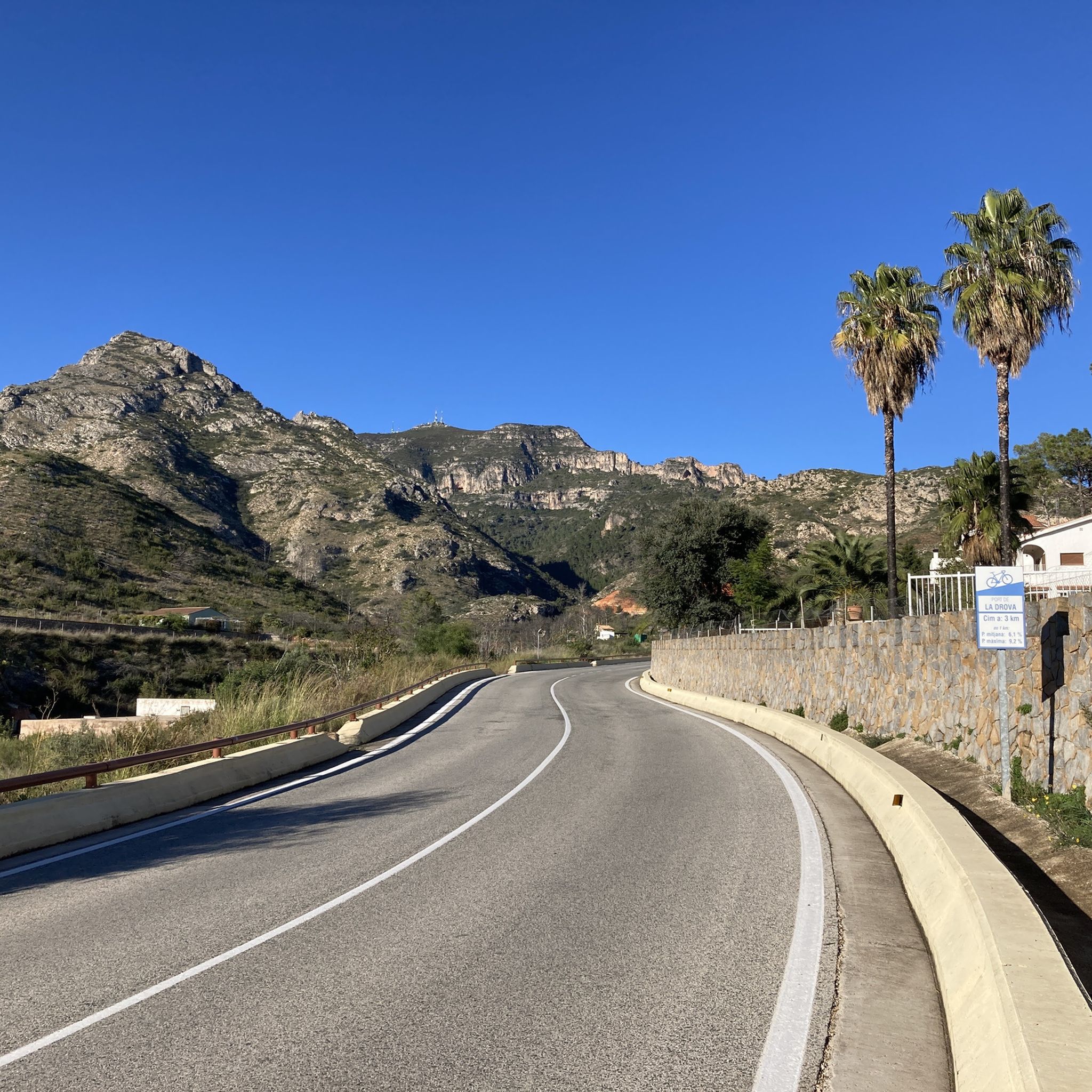
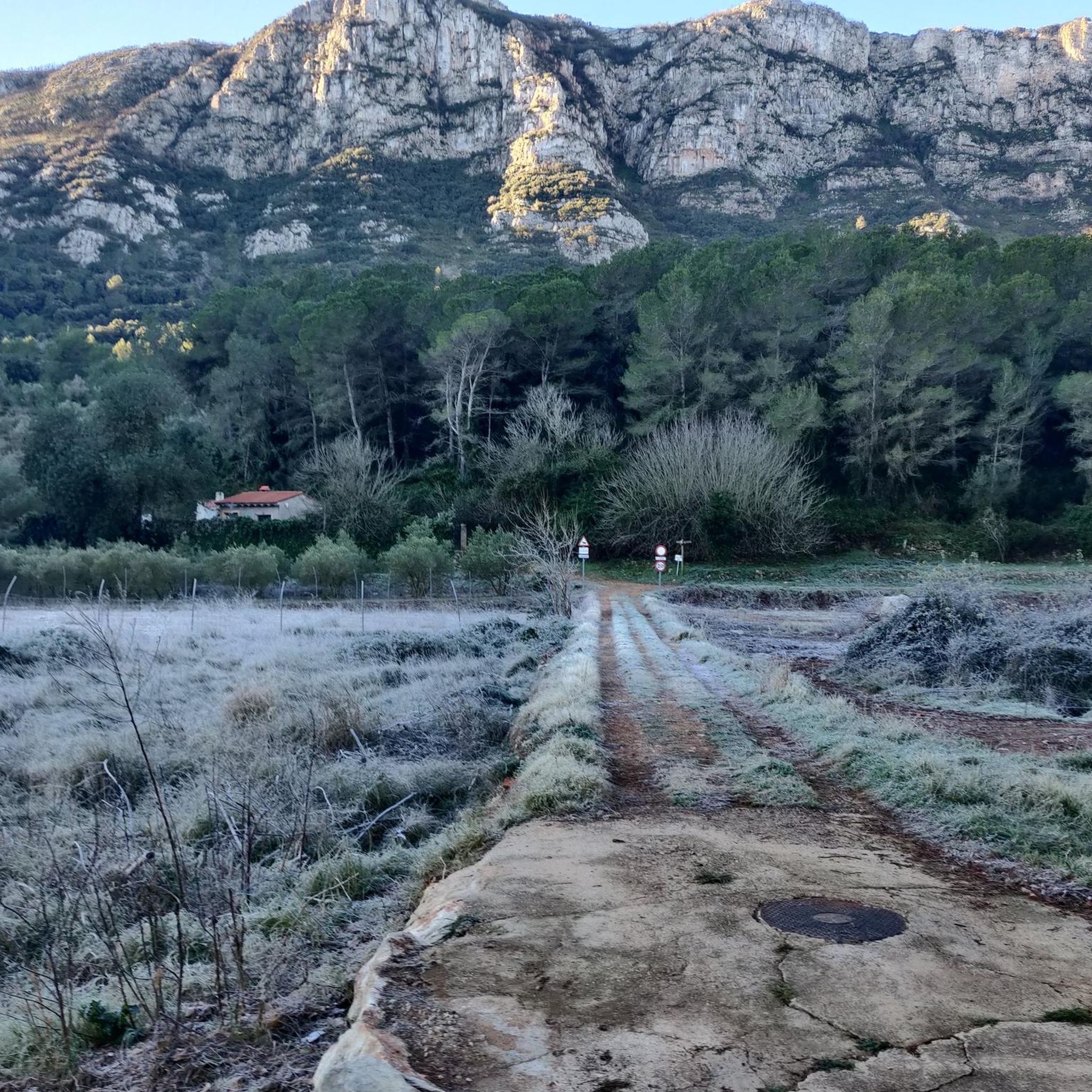
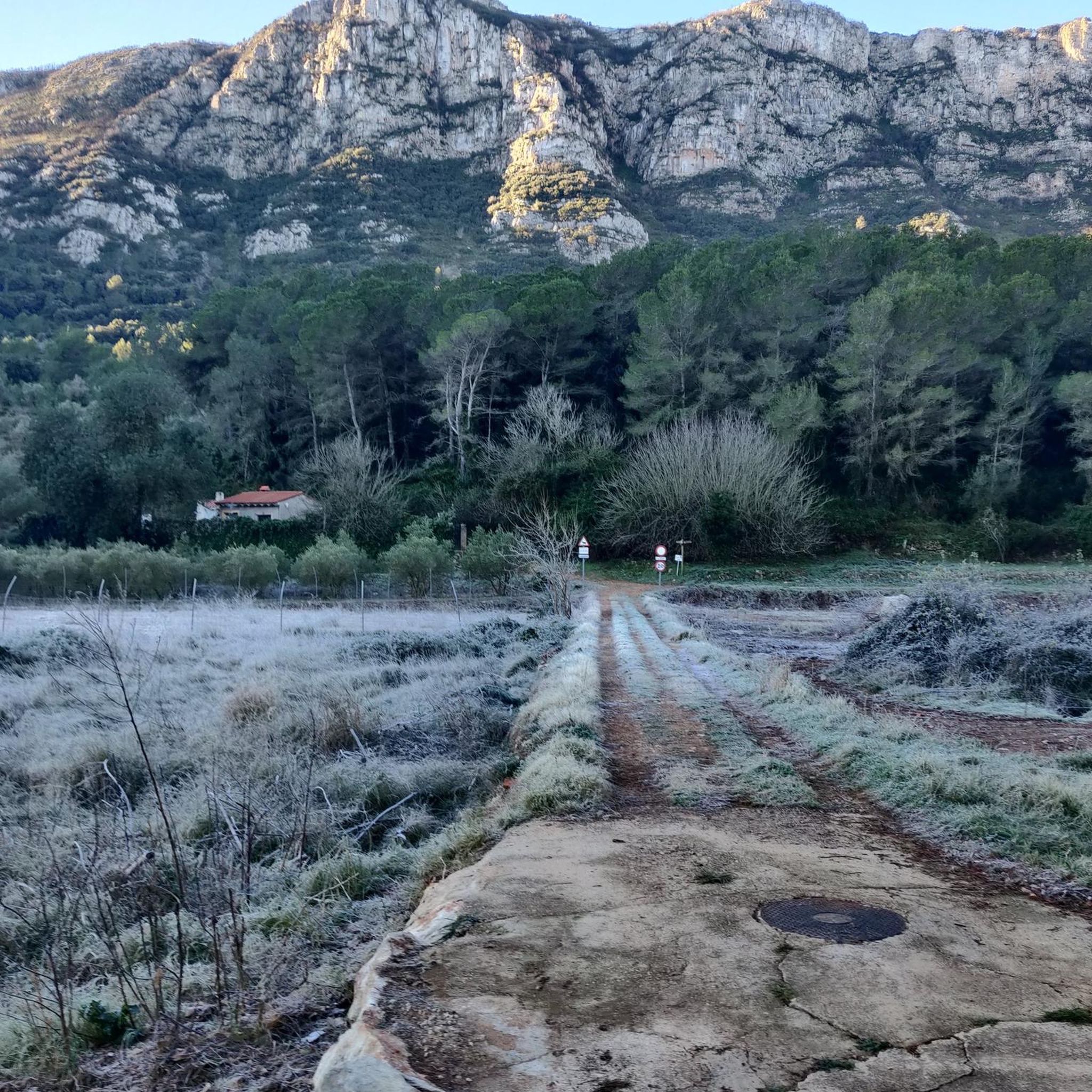
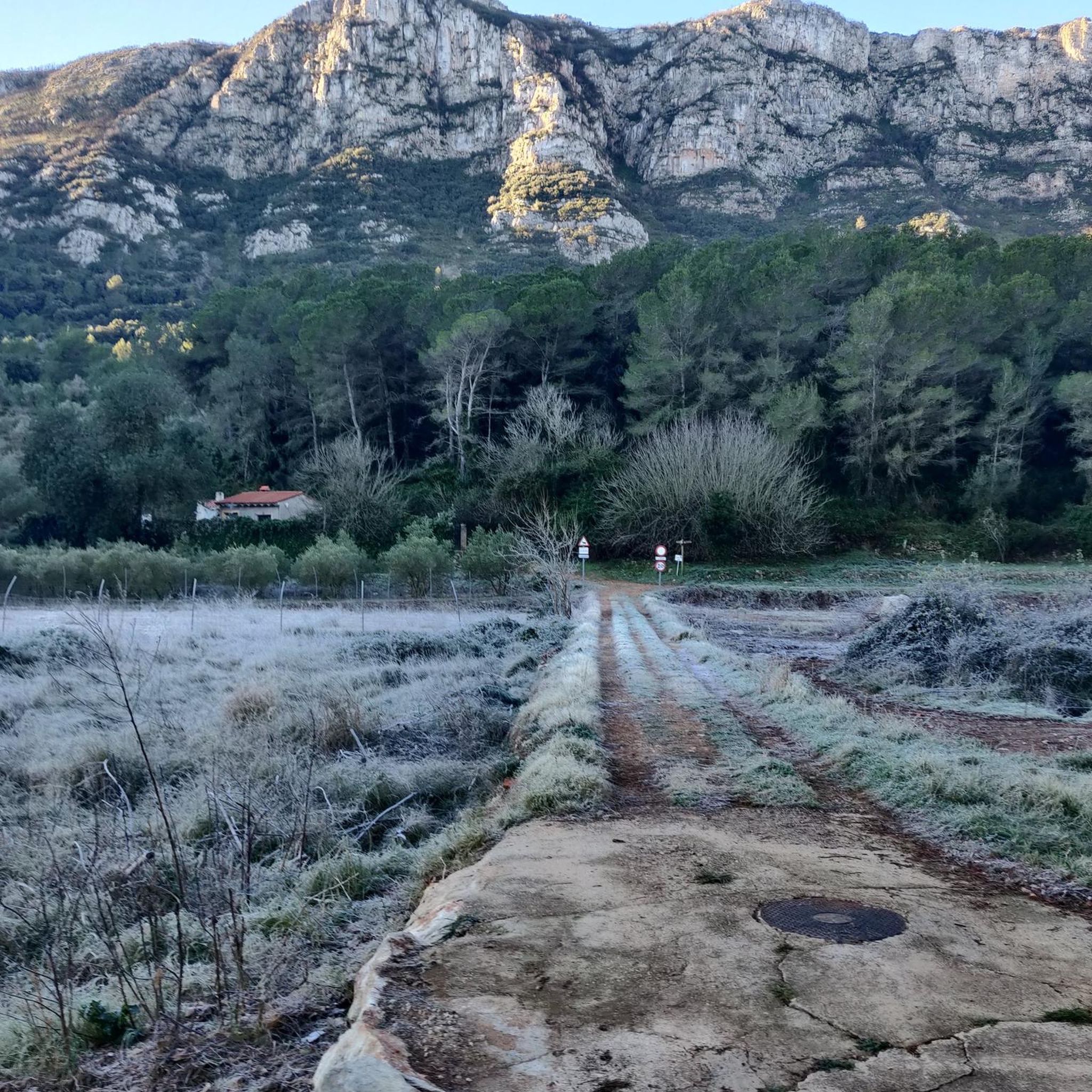

Other adventures around Barx

Tips from the Community

El convent d'Aigües Vives, també anomenat Reial Monestir de Santa Maria d'Aigües Vives, és un antic monestir amb orígens que es remunten al segle XIII. L'edifici actual es va construir durant els segles XVI i XVII, amb els corresponents estils, renaixentista i barroc, si bé l'ala nord es va acabar en el segle XVIII. El monestir va pertànyer a l'orde dels agustins, orde que custodiava la imatge de la Mare de Déu d'Aigües Vives, patrona de la ciutat de La Barraca d'Aigües Vives. A mitjan segle XIX, a conseqüència de la desamortització de Mendizábal, els monjos hagueren d'abandonar el cenobi. Aquest va passar a mans dels barons de Casanova, que el destinaren com a habitatge rural. L'any 1977 el monestir fou adquirit i reformat per a destinar-lo a hotel residència per Antonio Vidal Bellver (fotògraf i empresari de Carcaixent). Actualment és propietat d'un empresari hoteler de Gandia. El 2024, la Generalitat Valenciana va instar els nous propietaris a fer obres per a mantenir aquesta obra major que ha patit un deteriorament progressiu com a conseqüència de robatoris, vandalisme i abandonament.
1
0

The Palau del Duc ducal palace was built in the late Gothic and Renaissance style in the 16th and 17th centuries. Opening hours: Mon to Sat 10am–1.30pm and 3pm to 6.30pm (November to March) and 4pm to 7.30pm (April to October) and Sunday/public holiday 10am to 1.30pm.
1
0

The wonderful setting surrounds a fairytale monastery.
1
0

7 euro entree
1
0

The utmost care with which this ancient monastery is being restored arouses deep admiration and respect.
1
0

8.00€ entrance fee 🫣🤔🥶
1
0

significant advantage of this route is that you can choose the difficulty of the conditions of ascent or descent. An asphalt road leads directly to the top.
2
0
The Royal Monastery of Santa Maria de Valldigna was founded by Jaume II the Just on March 15, 1298, who gave the Alfàndec valley to Abbot Bononat de Vila-seca to found a monastery of the order of Cistercian, subsidiary of the monastery of Santes Creus. It was the first monastery of such importance built in the old Kingdom of Valencia, after the Christian conquest. Days after the royal donation, Jaume II, fra Bononat and his retinue gathered at the place of Ràfol (a Christian village in the valley founded after the conquest of Jaume I) to take possession of the territory, plus a mile inland, the castles of Marinyén, Alcalà and the Mondúber tower.
1
0
Frequently Asked Questions
What natural attractions can I explore around Barx?
Barx is surrounded by natural beauty, offering diverse landscapes for exploration. You can discover the Mondúver summit, which provides panoramic views of the province. The region also features mountain ranges like Massís d'Aldaia, ravines such as Barranc de Manesa, and numerous caves including Cova de les Malladetes and Cova del Suro. Don't miss the unique Poljé de Barx or the scenic natural springs like Font de l'Om.
What historical sites are easily accessible from Barx?
Beyond the Monastery of Santa María de la Valldigna, you can visit the Ducal Palace of the Borgias in nearby Gandia, a historical icon with a surprisingly ostentatious interior. Another notable site is the Watchtower of Xeraco, a 16th-century coastal surveillance tower built to defend against pirate attacks.
Are there family-friendly attractions around Barx?
Yes, several attractions are suitable for families. The Monastery of Santa María de la Valldigna is a historical site that can be interesting for all ages, especially with its ongoing recovery work. The Ducal Palace of the Borgias also offers an engaging historical experience. Additionally, the Old narrow-gauge train station, part of the Route of the Monasteries, provides a glimpse into local history.
What outdoor activities can I do near Barx?
Barx is an excellent base for outdoor enthusiasts. You can find numerous routes for mountain biking, running, and cycling. For detailed routes, explore the guides for MTB Trails around Barx, Running Trails around Barx, and Cycling around Barx. The area is also popular for hiking and caving, with many trails leading to peaks, ravines, and natural springs.
Where can I find panoramic views around Barx?
For breathtaking panoramic views, head to the Mondúver summit. Although reaching the top requires physical effort, the vistas over the province of Valencia are incredibly rewarding. The Mirador de la Visteta is another spot known for its scenic outlooks.
Is there a historical site related to the 'Route of the Monasteries' near Barx?
Yes, the Old narrow-gauge train station is located near the 14th-century Convent of Santa María de Aguas Vivas, which is part of the GR-236 'Route of the Monasteries'. This 90-kilometer hiking itinerary connects five monasteries of historical and artistic interest, along with several nature reserves, between Gandia and Alzira.
What is the best time of year to visit Barx for outdoor activities?
The Valencian Community generally enjoys a mild Mediterranean climate. Spring (April-May) and autumn (September-October) are ideal for outdoor activities like hiking and cycling, offering pleasant temperatures and less intense sun. Summers can be hot, making early mornings or late afternoons preferable for strenuous activities, while winters are generally mild and suitable for walks.
Are there any unique historical features in Barx itself?
While Barx is known for its natural surroundings, it also has historical ties. One unique feature is La Nevera, an old ice house where winter snow was historically stored to provide ice in the summer. This offers a glimpse into the local history and traditional practices linked to the natural environment.
Can I find cafes or restaurants in Barx?
Yes, Barx offers local amenities including bars, restaurants, supermarkets, and shops. These provide convenient options for refreshments and meals before or after exploring the attractions and trails in the area.
What kind of geological features can be found around Barx?
The Barx area is rich in geological features, including various caves and chasms (avencs). Notable examples include Cova de les Malladetes and Cova del Suro for caves, and Avenc de la Donzella, Avenc Aldaia, Avenc Pilar, and Avenc de les Violetes for chasms, making it a significant location for caving enthusiasts. The Poljé de Barx is also a distinctive geological formation.
How far is Barx from the coast?
Barx is conveniently located just a 15-20 minute drive from the blue flag beaches of Gandia, offering an easy escape to the coast for those looking to combine mountain exploration with seaside relaxation.
Most popular attractions around Barx

Get inspired with the komoot mobile app


Explore more
Still not found the Highlight you’re looking for? See guides of the top attractions in other regions:
