Attractions and Places To See around Estamariu - Top 20
Attractions and places to see around Estamariu include a blend of cultural heritage and natural landscapes in the Catalan Pyrenees. This mountain village offers historical landmarks such as ancient churches and ruins, set within a high-mountain environment. Visitors can experience panoramic views of the Serra del Cadí mountain range and explore various natural features. The region provides opportunities to discover both historical sites and impressive natural viewpoints.
Best attractions and places to see around Estamariu
- The most popular attractions is…
Last updated: September 26, 2026
Coll de la Gallina
Highlight • Mountain Pass
Translated by Google •
Tip by

Cathedral of Saint Mary of La Seu d'Urgell
Highlight • Religious Site
Translated by Google •
Tip by

Sign up now to discover places like this
Get recommendations on the best single tracks, peaks, & plenty of other exciting outdoor places.
Coll de la Peguera
Highlight • Mountain Pass
Translated by Google •
Tip by

Refugi del Pradell
Highlight • Mountain Hut
Translated by Google •
Tip by

Ràmio Guard House
Highlight • Settlement
Translated by Google •
Tip by

Sign up for free to discover even more attractions around Estamariu.
Already have an account?
Start today with a free account
Your next adventure awaits.
Tips from the Community

A jewel of Catalan Romanesque architecture and one of the most impressive in the Pyrenees. Its austere façade, stone cloister and the silence of the interior convey history and serenity in equal parts. Located in the heart of La Seu, surrounded by lively streets, terraces and shops. By mountain bike, it is a perfect cultural stop before or after a route through the Cadí or Segre: there are bike parking spaces nearby and fountains to fill your tank. Tip: avoid peak hours and get there early or at dusk, when the light caresses the stone and the atmosphere is pure charm.
0
0
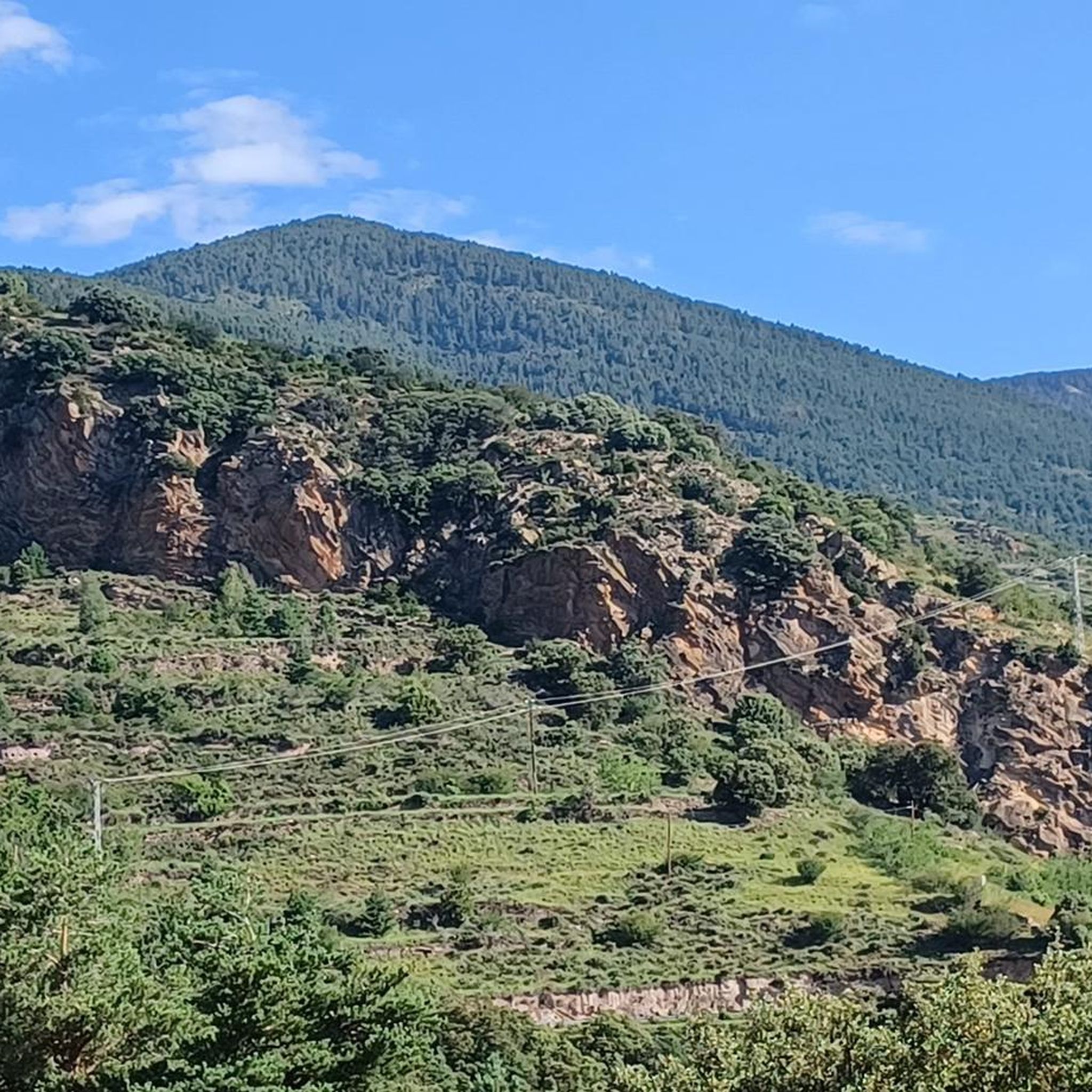
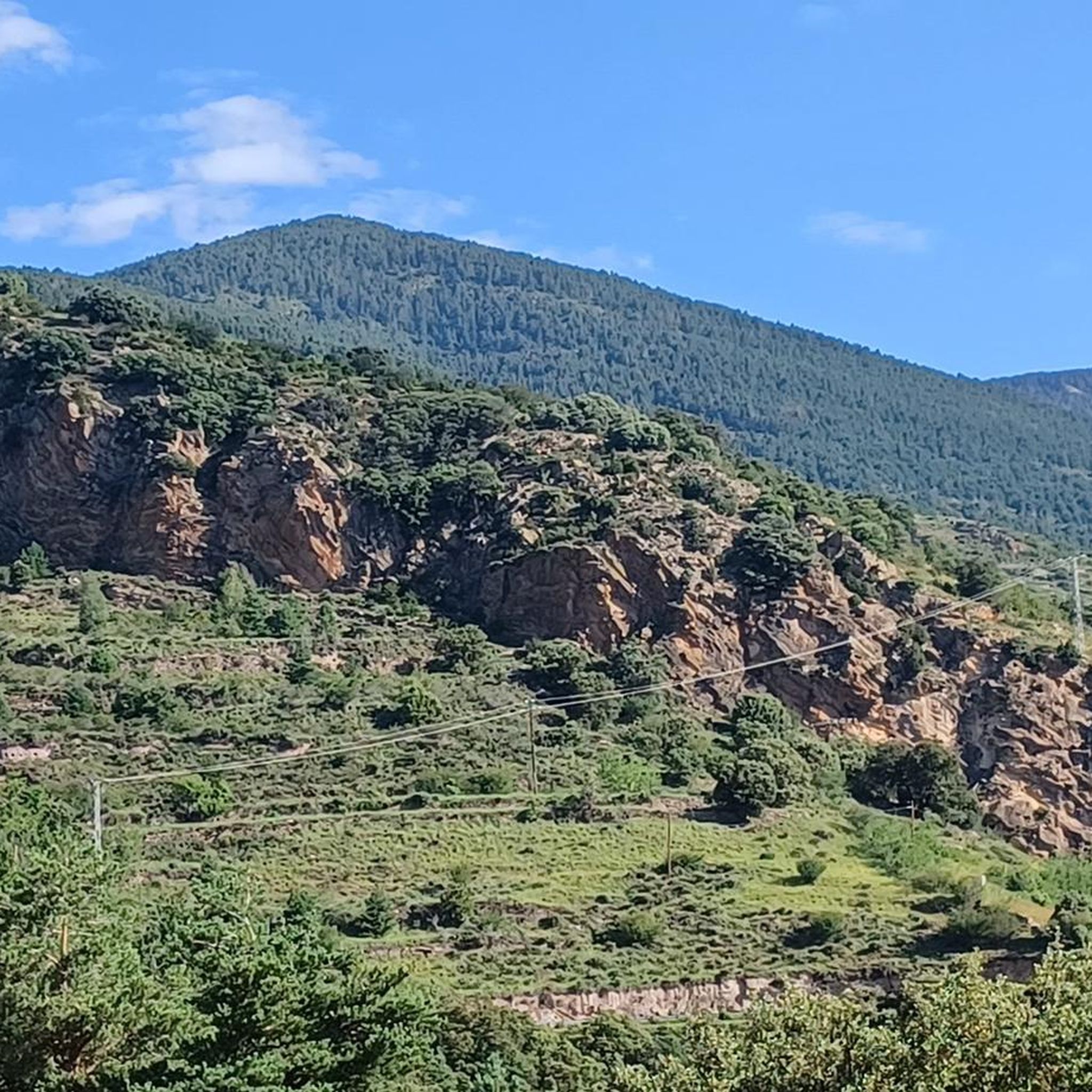
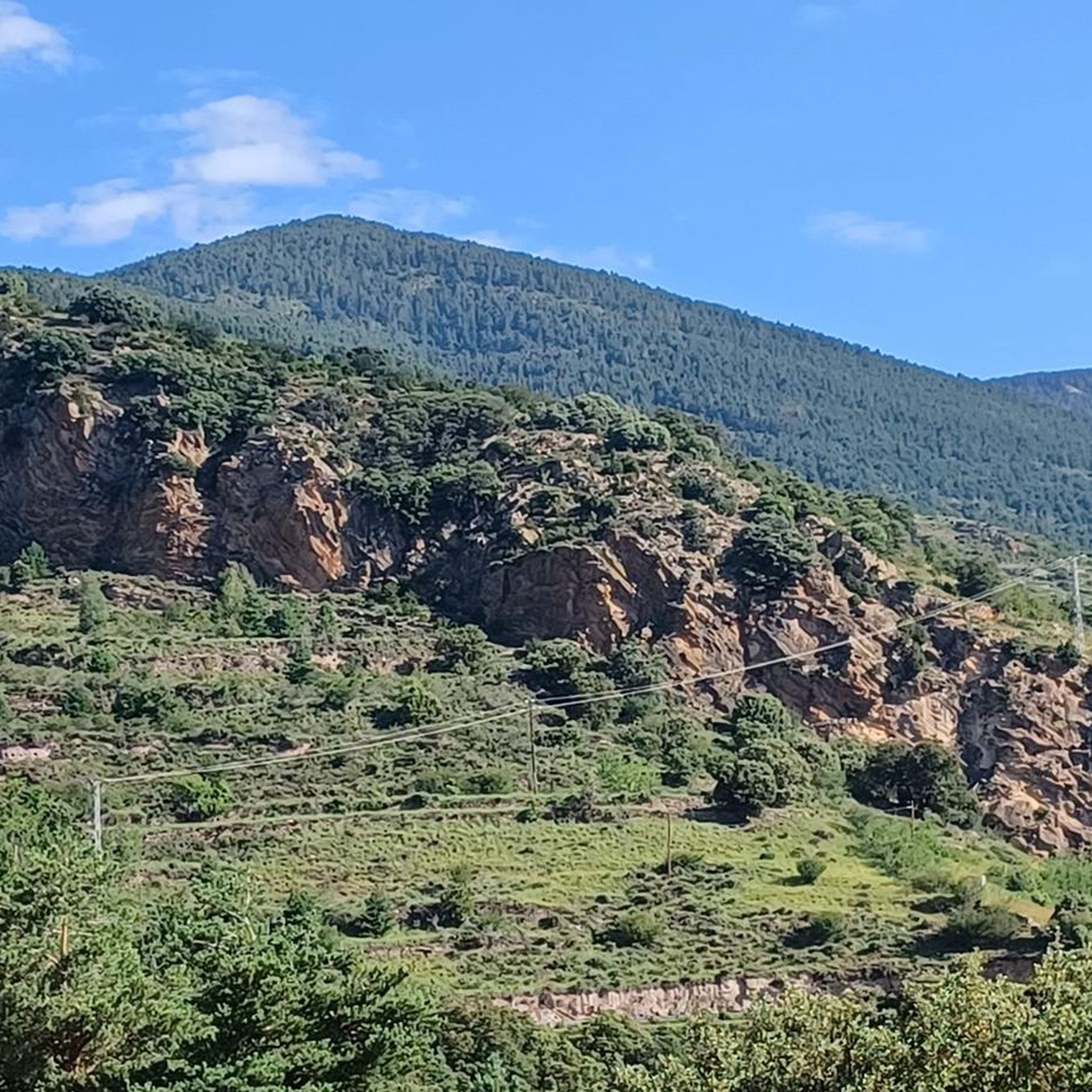
A free mountain refuge nestled among black pine forests and high meadows, with sweeping views of the Segre Valley. It's a peaceful spot, ideal for sheltering from the wind or taking a break on routes that connect to Cap del Rec or Tossa Plana. The surroundings retain the pure silence of the upper Cerdanya region. By mountain bike, the final approach is via a stony track with a slight incline; it's advisable to lower the saddle and maintain control on the subsequent descent, as ruts and loose stones can be treacherous if you're riding too fast.
0
0

The Cathedral of La Seu d'Urgell is a large Romanesque church from the 12th century and is unique in this style in all of Catalonia.
0
0

The Coll de Peguera is also known as Coll de la Rabassa. In fact, on the official Andorra tourism website, the name "Alt de la Rabassa" is used. And on many altimetry websites, it is also known as "Alt de la Rabassa". The two slopes are quite similar in length and hardness, differing only slightly in the steep descent of the northernmost slope that passes through Aixirivall. When you reach the top of the mountain pass, you can take a road that goes higher towards the Naturlandia mountain activities park, which is highly recommended by the way. Another curiosity is that from Naturlandia, you continue going up an unpaved road to the border with Spain, where the views are wonderful. I leave you the link to access the altimetries of @cyclingcols (the best) --> http://www.cyclingcols.com/col/Rabassa
1
0
The Coll de la Gallina is the hardest pass in the Principality of Andorra. Its two aspects are simply spectacular. It is worth climbing both slopes. Personally, I like the Fontaneda slope a little more, which is the one you climb on the "La Purito" march. I leave you the detail of the altimetry of both slopes that is published on the best website for these purposes by @cyclingcols --> http://www.cyclingcols.com/col/Gallina
0
0

We could certainly say that it is one of the most well-known mountain passes in the south of the Andorran country, along with Rabassa. The paved road does not exist historically, but was built not many years ago and helps to connect the towns of Fontaneda and Bixessarri.
0
0
One of the most well-known passes in Andorra is Port de la Rabassa and this is the first big slope before reaching the top. Despite not being at the top of the mountain, the port and the road itself offer very good views in the middle of pine forests.
0
0

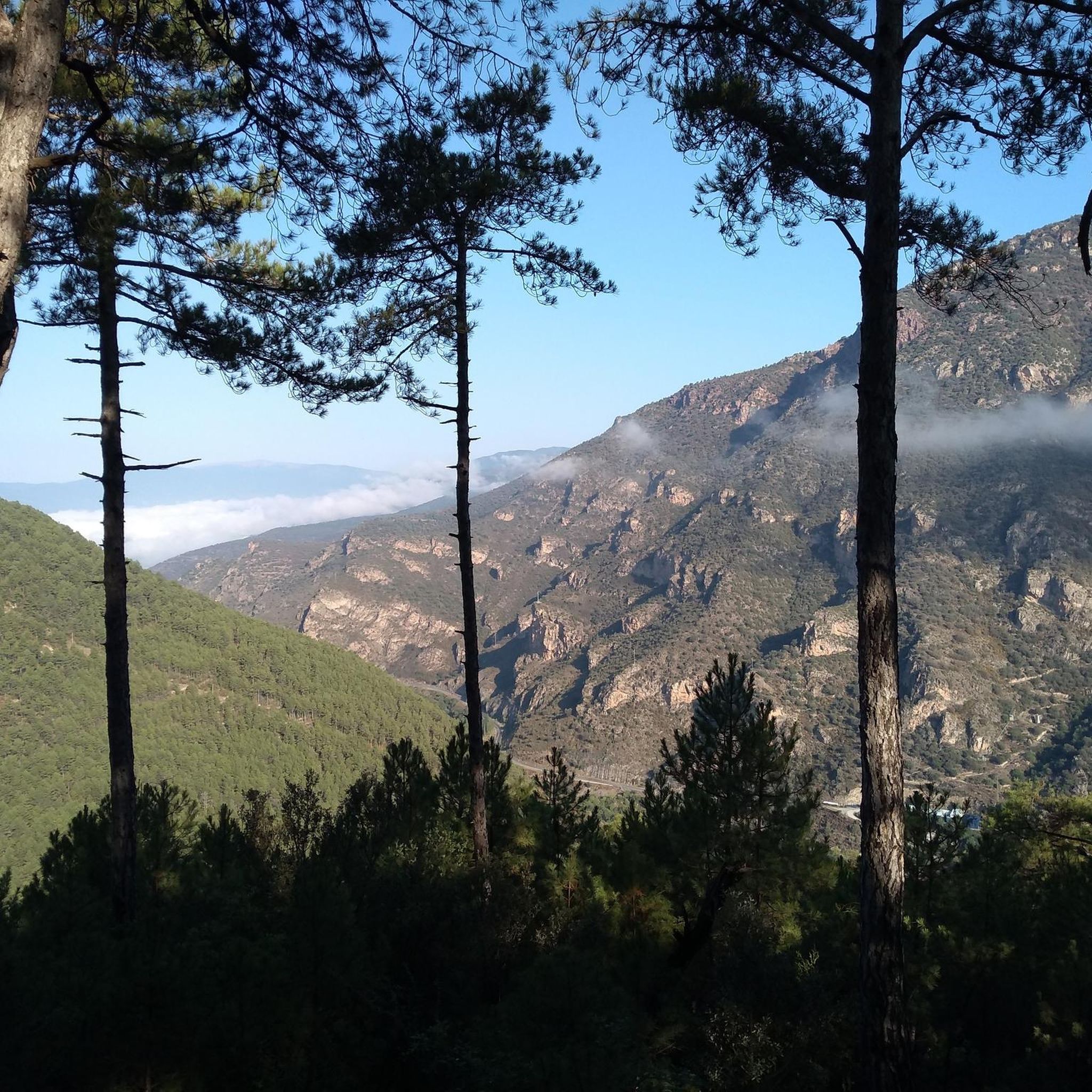
A challenging climb that winds through the pine forest until you reach the mountain pass. Magnificent views of the Volire Valley below.
0
1
Frequently Asked Questions
What historical and cultural sites can I explore in Estamariu?
Estamariu is rich in history. You can visit the significant Romanesque Cathedral of Saint Mary of La Seu d'Urgell, known for its 13th-century architecture and interior cloister. Within Estamariu itself, the Sant Vicenç d'Estamariu Church, dating back to 1040, features remarkable Romanesque and Gothic mural paintings. Other historical points include the Baroque Santa Cecília Church, remains of the ancient Ermita de Santa Cecília, the wall of Sant Cerni chapel, and the ruins of the Pinset monastery. Don't miss the two historic Romanesque bridges over the Bescaran river and the ancient dovecotes.
Where can I find the best panoramic views around Estamariu?
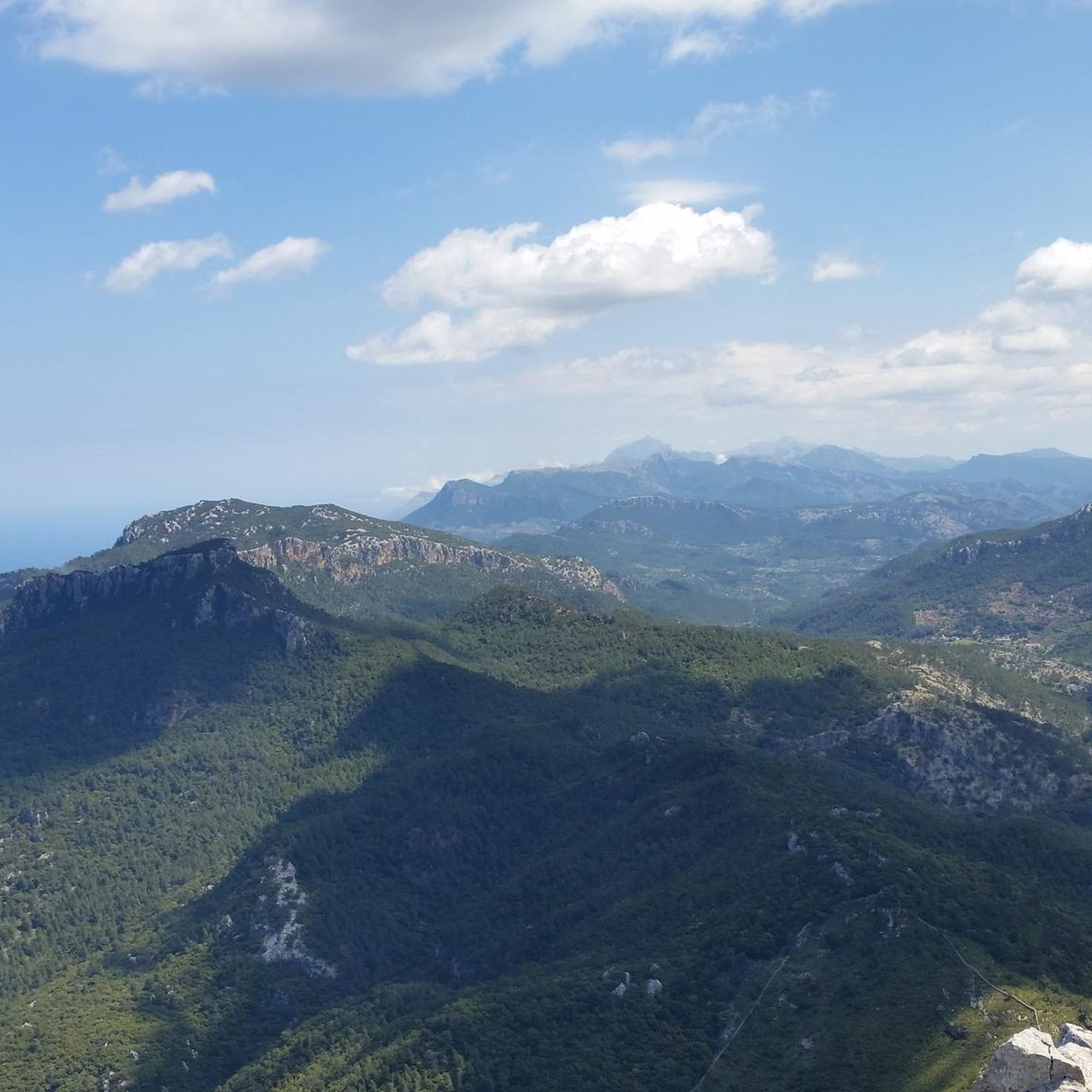
For breathtaking panoramic views, head to Coll de la Gallina, an ancient mountain pass at 1910 meters above sea level, offering spectacular vistas of the surrounding landscape and valley. The village of Estamariu itself is situated on a sunny mountainside, providing magnificent views of the majestic Serra del Cadí mountain range. Another excellent viewpoint is Refugi del Pradell (2,100 m), which offers sweeping views of the Segre Valley.
Are there family-friendly attractions or activities near Estamariu?
Yes, several attractions are suitable for families. The Cathedral of Saint Mary of La Seu d'Urgell and the Church of Santa Coloma are both family-friendly historical sites where you can explore Romanesque architecture and ancient murals. The natural surroundings of Estamariu, with its numerous paths and trails, also offer opportunities for family walks and exploring the Pyrenean landscape.
What kind of outdoor activities can I do near Estamariu?
The region around Estamariu is ideal for various outdoor activities. You can find numerous trails for hiking and mountain biking. For specific routes, explore the Running Trails around Estamariu, Road Cycling Routes around Estamariu, and MTB Trails around Estamariu guides. These guides feature routes like the challenging 'Three nations - Circular Andorra & France & Spain' for road cycling or the 'Naturlandia desde Juberri' for MTB.
Are there challenging cycling routes in the Estamariu area?
Absolutely. The region is known for its challenging mountain passes popular with cyclists. Coll de la Gallina is an impressive climb with an average gradient of 8.2% and sections reaching 18-20%. Another notable pass is Coll de la Peguera, which has an average slope of 6.6% and can lead to Port de la Rabassa. You can find more challenging routes in the Road Cycling Routes around Estamariu guide.
What natural features define the landscape around Estamariu?
Estamariu is nestled within a stunning high-mountain environment characteristic of the Catalan Pyrenees. The village offers magnificent panoramic views of the Serra del Cadí mountain range. The Bescaran River flows through the municipality, notable for its Romanesque bridges. The area is also home to various peaks and mountain passes like Coll de la Gallina and Coll de la Peguera, providing diverse natural beauty.
What is the significance of the Sant Vicenç d'Estamariu Church?
The Sant Vicenç d'Estamariu Church is considered the most significant heritage asset in Estamariu. Dating back to approximately 1040, it showcases Lombard-style Romanesque architecture with three naves and three semicircular apses. Its importance lies in the remarkable Romanesque and Gothic mural paintings rediscovered in 1993, making it one of Catalonia's most important sites for in-situ medieval murals.
Are there any mountain refuges or huts in the area?
Yes, you can find mountain refuges such as Refugi del Pradell (2,100 m). This refuge is located at an altitude of 2,100 m and offers a peaceful spot with sweeping views of the Segre Valley. While the main shelter is closed and requires keys, it has a small open area with a fireplace, ideal for a break on longer routes.
What do visitors particularly enjoy about the attractions around Estamariu?
Visitors appreciate the blend of cultural heritage and natural beauty. The challenging mountain passes like Coll de la Gallina are highly rated for their spectacular views and demanding climbs. The historical depth of sites like the Cathedral of Saint Mary of La Seu d'Urgell and the ancient churches within Estamariu also receive high praise for their architecture and historical significance.
Can I find Romanesque architecture beyond the main churches?
Yes, beyond the prominent churches, the region features other examples of Romanesque heritage. You can discover two historic Romanesque bridges spanning the Bescaran river, which are charming additions to the rustic landscape. These bridges offer a glimpse into the historical infrastructure of the area.
What is the best way to explore the trails around Estamariu?
The best way to explore the trails is on foot for hiking or by mountain bike. The area is crisscrossed with numerous paths suitable for various skill levels. For detailed routes and difficulty ratings, refer to the Running Trails around Estamariu or MTB Trails around Estamariu guides, which provide specific routes and information.
Most popular routes around Estamariu
Most popular attractions around Estamariu

Get inspired with the komoot mobile app


Explore more
Still not found the Highlight you’re looking for? See guides of the top attractions in other regions:
