Attractions and Places To See around El Oso - Top 13
Best attractions and places to see around El Oso, a region in the province of Ávila, Castilla y León, are characterized by their historical significance and natural setting. Located within the La Moraña plain, the area features a landscape shaped by rivers like the Adaja and Arevalillo. Visitors can explore settlements with deep historical roots and architectural landmarks. The region offers a variety of places to discover, including historical sites and religious buildings.
Best attractions and places to see around…
Last updated: July 29, 2026
Castle of Narros de Saldueña
Highlight • Castle
Translated by Google •
Tip by

El Bohodón
Highlight • Settlement
Translated by Google •
Tip by
Sign up now to discover places like this
Get recommendations on the best single tracks, peaks, & plenty of other exciting outdoor places.
Sign up for free
Cardeñosa
Highlight • Settlement
Translated by Google •
Tip by

Aveinte
Highlight • Settlement
Translated by Google •
Tip by
Church of San Pedro Apóstol
Highlight • Religious Site
Translated by Google •
Tip by

Sign up for free to discover even more attractions around El Oso.
Sign up for free
Already have an account?
Start today with a free account
Your next adventure awaits.
Login or Signup


Tips from the Community

Narros de Saldueña Castle, also known as the Castle of the Duke of Montellano, is one of the best-preserved fortresses in the province of Ávila. It is located in the town of Narros de Saldueña, within the town limits. Construction: Late 15th century, attributed to Rodrigo de Valderrábanos, Lord of the Saldueña Estate. Expansions: It was renovated and enlarged at the beginning of the 16th century by his successors.
4
0
Aveinte, a name with historical roots, has a fascinating legend dating back to ancient times. Many centuries ago, at the dawn of the Middle Ages, there was a small town in what we know today as Aveinte. The inhabitants of this place were simple people, dedicated mainly to agriculture and livestock. They lived in harmony with nature and worshiped the gods of the earth and sky. One day, during a time of drought and scarcity, the locals gathered in the town square to pray for rain and good harvests. The wise old man of the place, known as Adventius, led the ceremony. With his wrinkled hands and deep voice, he spoke words of supplication to heaven. Legend has it that, at that crucial moment, a mysterious figure appeared among the clouds. He was a luminous being, dressed in white robes and silver hair. The villagers were amazed and knelt before this heavenly presence. The being addressed Adventius and spoke to him in an ancient language that only he understood. “For your devotion and the faith of your people, I will grant a blessing,” he said. “From now on, every twenty years, the waters of the river that runs through Aveinte will overflow, fertilizing the land and ensuring abundant harvests.” Thus the name Aveinte was born, which means “advent” or “arrival” in honor of the heavenly visit. Since then, every twenty years, the river overflows and renews the earth, fulfilling the promise of the luminous being. The inhabitants of Aveinte keep this tradition alive and celebrate “Aveinte” with joy and gratitude. The legend has been passed down from generation to generation, and the town's name remains a reminder of its connection to the divine and renewed hope. So, when you walk through the cobblestone streets of Aveinte, remember this story and the magic that surrounds its name. 🌟🏡
2
0
The Castle of the Duke of Montellano, also known as Castle of Narros de Saldueña, is located at the end of the town of Narros de Saldueña, in the heart of the La Moraña plain, in the province of Ávila, autonomous community of Castilla y León. This castle, tracing its origins to the 15th century, is a good example of a castle-palace built with brick and mud (mortar), which relates it to Mudejar architecture.
6
0
El Bohodón is a municipality in Spain belonging to the province of Ávila, in the autonomous community of Castilla y León. It is located in the La Moraña region, in the north of the province. It is located 35 kilometers from the capital and 17 kilometers from Arévalo.
5
0

Beautiful castle also called the Duke of Montellano (Ávila) Well-preserved building that is worth visiting!
0
1

The castle of the Duke of Montellano dates from the s. XV and, given the use of brick and mud in its construction, it is related to Mudejar architecture. In its day it belonged to the Valderrábano family. It is listed as an Asset of Cultural Interest.
1
0
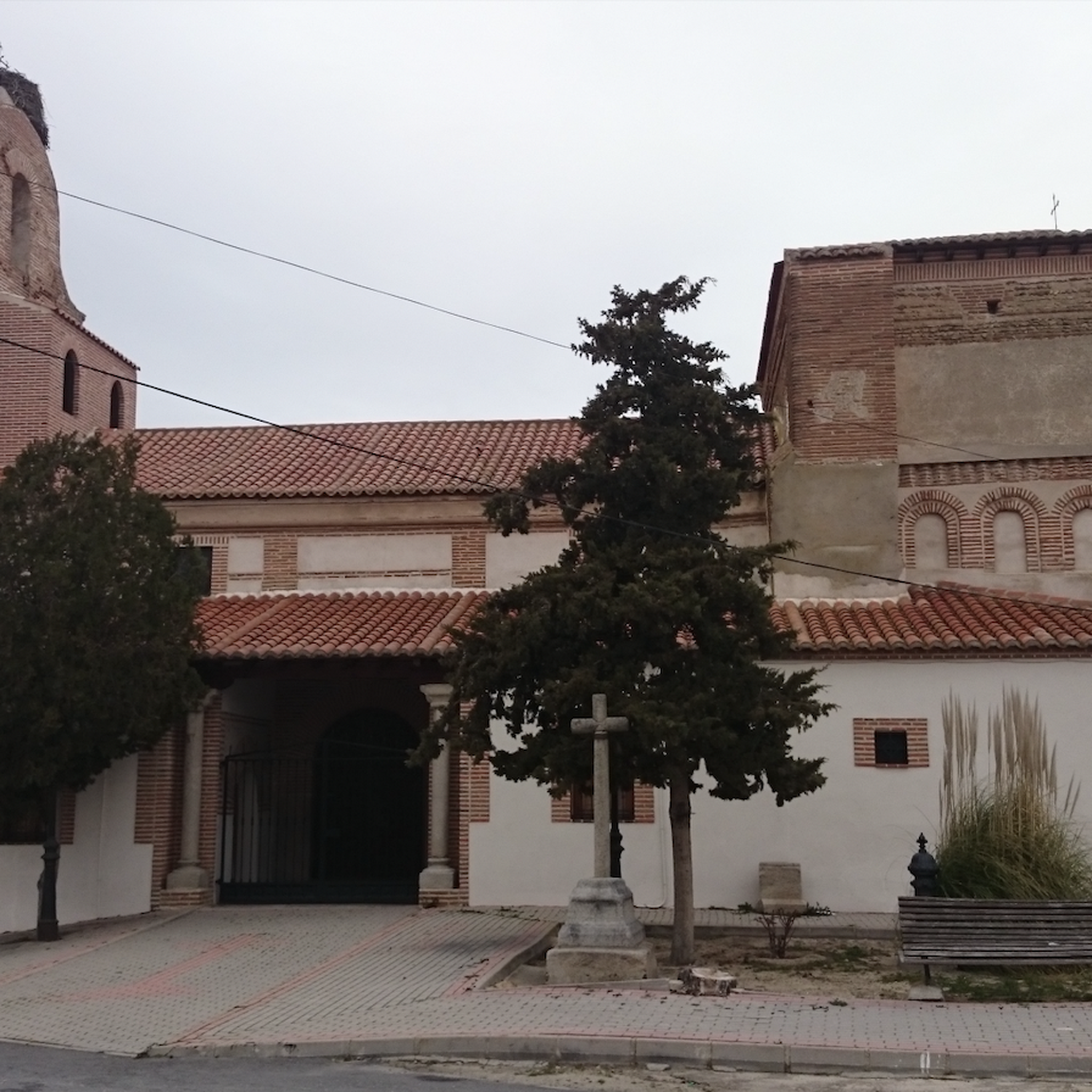
This church constitutes the most outstanding and relevant monument of the town. Romanesque in style, it is approximately eight centuries old. Its most outstanding characteristic is the Mudejar head, which presents a unique archway that originates from a brick plinth, accompanied by a curb course that culminates with corners and several superimposed curbs. Likewise, the altarpiece located in the main chapel, which dates from the 16th century, deserves to be highlighted. This altarpiece is organized into three streets divided by inter-streets, and has four bodies that house various images of Saints and Biblical scenes. In total, it is made up of 18 paintings of great artistic value.
2
0

Cardeñosa is the ideal place to stop along the way and have a drink to continue the route. Here is the Castro Interpretation Center
1
0
Frequently Asked Questions
What kind of historical sites can I visit around El Oso?
The region is rich in historical sites. You can explore the Castle of Narros de Saldueña, a 15th-century castle-palace known for its Mudejar architecture. Another significant historical site is the settlement of Cardeñosa, which hosts the Castro Interpretation Center. Additionally, the Church of San Pedro Apóstol, an eight-century-old Romanesque church with a Mudejar head and a 16th-century altarpiece, offers a glimpse into the area's religious history.
Are there family-friendly attractions in the El Oso area?
Yes, several settlements offer family-friendly experiences. Cardeñosa is a great stop with its Castro Interpretation Center, providing educational insights. The village of Aveinte, with its charming church and local legend, also provides a pleasant visit for families.
What natural features characterize the landscape around El Oso?
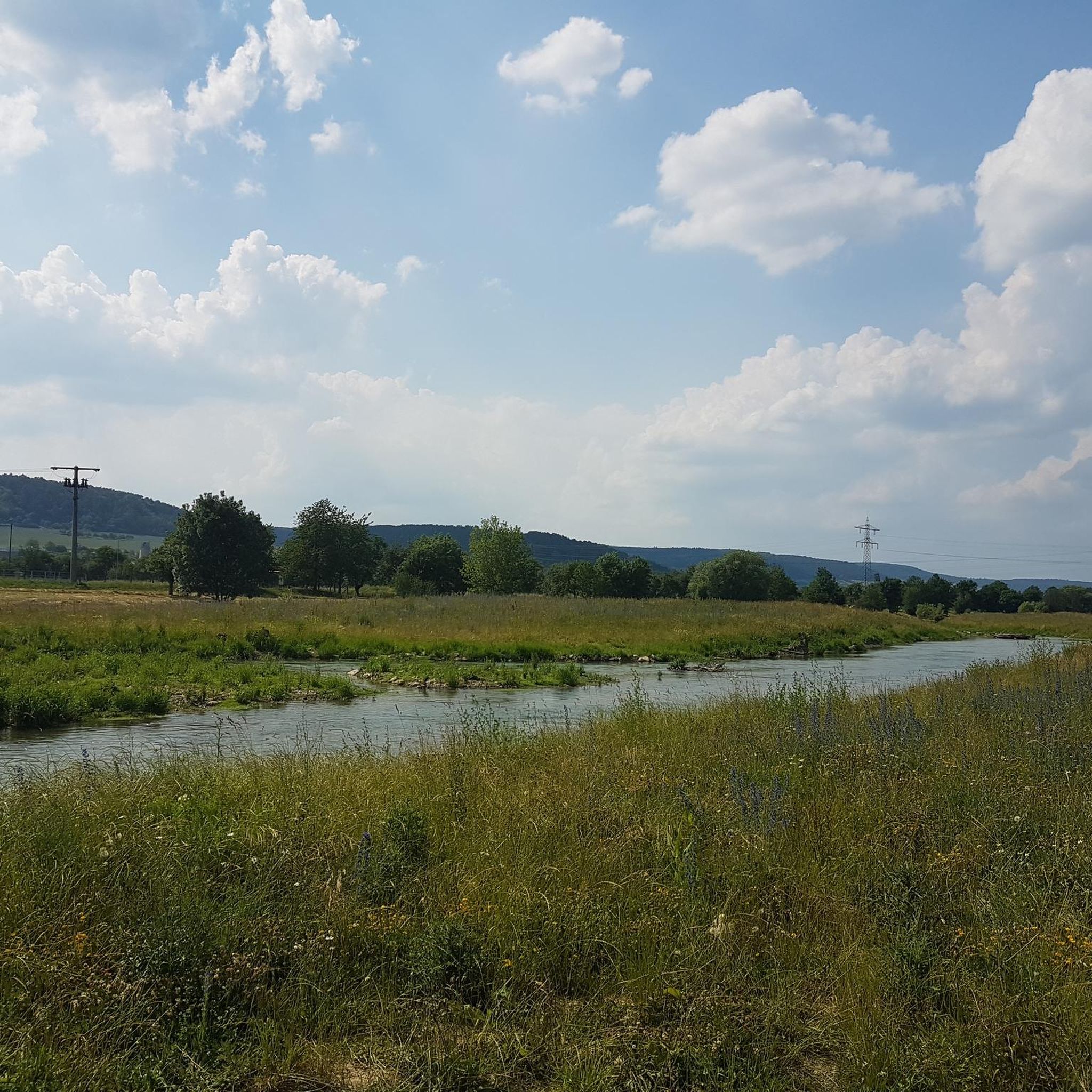
El Oso is situated within the La Moraña plain, a flat area. The landscape is notably shaped by the presence of rivers, including the Adaja and Arevalillo rivers. For instance, the municipality of El Bohodón is uniquely located between these two rivers, offering scenic views of the riverine environment.
What outdoor activities can I do near the attractions in El Oso?
The area around El Oso is excellent for various outdoor activities. You can find numerous routes for hiking, road cycling, and mountain biking. For hiking, consider trails like the 'Castro de las Cogotas Circular Trail' or the 'Laguna de El Oso Loop'. Road cyclists can enjoy routes such as 'Llanura de la Moraña y Castillo del Duque de Montellano'. Mountain bikers have options like the 'Iglesia de Horcajuelo loop'. You can find more details on these and other routes in the dedicated guides for hiking, road cycling, and MTB trails around El Oso.
Are there any easy hiking trails suitable for families or casual walkers around El Oso?
Yes, there are several walking options. While many trails are moderate, you can find shorter, more accessible walks around the settlements. For example, exploring the village of Cardeñosa or Aveinte offers pleasant, easy strolls through historical settings. For dedicated hiking, the 'Laguna de El Oso Loop' is a moderate trail of about 9 km, which might be suitable for families looking for a slightly longer walk.
What is the best time of year to visit El Oso for outdoor activities?
The spring and autumn months generally offer the most pleasant weather for outdoor activities like hiking and cycling in the La Moraña plain, avoiding the heat of summer and the colder, potentially wetter conditions of winter. Spring brings blooming landscapes, while autumn offers mild temperatures and often clear skies.
What kind of architecture can I expect to see in the region?
The architecture around El Oso often reflects its historical roots. A prime example is the Castle of Narros de Saldueña, which showcases Mudejar architecture, characterized by its use of brick and mud. Religious buildings like the Church of San Pedro Apóstol also feature Romanesque elements and Mudejar influences, such as its distinctive Mudejar head.
Are there any hidden gems or unique viewpoints to discover?
While specific 'hidden gem viewpoints' are not explicitly highlighted, the region's flat plain and riverine landscape offer unique perspectives. Exploring the areas around the Adaja and Arevalillo rivers, particularly near El Bohodón, can provide tranquil and picturesque views of the natural environment. The historical settlements themselves, like Cardeñosa, offer charming local scenes.
What are some of the longer hiking trails available near El Oso?
For those seeking longer hikes, the area offers several options. The 'Yacimiento de las Cogotas — circular desde Cardeñosa' is a moderate trail spanning over 16 km. A more challenging and significantly longer option is the 'Gotarrendura and El Oso Loop', which covers approximately 23 km. You can find more details on these and other routes in the hiking guide for El Oso.
Can I find places to eat or drink near the attractions or hiking trails?
While specific pubs are not detailed, settlements like Cardeñosa are noted as ideal places to stop along a route for a drink or a break. These smaller towns often have local establishments where visitors can refresh themselves after exploring the historical sites or trails.
What kind of religious buildings can be visited?
The region features several religious buildings of historical interest. The Church of San Pedro Apóstol is a prominent example, showcasing Romanesque style with a Mudejar head and a significant 16th-century altarpiece. Other settlements like Aveinte also feature notable churches, such as the church of Santo Tomas Apóstol.
Are there any mountain biking trails in the El Oso area?
Yes, there are several mountain biking trails. Options include the 'Iglesia de Horcajuelo loop from San Pedro del Arroyo' which is over 41 km, or the 'Arco de Consejeros – Castro de Las Cogotas loop from Las Berlanas' at around 31 km. These trails are generally of moderate difficulty. More routes can be found in the MTB Trails around El Oso guide.

Get inspired with the komoot mobile app


Explore more
Still not found the Highlight you’re looking for? See guides of the top attractions in other regions:
