Attractions and Places To See around Minaya - Top 4
Best attractions and places to see around Minaya offer a glimpse into traditional Manchegan rural life and rich history within the province of Albacete, Castile-La Mancha, Spain. The municipality is characterized by agricultural landscapes, historical buildings, and literary associations. Its old quarter features picturesque streets with whitewashed facades and iron balconies, maintaining a distinct Manchegan character. Minaya provides a tranquil experience for exploring the heritage and landscapes of the region.
Best attractions and places to see around Minaya
- The most…
Last updated: November 12, 2026
La Roda
Highlight • Settlement
Translated by Google •
Tip by

Palace of the Counts of Villaleal
Highlight • Historical Site
Translated by Google •
Tip by
Sign up now to discover places like this
Get recommendations on the best single tracks, peaks, & plenty of other exciting outdoor places.
Church of Santiago el Mayor
Highlight • Religious Site
Translated by Google •
Tip by

Camino del Sureste
Highlight • Trail
Translated by Google •
Tip by
Start today with a free account
Your next adventure awaits.




Tips from the Community

The name of this town originates from its role as a crossroads on the ancient routes that connected Complutum with Carthago Nova in Roman times, and on the Silk Road that linked Toledo with Valencia and Cartagena. It derives from the Arabic word "rutba," the tax paid for the passage of livestock. A true inheritor of so many peoples and cultures, La Roda has absorbed the best of each, evident in its beautiful town center, its magnificent Church of El Salvador, and the Palaces of the Doctor de La Encina and the Counts of Villaleal. It is currently very well connected to the provincial capital, Albacete, from which it is only 36 km away. The entire town center has been declared a Site of Cultural Interest for its historical and artistic value.
8
0
The origin of the name of this town comes from its function as a crossing point for the ancient routes that linked Complutum with Carthago-Nova, in Roman times; or the silk route that linked Toledo with Valencia and Cartagena. It is derived from the Arabic “rutba”, the tax that was paid for the passage of livestock. As a good learner of so many people and cultures, La Roda has known how to collect the best of each and this is evident in its beautiful urban complex, its magnificent church of El Salvador and the Palaces of Doctor de La Encina and that of the Counts of Villaleal. Currently it is very well connected with its capital, Albacete, from which it is only 36 km away. Its entire urban complex has been declared an Asset of Cultural Interest for its historical and artistic value.
7
0
Dating from the 18th century, it was built from an old 16th-century building by the Countess of Villaleal's grandfather, Doña Joaquina de Arce y Lara, who belonged to the Order of Calatrava. The house presents rococo decoration motifs and on its façade there is a wavy balcony with a beautiful wrought iron railing; On the very ornate hole in the wall there is a beautiful Baroque coat of arms belonging to the 18th century.
14
0

Located on Calle de los Mártires, it is one of the most emblematic buildings in La Roda. It has been declared an Asset of Cultural Interest.
4
0


It is the most representative monument of Minaya. You can see the influence of the Gothic and Renaissance style in its two covers. An authentic jewel that you can contemplate while resting on the benches in the square.
1
0
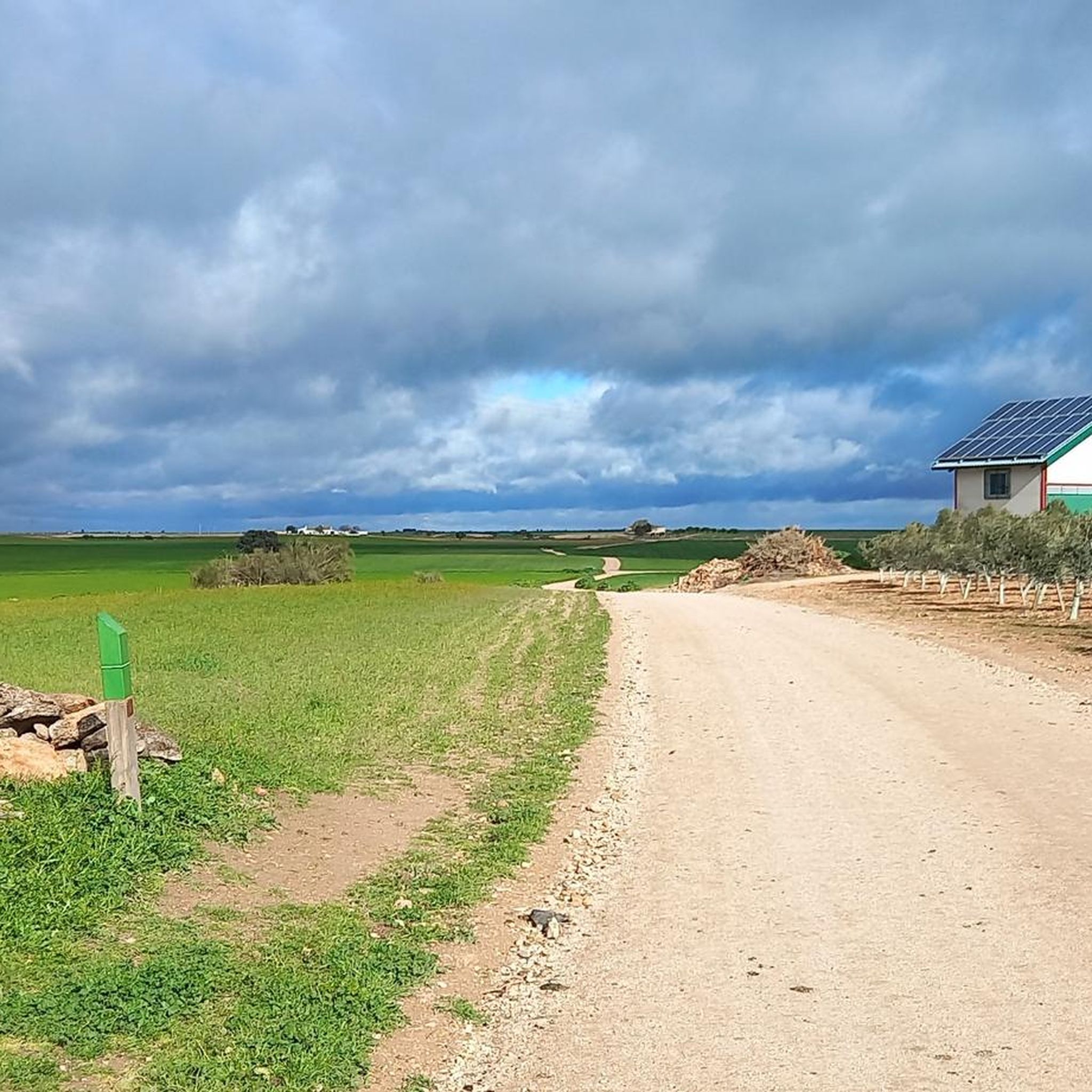
This variant of the Camino de Santiago begins in Alicante and goes to the city of Albacete. Here, it joins the Camino de Santiago de Levante and they share a route to Astorga.
1
0
This town has a beautiful urban center full of monuments and buildings that are very interesting to visit. Palace of the Countess of Villaleal, the inn of the Sun and the church of El Salvador are a clear example of this.
2
0
Frequently Asked Questions
What historical sites can I visit in Minaya?
Minaya offers a rich array of historical sites. The most significant is the Church of Santiago el Mayor, a monument from the 15th-17th centuries featuring a unique fortified tower and a painted altarpiece. You can also explore the historic Palace of the Counts of Villaleal, a notable 18th-century building with Rococo decoration. Other sites include the 17th or 18th-century Mesón-Parador, the 16th-century House-Palace of the Lords of Minaya, and the Neoclassical Town Hall.
Are there any literary connections or cultural points of interest in Minaya?
Yes, Minaya has strong literary ties, particularly to Miguel de Cervantes' "Don Quijote," with a passage from the work set near the town. You can also see a 19th-century windmill, symbolizing the Manchegan plain. The historic town center itself is a cultural point of interest, with picturesque streets like Calle Real and Calle Olmo, characterized by whitewashed facades and iron balconies that maintain the traditional Manchegan character. The Ermita de San Antón is another point of interest along the urban route.
What kind of traditional architecture can be found in Minaya?
Minaya showcases authentic traditional Manchegan rural architecture. The old quarter features picturesque streets with whitewashed facades and iron balconies. You can also find the distinctive "Cubillos" of Minaya on the outskirts of town, which are rural constructions made with unmortared slab stones, reflecting traditional popular building techniques.
What outdoor activities are available near Minaya?
The agricultural landscapes around Minaya are ideal for outdoor activities such as cycling and walks among vineyards. For more structured routes, you can find various cycling options, including touring bicycle, road cycling, and mountain biking trails. Explore routes like the Camino de Santiago: Southeast Trail or numerous loops around La Roda. You can find more details on these activities in the Cycling around Minaya, Road Cycling Routes around Minaya, and MTB Trails around Minaya guides.
Are there family-friendly attractions around Minaya?
Yes, several attractions around Minaya are suitable for families. The town of La Roda, with its beautiful town center and historical significance, is considered family-friendly. The Church of Santiago el Mayor also welcomes families. Exploring Minaya's historic town center with its charming streets and traditional architecture can be an engaging experience for all ages.
What natural areas can I explore near Minaya?
Beyond Minaya's agricultural landscapes, you can explore several natural areas within an hour's drive. These include the Laguna Salada de Pétrola, which is excellent for birdwatching, and the Lagunas de Ruidera Natural Park, known for its series of crystalline wetlands and diverse ecosystems.
What is special about the town of La Roda near Minaya?
La Roda is a historically significant settlement that served as a crucial crossroads on ancient routes, including the Roman and Silk Roads. Its entire urban complex has been declared a Site of Cultural Interest. Visitors appreciate its beautiful town center, the magnificent Church of El Salvador, and historical buildings like the Palaces of the Doctor de La Encina and the Counts of Villaleal.
What is the Church of Santiago el Mayor known for?
The Church of Santiago el Mayor is Minaya's most representative monument. It is renowned for its architectural blend of Gothic and Renaissance styles, evident in its two covers. Inside, it features a unique fortified tower that functions as a bell tower, a beautiful painted altarpiece, a preserved relic of Blessed Alonso Pacheco (the town's patron), and coats of arms of the Lords of Minaya.
Are there any long-distance trails or routes passing through Minaya?
Yes, the Camino del Sureste, a variant of the Camino de Santiago, passes through the area. This trail begins in Alicante and connects to the Camino de Santiago de Levante in Albacete, continuing towards Astorga. It offers a significant long-distance walking and cycling experience.
What do visitors enjoy most about Minaya?
Visitors particularly enjoy Minaya's authentic rural charm, its rich history, and its tranquil atmosphere. The picturesque streets of the old quarter, with their whitewashed facades and traditional balconies, are a highlight. The historical buildings, literary connections, and the opportunity to explore the surrounding agricultural landscapes for cycling and walks are also highly appreciated.
What is the best time of year to visit Minaya?
The natural surroundings of Minaya, characterized by agricultural landscapes, are particularly suitable for outdoor activities like cycling routes and walks among vineyards. Spring and autumn generally offer pleasant temperatures for exploring the town's historic sites and enjoying the natural areas without the intense heat of summer.

Get inspired with the komoot mobile app


Explore more
Still not found the Highlight you’re looking for? See guides of the top attractions in other regions:
