Attractions and Places To See around Abella De La Conca - Top 20
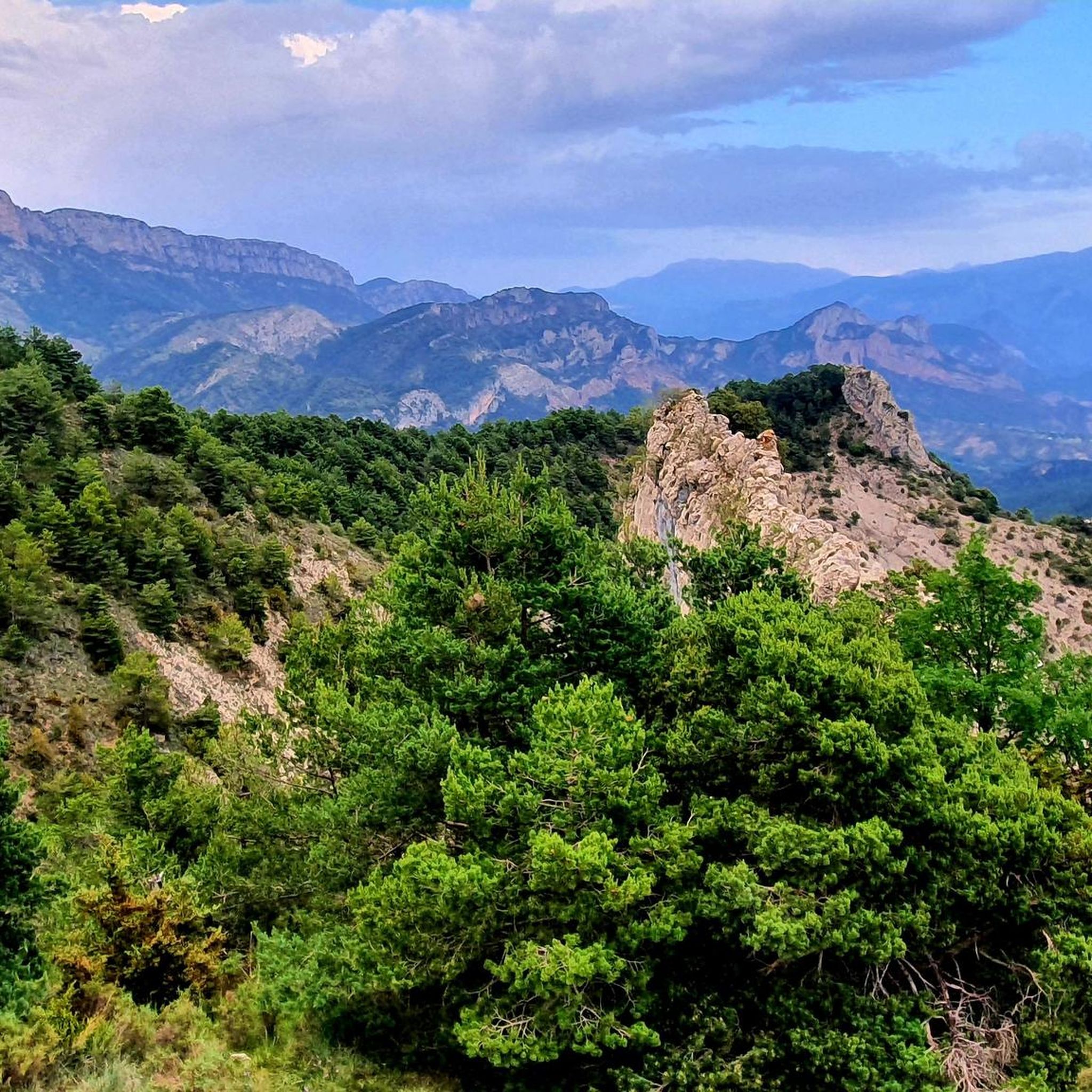
Attractions and places to see around Abella De La Conca include historical landmarks, natural features, and cultural sites in the Catalan countryside. The region is characterized by rugged mountain scenery, dramatic rock formations, and canyons. Abella De La Conca is known for its historical village, ancient stone houses, and a favorable micro-climate supporting year-round outdoor activities.
Best attractions and places to see around Abella De La Conca
- The most popular attractions is Slick Rock, an MTB park and natural monument with marked trails. It features a distinct landscape of slick rock formations.
- Another must-see spot is L'Argenteria Cliffs and Waterfall, a waterfall and natural monument. This rocky wall waterfall is located in the Barranc de Collegats.
- Visitors also love Font de la O, a natural monument and river area. It provides a natural setting by the river for breaks and picnics.
- Abella De La Conca is known for its mountain passes, natural monuments, and waterfalls. The area offers a variety of attractions to see and explore, from geological formations to scenic viewpoints.
- The attractions around Abella De La Conca are appreciated by the komoot community, with 20 upvotes and 9 photos shared across the highlights.
Last updated: July 20, 2026
Coll de Comiols
Highlight • Mountain Pass
Translated by Google •
Tip by

Font de la O
Highlight • Natural Monument
Translated by Google •
Tip by

Sign up now to discover places like this
Get recommendations on the best single tracks, peaks, & plenty of other exciting outdoor places.
Sign up for free
Coll de Bóixols
Highlight • Mountain Pass
Translated by Google •
Tip by

Slick Rock
Highlight • MTB Park
Tip by

L'Argenteria Cliffs and Waterfall
Highlight • Waterfall
Translated by Google •
Tip by

Sign up for free to discover even more attractions around Abella De La Conca.
Sign up for free
Already have an account?
Start today with a free account
Your next adventure awaits.
Login or Signup
Tips from the Community

This rest area offers you the opportunity to take a break by the river and enjoy a picnic in a natural setting. The grove surrounding the area is perfect for protecting you from the sun on the hottest days, providing shade and a cool environment while you relax and enjoy nature.
0
0

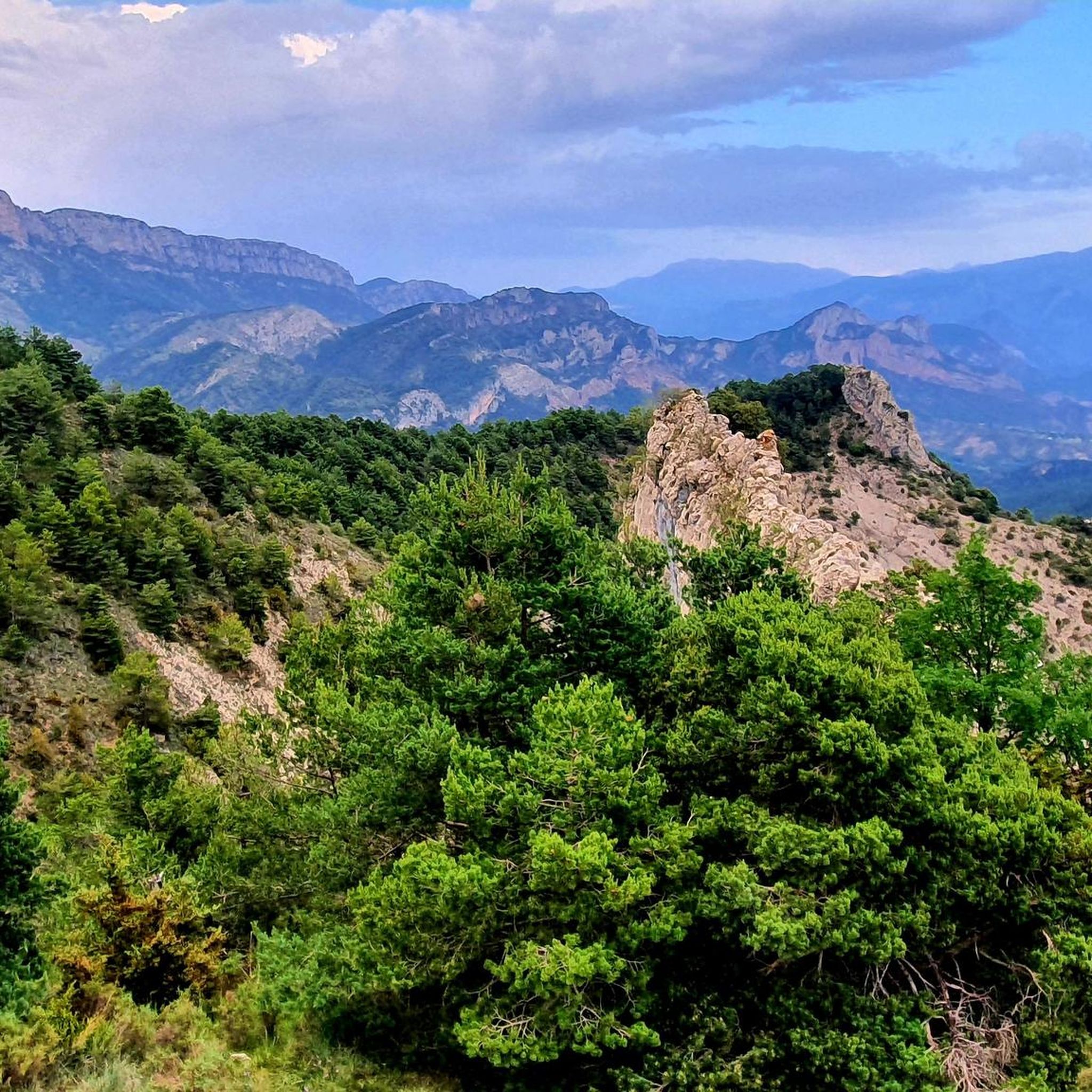
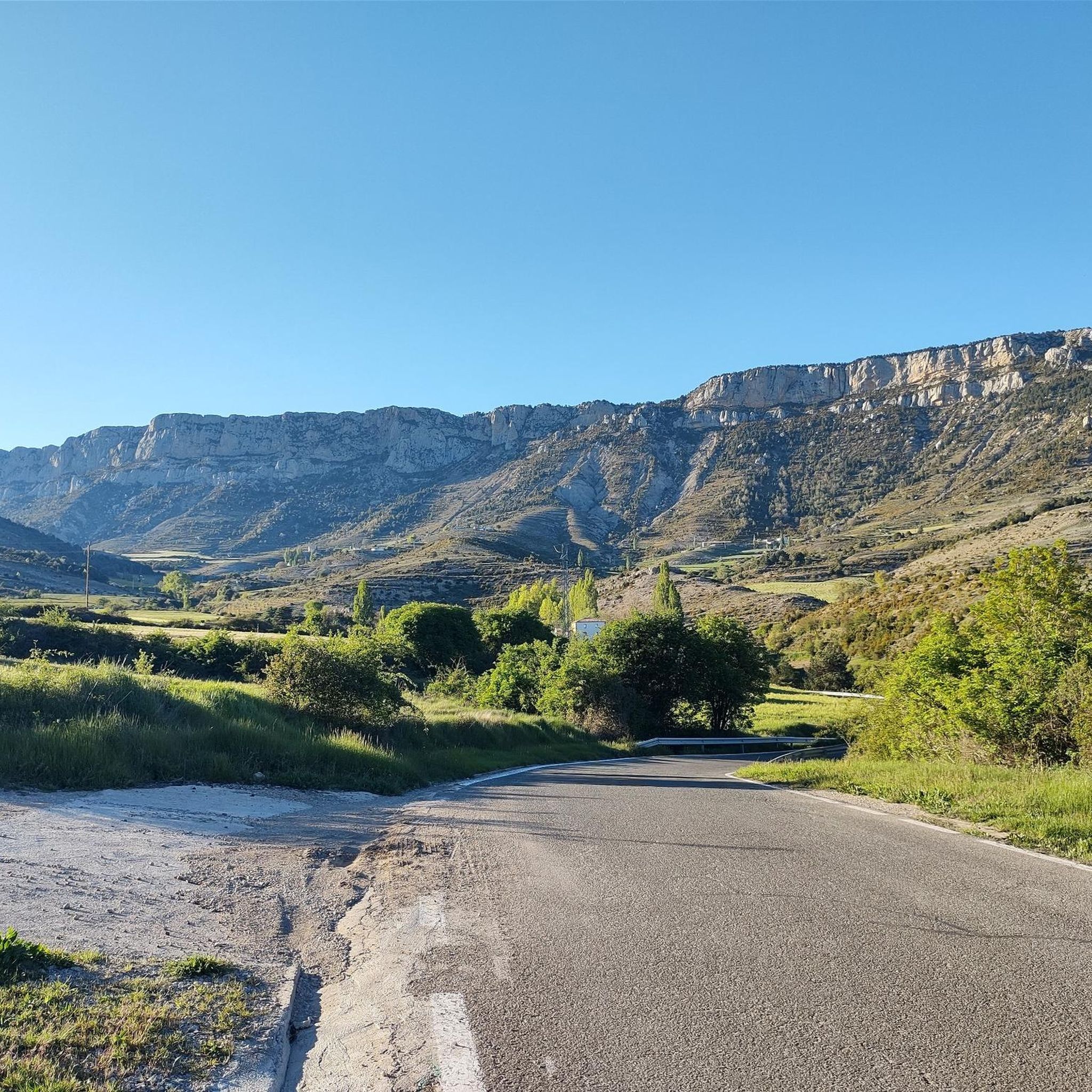
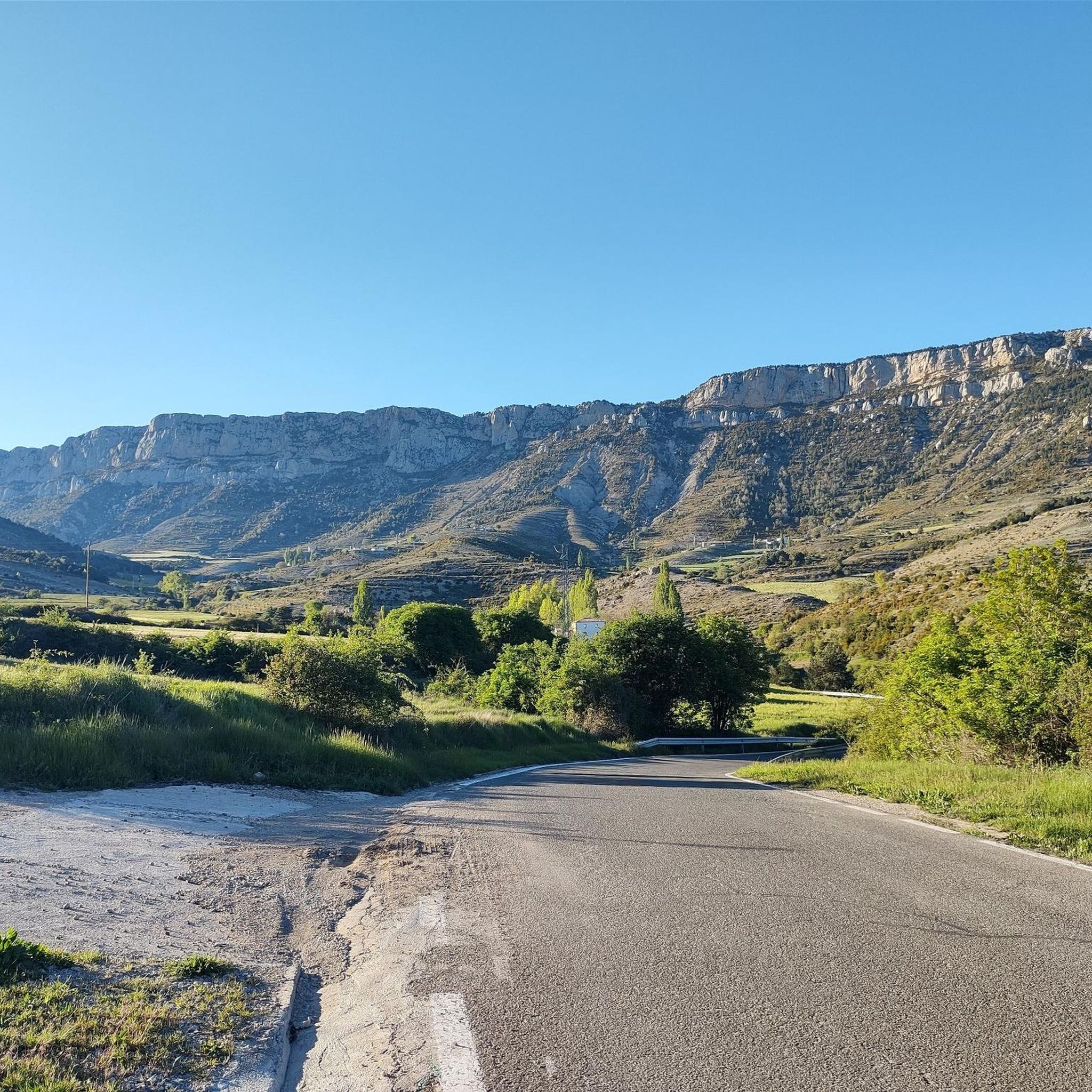
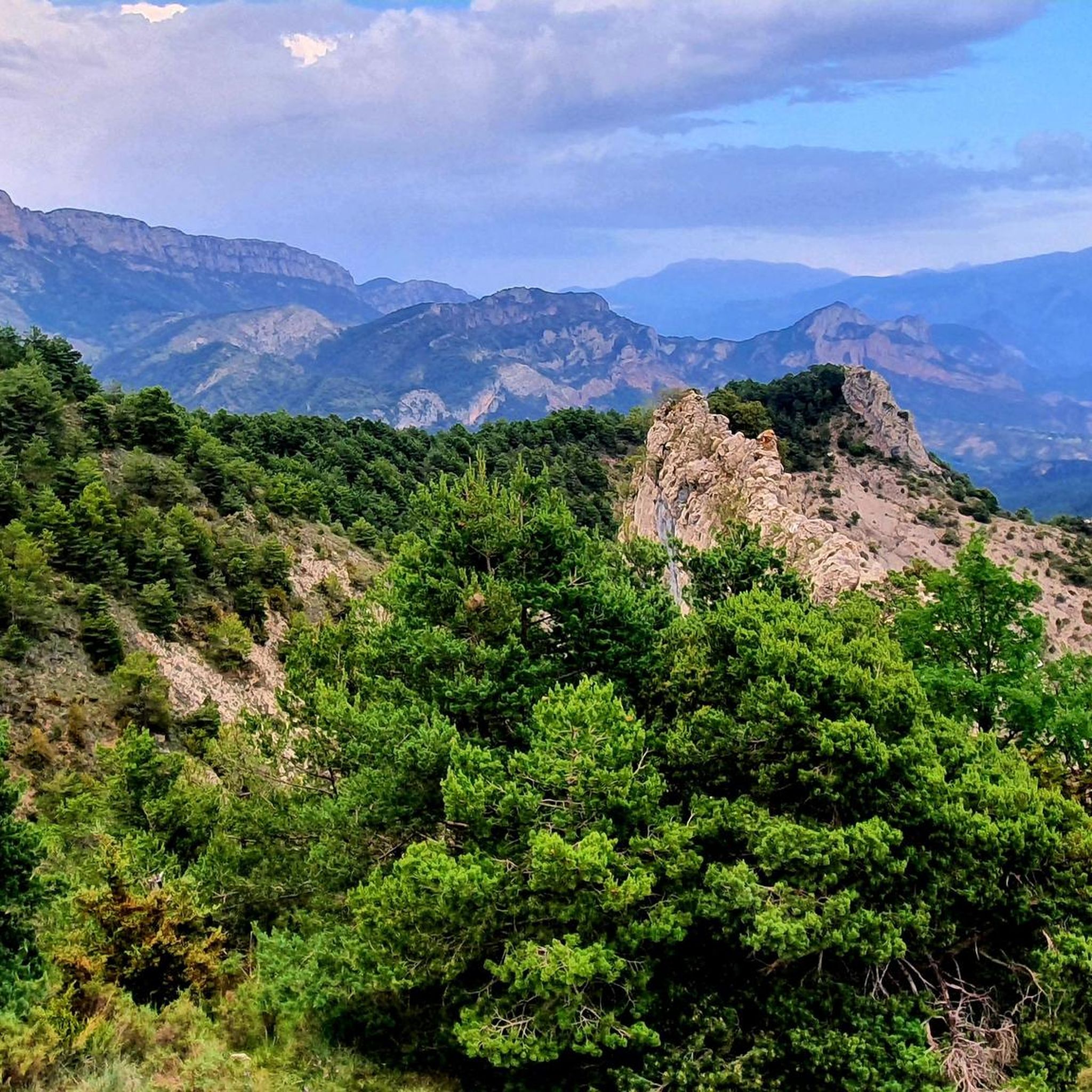
Next to the Coll d'Ares, it is the most iconic port in the Montsec mountain range and the Lleida Pre-Pyrenees. The views from above, either towards the Pyrenees and the Isona and Tremp valley, as well as the Plana de Lleida, are magnificent. It is a port with 4 aspects, each one different: - The southern slope, which begins in Artesa de Segre, is almost 24 km long and runs along a road with a lot of traffic, very wide and with long straights. After passing the town of Folquer, you face the hardest section of the climb, now with continuous curves and horseshoes, although with a road that is still very wide. The best are the views of the Lleida plain. It is not a side that I like since it is very stinky. - The southeast slope, the one that begins in Pons, is longer than the previous one, with 29 km. It has 2 rest sections, with some descent, and the road is narrow and twisty. There are good views along the climb. This slope joins the southern slope that comes from Artesa de Segre at the height of Folquer, where the hardest 7 km remain until reaching the top of the pass. - The main northern slope begins in Tremp and is 28.2 km. It is similar to the Artesa de Segre slope, with a similar gradient and a wide, busy road with a progressive slope, although it is true that there are no kilometers that reach 7%. I don't like. - The northwest slope, which also begins in Tremp, takes the old road that goes up through the town of Sant Salvador de Toló. It is a climb without traffic, on an irregular asphalt road, one of the old ones, which is grippy and difficult to roll, but in good condition. If you plan to go up to Comiols on the northern slope, you have to do it here and forget about the slope that runs along the main road.
0
0


This trail is simply great!!! Be sure to try it out if you're mountain biking in Tremp.
1
0

The Coll de Comiols is a hill located at 1101 meters high. It acts as the border of several municipalities in the Pallars Jussà region. It offers magnificent views of the surrounding mountains and the Cuenca de Tremp.
0
0

The actual slick rock of the Slick Rock Trail. Amazing landscape, super fun to ride. Very well marked with white lines on the rocks that guide you through the lower part of the trail.
2
0

Ideal place for cyclists. We can enjoy an incredible landscape and views throughout the climb to the pass. Located at a height of 1,321 metres, in the Catalan pre-Pyrenees, it joins the counties of Pallars Jussà and Alt Urgell.
0
0

Circular route to make the descent of the Mountain of San Corneli. First there is quite a bit of pisteo to the foot of the mountain where we will have about 20 minutes of bike porting. At the top we have spectacular views of the Pallars Jussà region, where there is a hermitage and an immense lying cross. It is also a zone of trenches of the civil war. The descent runs along a quite cyclable stone path. We have made the return to Tremp through Pobla de Segur along the path to the lake.
1
0
Frequently Asked Questions
What types of attractions can I expect to find around Abella de la Conca?
Abella de la Conca offers a mix of historical landmarks, stunning natural features, and cultural sites. You'll find ancient castles, Romanesque churches, and a picturesque village, alongside dramatic rock formations, canyons, and waterfalls. The area is particularly known for its diverse outdoor activities.
What are some unique natural features to explore in the area?
The region boasts rugged mountain scenery and dramatic rock formations. A notable natural monument is Slick Rock, an MTB park with a distinct landscape. You can also visit L'Argenteria Cliffs and Waterfall, a rocky wall waterfall in the Barranc de Collegats, or enjoy the natural setting by the river at Font de la O.
Are there any historical sites or cultural landmarks worth visiting?
Yes, the ruins of Castell d'Abella de la Conca, an 11th-century fortress, are perched above the village. The 11th-century Sant Esteve Church is another significant Romanesque landmark with a triple apse and rectangular bell tower. The village of Abella de la Conca itself, with its ancient stone houses, offers a glimpse into its rich history.
What outdoor activities are popular around Abella de la Conca?
Abella de la Conca is a prime destination for various outdoor activities. It's renowned for rock climbing, with around 300 routes. The area also provides numerous opportunities for hiking, cycling, and mountain biking, with routes leading to spectacular viewpoints of the Catalan Pyrenees. You can find specific routes for mountain biking in the MTB Trails around Abella De La Conca guide, and for cycling in the Cycling around Abella De La Conca guide.
Are there opportunities for rock climbing in Abella de la Conca?
Abella de la Conca is a premier rock climbing area, offering approximately 300 routes suitable for all levels, from beginner (III) to advanced (9a and above). The limestone cliffs feature diverse climbing styles, including technical walls, slabs, overhangs, and tufa formations. Notable sectors include Església, Canyon Bajo, and the unique arches of El Forat dels Lladres, which also has a 35-meter via ferrata.
Can I find hiking trails suitable for different skill levels?
Yes, the surrounding area offers numerous hiking opportunities. For example, the Font de la O highlight mentions a circular route for descending the Mountain of San Corneli. You can explore various running and hiking trails in the Running Trails around Abella De La Conca guide, which includes routes of varying difficulty.
Where can I go for wild swimming or to cool off by the water?
The canyons around Abella de la Conca feature natural pools, providing opportunities for wild swimming. Additionally, Font de la O offers a natural setting by the river, perfect for taking a break and enjoying the water in a shaded environment.
Is Abella de la Conca suitable for family visits?
Yes, the area offers attractions that can be enjoyed by families. For instance, Font de la O is categorized as family-friendly, providing a pleasant natural setting for picnics and relaxation by the river. The village itself is charming to explore, and many easy hiking paths are suitable for families.
What is the best time of year to visit Abella de la Conca for outdoor activities?
Abella de la Conca benefits from a favorable micro-climate with low rainfall and ample sunshine, making it suitable for outdoor activities year-round. Specific climbing sectors offer shade or sun depending on the season, allowing for comfortable climbing in different weather conditions.
Are there any specific wildlife observation opportunities?
The remote and protected location of Abella de la Conca supports a rich array of wildlife. You can frequently spot Griffon vultures circling above the village. The area is also home to other birds of prey, stags, genets, and over 40 species of butterflies, making it an excellent spot for wildlife and birdwatching enthusiasts.
What do visitors particularly enjoy about the attractions near Abella de la Conca?
Visitors appreciate the stunning landscapes and views, especially from mountain passes like Coll de Bóixols and Coll de Comiols. The unique geological formations, such as the 'slick rock' terrain, and the opportunity for diverse outdoor sports like mountain biking and climbing are also highly valued. The natural settings for relaxation, like Font de la O, are also popular.
How accessible is the Castell d'Abella de la Conca?
The ruins of Castell d'Abella de la Conca are located on a rocky crest above the village. Access involves a marked, though somewhat uneven, path from the upper part of the village. While it requires a walk, the path allows visitors to explore the remnants of its walls.
Most popular attractions around Abella De La Conca

Get inspired with the komoot mobile app


Explore more
Still not found the Highlight you’re looking for? See guides of the top attractions in other regions:
