Attractions and Places To See around San Pedro De La Nave-Almendra - Top 13
Best attractions and places to see around San Pedro De La Nave-Almendra include a blend of historical, cultural, and natural sites within the province of Zamora, Spain. The area is characterized by its location near the Esla River and the Ricobayo Reservoir, offering both significant landmarks and scenic landscapes. Visitors can explore ancient architecture and natural features resulting from the region's geography.
Best attractions and places to see around San Pedro De La Nave-Almendra
- The most popular attractions is Church…
Last updated: October 5, 2026
Church of Santa María la Real de La Hiniesta
Highlight • Religious Site
Translated by Google •
Tip by

Ricobayo Dam
Highlight (Segment) • Monument
Completed in 1934, it was …
Translated by Google •
Tip by

Sign up now to discover places like this
Get recommendations on the best single tracks, peaks, & plenty of other exciting outdoor places.
Church of San Pedro de la Nave
Highlight • Religious Site
Translated by Google •
Tip by
Ricobayo Reservoir
Highlight • Lake
Translated by Google •
Tip by

Valdoradas Bridge
Highlight • Bridge
Translated by Google •
Tip by
Sign up for free to discover even more attractions around San Pedro De La Nave-Almendra.
Already have an account?
Start today with a free account
Your next adventure awaits.
Tips from the Community

What to see and do Viewpoints: There are scenic viewpoints along the road and in the surrounding area offering views of the dam and reservoir. Ricobayo Reservoir: Ideal for water sports, fishing, and hiking. Natural surroundings: Very close to the Arribes del Duero Natural Park, with its spectacular landscapes.
2
0
The Ricobayo Dam is located on the Esla River, in the province of Zamora (Castilla y León), and is part of the Iberdrola hydroelectric system. Completed in 1934, it was one of the major hydraulic engineering projects of the 20th century in Spain.
2
0
The Ricobayo Reservoir, also known as Salto de Ricobayo or Embalse del Esla, is an impressive hydroelectric engineering project located on the Esla River, less than 1 km from Ricobayo de Alba, in the municipality of Muelas del Pan. The reservoir is located in the area known as the Arribes del Esla, a deep geographic depression with spectacular landscapes.
1
0

Visigothic church (7th century) of San Pedro de la Nave. It originally stood on the banks of the Esla River, but the construction of the Ricobayo reservoir threatened to flood it. Historian Manuel Gómez Moreno managed to have it dismantled from its original location and moved stone by stone between 1930 and 1932 to the nearest town: El Campillo, where it can be seen today.
0
0
It's striking to find a church of this size in a small town, but its origin lies in a tradition that dates back to the late 13th century. Tradition tells us that while King Sancho IV was in Zamora recovering from a fever and wanting to escape his boredom, he organized a hunting trip. During the hunt, one of his falcons shot down a partridge and, upon hunting, found it sheltered among some broom bushes, protected by a small statue of the Virgin. The king ordered the statue of the Virgin to be immediately moved to the Church of San Antolín in the city of Zamora and ordered a church dedicated to Santa María la Real to be erected in her honor on the spot where the statue was found.
1
0
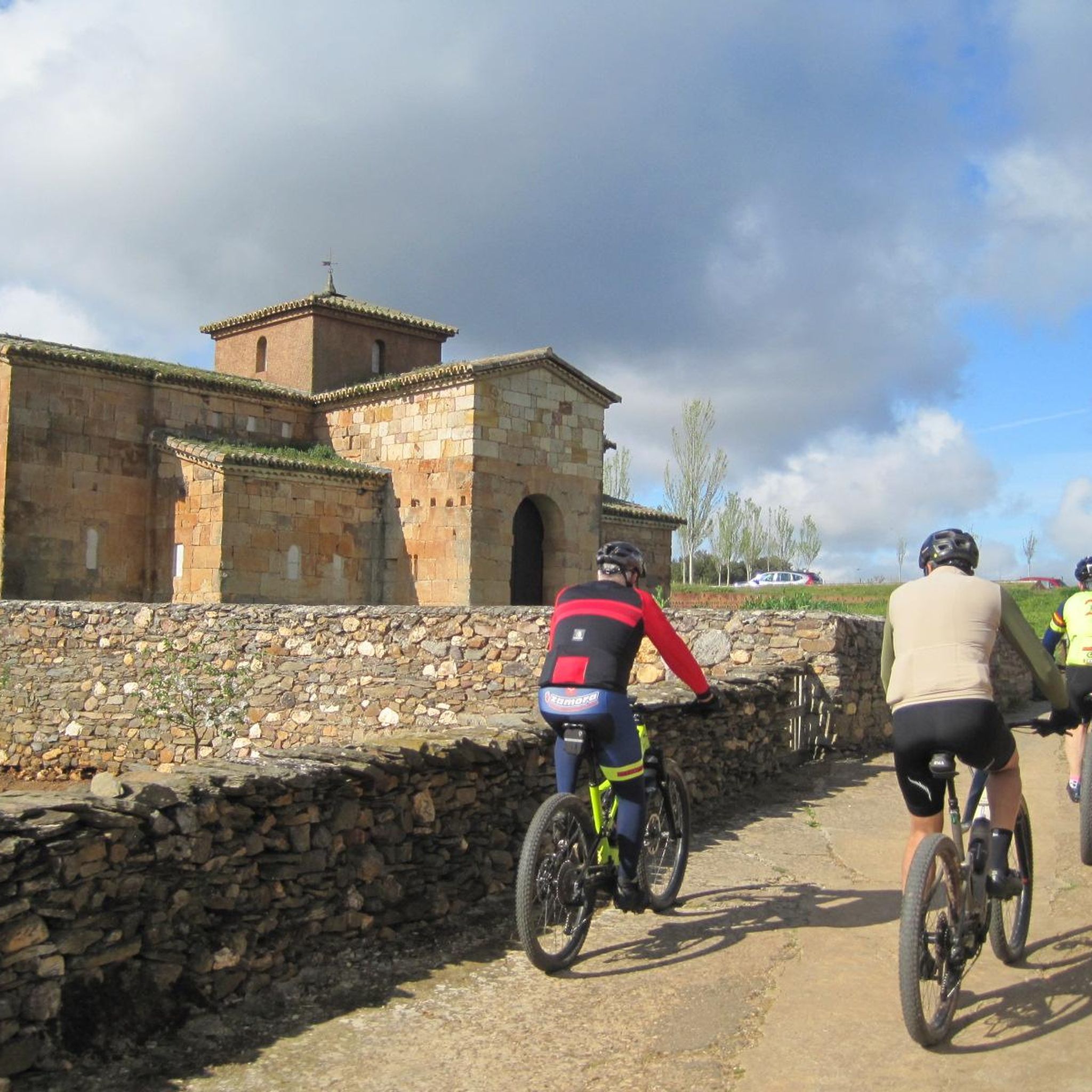
The Church of San Pedro de la Nave is a 7th century Visigoth temple located in the town of El Campillo, municipality of San Pedro de la Nave-Almendra, in the province of Zamora, Spain. It was declared a National Monument on April 22, 1912. The construction of the temple dates back to the end of the 7th century and the beginning of the 8th century, possibly between the years 680 and 711, which makes it one of the last works of Visigothic art. Originally, it was located on the banks of the Esla River, but when the Ricobayo reservoir was built, it was moved stone by stone to the current location.
3
0

In one of the meanders of the Ricobayo Reservoir we find this small town which is accompanied by the Iglesia de San Pedro de la Nave. Old and remote town of Campillo.
0
0

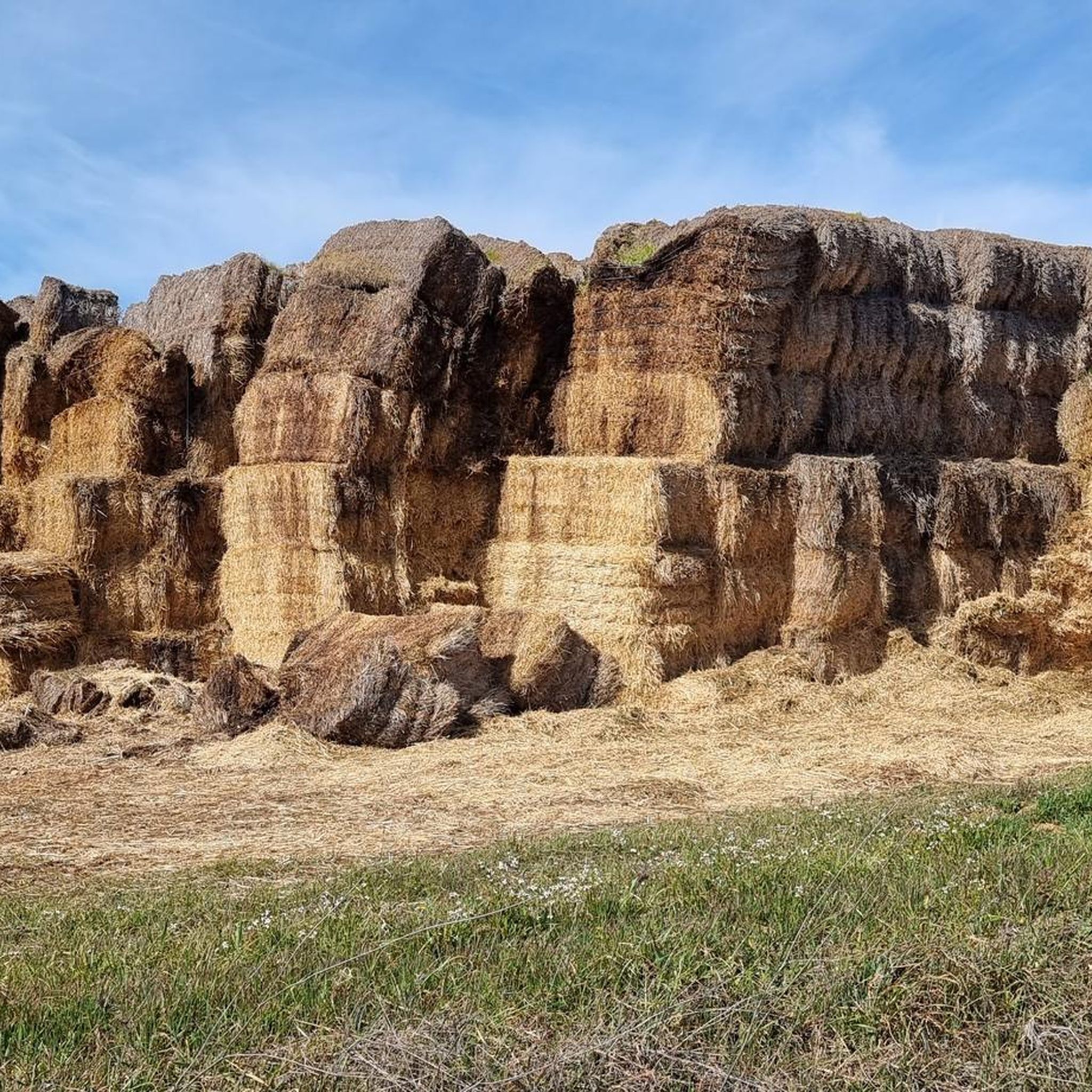
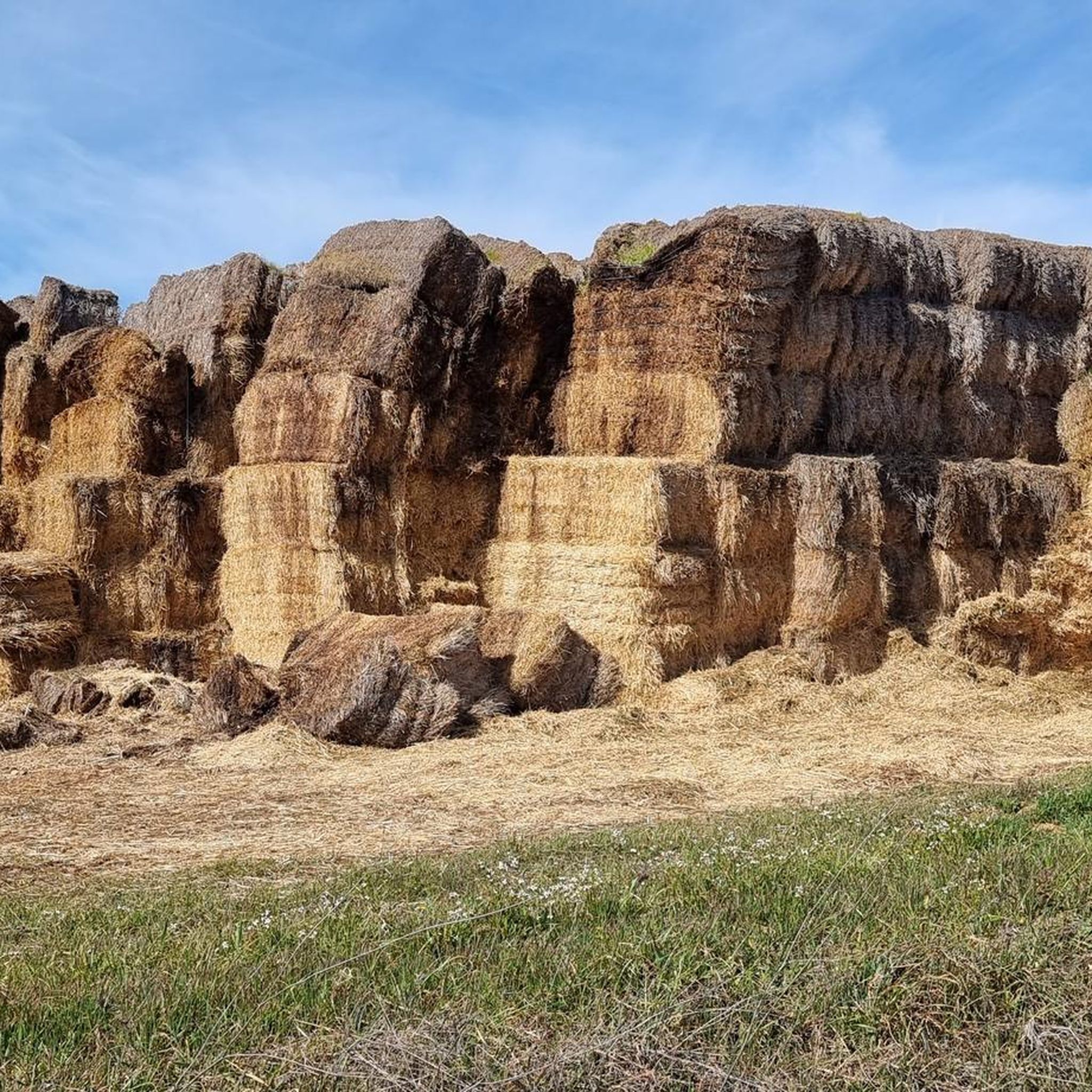
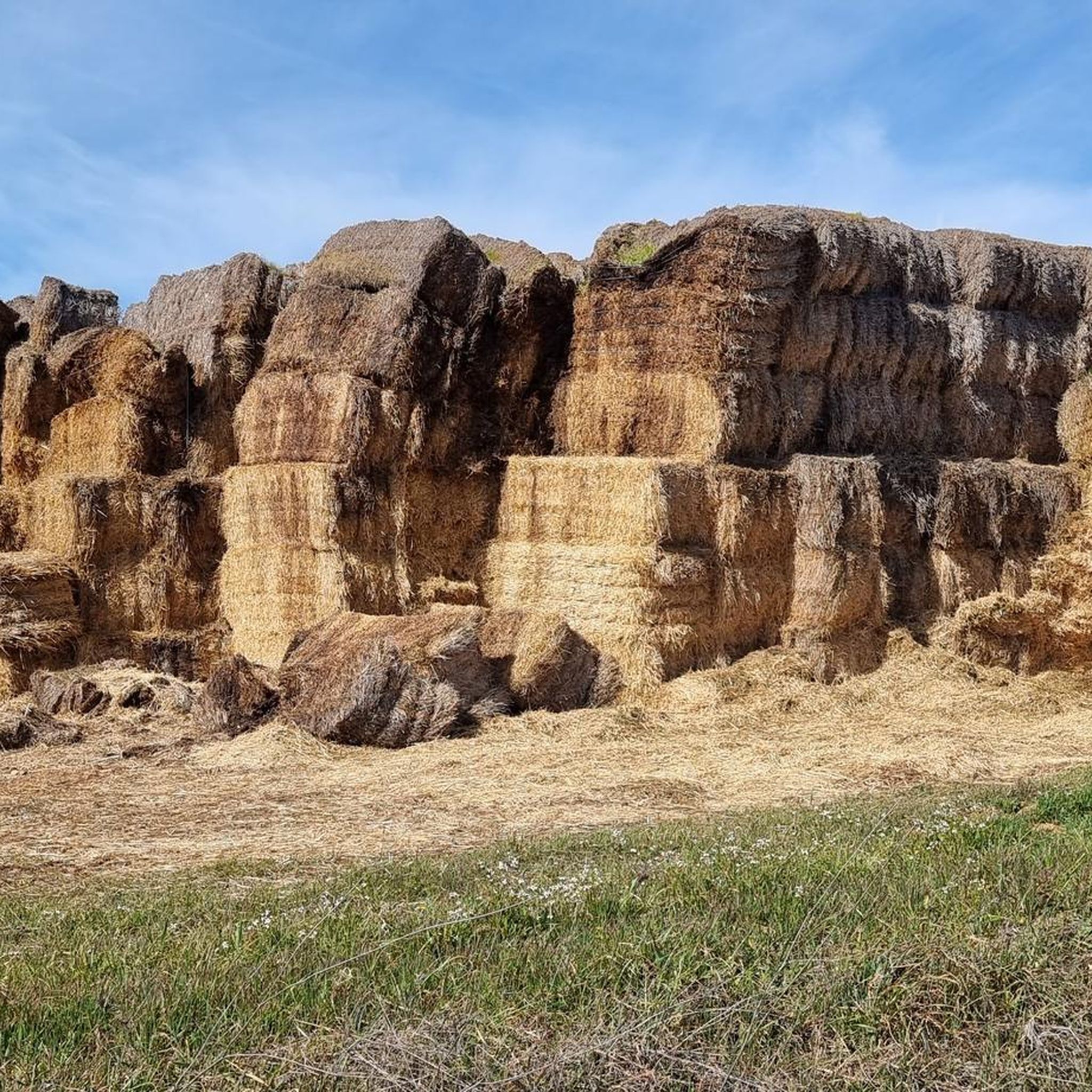
La Hiniesta was originally founded in the 12th century but later became famous for the construction of Santa María la Real, declared a historical-artistic monument.
2
0
Frequently Asked Questions
What historical and cultural sites can I visit around San Pedro De La Nave-Almendra?
The most significant historical site is the Church of San Pedro de la Nave, a 7th-century Visigothic temple renowned for its unique history of being moved stone by stone. You can also visit the Church of Santa María la Real de La Hiniesta, a historical-artistic monument originally founded in the 12th century. For a unique cultural experience, the Aula del Asno Zamorano-Leonés in Villalcampo offers insights into the Zamorano-Leonese donkey.
Are there any natural attractions or viewpoints in the area?
Yes, the area is rich in natural beauty. You can enjoy panoramic views of the Ricobayo Reservoir, an impressive hydroelectric engineering project on the Esla River. The Ricobayo Dam itself offers spectacular views of its concrete structure in the river's gorge. For a relaxing natural spot, visit the Playa Fluvial de Ricobayo, a serene river beach on the Esla River.
What kind of outdoor activities can I do near San Pedro De La Nave-Almendra?
The region offers various outdoor activities, especially around the Ricobayo Reservoir. You can find numerous routes for hiking, road cycling, and mountain biking. For hiking, explore trails like the 'Route of the Perones and Cadozos waterfall' or 'La Palia Waterfall - round trip from Valdoradas bridge'. Cyclists can enjoy loops around the Ricobayo Reservoir. Discover more details and routes on the Hiking, Road Cycling, and MTB Trails guides.
Are there family-friendly attractions or activities suitable for kids?
Absolutely. The Church of San Pedro de la Nave is listed as family-friendly, offering an engaging historical experience. The Aula del Asno Zamorano-Leonés provides an interactive opportunity to learn about donkeys, which can be fun for children. Additionally, the Playa Fluvial de Ricobayo is a great spot for families to relax by the water, and easy hiking trails like 'La Palia Waterfall - round trip from Valdoradas bridge' are suitable for family walks.
What is the best time of year to visit San Pedro De La Nave-Almendra?
To experience the region's natural beauty at its best, spring is an excellent time to visit, especially if you wish to see the Cascada de las Pilas waterfall with vibrant plant life. During heavy rains, the waterfall is at its full power. The river beaches and reservoir are particularly enjoyable during the warmer months for relaxation and water activities.
Can I find places to swim or relax by the water?
Yes, the Playa Fluvial de Ricobayo, located in Muelas del Pan, offers a serene environment for relaxation and enjoyment on the tranquil Esla River, especially where it meets the Ricobayo reservoir. Its gentle sandy slope provides easy access to the water. In Zamora, about 17 km away, you can also find Playa de los Pelambres.
What is the significance of the Ricobayo Dam and Reservoir?
The Ricobayo Dam, completed in 1934, was a major hydraulic engineering project on the Esla River, forming the impressive Ricobayo Reservoir. This project led to the relocation of the historic Church of San Pedro de la Nave. The reservoir is now a significant feature of the landscape, offering panoramic views and opportunities for water sports and hiking in the Arribes del Esla area.
Are there any notable bridges in the area?
Yes, the Valdoradas Bridge offers excellent views of the Ricobayo Reservoir and its surrounding environment. It's also a convenient starting point for routes, with parking available nearby.
What are some attractions I can visit in the nearby city of Zamora?
The provincial capital, Zamora, is approximately 17-18 km away and offers additional attractions. You can explore the significant Catedral de Zamora, visit the historic Zamora Castle (currently undergoing rehabilitation), or enjoy a natural escape at Bosque de Valorio. For evening views, the Mirador del Troncoso is particularly noted.
Where can I find accommodation or places to eat near San Pedro De La Nave-Almendra?
While specific establishments are not detailed here, the village of El Campillo, where the Church of San Pedro de la Nave is located, and nearby Muelas del Pan, offer local options for accommodation and dining. For a wider selection, the city of Zamora, just a short drive away, provides numerous hotels, restaurants, and cafes.
Is the Cascada de las Pilas waterfall worth visiting?
The Cascada de las Pilas waterfall, located about 17 km away in Almaraz de Duero, is recommended for visits during heavy rains to witness its full power. Alternatively, a spring visit allows you to experience the vibrant plant life and scents surrounding it, making it a picturesque natural spot.
Most popular routes around San Pedro De La Nave-Almendra
Most popular attractions around San Pedro De La Nave-Almendra

Get inspired with the komoot mobile app


Explore more
Still not found the Highlight you’re looking for? See guides of the top attractions in other regions:
