The best cycling routes around La Roda De Andalucía
4.8
(22)
221
riders
23
rides
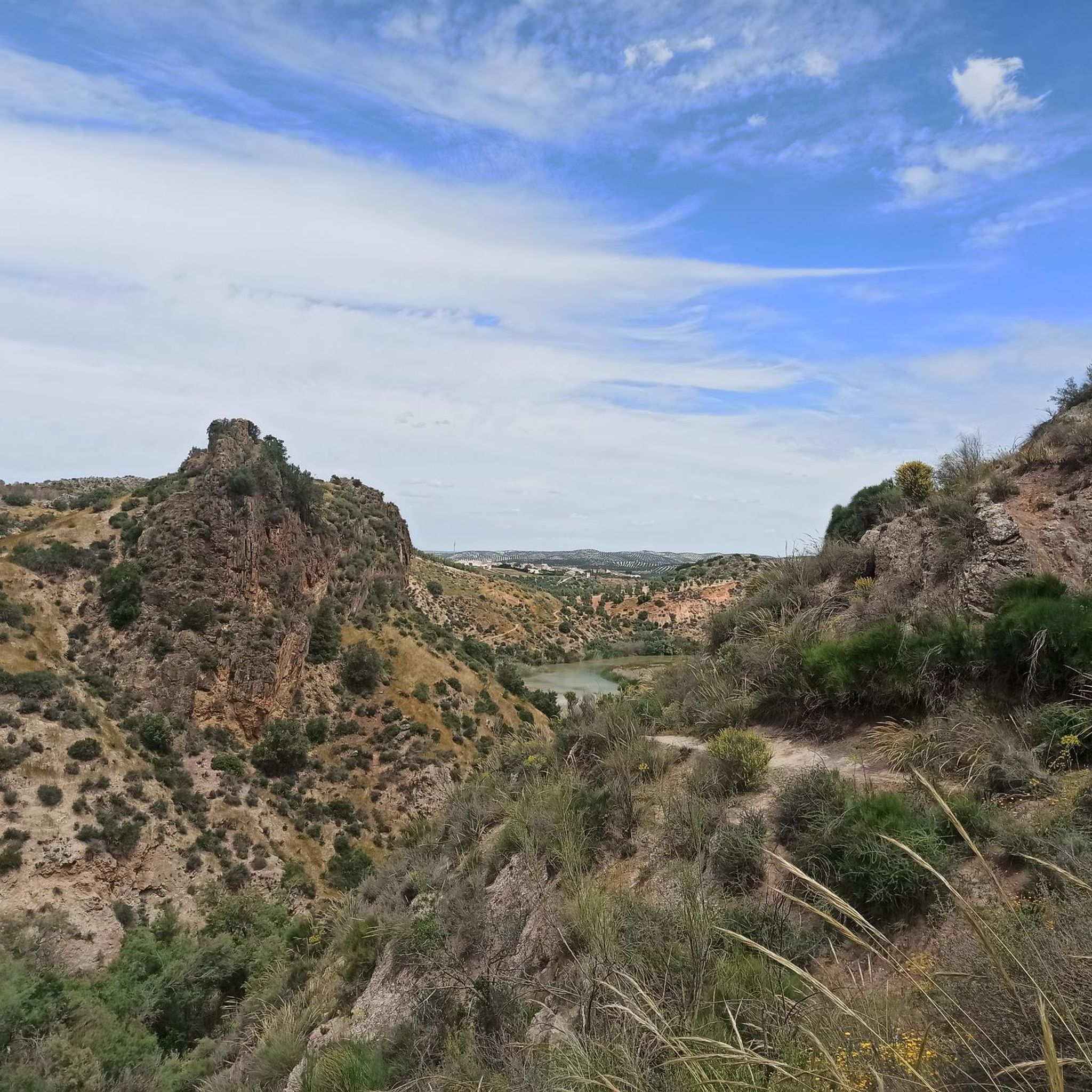
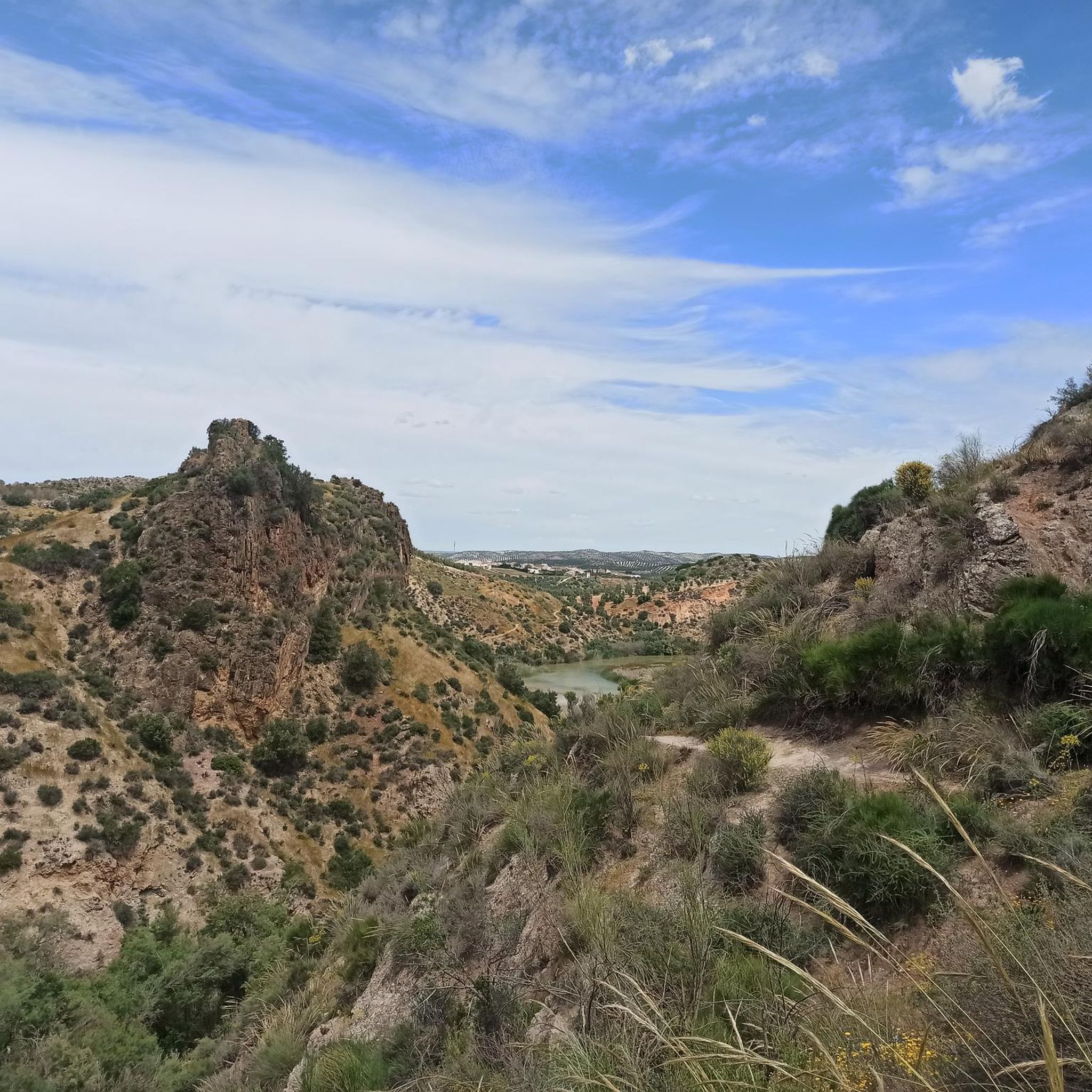
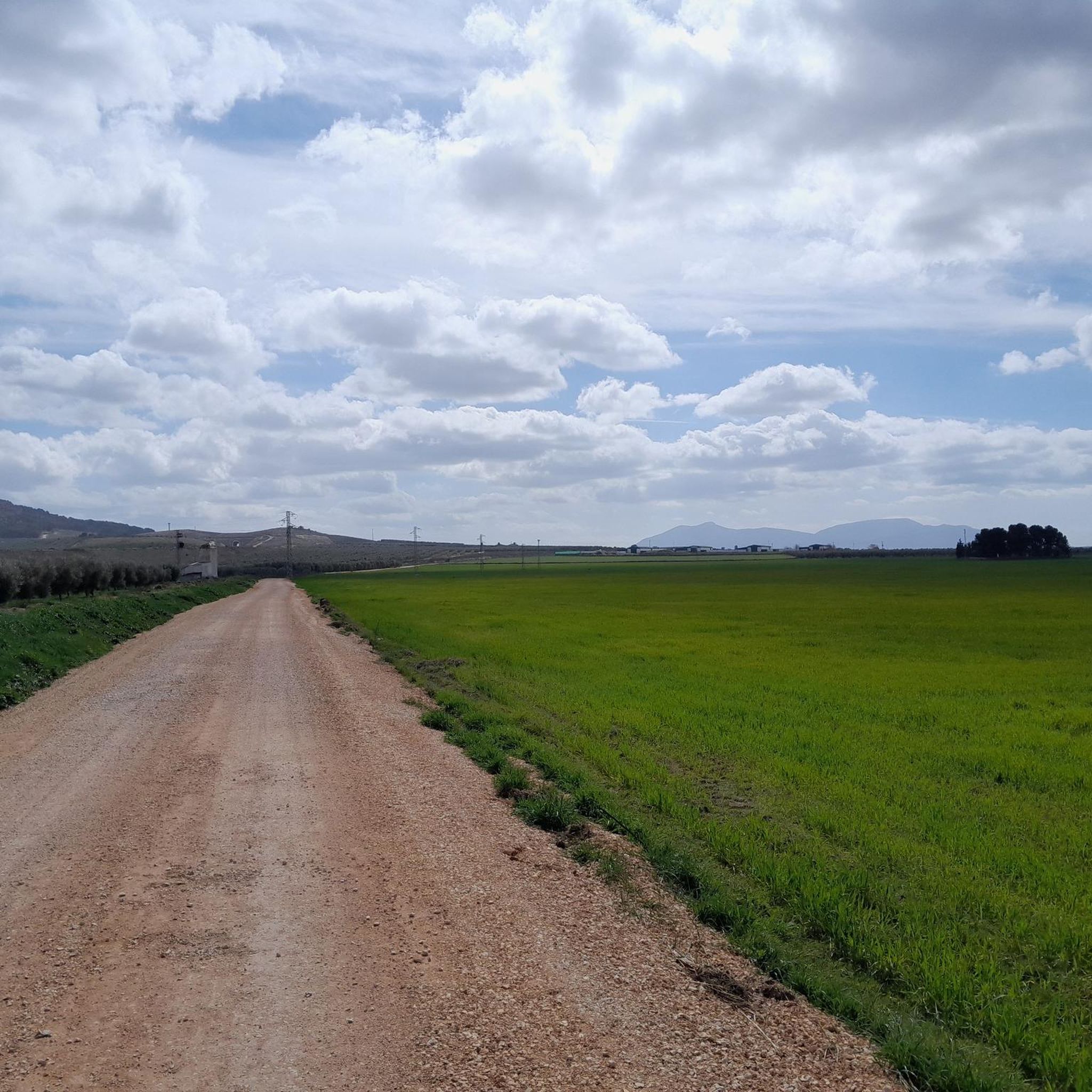
Touring cycling around La Roda De Andalucía offers diverse landscapes within the Sierra Sur region, characterized by rolling hills and extensive olive groves. The area is traversed by the River Yeguas and Salinoso Stream, creating natural corridors. Proximity to the Sierra Baja hills and the Sub-Baetic System provides varied terrain. A significant natural feature is the Laguna de Fuente de Piedra Nature Reserve, known for its wetlands and flamingo colony, offering dedicated cycling paths.
Best touring cycling routes around La Roda De Andalucía
- The most popular touring cycling route is Quarry and Steppe from Roda de Andalucía – circular via the Greenway of Las Lagunas, a 24.5 miles (39.4 km) trail that takes 2 hours 36 minutes to complete. This difficult route explores the local greenway, steppe landscapes, and quarry areas.
- Another top favourite among local touring cyclists is Unique holm oak – Pedrera loop from Cortijo de los Pinos, a moderate 18.7 miles (30.1 km) path. This route winds through the countryside, featuring holm oaks and views towards Pedrera.
- Local touring cyclists also love the Pedrera loop from La Roda de Andalucia, a 26.2 miles (42.2 km) trail leading through the agricultural landscapes and rolling hills surrounding Pedrera, often completed in about 3 hours 51 minutes.
- Touring cycling around La Roda De Andalucía is defined by rolling hills, vast olive groves, and the wetlands of Laguna de Fuente de Piedra. The network offers options for easy, moderate, and difficult routes, catering to various ability levels.
- The routes in La Roda De Andalucía are highly rated by the komoot community with an average score of 4.8 stars from over 10 reviews. More than 100 touring cyclists have used komoot to explore La Roda De Andalucía's varied terrain.
Last updated: November 16, 2026
4
riders
Hard bike ride. Very good fitness required. Mostly paved surfaces.
5.0
(1)
7
riders
42.2km
03:51
450m
450m
Hard bike ride. Very good fitness required. Mostly paved surfaces.

6
riders
29.5km
02:23
270m
270m
Moderate bike ride. Good fitness required. Mostly paved surfaces.
5
riders
53.4km
04:33
530m
530m
Hard bike ride. Very good fitness required. Mostly paved surfaces.
5
riders
Moderate bike ride. Good fitness required. Mostly paved surfaces.
Get access to more routes and recommendations from other explorers.
Already have an account?
Our route recommendations are based on thousands of hikes, rides, and runs completed by other people on komoot.
Start today with a free account
Your next adventure awaits.
Tips from the Community

In the heart of Alameda stands the monument to José María Hinojosa Cobacho, better known as "El Tempranillo," one of the most famous Andalusian bandits of the 19th century. The bronze statue depicts him in a typical rebel and folk hero pose and is located on Calle Álamos, not far from the town center. El Tempranillo was born in 1805 in Jauja, near Lucena, and joined a band of highwaymen at a young age. Over time, he became a legendary figure, both feared and revered by the local population—a symbol of resistance against social injustice. After being mortally wounded in a raid in 1833, his body was brought to Alameda, where he died and was buried in the Church of the Immaculate Conception. The monument and his grave are now part of the "Ruta del Tempranillo," a cultural route that traces the life of the bandit. They are reminiscent of a time when outlaws and folk heroes often lived close together, making Alameda an important place in Andalusian history and legendary culture.
2
0
Alameda is a picturesque village that captivates visitors with its tranquil atmosphere and historically rich surroundings. Encircled by expansive fields and rolling hills, it offers ideal conditions for cycling tours through the Andalusian hinterland. The whitewashed houses, narrow streets, and shady squares lend the village its typical Andalusian charm. At its heart lie the Church of the Immaculate Conception and the Placeta Fountain, reminders of the village's Roman roots. Alameda is particularly famous for the legend of the bandit José María "El Tempranillo," whose monument and tomb are now popular destinations for visitors. The surrounding area is easily explored by bicycle – passing olive groves, old farmhouses, and quiet paths that offer a glimpse into rural Andalusia. Alameda uniquely combines history, culture, and nature, making it an ideal starting point for peaceful, enriching tours away from the crowds.
0
0
The Parish Church of Our Lady of the Immaculate Conception (Iglesia Parroquial de Nuestra Señora de la Inmaculada Concepción) is the main church of Alameda and is located in the town center. Built in 1633, it has been expanded several times over the centuries, including the 18th century with the addition of side aisles and a Baroque chapel. The church displays typical elements of Andalusian Baroque architecture, with a simple stone and brick facade and a striking round-arched portal. Inside, the high nave, flanked by two lower side aisles, and a barrel-vaulted ceiling create a harmonious atmosphere. The church is particularly famous as the burial place of the legendary bandit El Tempranillo, who died in Alameda in 1833. It also houses an elaborate image of the Virgen de los Dolores (Virgin of Sorrows), created in 1940 by the sculptor Castillo Lastrucci. The church is now a listed building and is considered one of the most important historical buildings in the town, combining both religious and cultural history.
3
0
The Iglesia Parroquial de Nuestra Señora de la Inmaculada Concepción is the main church of Alameda and is located in the center of the town. It was built in 1633 and expanded several times over the centuries, including the addition of side aisles and a Baroque chapel in the 18th century. The church displays typical elements of Andalusian Baroque, with a simple facade of stone and brick and a striking round-arched portal. The interior features an impressive high main nave, flanked by two lower side aisles, and a barrel-vaulted ceiling, which lends the space a harmonious effect. The church is particularly famous for being the burial place of the legendary bandit El Tempranillo, who died in Alameda in 1833. It also houses an ornate image of the Virgen de los Dolores, created in 1940 by the sculptor Castillo Lastrucci. The church is now a listed building and is considered one of the most important historical buildings in the area, combining both religious and cultural history.
0
0
The Fuente en Álamos - Alameda is a historic fountain located in the heart of the village, marked by a small sign. It was once a central meeting place for the residents, especially for the aguadoras – women who fetched water, skillfully filling jugs directly with running water using a funnel and a long stick. This activity was not only a daily chore but also a kind of original artistry, as described by the writer Francisco Jiménez Conde. The fountain thus symbolizes not only the historical water supply of the community but also the practical skills and traditions of Alameda's inhabitants.
1
0

nice trail, after the rains
1
0

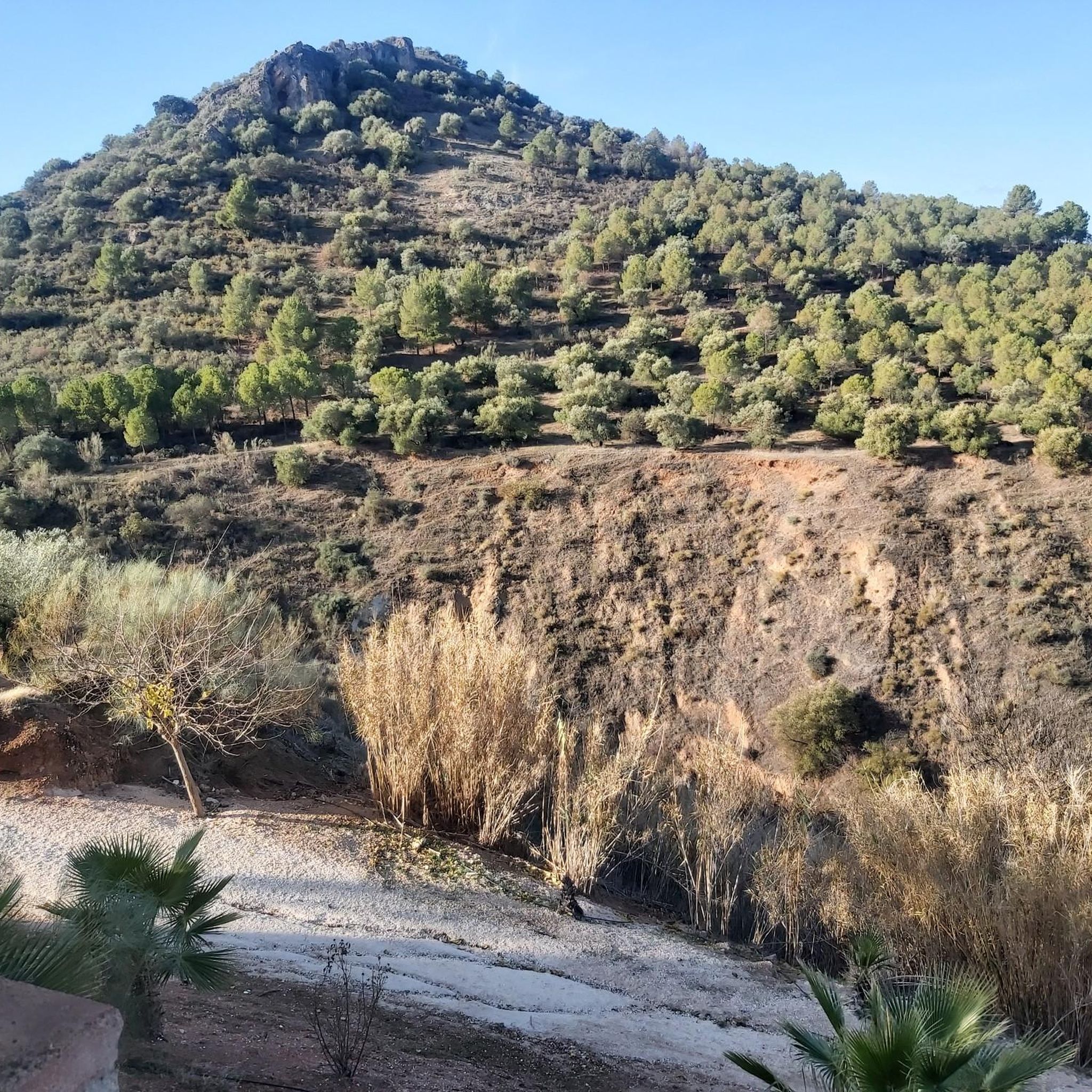
Great equestrian route through the Sierra de Mollina, surrounded by rock formations that include the Cueva de los Órganos and pine forests. A great day near the Alameda.
2
0
With settlements dating back to the Chalcolithic or Eneolithic and Roman thermal times, the rural town of Alameda owes its name to the Los Álamos stream. The Immaculate Conception Immaculate Parish is one of the most important monuments.
3
0
Frequently Asked Questions
What kind of terrain can I expect when touring cycling around La Roda de Andalucía?
The touring cycling routes around La Roda de Andalucía are characterized by rolling hills and vast olive groves, offering picturesque scenery. The area is also traversed by the River Yeguas and Salinoso Stream, creating natural corridors. While the region is generally at an altitude of 405 meters, its proximity to the Sierra Baja hills and the Sub-Baetic mountain ranges means you can find varied terrain, from gentle slopes to more challenging climbs.
Are there touring cycling routes suitable for beginners or those looking for an easier ride?
Yes, the network of touring cycling routes in La Roda de Andalucía offers options for various ability levels, including easy and moderate routes. For example, the area features greenways like the Greenway of Las Lagunas, which often provide more accessible cycling experiences through the countryside.
Are there more challenging touring cycling routes for experienced riders?
Absolutely. For experienced cyclists seeking more challenging terrain, routes like the Quarry and Steppe from Roda de Andalucía – circular via the Greenway of Las Lagunas are classified as difficult, featuring significant elevation changes. The proximity to the Sierra Baja hills and the Sub-Baetic System also suggests access to more demanding climbs.
How many touring cycling routes are available in the La Roda de Andalucía area?
There are over 50 touring cycling routes available around La Roda de Andalucía, catering to various skill levels from easy to difficult. These routes are highly rated by the komoot community, with an average score of 4.8 stars.
What natural attractions can I explore by bike near La Roda de Andalucía?
A significant natural attraction accessible by bike is the Laguna de Fuente de Piedra Nature Reserve, renowned for its flamingo colony. You can also find highlights like the Genil River Meander and the Arroyo del Pontón, offering diverse natural landscapes to explore.
Are there any specific landmarks or points of interest to look out for on the touring cycling routes?
Yes, beyond the natural beauty, you can encounter cultural and historical points of interest. For example, some routes might pass near the Hermitage of Our Lady of Fuensanta or the Purísima Inmaculada Concepción Parish in Alameda. The region's history is also reflected in its Roman bridges and traditional architecture.
Can I cycle to the Laguna de Fuente de Piedra Nature Reserve?
Yes, the Laguna de Fuente de Piedra Nature Reserve is highly recommended for cycling, with well-maintained roads and paths leading through the surrounding Andalusian countryside. You can also visit the Bird Observation Tower within the reserve for enhanced birdwatching opportunities, particularly between March and June when flamingos are abundant.
Are there family-friendly touring cycling routes in La Roda de Andalucía?
The region offers routes with varying difficulty levels, and the presence of greenways like the Vía Verde de Las Lagunas often indicates flatter, well-maintained paths suitable for families. These routes allow for tranquil exploration of the countryside, enjoying nature and diverse birdlife.
Can I bring my dog on the cycling routes around La Roda de Andalucía?
While specific regulations for dogs on all cycling routes can vary, greenways like the Vía Verde de Las Lagunas are generally more accommodating for dogs, provided they are kept on a leash and you adhere to local etiquette regarding waste disposal. It's always best to check local signage or specific route guidelines.
What is the best time of year to go touring cycling in La Roda de Andalucía?
The region generally offers a pleasant climate for cycling. Spring (March to May) and autumn (September to November) are often ideal, providing comfortable temperatures and vibrant natural scenery, especially for birdwatching at the Laguna de Fuente de Piedra. Summers can be very hot, while winters are milder but can be cooler.
Are there circular touring cycling routes available?
Yes, many touring cycling routes in the area are designed as circular loops, allowing you to start and end at the same point. An example is the Unique holm oak loop from La Roda de Andalucía, which offers a convenient way to explore the countryside without retracing your steps.
How can I access the cycling routes around La Roda de Andalucía using public transport with my bike?
La Roda de Andalucía is a well-connected town. While specific public transport options for bikes can vary, regional train services or intercity buses often have provisions for bicycles, though it's advisable to check with the specific transport provider in advance for their bike policies and any booking requirements.
Where can I find bike rental services in La Roda de Andalucía?
While specific rental shops are not detailed in the route data, La Roda de Andalucía, being a recognized cycling destination (even hosting stages of the Vuelta a Andalucía), is likely to have local bike rental services or shops in the town or nearby larger centers that cater to cyclists. It's recommended to inquire locally upon arrival or search online for current options.
Most popular routes around La Roda De Andalucía
Most popular attractions around La Roda De Andalucía

Get inspired with the komoot mobile app


Explore more
Browse the best Cycling routes in other regions.
