Attractions and Places To See around Deba - Top 20
Best attractions and places to see around Deba include a diverse range of natural landscapes and cultural sites within the Basque province of Gipuzkoa. The town is a key part of the Basque Coast UNESCO Global Geopark, known for its unique geological flysch formations along the coastline. Deba also features expansive beaches, mountains, and significant historical architecture. This coastal destination offers a blend of outdoor exploration and cultural discovery.
Best attractions and places to see around Deba
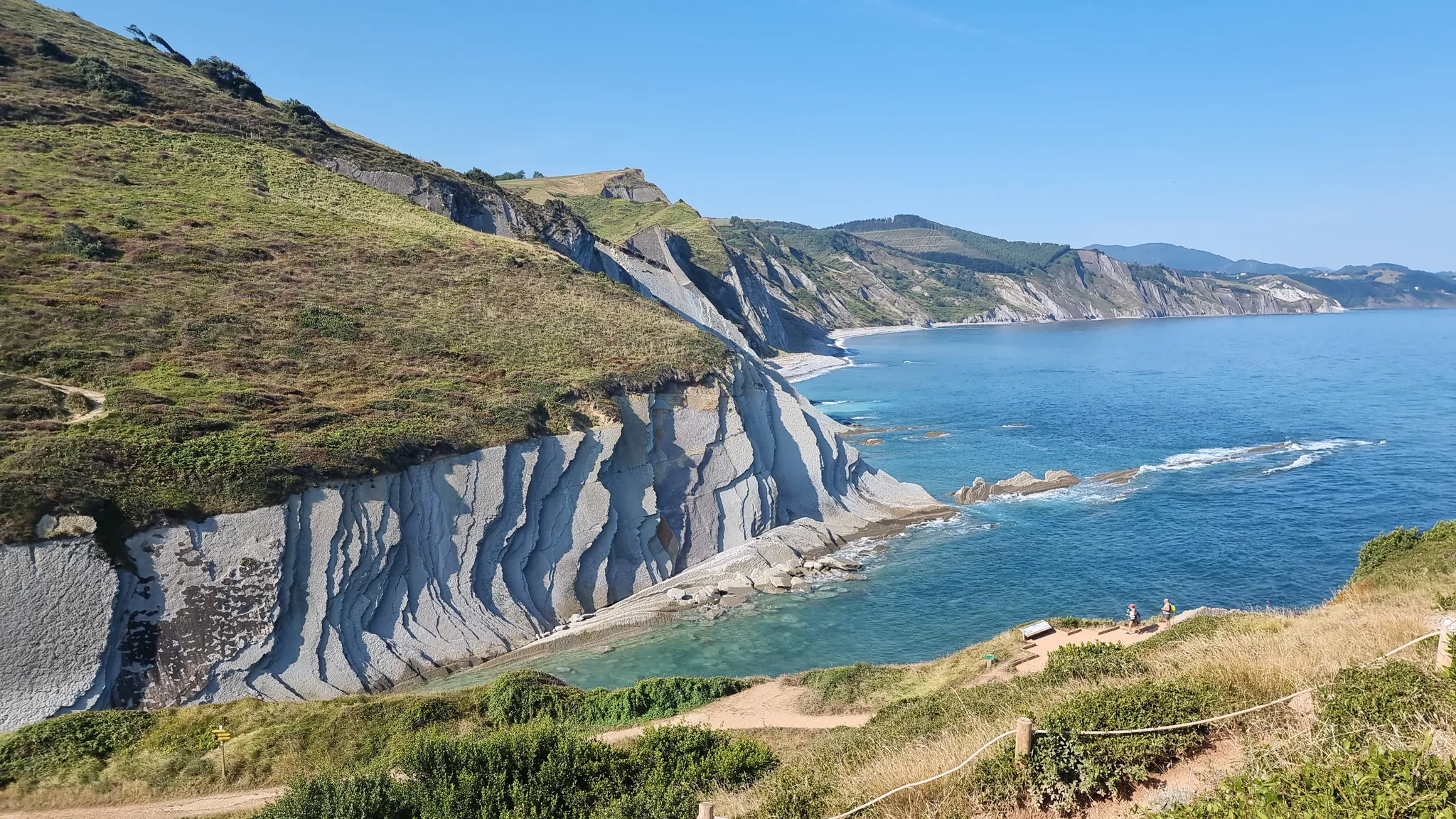
- The most popular attractions is Zumaia Flysch Cliffs, a natural monument where the flysch formations were created over a period of 100 million years. These sediments were exposed during a collision between the Iberian and European tectonic plates.
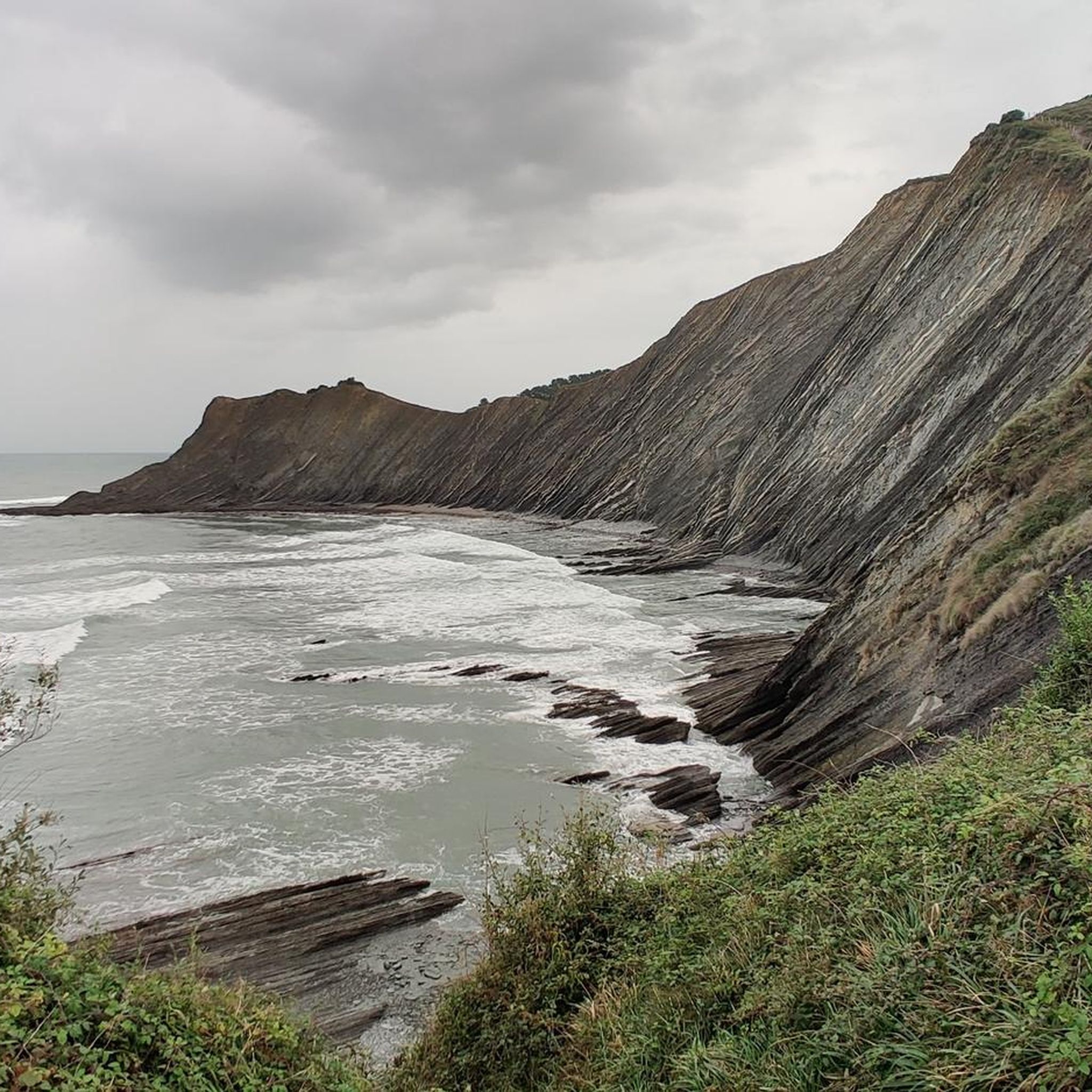
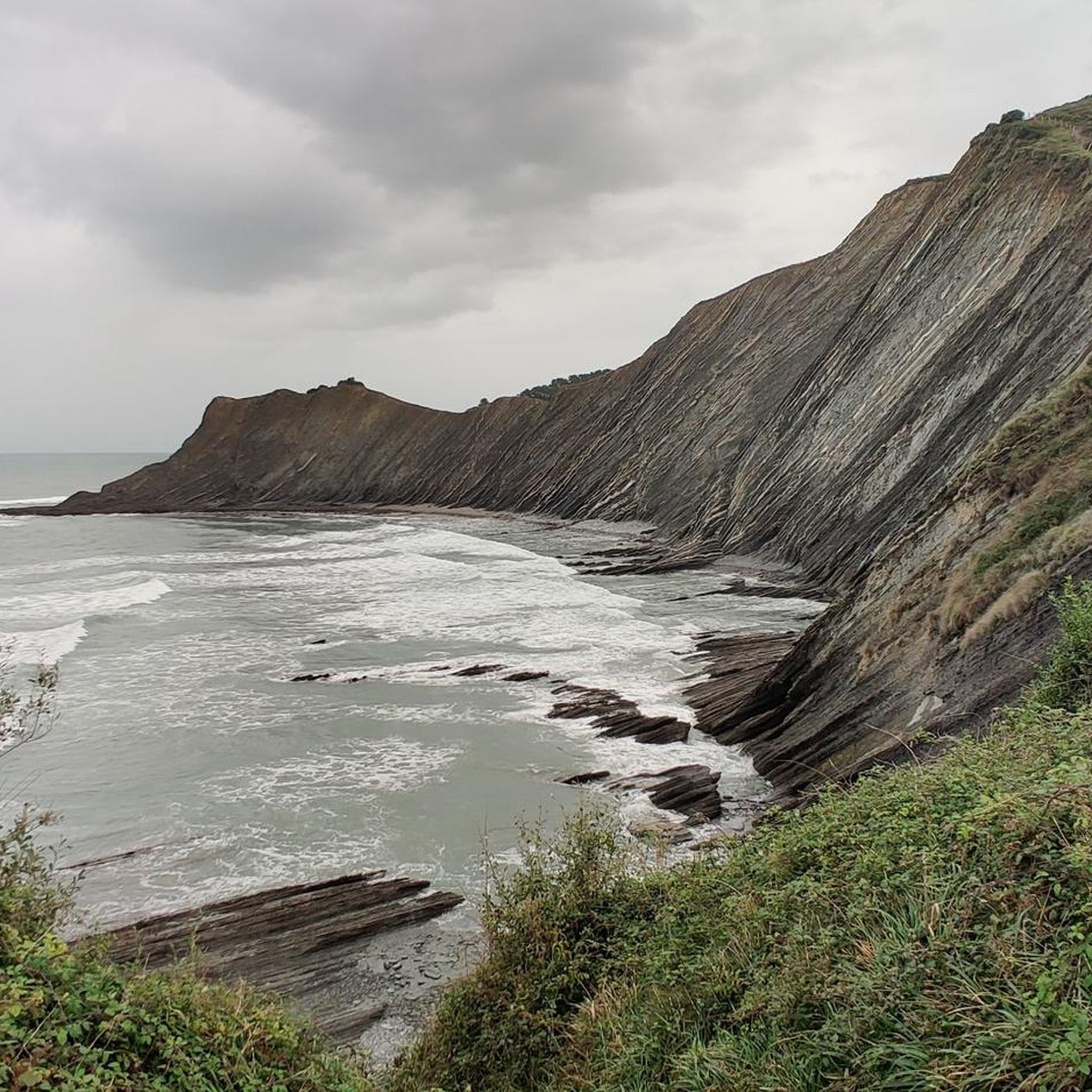
- Another must-see spot is Algorri Flysch, a natural monument featuring spectacular rock structures formed by alternating layers of sediments. This area is part of the Basque Coast Geopark, revealing millions of years of geological history.
- Visitors also love Zarautz Beach, a beach with more than 2,500 meters of fine golden sand. It is the longest beach on the Basque coast and is suitable for surfing.
- Deba is known for its impressive geological formations, extensive beaches, and significant cultural sites. Visitors can explore natural monuments, historical buildings, and coastal areas.
- The attractions around Deba are appreciated by the komoot community, with more than 400 upvotes and 180 photos shared.
Last updated: November 20, 2026
Algorri Flysch
Highlight • Natural Monument
Translated by Google •
Tip by

San Telmo Hermitage
Highlight • Religious Site
Translated by Google •
Tip by

Sign up now to discover places like this
Get recommendations on the best single tracks, peaks, & plenty of other exciting outdoor places.
Cretaceous–Paleogene Boundary Cliffs
Highlight • Natural Monument
Translated by Google •
Tip by

Old Railway Tunnel
Highlight • Structure
Translated by Google •
Tip by

San Juan Fountain
Highlight • Monument
Translated by Google •
Tip by

Sign up for free to discover even more attractions around Deba.
Already have an account?
Start today with a free account
Your next adventure awaits.

Other adventures around Deba

Tips from the Community

In a small square in the center of Zumaia (between Olazabal Idazkaria and Nagusi streets) stands the Fountain of San Juan, next to the Olazabal Palace. Beside it is a life-size bronze statue of a water carrier. The work would not be of great importance if it were not for the fact that one of the scenes of the highly successful film "Ocho apellidos vascos" was filmed in this place, where the protagonist (Dani Rovira) with megaphone in hand stands as a "leader" with his nationalist demands for the locals of the invented town of Argoitia. The fountain itself was inaugurated in 1898 to commemorate the arrival of piped water from the municipality of Sax in Alicante. The group of figures was added in 1918. The sculpture was created by the sculptor Vicente Bañuls Aracil, from Alicante. Susana Llaneras Rico, a young local resident, served as the model for the main female figure.
0
0


Super beautiful cliffs! Unfortunately, it was still high tide where we were, so the flysch cliffs were only visible at low tide. Check the tides at tideschart.com.
0
0

The first (or last section if reversing the route) section is absolutely NOT accessible. Possibly only at extreme low tide. We were there an hour before extreme low tide, and it was completely impossible. I would choose to simply follow the route at a higher elevation and skip the "beach" section. Especially since the beach is made up of large stones and rocks, difficult to walk on because you always have to watch your step due to loose stones.
2
0

Mostly the area is windy especially due to topography. Do not forget to carry water with yourself. Enjoy the Bay of Biscay
3
0


Spectacular route along the Cantabrian cornice enjoying the famous flich dating back 50 million years and its small hermitage with 8 Basque surnames.
4
0
Frequently Asked Questions
What unique geological features can I explore around Deba?
Deba is a key part of the Basque Coast UNESCO Global Geopark, renowned for its spectacular “flysch” rock formations. These unique geological layers reveal millions of years of Earth's history. You can explore these formations at sites like Algorri Flysch and the Zumaia Flysch Cliffs. Boat trips are also available within the Geopark for a different perspective.
Which beaches are best for visiting in Deba?
Deba offers several beautiful beaches. Santiago Beach is the main beach, a spacious stretch of fine sand ideal for families and water sports like surfing, complete with a promenade. For a more secluded experience with impressive cliffs, you can visit Lapari Beach. Aitzuri Beach is known for its unique small stones and natural feel, requiring a short walk to access. Additionally, Zarautz Beach, the longest on the Basque coast, is also nearby and great for surfing.
Are there any natural areas for walking or wildlife observation near Deba?
Yes, inland from Deba, the Lastur Valley offers stunning natural beauty, perfect for hiking, biking, and horse riding amidst green landscapes and traditional country houses. The Casacampo Marshes, located within the Deba estuary, are another excellent natural area for walking and observing wetlands, leading to the Artzabal wetland.
What historical or cultural sites can I visit in Deba?
Deba boasts a rich cultural heritage. The magnificent Church of Santa Maria, a 15th-16th century Basque Gothic temple, is a National Monument with a remarkable late-Gothic cloister. You can also visit the 17th-century Palacio Aguirre, an important example of civil architecture, or the Sasiola Convent Hospital, a significant stop on the Camino de Santiago from the 16th-17th century.
Is there a significant prehistoric site near Deba?
Yes, the Ekain Cave is a highly significant prehistoric site near Deba, holding some of the best examples of Magdalenian-period cave art in the Cantabrian area. While the original cave has restricted access for preservation, an interpretation center allows visitors to learn about its rich archaeological heritage.
What outdoor activities are available around Deba?
Beyond exploring the Geopark and beaches, Deba offers a variety of outdoor activities. You can enjoy hiking and cycling in the Lastur Valley, or try surfing at Santiago Beach or Zarautz Beach. Boat trips are also available to experience the Geopark from the sea. For more structured routes, consider the many cycling and gravel biking options available.
Are there specific routes for cycling or gravel biking near Deba?
Absolutely! Deba is a great base for cycling. You can find numerous routes for different cycling styles. For example, there are challenging touring bicycle routes like the 'Lekeitio – View of Lekeitio loop' or the 'View of Zarautz Bay – View of Getaria loop'. Gravel biking enthusiasts can explore routes such as the 'Coastal gravel route from Zarautz to Lekeitio'. Road cyclists have options like the 'Zumaia – Zarautz Beach loop'. You can find more details on these and other routes in the Cycling around Deba, Gravel biking around Deba, and Road Cycling Routes around Deba guides.
Can I go hiking along the coast near Deba?
Yes, the coastline around Deba is excellent for hiking, particularly along the Flysch Route within the Basque Coast Geopark. A popular option is the coastal walk that includes the Old Railway Tunnel, offering beautiful views. Be aware that some sections, especially those exploring the flysch formations at sea level, are only accessible at low tide. Always check tide times before planning your coastal hike.
Are there family-friendly attractions or activities in Deba?
Deba is very family-friendly. Santiago Beach is ideal for families with its fine sand and calm waters. The picturesque promenade along the coastline is perfect for leisurely strolls. Nearby, Zarautz Beach is also known for being family-friendly. Exploring the less strenuous parts of the Lastur Valley or the Casacampo Marshes can also be enjoyable for families.
What is the best time of year to visit Deba?
The best time to visit Deba generally depends on your preferred activities. For enjoying the beaches, water sports, and coastal walks, the warmer months from late spring to early autumn (May to September) are ideal. If you're more interested in hiking and exploring cultural sites without the summer crowds, spring and early autumn offer pleasant temperatures and beautiful scenery.
What do visitors particularly enjoy about the attractions around Deba?
Visitors frequently praise the spectacular geological formations, especially the flysch at Algorri and Zumaia, often highlighting the unique experience of walking along the seashore at low tide. The extensive and beautiful beaches, like Zarautz Beach, are also highly appreciated for their beauty and suitability for various activities. The blend of natural beauty and significant historical sites makes Deba a captivating destination.
Are there any accessible attractions for visitors with mobility concerns?
While many natural coastal paths can be challenging due to terrain and tides, Deba's main promenade along Santiago Beach offers a flat and accessible route for enjoying the coastal views. The town center, with its Town Hall and Municipal Market, generally provides more accessible pathways. It's always advisable to check specific accessibility details for individual sites before visiting.
Where can I find local markets or traditional architecture in Deba?
You can experience local life and traditional architecture in Deba's town center. The Municipal Market, housed in a historic covered walkway building from 1910, is a cultural asset and a great place to find local goods. The 18th-century Baroque City Hall is also notable for its design and historical significance, showcasing the town's architectural heritage.
Most popular attractions around Deba

Get inspired with the komoot mobile app


Explore more
Still not found the Highlight you’re looking for? See guides of the top attractions in other regions:
